Easy Numbers 0–10 Worksheets for Ages 3-8 - Page 2
65 filtered results
-
From - To
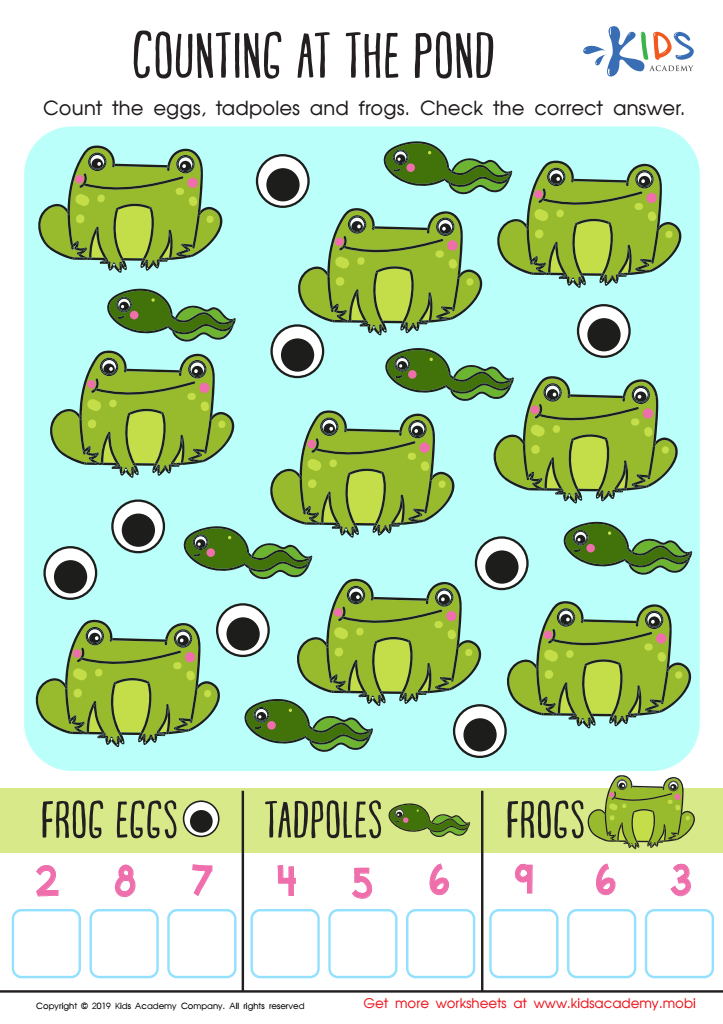
Counting at the Pond Worksheet
 Assign to My Students
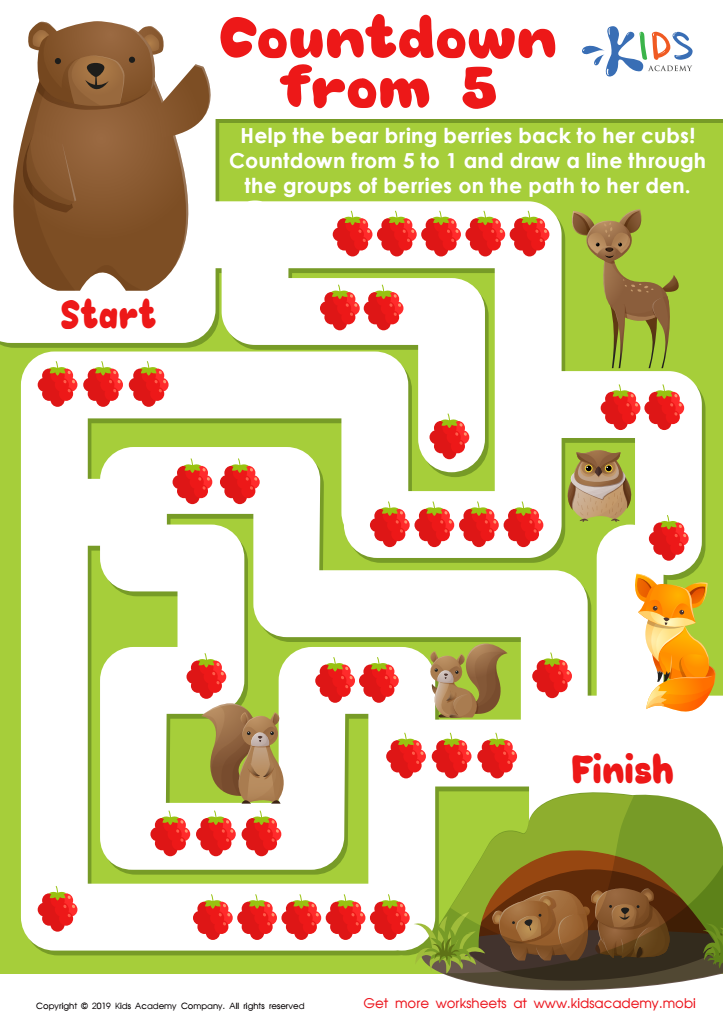
Countdown from 5 Worksheet
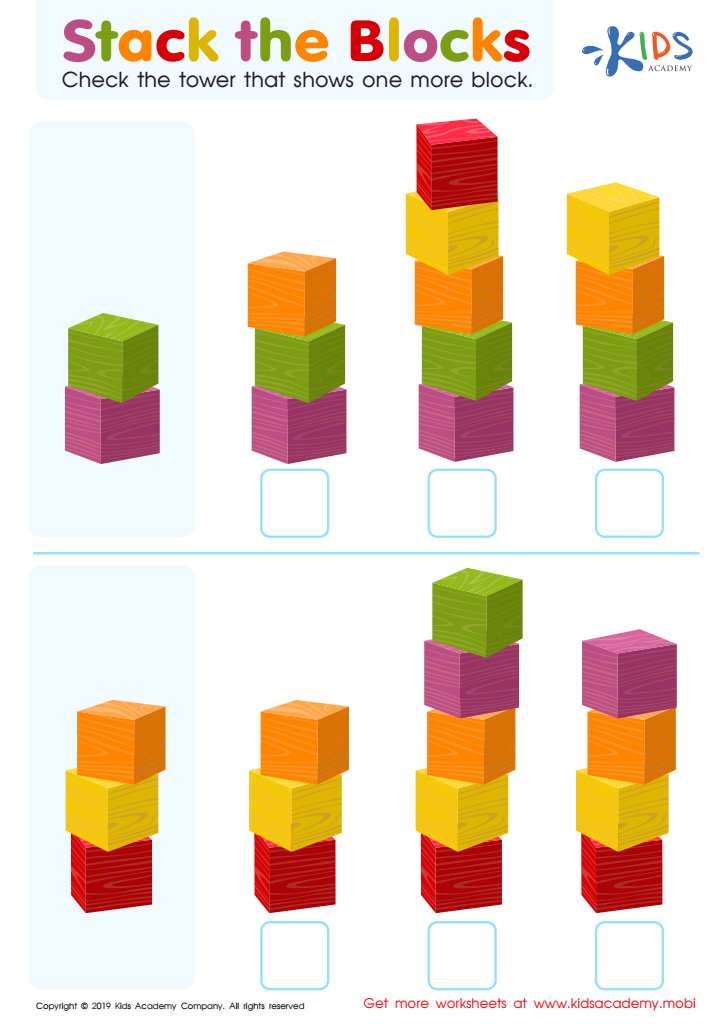
Stack the Blocks Worksheet
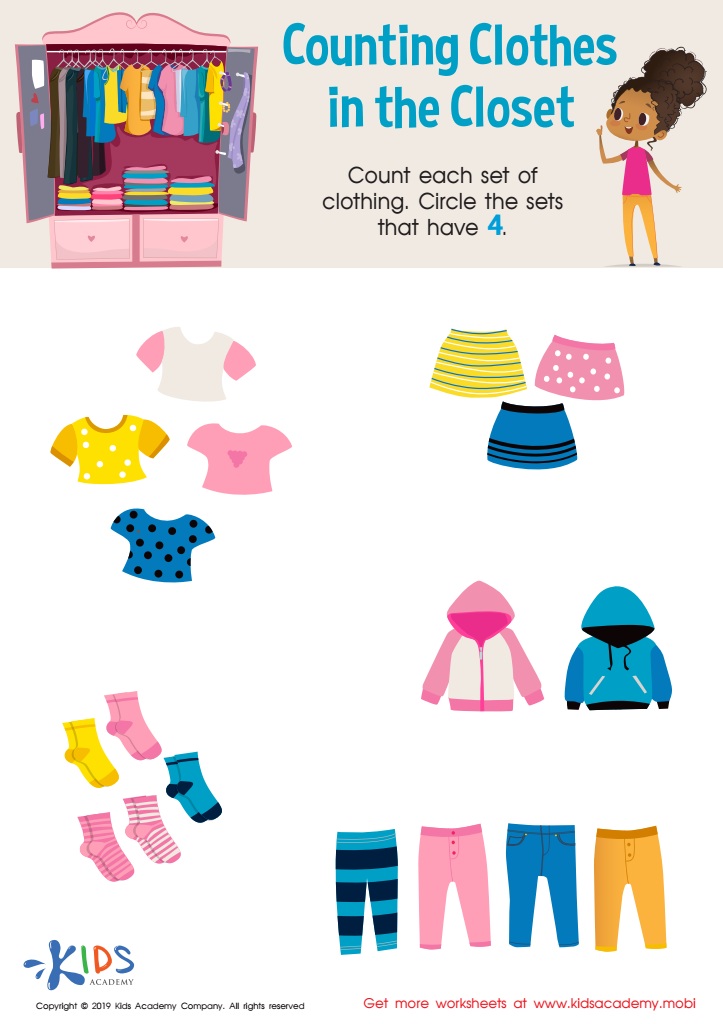
Counting Clothes Worksheet
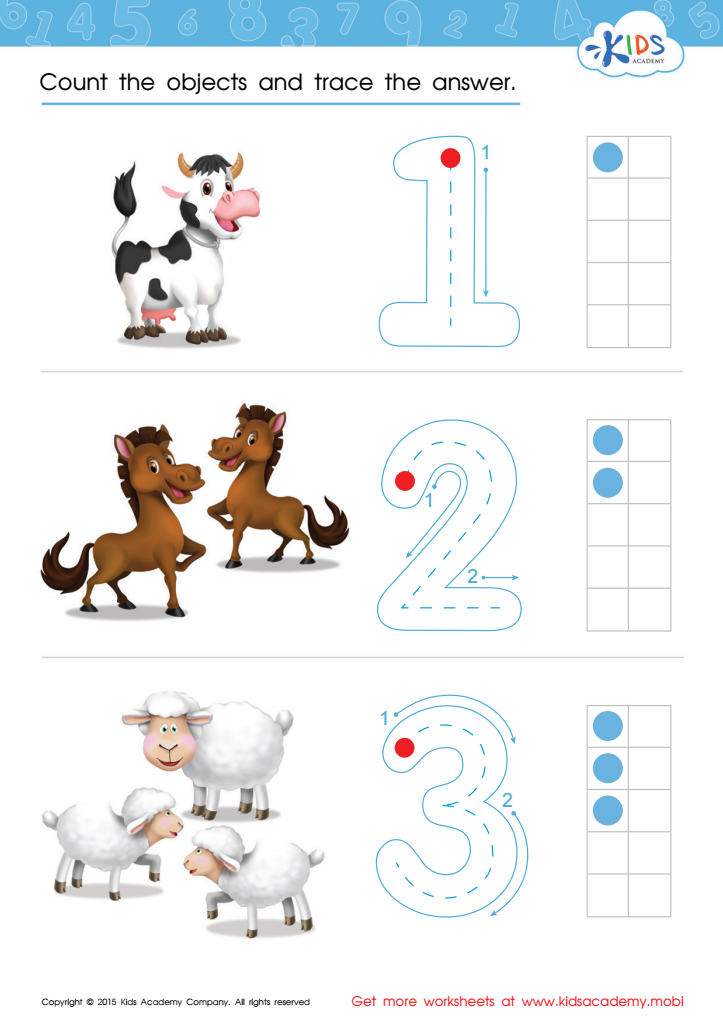
Count and Trace 1 – 3 Worksheet
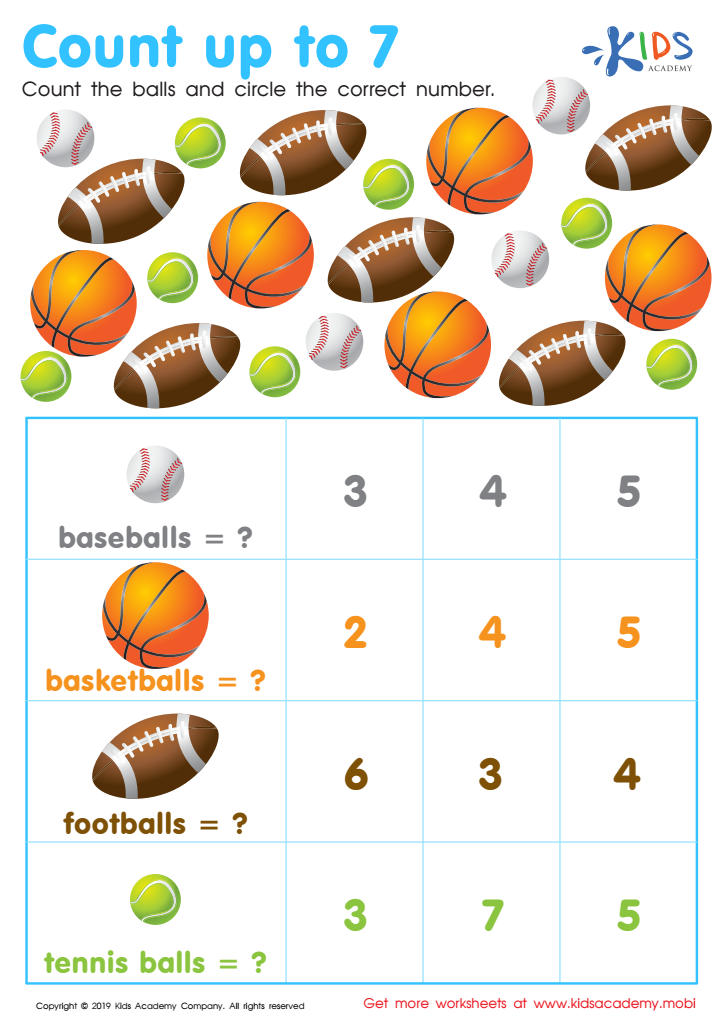
Count up to 7 Worksheet
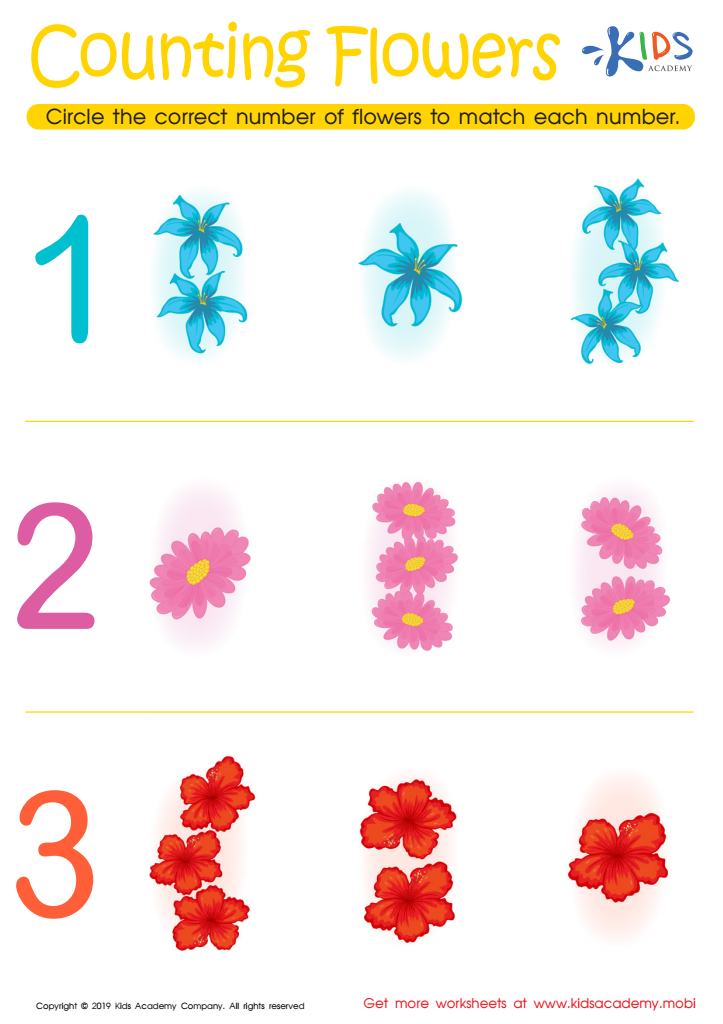
Counting Flowers Worksheet
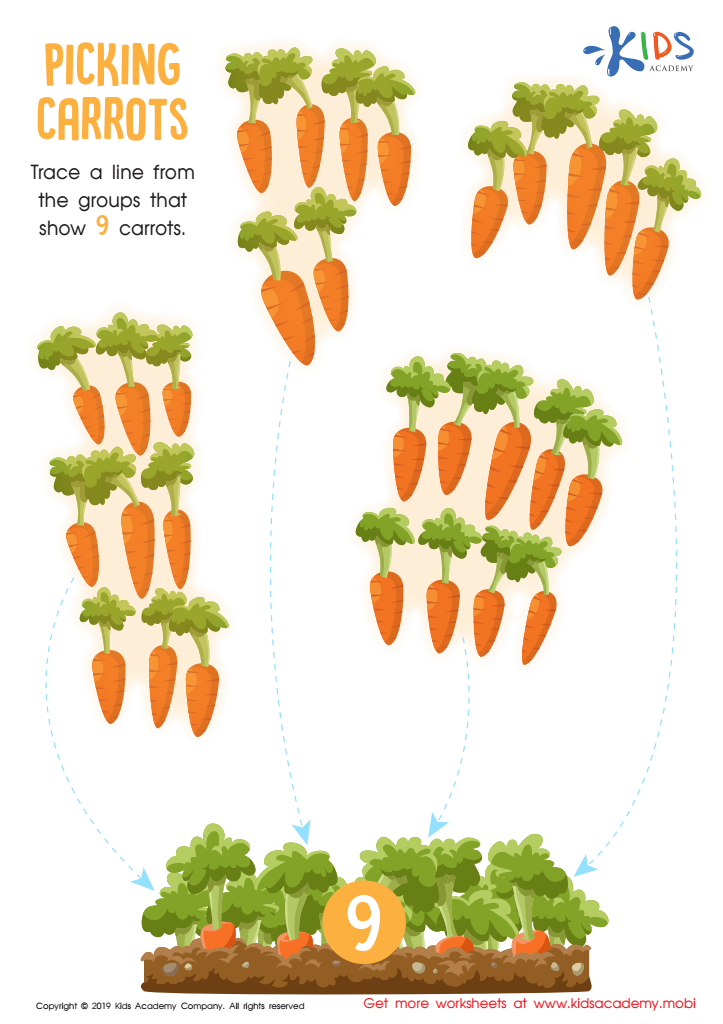
Picking Carrots Worksheet
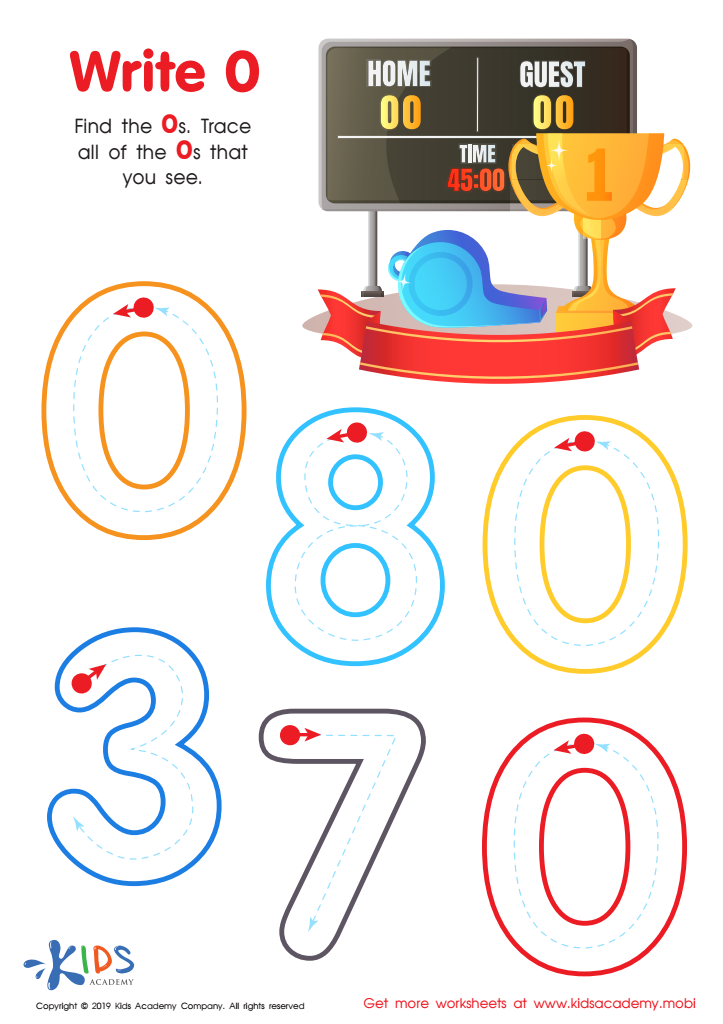
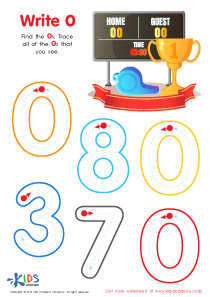
Write 0 Worksheet
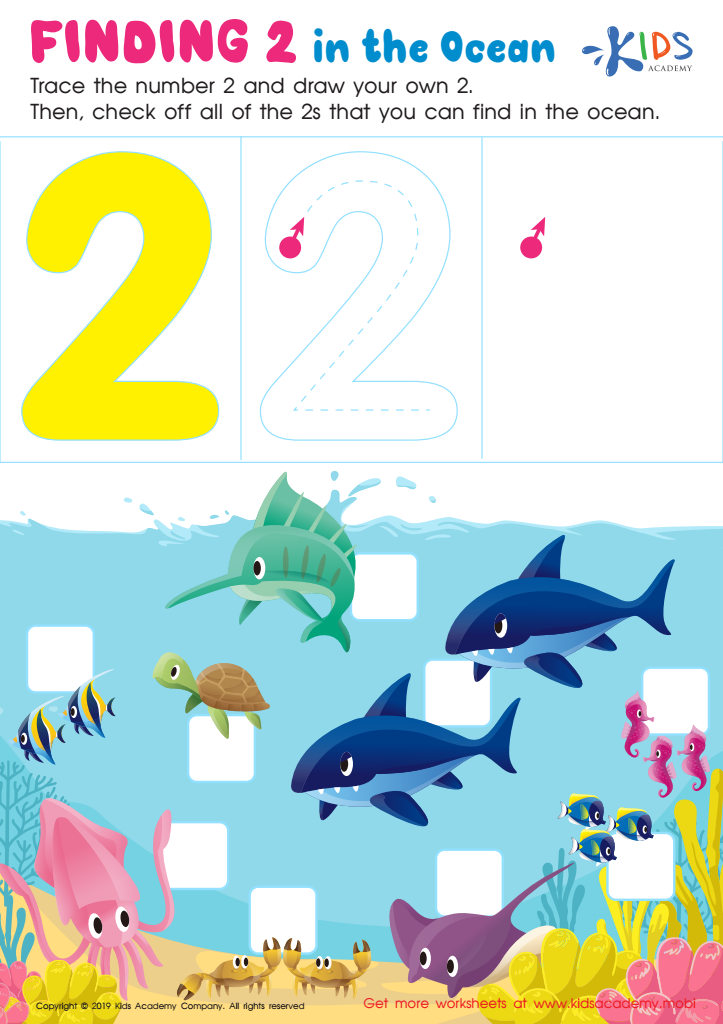
Finding 2: In the Ocean Worksheet
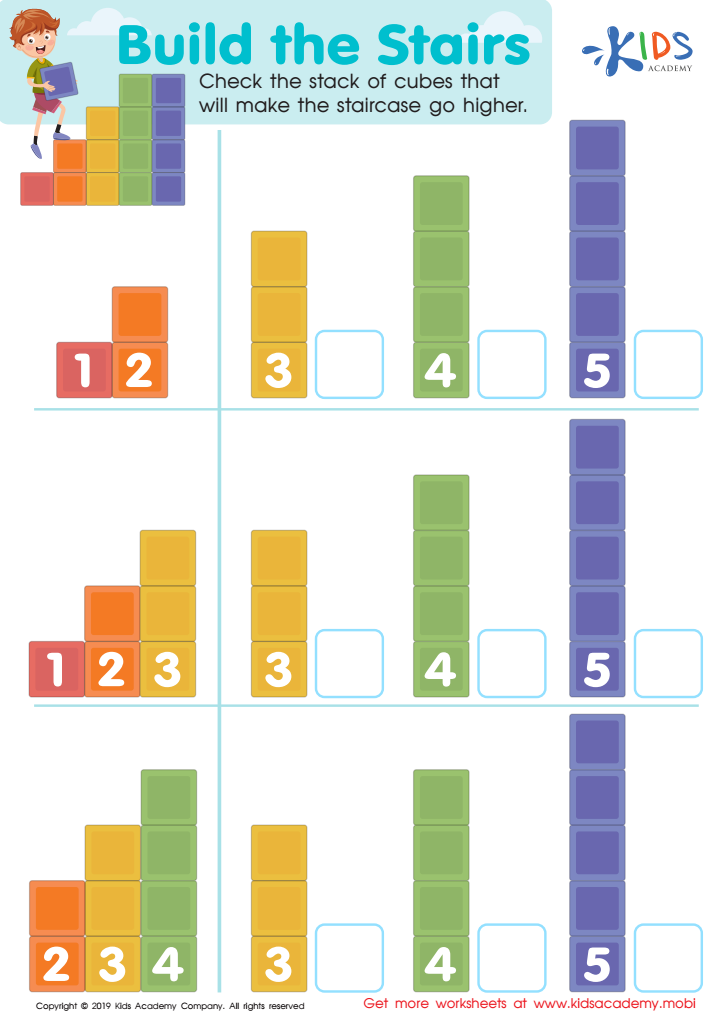
Build the Stairs Worksheet
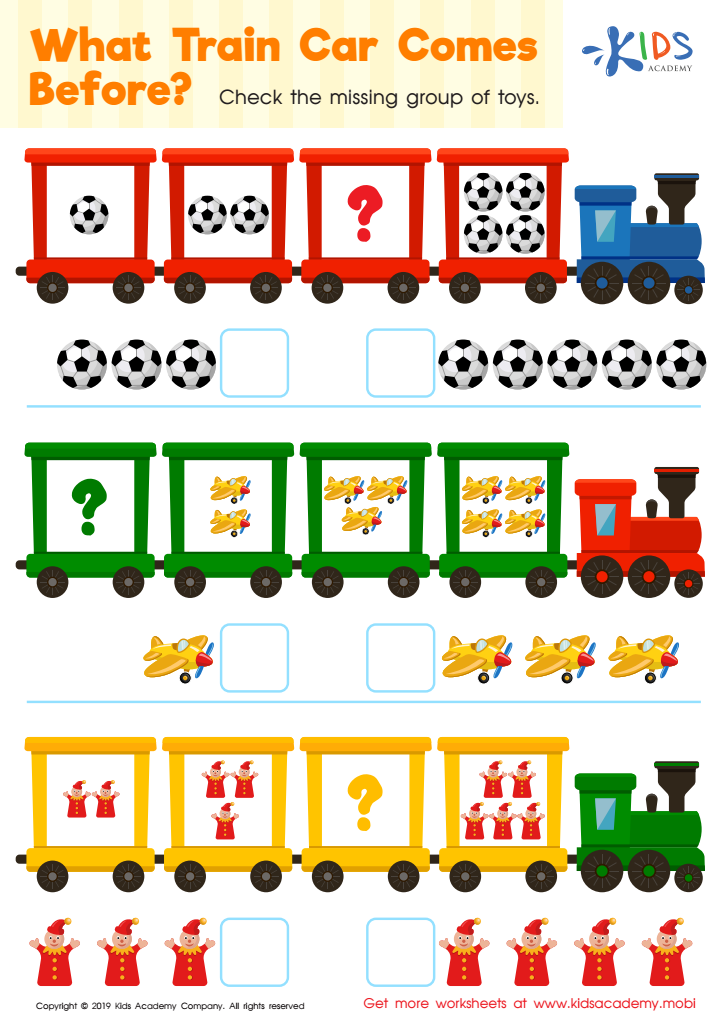
What Train Car Comes Before? Worksheet
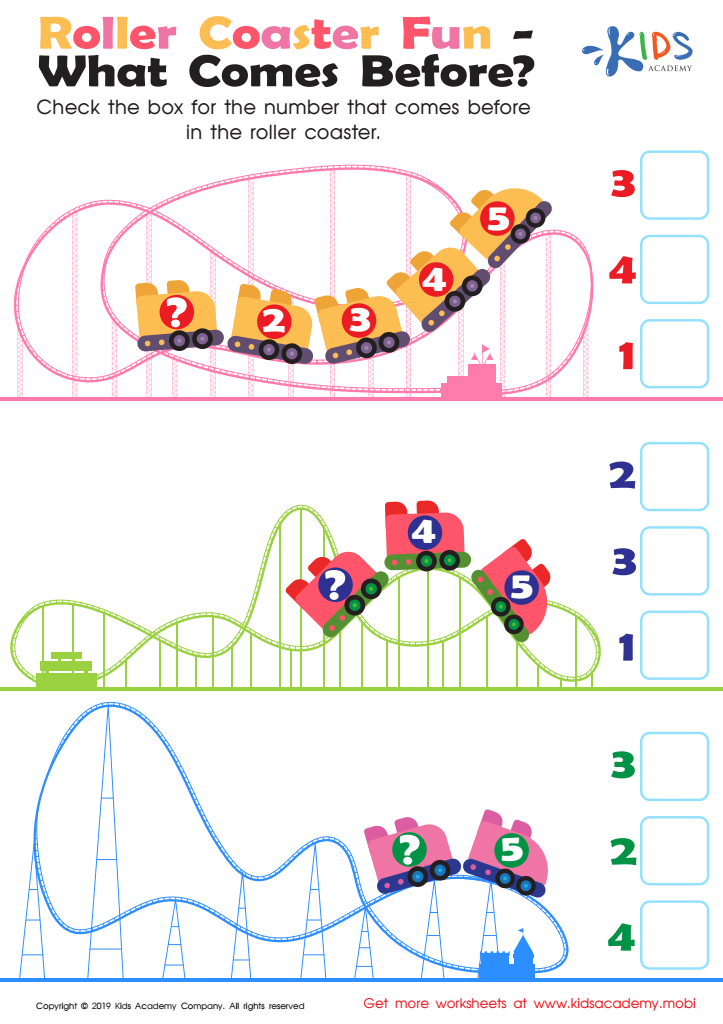
Roller Coaster Fun Worksheet
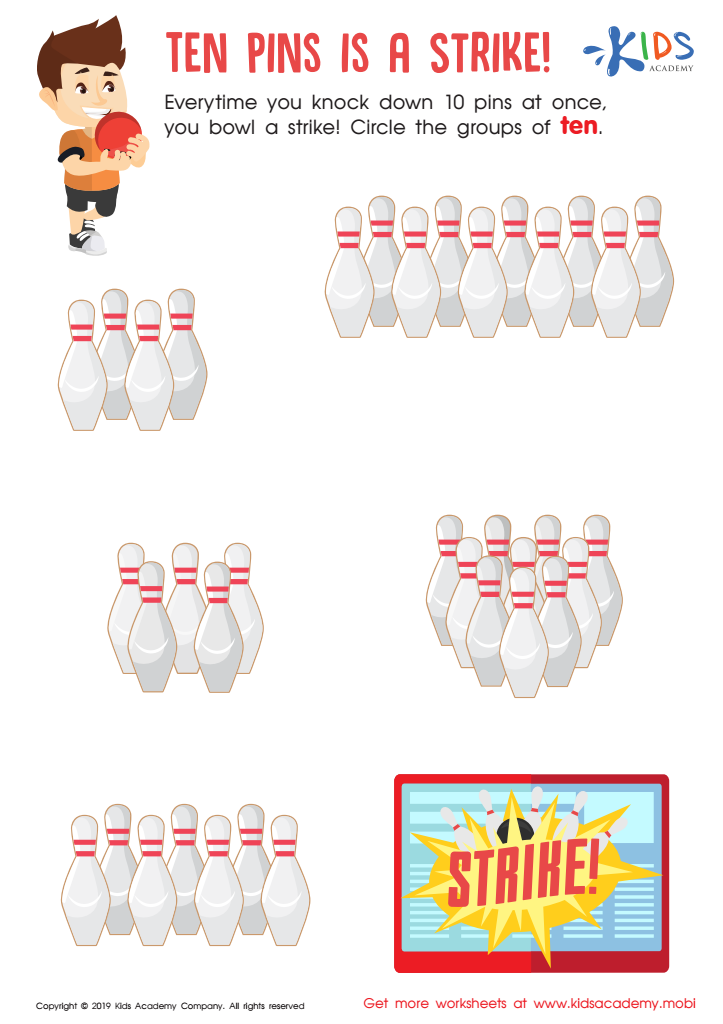
Ten Pins is a Strike Worksheet
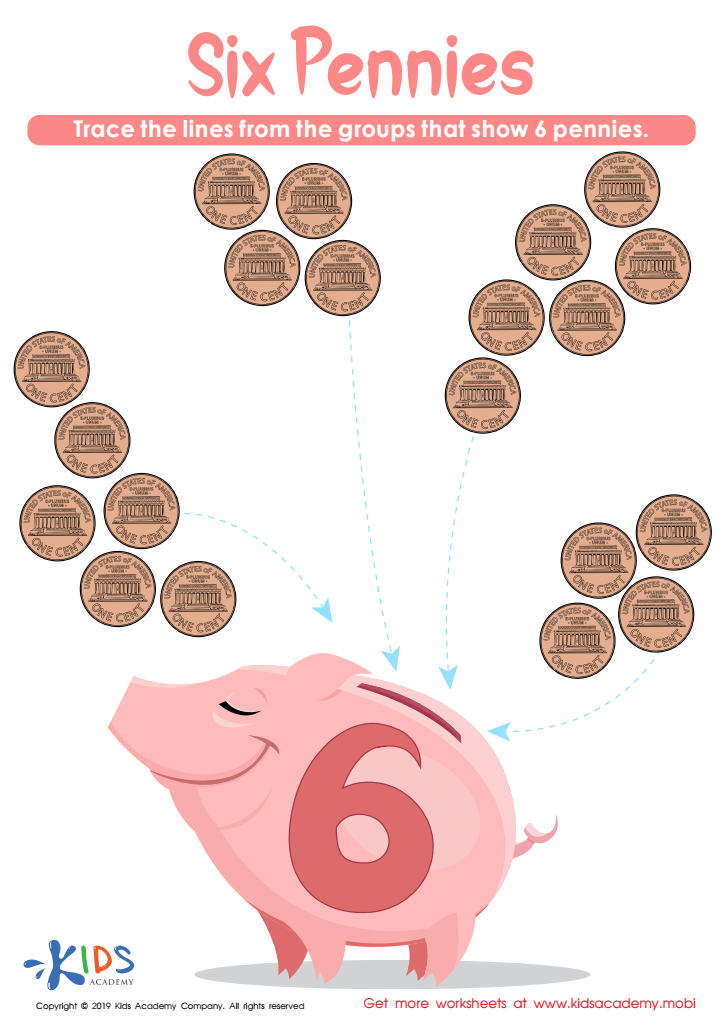
Six Pennies Worksheet
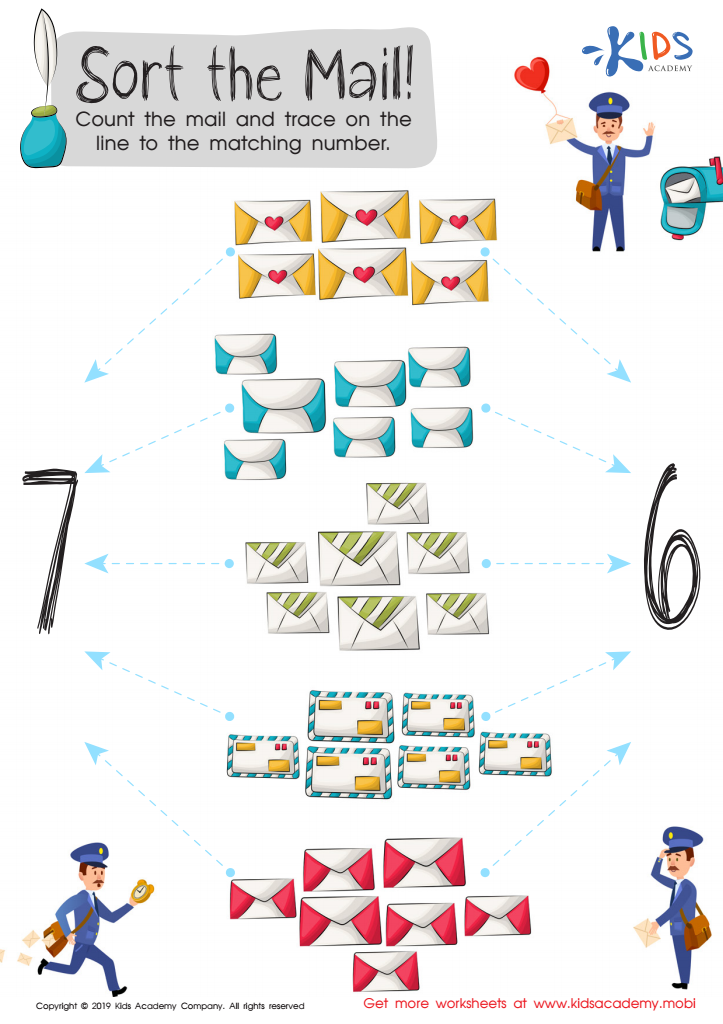
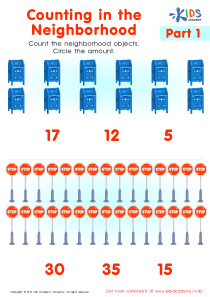
Sort the Mail Worksheet
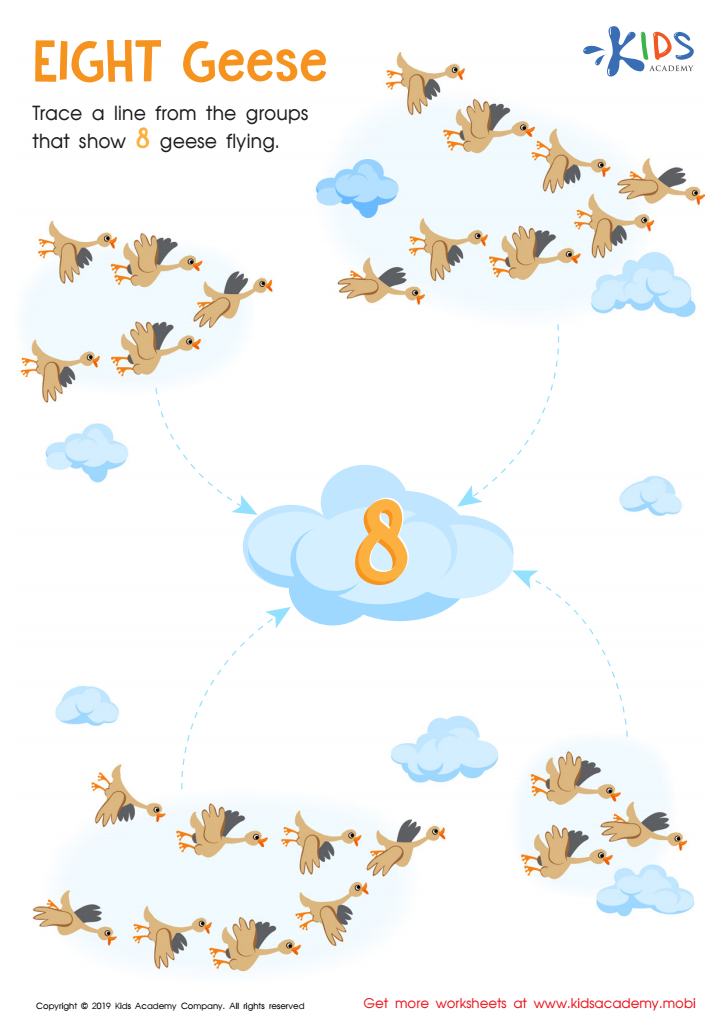
Eight Geese Worksheet
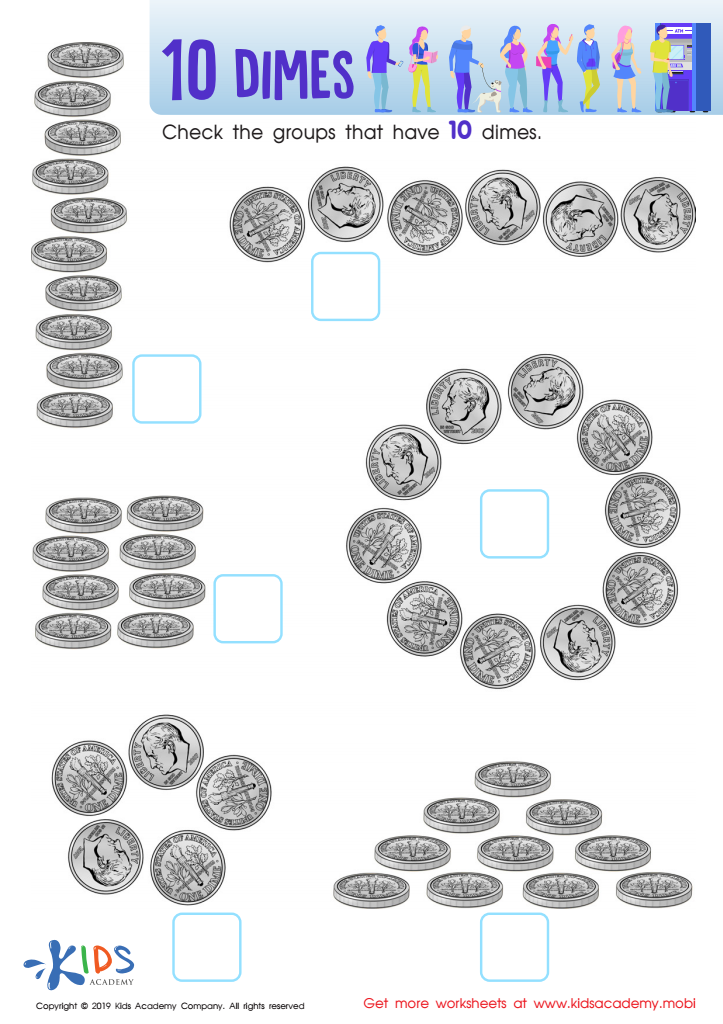
10 Dimes Worksheet
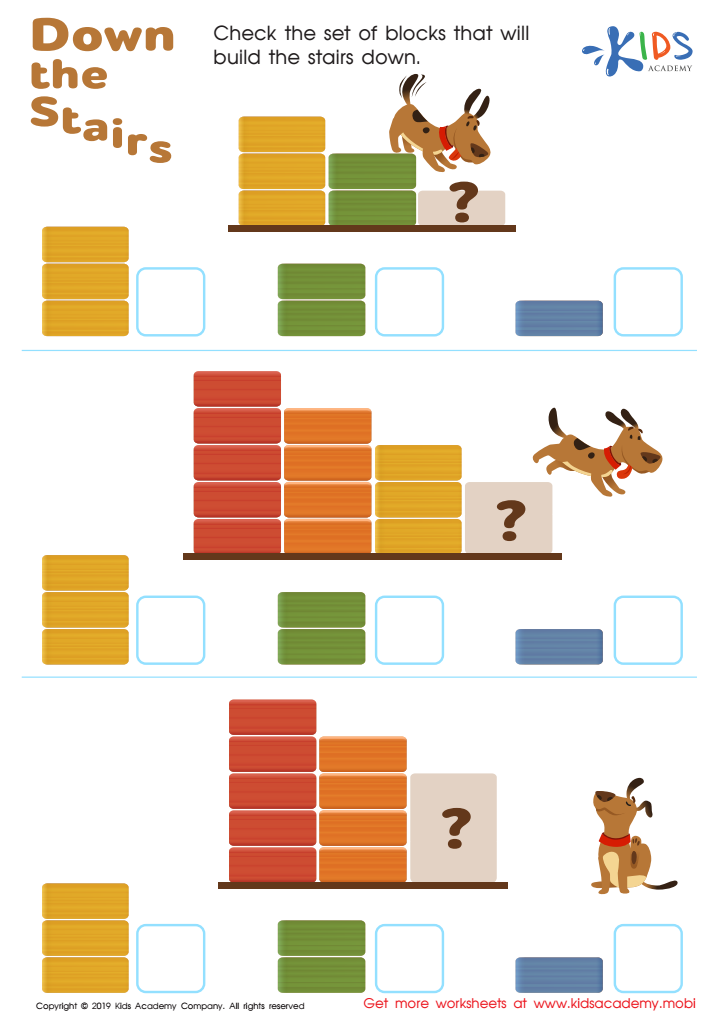
Down the Stairs Worksheet
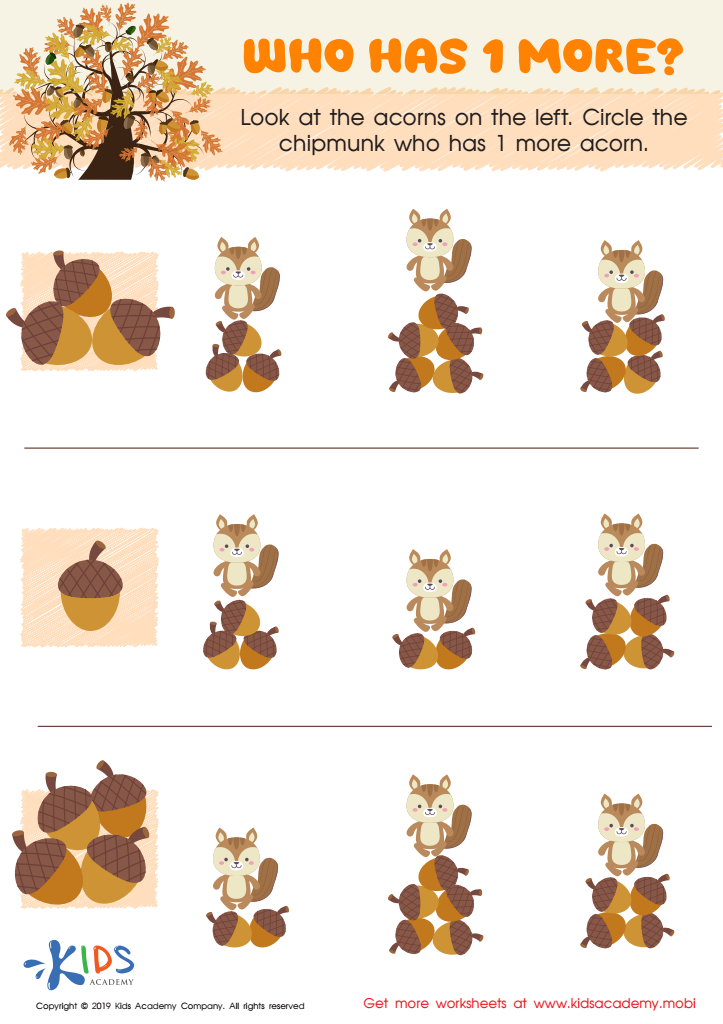
Who Has 1 More? Worksheet
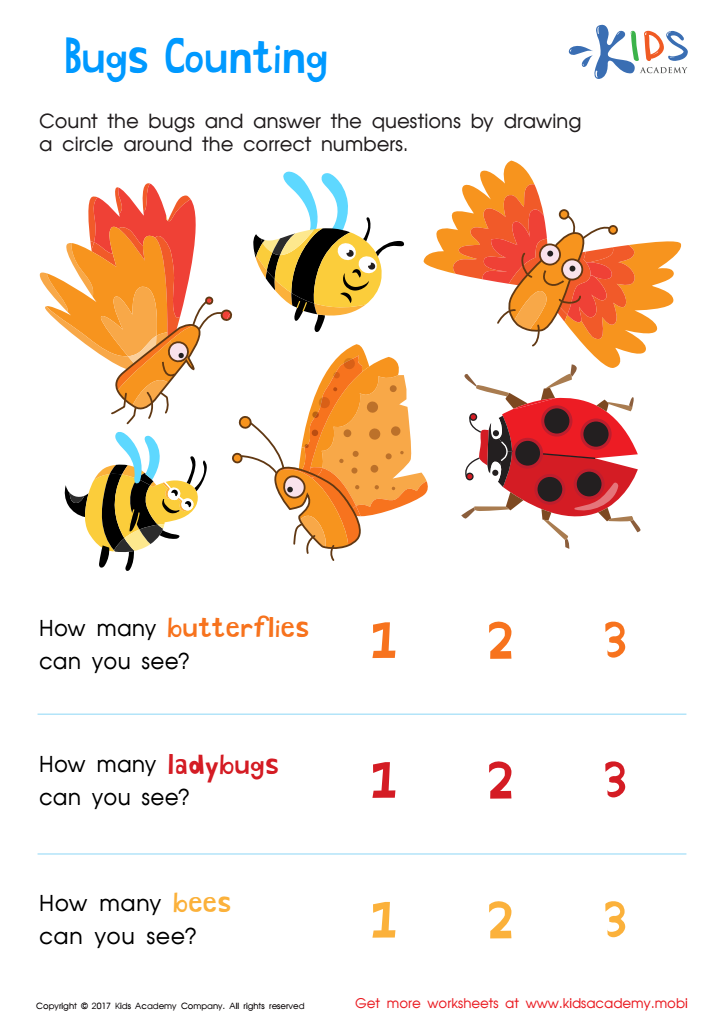
Bugs Counting Worksheet
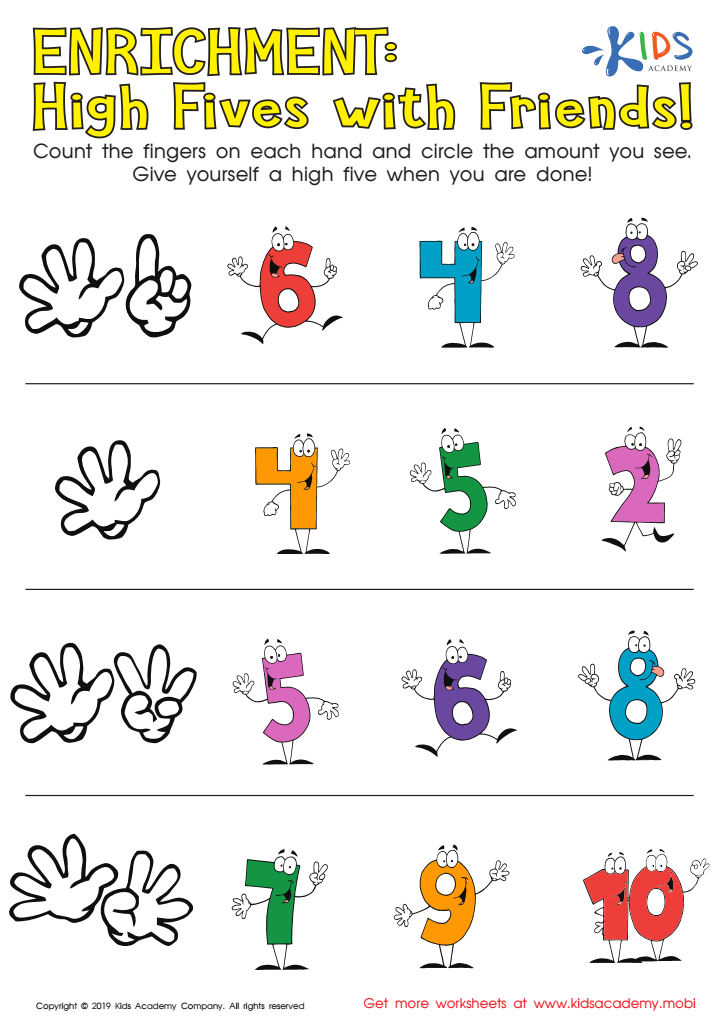
Enrichment: High Fives with Friends! Worksheet
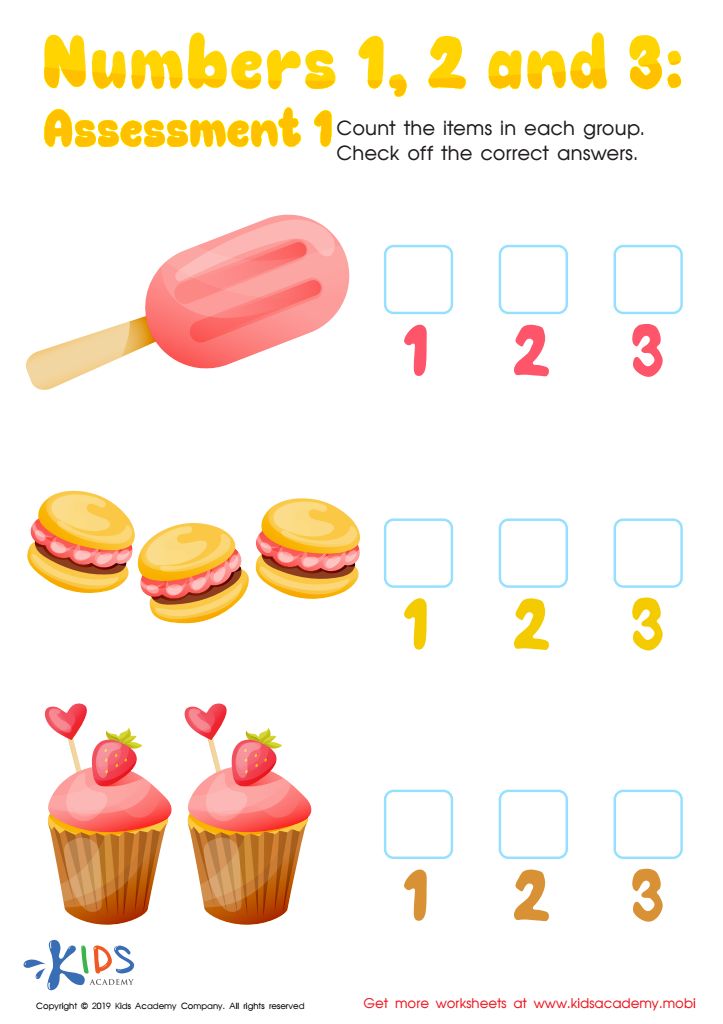
Numbers 1, 2 and 3: Assessment 1 Worksheet
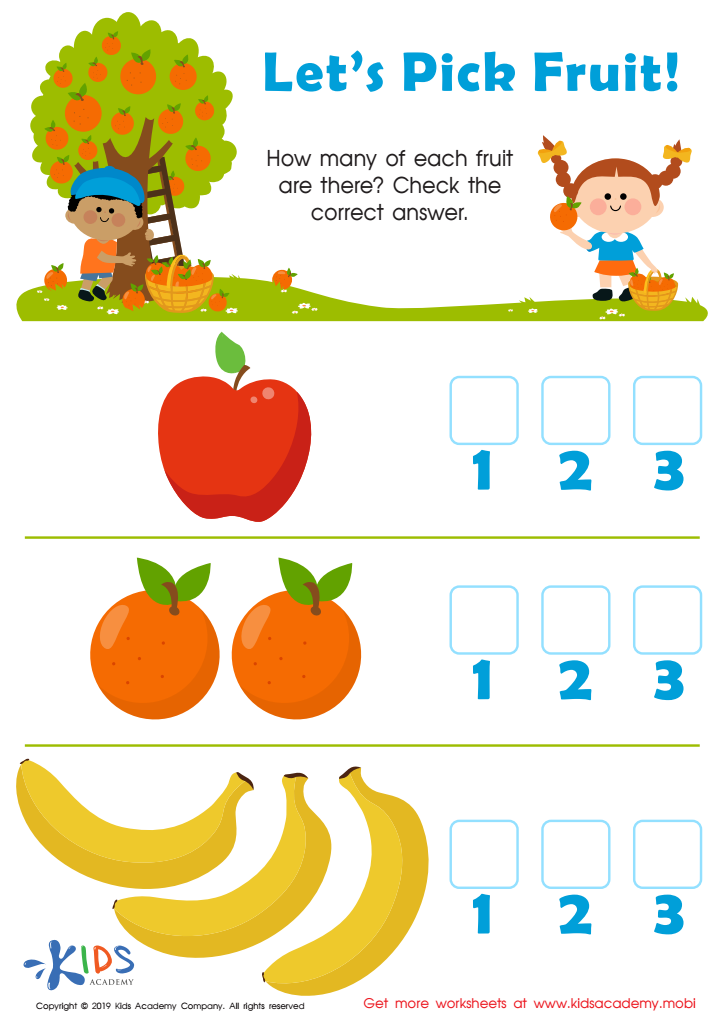
Let's Pick Fruit Worksheet








Understanding Easy Numbers 0–10 is foundational for young children aged 3-8, as it lays the groundwork for mathematical literacy and problem-solving skills. Parents and teachers should care about this learning phase because it is critical for cognitive development. Exposure to numbers at an early age enhances their ability to recognize quantities, perform simple calculations, and develop logical thinking skills that are essential across all areas of learning.
Moreover, early number concepts contribute significantly to future academic success. A solid grasp of numbers creates proficiency in later stages of math, including addition, subtraction, and even more advanced concepts encountered in later grades. Engaging with numbers through play, games, and everyday activities also promotes a positive attitude towards math, reducing anxiety and building confidence.
Additionally, helping children learn about numbers fosters social skills as they interact with peers in group activities and share learning experiences. Creating a supportive environment where counting and number recognition are incorporated into daily routines enables children to develop not just numeracy skills but also critical thinking and communication skills.
Ultimately, early number knowledge equips children for greater academic challenges and instills lifelong learning habits, making it an essential focus for caregivers and educators alike.