Easy Math Worksheets for Ages 6-8 - Page 15
340 filtered results
-
From - To
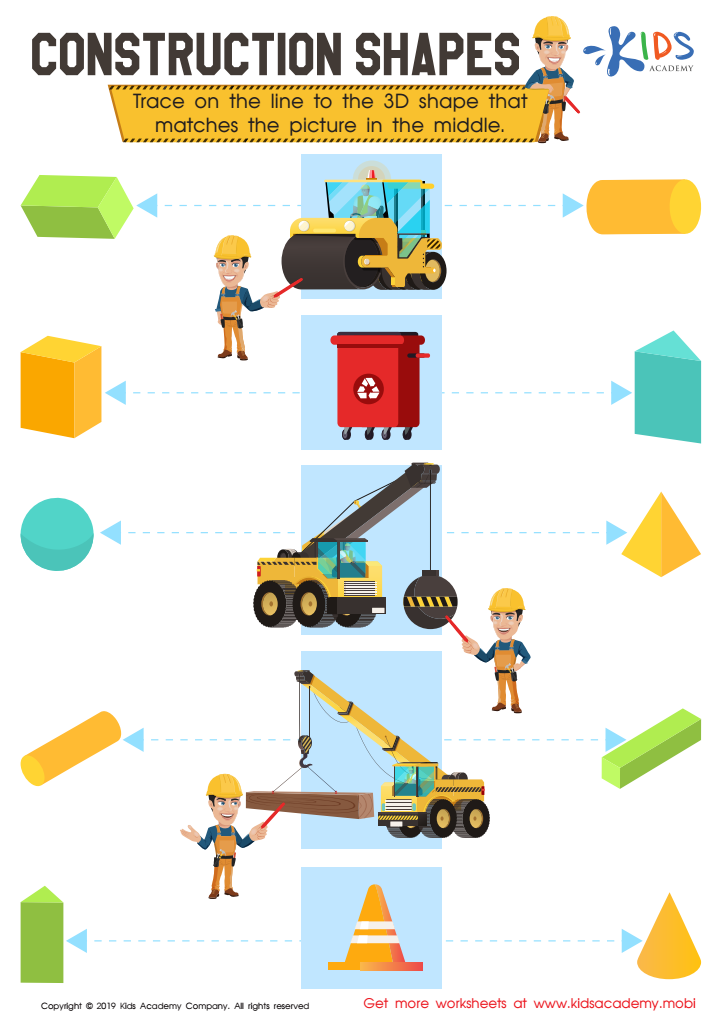
Construction Shapes Worksheet
 Assign to My Students
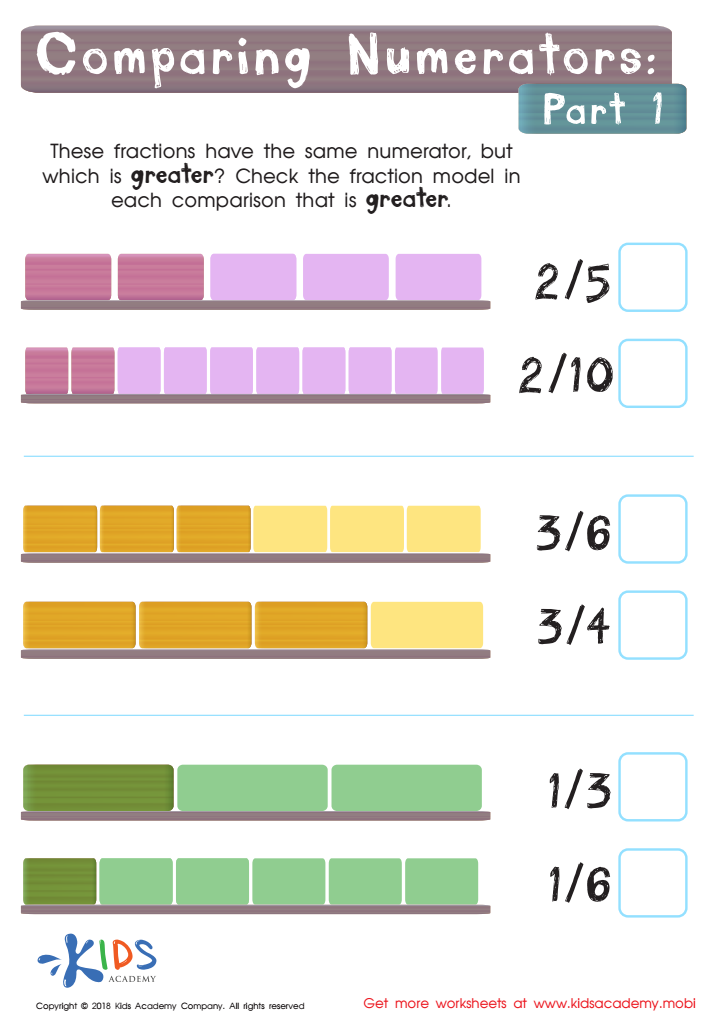
Comparing Numerators Part 1 Worksheet
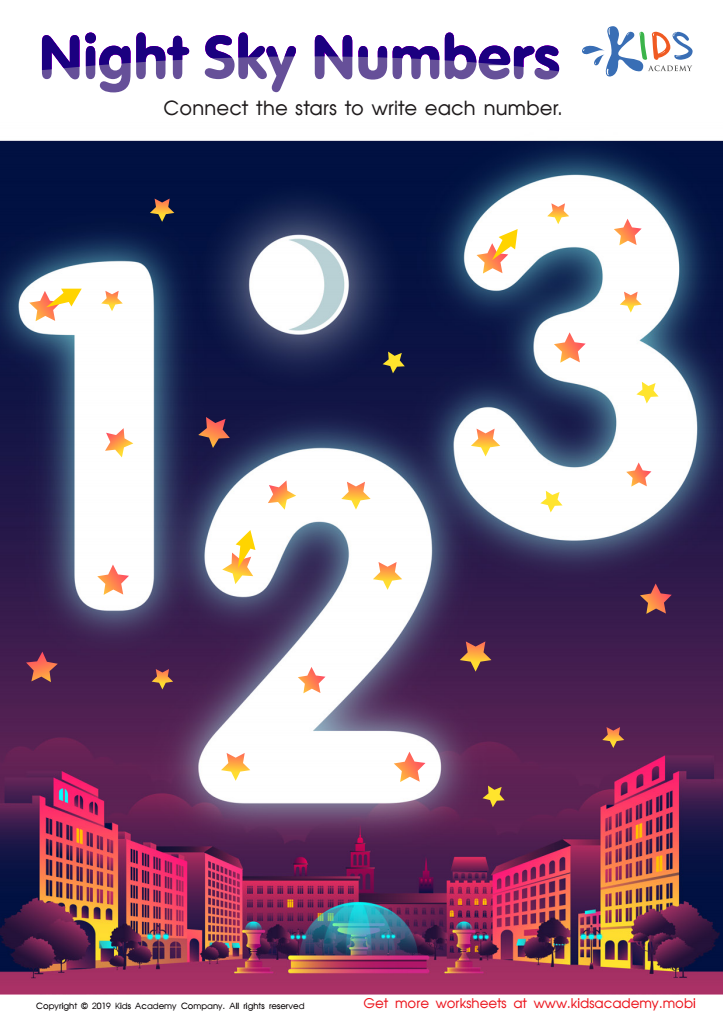
Night Sky Numbers Worksheet
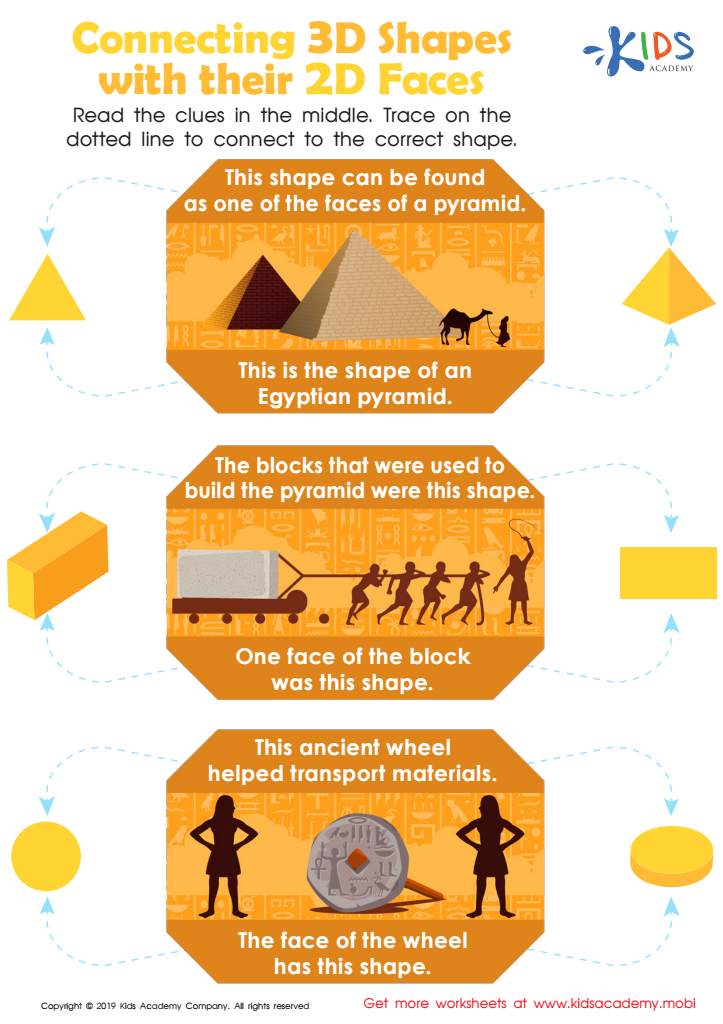
Connecting 3D Shapes with Their 2d Faces Worksheet







Parents and teachers should care about Easy Math for Ages 6-8 because it lays the critical foundation for a child's future academic success and cognitive development. At this age, children are especially receptive and able to absorb new concepts quickly. Introducing math in an accessible and enjoyable way can foster a positive attitude toward the subject, making young learners more confident in their abilities.
Early exposure to math helps develop key skills such as problem-solving, logical reasoning, and critical thinking, which are essential for everyday life and more advanced learning. For instance, concepts like addition, subtraction, and understanding shapes and patterns are integral to understanding more complex math later on.
Moreover, mastering these early math skills can also enhance a child’s self-esteem and motivation. When children understand foundational concepts, they are likely to experience less frustration and more enjoyment in learning, setting a positive tone for their educational journey.
Parents and teachers play a significant role in this process by introducing engaging math activities, games, and interactive tools that make learning fun. By prioritizing easy math for young children, they help build versatile learners who are well-prepared to tackle future academic challenges with enthusiasm and confidence.








