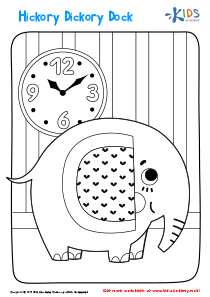
Easy Nursery Rhymes Worksheets for Ages 6-8
4 filtered results
-
From - To
Discover our engaging Easy Nursery Rhymes Worksheets designed for children ages 6-8! These worksheets make learning enjoyable while reinforcing literacy skills through beloved nursery rhymes. Each activity focuses on enhancing reading comprehension, vocabulary, and phonetic awareness, wrapped in fun and colorful designs that keep young learners excited. Perfect for both classroom settings and at-home activities, our worksheets provide a wonderful way for kids to explore rhythm, rhyme, and storytelling. Whether it’s matching lyrics or creative drawing assignments, these resources are tailored to spark imagination and support early literacy development effectively. Start nurturing a lifelong love for reading and learning today!
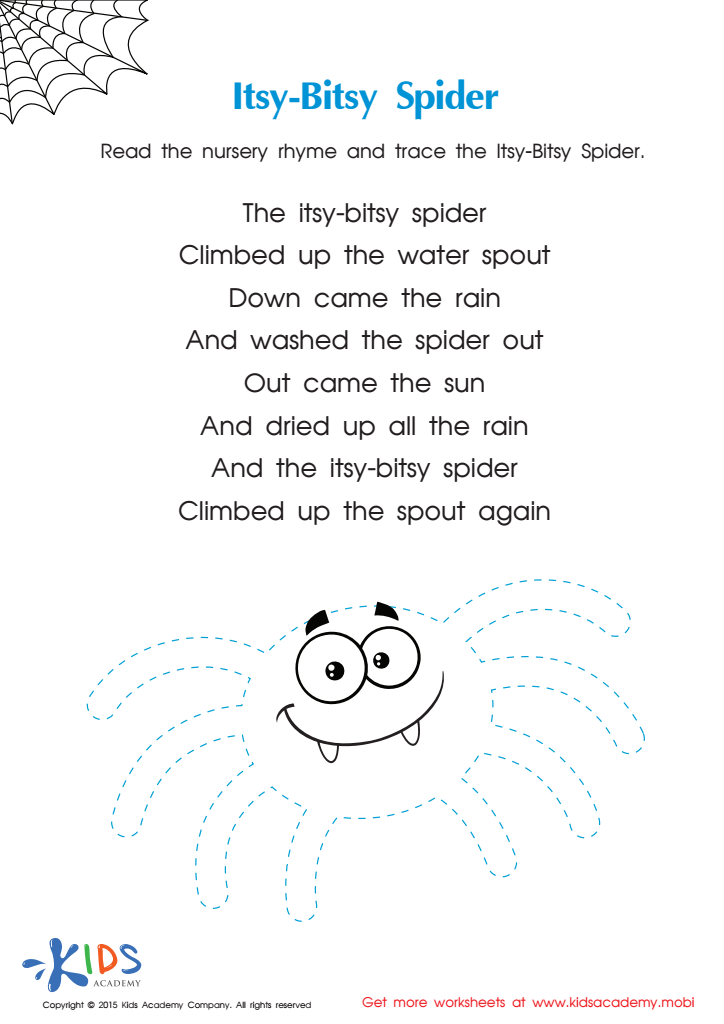
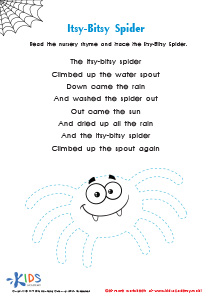
Itsy Bitsy Spider Nursery Rhyme PDF Worksheet
 Assign to My Students
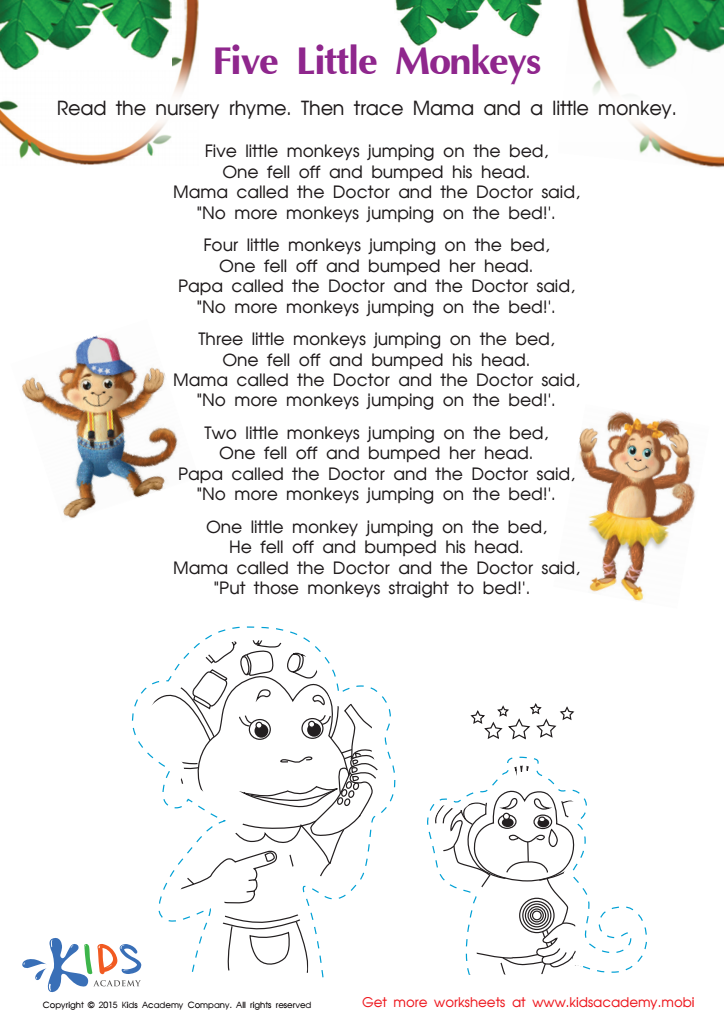
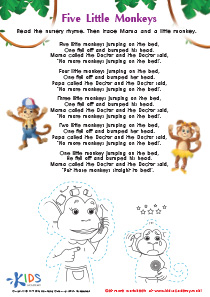
The Five Little Monkeys Nursery Rhyme Worksheet
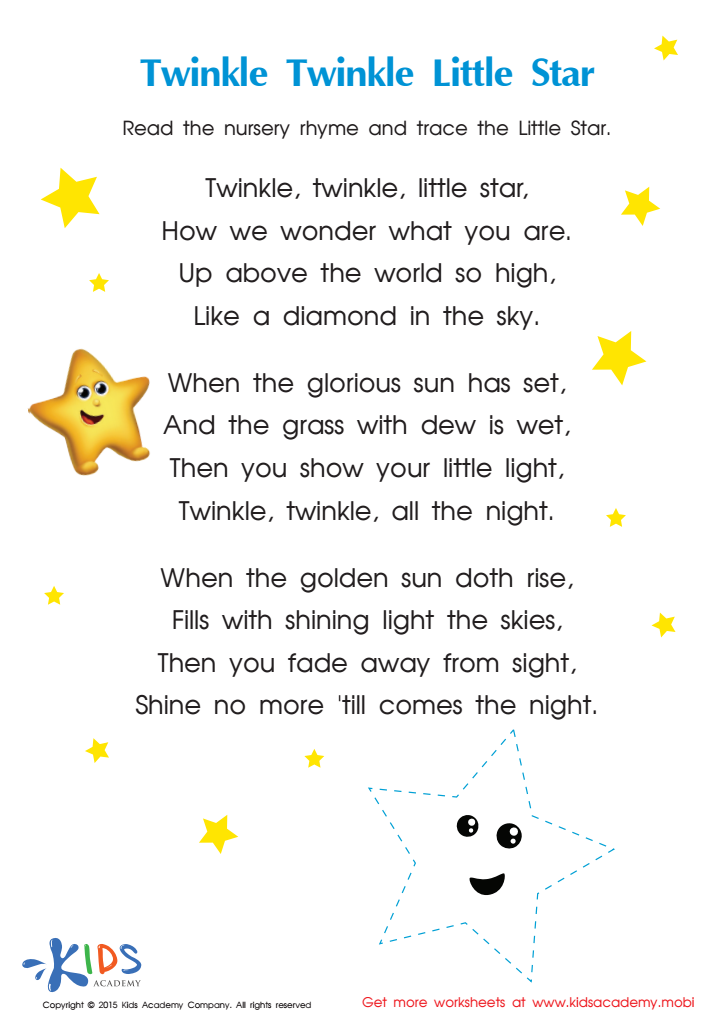
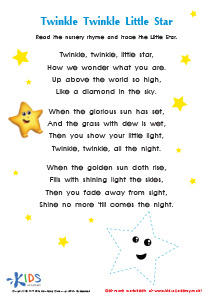
Nursery Rhymes: Twinkle Little Star Worksheet
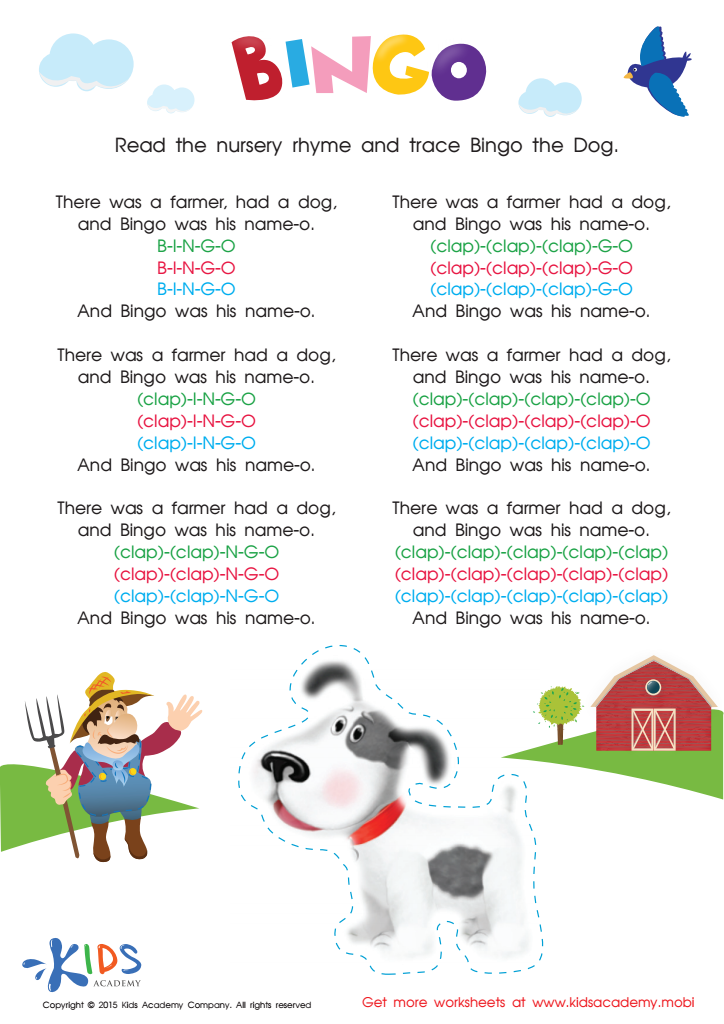
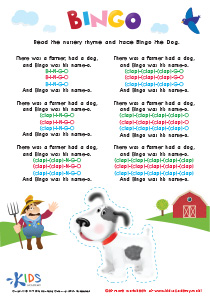
Nursery Rhymes: The Bingo Song Worksheet








Easy nursery rhymes play a crucial role in the development of children aged 6-8, making them an essential focus for both parents and teachers. At this formative age, children are enhancing their language skills, vocabulary, and comprehension abilities. Nursery rhymes foster these skills through rhythmic patterns, repetition, and engaging language that captivate young minds.
Listening to and reciting nursery rhymes also supports phonemic awareness, which is foundational for reading. The playful sounds and phonetic structures help children recognize and manipulate sounds, making the transition to reading smoother and more enjoyable. Furthermore, these rhymes often incorporate themes of imagination and fun, sparking creativity and encouraging a love for storytelling.
Beyond language development, nursery rhymes often contain moral lessons and social values, teaching young learners about cooperation, friendship, and empathy. Additionally, they create opportunities for bonding between parents, teachers, and children. Participating in rhyme activities can enhance the child’s social skills and boost self-confidence during group interactions.
Incorporating easy nursery rhymes into educational practices not only aids literacy but also enriches the emotional and social development of children, making them a vital tool for effective learning in early education.