Useful Reading Comprehension Worksheets With Answer Keys for Grade 1 - Page 3
82 filtered results
Difficulty Level
Grade
Age
-
From - To
Subject
Activity
Standards
Favorites
With answer key
Interactive
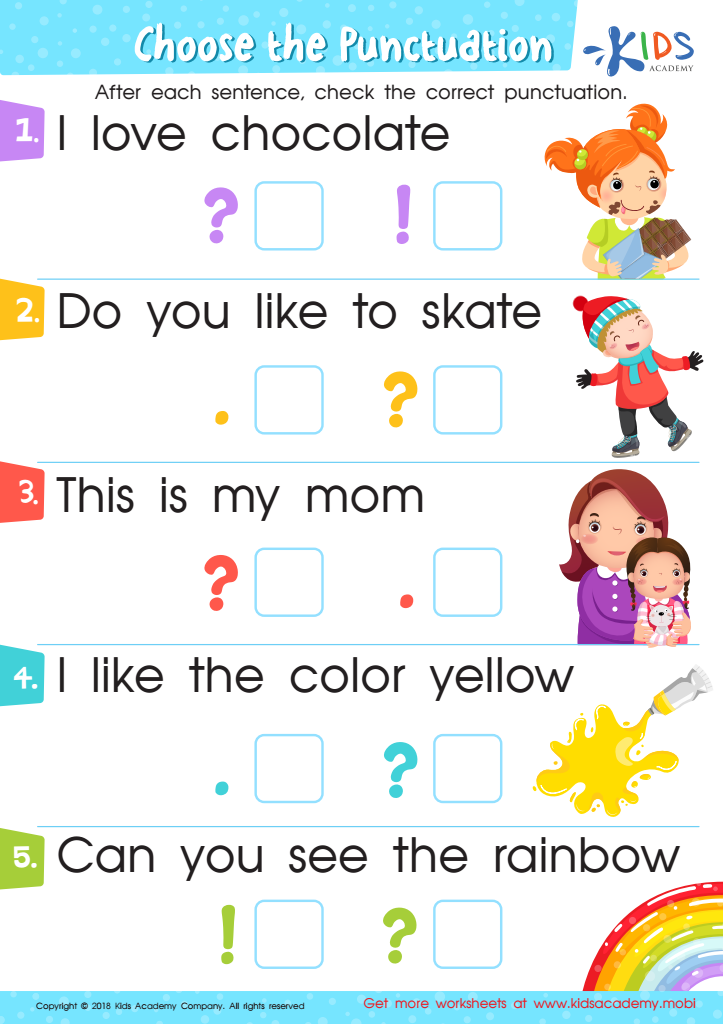
Choose the Punctuation: Assessment Worksheet
Does your child know punctuations? Found at the end of words, they signify the tone of the sentence. Ask them which punctuations they use daily. With your little one, look at a worksheet. Read each sentence aloud and ask them to identify the two punctuations given. Instruct them to choose the correct one. 80 words.
 Assign to My Students
Choose the Punctuation: Assessment Worksheet
Worksheet
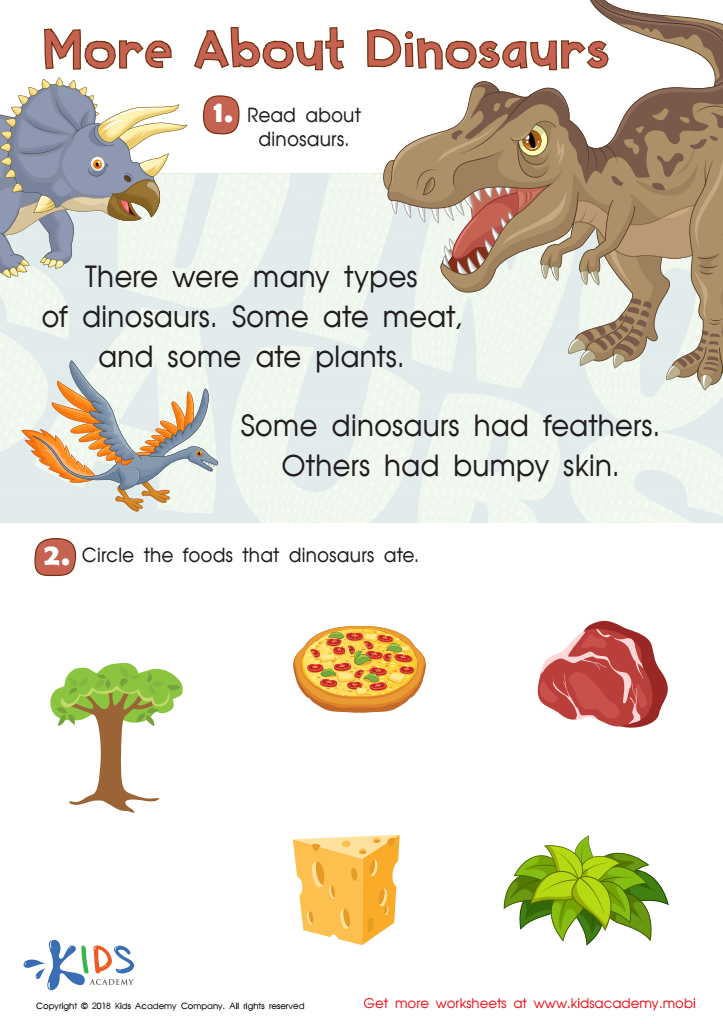
More About Dinosaurs Worksheet
Dinosaurs captivate us with the unknown. Long gone before us, they left behind clues in their bones. Kids love to explore and uncover the secrets of these extinct creatures. Read the facts in this worksheet to them and help them answer the question at the end. Let their imaginations soar!
More About Dinosaurs Worksheet
Worksheet
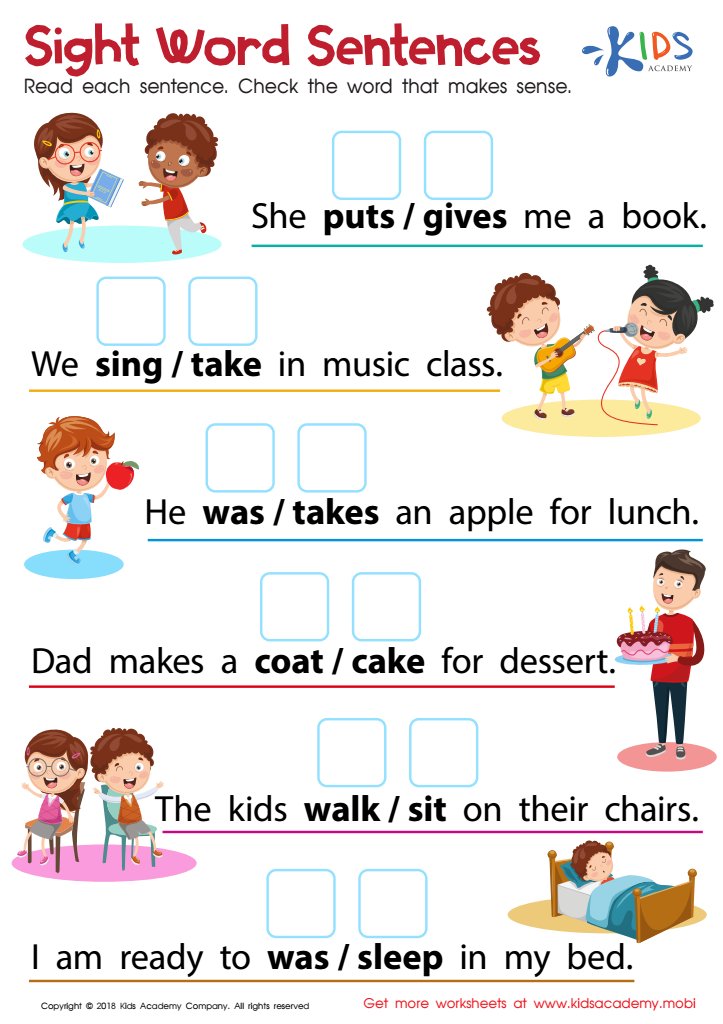
Sight Words Sentences Worksheet
It's important for kids to practice recognizing sight words in print. This PDF provides fun practice with sentences and engaging picture clues. As they work with sight words, they'll become more familiar and automatic. Help your kids build literacy skills!
Sight Words Sentences Worksheet
Worksheet
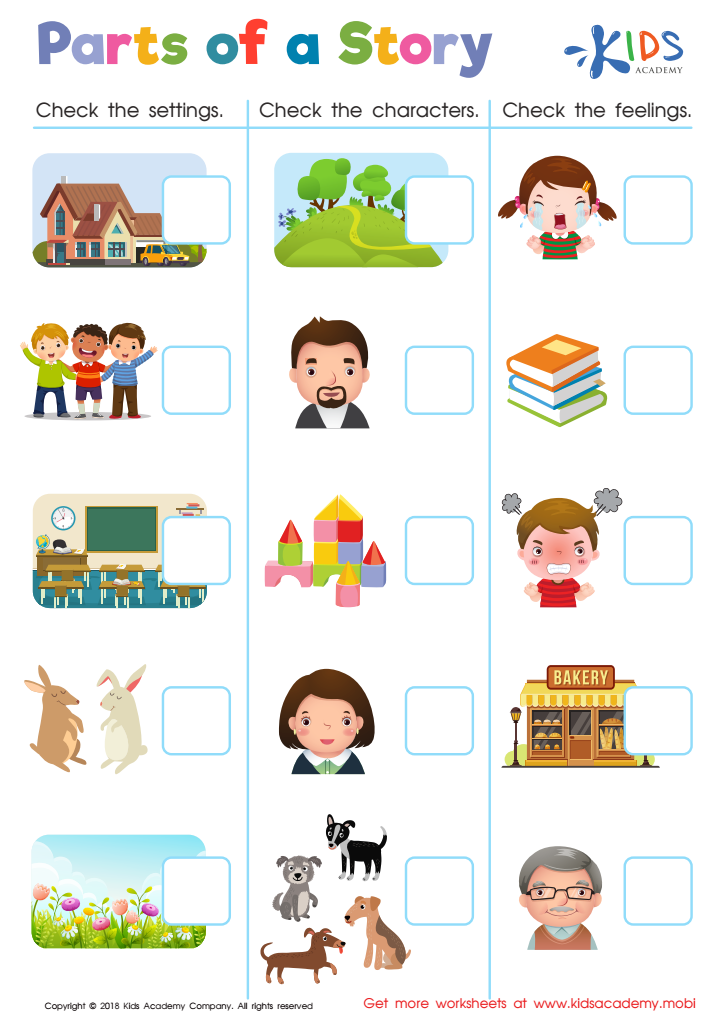
Parts of a Story Worksheet
This worksheet is great for emerging readers to identify story elements without needing to read. It features pictures and students decide the right answers. Perfect for aiding understanding of characters, setting, and feelings in a story. Incorporate it into your lessons today!
Parts of a Story Worksheet
Worksheet
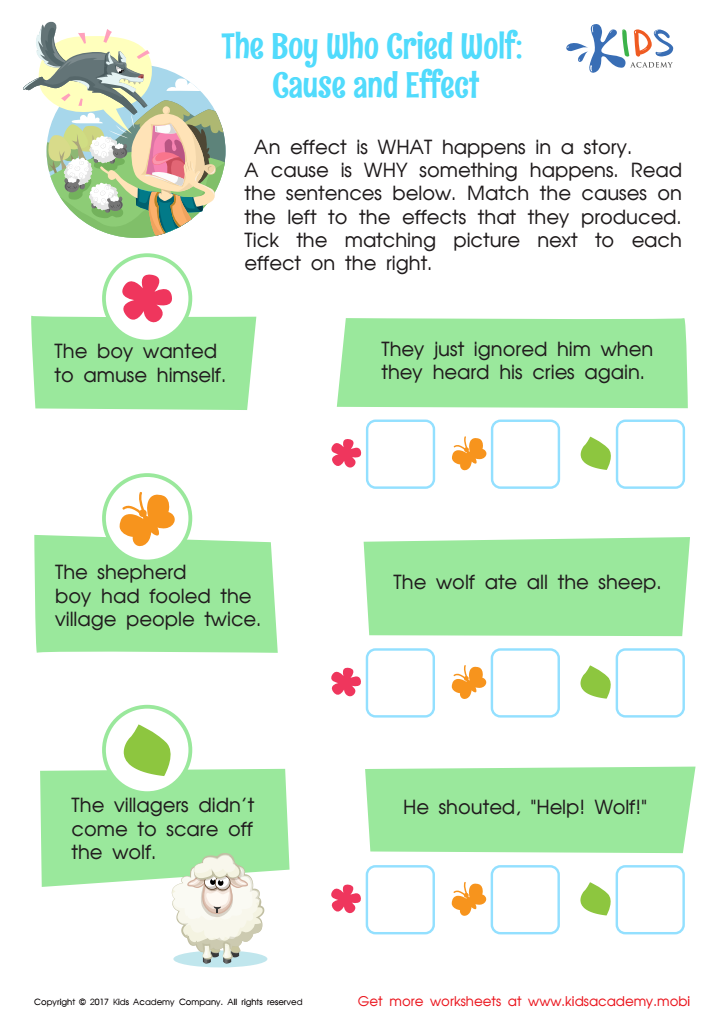
The Boy Who Cried Wolf: Cause and Effect Worksheet
With classic stories and fables, learning reading comprehension is easy - and fun!
The Boy Who Cried Wolf: Cause and Effect Worksheet
Worksheet
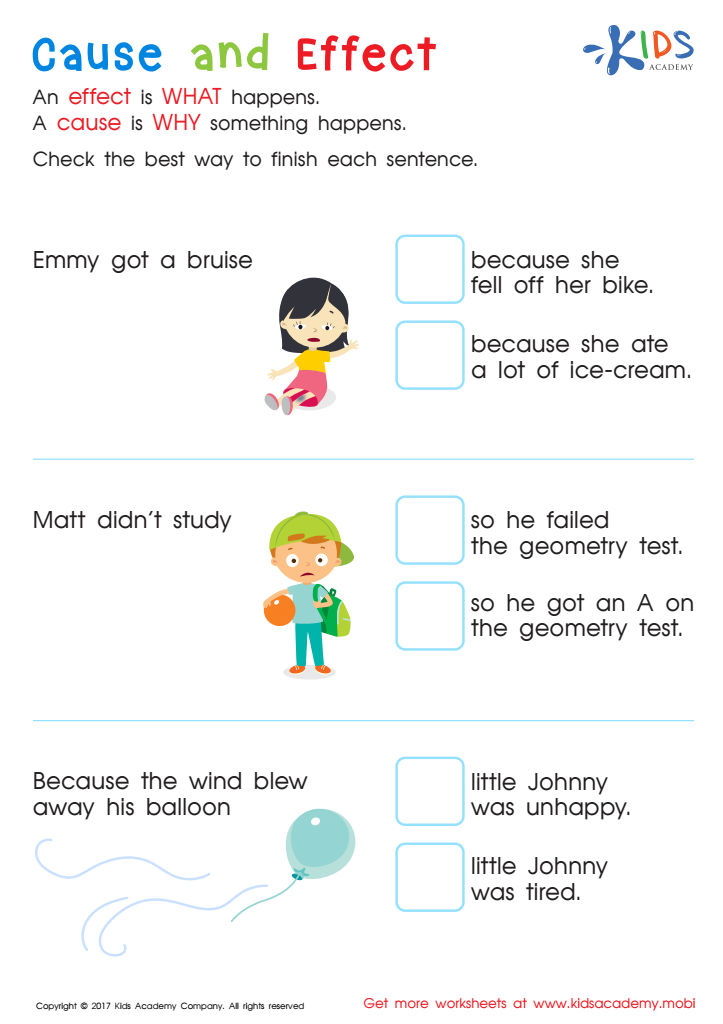
Cause and Effect Worksheet
Improve your child's reading comprehension and critical analysis skills with this cause and effect worksheet PDF! Have your child use the examples to create their own story, strengthening their understanding of the concept.
Cause and Effect Worksheet
Worksheet
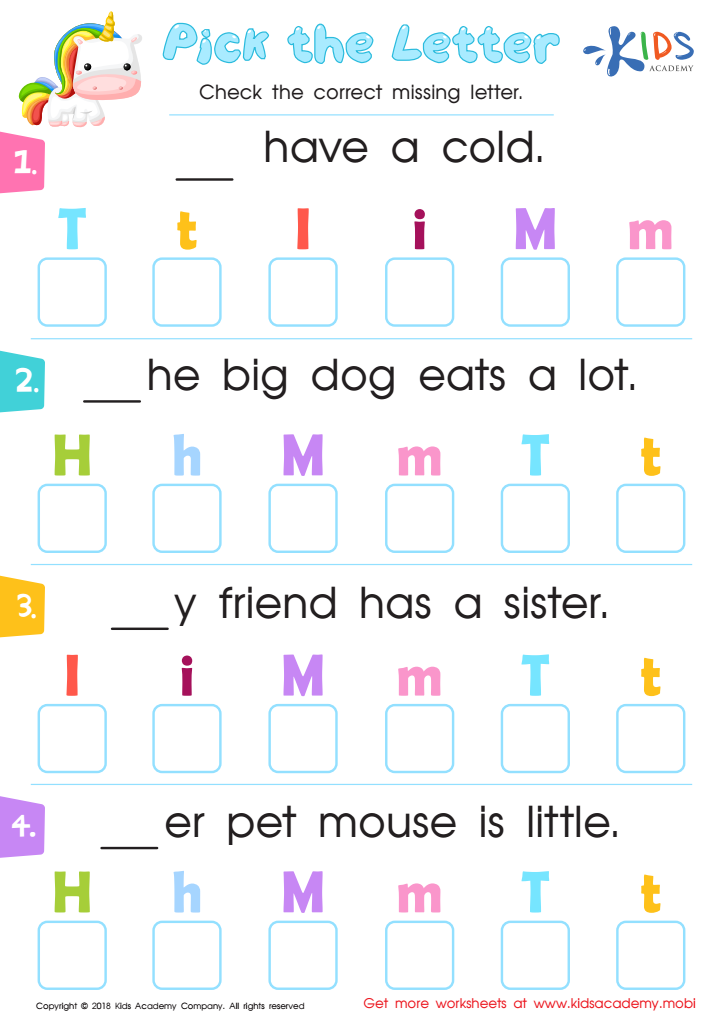
Pick the Letter Worksheet
Put your child's capitalization and reading skills to the test with this missing letter worksheet! Have them look at each sentence, note the blank and review the letters below. Find the uppercase letter that should start each sentence and check the boxes to complete. Fun and colorful, this worksheet is sure to keep your child engaged!
Pick the Letter Worksheet
Worksheet
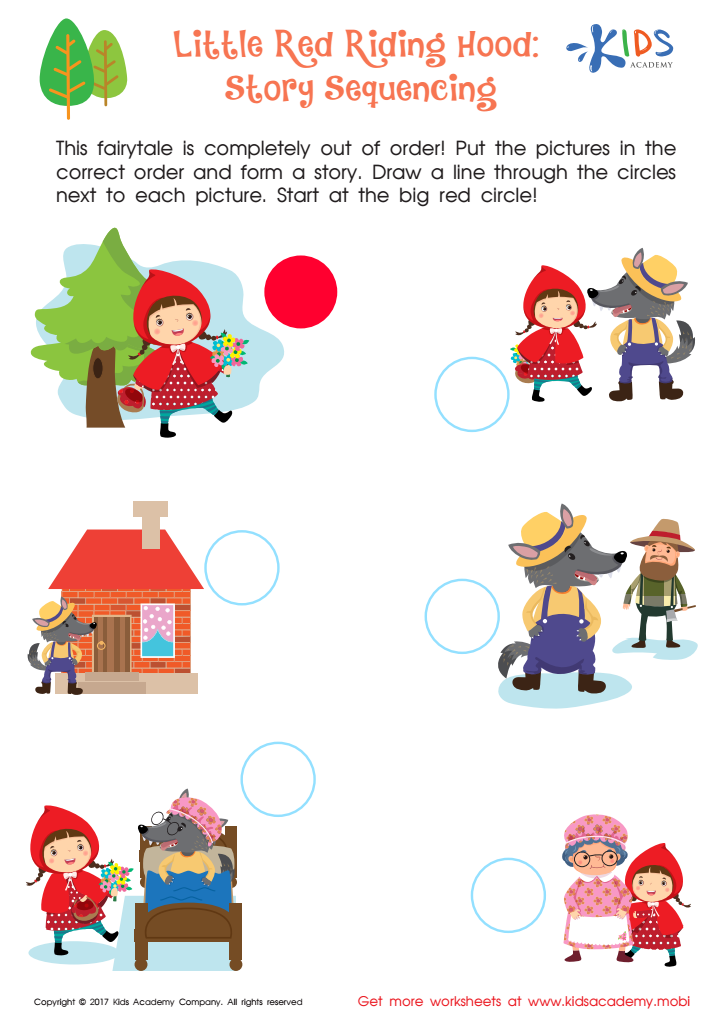
Story Sequencing Printable
Children must identify story events in sequential order to build a better understanding of plot.
Help your child learn how to understand plot with this fun comprehension worksheet: Little Red Riding Hood! Guide them to identify story events and order them correctly to boost their reading skills.
Story Sequencing Printable
Worksheet
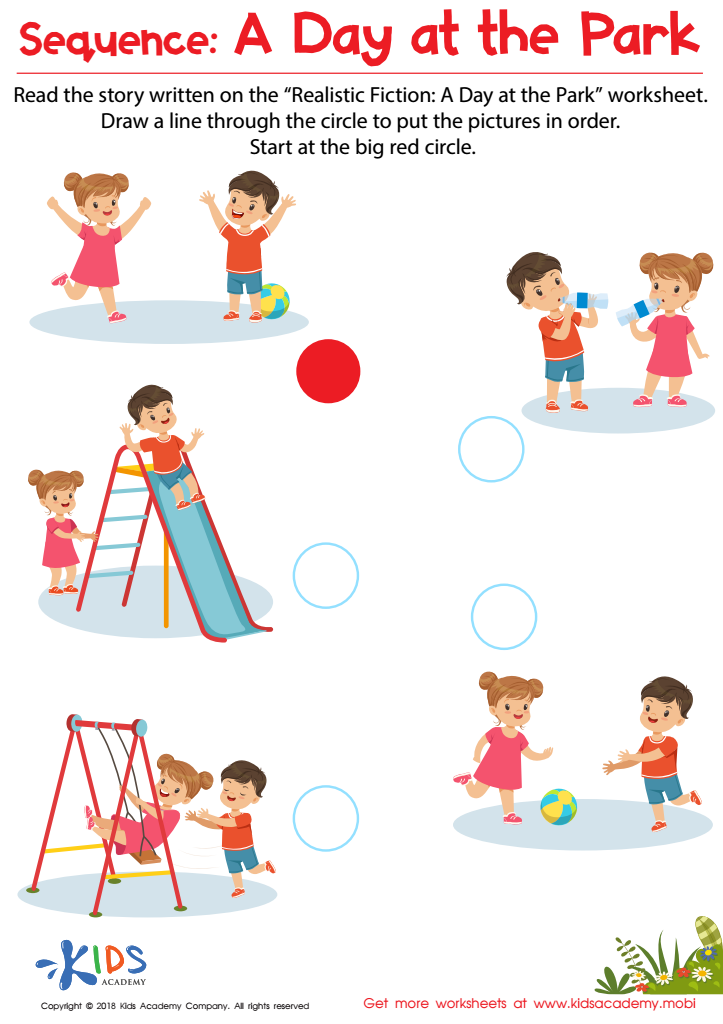
Sequence: A Day at the Park Worksheet
Help your child sequence the events of the story they just read with this activity! Start with the big red circle and draw lines to the other circles next to the images in the correct order. It's a great way to practice their reading skills! Try this downloadable worksheet today!
Sequence: A Day at the Park Worksheet
Worksheet
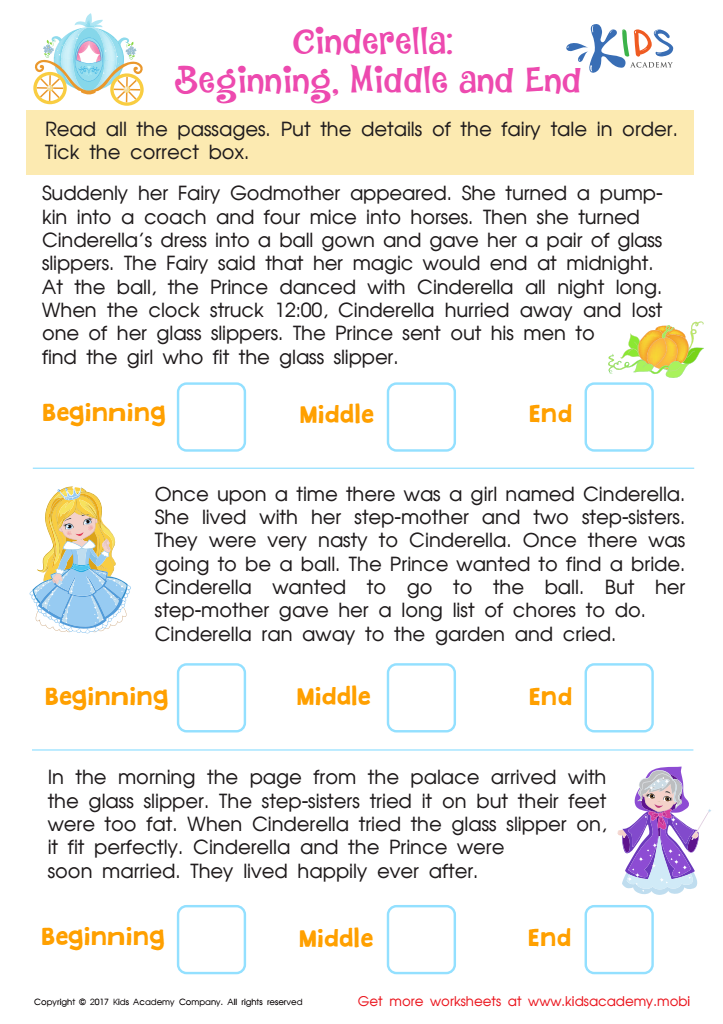
Cinderella: Beginning, Middle and End Worksheet
This Cinderella-themed worksheet provides an excellent opportunity for your child to practice reading comprehension and understanding the basics of story structure.
Help your child learn a key story concept with this Cinderella-themed reading comprehension worksheet. It's an excellent way for them to practice understanding the different parts of a story, from the beginning to the end. Kids will love getting to know the beloved fairy tale of Cinderella!
Cinderella: Beginning, Middle and End Worksheet
Worksheet
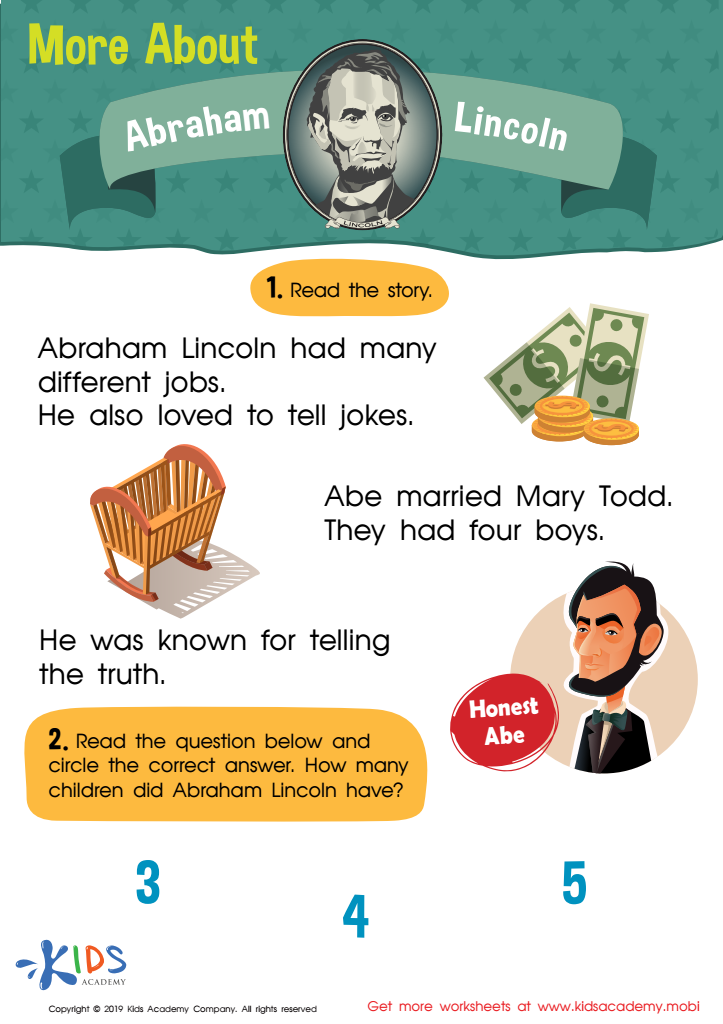
More About Abraham Lincoln Worksheet
Read the short story in the worksheet with your kids. Show them the pictures representing the sentences, then ask the questions and help them circle the correct answer. Make sure they are actually paying attention and learning from the stories.
More About Abraham Lincoln Worksheet
Worksheet
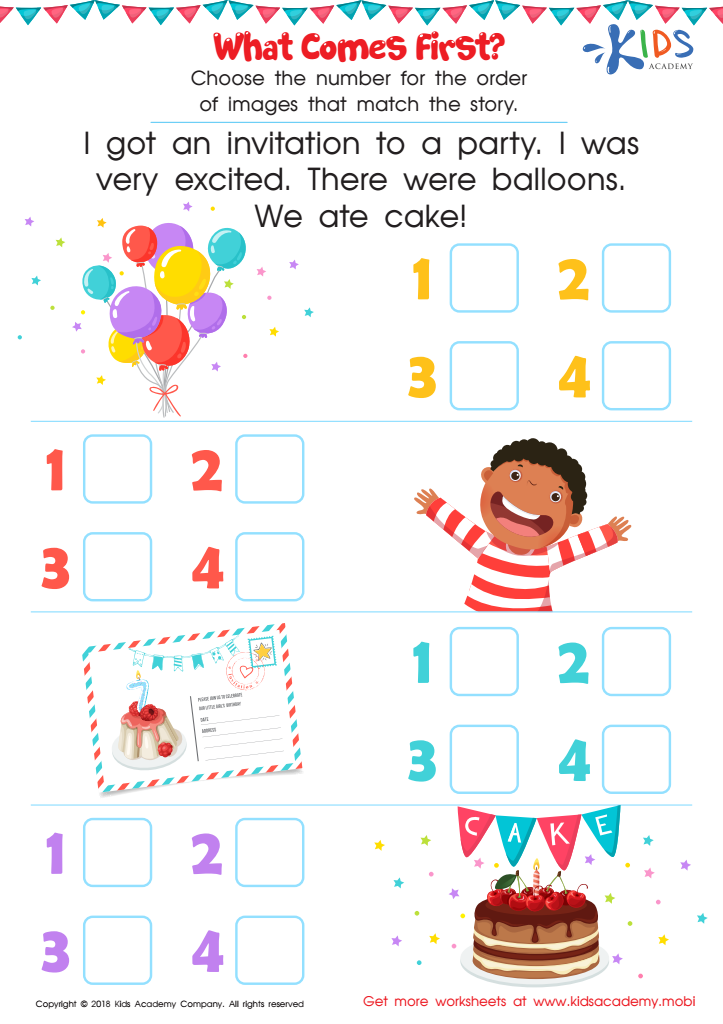
What Comes First Worksheet
Before you start, ask your child what they see in the picture. Read the story aloud together, then show them the images in order, numbered 1-5. Ask them to choose the numbers that match the story. Have fun and enjoy this party worksheet with your little one! (80 words)
What Comes First Worksheet
Worksheet
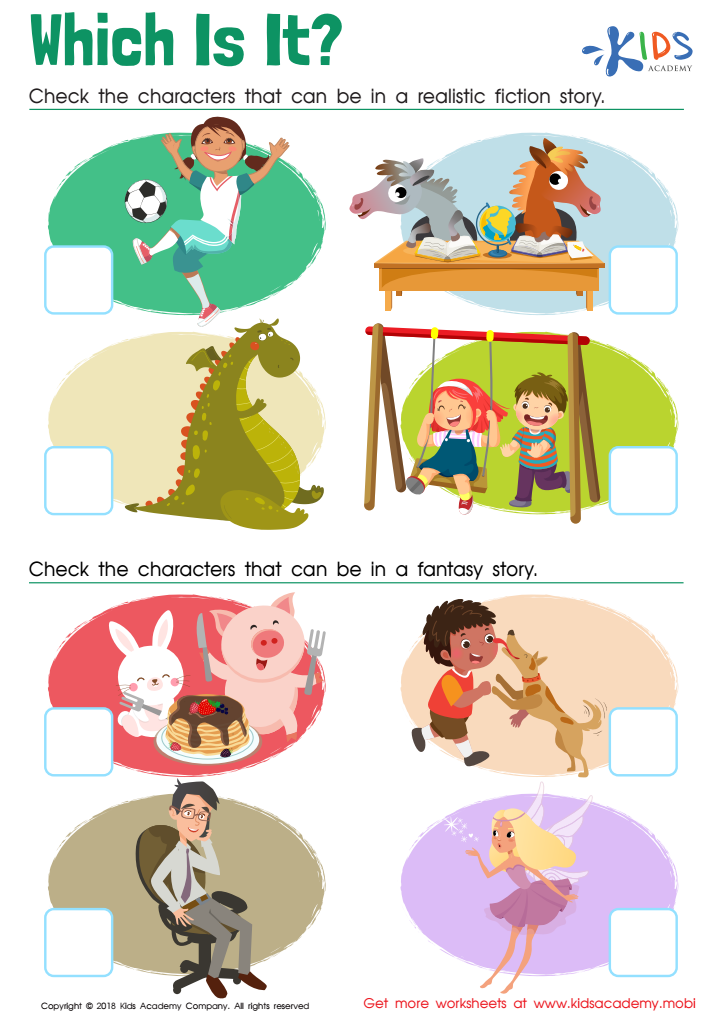
Which Is It? Worksheet
This colorful worksheet helps young readers identify elements of fact and fiction using fun picture clues. They can check off characters who exist in realistic fiction stories, which makes learning the difference between the two genres fun and engaging.
Which Is It? Worksheet
Worksheet
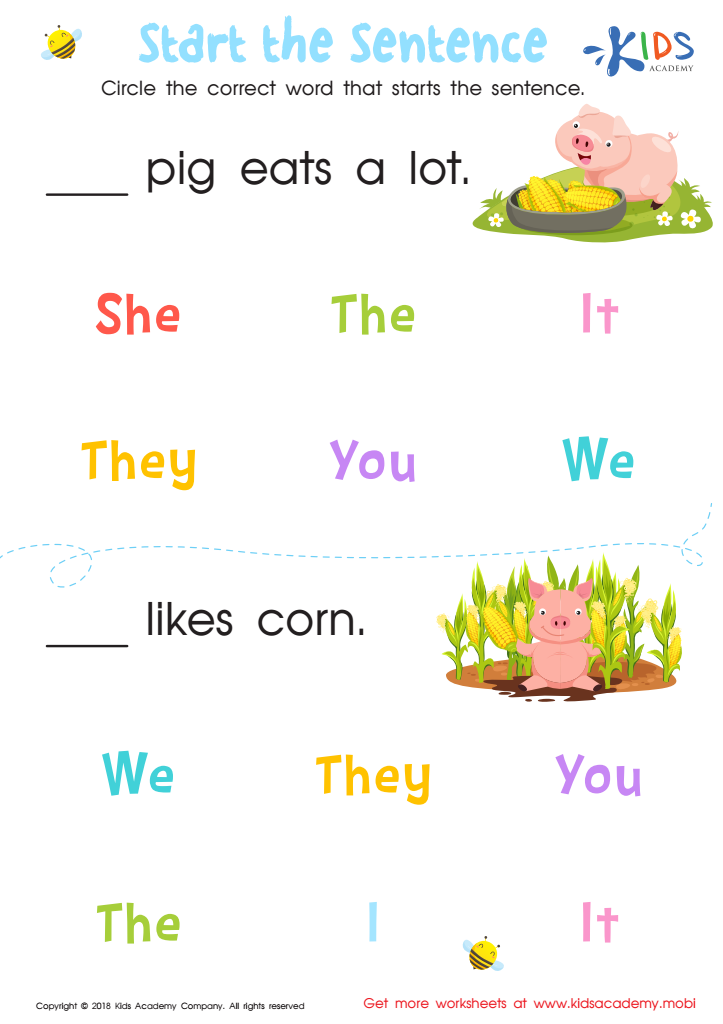
Start the Sentence Worksheet
Test your students' understanding of sentences with this easy worksheet. Ask them to read the sentences and circle the correct word that starts each. This will show how well their lessons have paid off and if they can construct short simple sentences.
Start the Sentence Worksheet
Worksheet
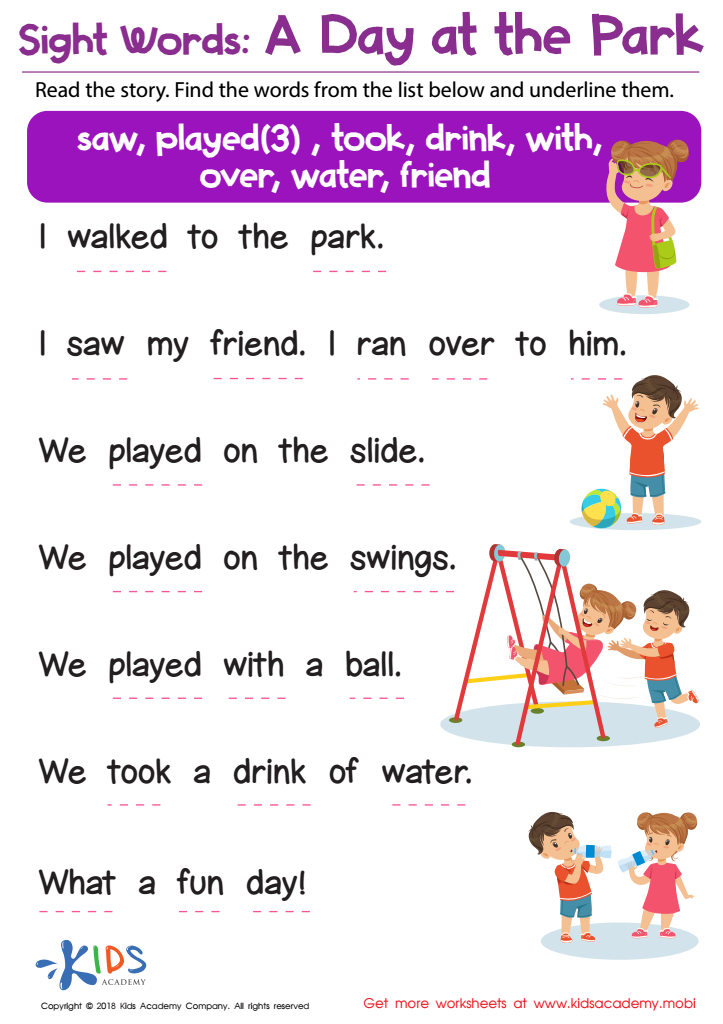
Sight Words: A Day at the Park Worksheet
This worksheet offers kids practice reading sight words in a story. With picture clues and repetitive wording, they'll work with words that can't be sounded out to reinforce their learning. This is an important step in the reading process that helps kids become more confident readers.
Sight Words: A Day at the Park Worksheet
Worksheet
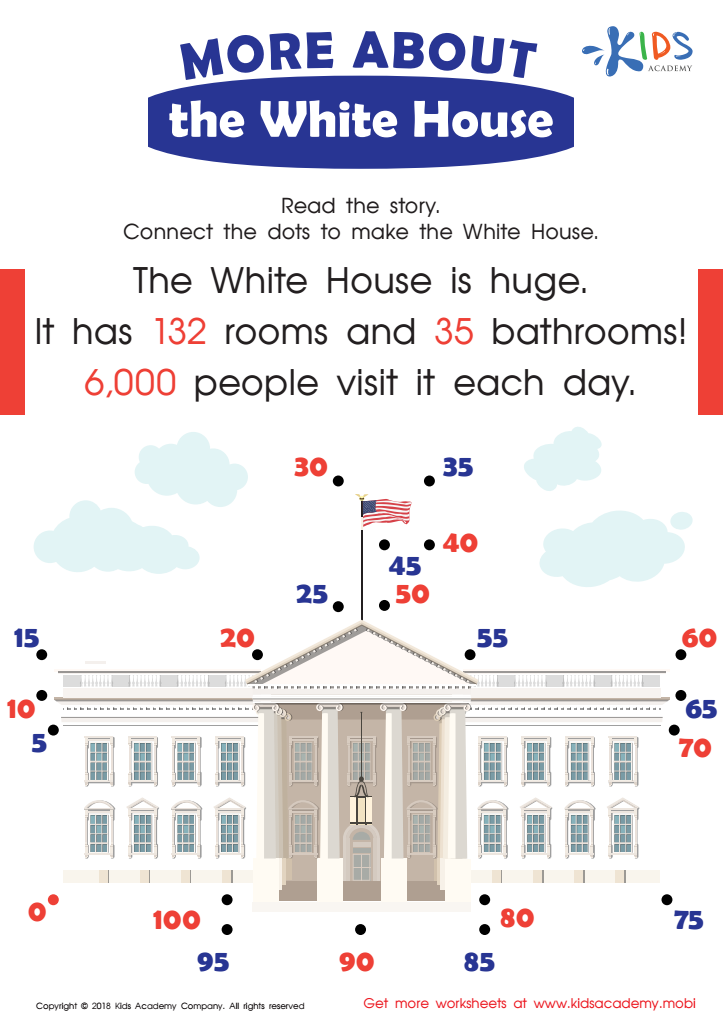
More About the White House Worksheet
The President of the United States lives in the White House, a huge building with 132 rooms and 35 bathrooms. It's home to the President's family, plus 6,000 visitors every day, and full of interesting stories. Teach your kids about it with this printout; help them connect the dots and learn more about this famous home. Learning never ends!
More About the White House Worksheet
Worksheet
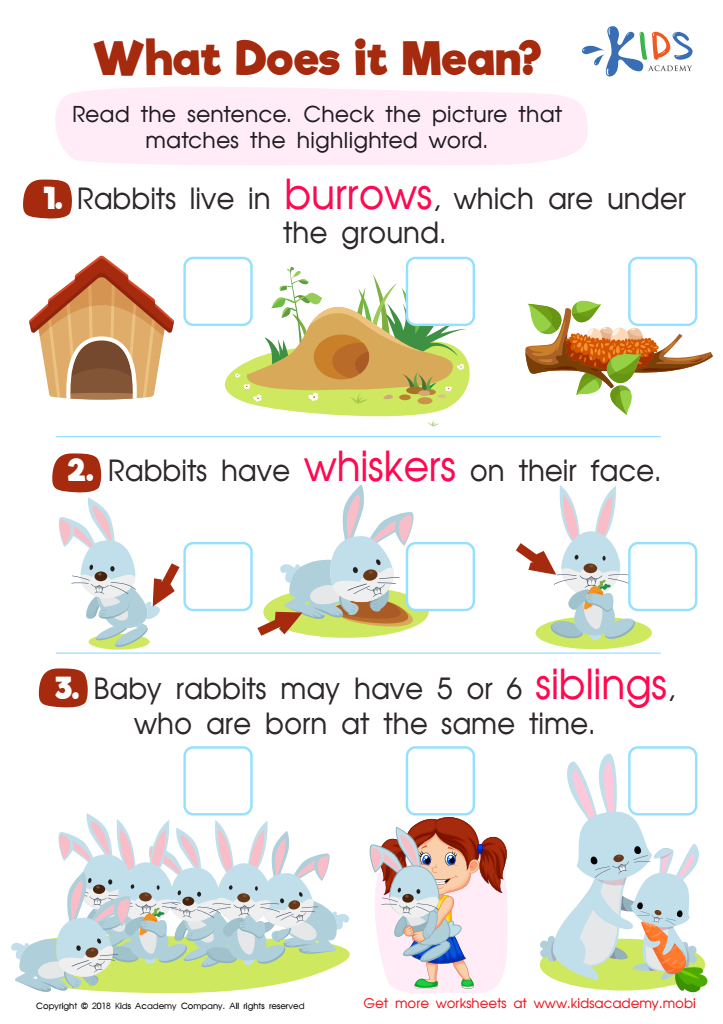
What Does It Mean? Worksheet
Teach your child to use context clues with this engaging Kids Academy worksheet. Read the sentences and find the pink-highlighted word. Use the other words in the sentence to figure out the meaning, then check the box next to the picture that represents it.
What Does It Mean? Worksheet
Worksheet
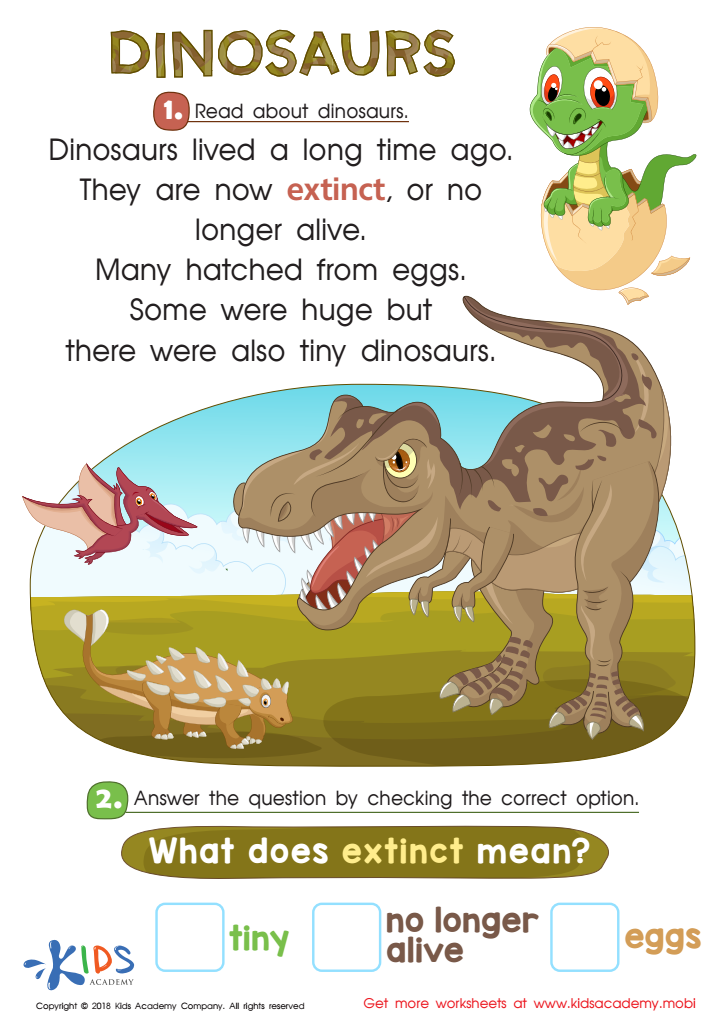
Dinosaurs Worksheet
Kids are often fascinated by dinosaurs, creatures that roamed the Earth before man. Sadly, they are now extinct. To learn more, read facts on this worksheet to your kids and help them answer the question at the end by selecting the correct option.
Dinosaurs Worksheet
Worksheet
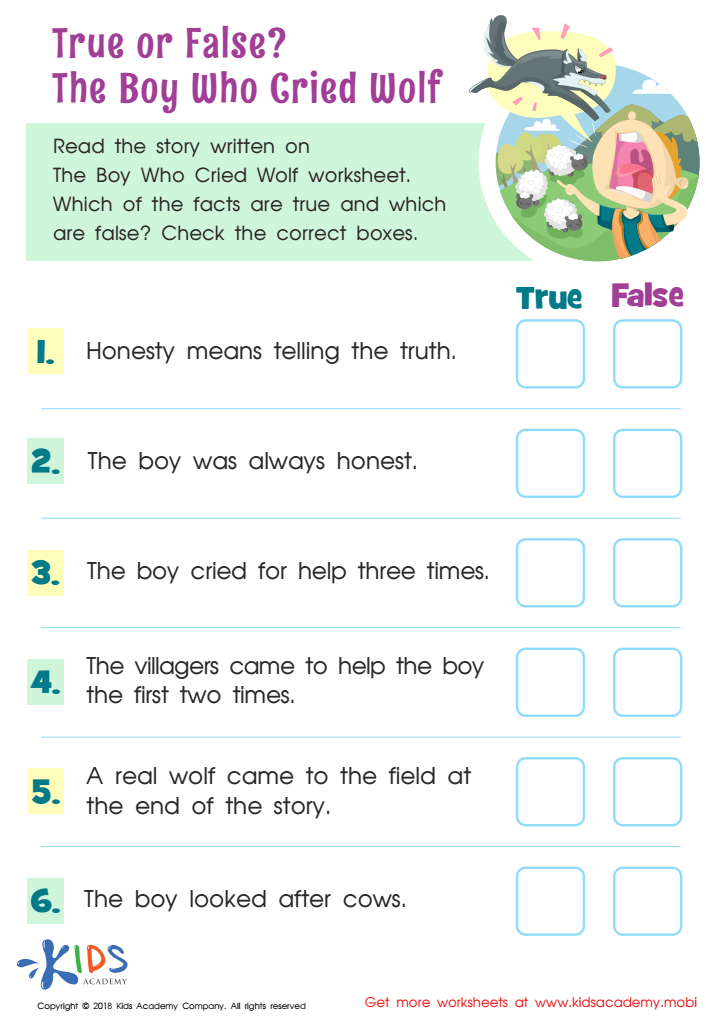
True or False? The Boy Who Cried Wolf Worksheet
Test students' understanding of The Boy Who Cried Wolf with this free downloadable worksheet. It contains true/false questions to assess comprehension of key events. Easy to complete, it checks students can recall facts from the story. Try it and see!
True or False? The Boy Who Cried Wolf Worksheet
Worksheet
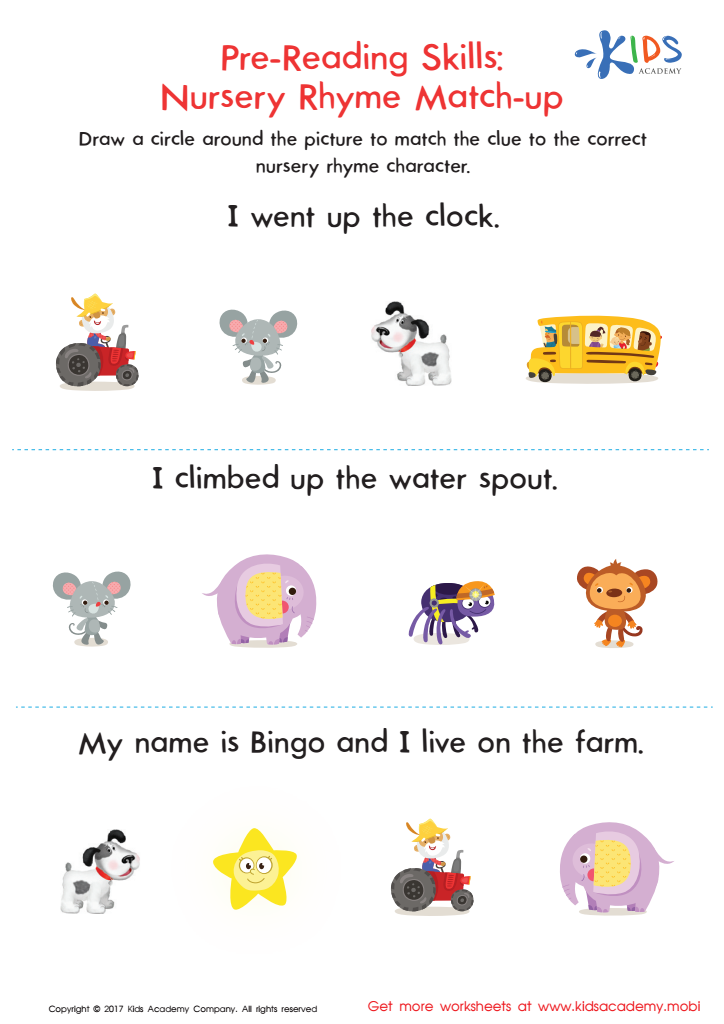
Nursery Rhyme Match–Up Worksheet
This worksheet helps kids build pre-reading skills using stories they know and love! By connecting with prior knowledge, kids can develop ideas about characters and set the stage for reading strategies.
Nursery Rhyme Match–Up Worksheet
Worksheet
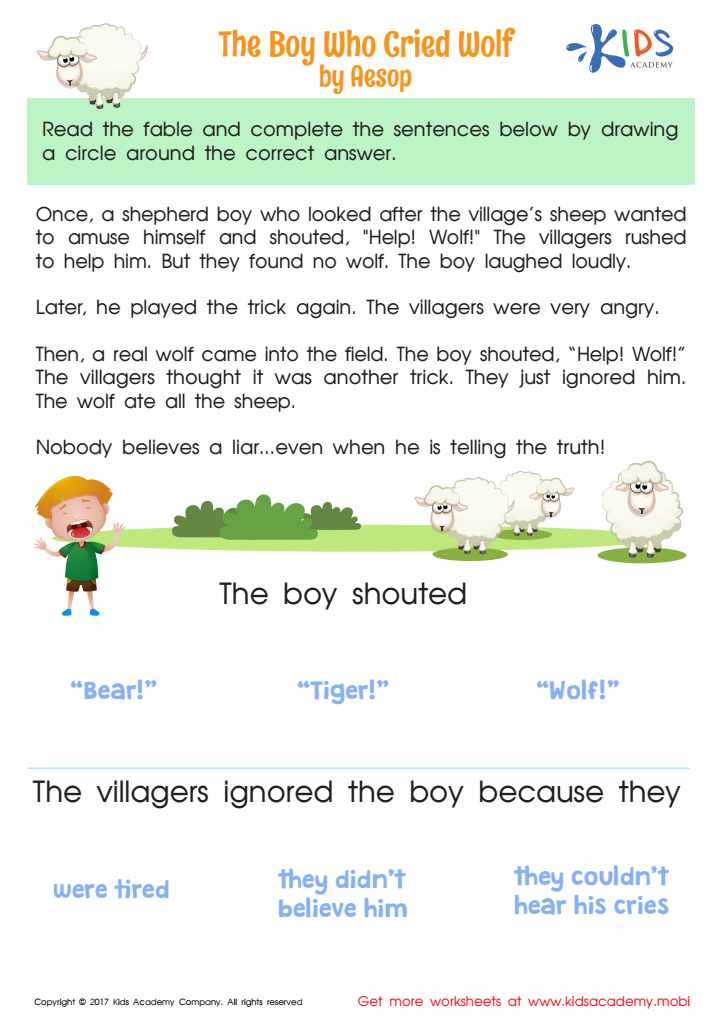
The Boy Who Cried Wolf Worksheet
Test your child's reading comprehension with The Boy Who Cried Wolf worksheet. Read the fable, then answer the questions. Use the text to help your child check their answers are correct. Boost reading skills in a fun, interactive way!
The Boy Who Cried Wolf Worksheet
Worksheet
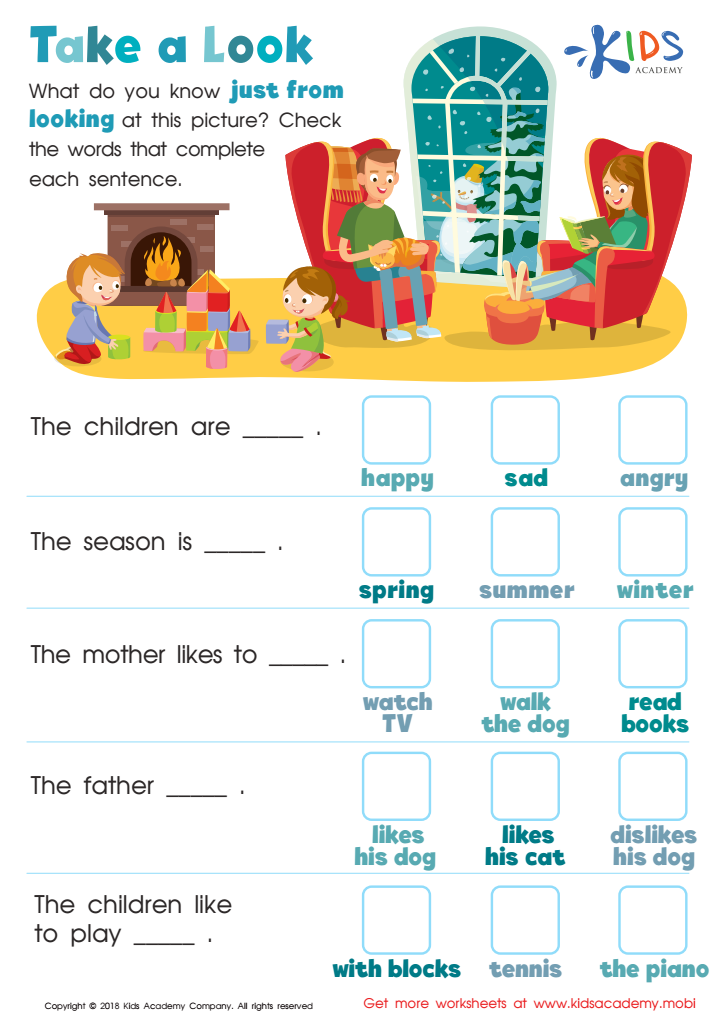
Take a Look - Part 1 Worksheet
Young learners gain understanding when using picture clues when reading. Looking at illustrations can help students learn the meaning of key vocabulary when reading fiction or informational text. Ask your students to look at the worksheet and observe what they can learn from the picture. It's a great comprehension strategy for early readers.
Take a Look - Part 1 Worksheet
Worksheet
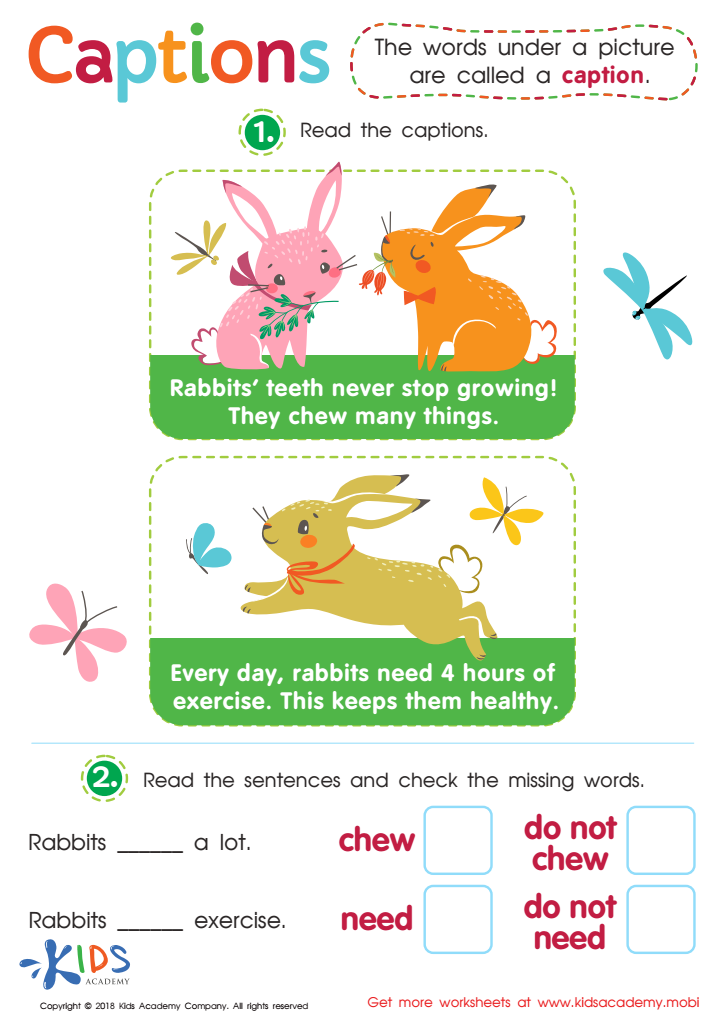
Captions Worksheet
Pictures are key elements of informational texts. Sometimes, captions are added to describe them. Help your child improve their reading habits and comprehension by teaching them about captions. This worksheet introduces the concept, then asks questions to assess your child's understanding.
Captions Worksheet
Worksheet
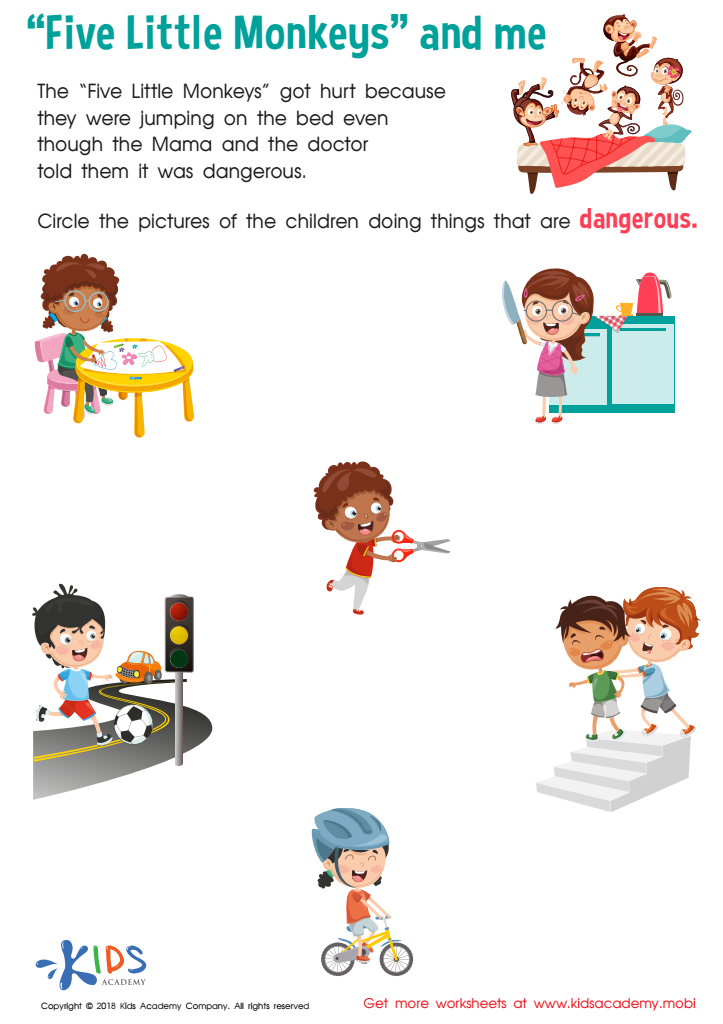
Five Little Monkeys and Me Worksheet
This free PDF worksheet provides preschoolers an understanding of danger and appropriate play. It allows them to recognize dangerous situations and why they can be risky, granting kids perspective from both parents and teachers. It's a fun, safe way to help them internalize what's dangerous and what's not.
Five Little Monkeys and Me Worksheet
Worksheet
Join Kids Academy for Free
Who is primarily going to use this learning content?