Extra Challenge Consonants Worksheets for Ages 3-6
4 filtered results
-
From - To
Welcome to our "Extra Challenge Consonants Worksheets for Ages 3-6"! Designed to enhance early literacy skills, these engaging worksheets provide a fun yet demanding experience for preschool and kindergarten learners. Each sheet focuses on consonant recognition and sounds, allowing young children to master phonemic awareness. With a variety of activities, including tracing, matching, and coloring, children can develop fine motor skills while building a solid foundation in reading. Perfect for parents and teachers seeking to challenge their little learners, these worksheets inspire curiosity and confidence in language learning. Explore our collection today and watch your child's skills soar!
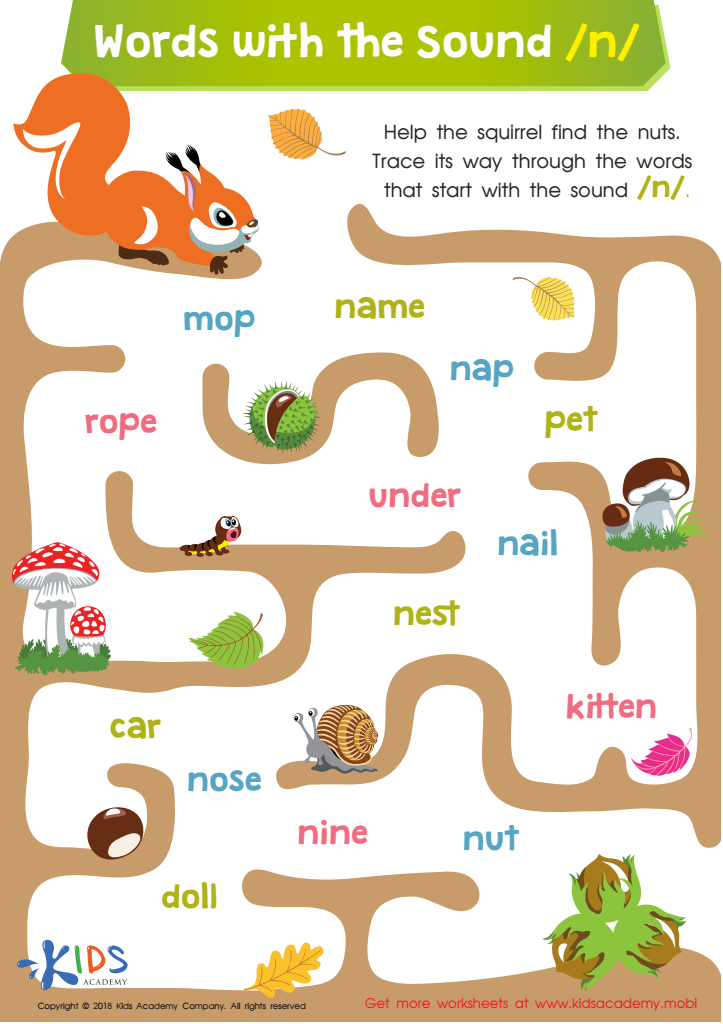
Words with Sound N Reading Worksheet
 Assign to My Students
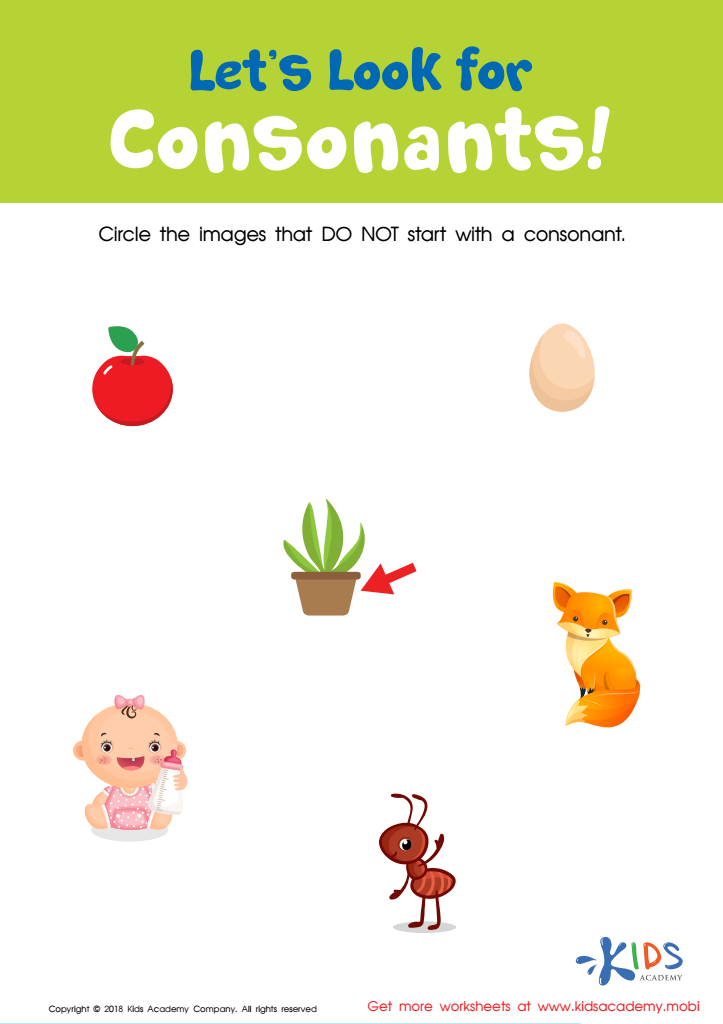
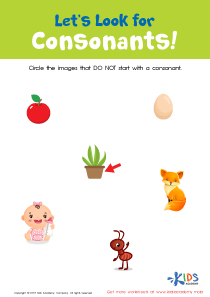
Let's Look for Consonants Worksheet
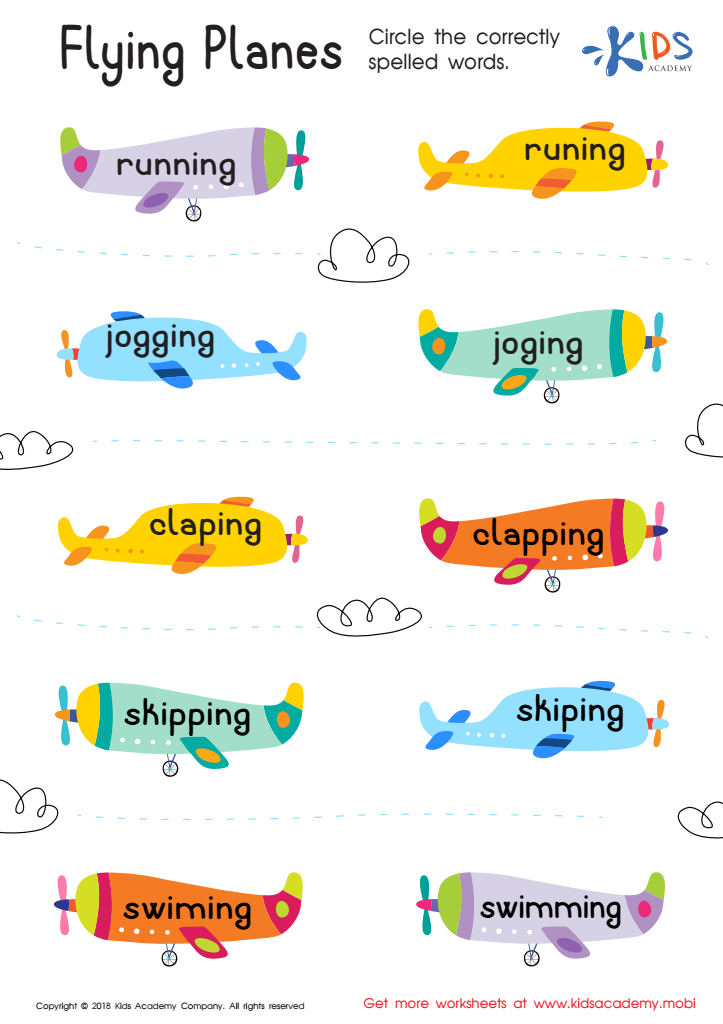
Flying Planes Worksheet
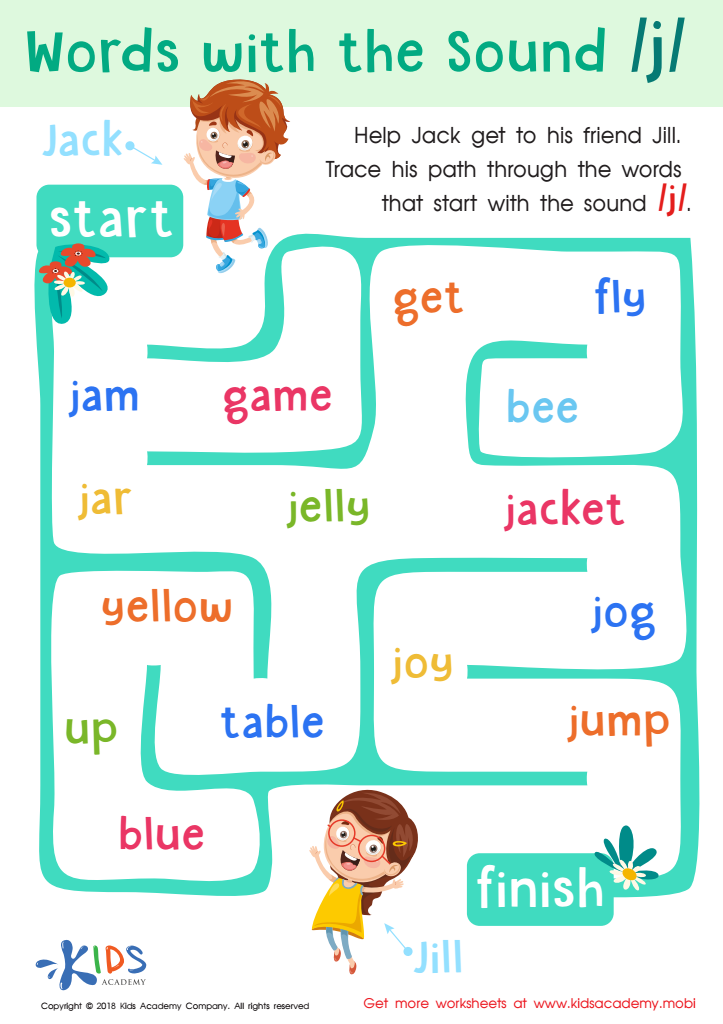
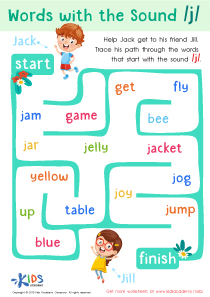
Words with sound j Reading Worksheet



Extra Challenge Consonants, also known as advanced consonant sounds or blends, are important for children ages 3-6 as they lay the foundation for effective reading and writing skills. At this age, children are in a critical phase of language development, where exposure to diverse sounds enhances phonemic awareness—the ability to recognize and manipulate the sounds in words.
By focusing on Extra Challenge Consonants, parents and teachers can help children understand more complex sound patterns, making them better equipped to decode unfamiliar words as they progress in their literacy journey. This skill is crucial for early reading success, as it empowers children to tackle new vocabulary confidently.
Moreover, engaging children in activities that incorporate these consonants promotes linguistic diversity and cognitive development. It supports improved articulation, builds vocabulary, and enhances their overall communication abilities.
Furthermore, encouraging the exploration of Extra Challenge Consonants can be enjoyable and interactive, fostering a love for language and learning. When children achieve mastery in these sounds at an early age, they gain increased self-esteem and joy in reading, creating a positive cycle of learning that will benefit them throughout their educational journeys. Hence, educators and parents should prioritize this crucial aspect of early literacy development.