Extra Challenge Worksheets for Ages 4-9 - Page 22
507 filtered results
-
From - To
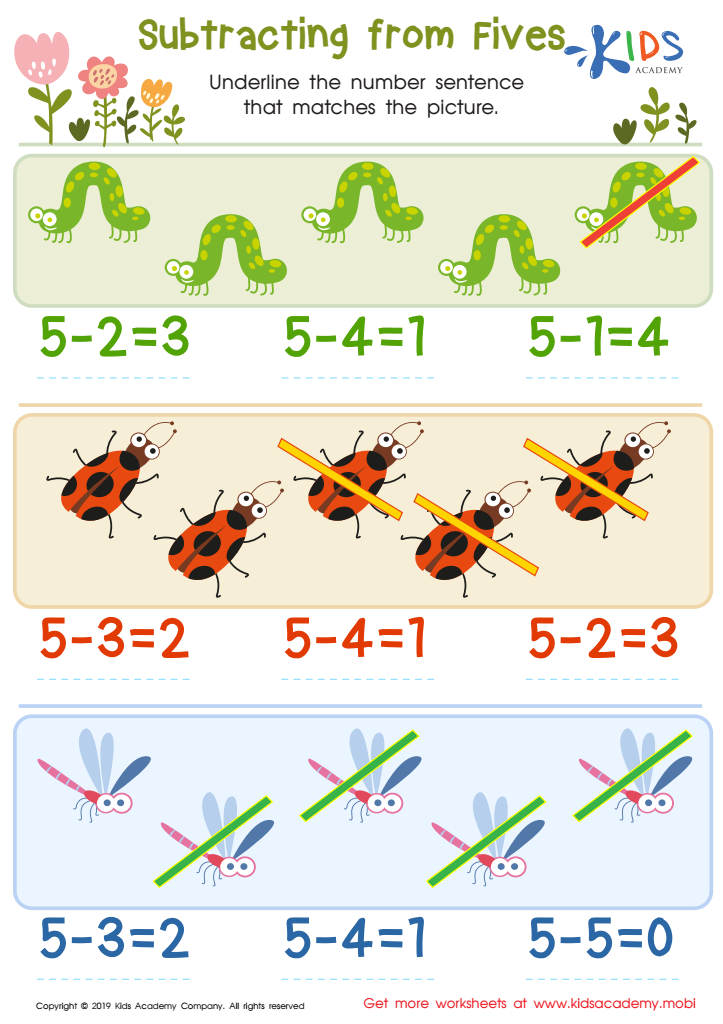
Subtracting From Fives Worksheet
 Assign to My Students
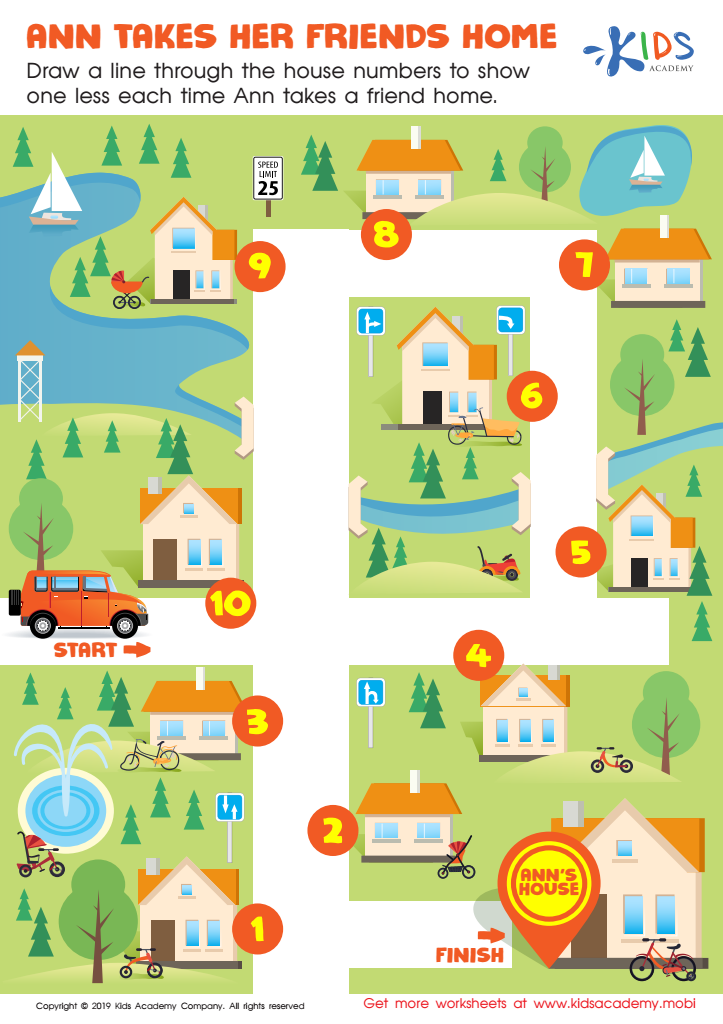
Ann Takes her Friends Home Worksheet

Notation of Checkmate Worksheet








Parents and teachers should care about Extra Challenge resources for ages 4-9 because these tools are essential for fostering cognitive and emotional development during a critical stage of learning. At this age, children are naturally curious and eager to explore new concepts. Providing extra challenges that are tailored to their interests and abilities encourages them to think critically, solve problems, and develop resilience.
Engaging children with activities that stretch their capabilities can prevent boredom and disengagement, which may lead to lost motivation for learning. Extra challenges can also help identify and hone individual strengths, as every child has a unique learning style and pace. By offering opportunities for children to excel, educators and parents can boost self-esteem and promote a growth mindset, where children learn to value effort and persistence in their learning journey.
Moreover, extra challenges can foster essential social skills as children collaborate and share ideas during group activities. In a diverse classroom setting, incorporating varied challenges allows for inclusive learning experiences, recognizing that each child's talents contribute to the community. Overall, investing time and resources in extra challenges not only enhances academic achievement but also nurtures well-rounded, capable individuals.








