Extra Challenge Place Value Worksheets for Ages 5-6
6 filtered results
-
From - To
Introducing our Extra Challenge Place Value Worksheets, meticulously crafted for children Ages 5-6! Dive into the fascinating world of numbers with these engaging worksheets designed to sharpen young minds and foster a deep understanding of place value. Perfect for early learners eager to go beyond the basics, our collection offers a series of stimulating challenges that make learning both fun and rewarding. Whether at home or in the classroom, these worksheets are your essential tool for nurturing mathematical brilliance in young learners. Embrace the adventure of numbers with our Extra Challenge Place Value Worksheets for Ages 5-6, and watch your child's confidence and skills soar!
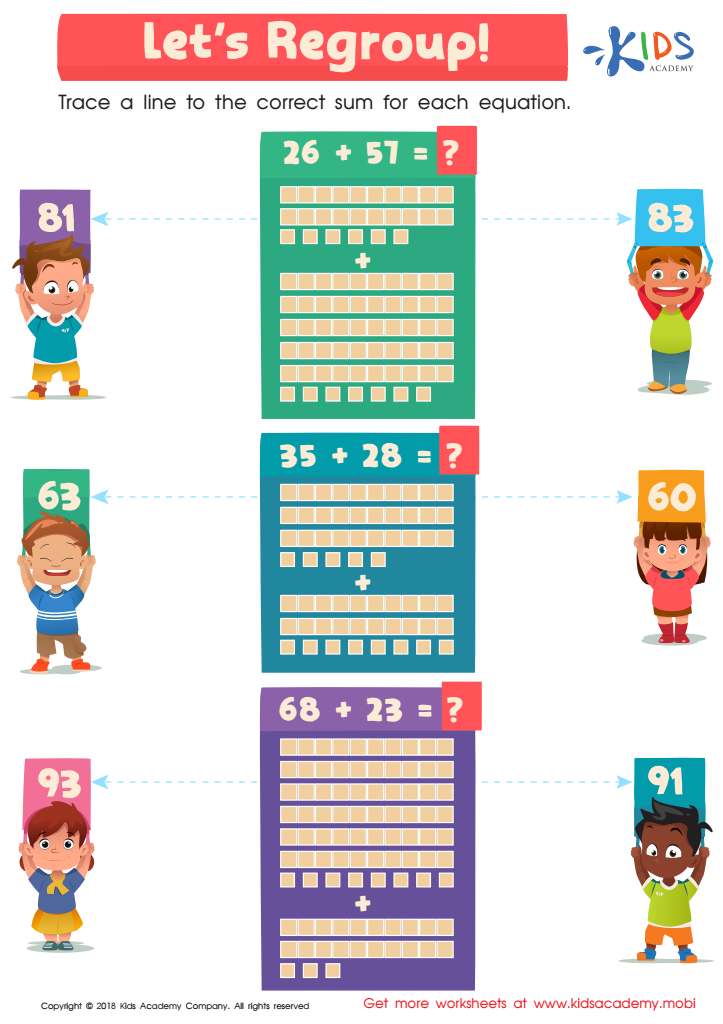
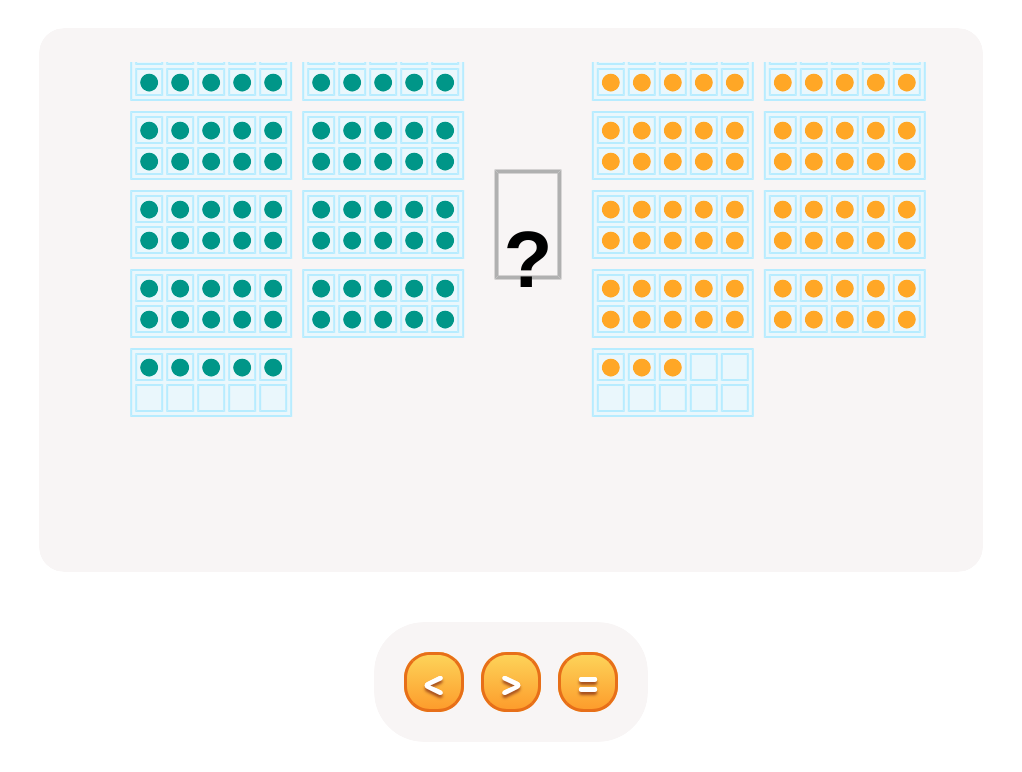
Let's Regroup Worksheet
 Assign to My Students
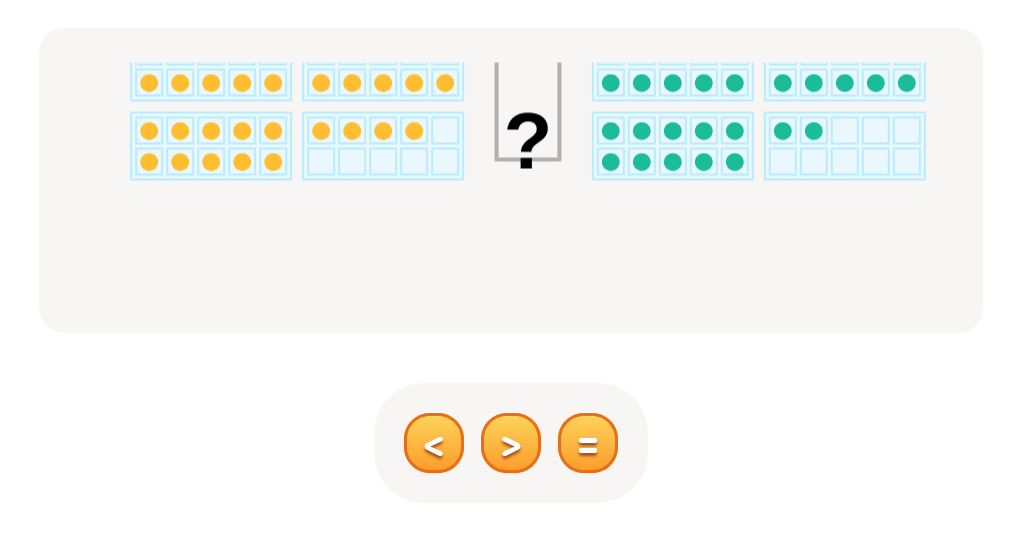

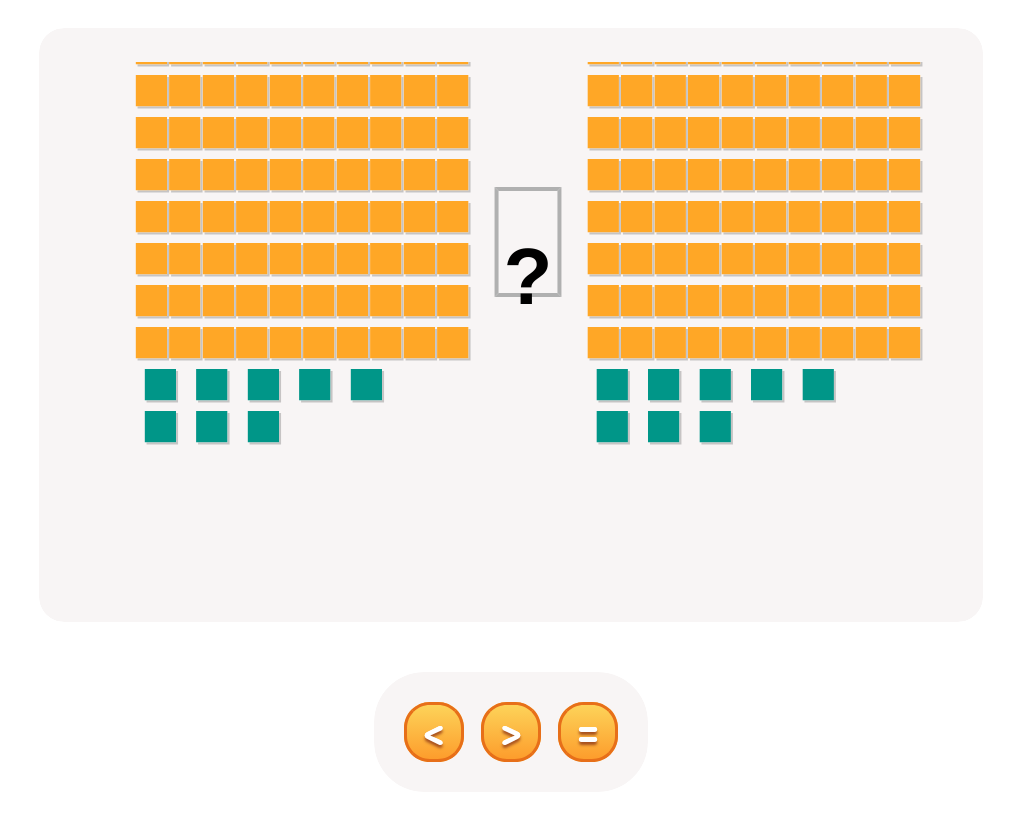
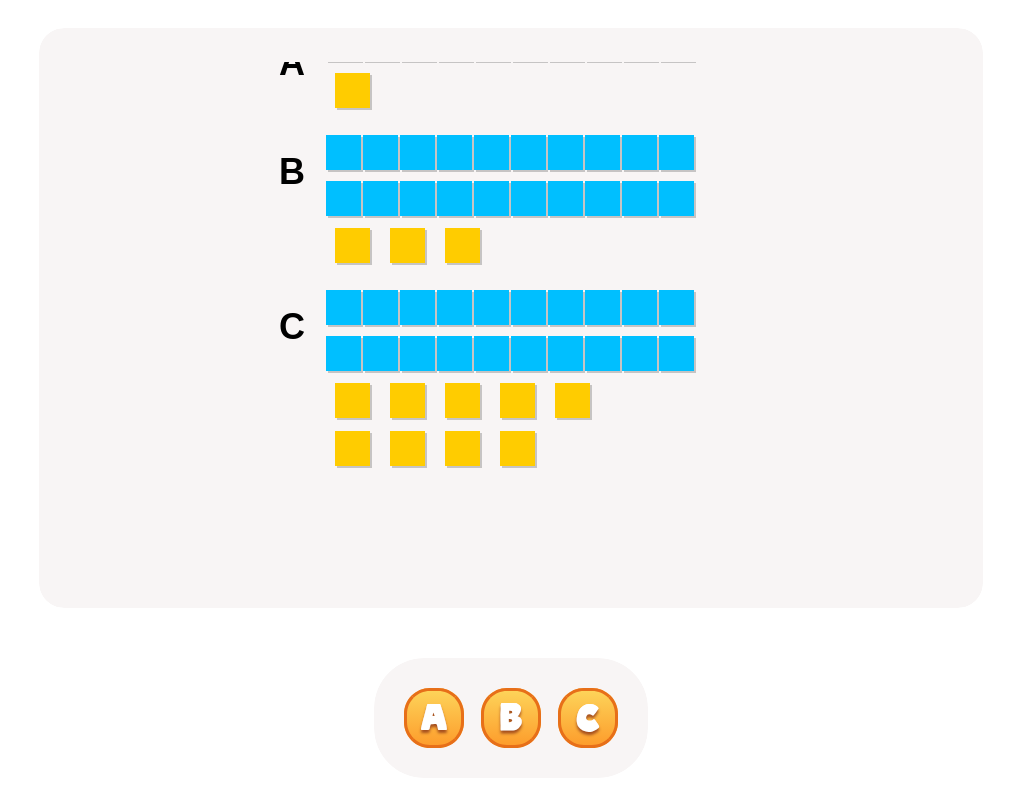
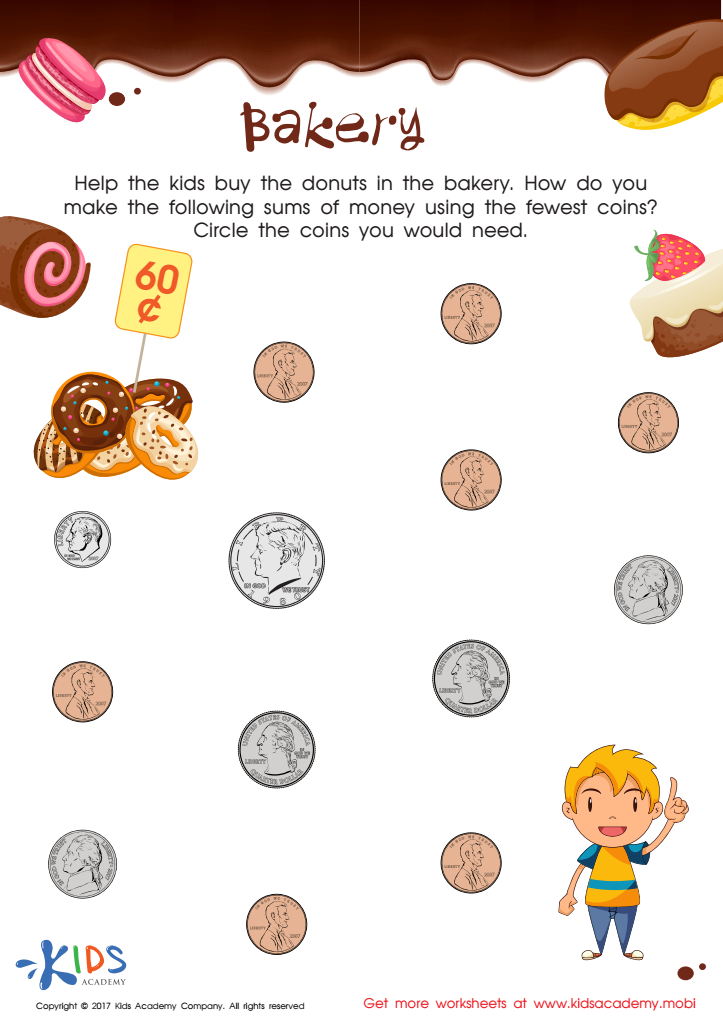
Counting Coins Worksheet
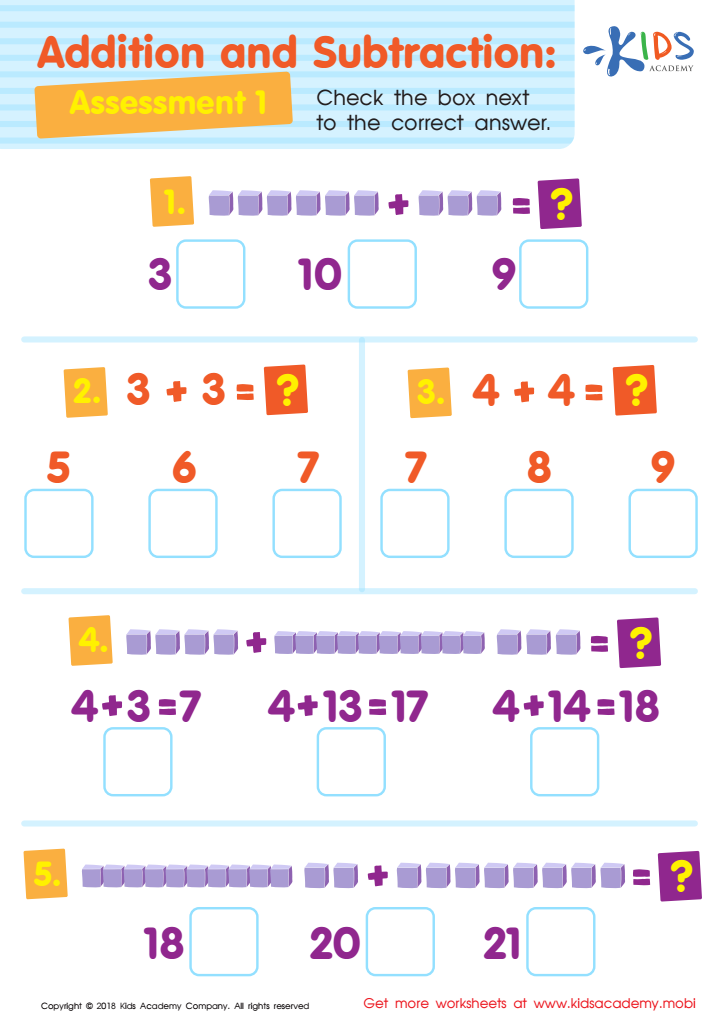
Addition and Subtraction Assessment 1 Worksheet
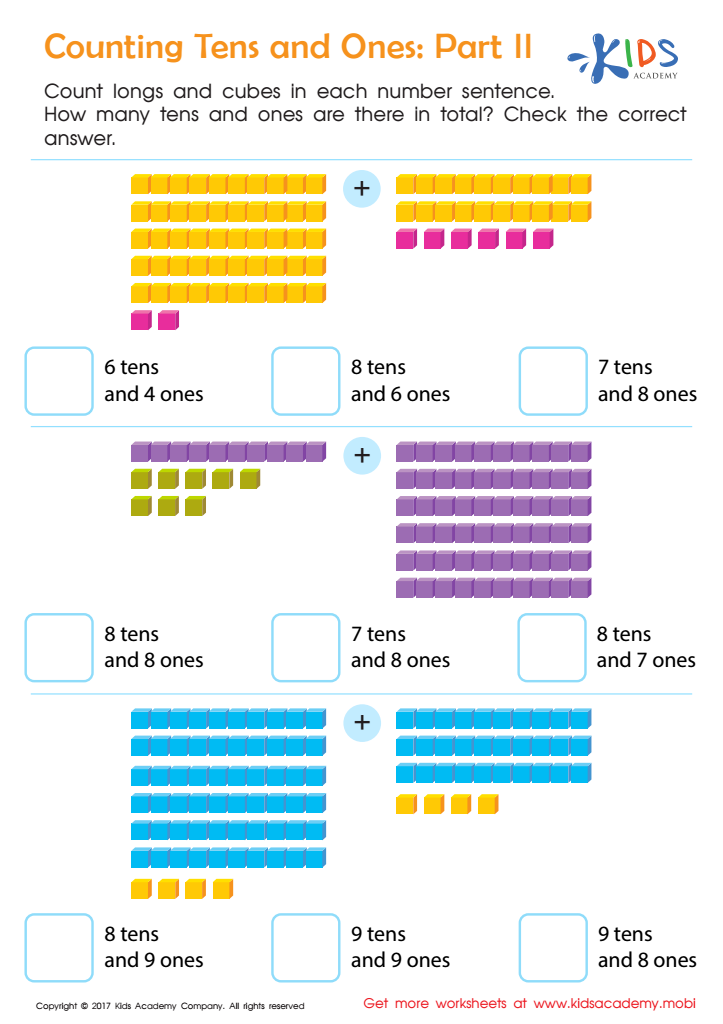
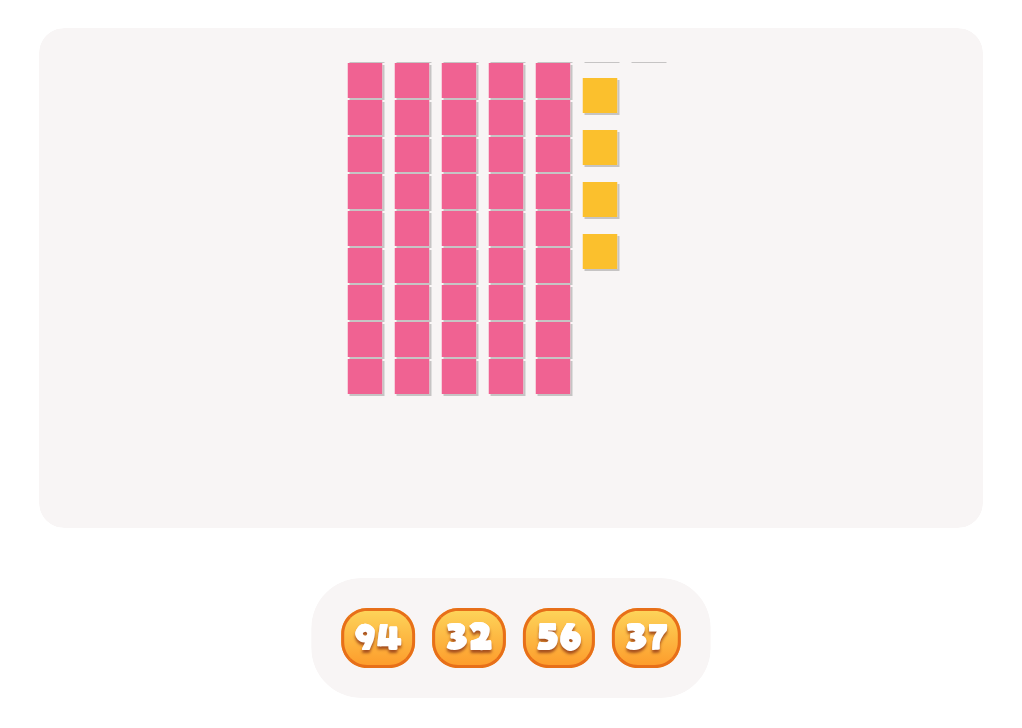
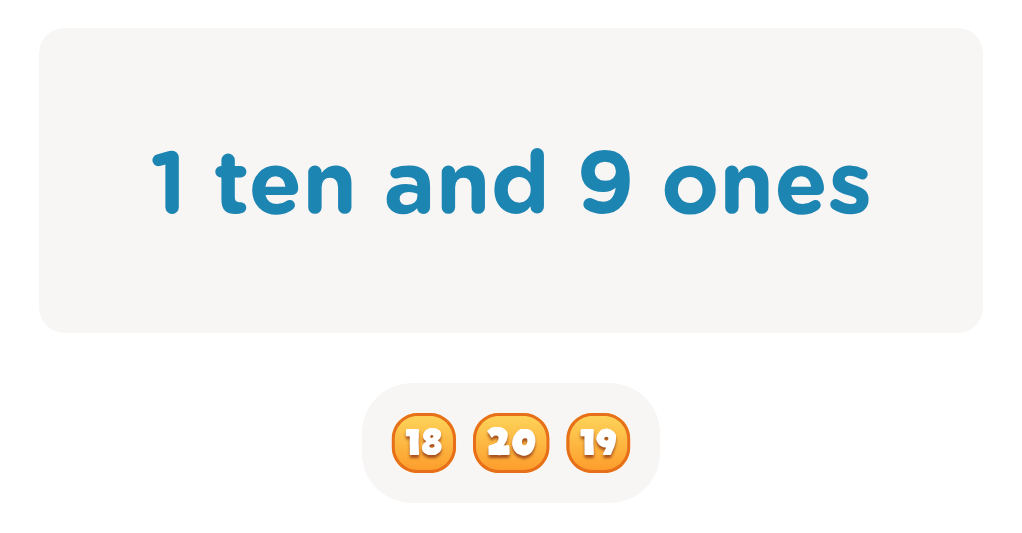
Counting Tens and Ones: Part 2 Worksheet
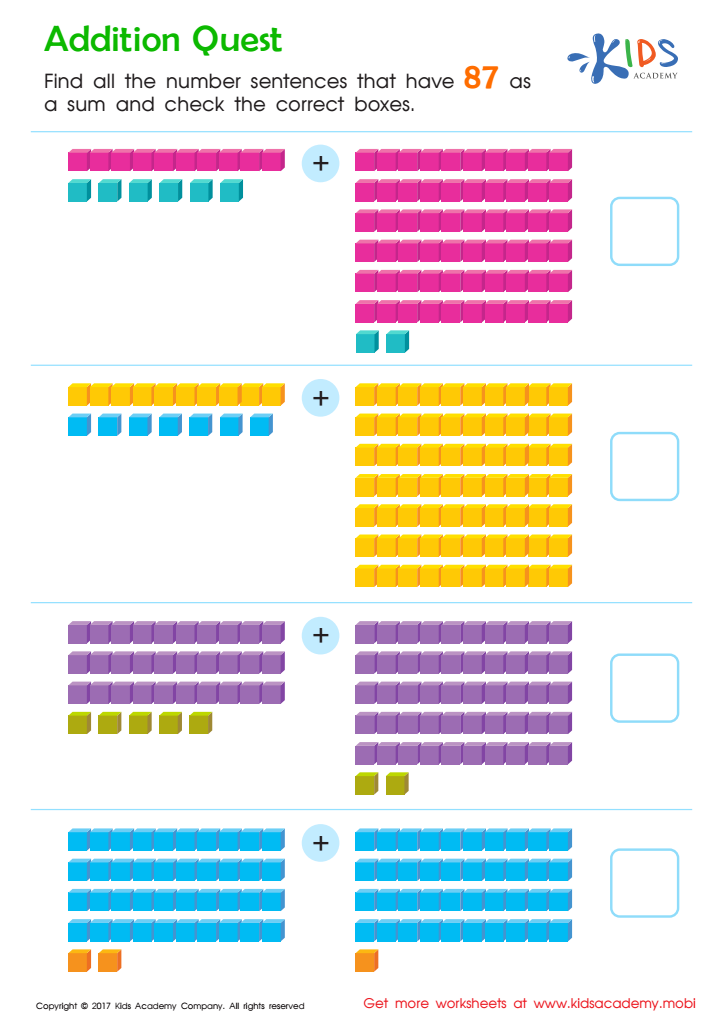
Addition Quest Worksheet: Part 1
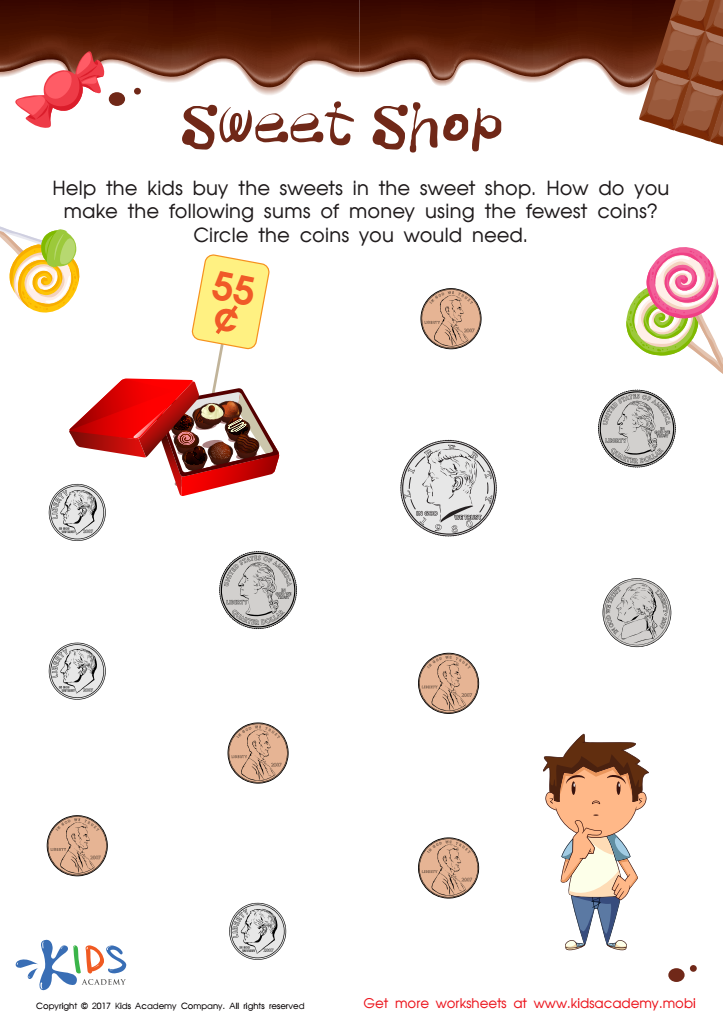
Sweet Shop – Counting Coins Worksheet








Extra Challenge Place Value worksheets for Ages 5-6 are an invaluable resource for young learners beginning to navigate the foundational concept of place value. At this pivotal age, understanding the significance of each digit's position in a number and its corresponding value is crucial for building a solid math foundation. These specially designed worksheets present an enriching way for children to deepen their comprehension and confidence in this area.
The Extra Challenge Place Value worksheets go beyond the basic introduction to place value. They engage 5-6-year-olds with intriguing problems that require a bit more thought, encouraging them to apply their knowledge in various contexts. This not only solidifies their understanding but also stimulates critical thinking and problem-solving skills early on in their educational journey.
Incorporating these worksheets into a child's learning routine can make a significant difference. They are crafted to captivate young minds with colorful, engaging activities that turn learning into a delightful experience. By tackling these extra challenges, children not only master place value but also gain a sense of accomplishment and readiness to explore more complex mathematical concepts.
Ultimately, the Extra Challenge Place Value worksheets for Ages 5-6 serve as a bridge, ensuring that young learners are not only meeting but exceeding their age-appropriate learning milestones in mathematics.