Extra Challenge Beginning Consonants Worksheets for Ages 5-9
3 filtered results
-
From - To
Unlock your child's reading potential with our "Extra Challenge Beginning Consonants Worksheets" designed for ages 5-9! These engaging worksheets provide additional practice in identifying and using beginning consonants, helping young learners strengthen their phonetic skills. Each worksheet is thoughtfully crafted with interactive activities that keep children motivated while enhancing their literacy foundations. Perfect for home or classroom use, these resources accommodate various learning styles and offer a fun approach to mastering key sound concepts. Encourage your child to explore language, boost their confidence, and take on new reading challenges, all while enjoying the process of learning! Explore our worksheets today!
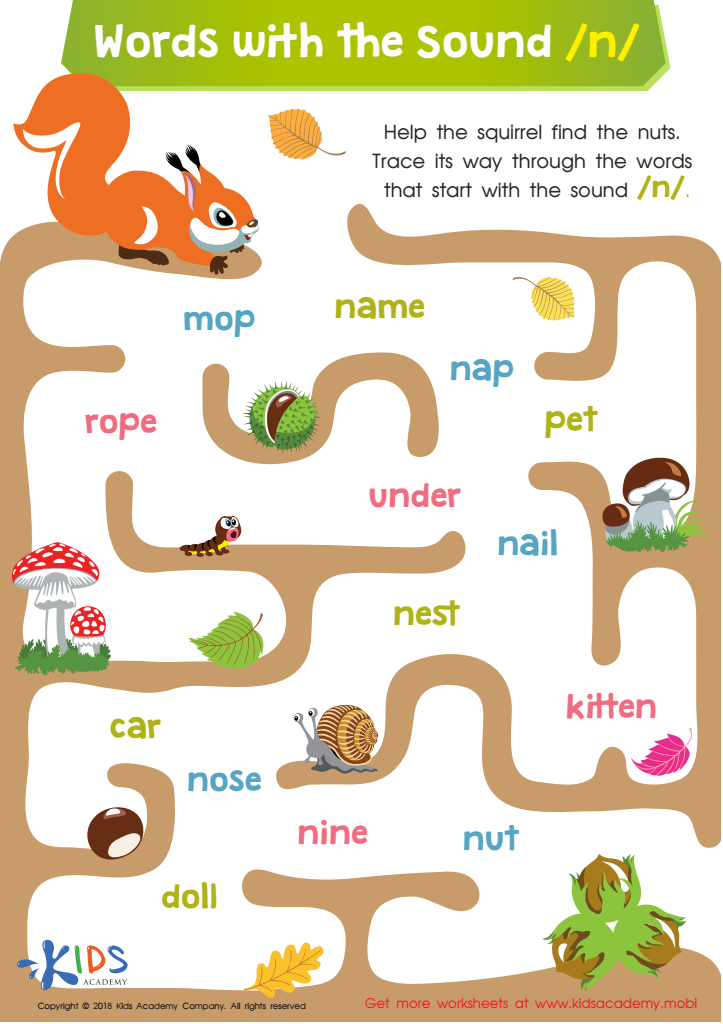
Words with Sound N Reading Worksheet
 Assign to My Students
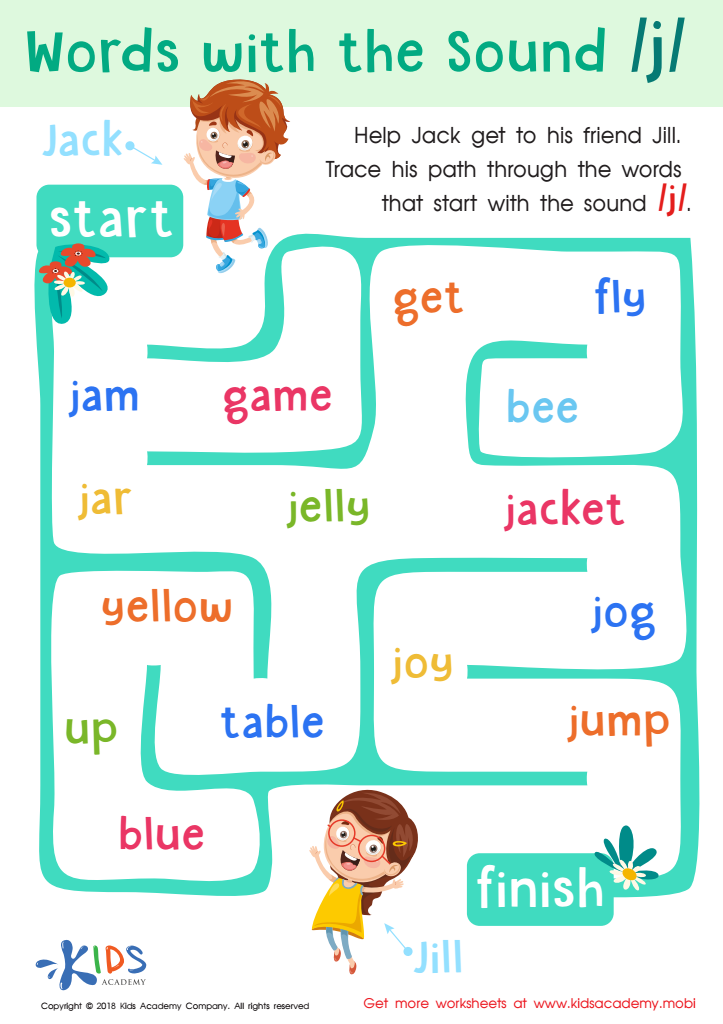
Words with sound j Reading Worksheet
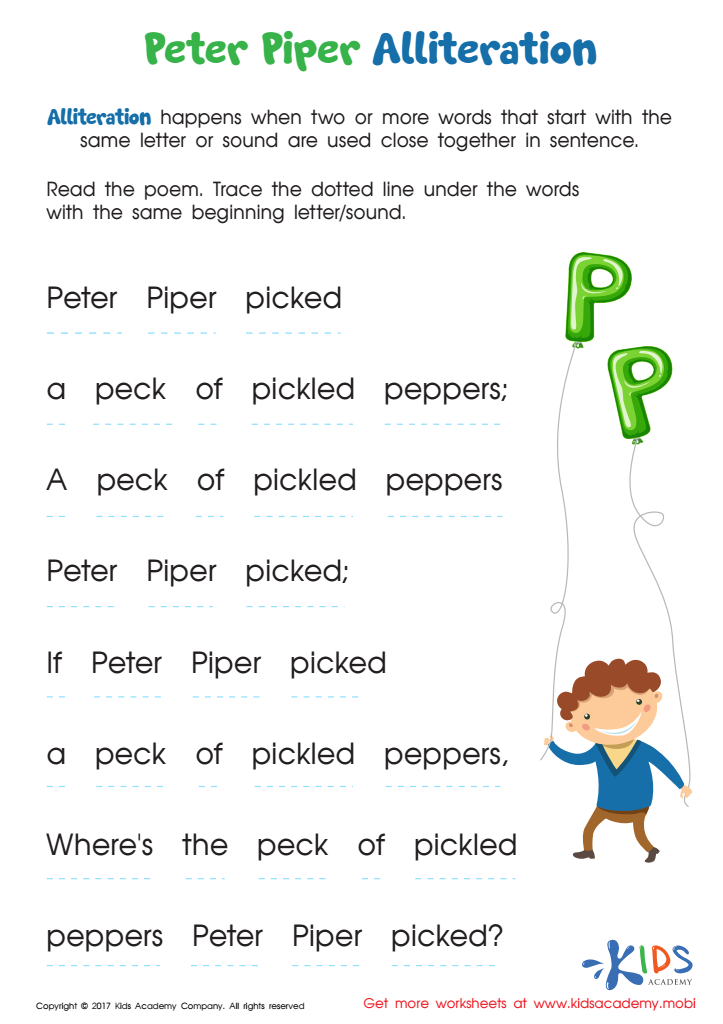
Peter Piper Alliteration Worksheet


Extra Challenge Beginning Consonants is crucial for children aged 5-9 as it lays the foundation for successful reading and writing. Understanding beginning consonants helps young learners decode words, fostering their phonemic awareness. When children grasp these sounds, they become more proficient in recognizing and pronouncing words, which enhances their literacy skills early on.
Moreover, mastering beginning consonants contributes to broader vocabulary development. As children learn to identify and articulate sounds at the start of words, they become better equipped to understand and explore language. This boosts their confidence in both written and oral communication.
For parents and teachers, incorporating strategies that emphasize beginning consonants opens up opportunities for personalized learning experiences. Engaging activities, such as phonics games and interactive storytelling, can capture children's interest while making learning enjoyable. Additionally, this age group is incredibly receptive to sound patterns, making it an opportune moment for targeted instruction in phonics.
Finally, fostering a strong grasp of beginning consonants sets the stage for advanced literacy skills later in life. By providing challenges that pique children's curiosity, caregivers can ignite a lifelong love of learning and literacy. Supporting their development in this crucial area ultimately leads to better educational outcomes and increased academic success.








