Extra Challenge Comparing Numbers Worksheets for Ages 5-9
5 filtered results
-
From - To
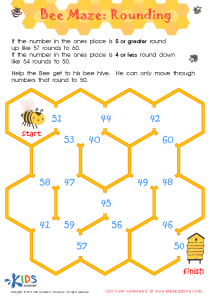
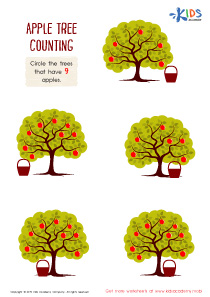
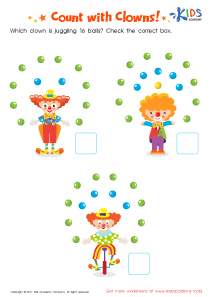
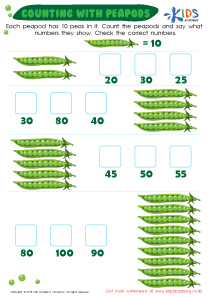
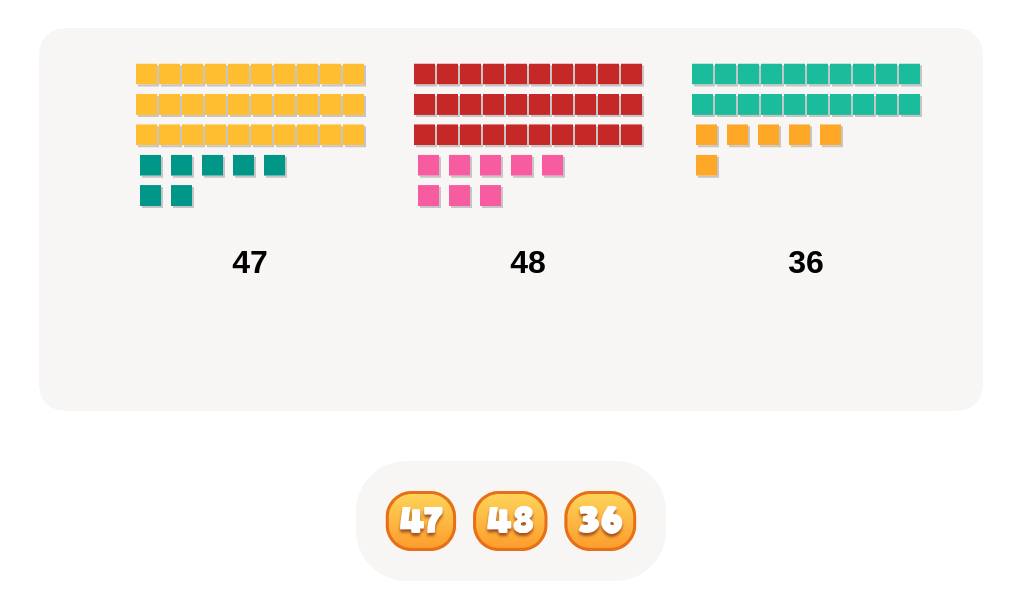
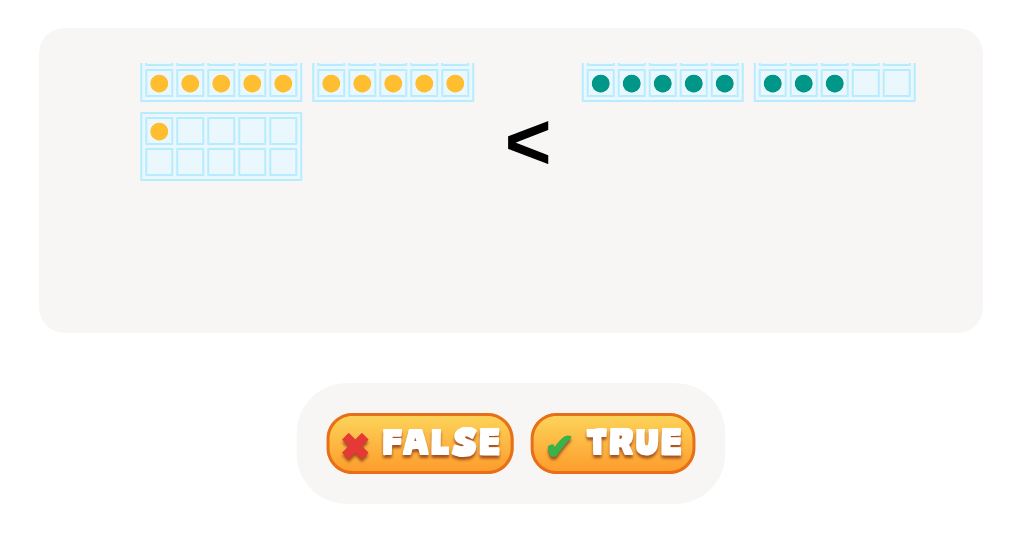
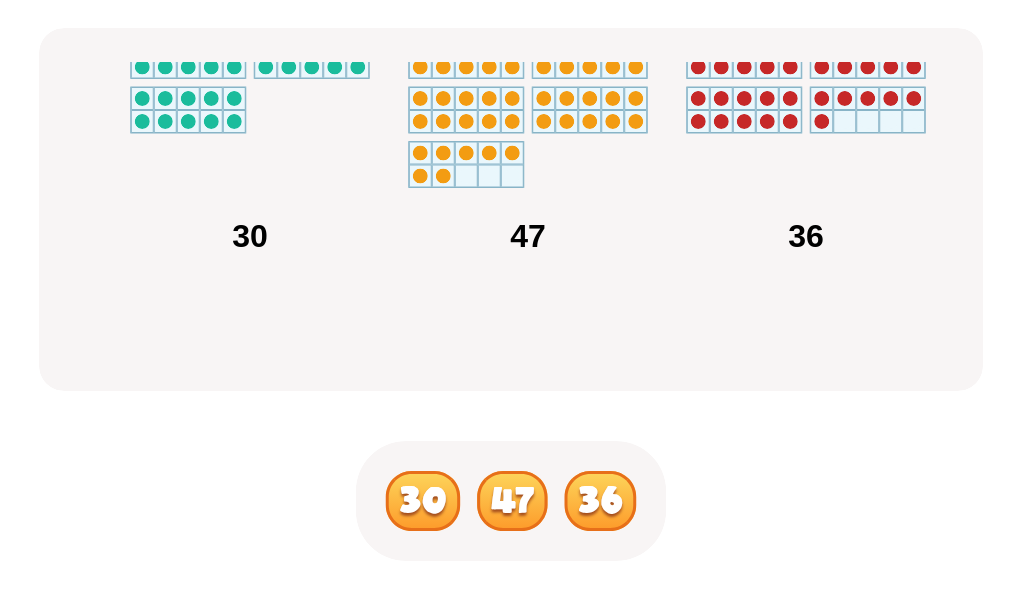
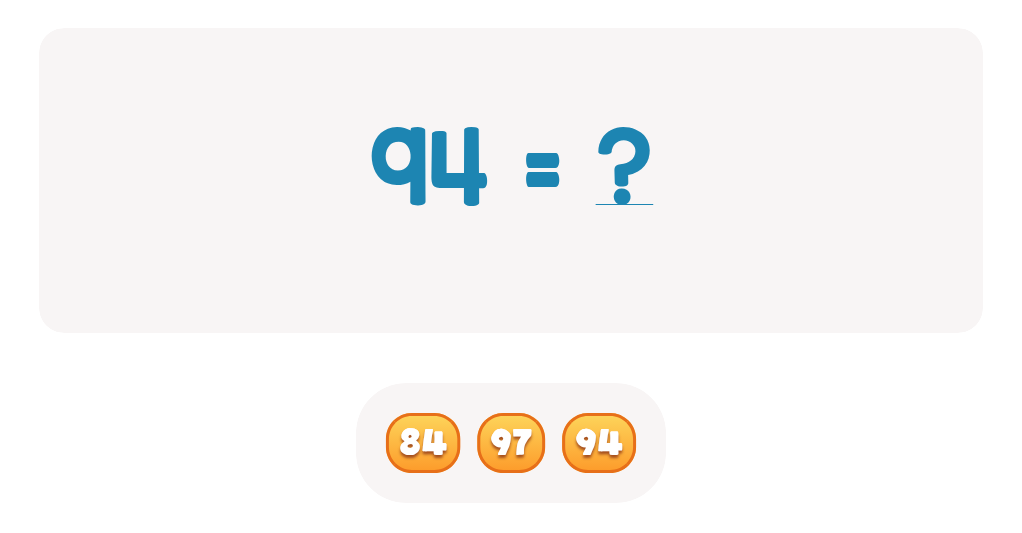
Spice up your child's learning journey with our "Extra Challenge Comparing Numbers Worksheets" designed for ages 5-9. Expertly crafted to develop critical thinking and numerical skills, these worksheets offer engaging and challenging exercises that go beyond simple comparisons. From understanding greater vs. lesser values to mastering concepts of equality, your child will boost confidence while having educational fun. Perfect for young learners ready to take on advanced math concepts in an enjoyable way, these printables come with answer keys to aid self-assessment and learning reinforcement. Propel your child towards mathematical excellence with Kids Academy!
Which Has More? Size Worksheet
 Assign to My Students

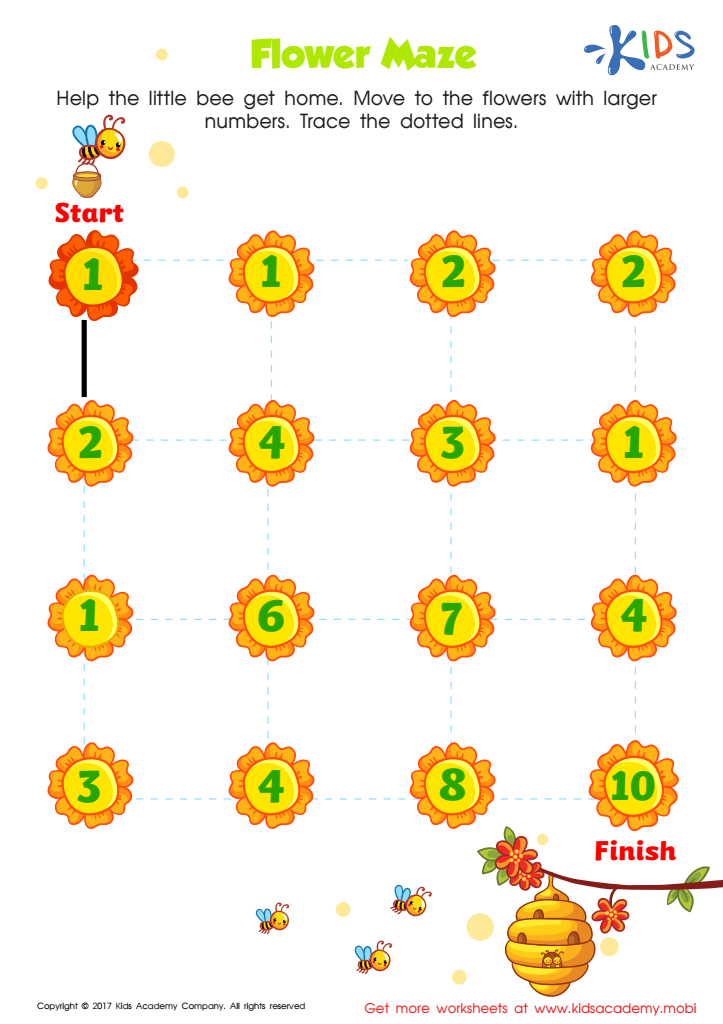
Number Maze For Kindergarten Printable
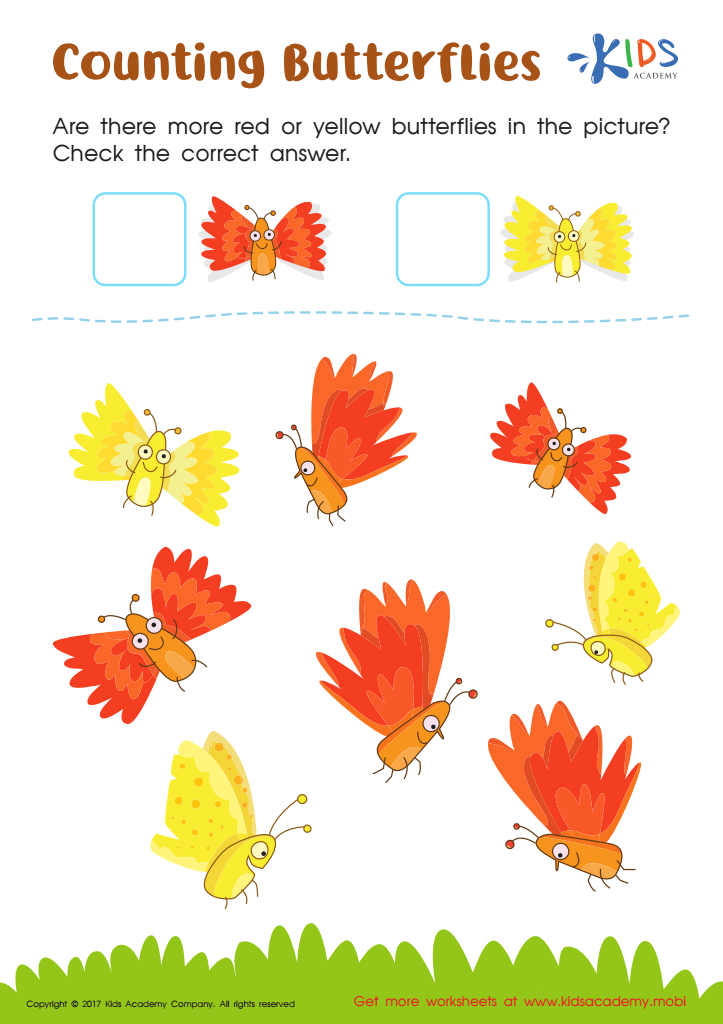
Counting Butterflies Worksheet
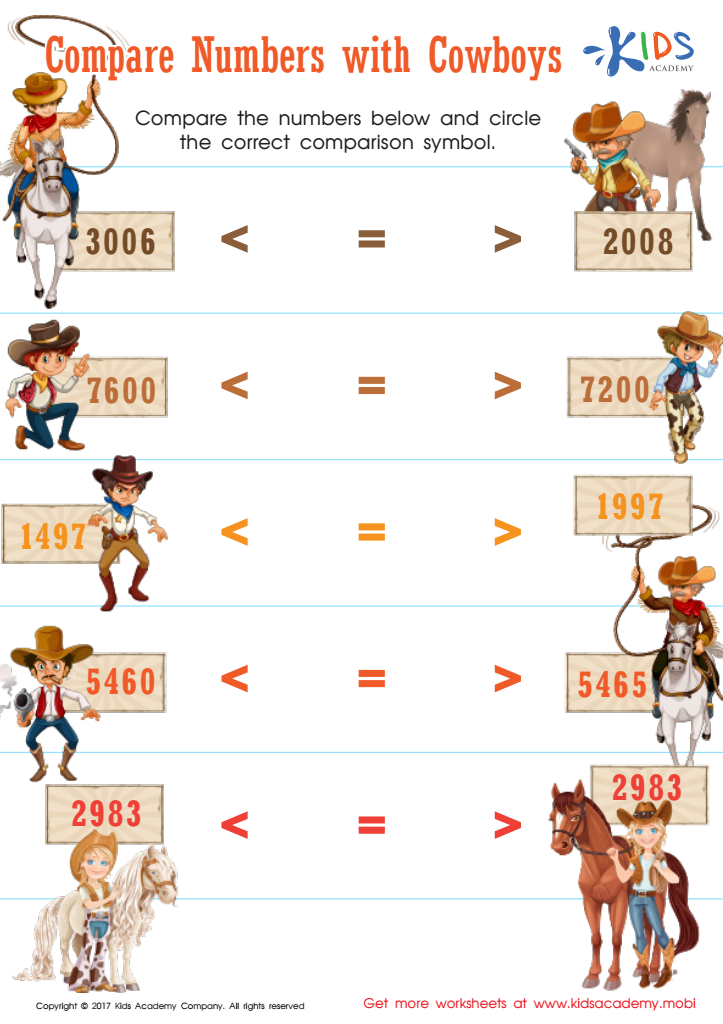
Compare Numbers Worksheet for 3rd Grade
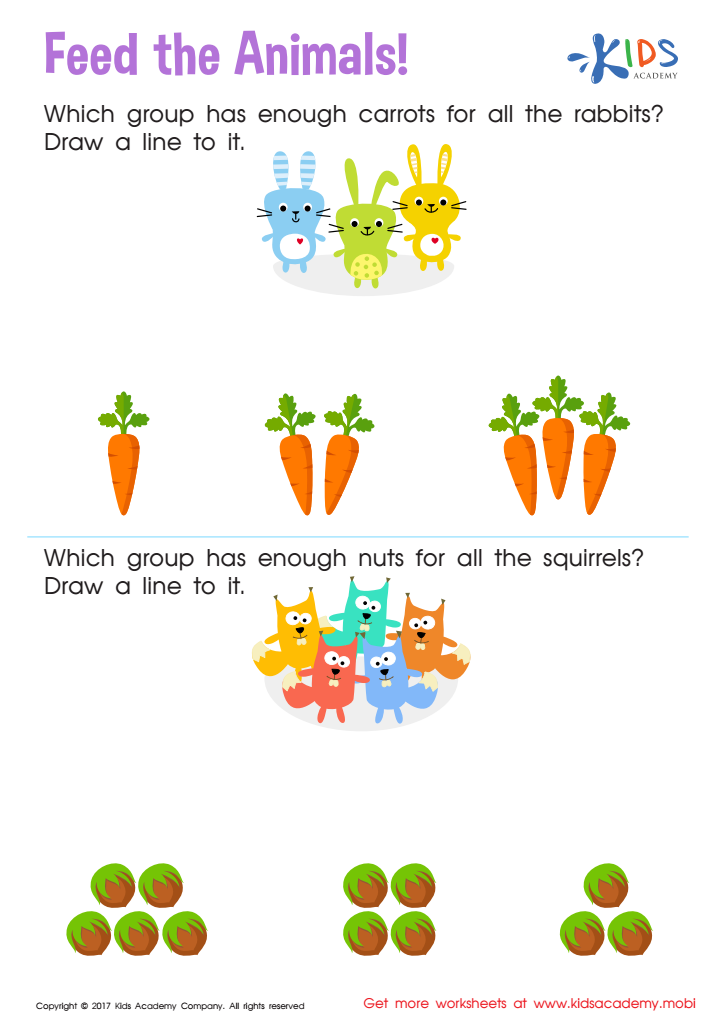
Count and Match: Feed the Animals Worksheet


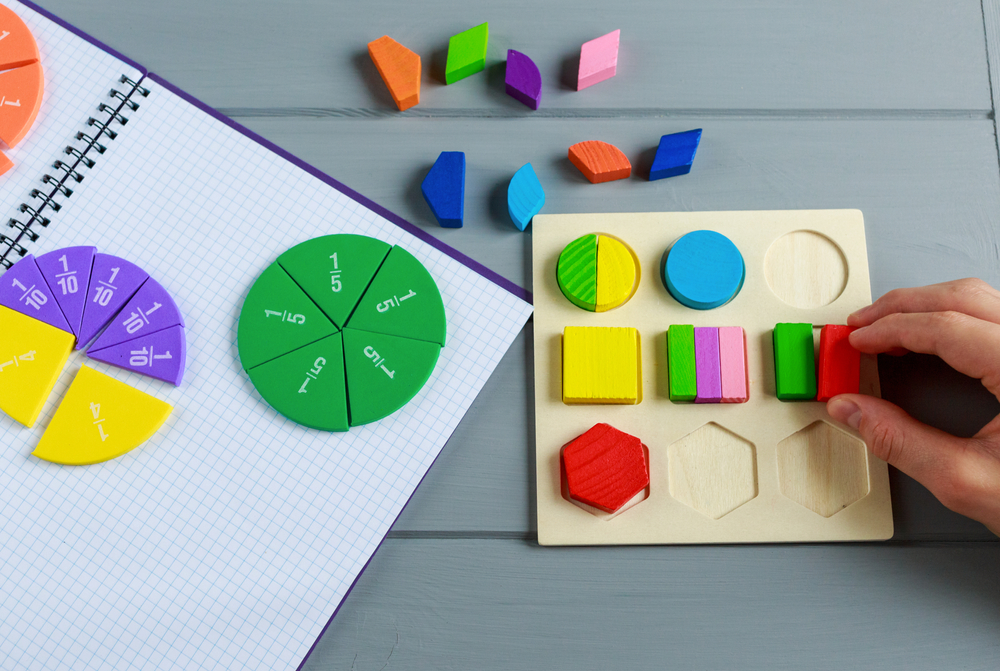





Parents and teachers should care about extra challenge comparing numbers activities for children aged 5-9 because it helps lay a strong mathematical foundation, promotes critical thinking, and enhances problem-solving skills. At this developmental stage, children are building their understanding of basic math concepts, and comparing numbers plays a crucial role in numeric literacy. By engaging in more complex comparing numbers exercises, children learn to not only identify which numbers are greater or lesser, but they also start to discern patterns and relationships between numbers.
These activities challenge young minds, encouraging them to analyze, reason, and make decisions based on their numeric comparisons. This fosters resilience and a growth mindset, as children embark on slightly harder problems and learn through experiencing manageable difficulties. Additionally, such challenges make math more engaging and fun, helping to cultivate a positive attitude toward the subject at an early age.
Moreover, the ability to compare numbers is an essential skill used in everyday life, from understanding ages to evaluating quantities and managing simple transactions. By mastering these concepts early, children are more likely to be comfortable with more advanced mathematical topics later on. Therefore, fostering this skill through targeted challenges can significantly contribute to a child's overall academic success and confidence in math.