Extra Challenge Rhyming Words Worksheets for Ages 5-9
6 filtered results
-
From - To
Discover an enjoyable educational resource with our "Extra Challenge Rhyming Words Worksheets for Ages 5-9"! Designed to boost literacy skills, these worksheets cater to young readers who are ready for an extra challenge. Featuring engaging exercises, children will enhance their understanding of phonetics through playful and interactive rhyming tasks. Ideal for home or classroom use, our worksheets provide diverse activities that foster creativity and critical thinking. Perfectly suited for children aged 5-9, these printables are a fantastic way to support early reading development while keeping learning fun and exciting. Visit us to download and let the rhyming adventures begin!
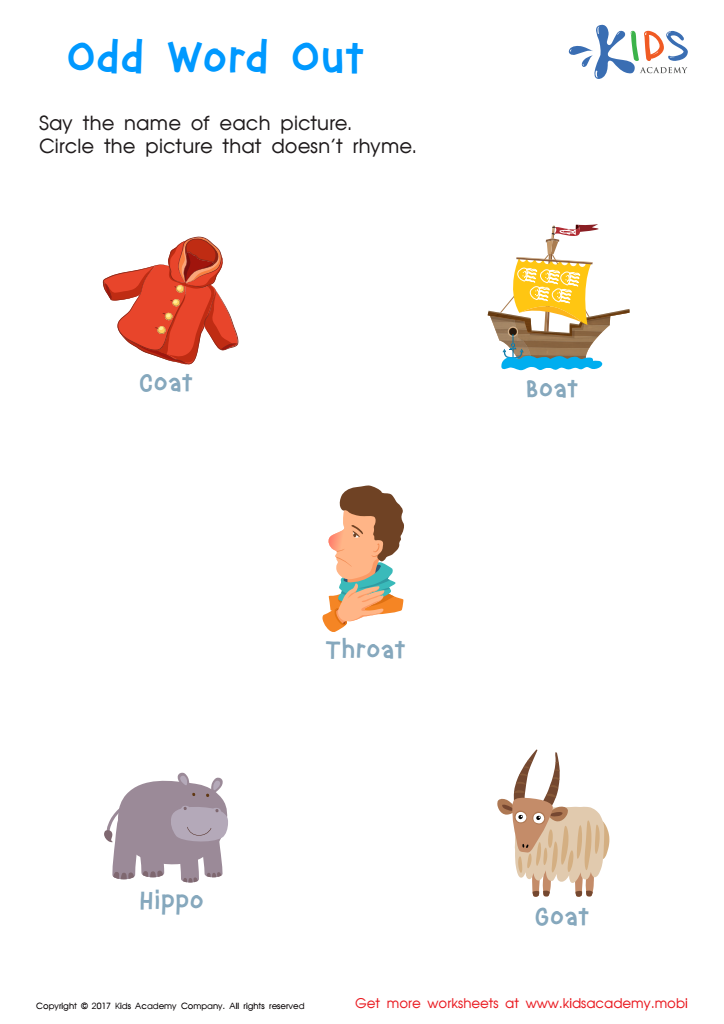
Odd Word Out Rhyming Worksheet
 Assign to My Students
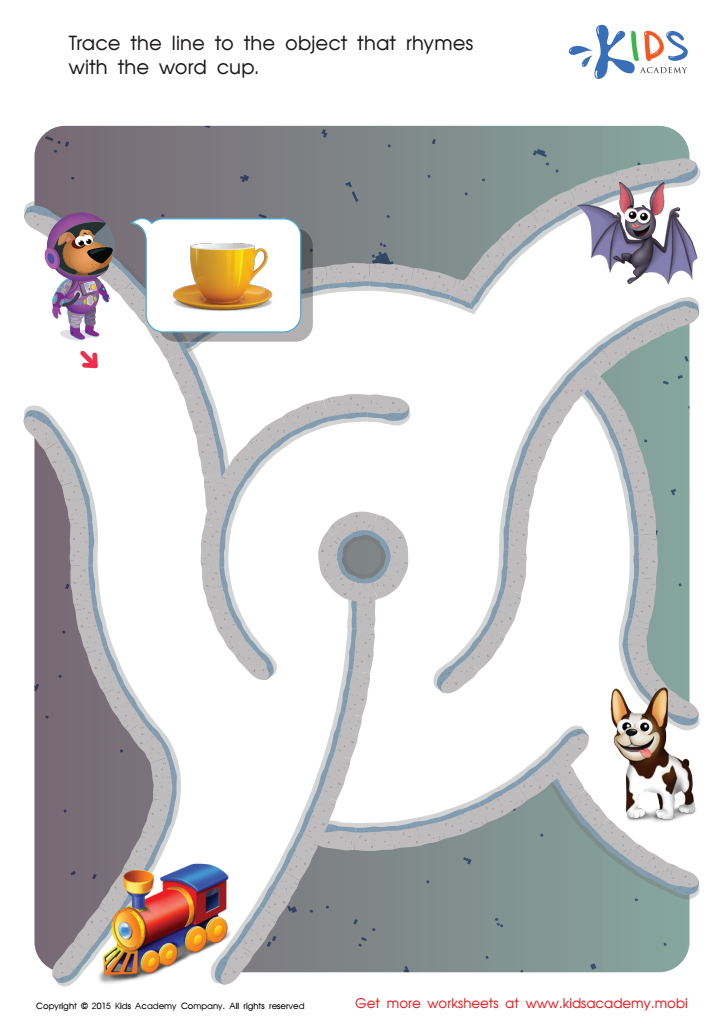
Cup Rhyming Words Worksheet
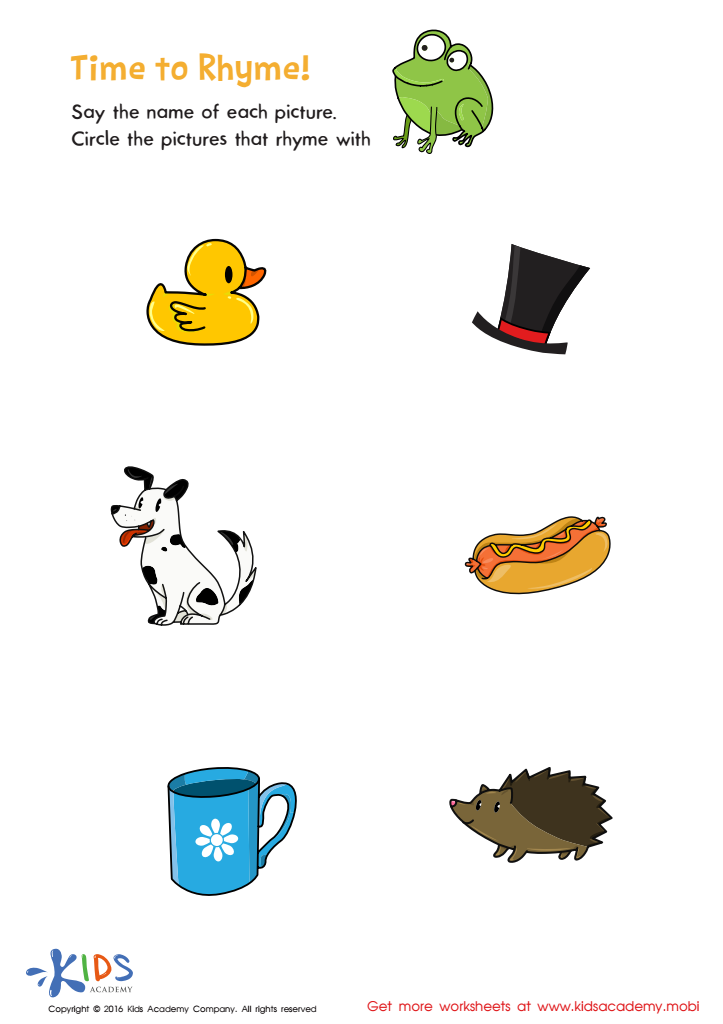
Rhyming Worksheet: Time to Rhyme Rhyming Worksheet
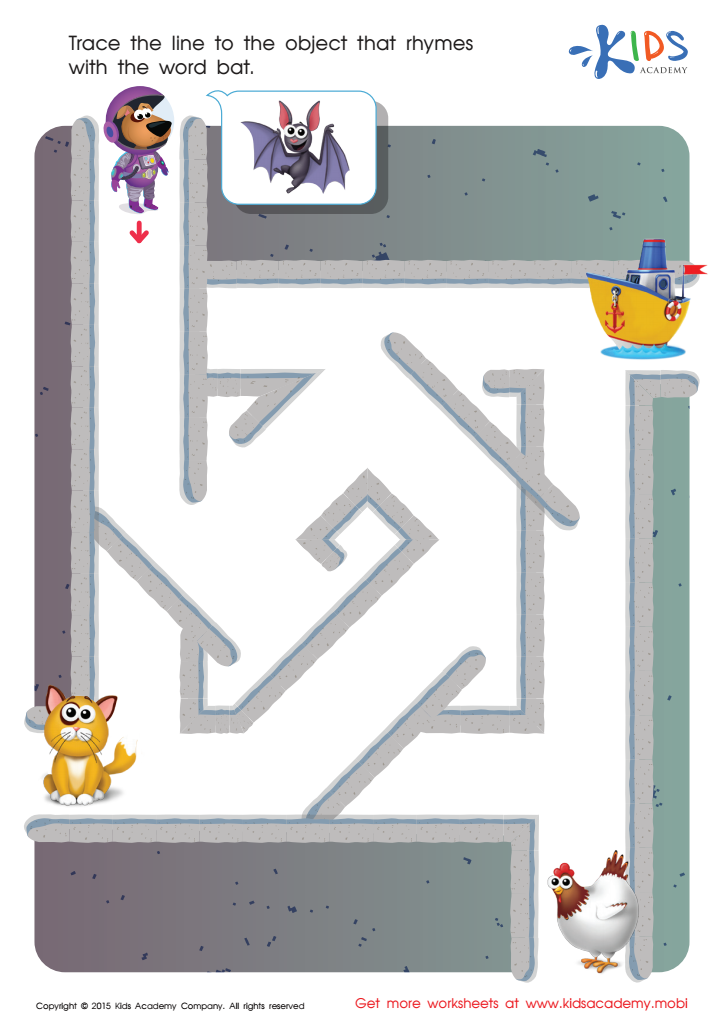
Bat Rhyming Words Worksheet
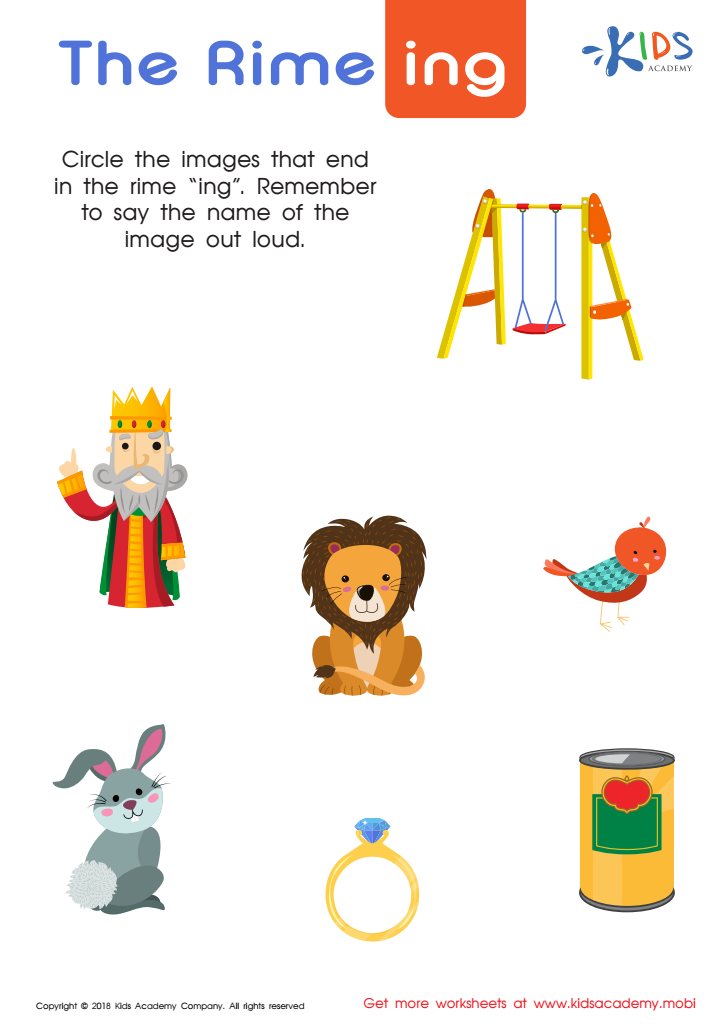
The Rime "ing" Worksheet
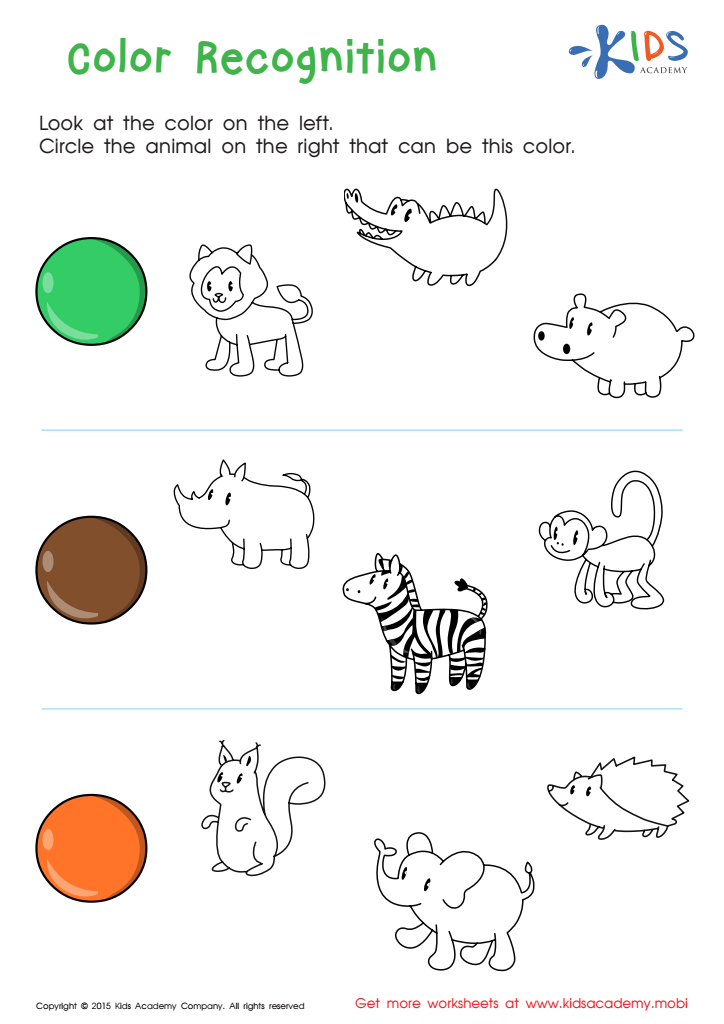
First Words: Color Recognition Worksheet







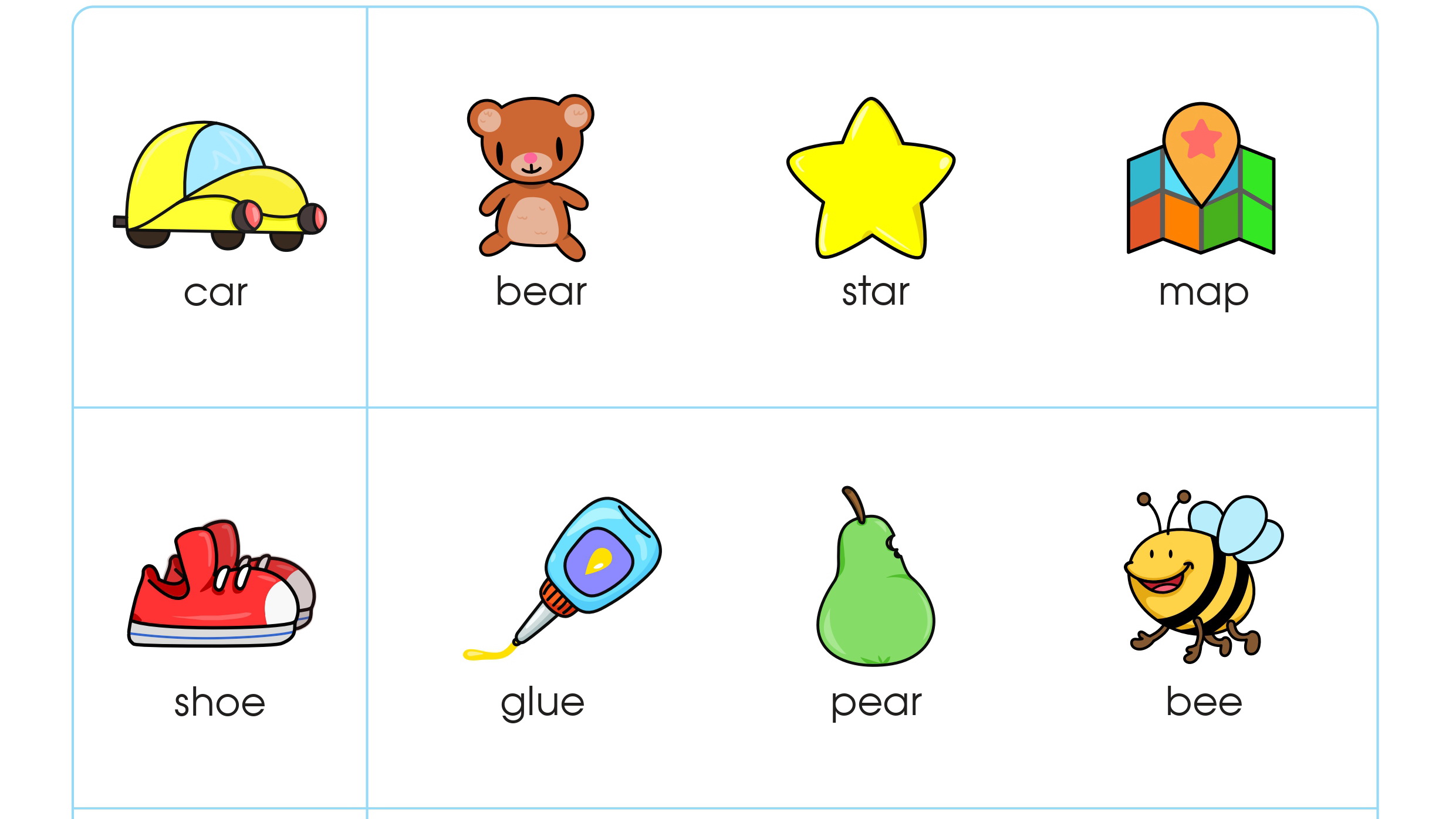
Extra Challenge Rhyming Words activities are essential for children ages 5-9 because they play a crucial role in language development and literacy skills. Both parents and teachers should prioritize these exercises to form a strong educational foundation.
Firstly, rhyming helps children understand phonemic awareness, which is the ability to hear, identify, and manipulate sounds in spoken words. This is a critical skill for learning to read and spell. As children recognize patterns in words, they become more adept at decoding new words, thus enhancing their reading proficiency.
Secondly, engaging with rhyming words boosts vocabulary and communication skills. By exploring a variety of rhymes, children are introduced to new words and concepts in an enjoyable context, making it easier for them to remember and use these words in everyday conversations.
Furthermore, rhyming activities can enhance memory and cognitive skills. The repetitive and rhythmical nature of rhyming games requires children to recall and anticipate patterns, which strengthens their cognitive abilities.
Additionally, rhyming fosters creativity and imagination. As children create their own rhymes and engage with playful language, their creative thinking and expressive capabilities are nurtured.
Overall, Extra Challenge Rhyming Words offer a joyful and effective way to support early literacy and language development, setting the stage for future academic success.