Extra Challenge Counting Worksheets for 5-Year-Olds
5 filtered results
-
From - To
Introducing our Extra Challenge Counting worksheets, meticulously designed for the curious and eager minds of 5-Year-Olds! These worksheets are not just another counting exercise; they're a thrilling adventure into the world of numbers, tailored specifically to engage, challenge, and elevate your child's numerical understanding. Perfect for both classroom and home settings, these worksheets promise to keep your young one fascinated, pushing their boundaries and enhancing their counting skills beyond the basics. Watch as your 5-Year-Old tackles these challenges with excitement, gaining confidence, and a deeper love for mathematics. Dive into the Extra Challenge Counting worksheets today and unlock your child's potential!
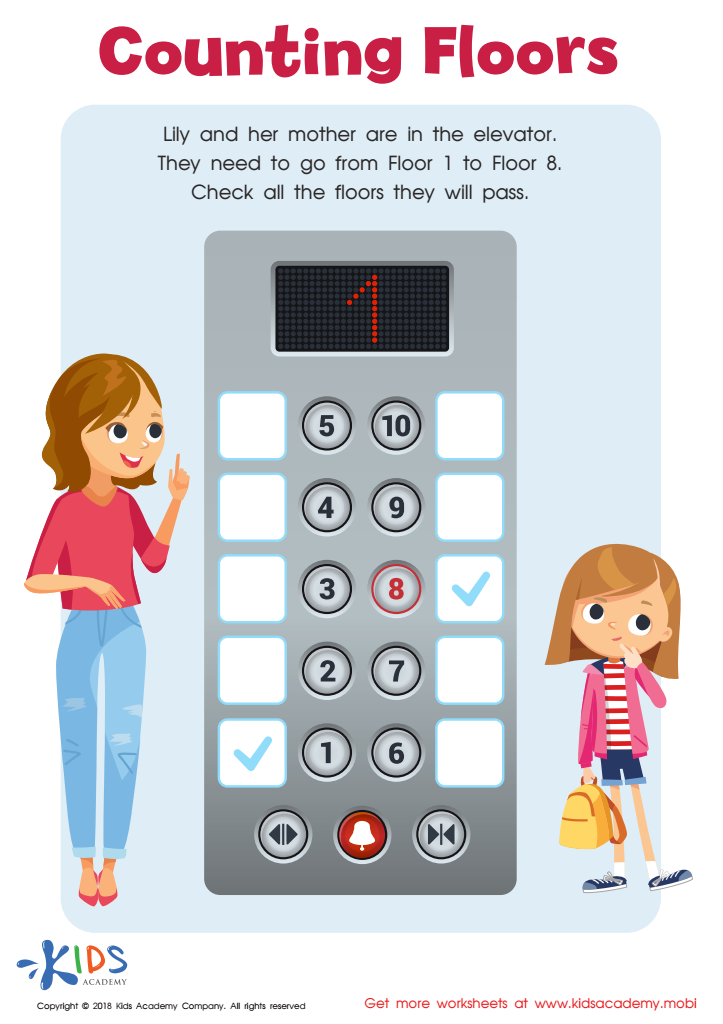
Counting Floors Worksheet
 Assign to My Students

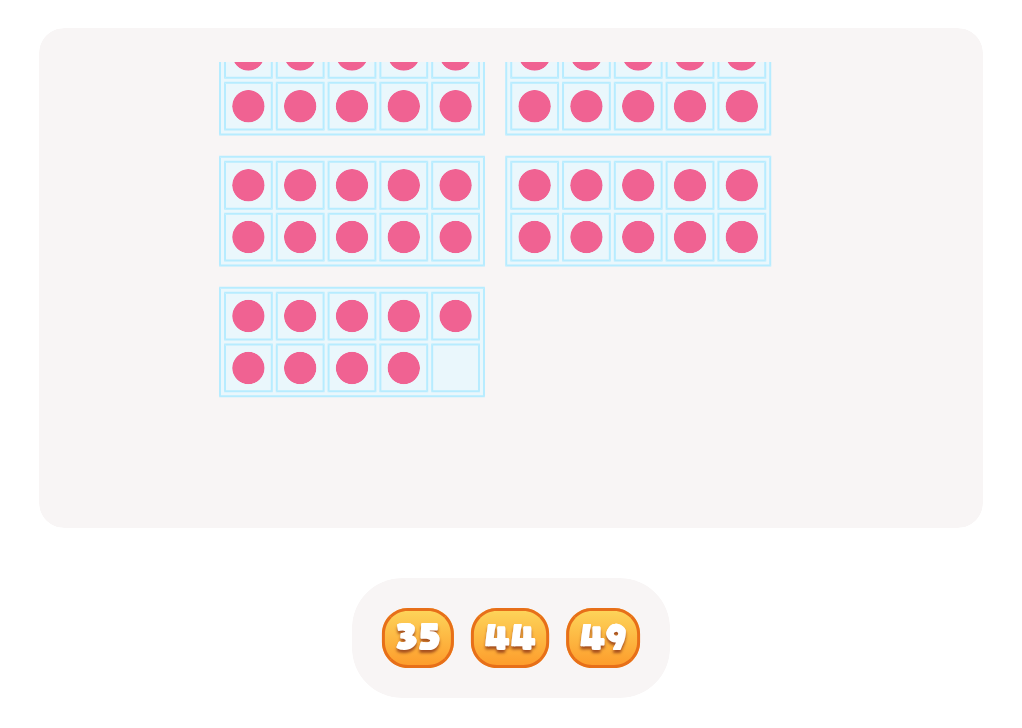
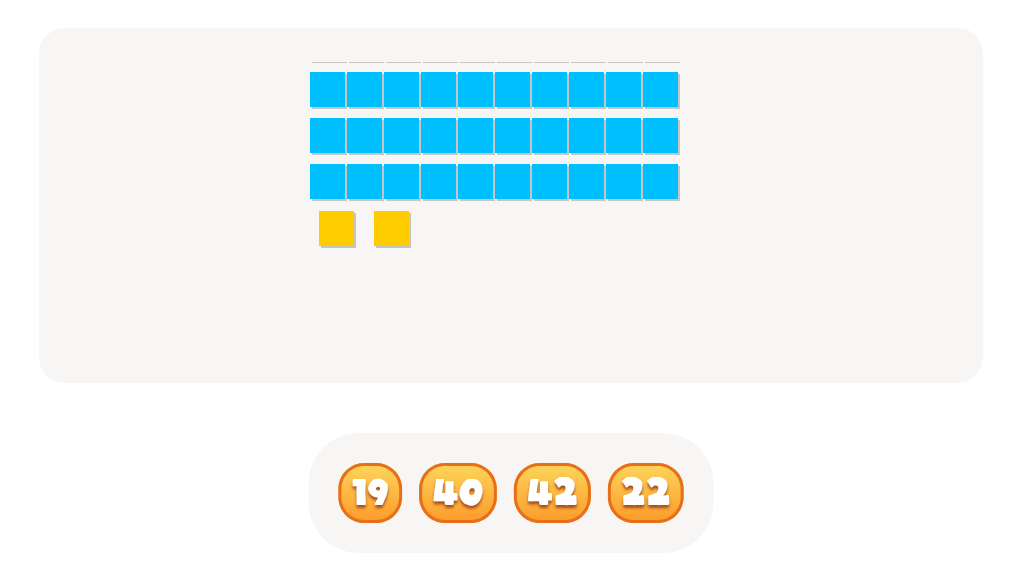
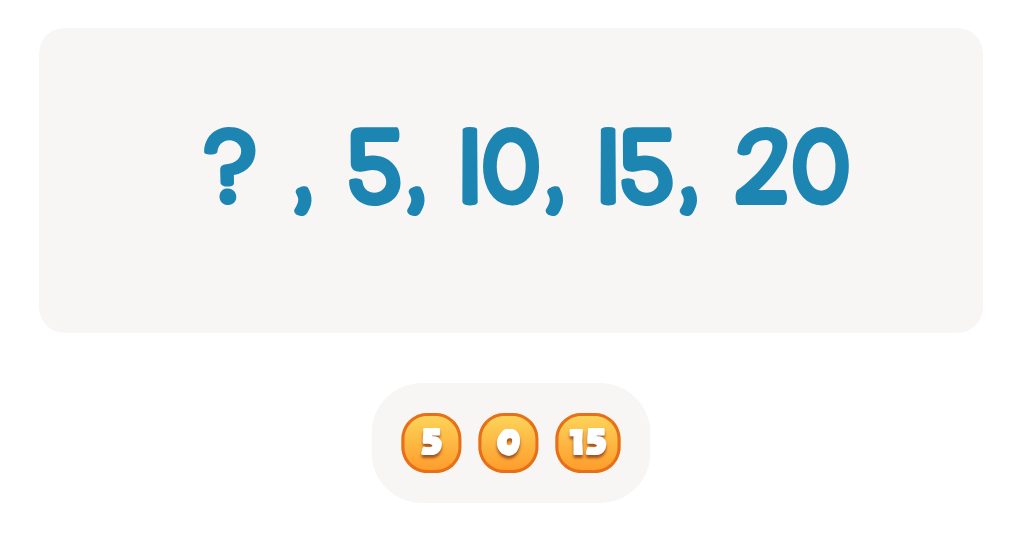
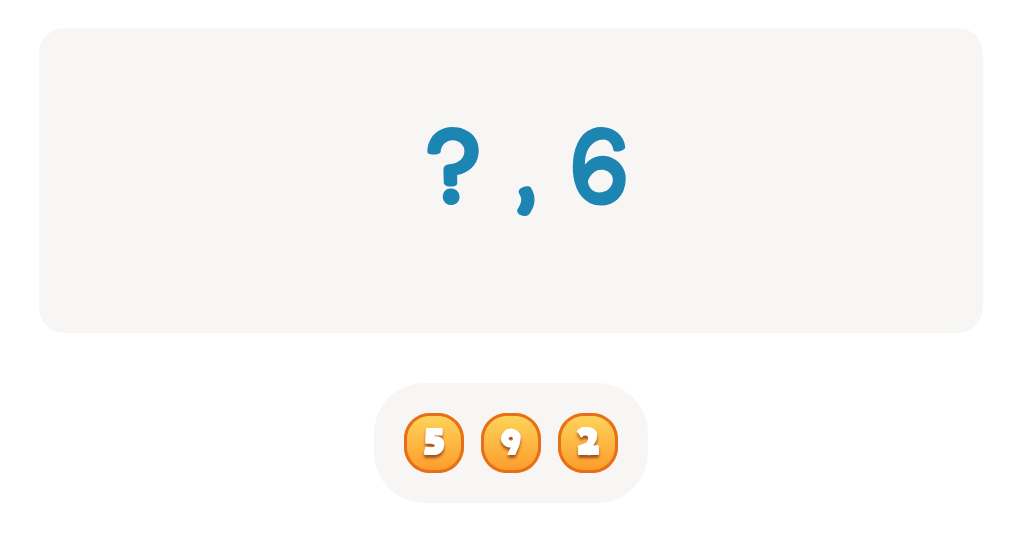
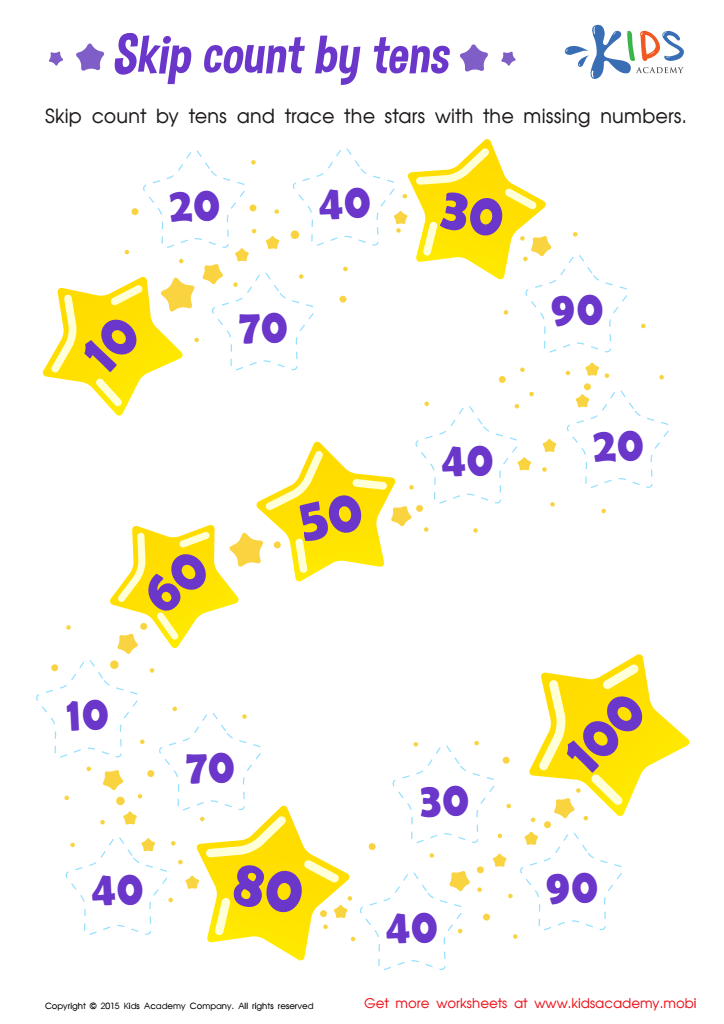
Learn dozens: Skip Count by Tens Printable
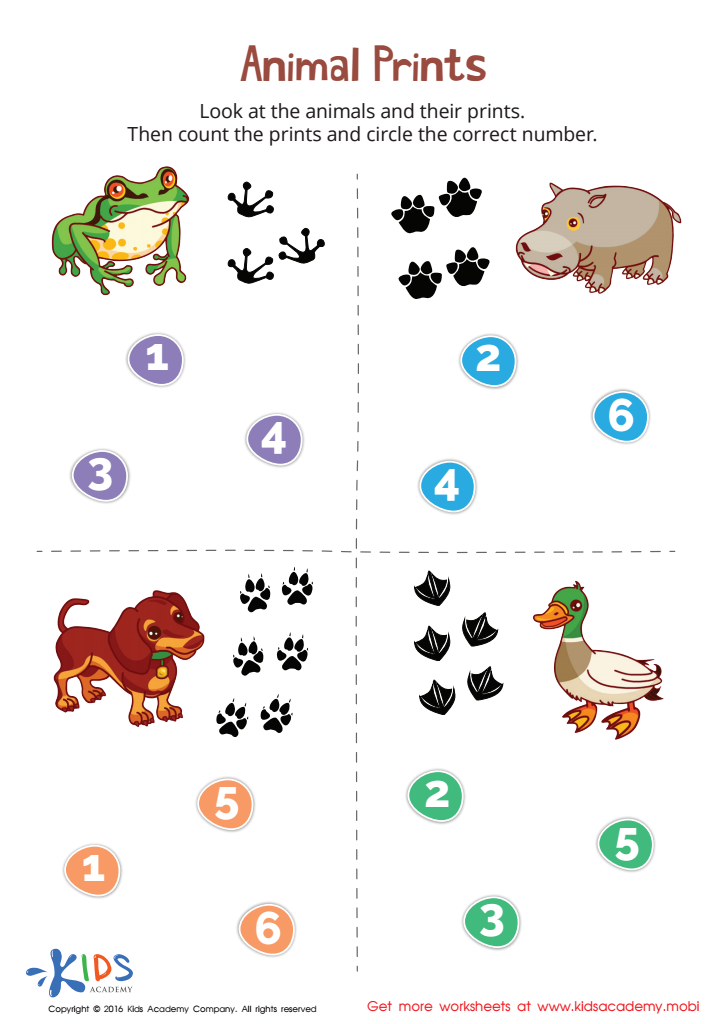
Animal Prints Match-Up Worksheet
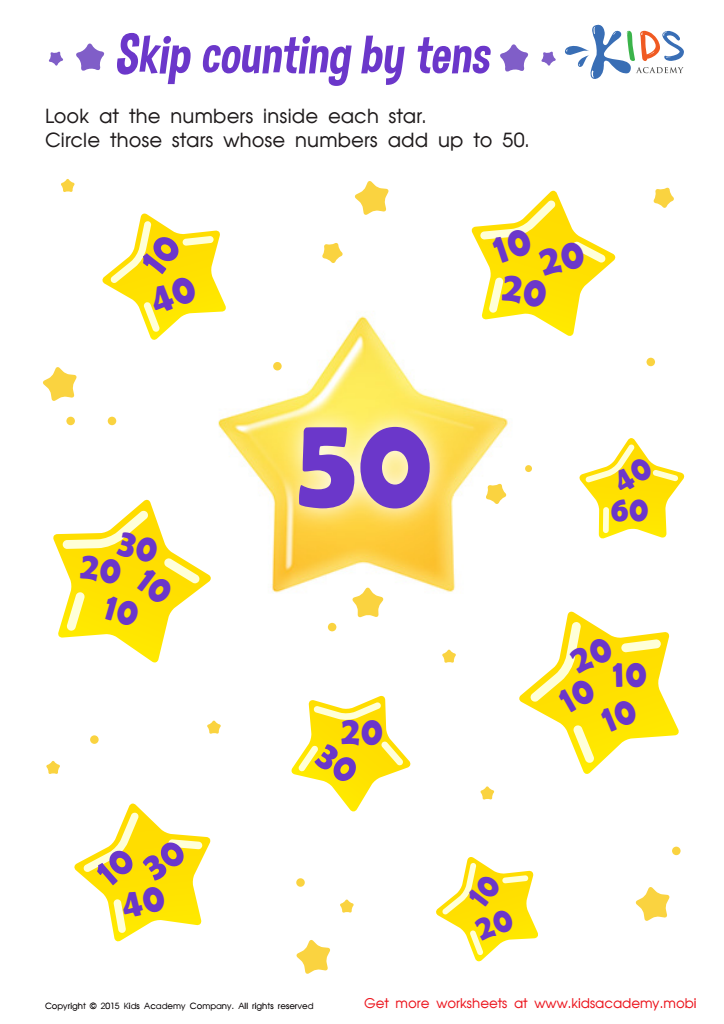
Learn Dozens: Skip Counting by Tens Printable
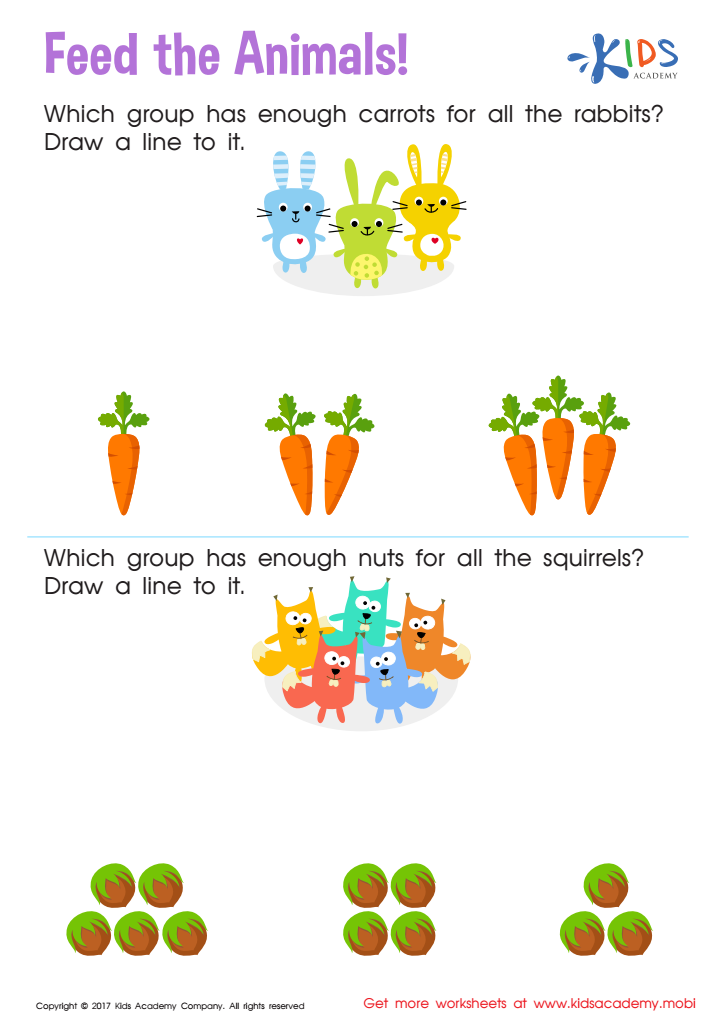
Count and Match: Feed the Animals Worksheet


.jpg)





Extra Challenge Counting for 5-Year-Olds worksheets are an invaluable resource for cultivating a strong mathematical foundation in young learners. At the age of 5, children are at a critical developmental stage, where their cognitive abilities are expanding rapidly. These worksheets are meticulously designed to push beyond the boundaries of standard counting exercises, presenting problems that require a deeper level of thought and engagement.
Incorporating Extra Challenge Counting for 5-Year-Olds into a child's learning routine has numerous benefits. First and foremost, they help in enhancing number sense, a vital skill that forms the basis for all future math learning. Through these specially tailored challenges, children learn not just to count, but to understand the relationships between numbers, fostering critical thinking and problem-solving skills from an early age.
Moreover, these worksheets are finely tuned to boost confidence. Successfully navigating through tougher challenges can significantly enhance a child's self-esteem and encourage a positive attitude towards learning. It makes the journey of acquiring new skills not just educational, but also exciting and rewarding.
By providing an extra layer of complexity, Extra Challenge Counting for 5-Year-Olds worksheets ensure that young learners are not just passively memorizing numbers but actively engaging with them, setting a solid foundation for their future academic endeavors.