Extra Challenge Worksheets for Ages 7-9 - Page 11
323 filtered results
-
From - To
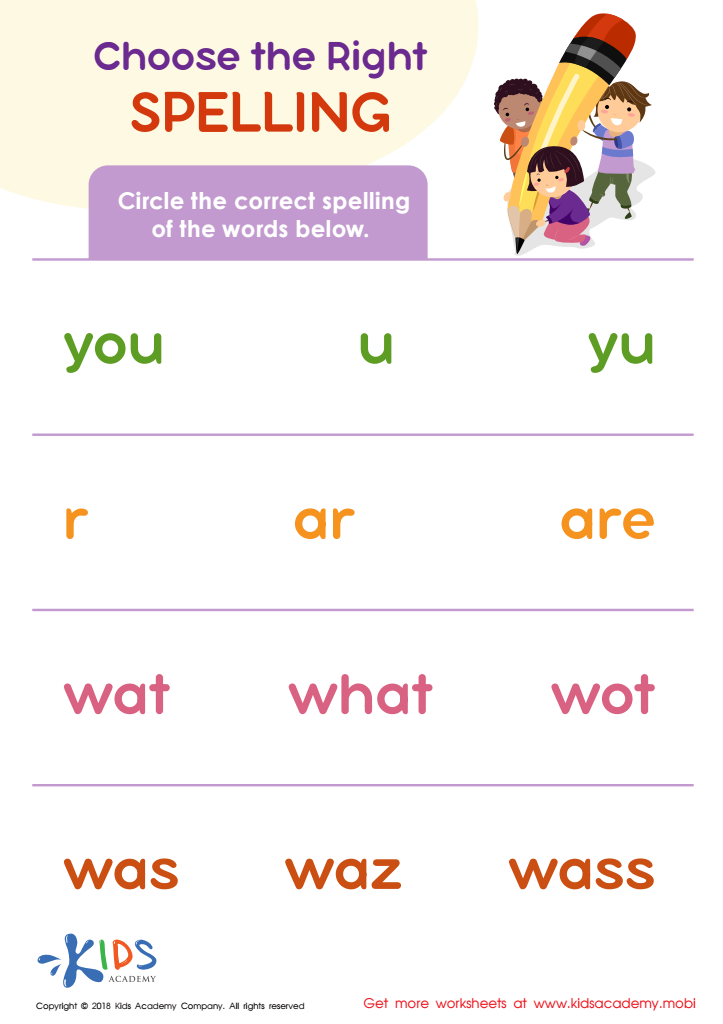
Choose the Right Spelling Worksheet
 Assign to My Students
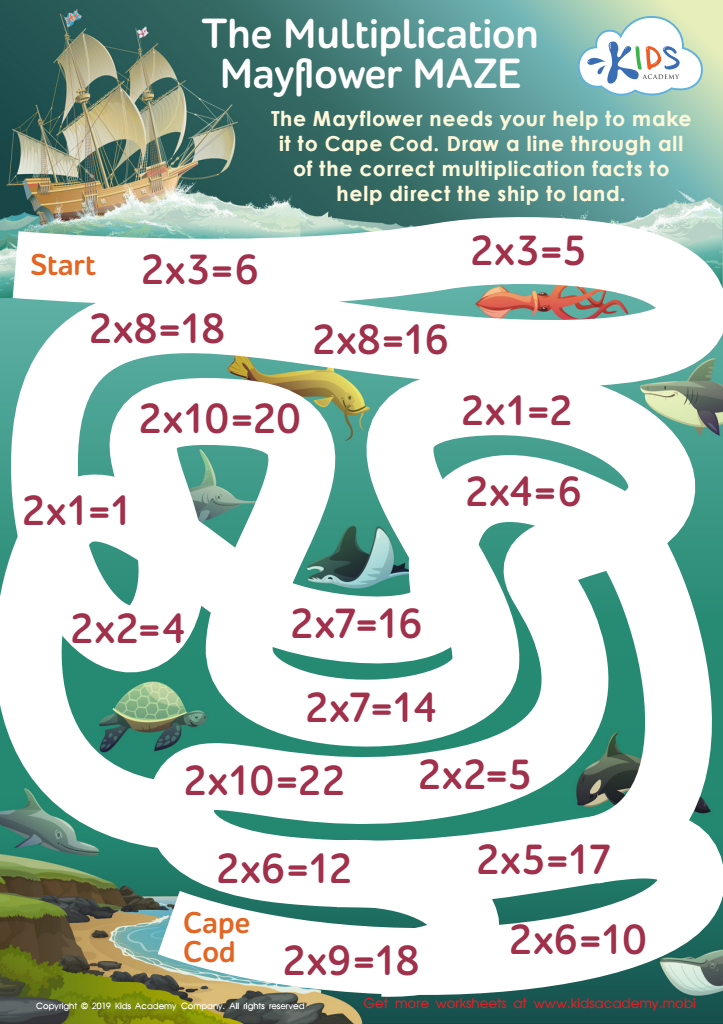
The Multiplication Mayflower Maze Worksheet
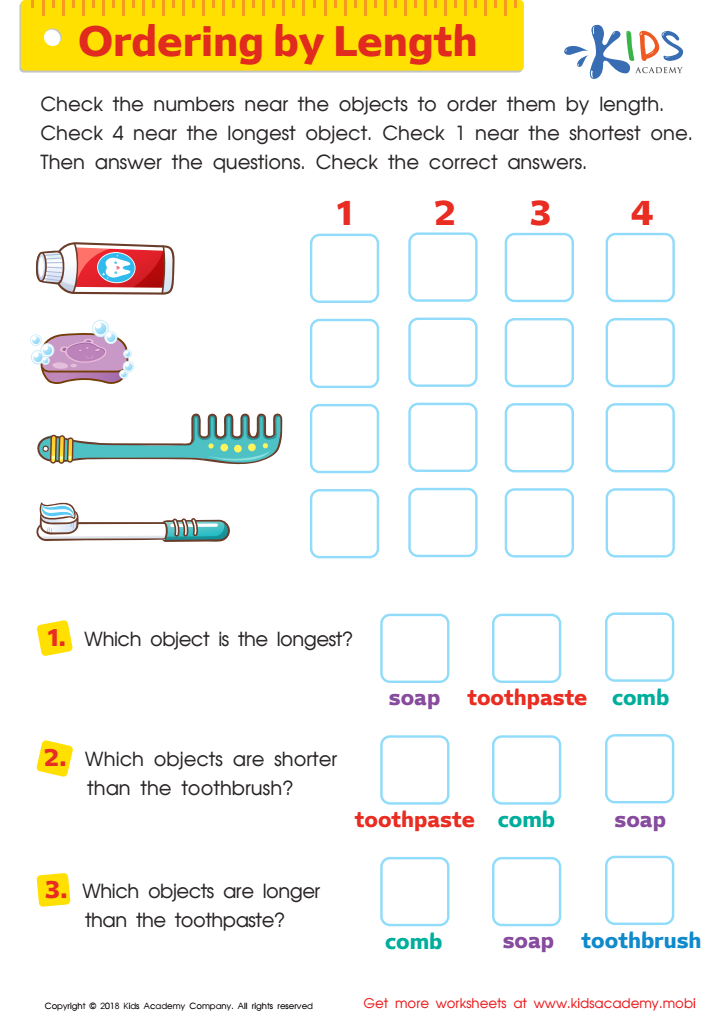
Ordering by Length Worksheet
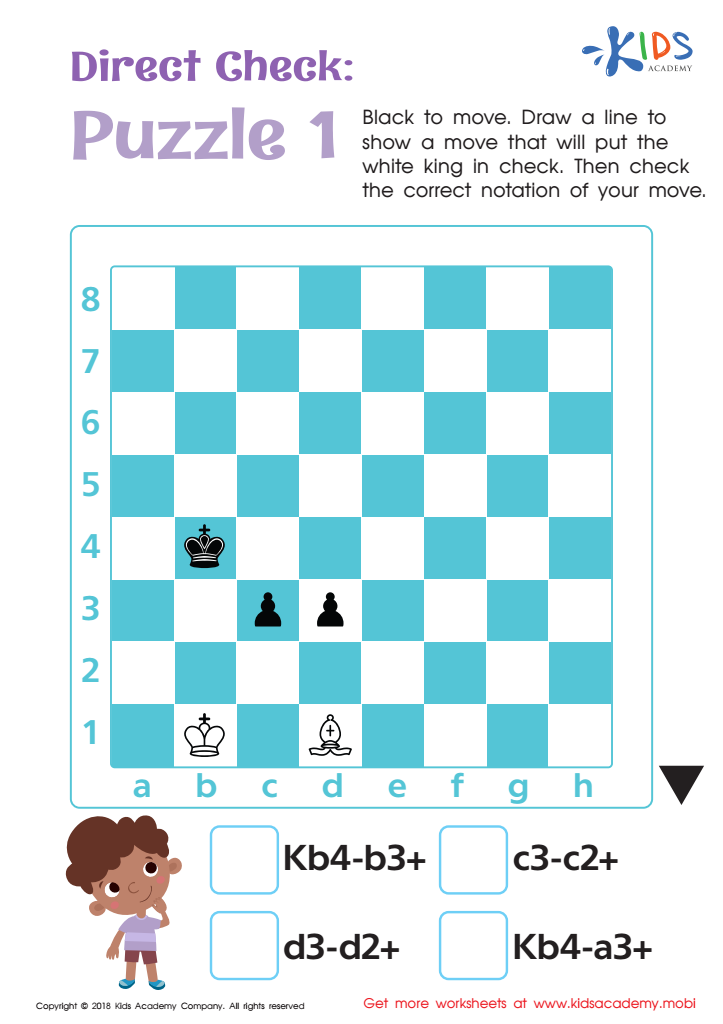
Direct Check: Puzzle 1 Worksheet
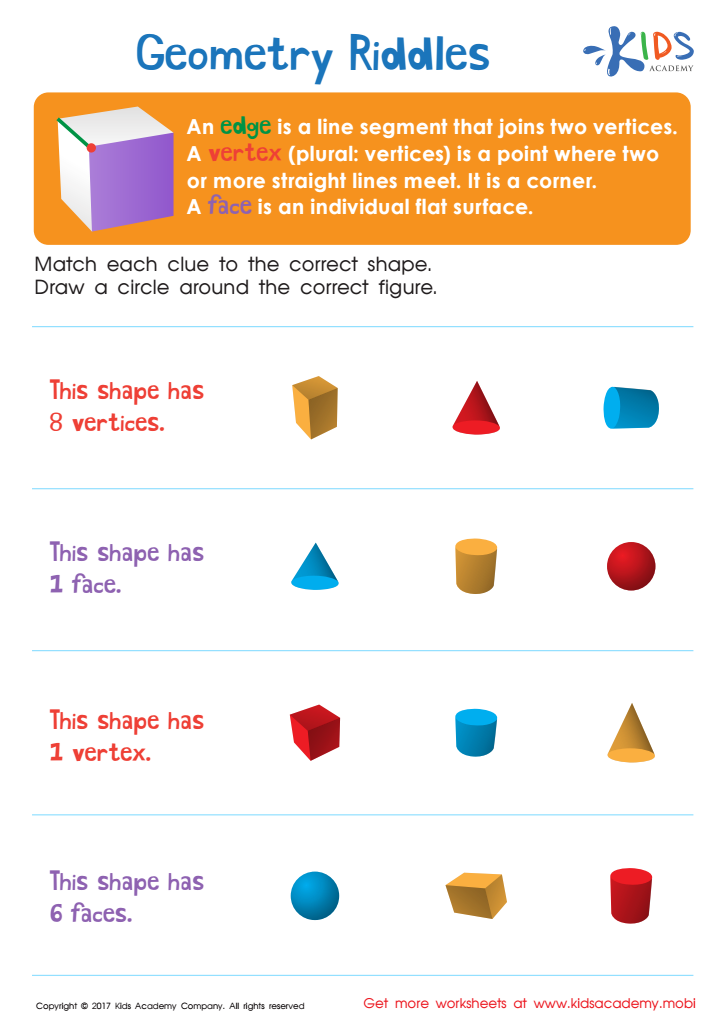
Geometry Riddles Printable
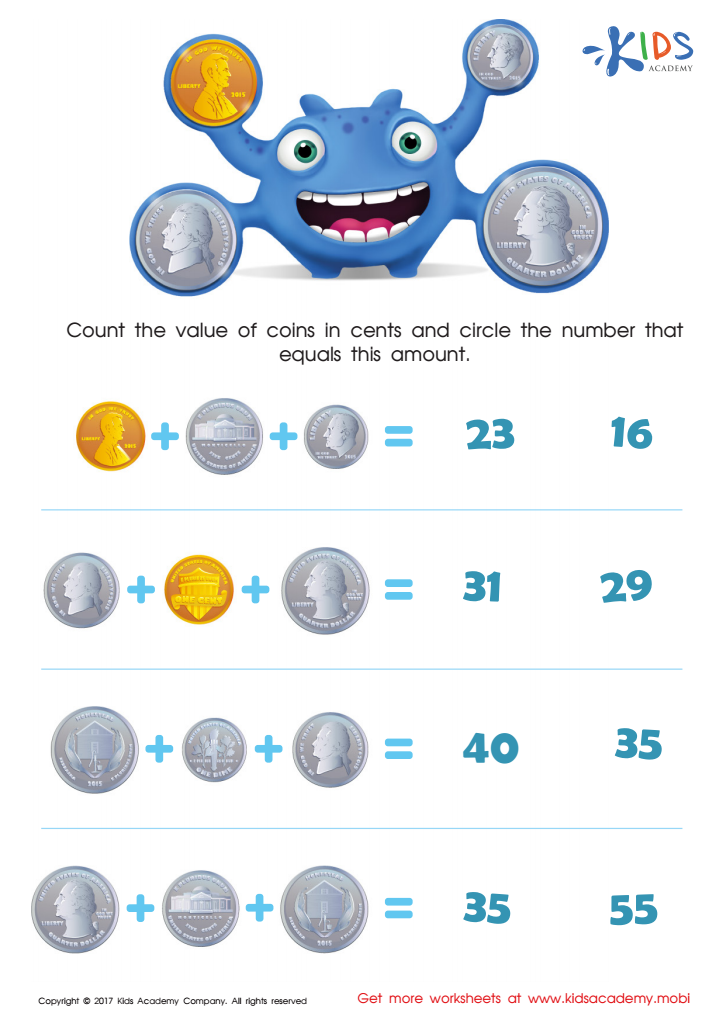
Counting the Coins Money Worksheet
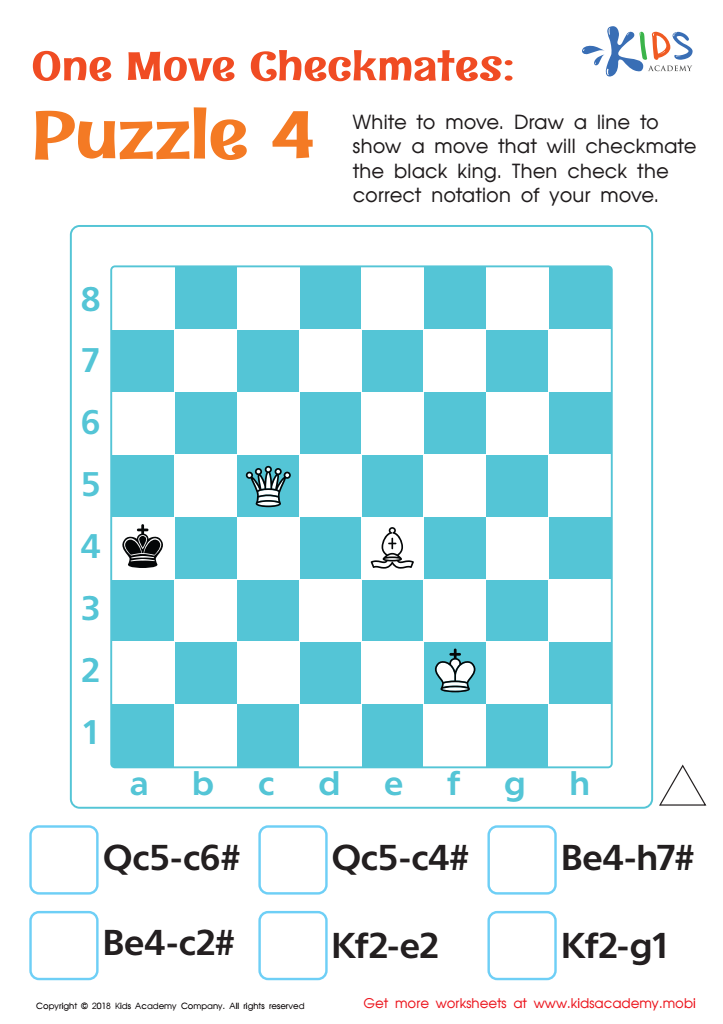
One Move Checkmates: Puzzle 4 Worksheet
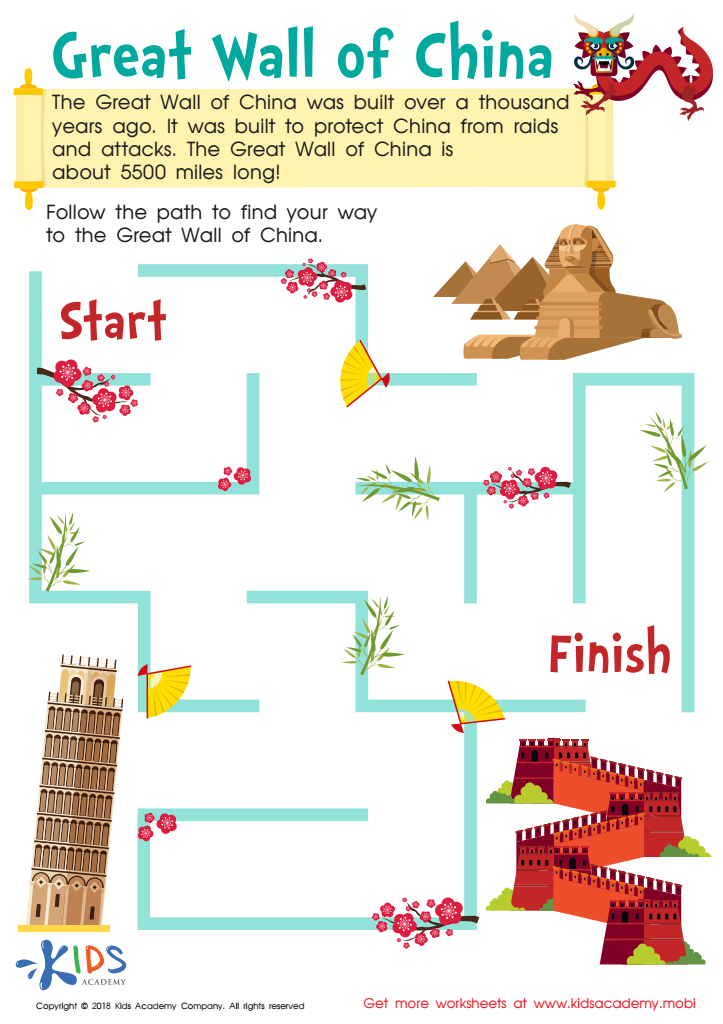
Great Wall of China Worksheet
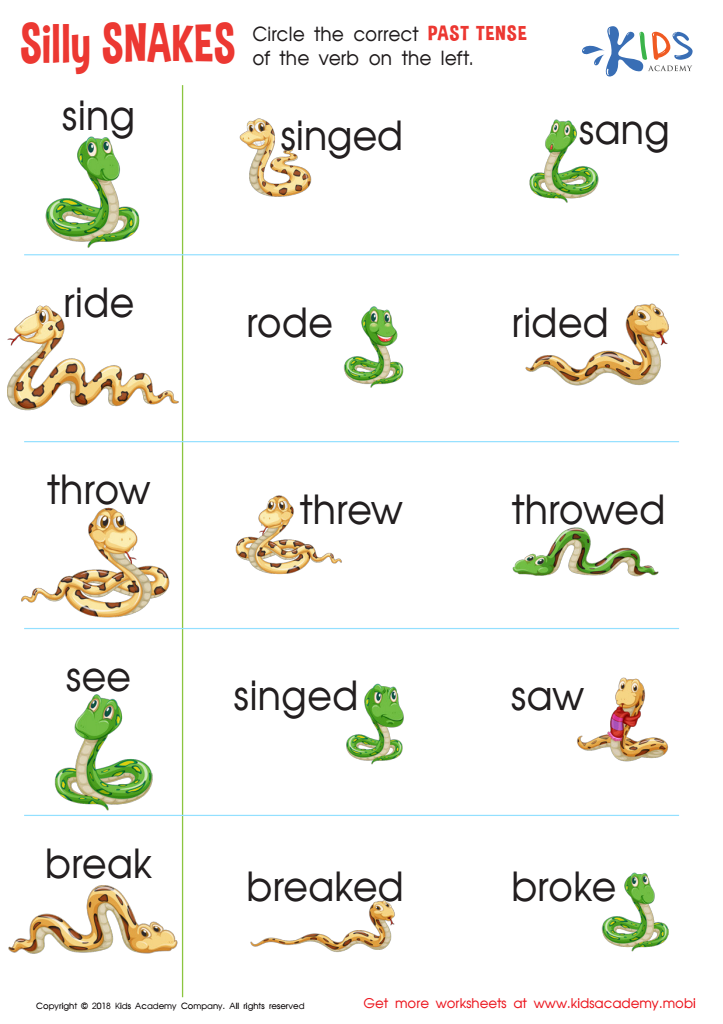
Silly Snakes Worksheet
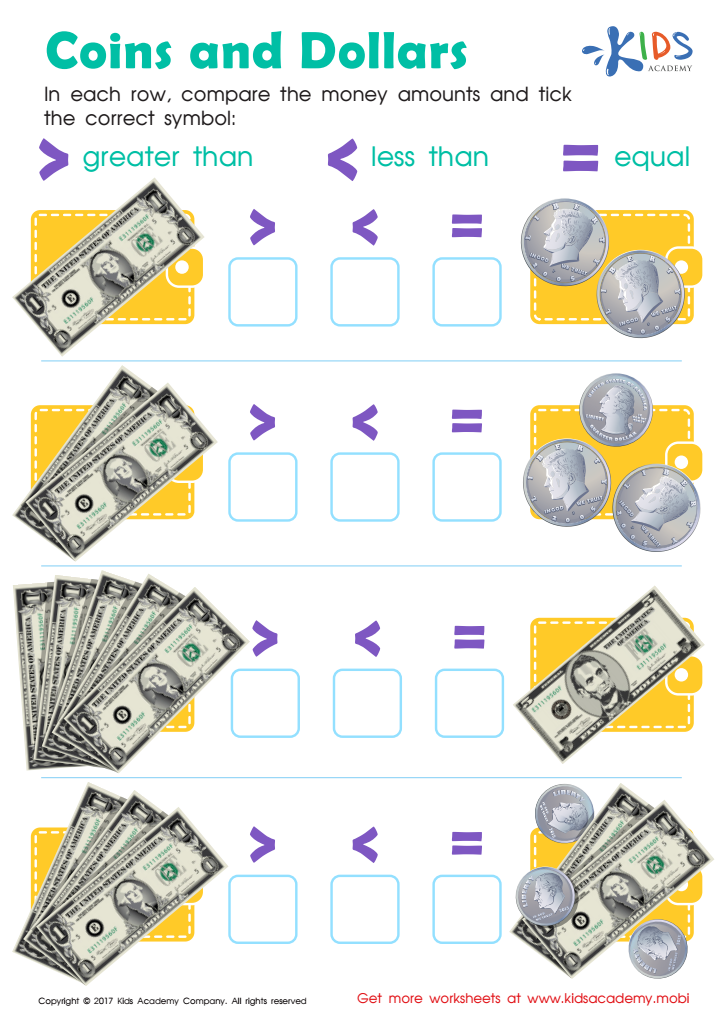
Money: Coins Dollars Printable
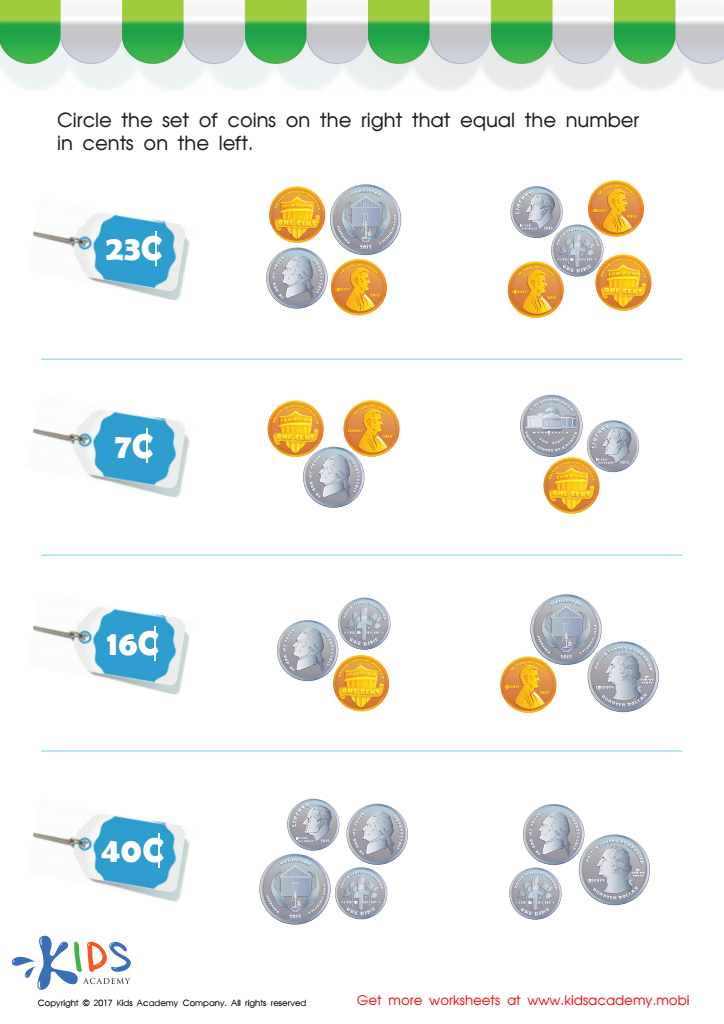
Picking the Coins You Need Money Worksheet
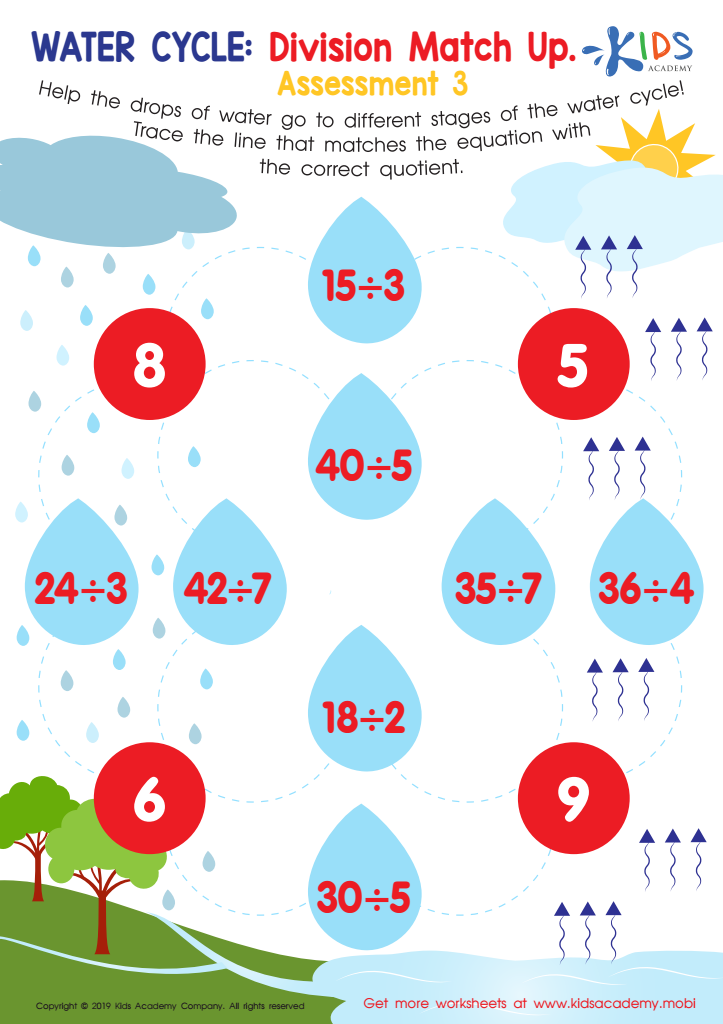
Water Cycle Division Match Up Assessment 3 Worksheet

Matching Family Members Worksheet
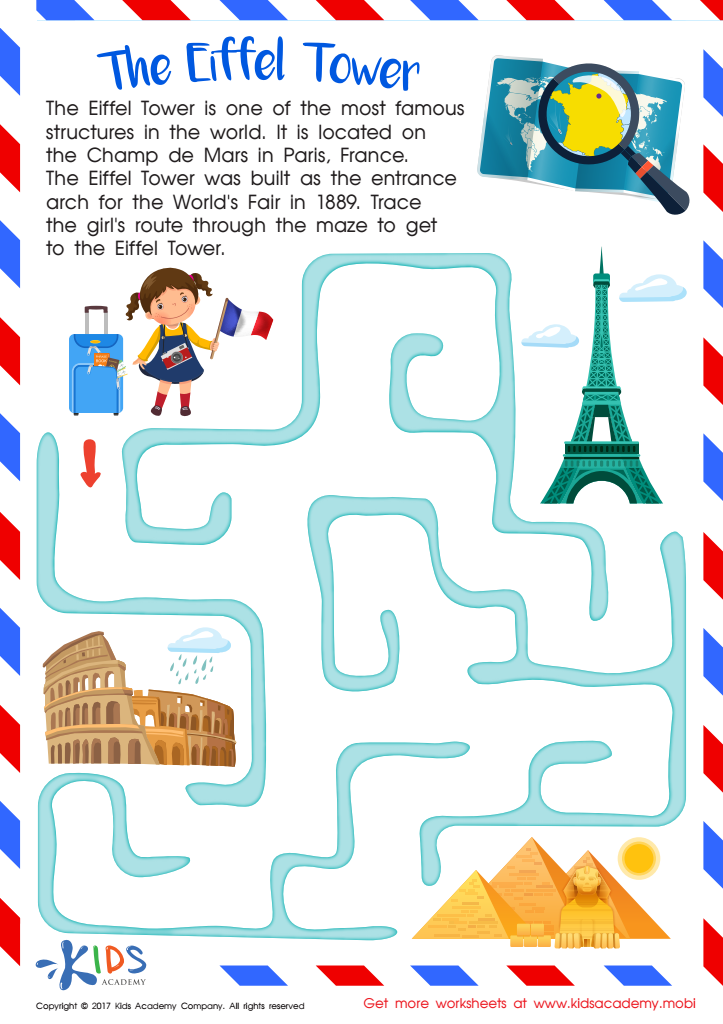
The Eiffel Tower Printable
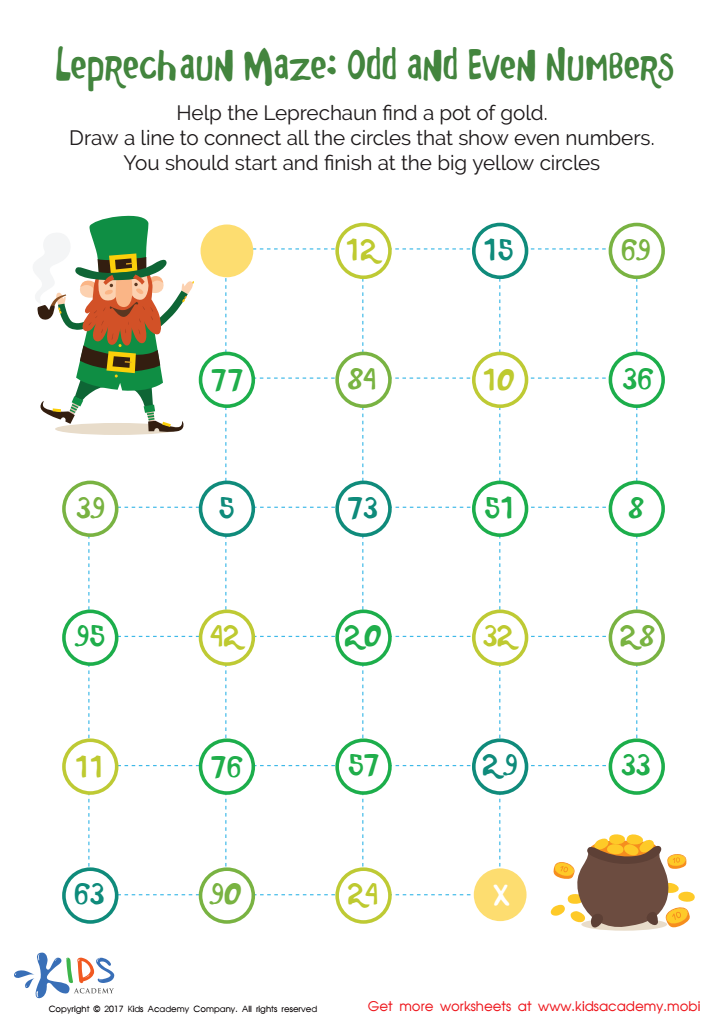
Leprechaun Maze Printable
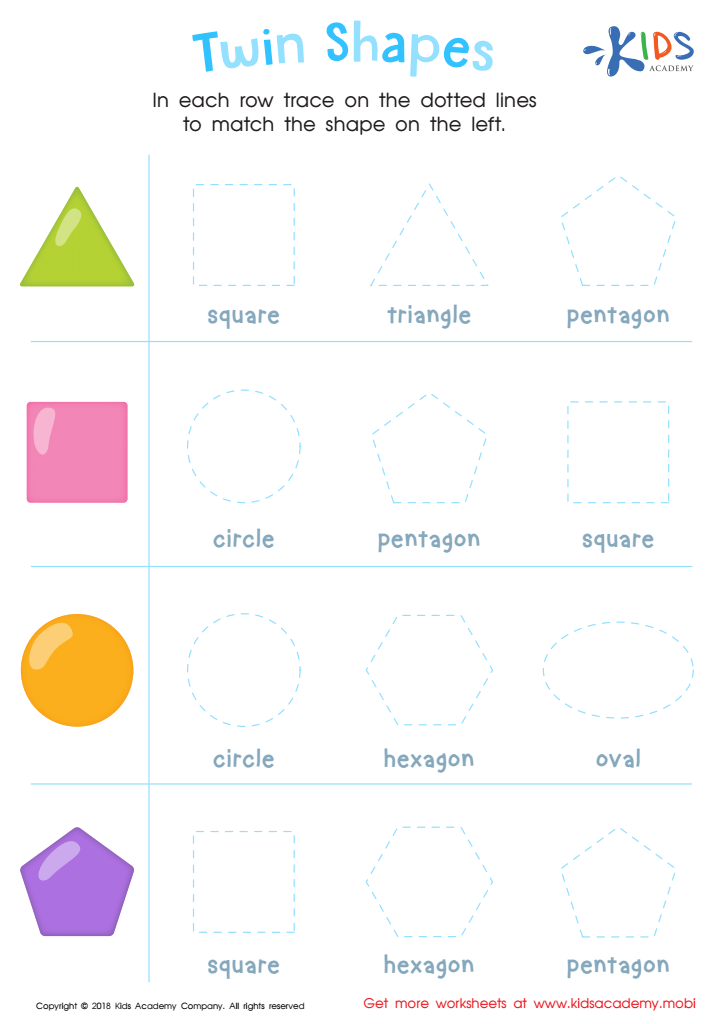
Twin Shapes Dot-to-Dot Worksheet
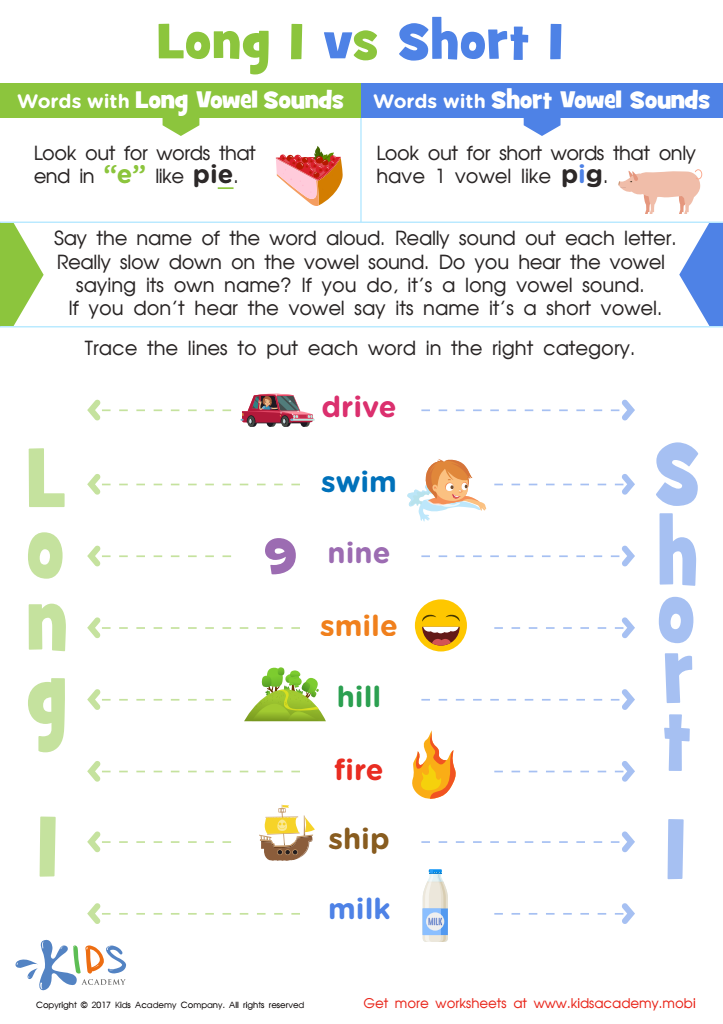
Long and Short Vowel I Spelling Worksheet
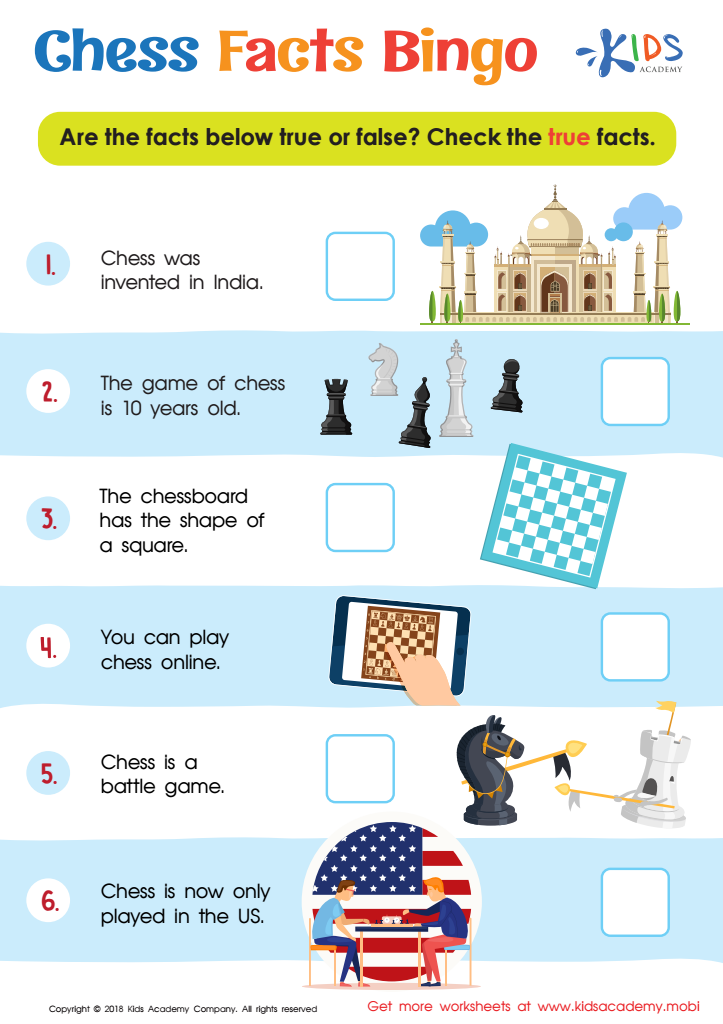
Chess Facts Bingo Worksheet

Greek Mythology Worksheet
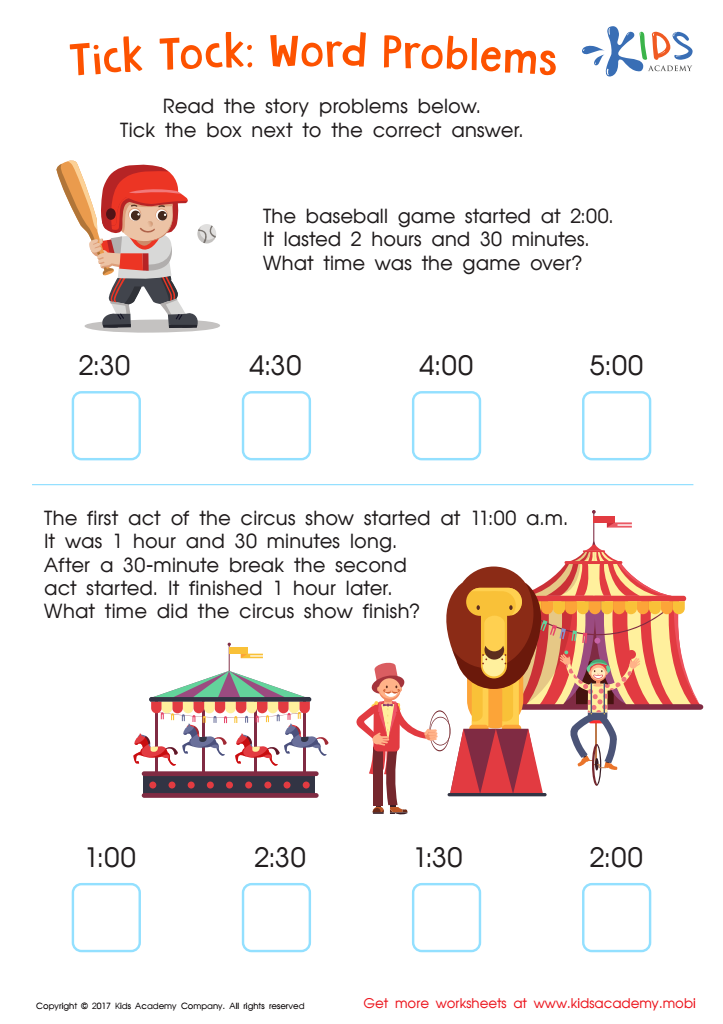
Tick Tock Word Problems Time Worksheet
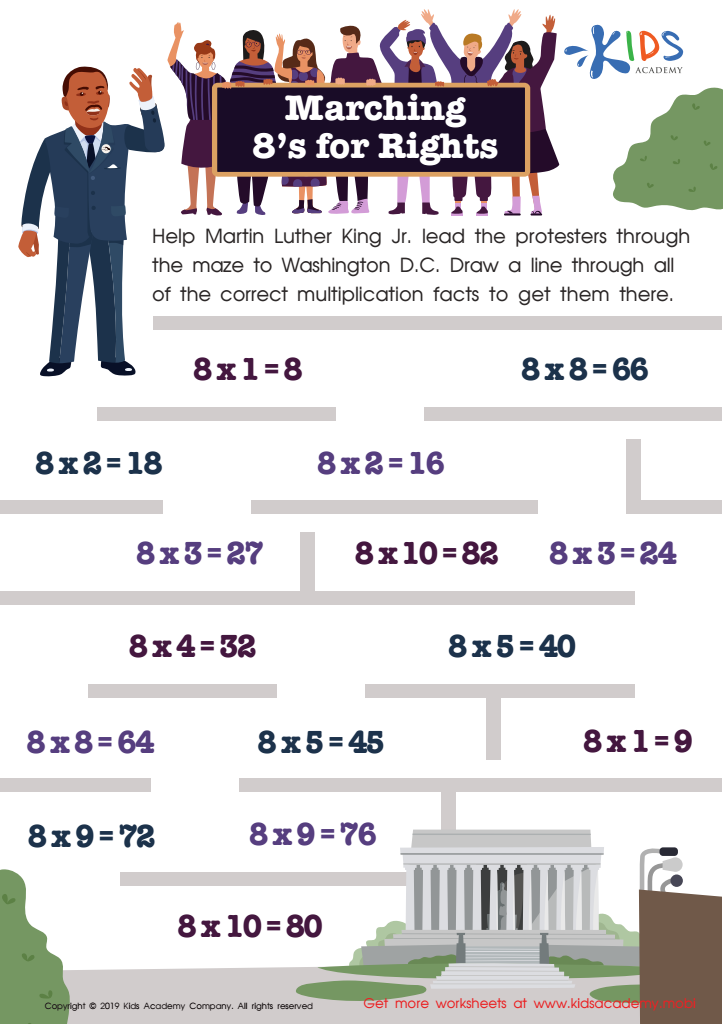
Marching 8’s for Rights Worksheet
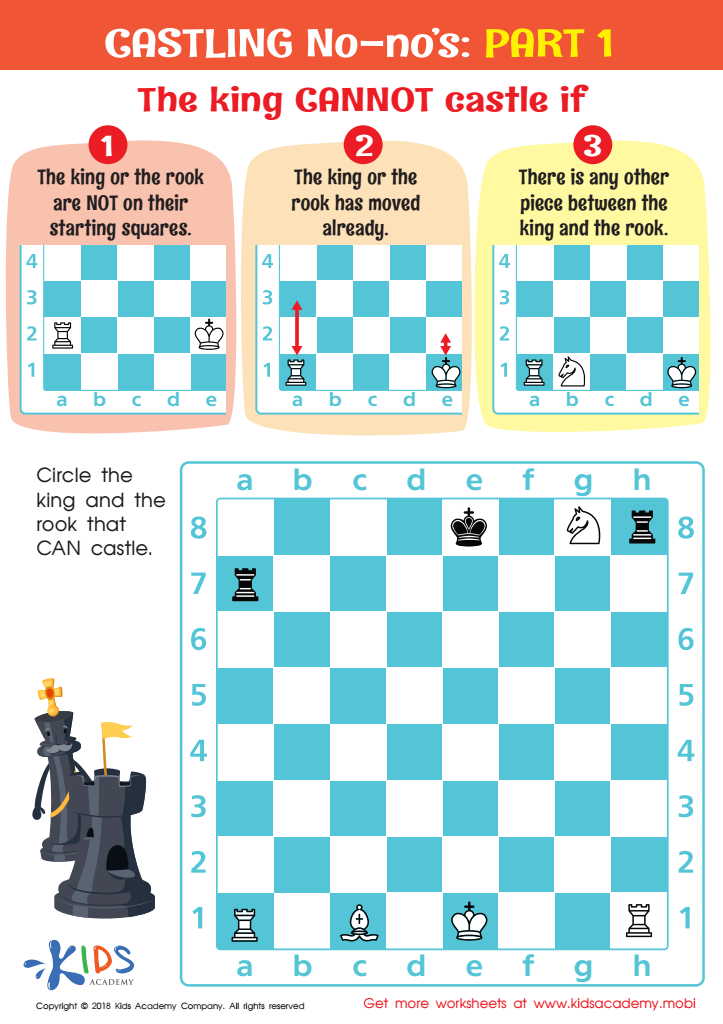
Castling No–no's: Part 1 Worksheet
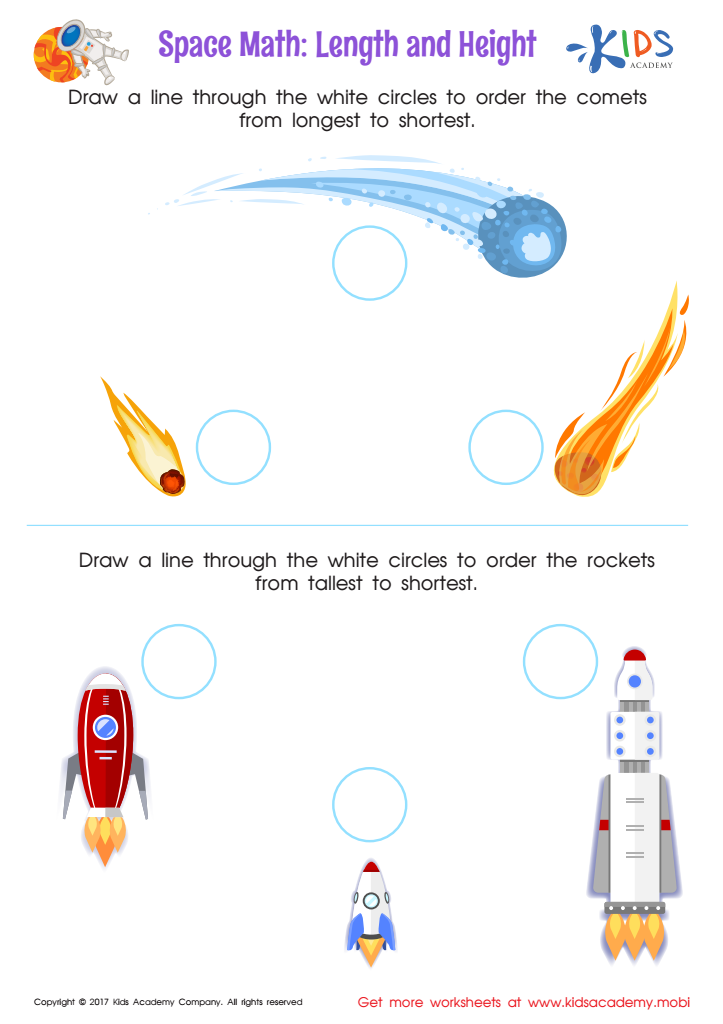
Space Math Worksheet
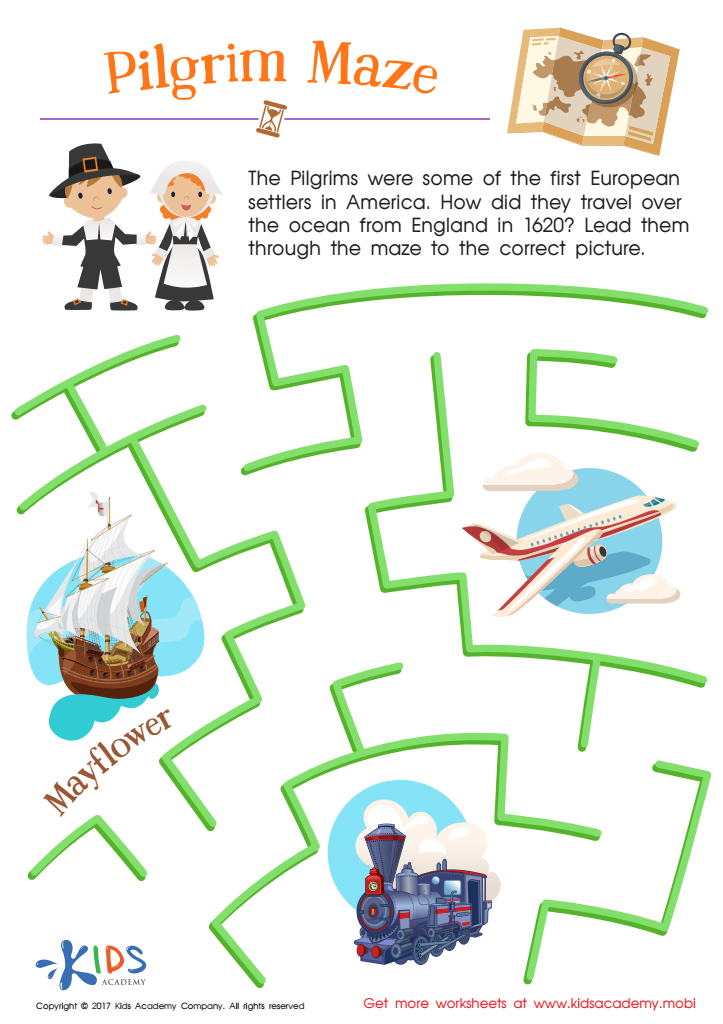
Pilgrim Maze Worksheet








Parents and teachers should prioritize the Extra Challenge for Ages 7-9 because this age group is a crucial period for cognitive and social development. As children transition from early learning to more complex concepts, they begin to develop critical thinking, problem-solving, and collaboration skills. Providing extra challenges encourages them to stretch their abilities, fuels intellectual curiosity, and enhances self-esteem.
Engaging activities can ignite a passion for learning. When children tackle difficult tasks, they learn persistence and resilience, valuable life skills that equip them to handle future challenges. Additionally, these extra challenges can help identify and nurture giftedness or specific talents, paving the way for advanced opportunities later.
Moreover, teachers and parents play a key role in supporting diverse learners. Creating an environment that encourages exploration and innovation fosters a love for learning and keeps students motivated. Tailoring challenges to match each child's individual pace ensures they remain engaged, rather than bored or overwhelmed by standard curricula.
In summary, Extra Challenges for Ages 7-9 play a vital role in developing young learners both academically and personally, ultimately laying a strong foundation for lifelong learning and success. By investing in these challenges, parents and teachers nurture well-rounded, confident, and capable individuals.








