K.Interdependent Relationships in Ecosystems: Animals, Plants, and Their Environmentworksheets With Answers - Page 2
27 filtered results
-
From - To
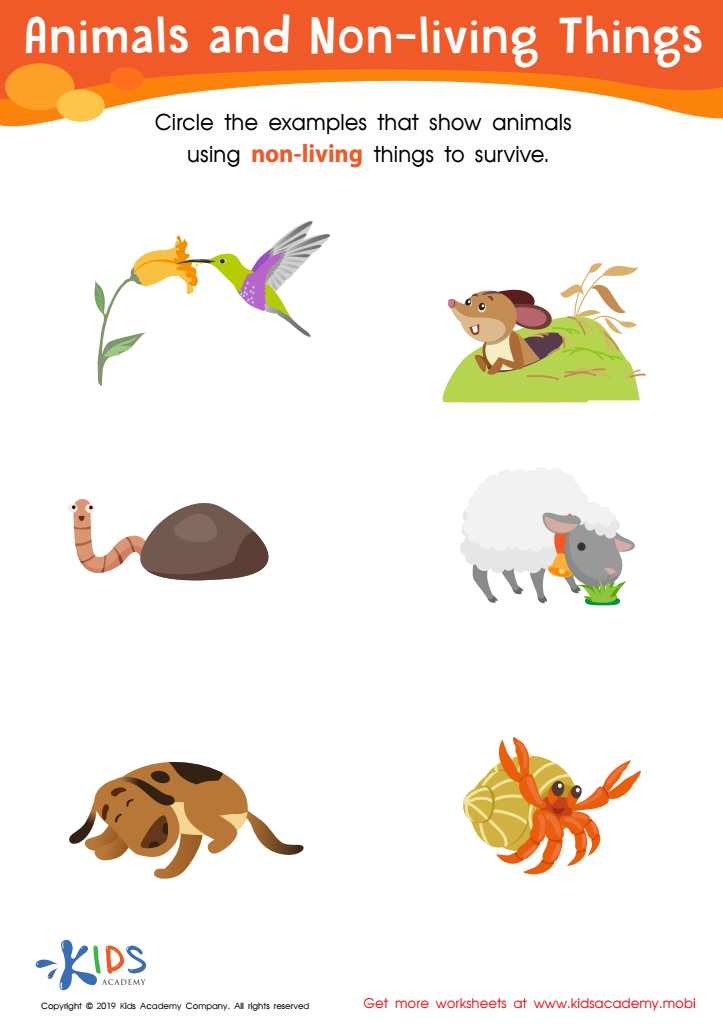
Animals and Non-Living Things Worksheet
 Assign to My Students
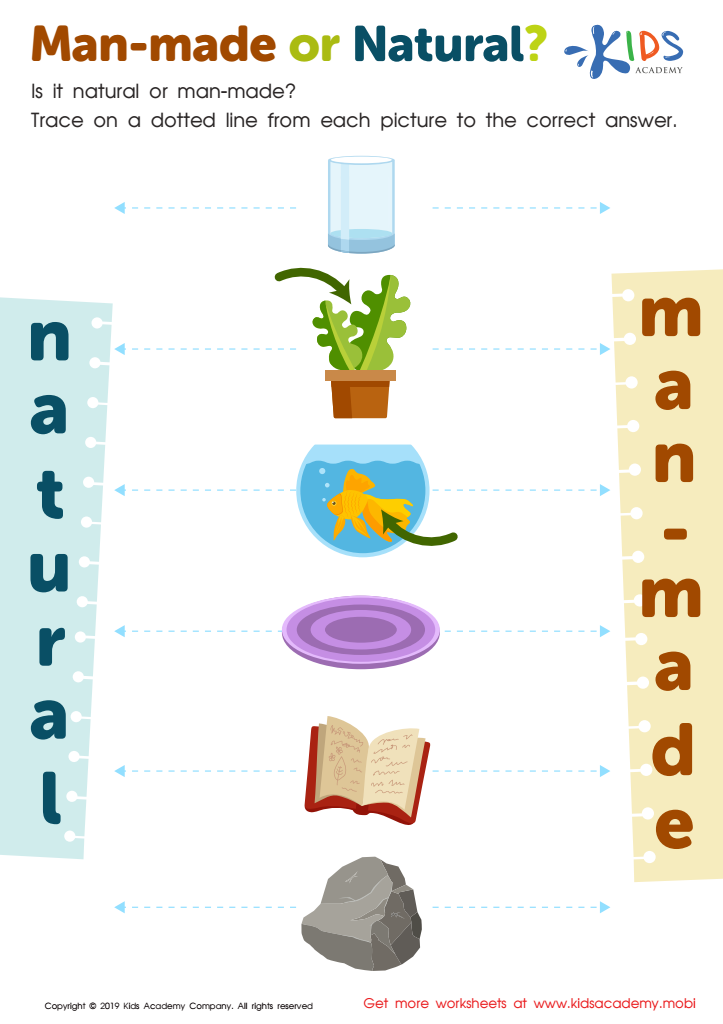
Man-Made or Natural? Worksheet
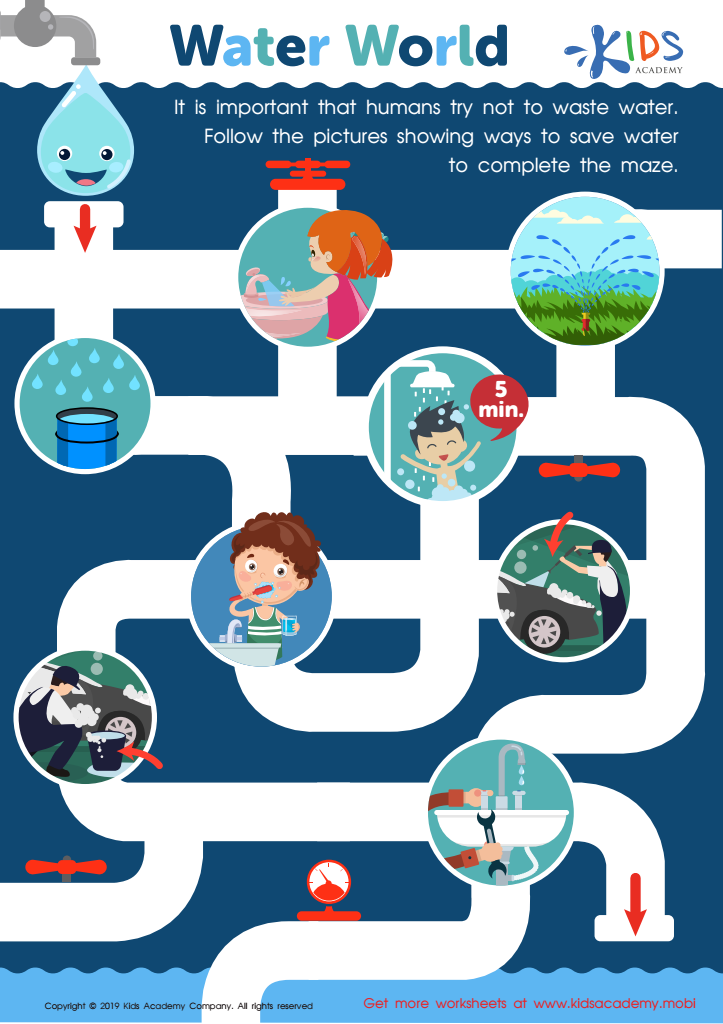
Water World Worksheet








Understanding interdependent relationships in ecosystems is crucial for parents and teachers because it fosters ecological literacy among children. K. Interdependent Relationships in Ecosystems examines how animals, plants, and their environments interact within complex webs of life. By teaching children about these connections, we promote an appreciation for biodiversity and the importance of maintaining a healthy environment.
Children begin to grasp concepts such as food chains, habitats, and the role of various organisms in sustaining ecosystems, leading to an understanding of how environmental changes can impact living things. This awareness encourages responsible behaviors, such as recycling, conserving energy, and protecting local wildlife, ultimately cultivating environmentally-conscious citizens.
Furthermore, awareness of interdependence in ecosystems helps children develop critical thinking and problem-solving skills as they explore real-world environmental issues. Discussions about interdependent relationships can also enhance their social-emotional learning, fostering empathy for all living things.
In conclusion, by prioritizing K. Interdependent Relationships in Ecosystems, parents and teachers are equipping the next generation with the knowledge and values necessary to address ecological challenges, ensuring a sustainable future for our planet.








