Normal Numbers 0–10 Worksheets for Ages 3-6
34 filtered results
-
From - To
Explore our engaging "Normal Numbers 0–10 Worksheets" designed specifically for children ages 3 to 6. These worksheets offer a fun and interactive way to introduce young learners to essential number concepts. Through vibrant illustrations and hands-on activities, kids will practice identifying, writing, and counting numbers from 0 to 10. Each worksheet is crafted to foster early math skills, boost confidence, and encourage a love for learning. Perfect for busy parents and educators seeking to enhance early mathematics education at home or in the classroom. Download and print these delightful worksheets to help your child embark on their numerical journey today!
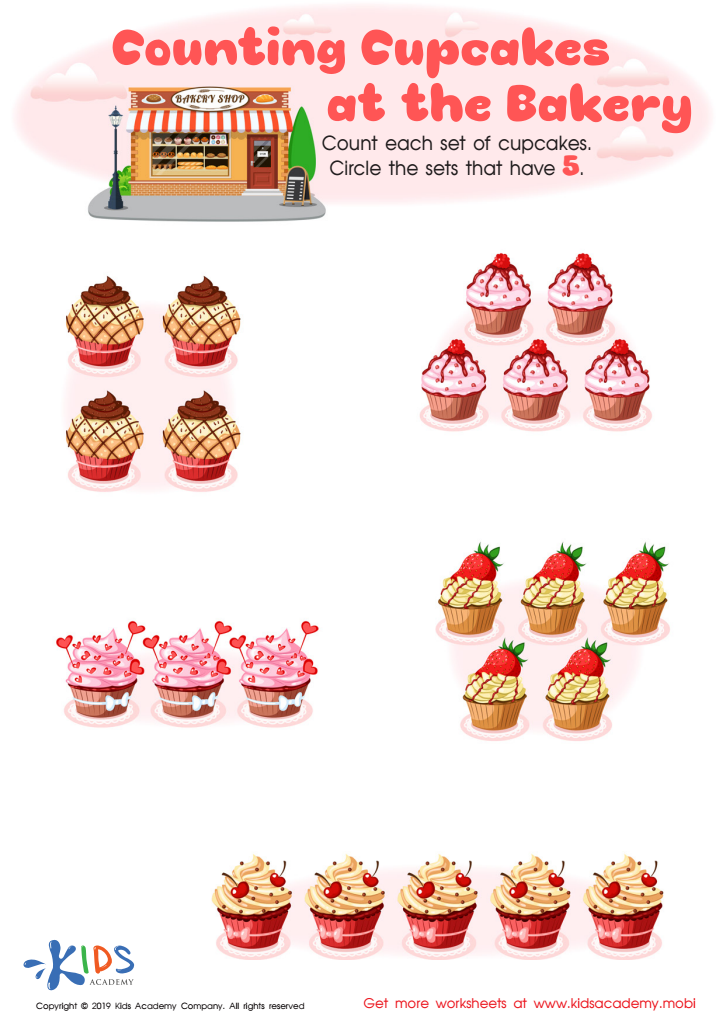
Counting Cupcakes Worksheet
 Assign to My Students
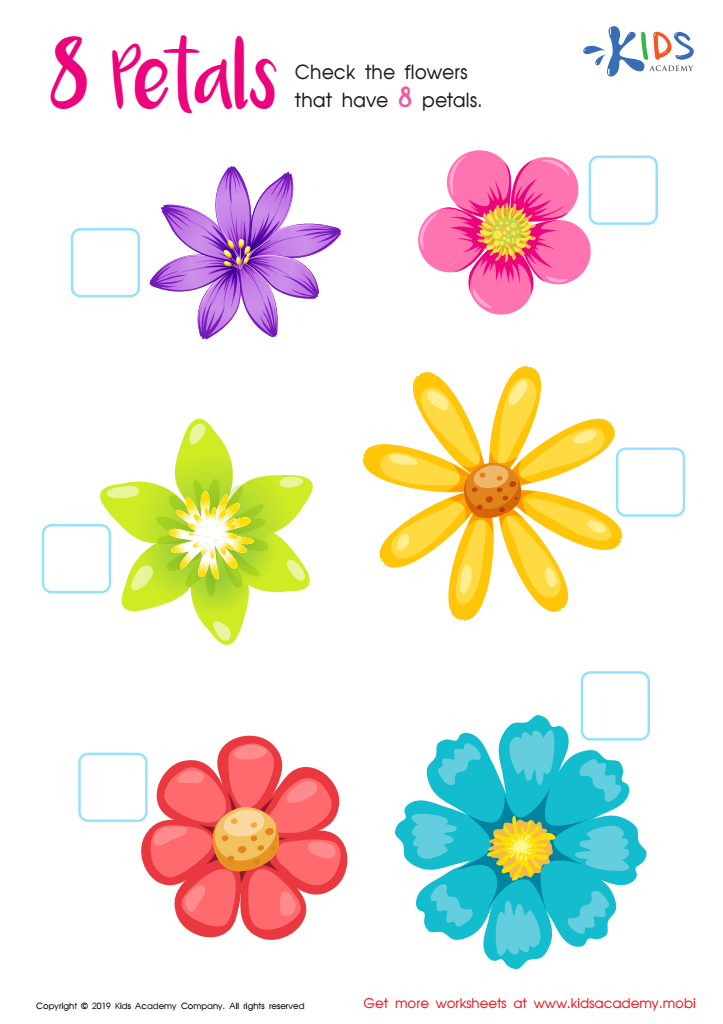
8 Petals Worksheet
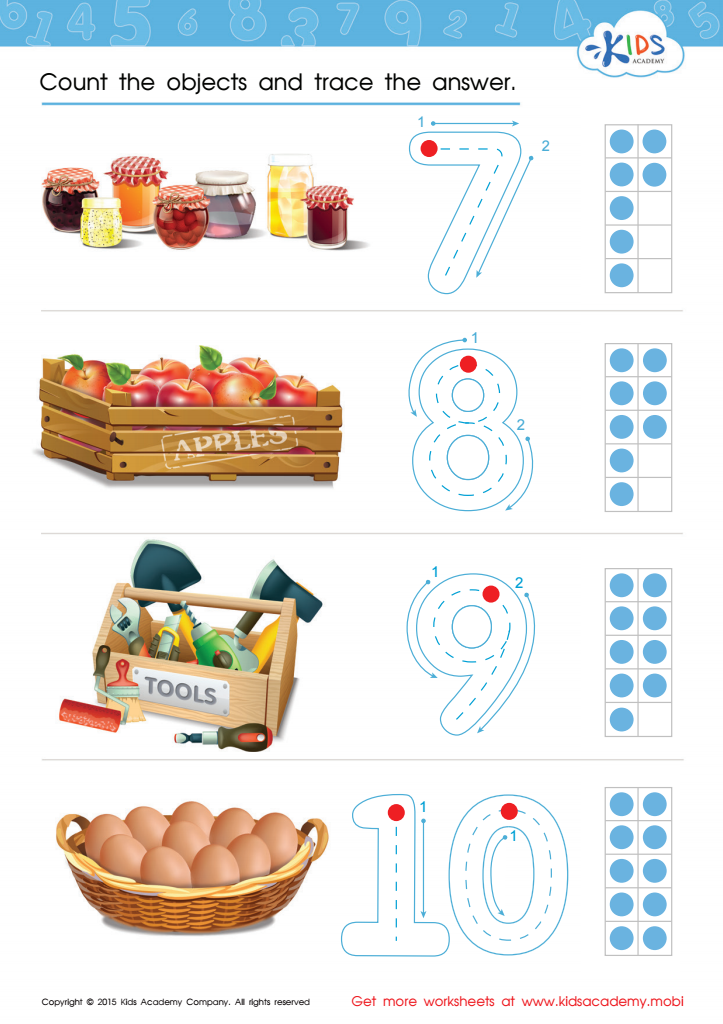
Count and Trace 7 – 10 Worksheet
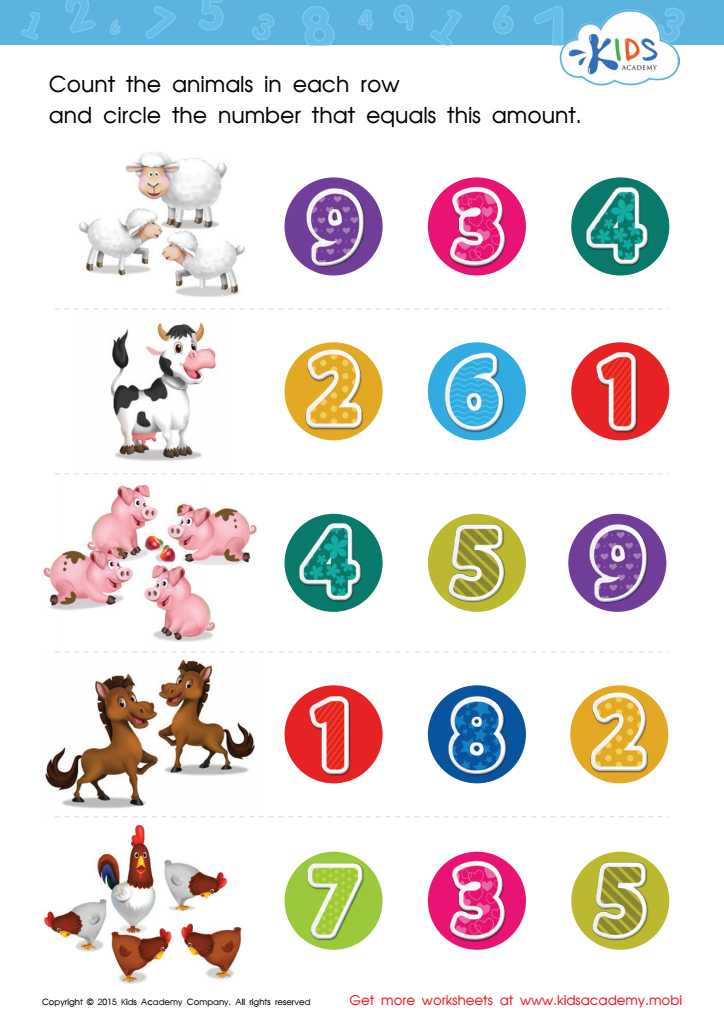
Count and Match 1 – 5 Math Worksheet
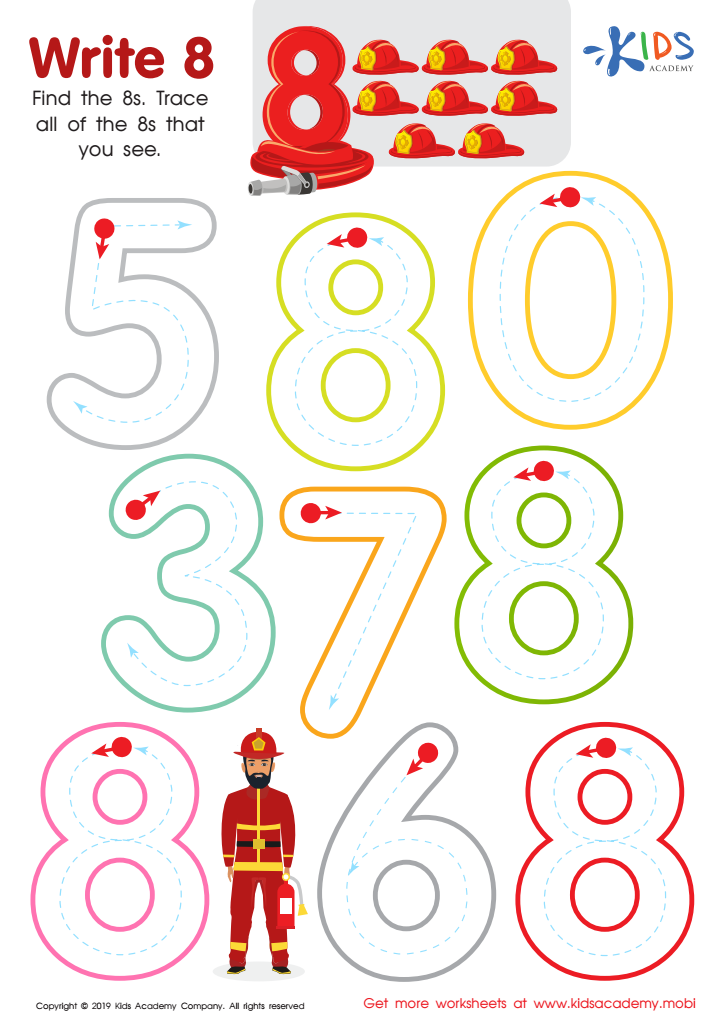
Write 8 Worksheet
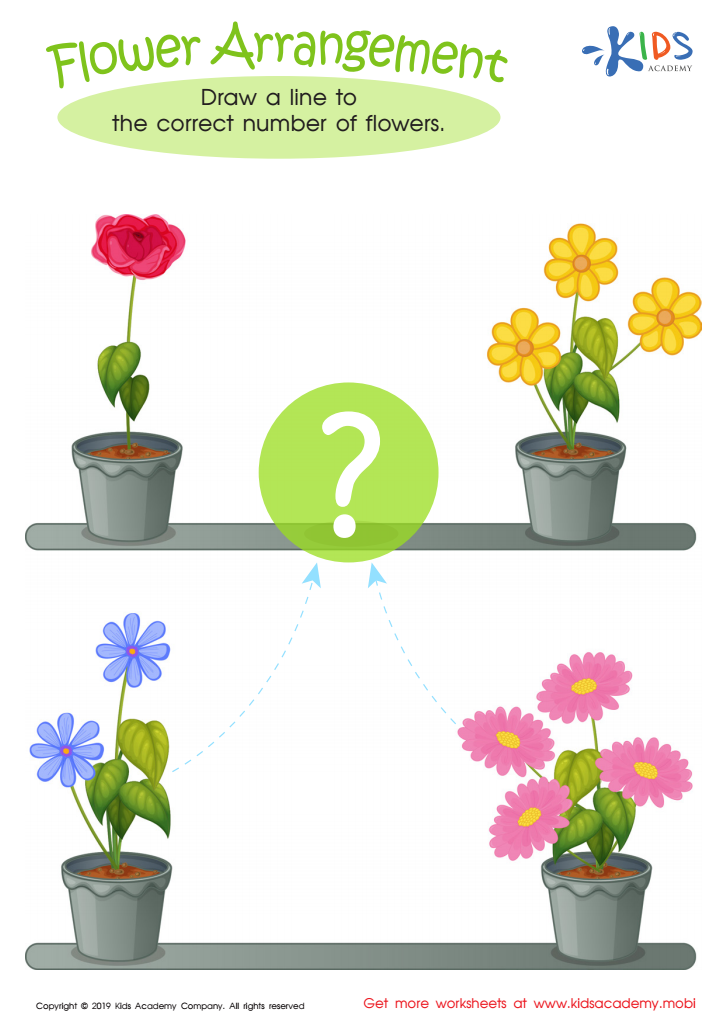
Flower Arrangement Worksheet
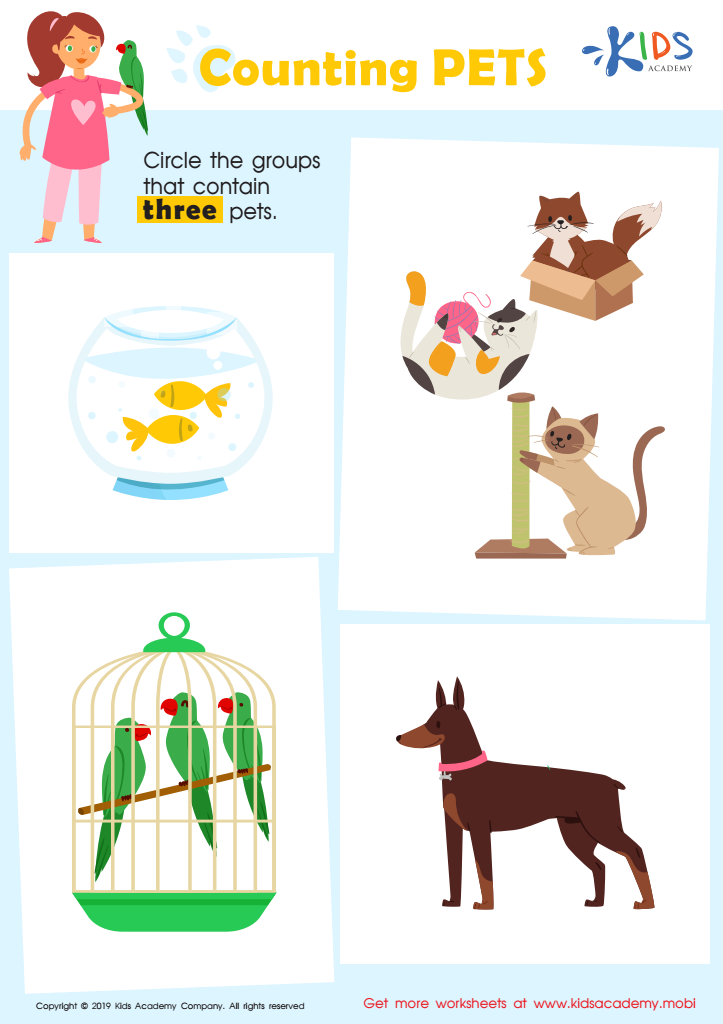
Counting Pets Worksheet
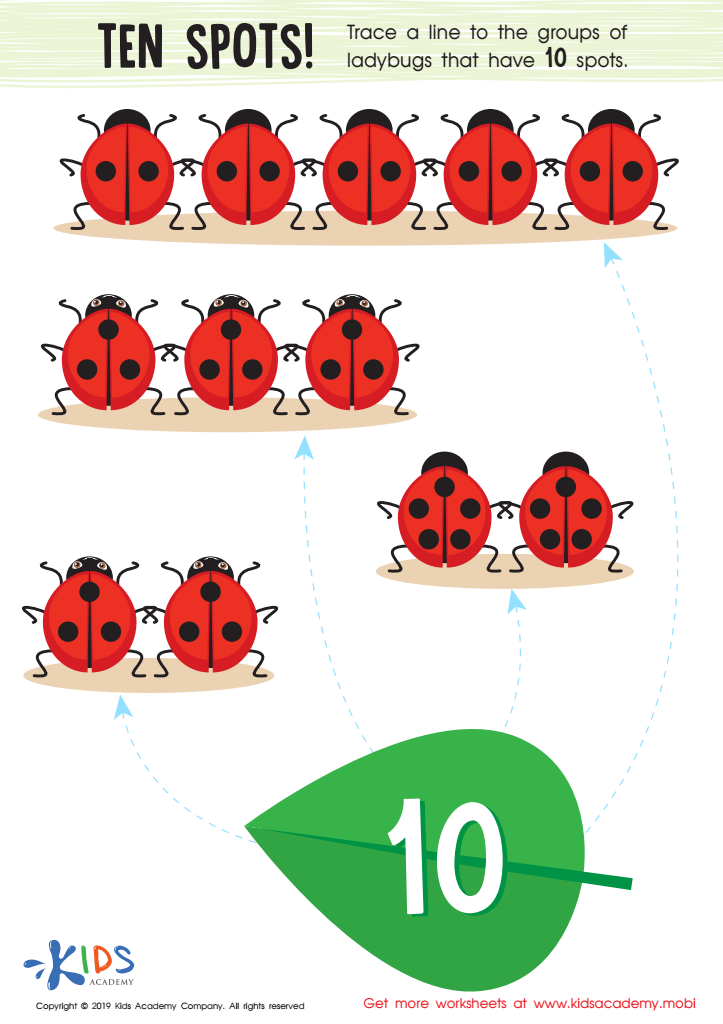
Ten Spots Worksheet
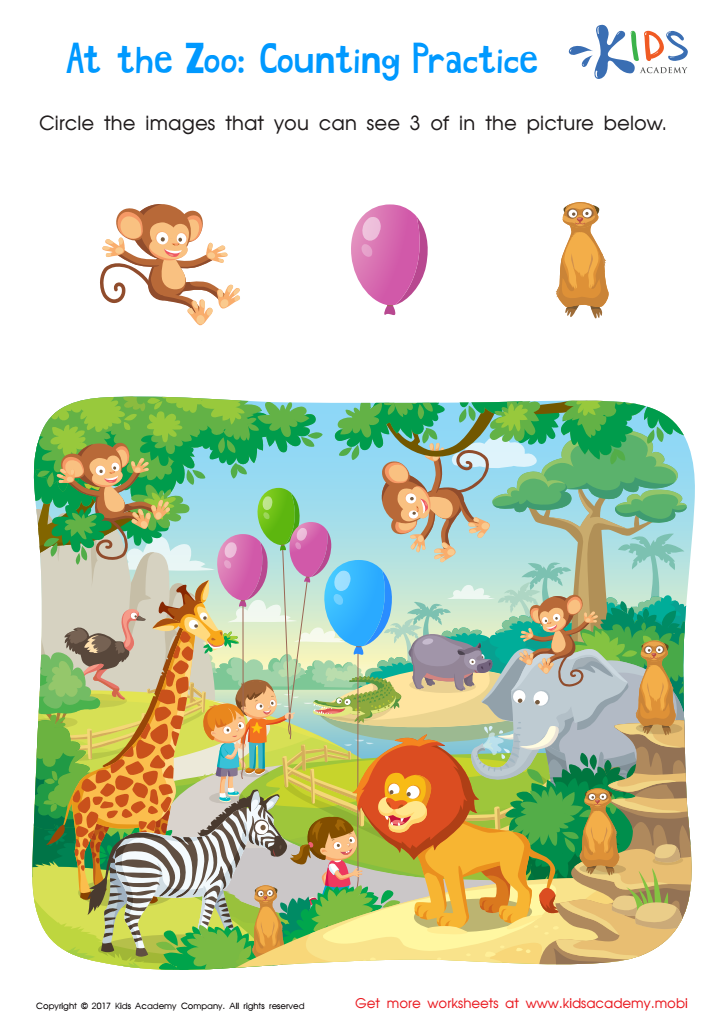
At the Zoo: Counting Practice Worksheet
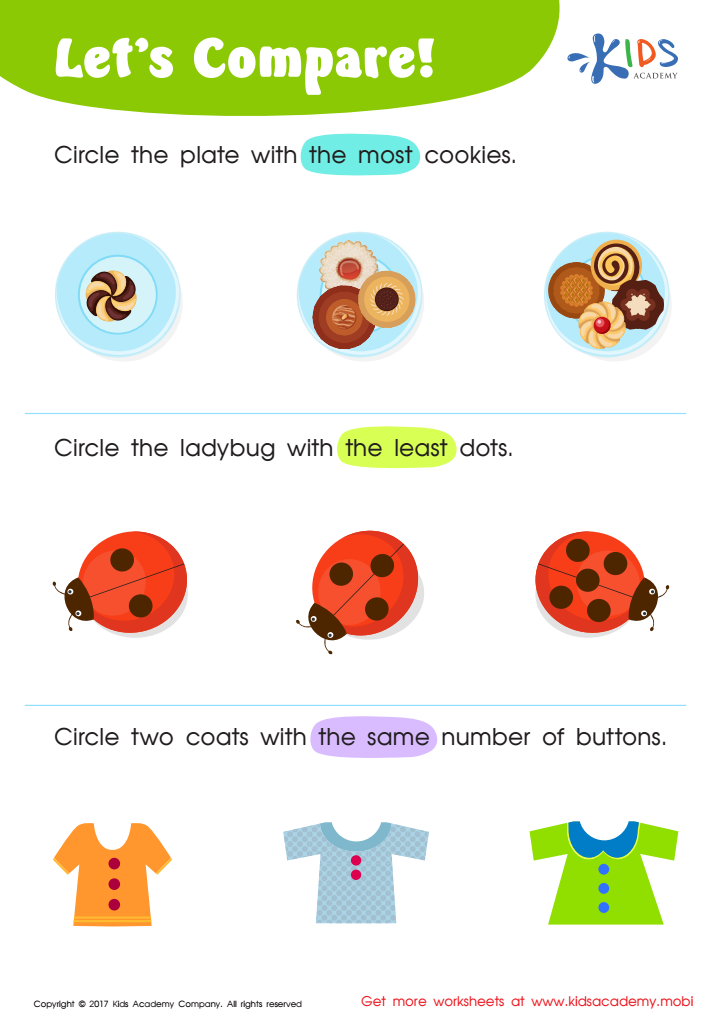
Matching: Classifying Toys by Size Worksheet
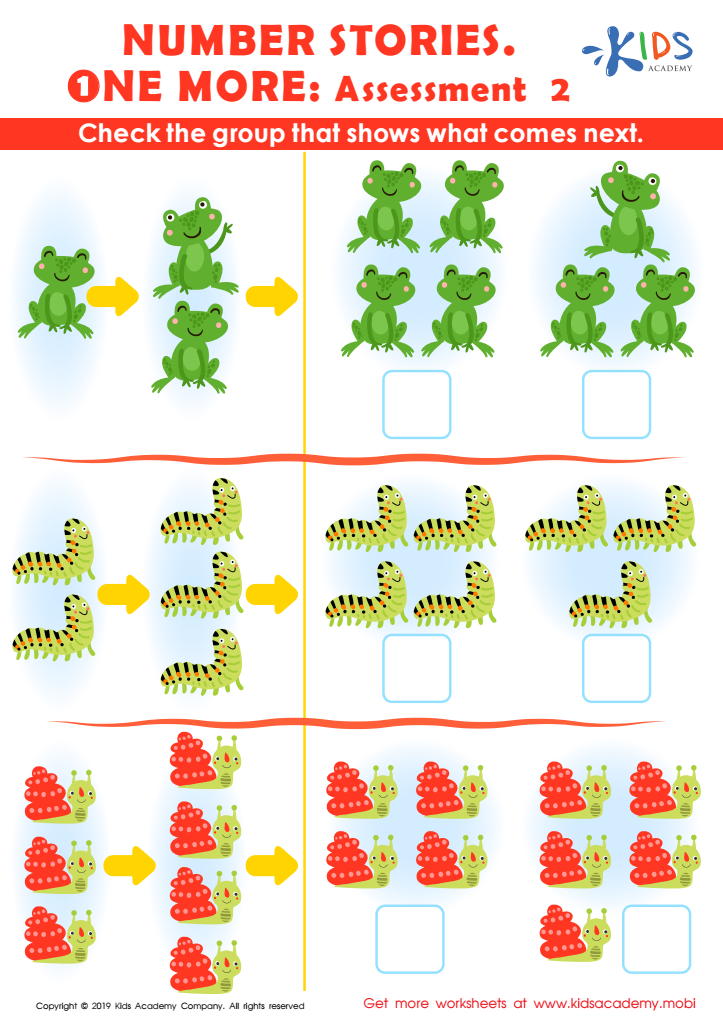
Number Stories One More – Assessment 2 Worksheet
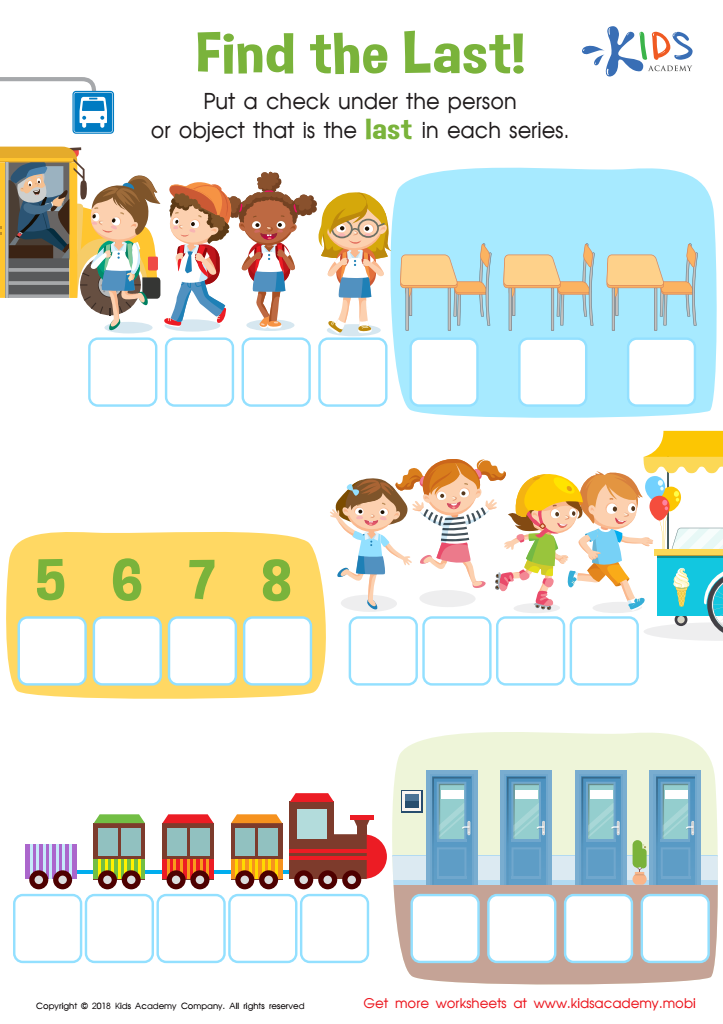
Find the Last! Worksheet
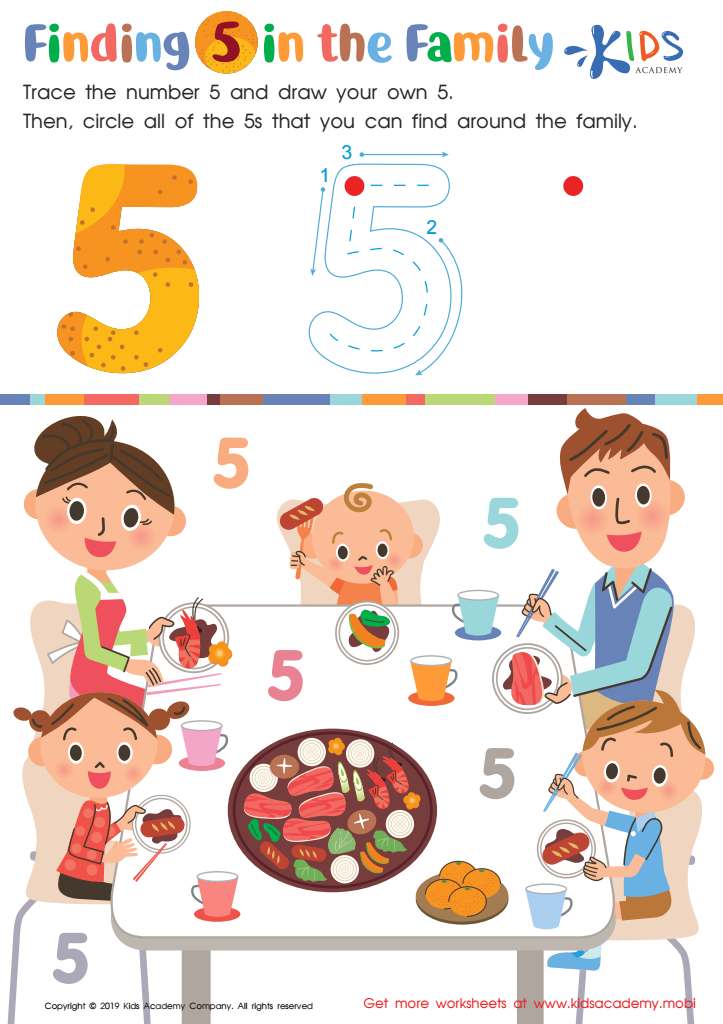
Finding 5 in the Family Worksheet
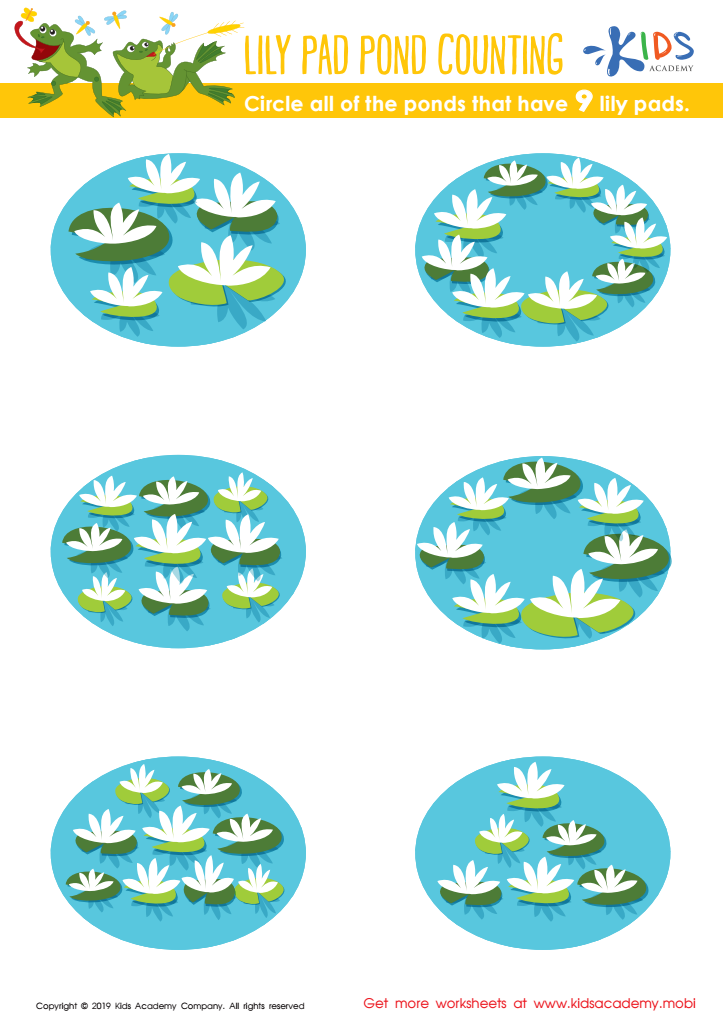
Lily Pad Pond Counting Worksheet
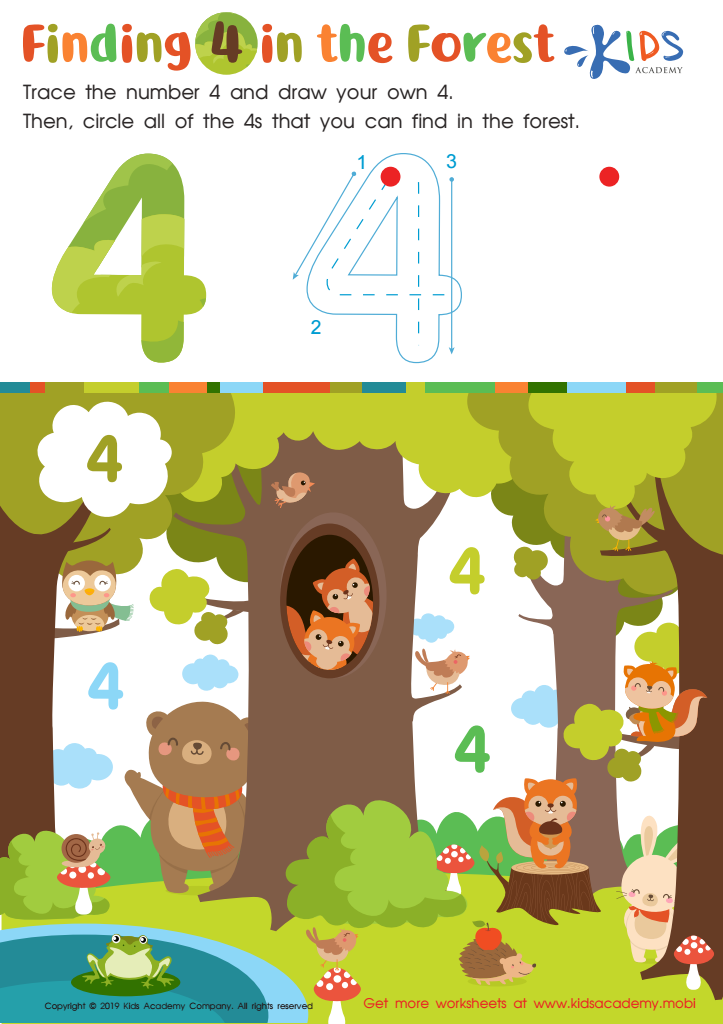
Finding 4 in the Forest Worksheet
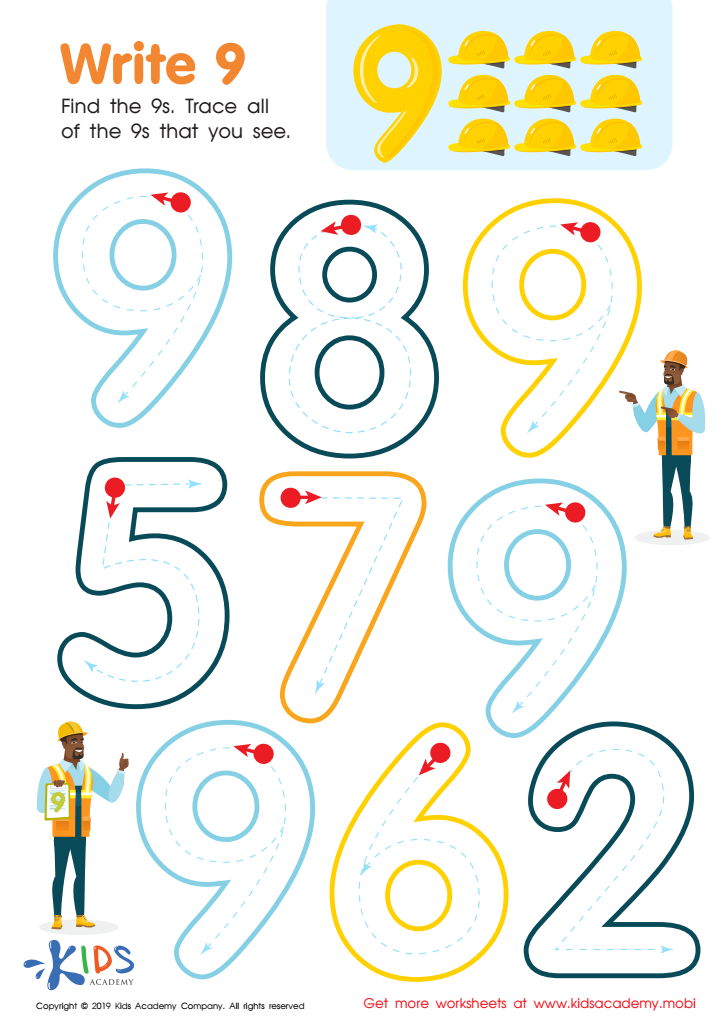
Write 9 Worksheet
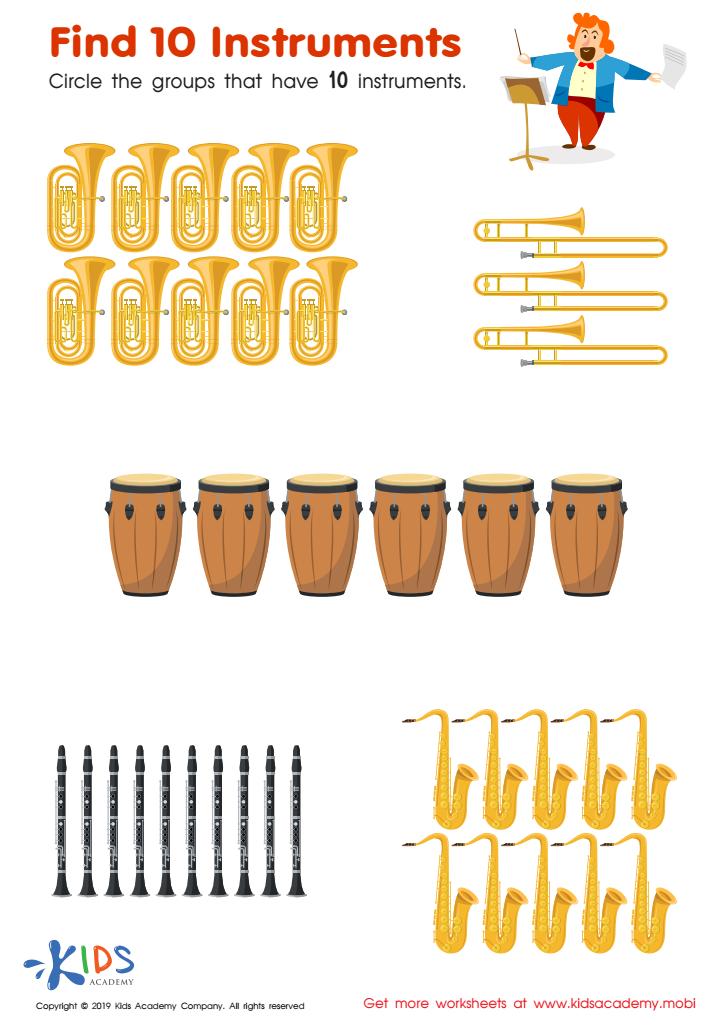
Find 10 Instruments Worksheet
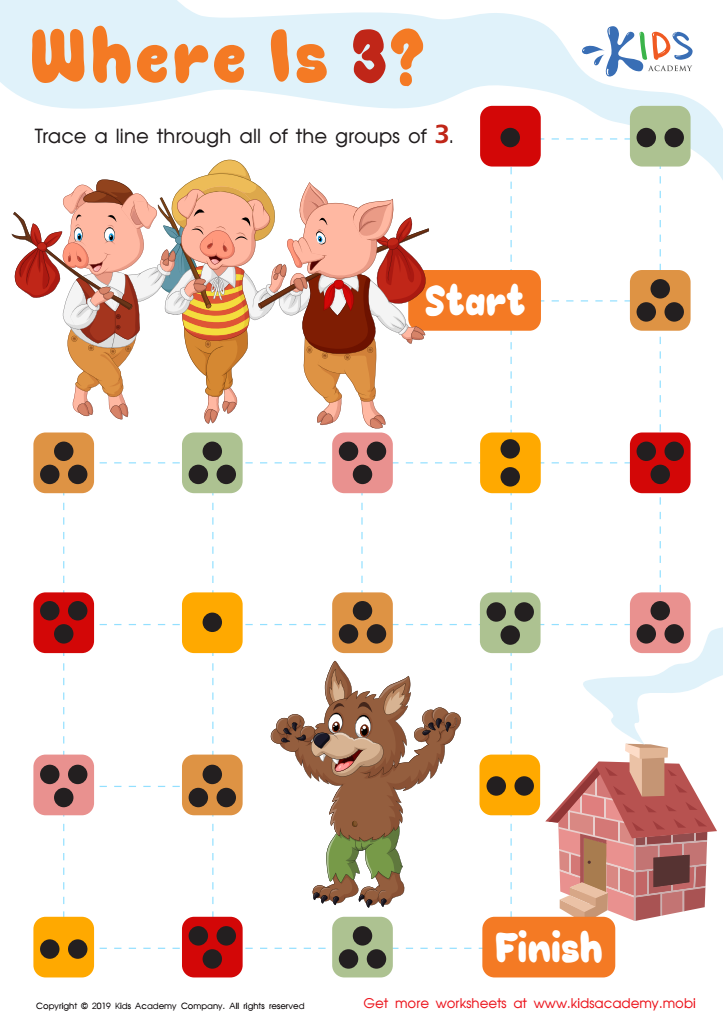
Where Is 3? Worksheet
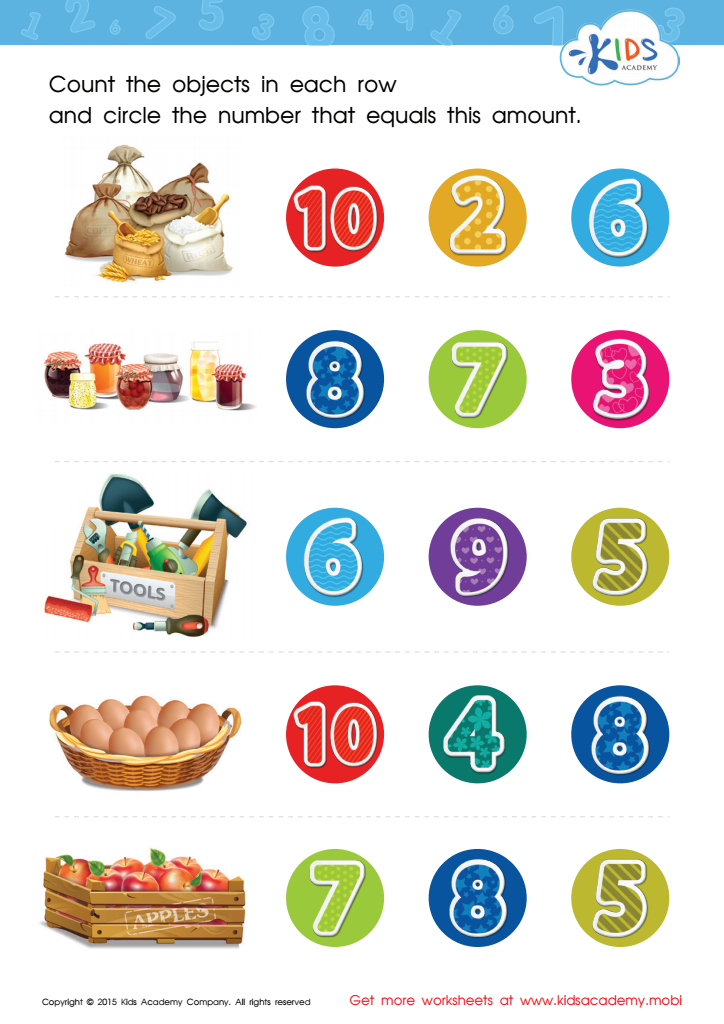
Count and Match 6 – 10 Math Worksheet
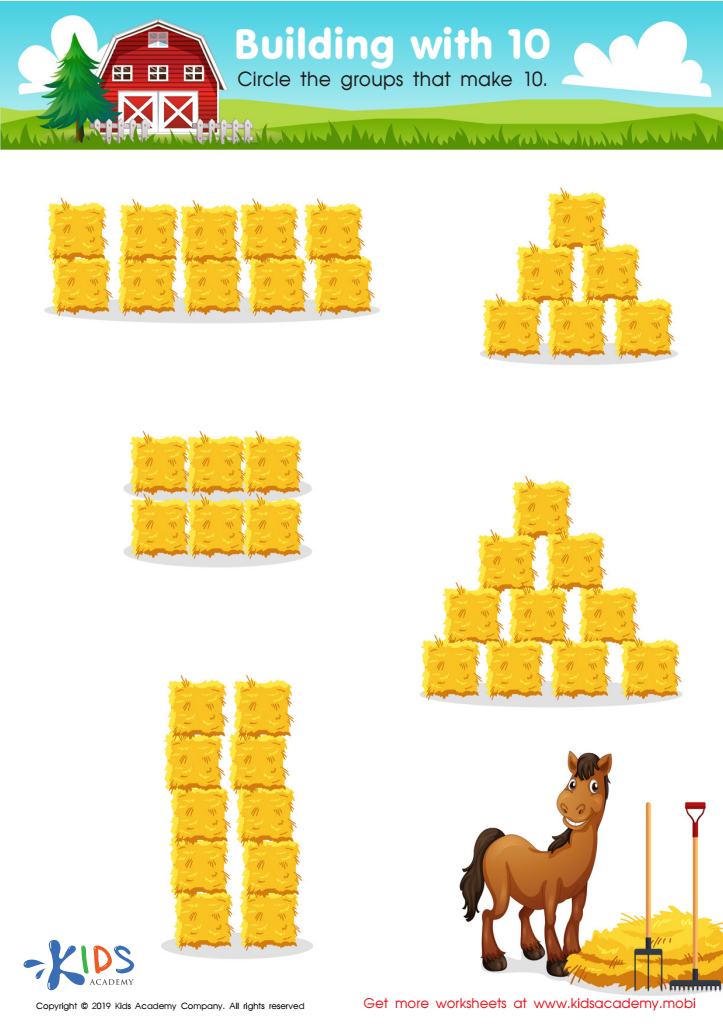
Building with 10 Worksheet
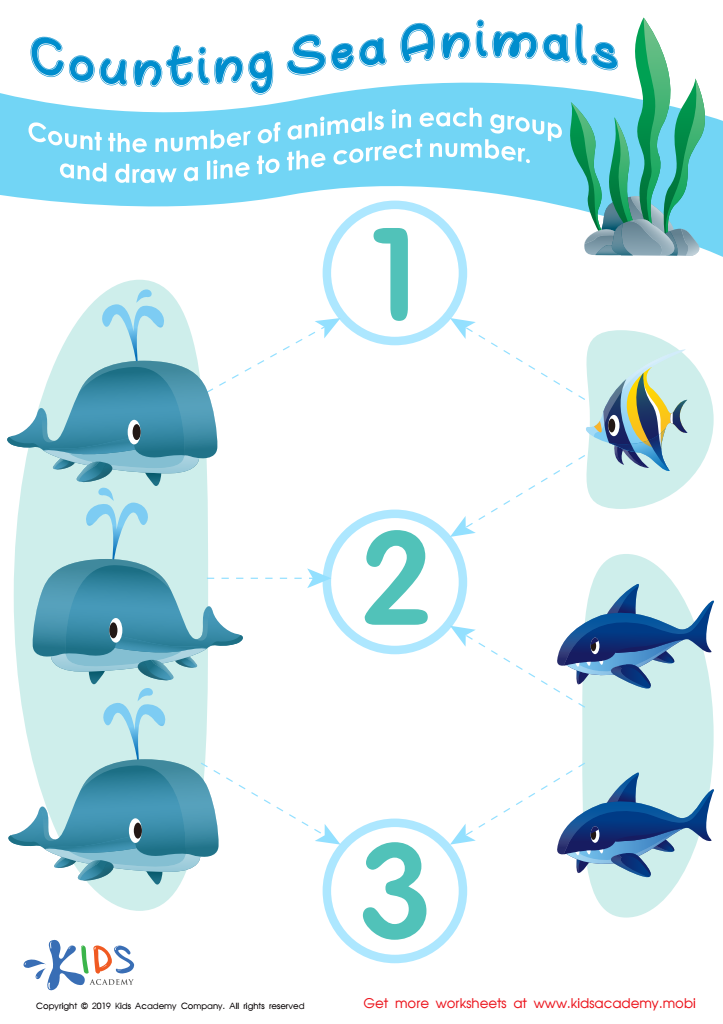
Counting Sea Animals Worksheet
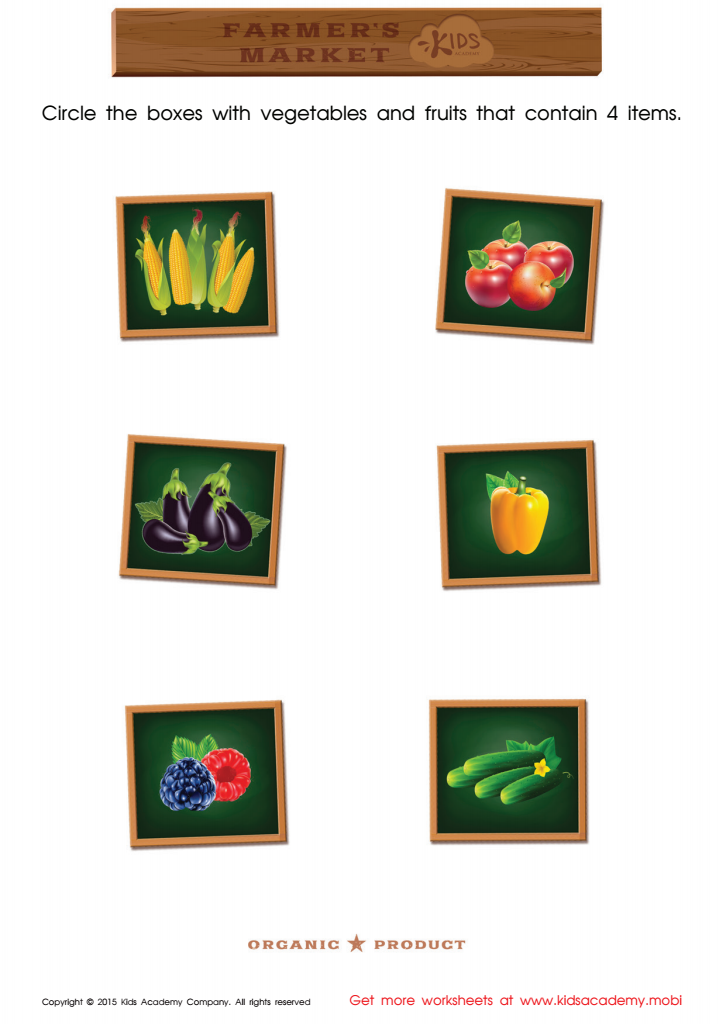
Count and Match Vegetables 2 – 8 Math Worksheet
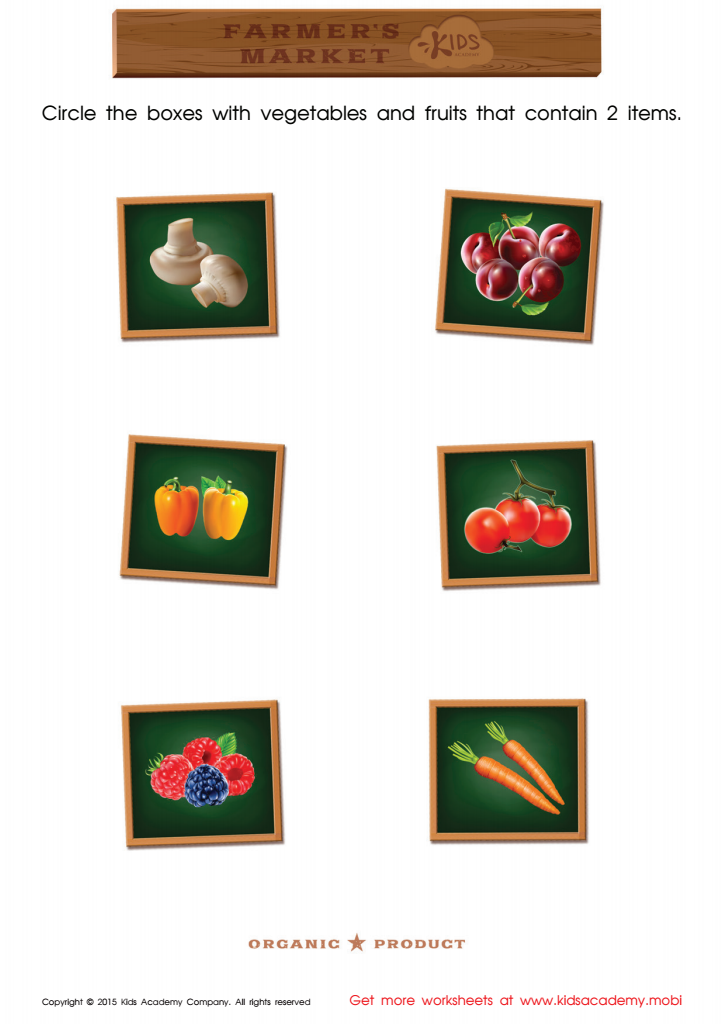
Count and Match Vegetables and Points Math Worksheet
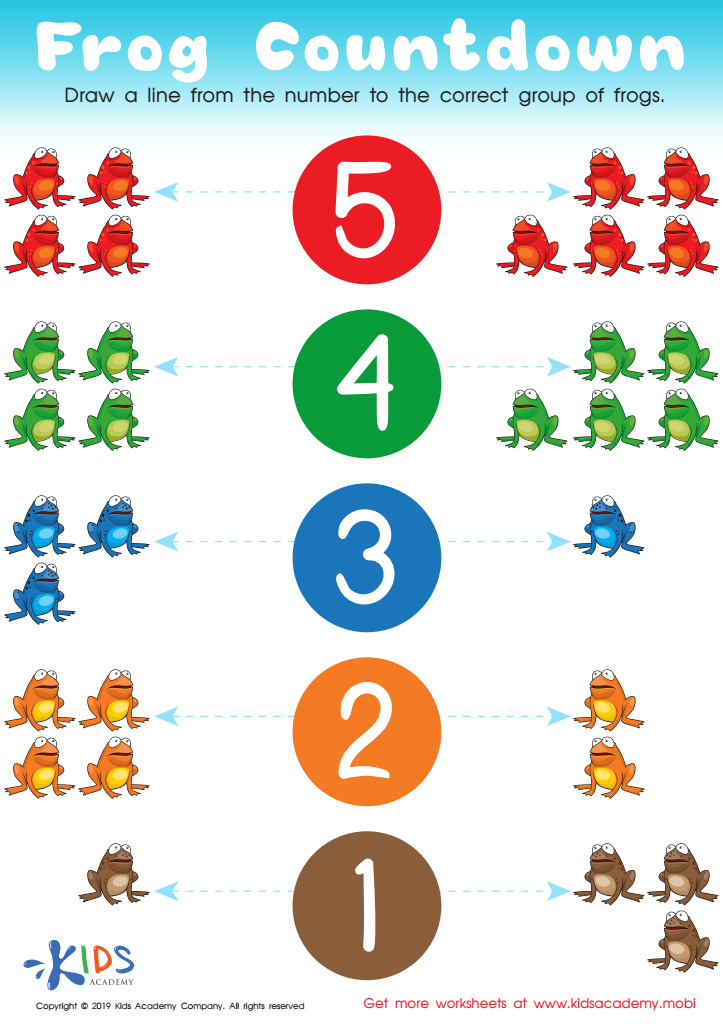
Frog Countdown Worksheet








Understanding normal numbers from 0 to 10 is crucial for children aged 3-6 as it lays the foundation for their mathematical skills and number sense. At this age, children are developing cognitive and language abilities, and exposure to these numbers enriches their learning experience. Learning to recognize, count, and understand the significance of numbers enhances problem-solving skills and cognitive development.
For parents and teachers, caring about these early number experiences helps ensure that children gain confidence in their mathematical abilities. Introducing numbers through play-based activities encourages engagement and curiosity, making learning enjoyable. It fosters essential skills like counting, comparing quantities, and recognizing patterns, which are key components in the development of mathematical reasoning.
Furthermore, everyday interactions that incorporate counting, such as during snacks or playtime, reinforce the importance of numbers in daily life. By introducing these concepts early, parents and teachers promote a positive attitude towards mathematics, reducing potential anxiety in future learning.
In essence, by focusing on normal numbers 0-10, parents and teachers set the stage for lifelong learning, enhancing not only math skills but overall cognitive development, communication, and critical thinking abilities in young children.