Normal Reading Fiction Worksheets for Ages 3-6 - Page 3
63 filtered results
-
From - To
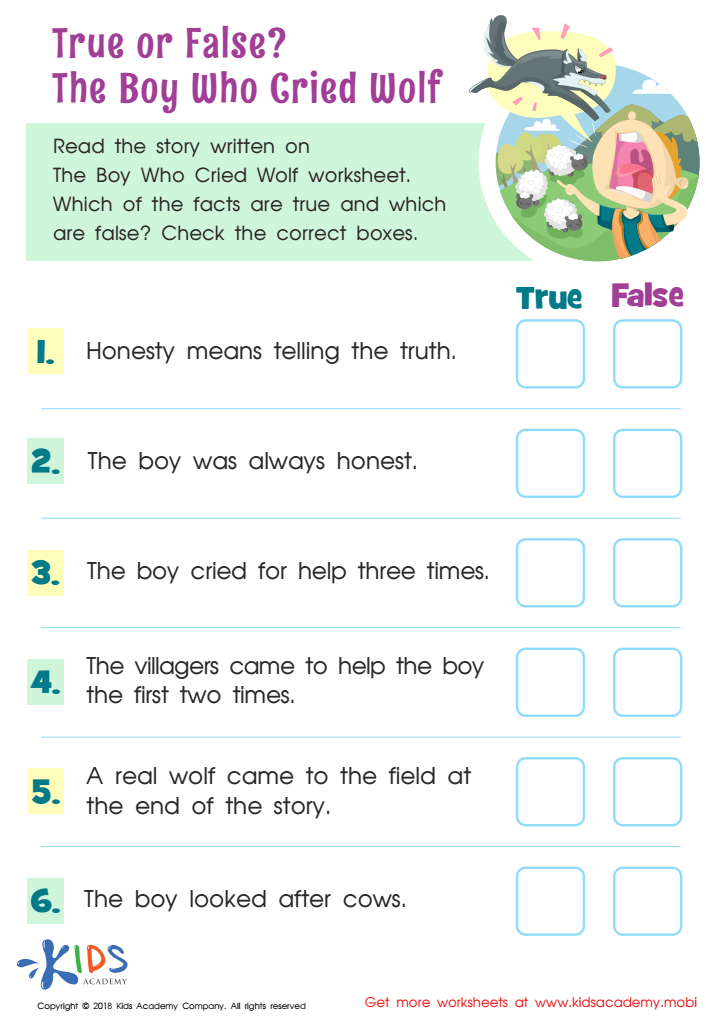
True or False? The Boy Who Cried Wolf Worksheet
 Assign to My Students
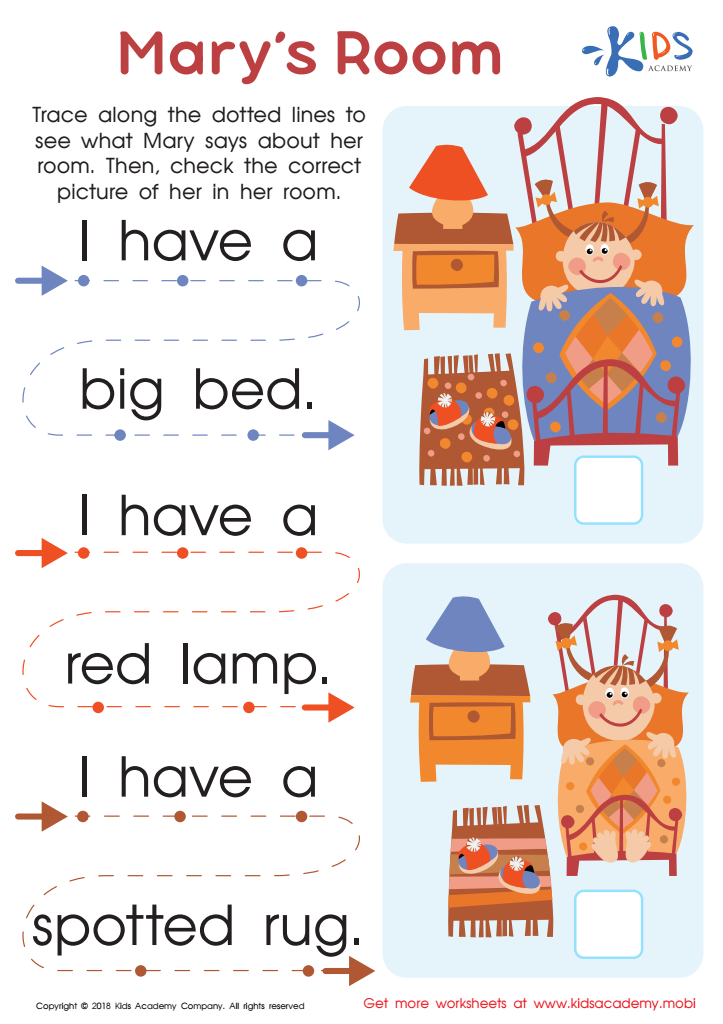
Mary's Room Worksheet
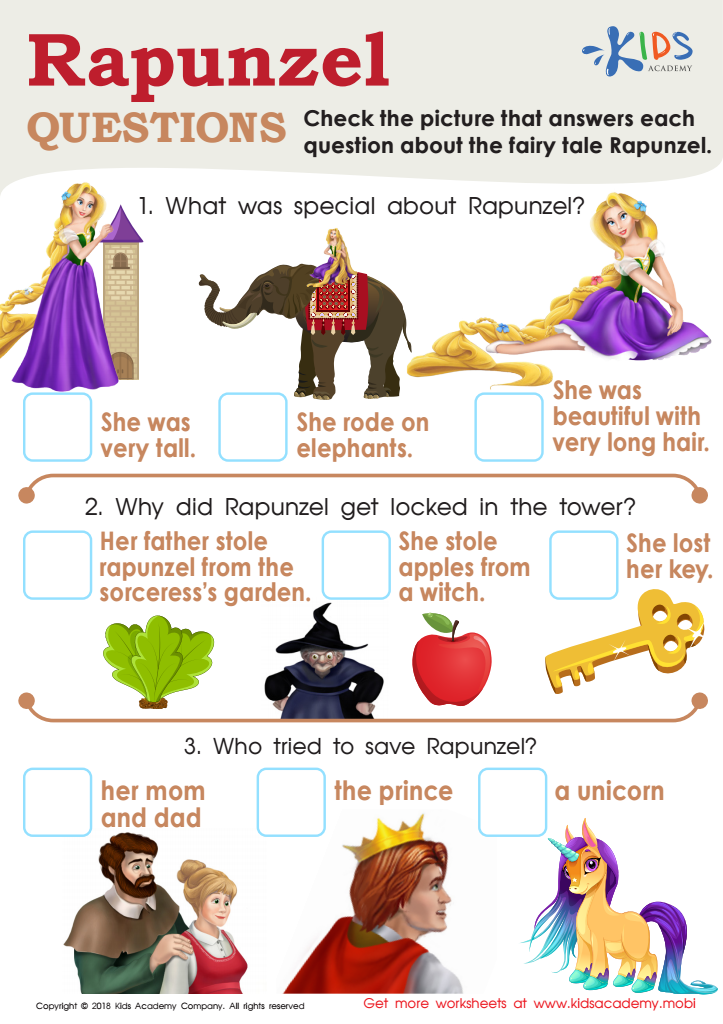
Rapunzel Questions Worksheet
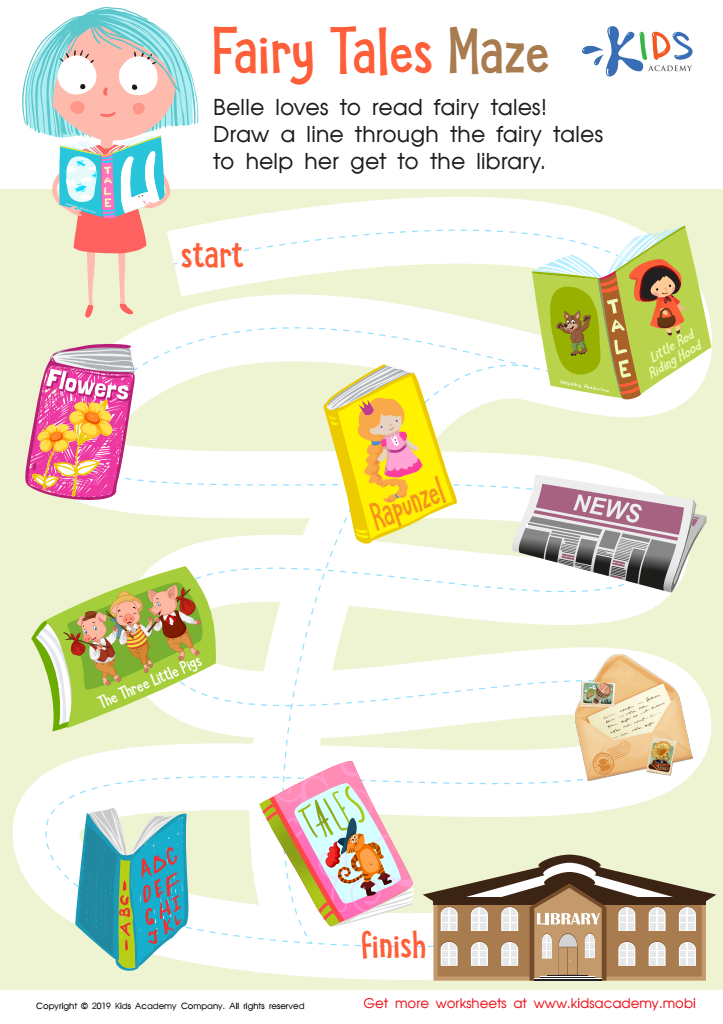
Fairy Tales Maze Worksheet
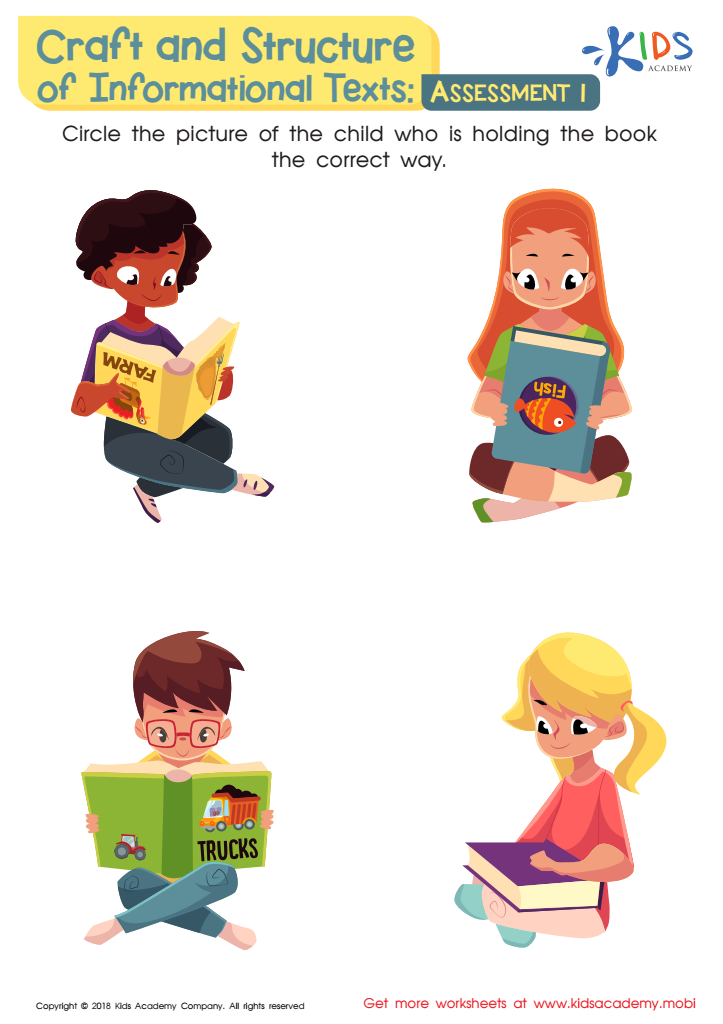
Craft and Structure of Informational Texts: Assessment 1 Worksheet
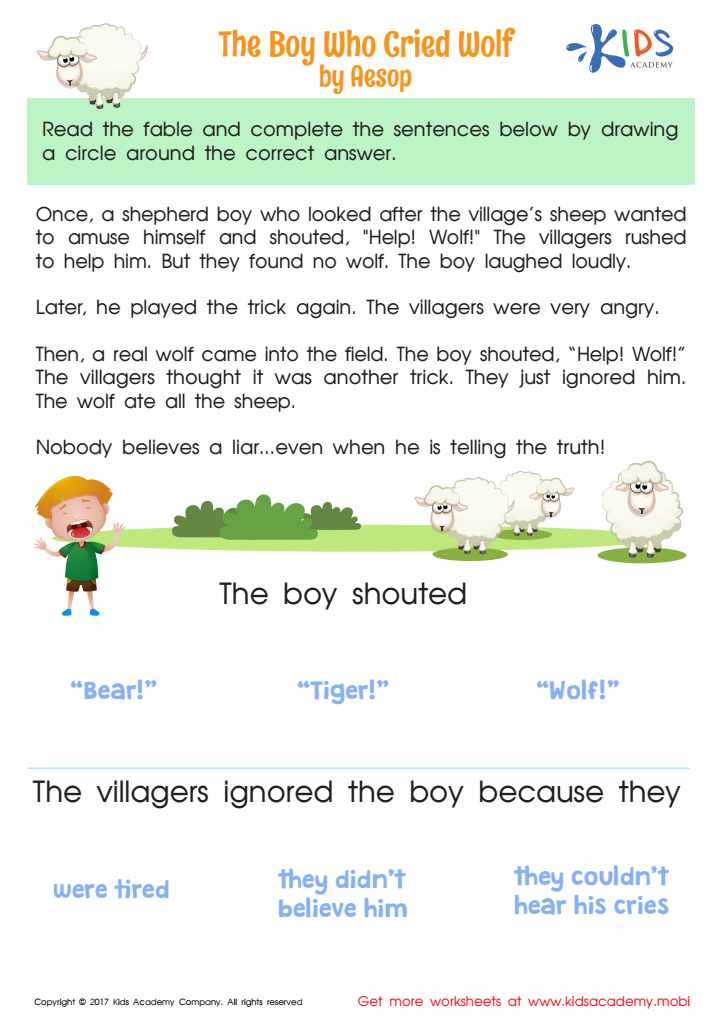
The Boy Who Cried Wolf Worksheet
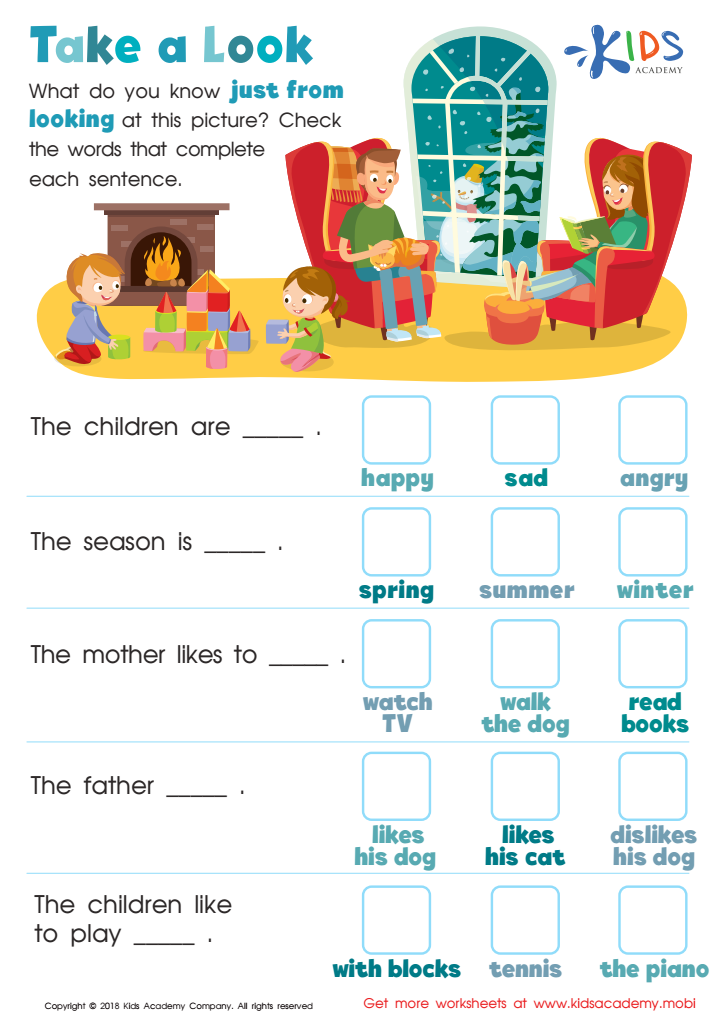
Take a Look - Part 1 Worksheet
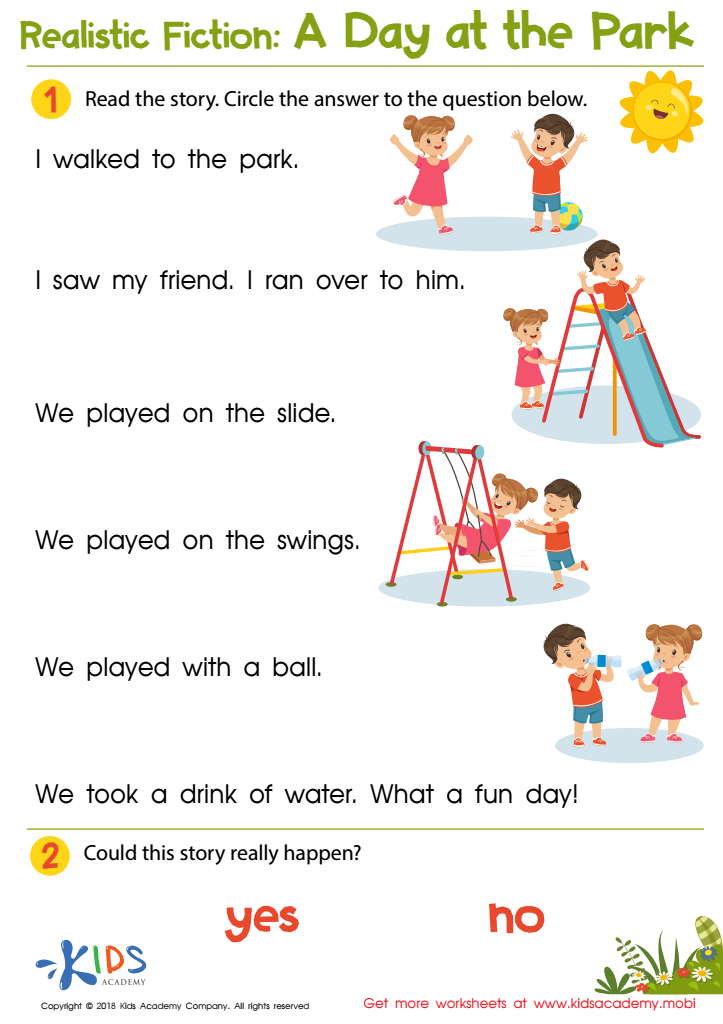
A Day at the Park Worksheet
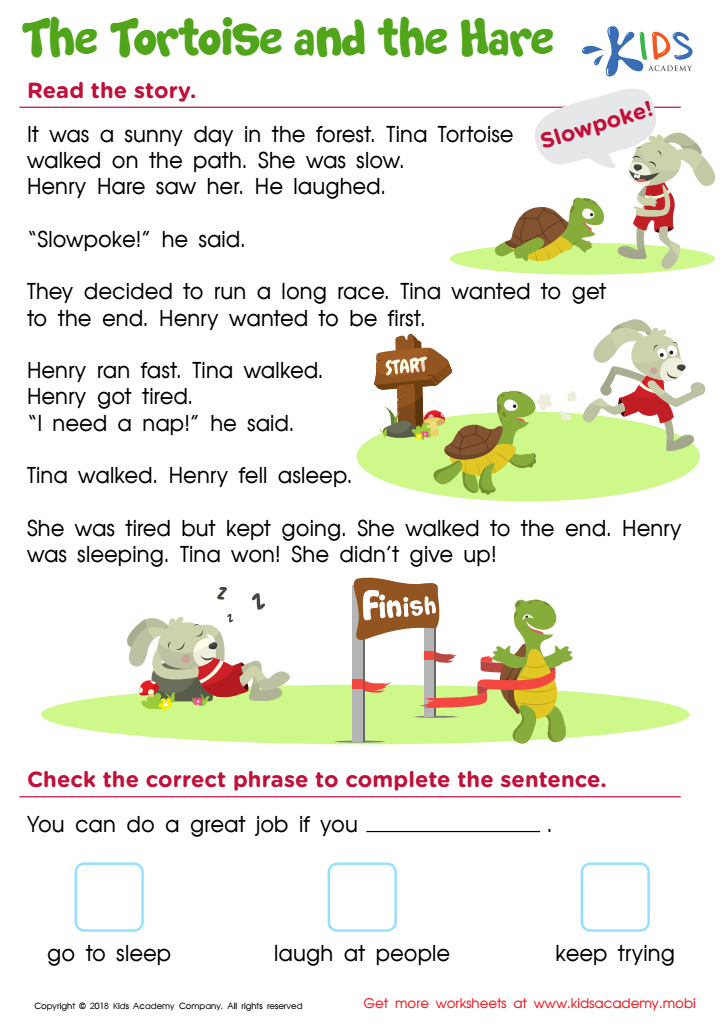
The Tortoise and the Hare Worksheet
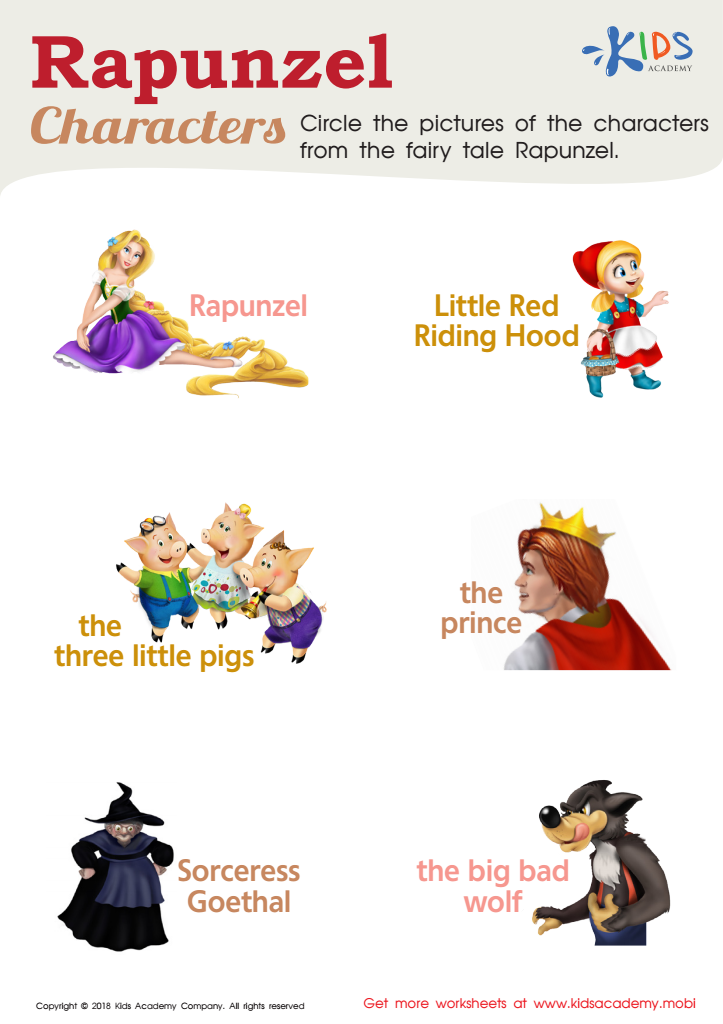
Rapunzel Characters Worksheet
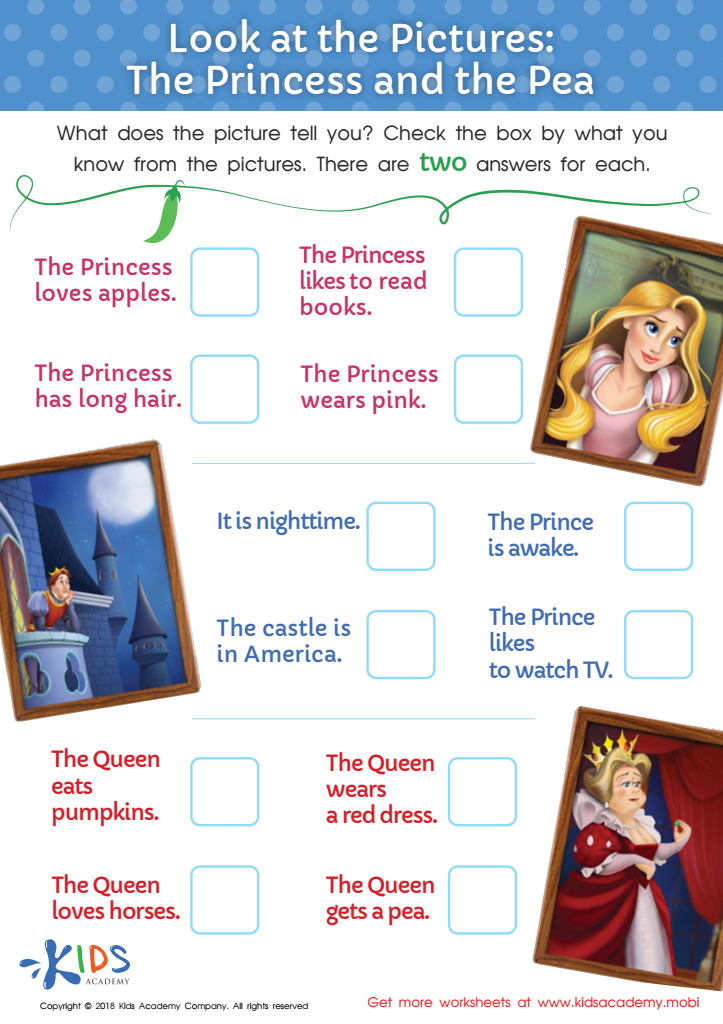
Look at the Pictures: The Princess and the Pea Worksheet
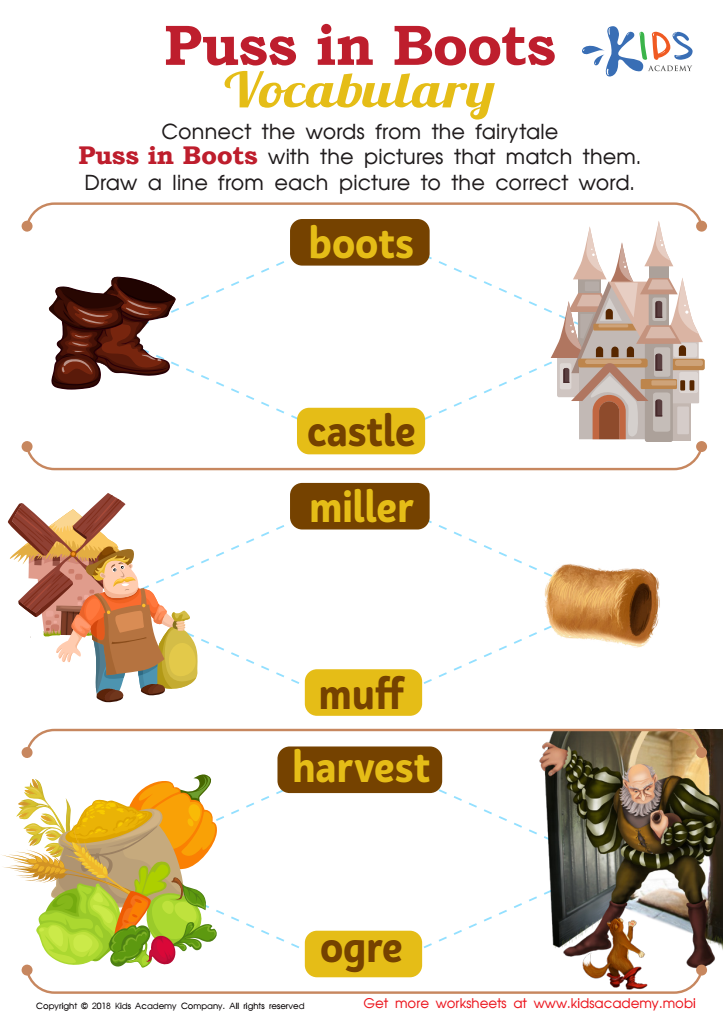
Puss in Boots Vocabulary Worksheet
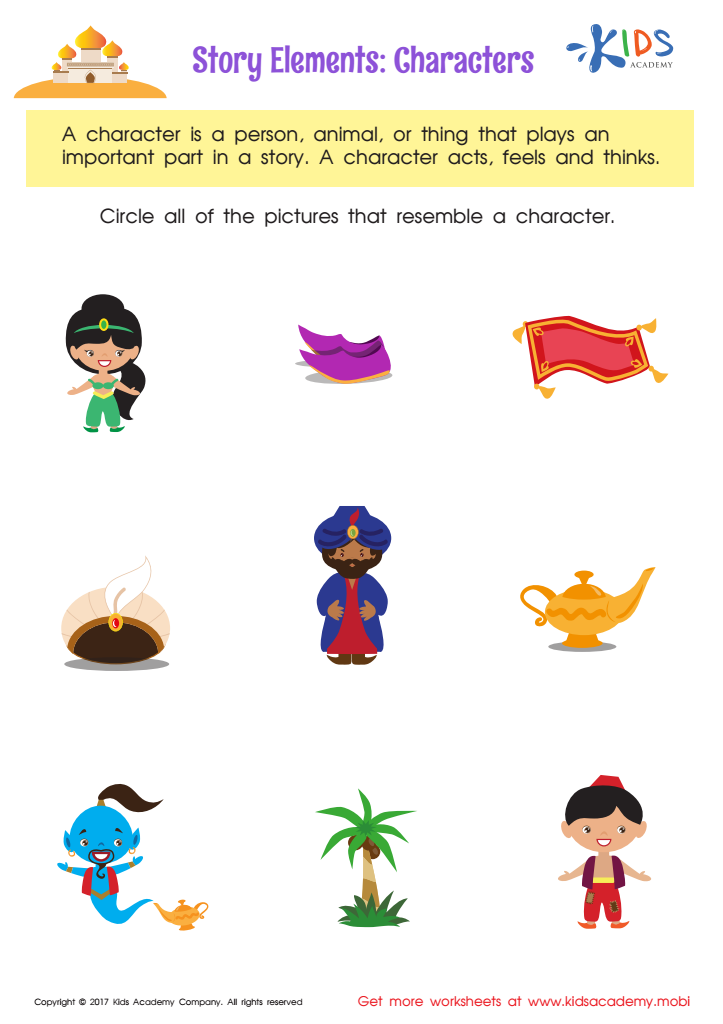
Story Elements Printable
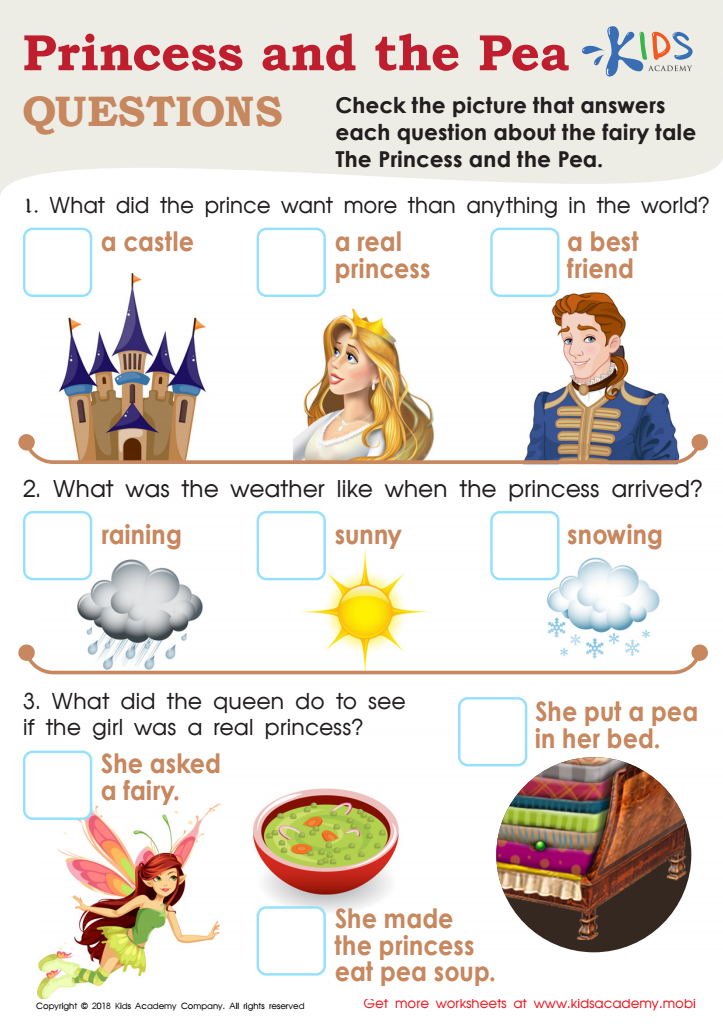
Princess and the Pea Questions Worksheet
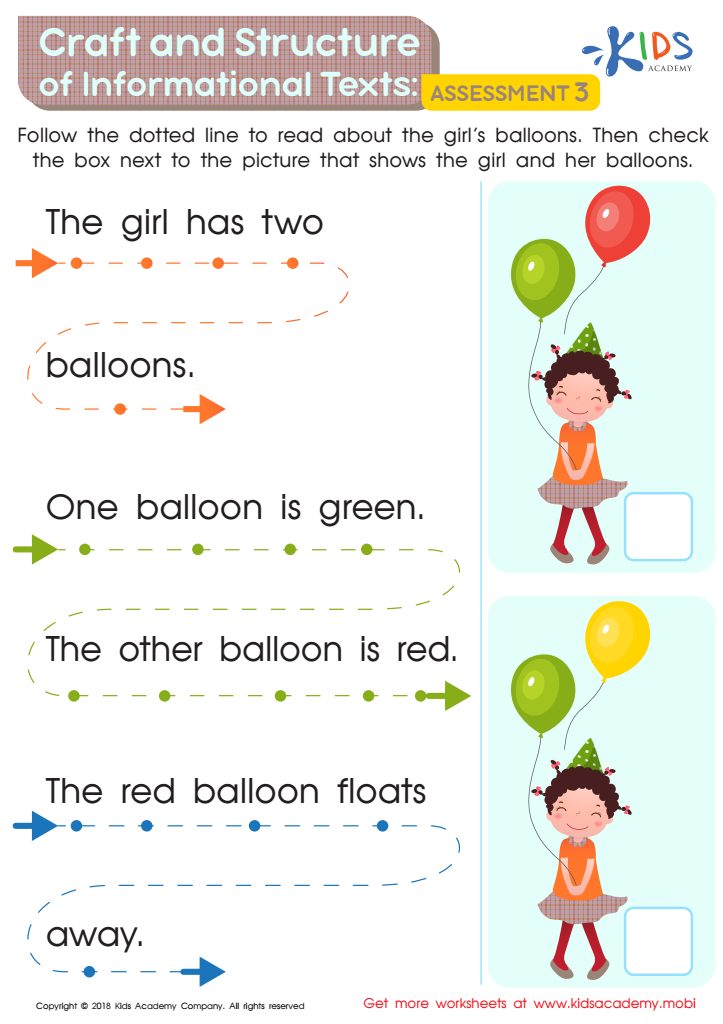
Craft and Structure of Informational Texts: Assessment 3 Worksheet







Parents and teachers should care about normal reading fiction for ages 3-6 because it plays a pivotal role in children's cognitive, emotional, and social development. At this crucial stage, engaging with fiction helps to ignite imagination and creativity, allowing children to envision scenarios beyond their immediate environment. Stories introduce young learners to diverse characters and experiences, enhancing empathy and broadening their understanding of the world.
Additionally, reading fiction fosters language skills as children encounter new vocabulary and sentence structures in context. This early exposure builds a solid foundation for literacy, essential for future academic success. It also stimulates critical thinking as children learn to follow plots, anticipate outcomes, and make predictions.
Moreover, fiction often addresses complex emotions, providing a safe space for children to explore their feelings. Through relatable characters, they learn to identify and articulate their own emotions, enhancing emotional intelligence.
Finally, shared reading experiences between parents, teachers, and children strengthen bonds and create a nurturing environment that fosters a lifelong love of reading. By prioritizing normal reading fiction, adults can profoundly influence children's development, setting them on a path toward both personal growth and academic achievement.







