Normal Animals Worksheets for Ages 3-6 - Page 2
26 filtered results
-
From - To
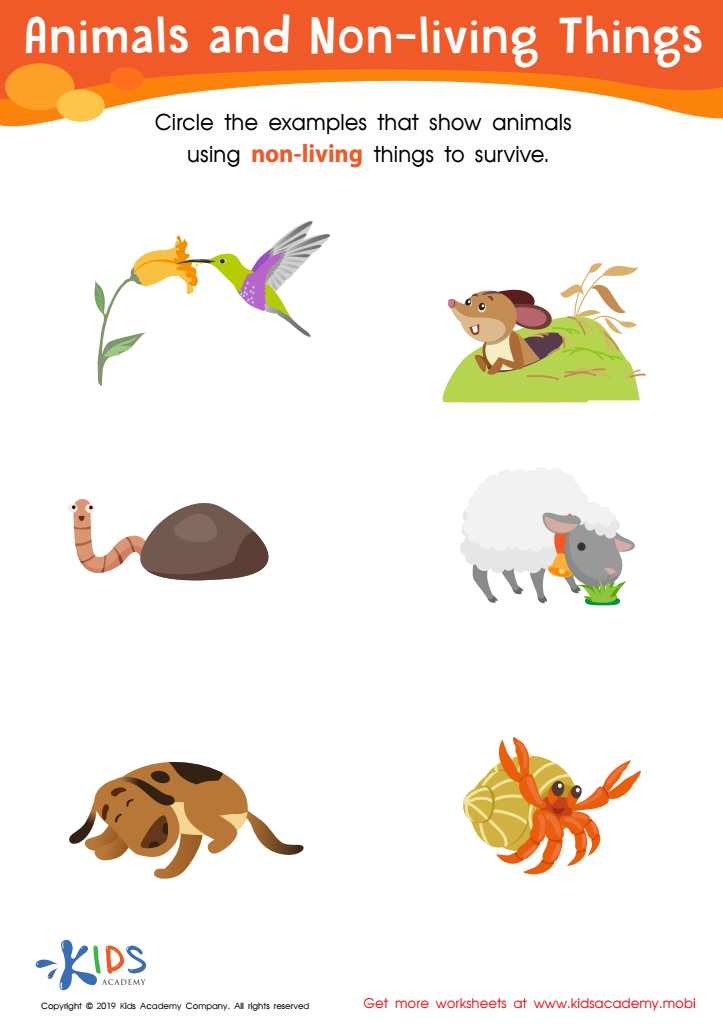
Animals and Non-Living Things Worksheet
 Assign to My Students
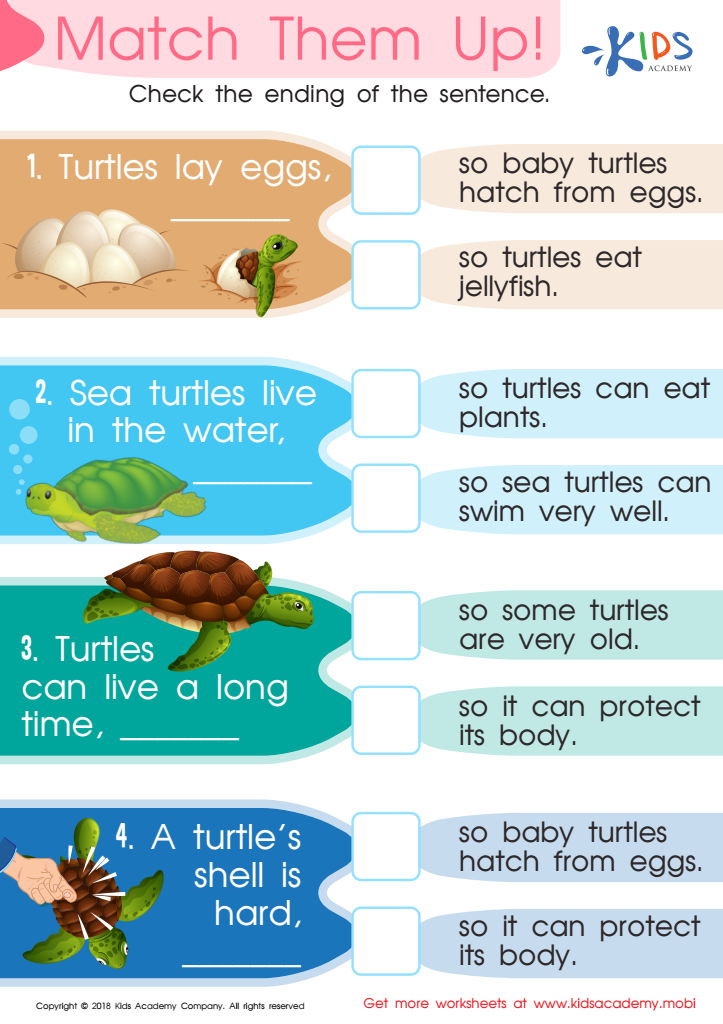
Match Them Up Worksheet



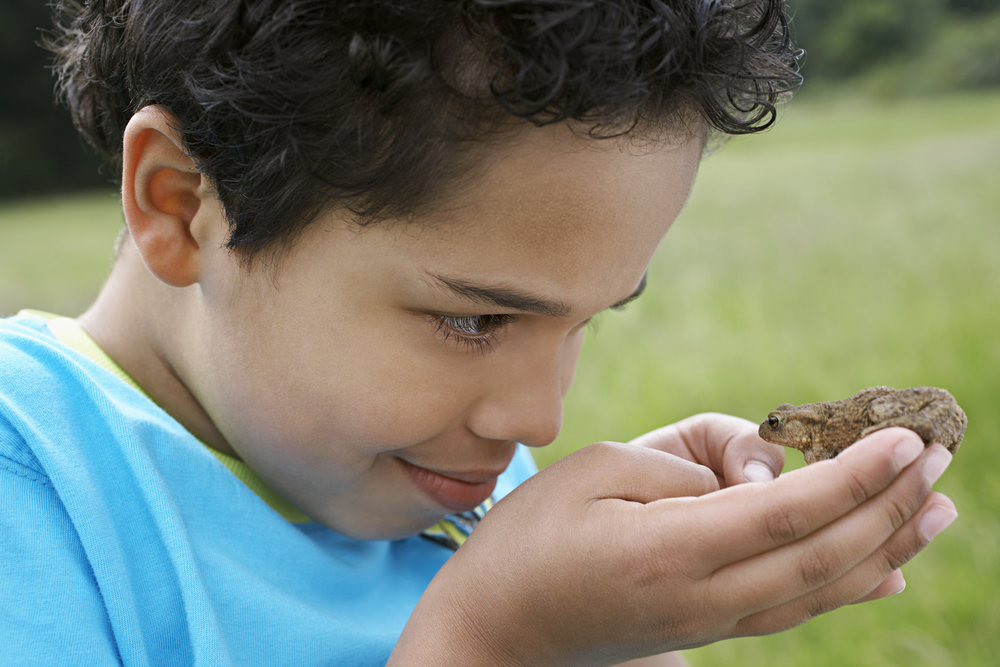


Parents and teachers should care about teaching young children about normal animals because it fosters a range of critical developmental skills. Understanding animal behaviors, characteristics, and habitats lays the foundation for building curiosity and empathy in children. When children learn about animals, they develop observational skills, which enhance their scientific thinking. Identifying and categorizing animals can also boost their vocabulary and language skills.
Moreover, knowledge about animals helps children understand the natural world, encouraging a love for nature and promoting environmental stewardship at an early age. This awareness can lead to a sense of responsibility toward animal welfare and conservation as they grow.
Engaging with normal animals through storytelling, songs, and hands-on activities can promote cognitive development and creativity. These activities stimulate imagination and encourage social skills through cooperative play. As children discuss animals and their traits, they enhance communication skills and emotional intelligence.
Additionally, addressing normal animals in education can bridge cultural gaps, as stories and facts about animals are often universal. Overall, engaging young children in learning about animals broadens their worldview, nurtures compassion, and equips them with essential life skills beneficial for their overall growth and development.








