Normal Beginning Sounds Worksheets for Ages 3-7
13 filtered results
-
From - To
Discover our engaging "Normal Beginning Sounds Worksheets" designed specifically for children ages 3-7. These worksheets help young learners develop essential phonemic awareness by focusing on the initial sounds of letters. Interactive and colorful, they promote early reading skills and phonics through fun activities like tracing, coloring, and sound-identification exercises. Each worksheet is tailored to enhance vocabulary and boost confidence in recognizing letter sounds. Ideal for both classroom and home use, our resources provide a structured approach for teachers and parents to support essential literacy development. Access our collection today and make learning foundational sounds enjoyable for your little ones!
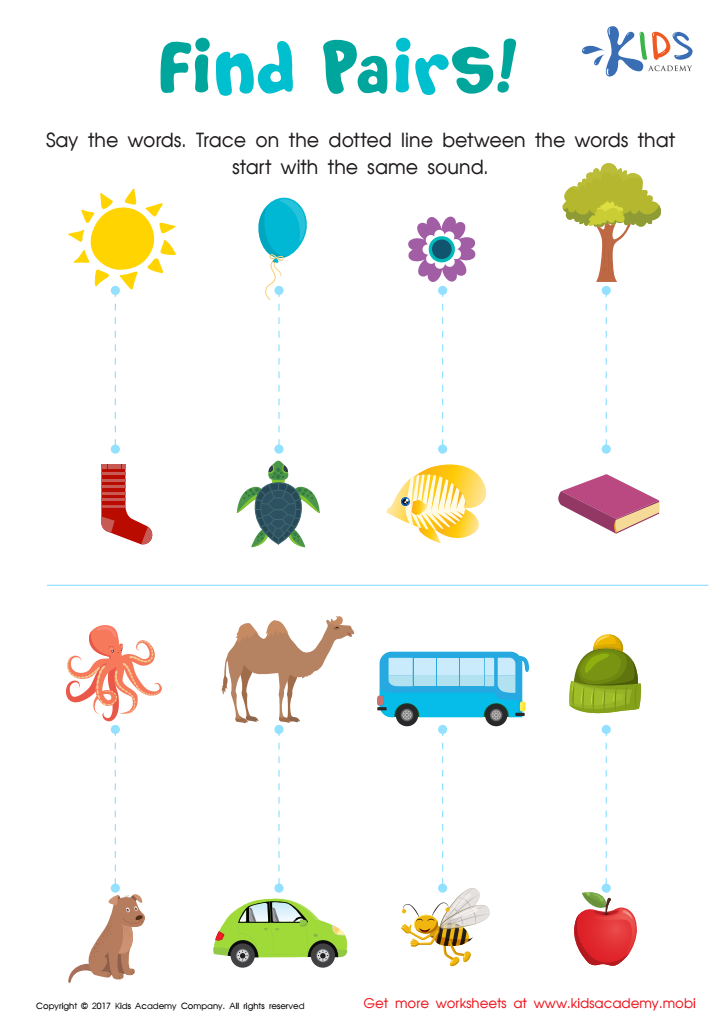
Beginning Sound: Find Pairs Worksheet
 Assign to My Students
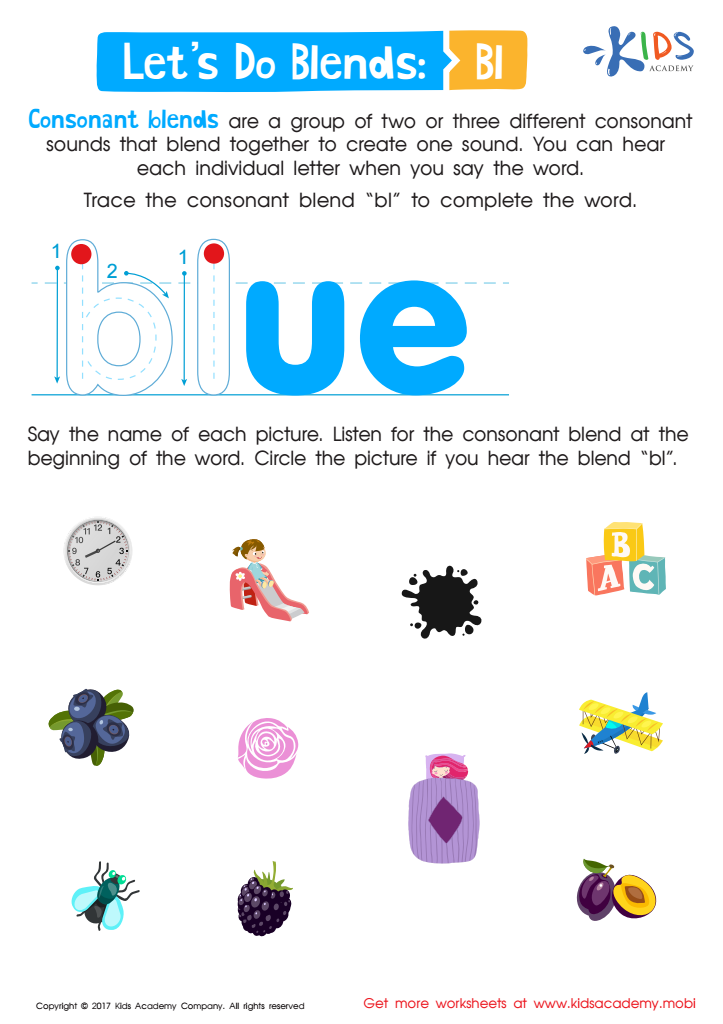
Beginning Blends: "Bl" Words Worksheet
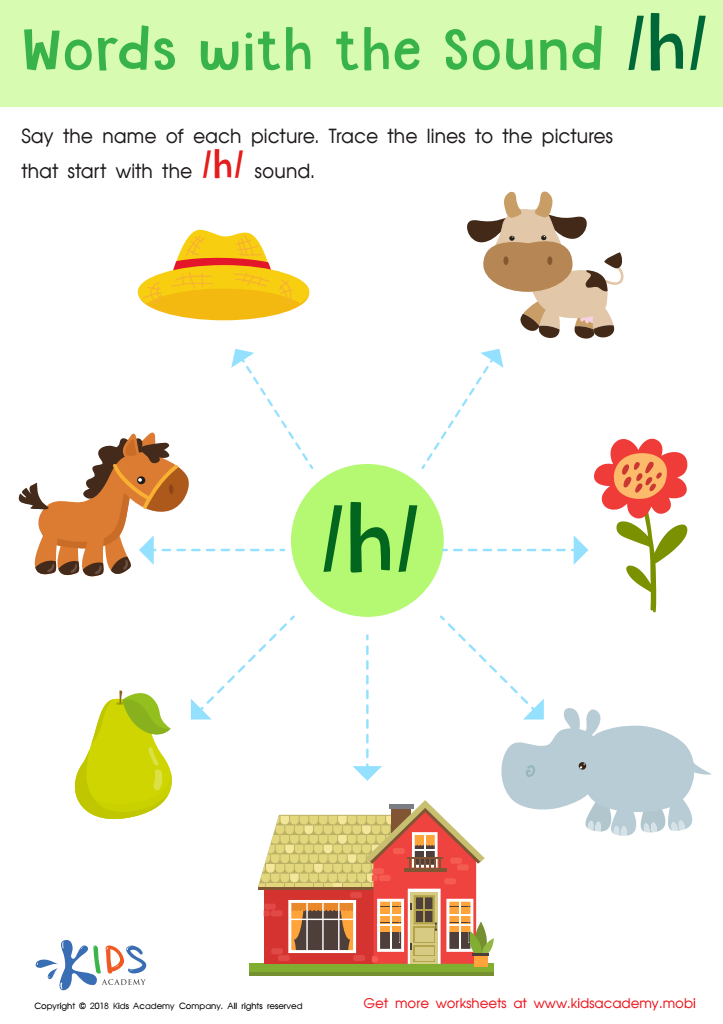
Words with sound h Reading Worksheet
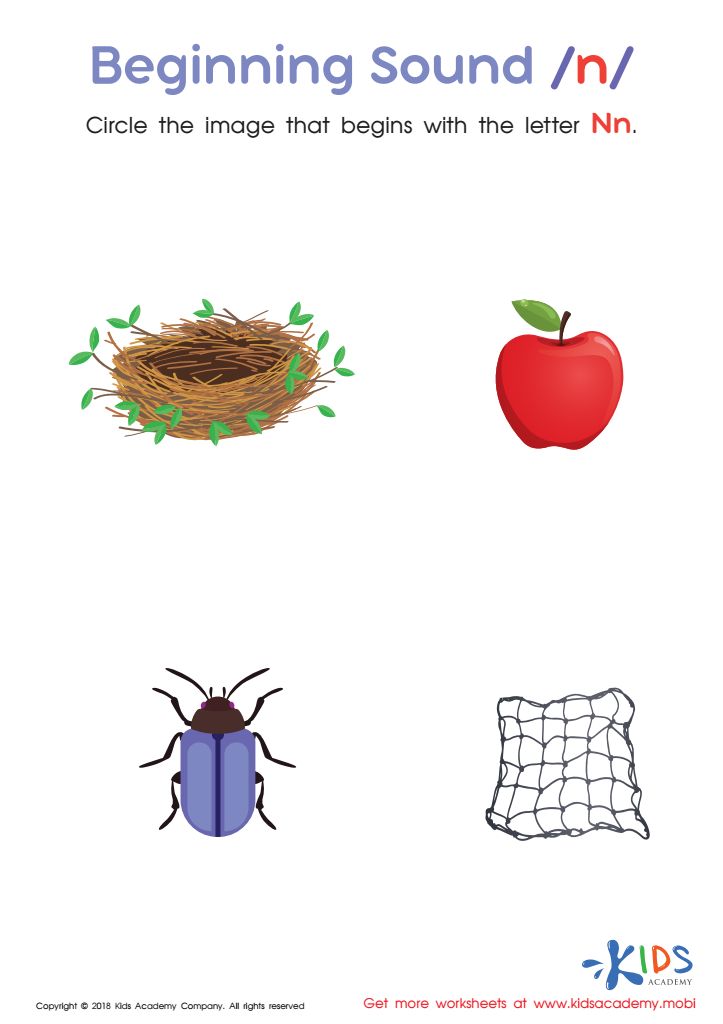
Beginning Sound «n» Worksheet
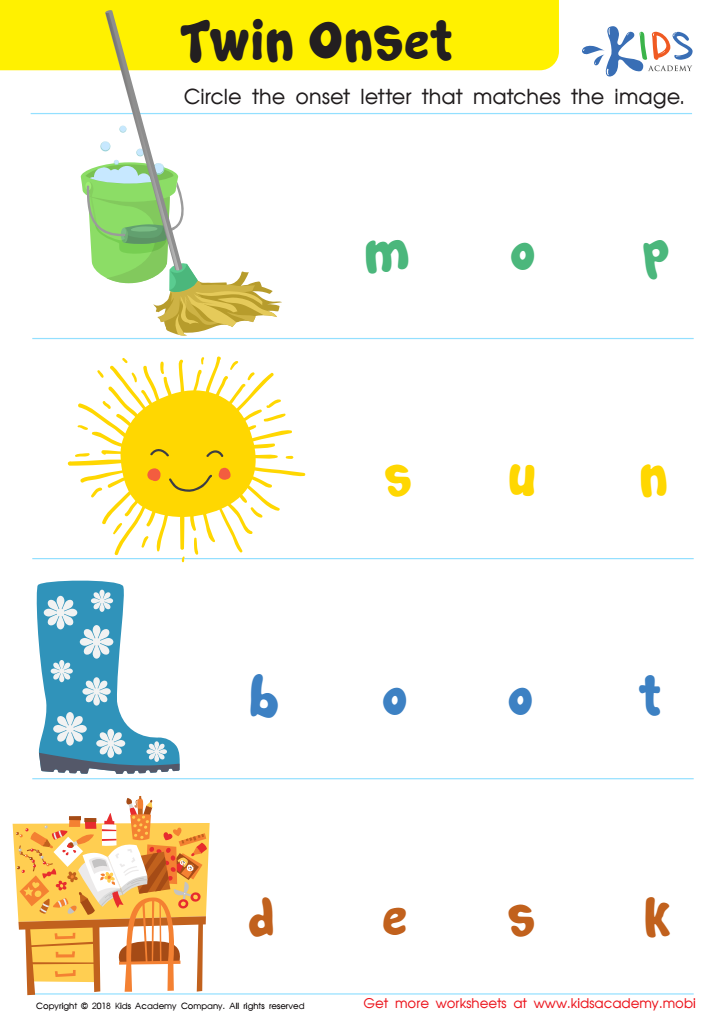
Twin Onset Worksheet
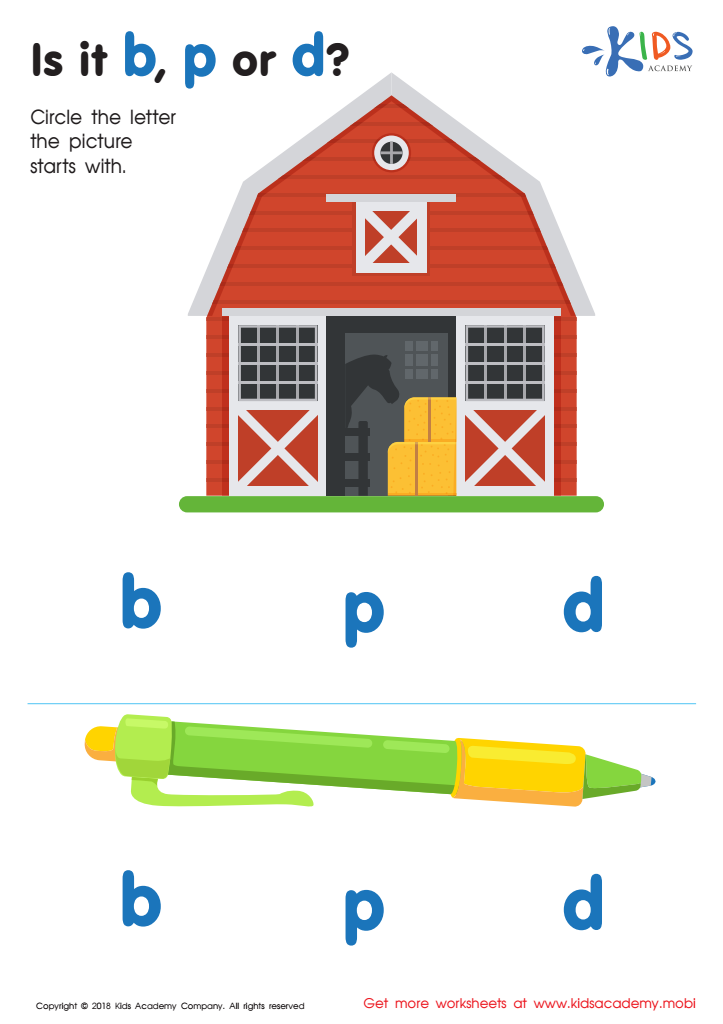
Is it b, p or d? Worksheet
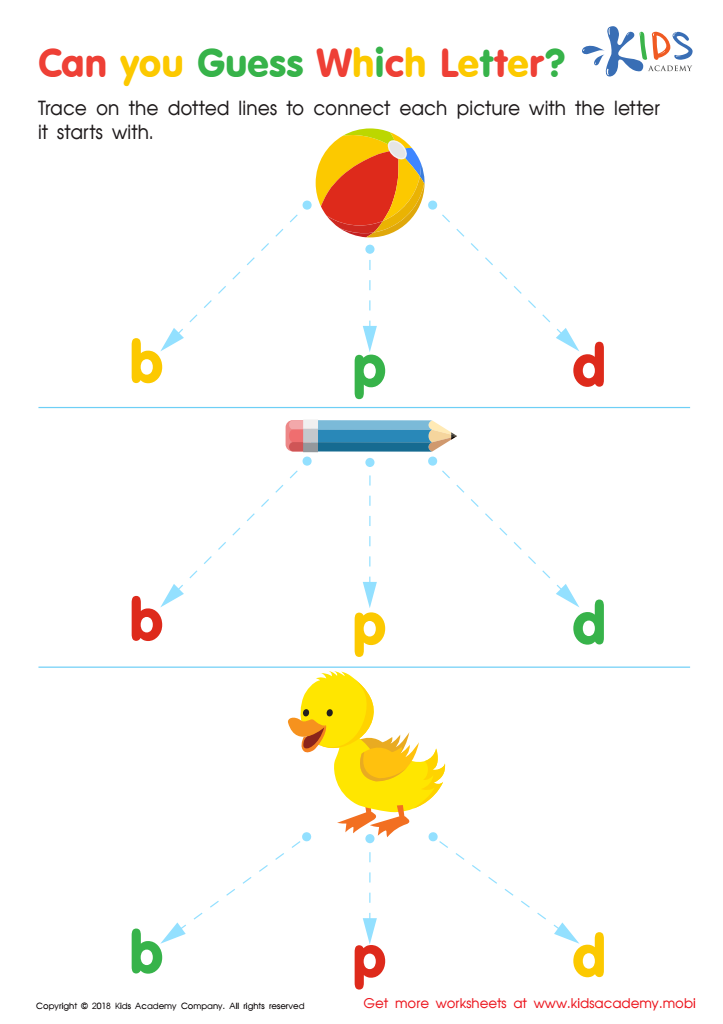
Can you Guess Which Letter? Worksheet
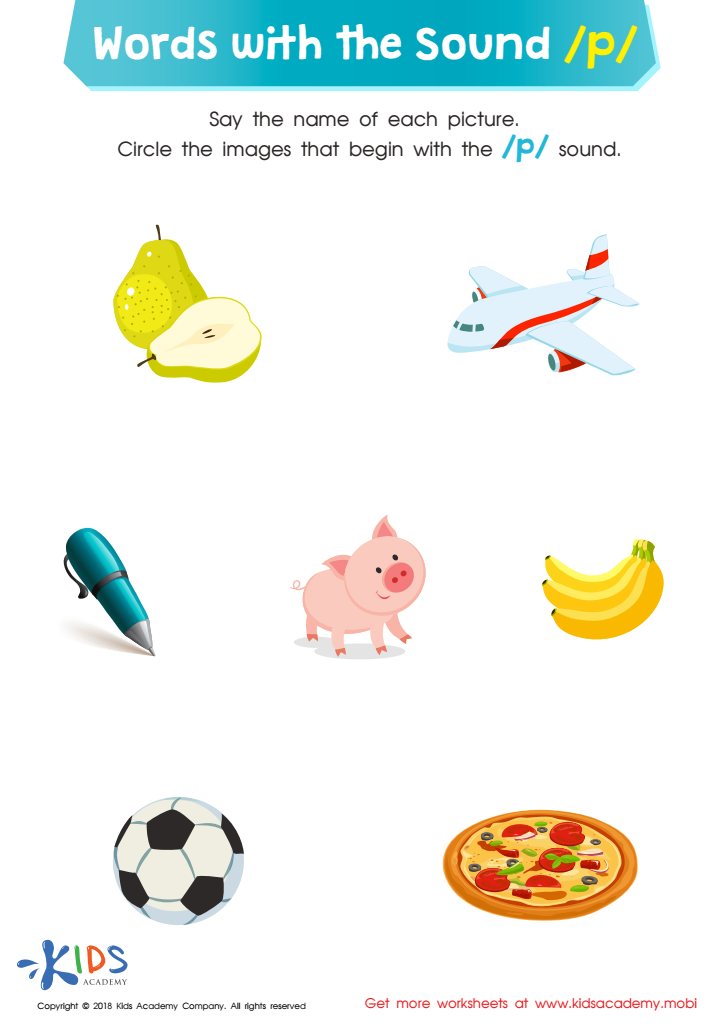
Words with sound p Reading Worksheet
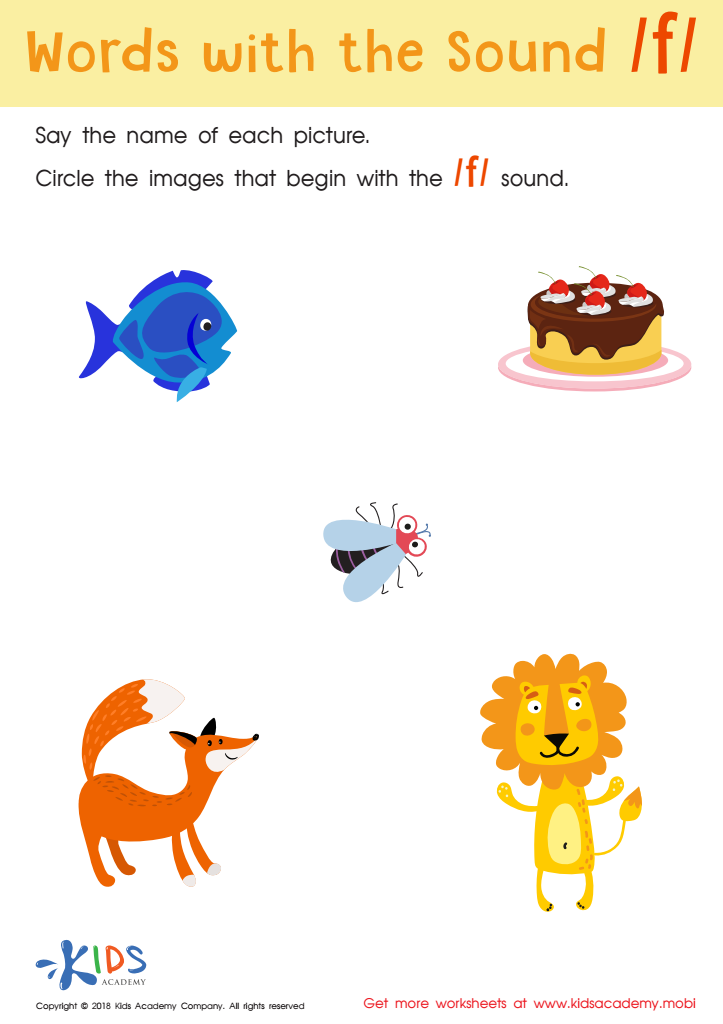
Words with sound f Reading Worksheet
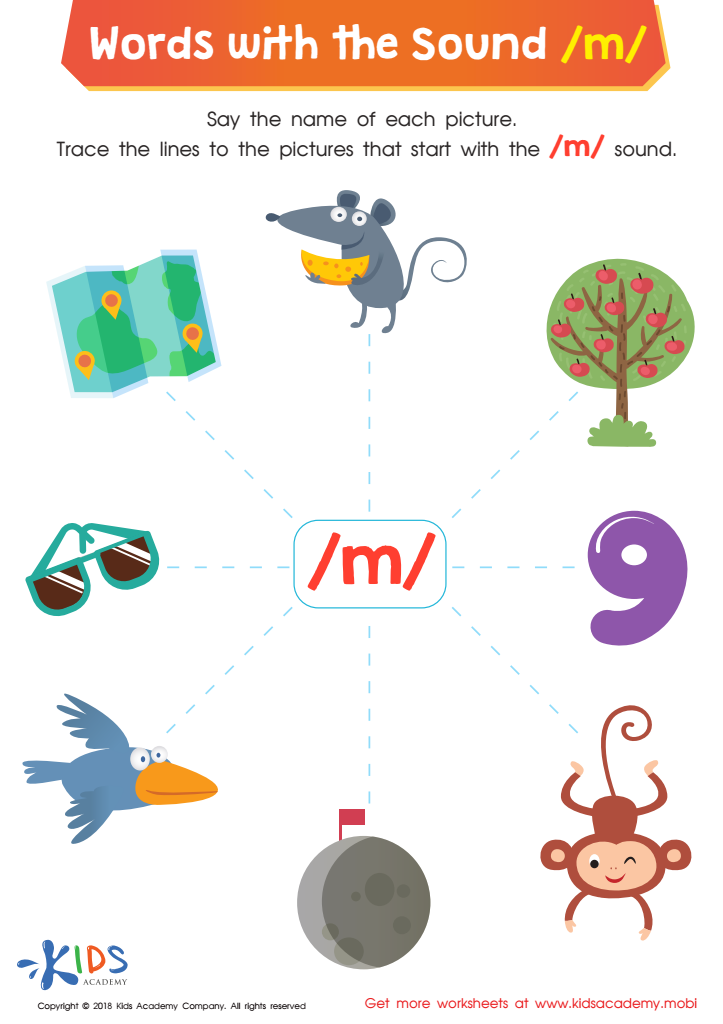
Words with Sound M Reading Worksheet
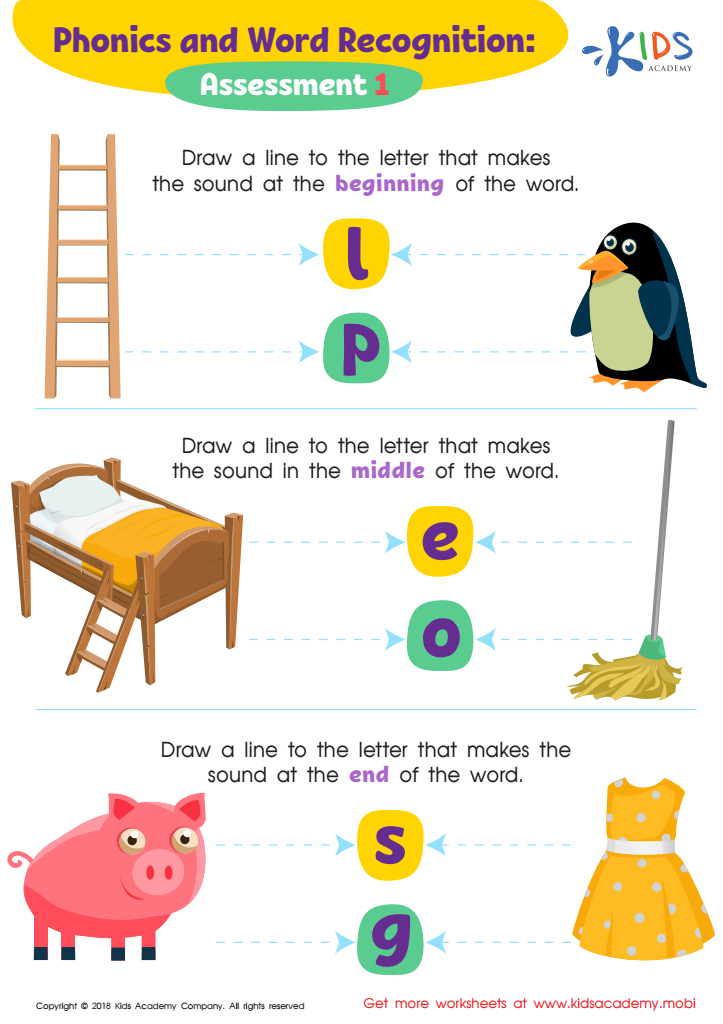
Phonics and Word Recognition: Assessment 1 ELA Worksheet
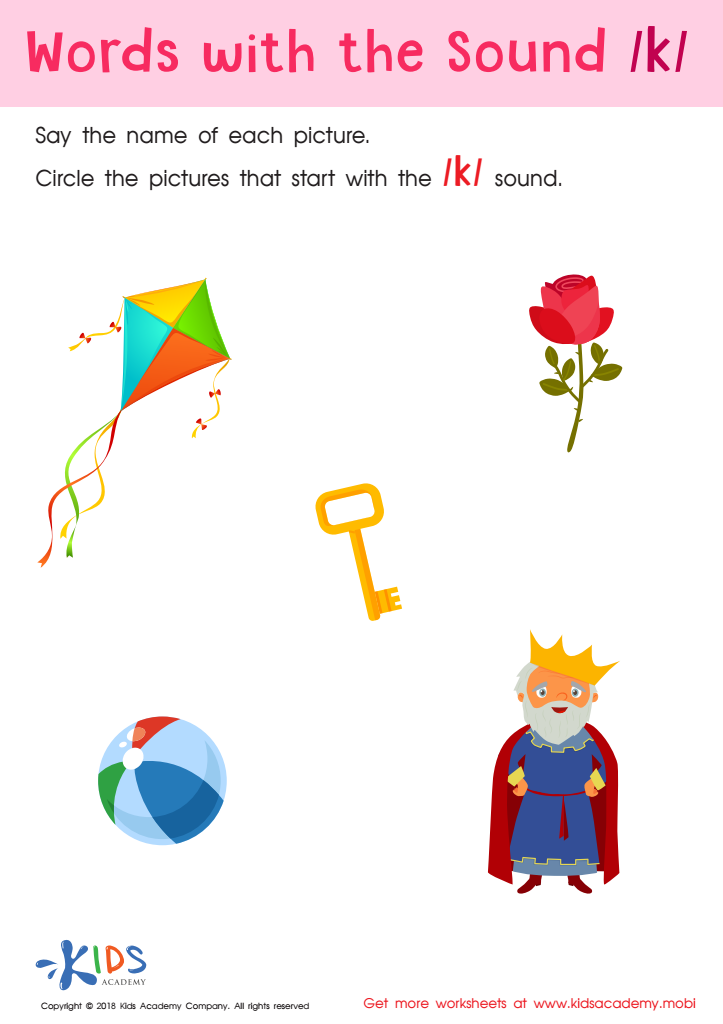
Words with sound k Reading Worksheet
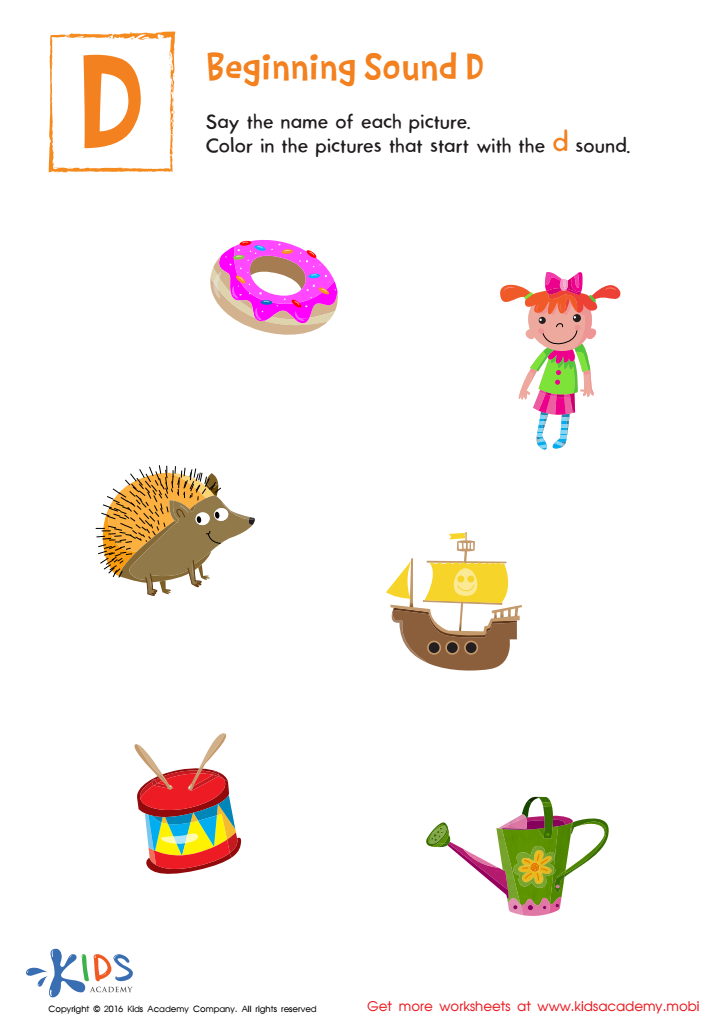
Beginning Sound D Worksheet








Normal beginning sounds, also known as initial sounds or phonemes, are crucial for young children's literacy development. For children aged 3-7, recognizing and producing these sounds lays the foundation for reading and writing skills. As parents and teachers, understanding this importance allows for targeted support in language acquisition.
First, identifying beginning sounds enhances phonemic awareness, which is the ability to hear and manipulate sounds in spoken language. This skill is essential as it correlates strongly with later reading success. Children who can identify initial sounds more easily will often find it easier to decode words when they start reading.
Additionally, engaging children in activities that focus on beginning sounds fosters vocabulary development and improves overall communication skills. Fun activities, such as rhyming games or sound matching, not only make learning enjoyable but also reinforce essential language concepts.
Lastly, early mastery of beginning sounds can boost children’s confidence as they embark on their literacy journey. When children can recognize and create sounds, they feel empowered, which inspires a positive attitude towards learning. Therefore, parents and teachers must prioritize this aspect of early education to ensure children have the best foundation for their future literacy success.







