Normal Upper & Lowercase Letters Worksheets for Ages 3-7 - Page 2
44 filtered results
-
From - To
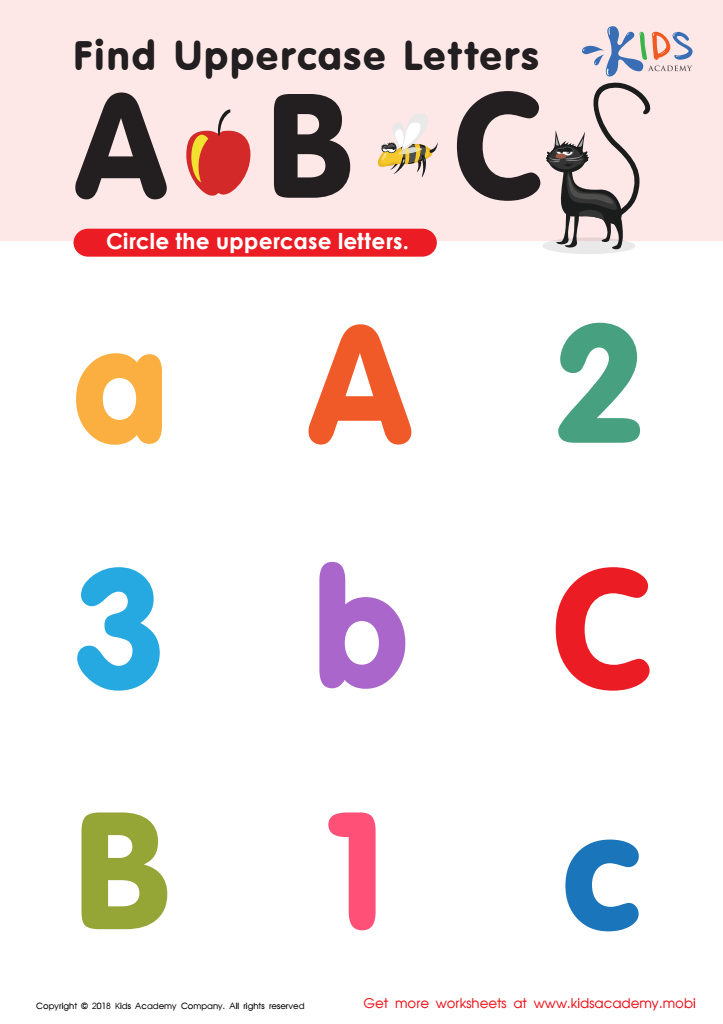
Find Uppercase Letters A, B, and C Worksheet
 Assign to My Students
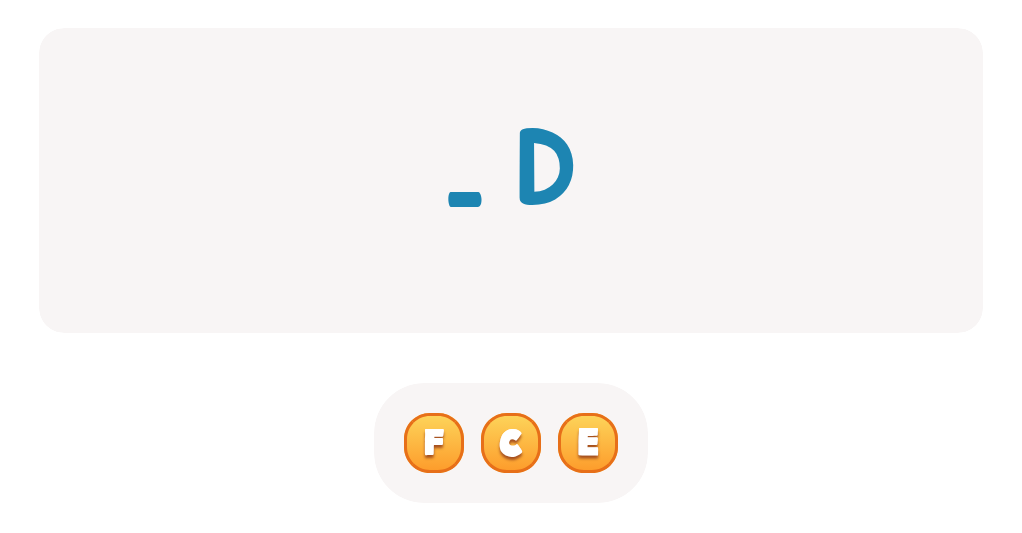

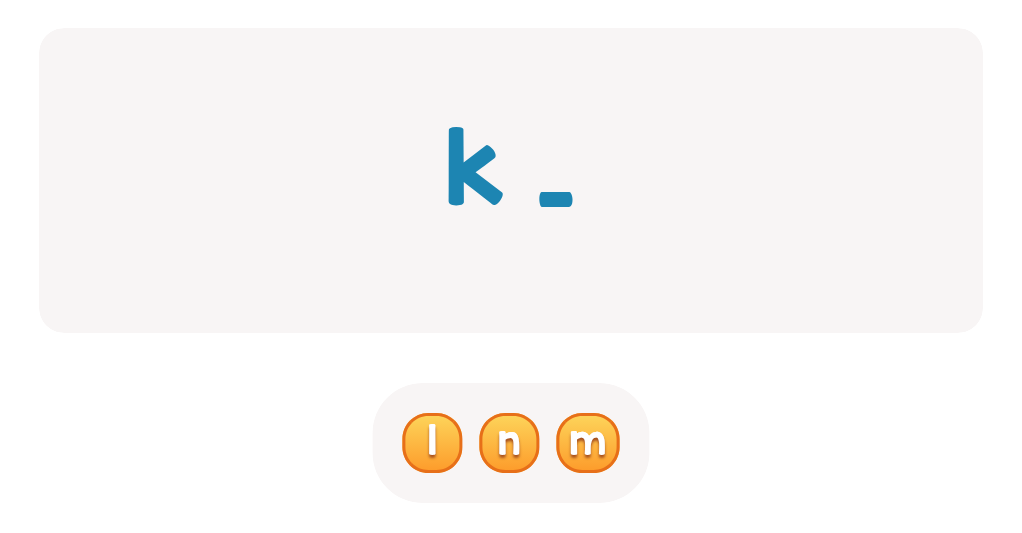
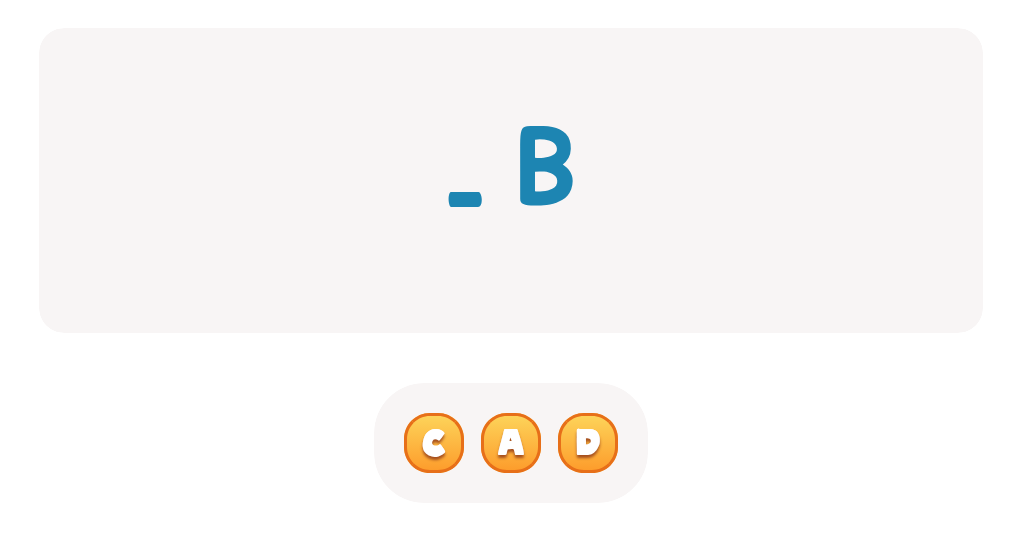

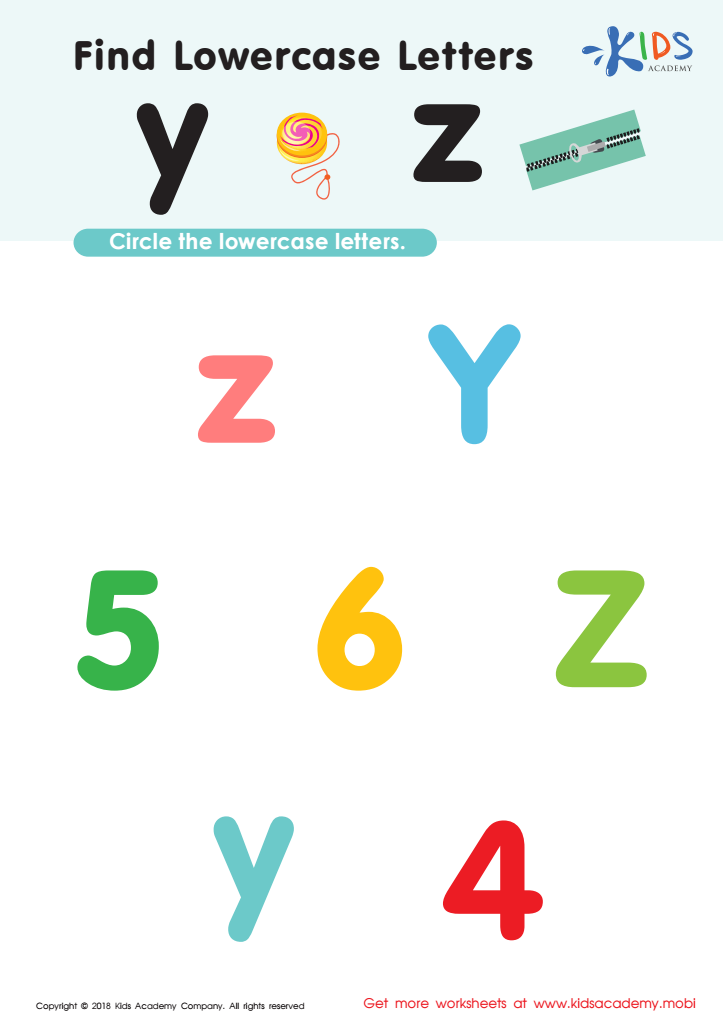
Find Lowercase Letters y z Worksheet
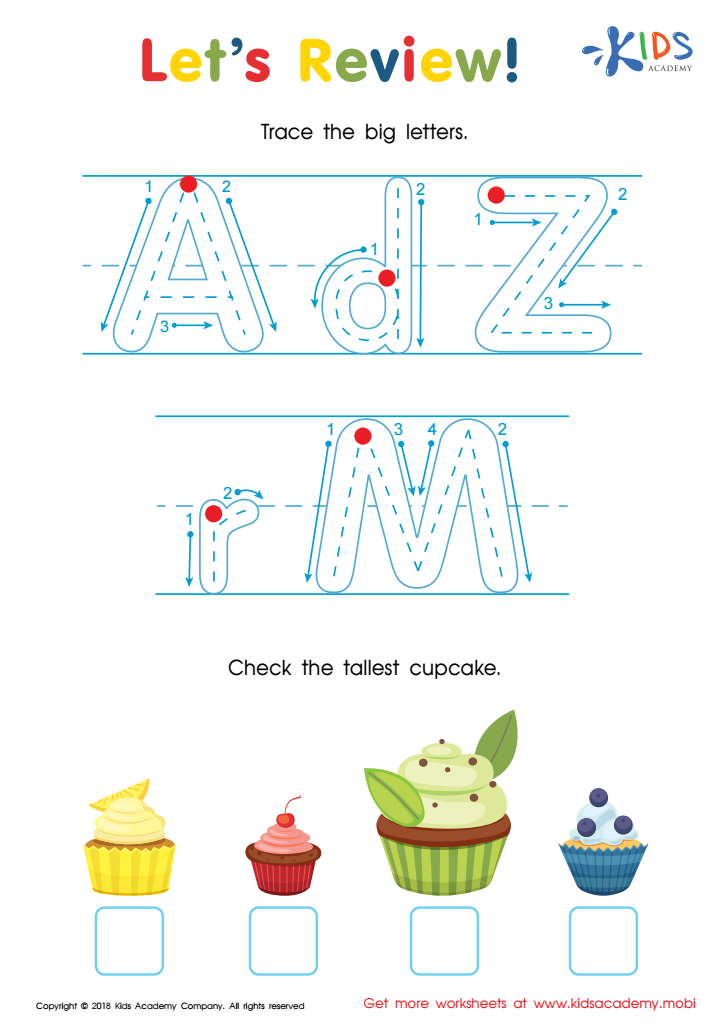
Let's Review! Big Letters Worksheet
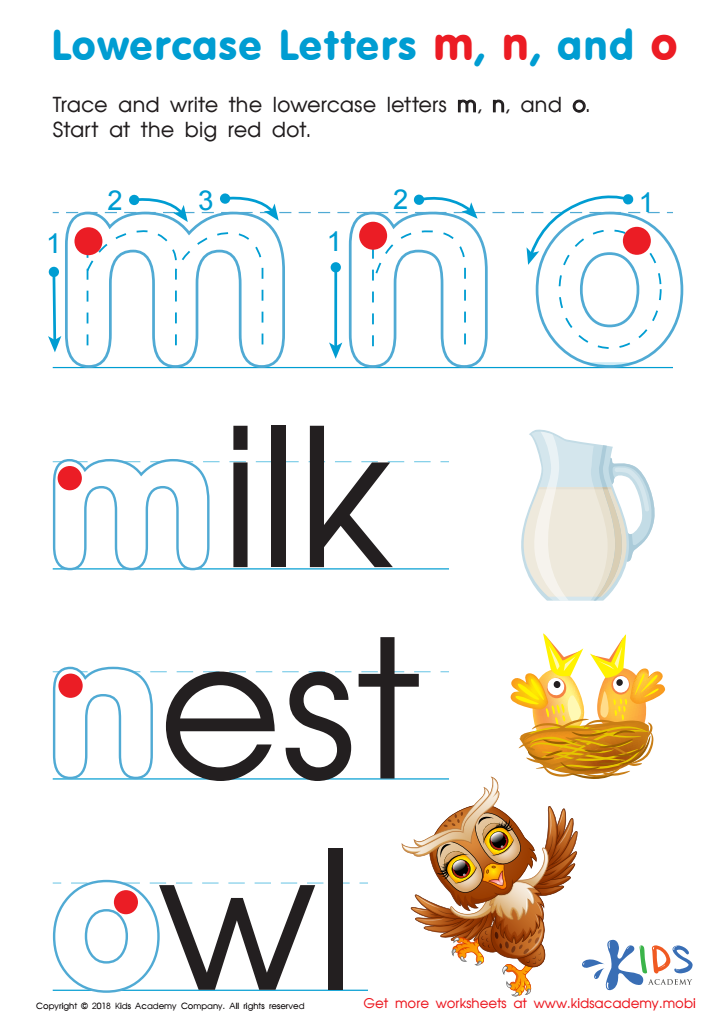
Lowercase Letters m n o Worksheet
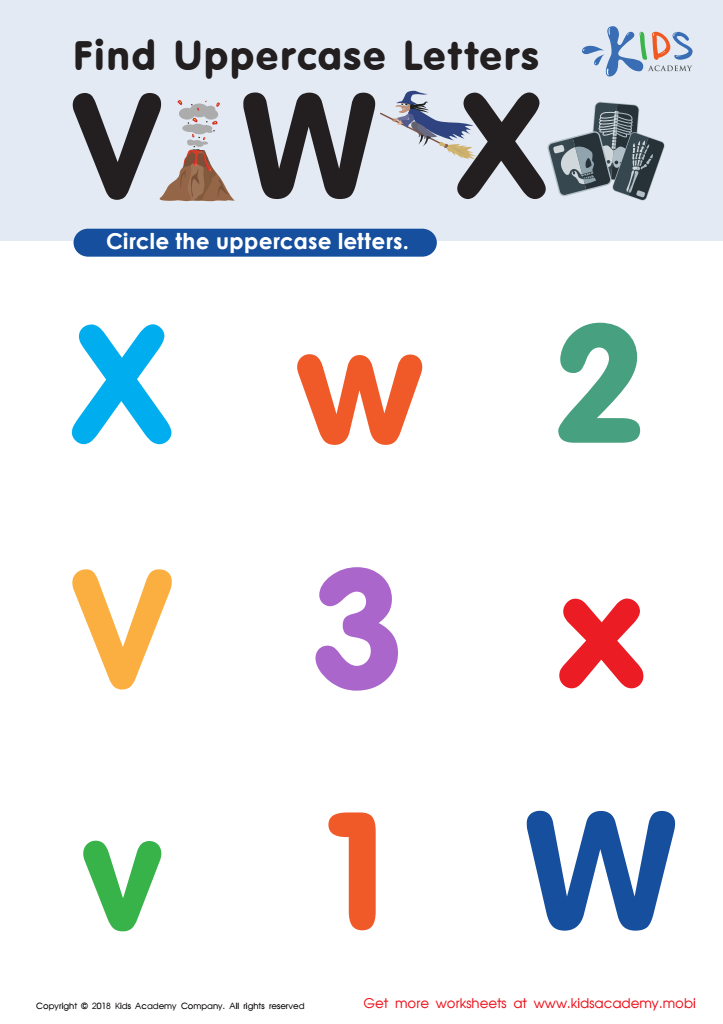
Find Uppercase Letters V, W, X Worksheet
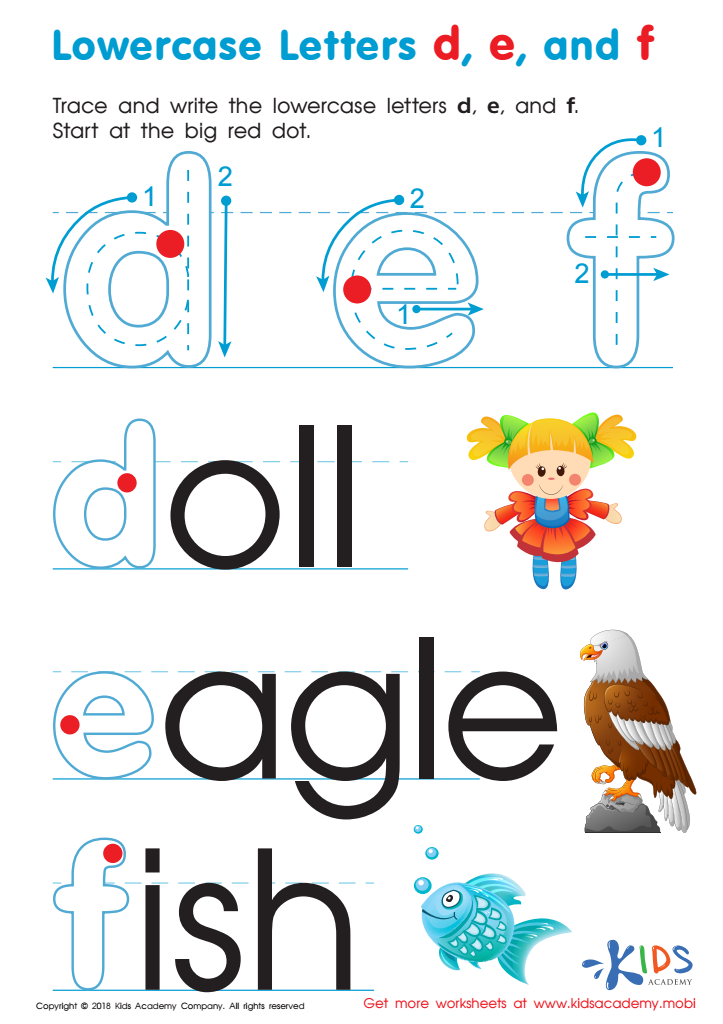
Lowercase Letters d e f Worksheet
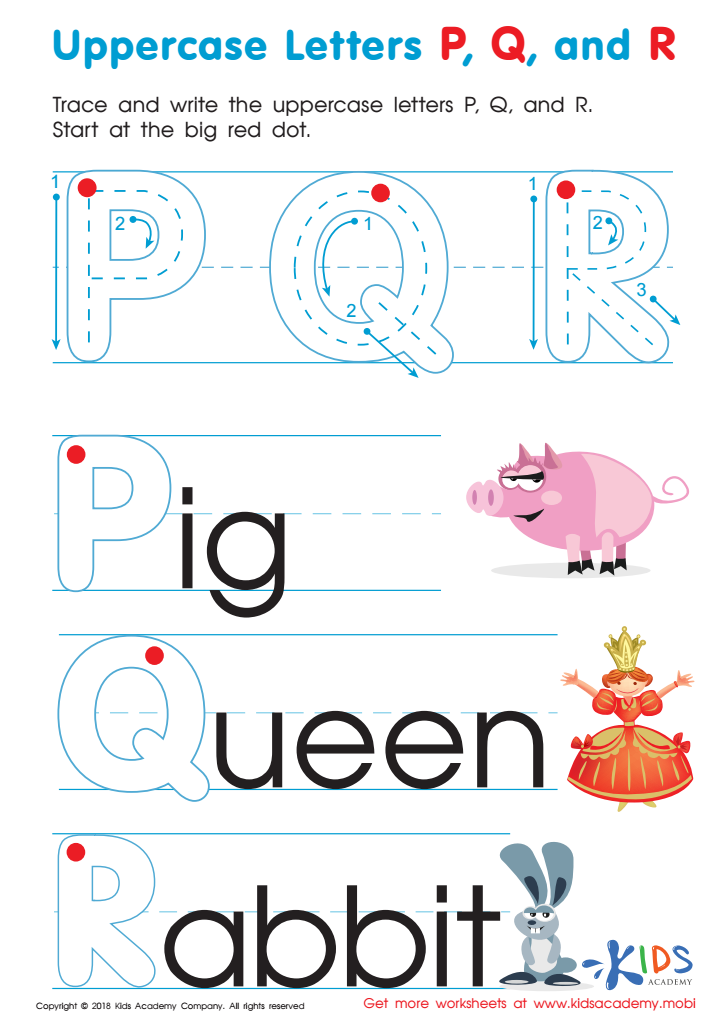
Uppercase Letters P, Q, and R Worksheet
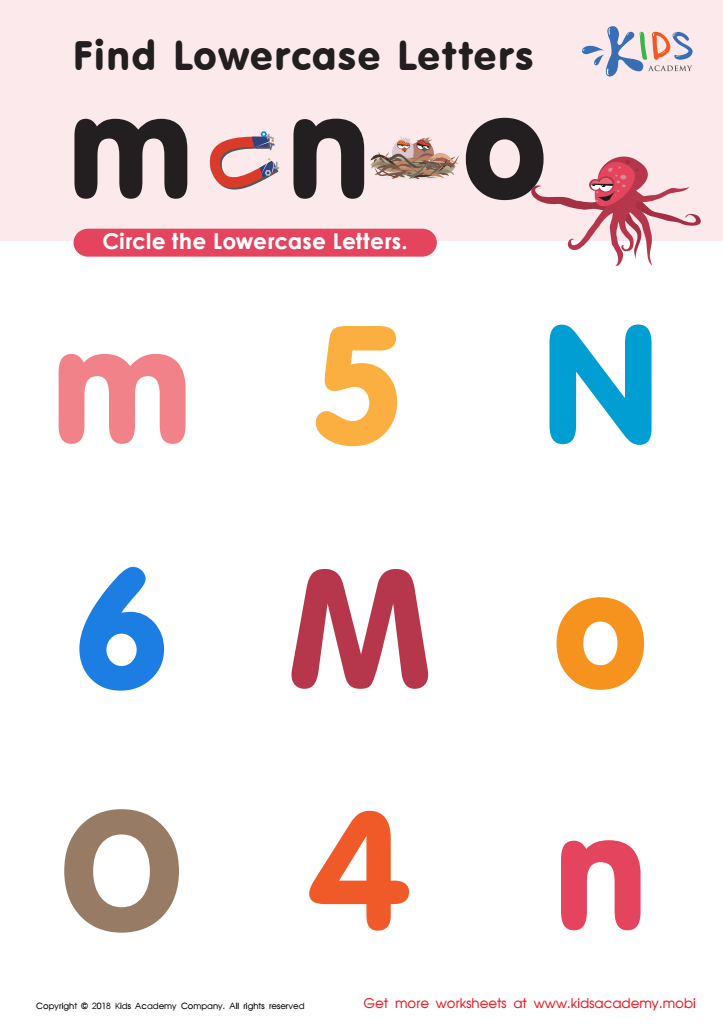
Find Lowercase Letters m n o Worksheet
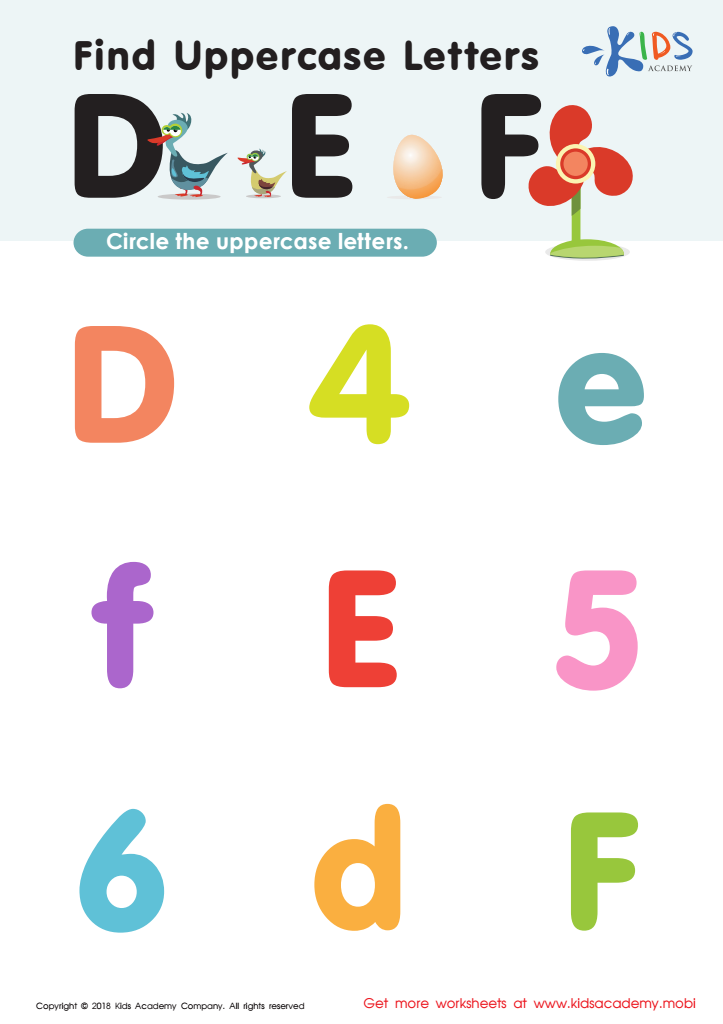
Find Uppercase Letters D, E, and F Worksheet
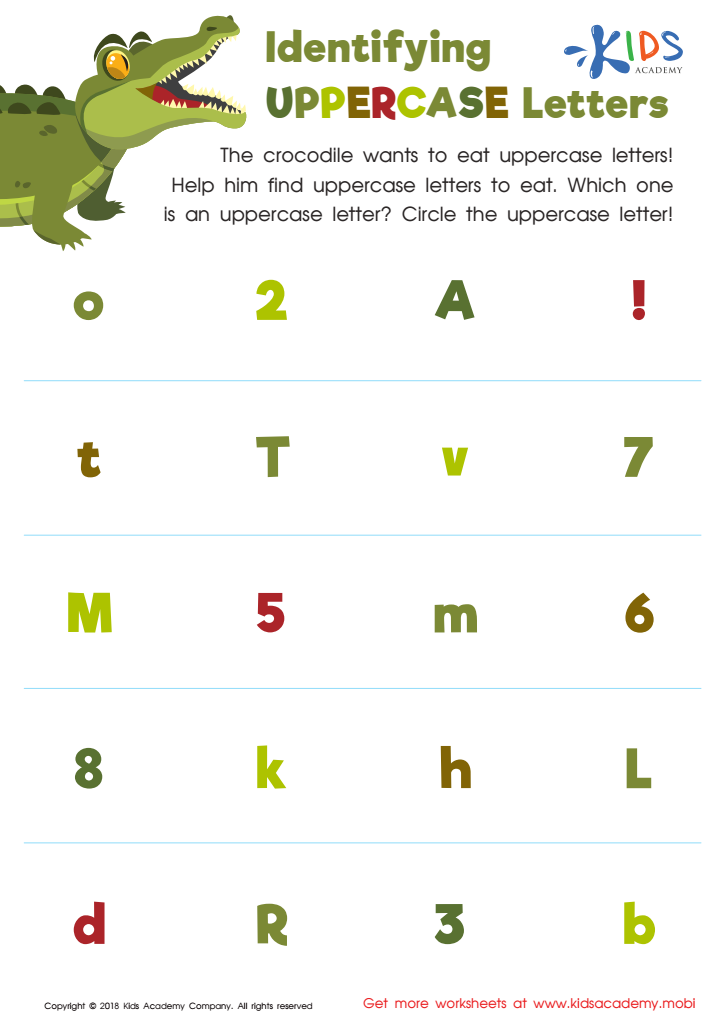
Identifying Uppercase Letters Worksheet
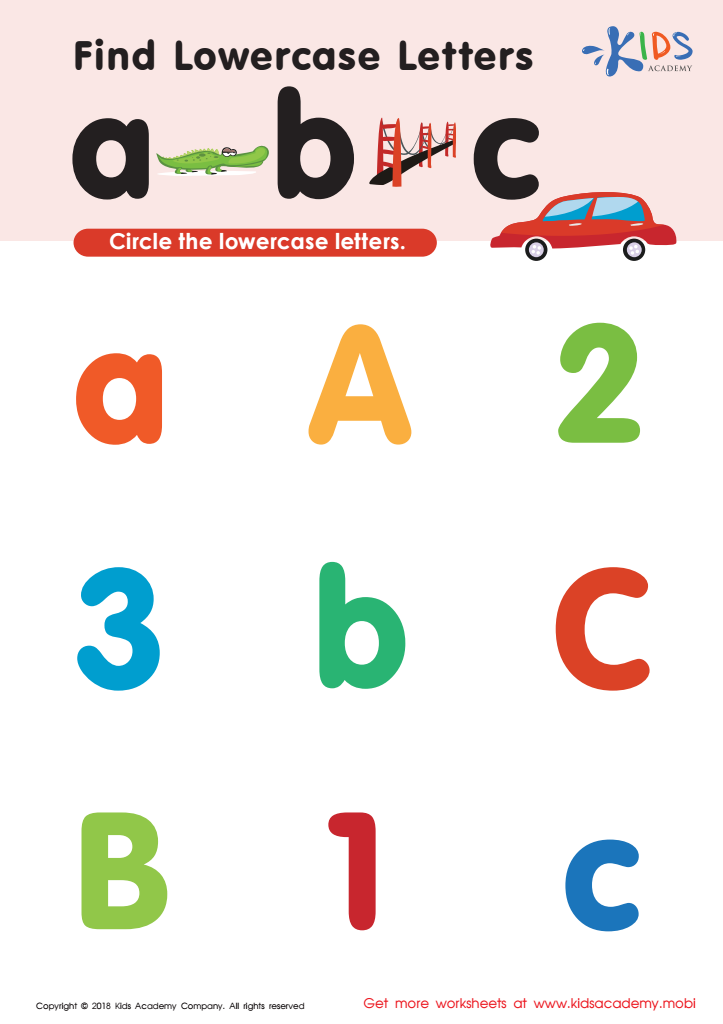
Find lowercase letters a b c Worksheet
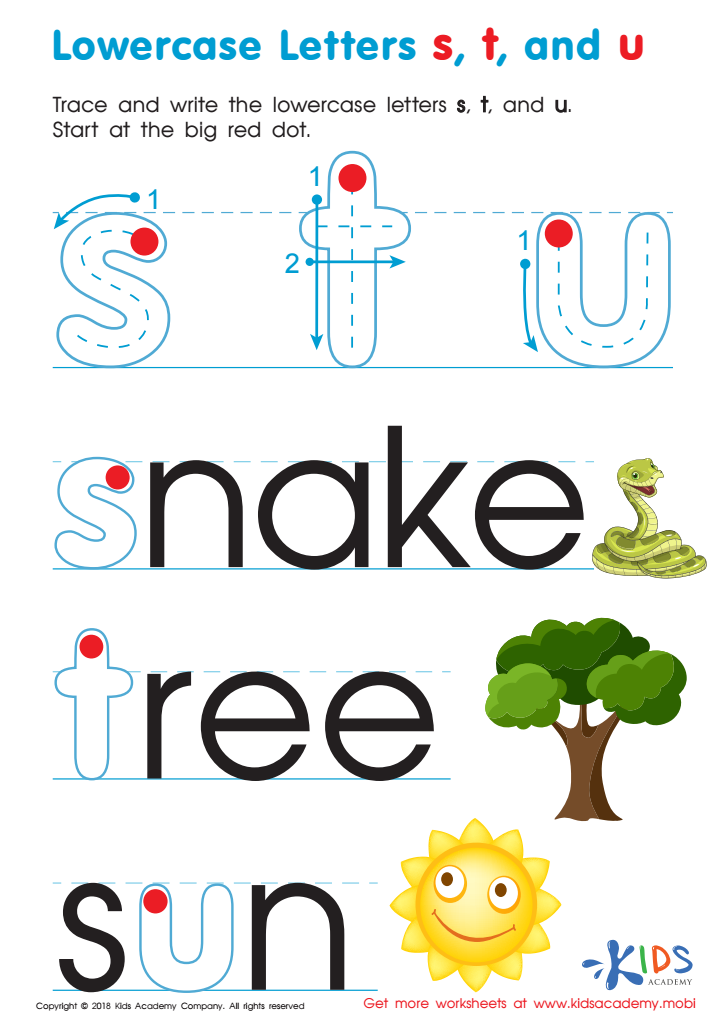
Lowercase Letters s t u Worksheet
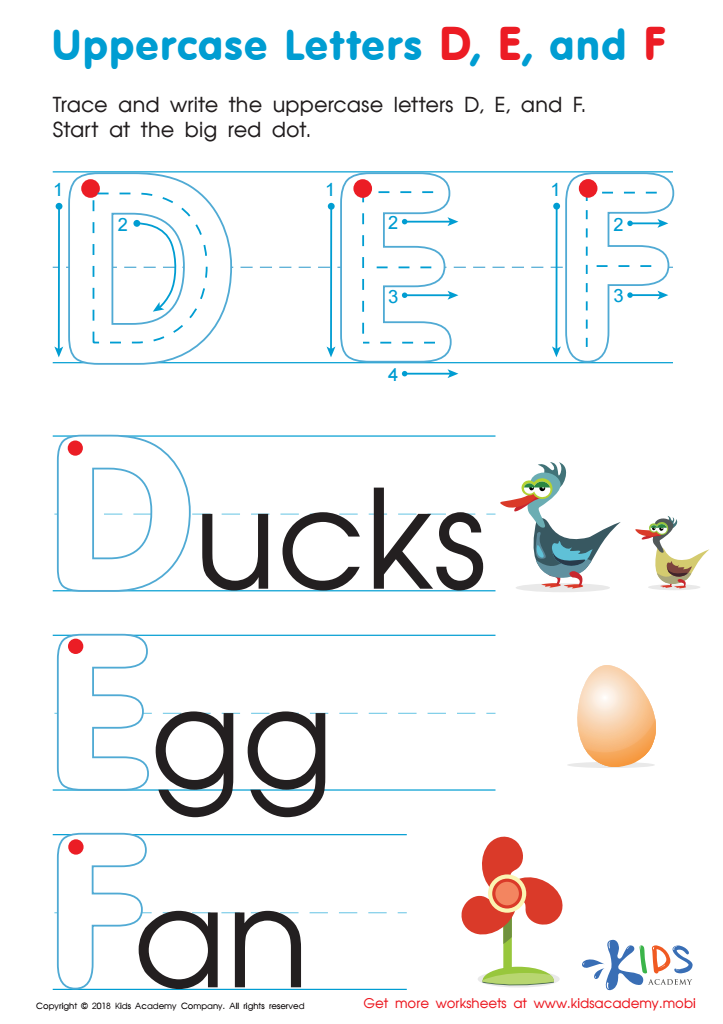
Uppercase Letters D, E, and F Worksheet
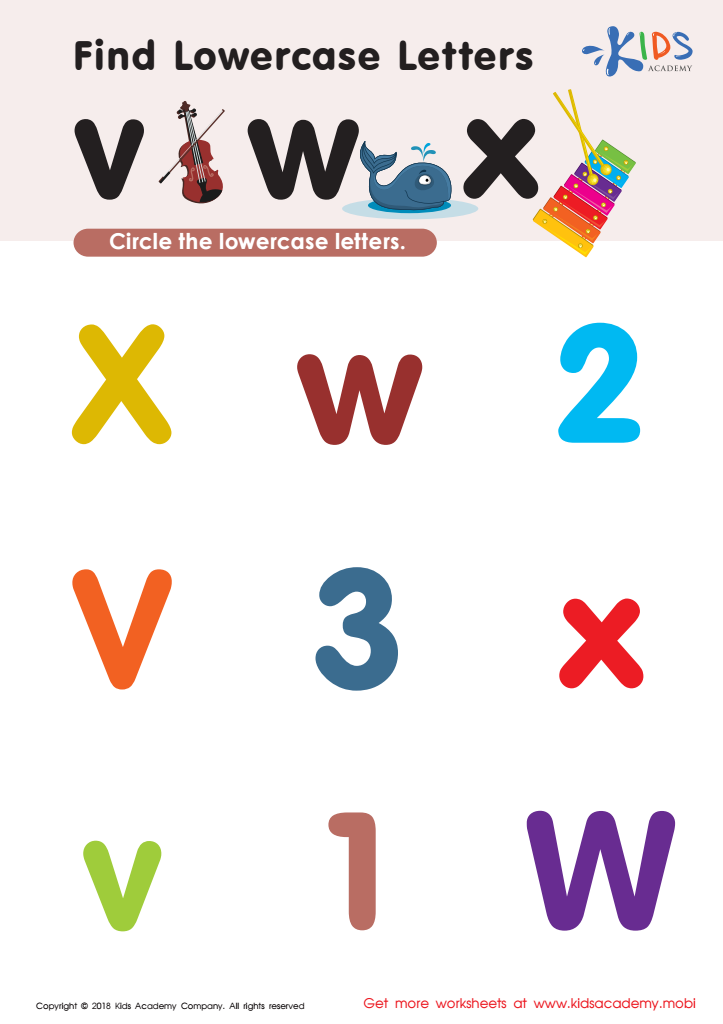
Find Lowercase Letters v w x Worksheet
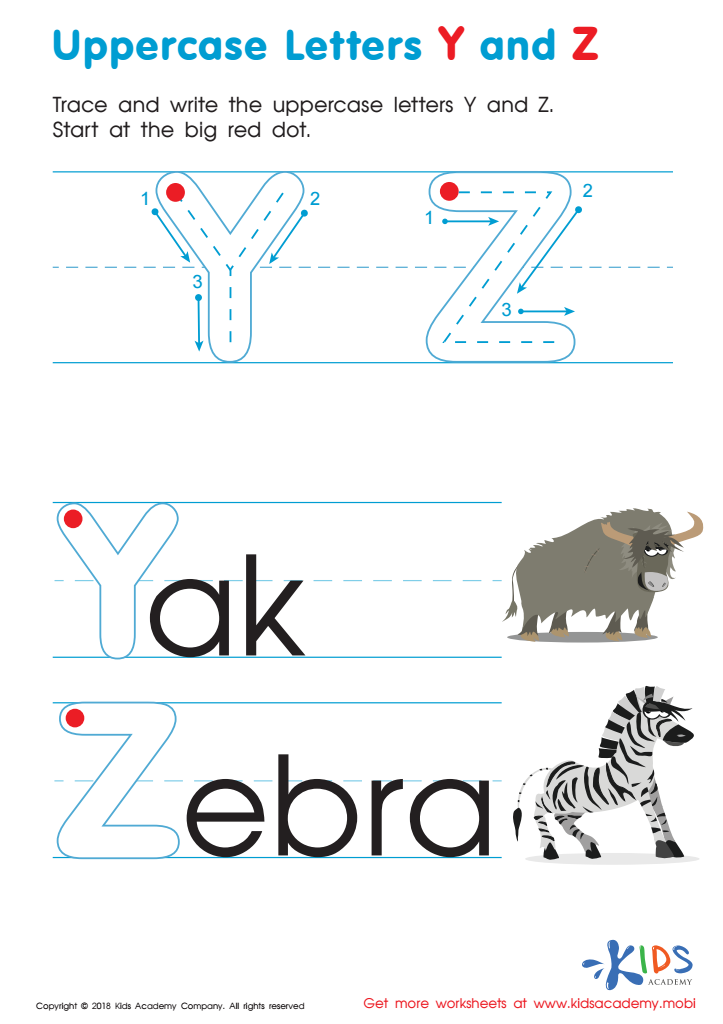
Uppercase Letters Y Z Worksheet
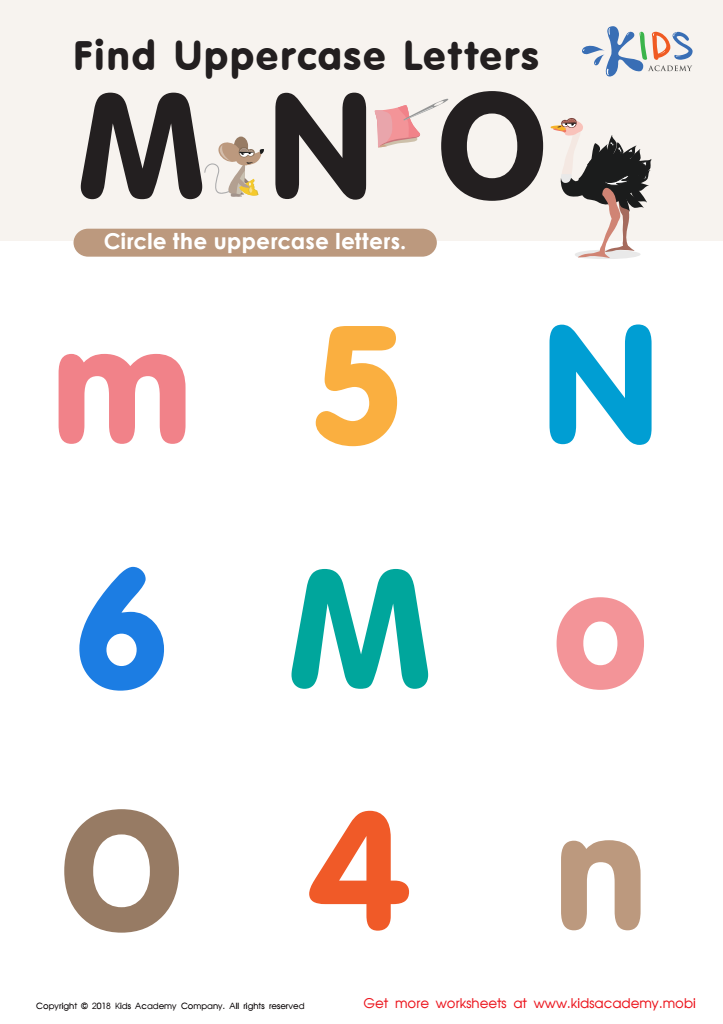
Find Uppercase Letters M, N, and O Worksheet
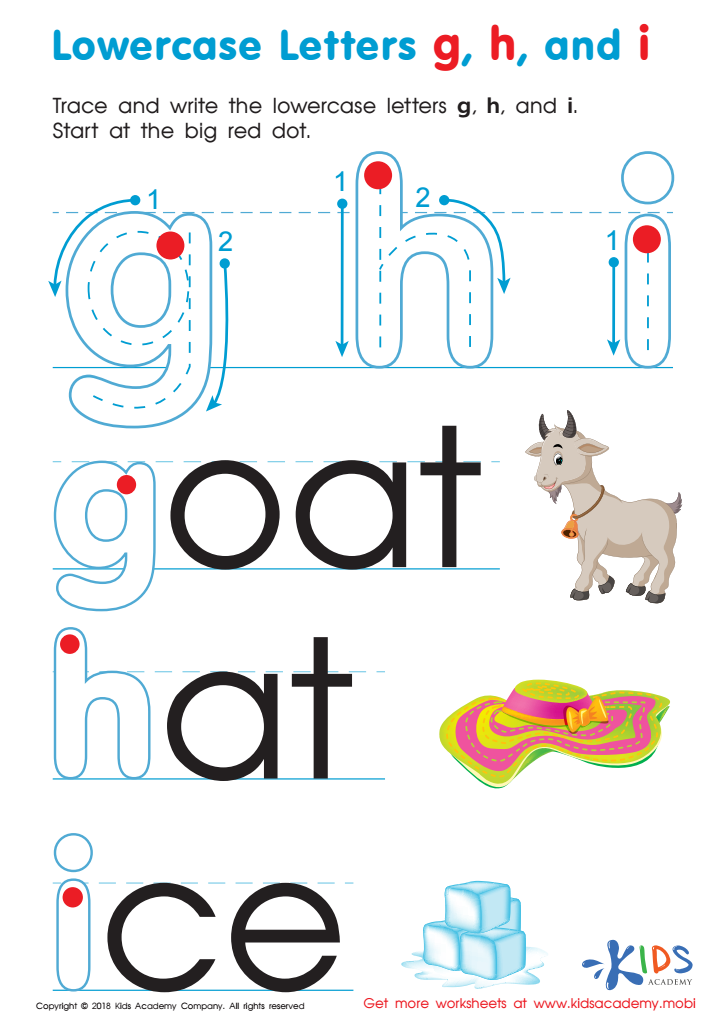
Lowercase Letters g h i Worksheet
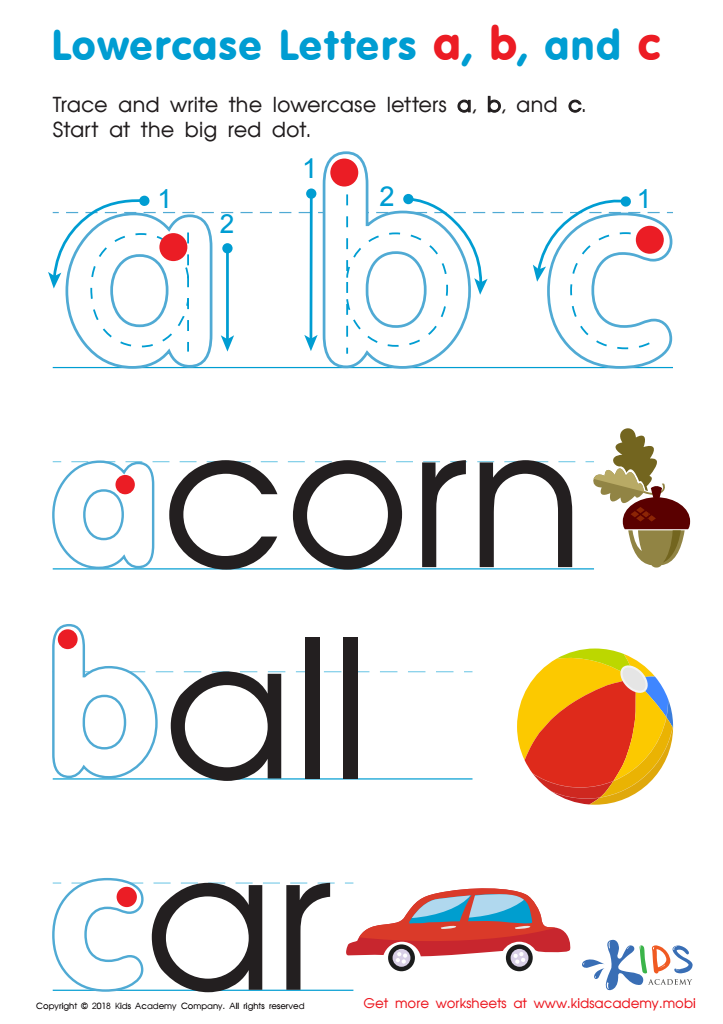
Lowercase Letters a b c Worksheet
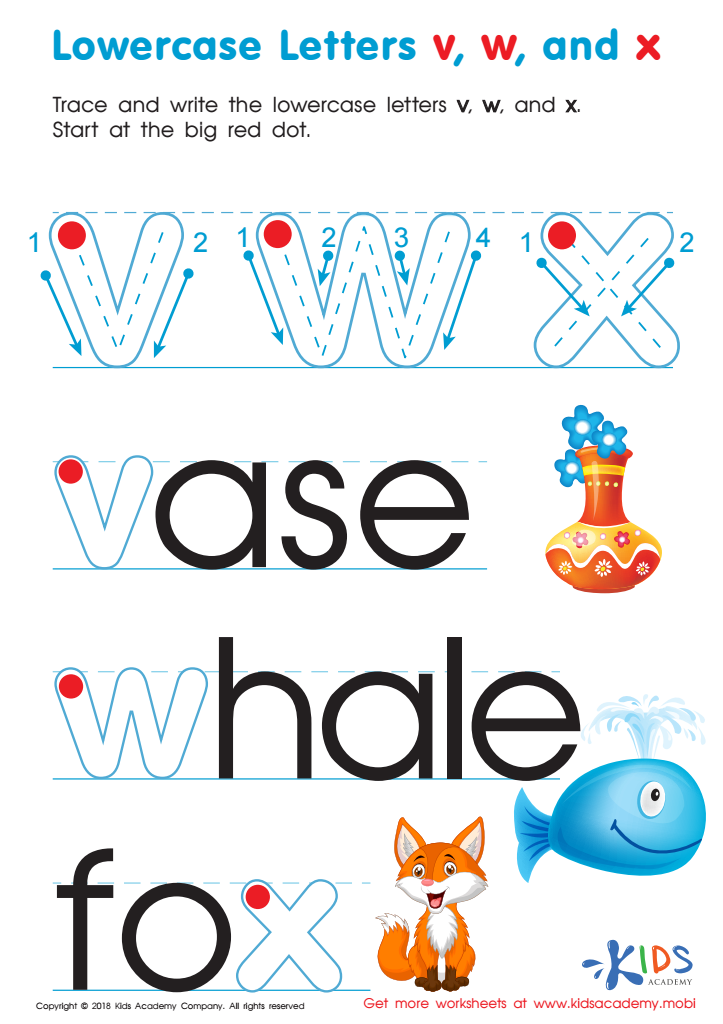
Lowercase Letters v w x Worksheet
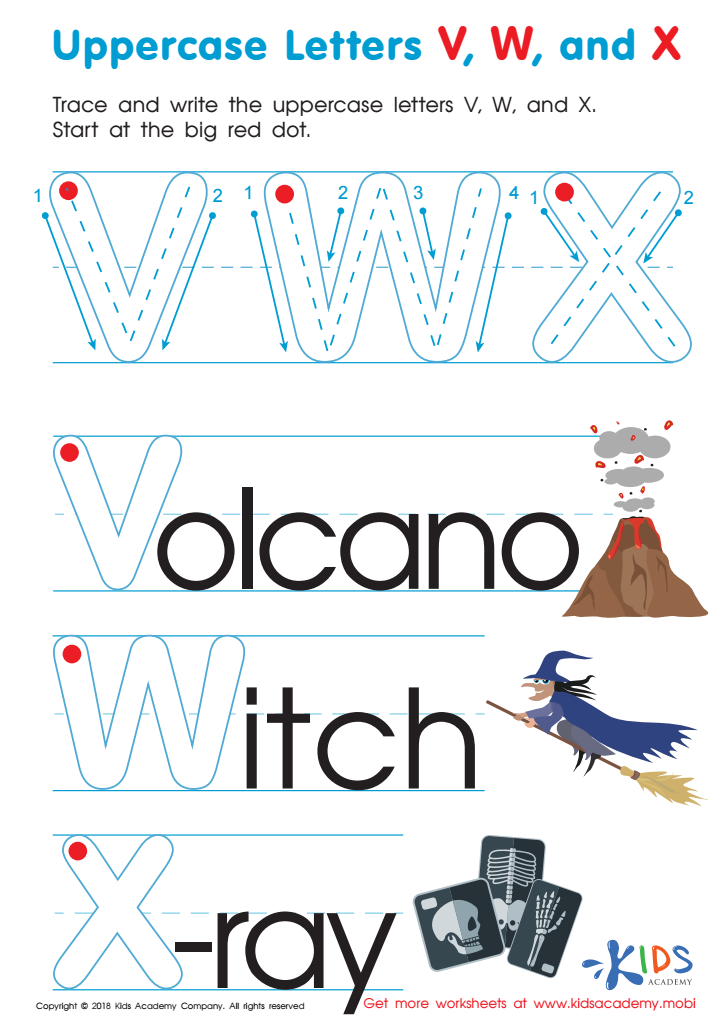
Uppercase Letters V, W, and X Worksheet






Teaching young children the difference between normal upper and lowercase letters is vital for their literacy development and overall academic success. Mastery of both letter cases enhances their reading and writing abilities, allowing them to recognize words in various contexts. Many texts, from children's books to digital content, utilize a mix of upper and lowercase letters, so children need to be familiar with both to read fluently.
Moreover, understanding the use of uppercase letters, which often signify the beginning of sentences or proper nouns, helps in developing grammatical awareness. This knowledge not only aids in reading comprehension but also lays the groundwork for effective writing skills. Formulating sentences correctly improves their ability to express ideas clearly.
Additionally, learning uppercase and lowercase letters enriches children's vocabulary, as many words are presented in diverse formats. Encouraging practices like crafts, games, or interactive reading sessions that highlight these distinctions makes the learning process engaging.
Overall, parents and teachers should prioritize this foundational skill, as it fosters confidence in literacy and prepares children for more complex language and education tasks as they progress through grades.







