Normal Plants and Animals Worksheets for Ages 3-7 - Page 4
73 filtered results
-
From - To
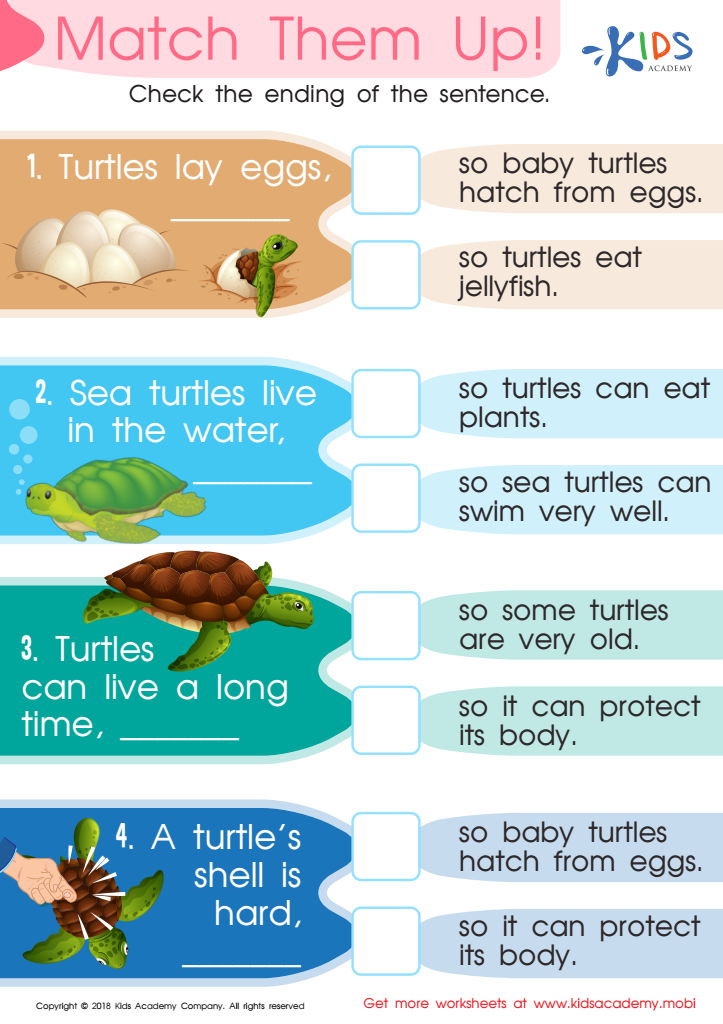
Match Them Up Worksheet
 Assign to My Students


















Parents and teachers should care about normal plants and animals for children aged 3-7 because early exposure to nature fosters a sense of curiosity and wonder about the world. At this age, children are naturally inquisitive, and learning about plants and animals enhances their understanding of science and ecology. Engaging with the natural environment helps develop critical thinking, observation skills, and a sense of responsibility towards living things.
Moreover, knowledge of plants and animals aids in building vocabulary and language skills. Educators can incorporate storytelling, experiential learning, and play to create memorable educational experiences. Understanding the roles that different plants and animals play in our ecosystem promotes empathy and respect for all living beings.
Additionally, spending time outdoors contributes positively to children's physical and mental health, promoting active lifestyles and reducing stress. Activities such as gardening or taking nature walks can also improve fine and gross motor skills.
In summary, learning about normal plants and animals enriches children's educational experiences, encourages exploration and discovery, promotes emotional well-being, and cultivates a sense of civic responsibility towards environmental stewardship—a foundation that will benefit them throughout their lives.







