Normal Numbers 0–10 Worksheets for Ages 3-8 - Page 2
34 filtered results
-
From - To
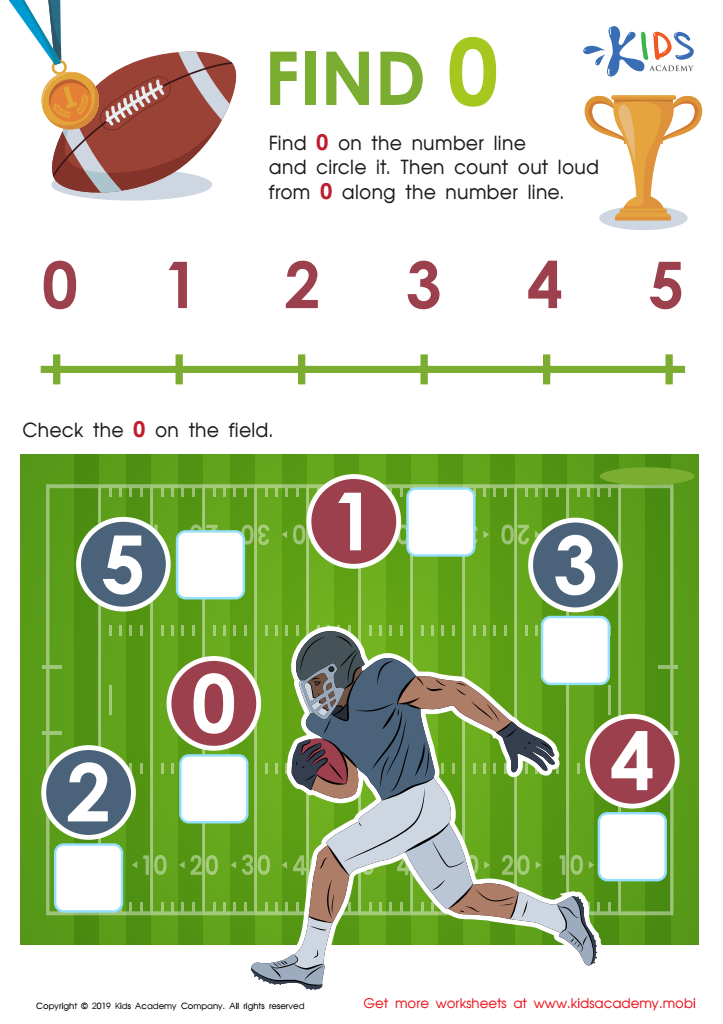
Find 0 Worksheet
 Assign to My Students
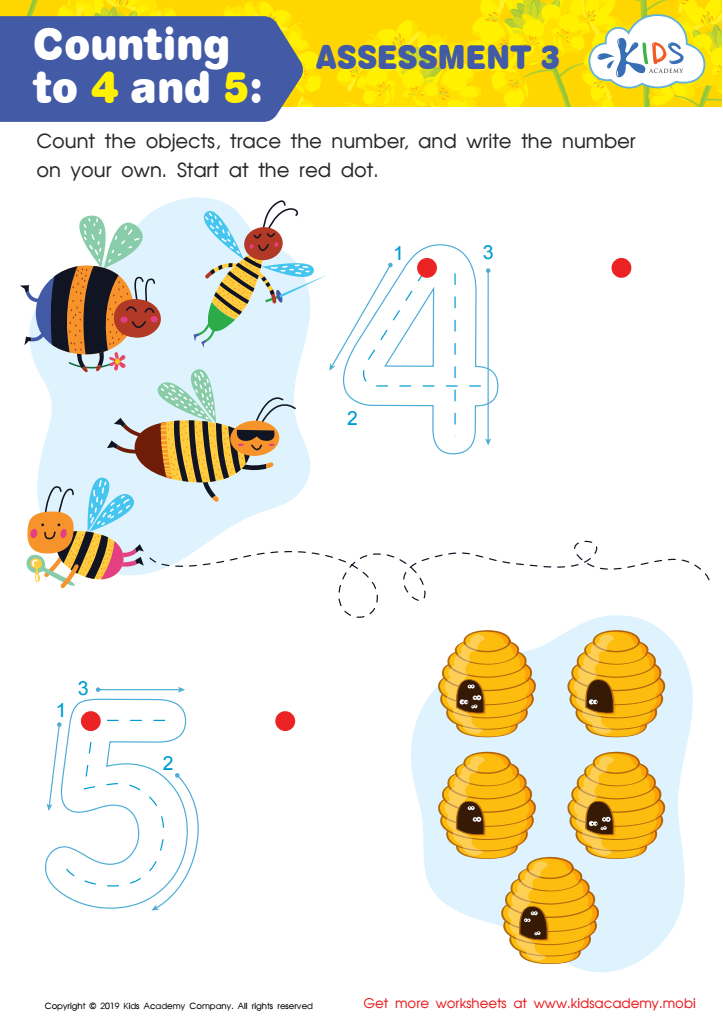
Counting to 4 and 5: Assessment 3 Worksheet
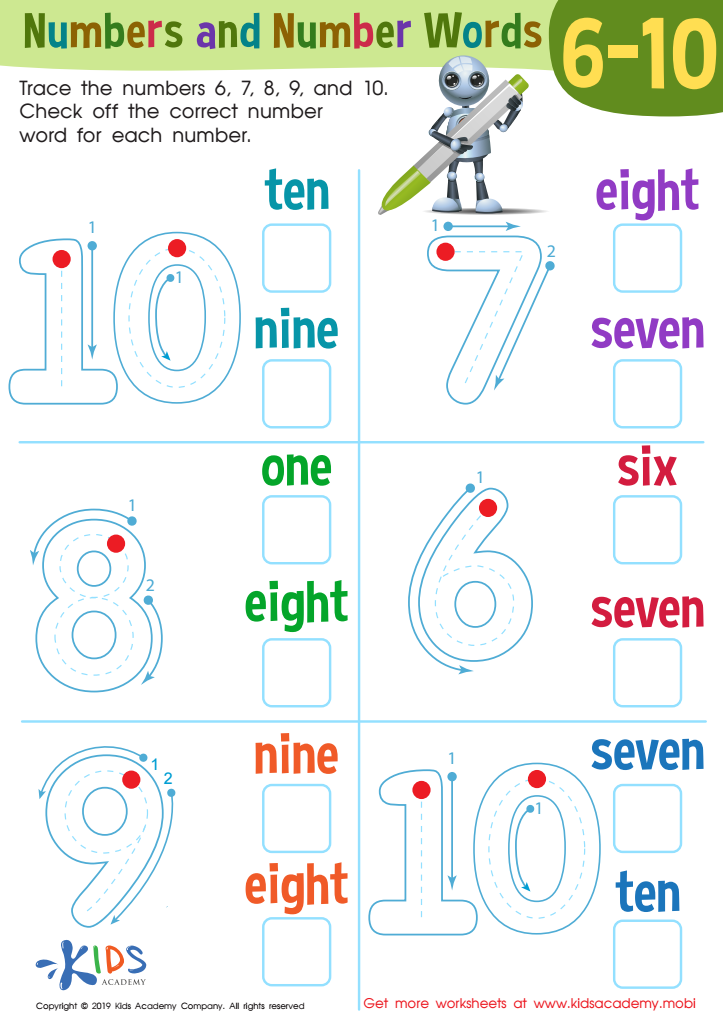
Numbers and Number Words 6–1 Worksheet
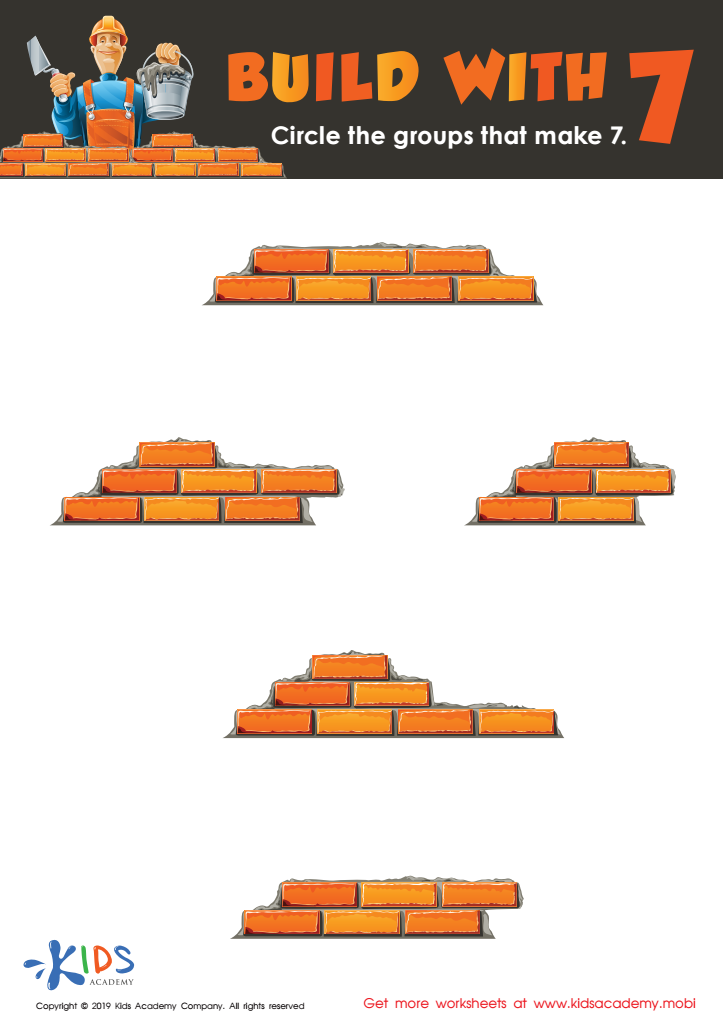
Build with 7 Worksheet
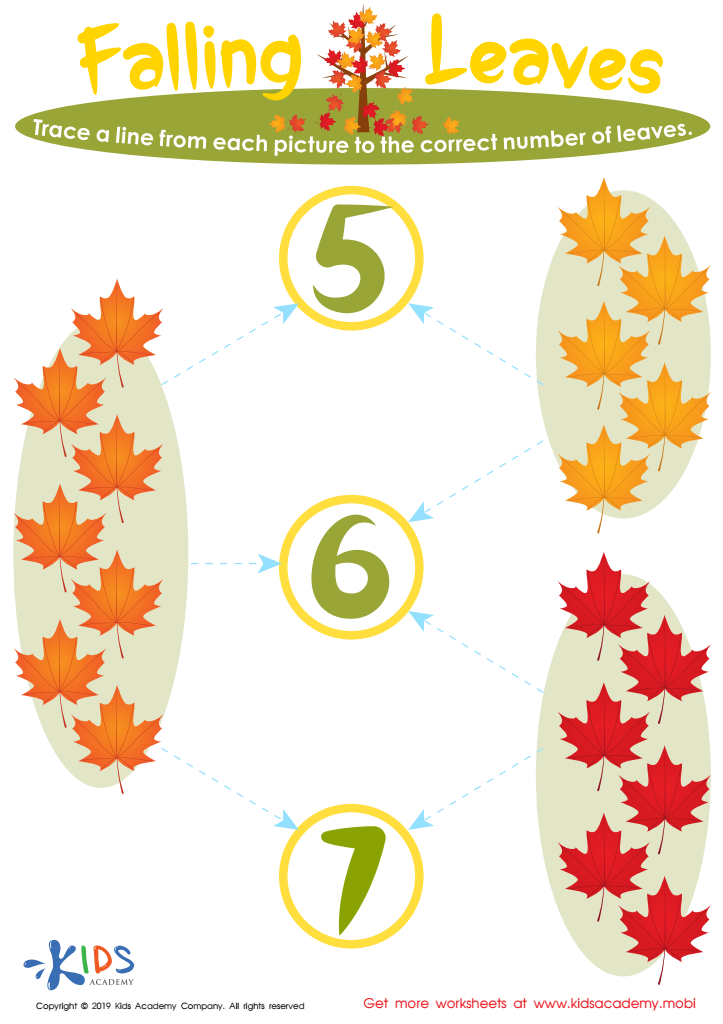
Falling Leaves Worksheet
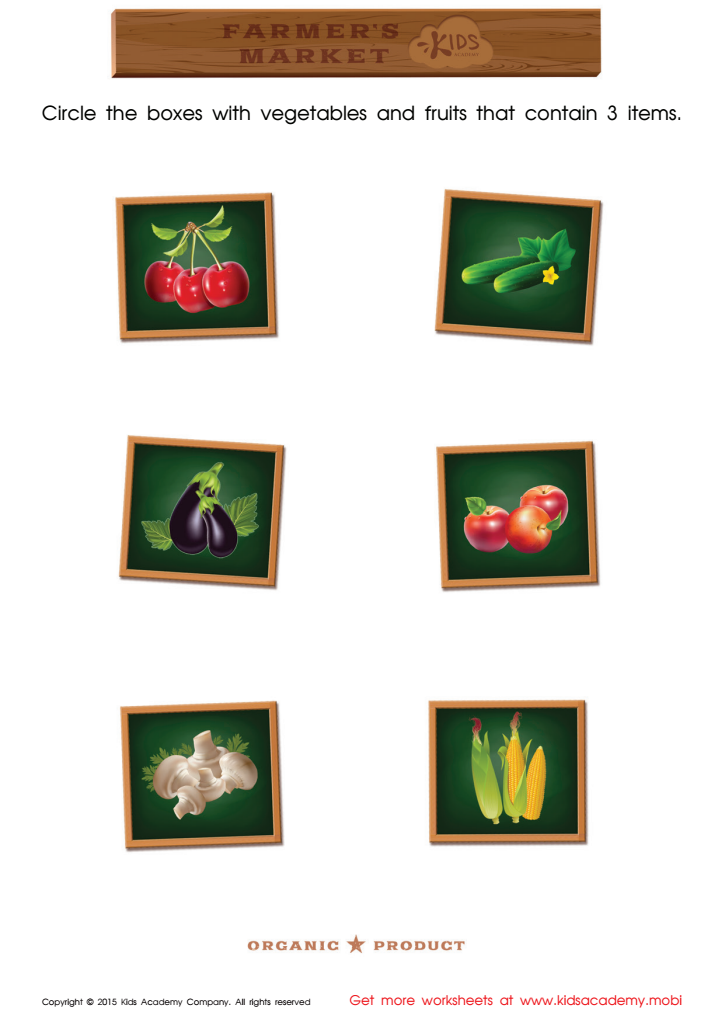
Count and Match Vegetables 1 – 5 Math Worksheet
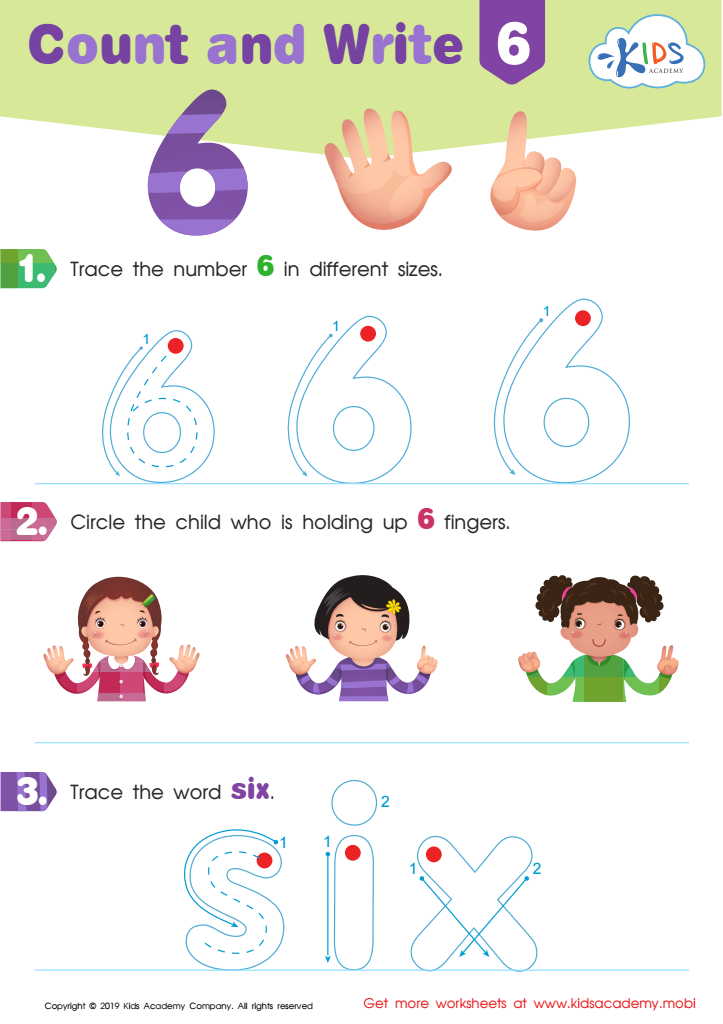
Count and Write 6 Worksheet
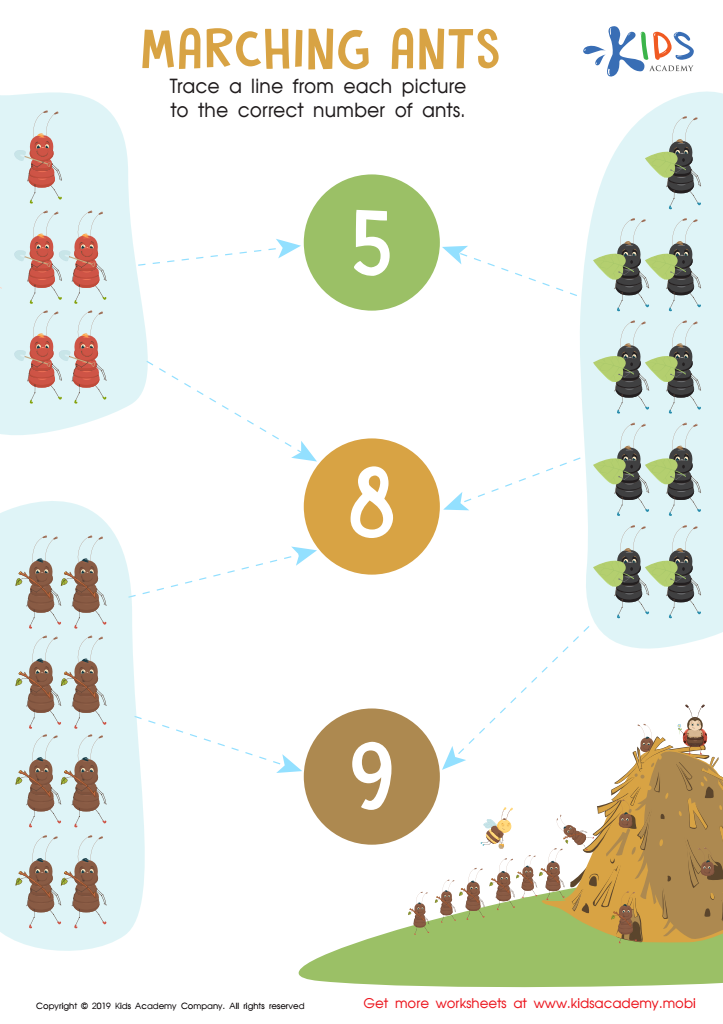
Marching Ants Worksheet
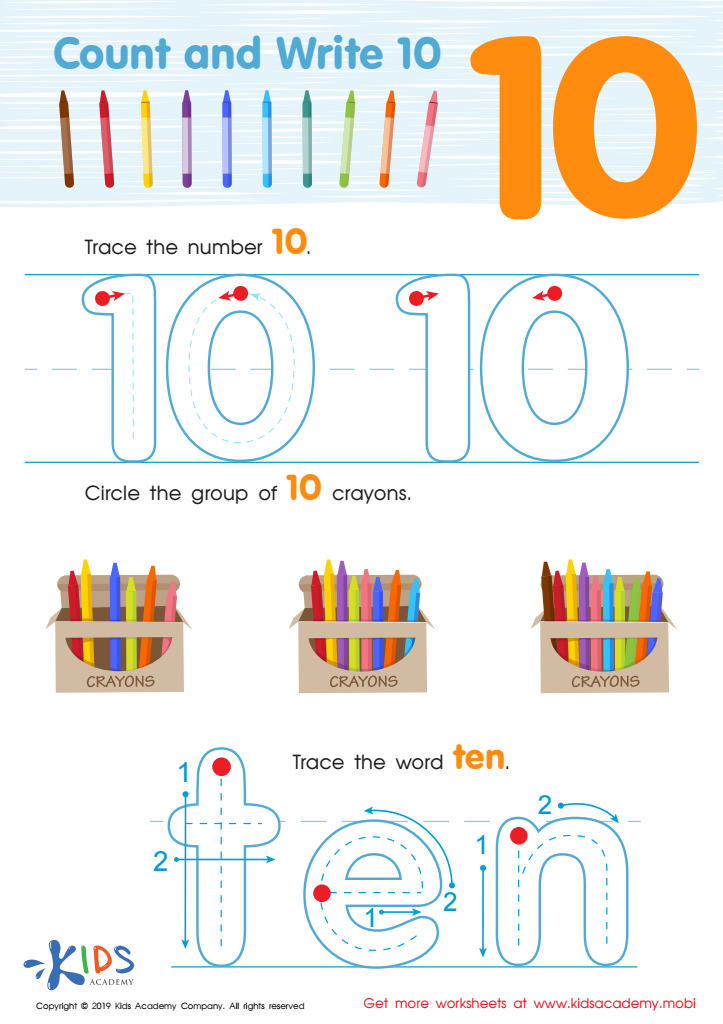
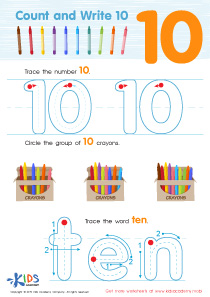
Count and Write 10 Worksheet
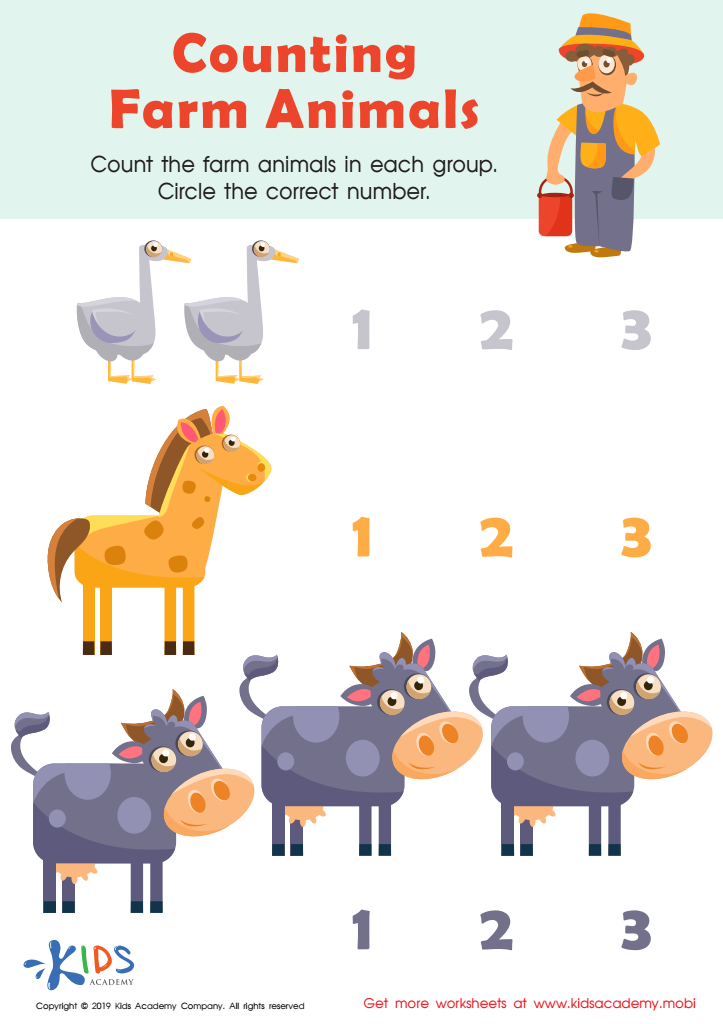
Counting Farm Animals Worksheet








Understanding normal numbers between 0 and 10 is crucial for young learners aged 3-8, as this foundation plays a significant role in their overall mathematical development. For parents and teachers, recognizing these numbers ensures children are not just memorizing them but are truly grasping their meanings and relationships.
Firstly, these numbers are fundamental for everyday contexts, helping children make sense of their world. For instance, counting toys or snacks develops their counting skills and reinforces one-to-one correspondence, an essential concept in early math education. Furthermore, this knowledge lays the groundwork for addition and subtraction, making it easier for those skills to be introduced later on.
Secondly, learning numbers promotes critical thinking. Engaging with numbers through games and activities augments cognitive skills, encourages problem-solving, and enhances social skills through cooperative play.
Thirdly, early number sense can predict later academic success; children who master basic number concepts tend to have greater ease with more complex mathematical operations in school.
Finally, fostering a positive attitude about numbers, buoyed by a supportive learning environment, nurtures confidence. This can set the stage for lifelong learning and an appreciation of mathematics, cultivating inquisitive minds prepared for future challenges.