Normal Letter Recognition Worksheets for Ages 3-9 - Page 2
67 filtered results
-
From - To
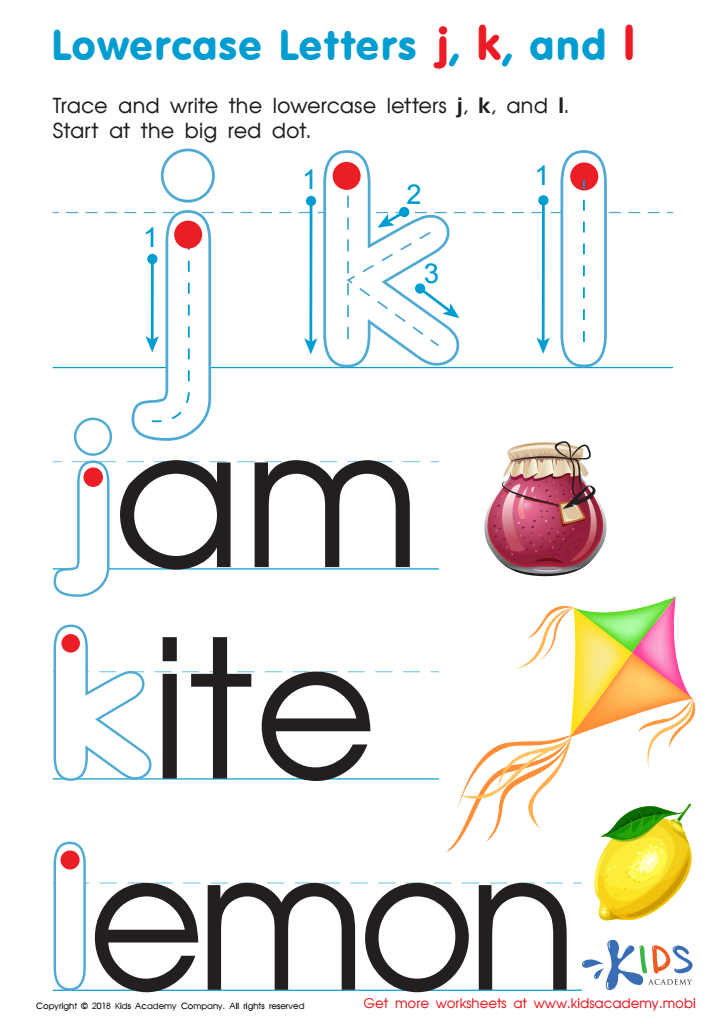
Lowercase Letters j k l Worksheet
 Assign to My Students
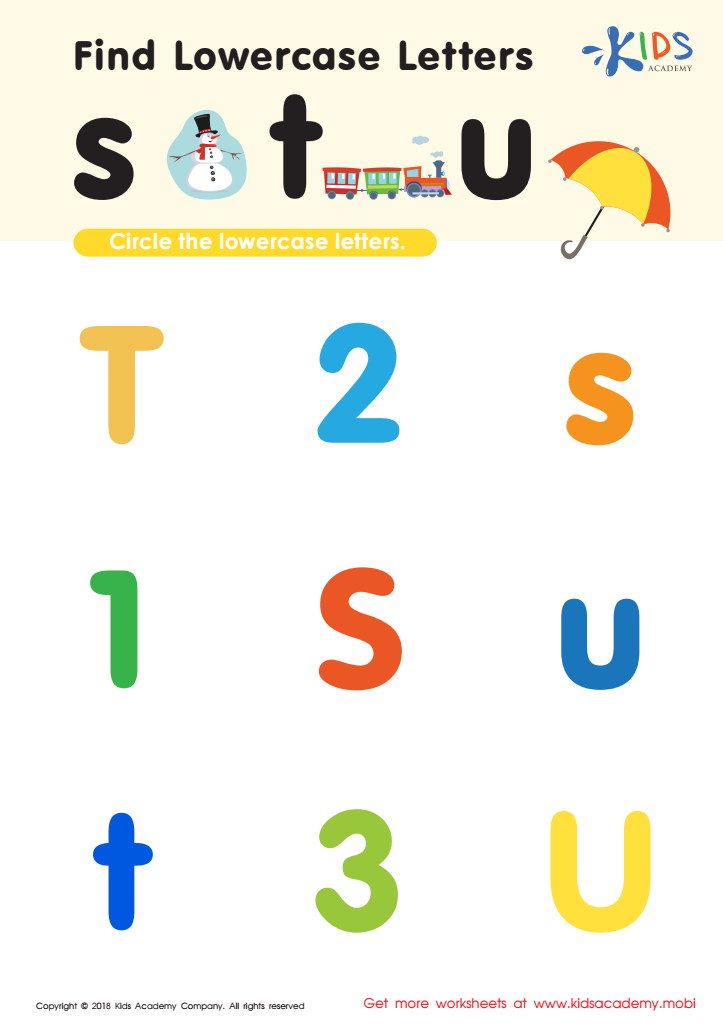
Find lowercase Letters s t u Worksheet
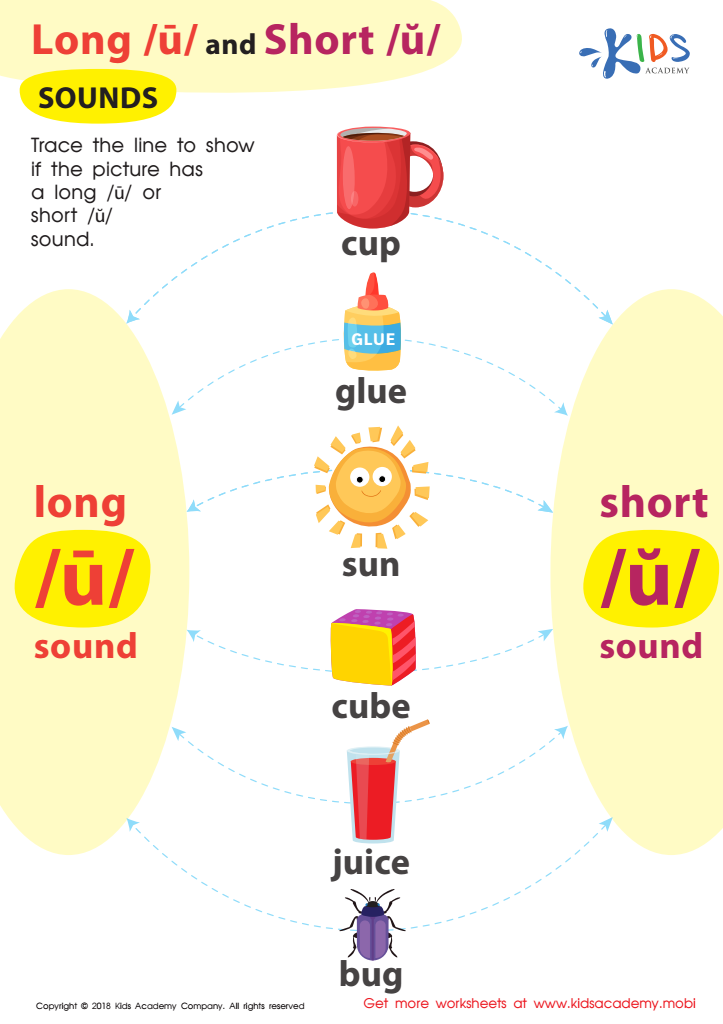
Reading: Long U and Short U Sounds Worksheet
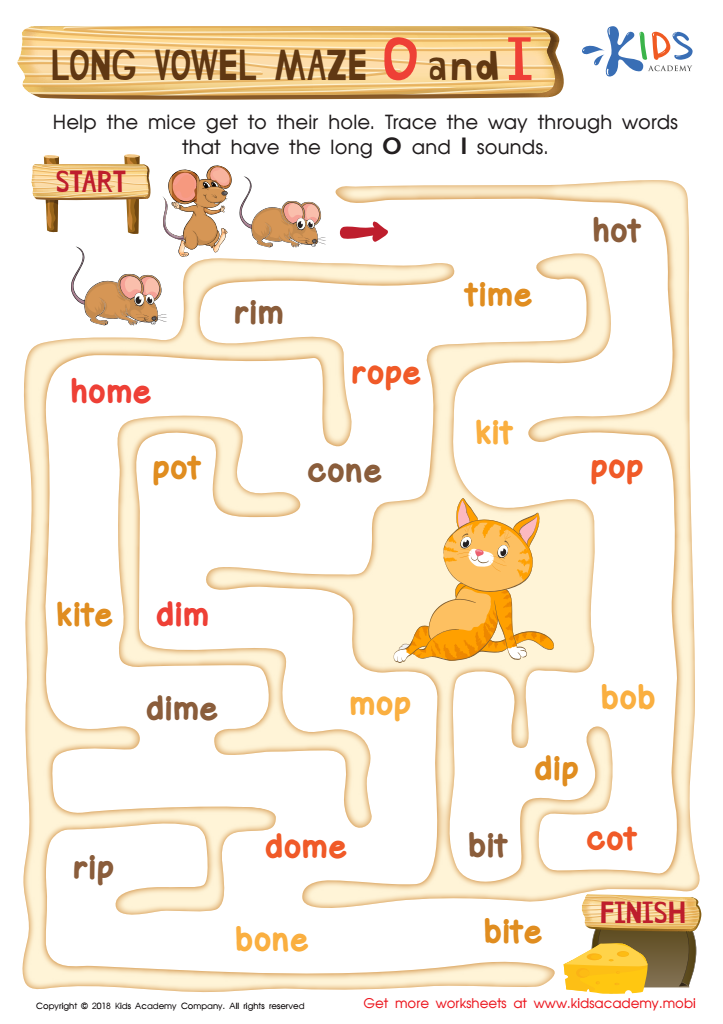
Long Vowel Maze /o/ and /i/ Worksheet
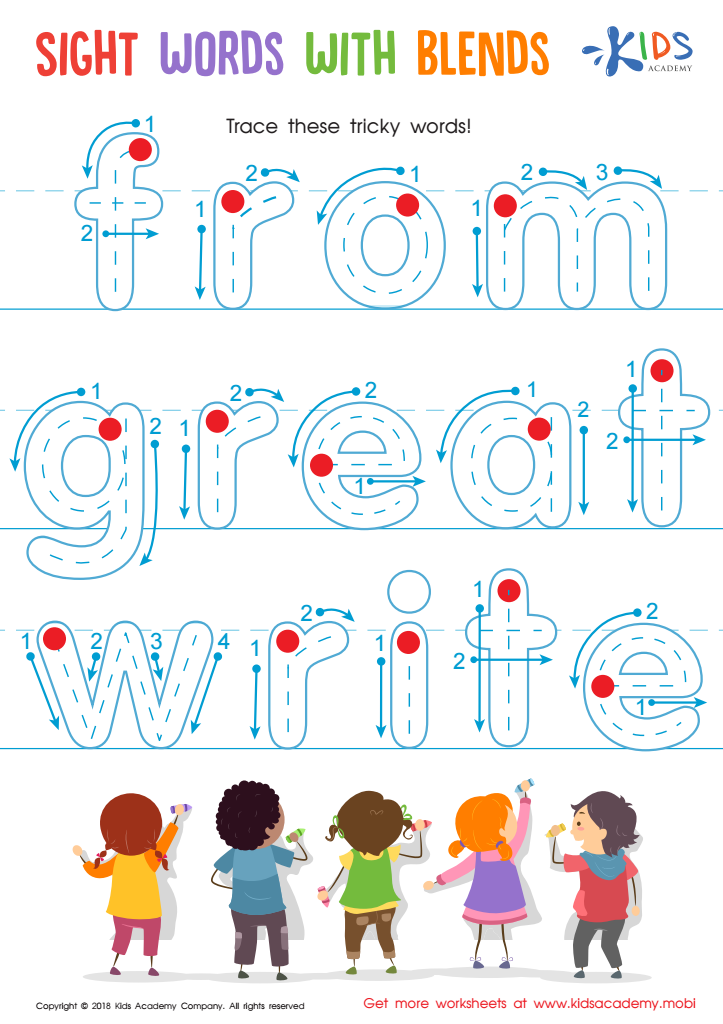
Sight Words with Blends Worksheet
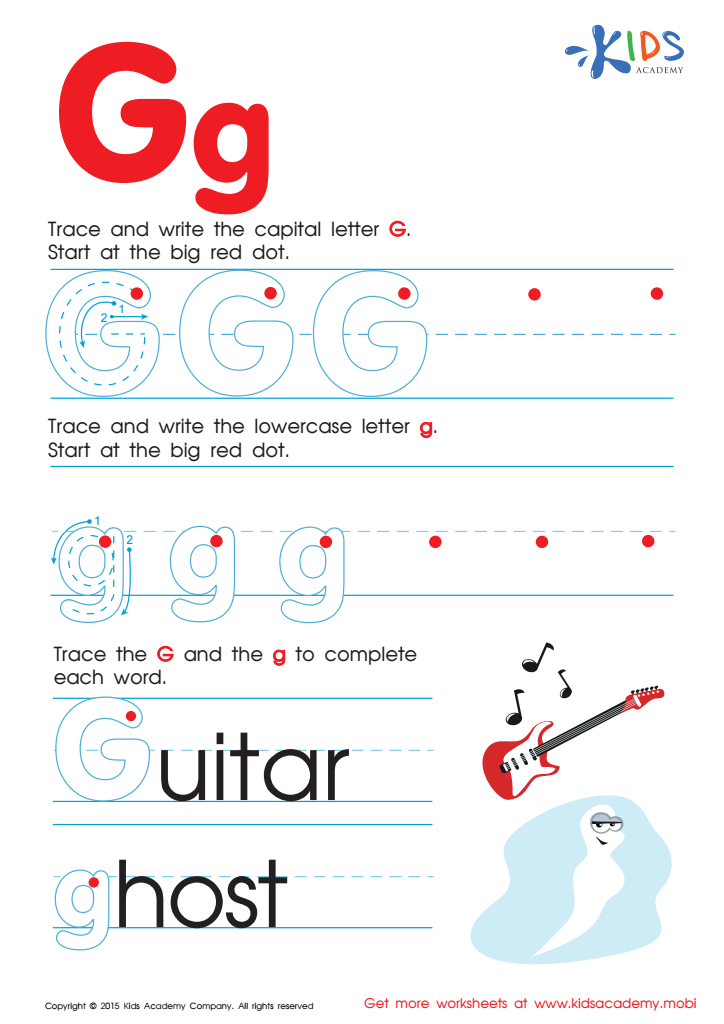
Letter G Tracing Page
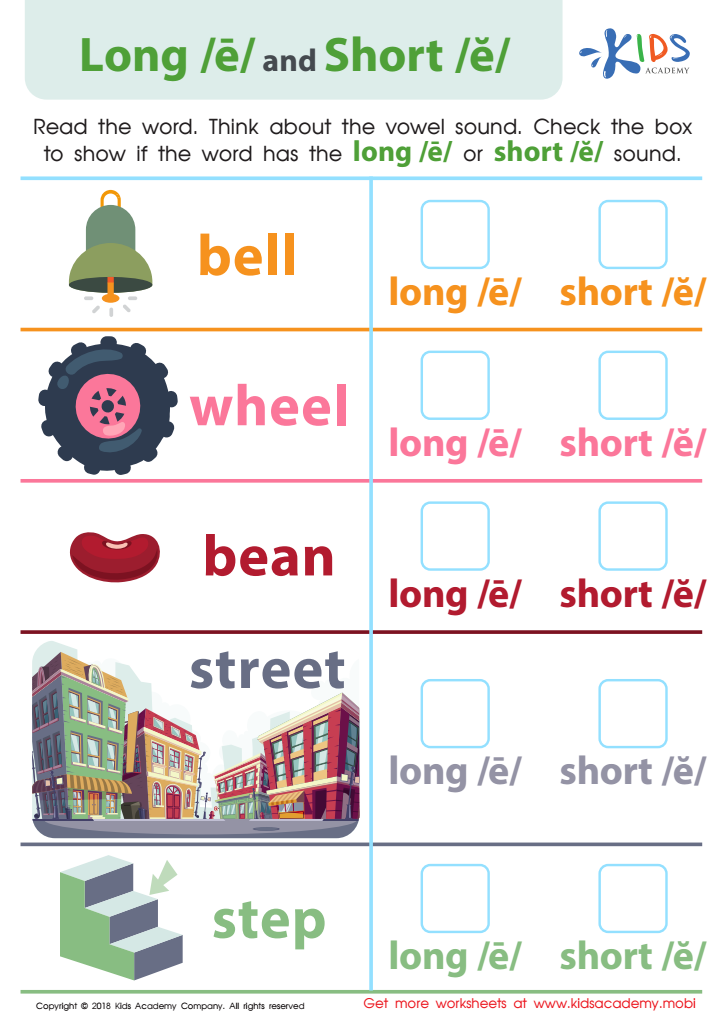
Reading: Long E and Short E Worksheet
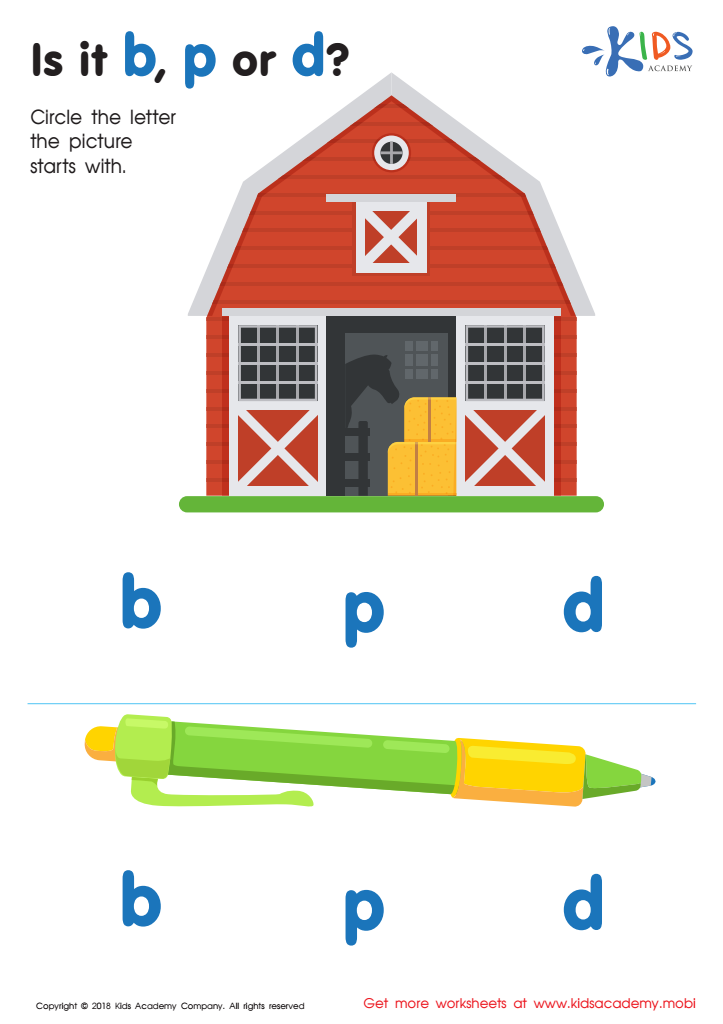
Is it b, p or d? Worksheet
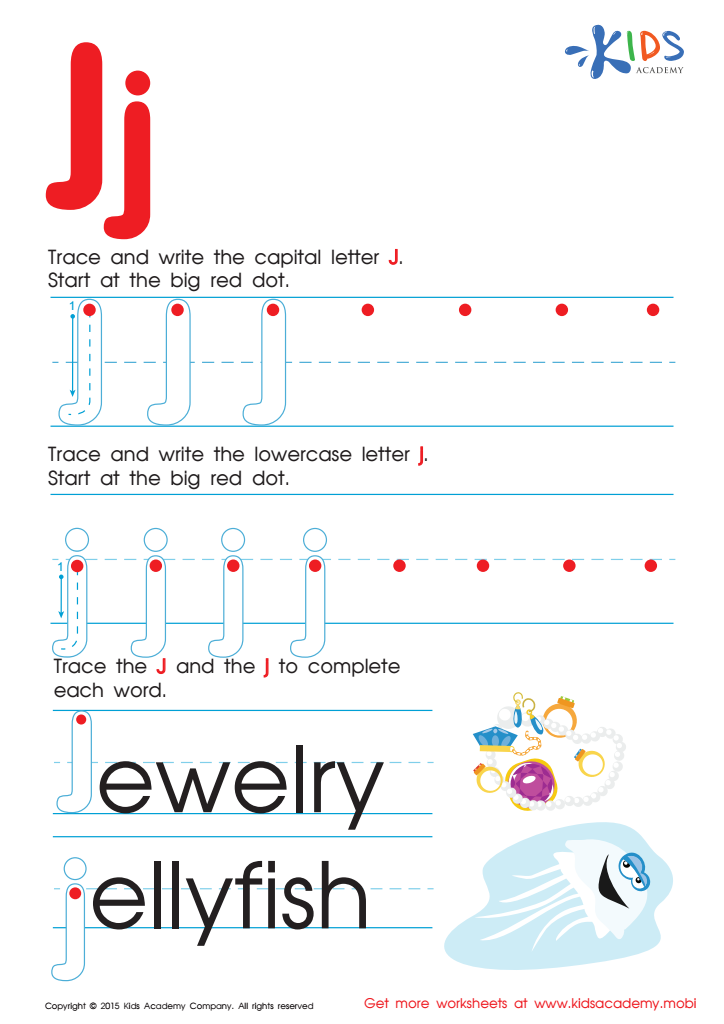
Letter J Tracing Page
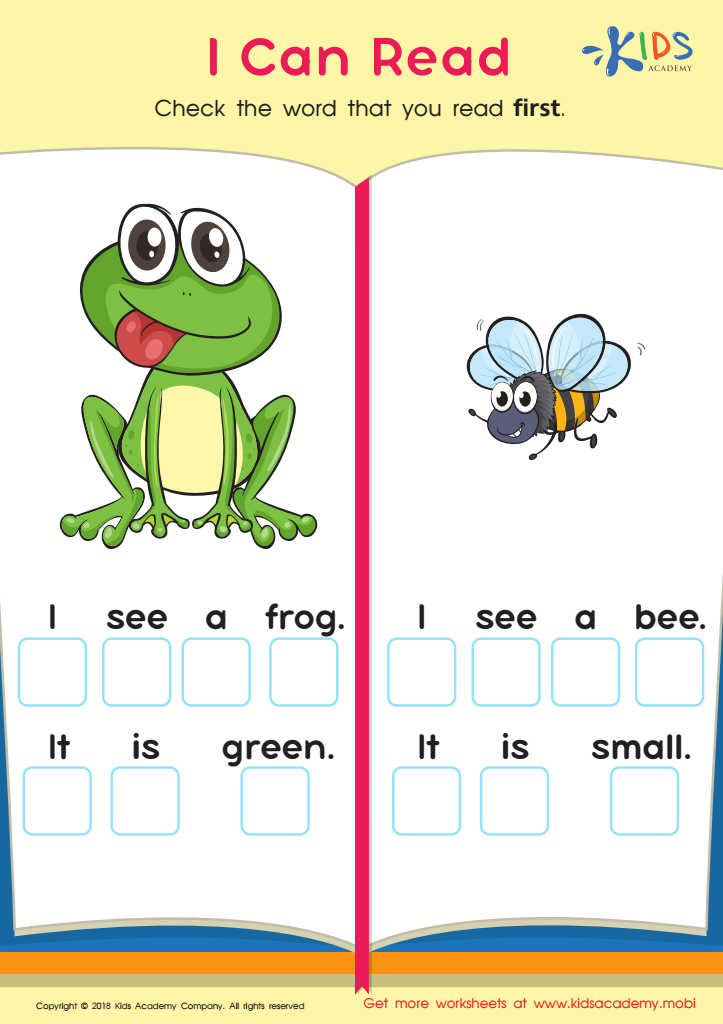
I Can Read Worksheet
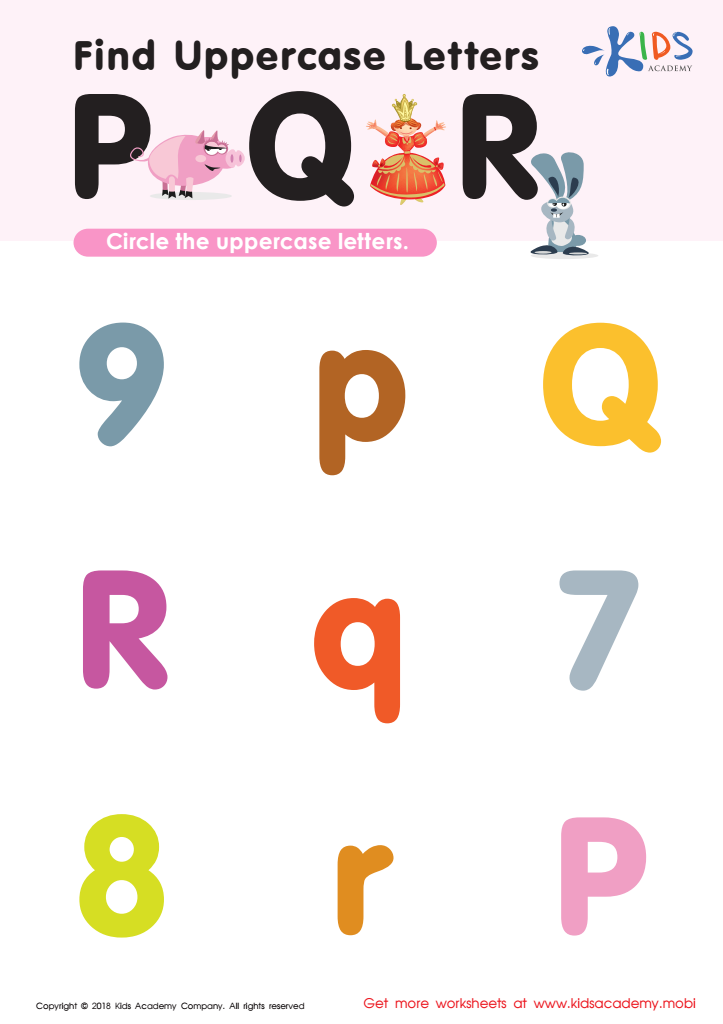
Find Uppercase Letters P, Q, and R Worksheet
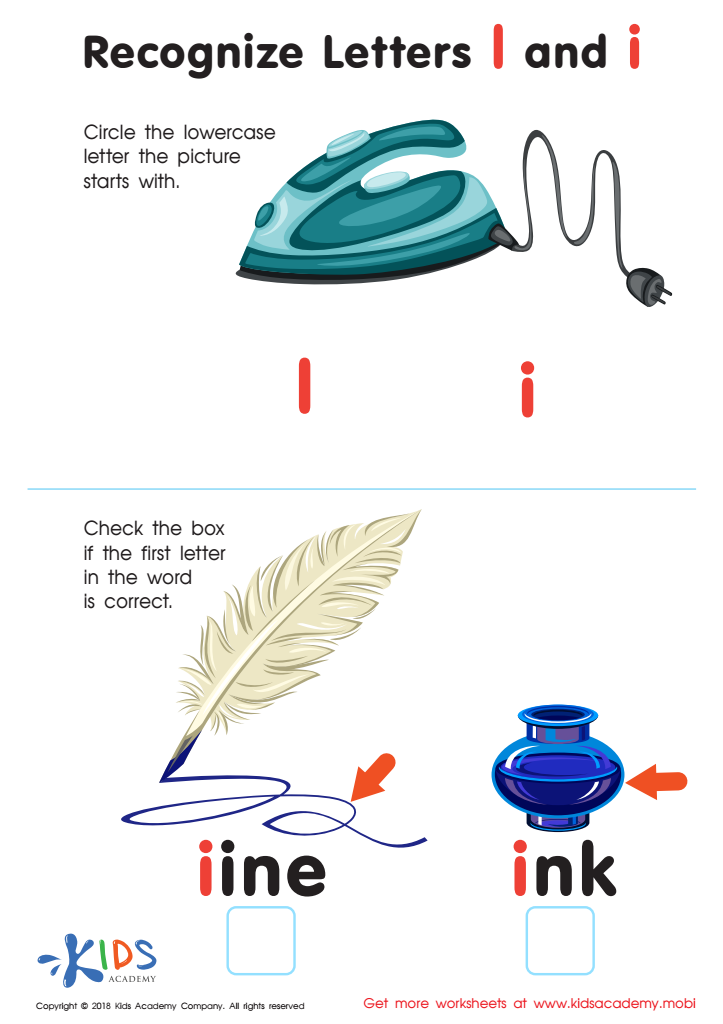
Recognize Letters l and i Worksheet
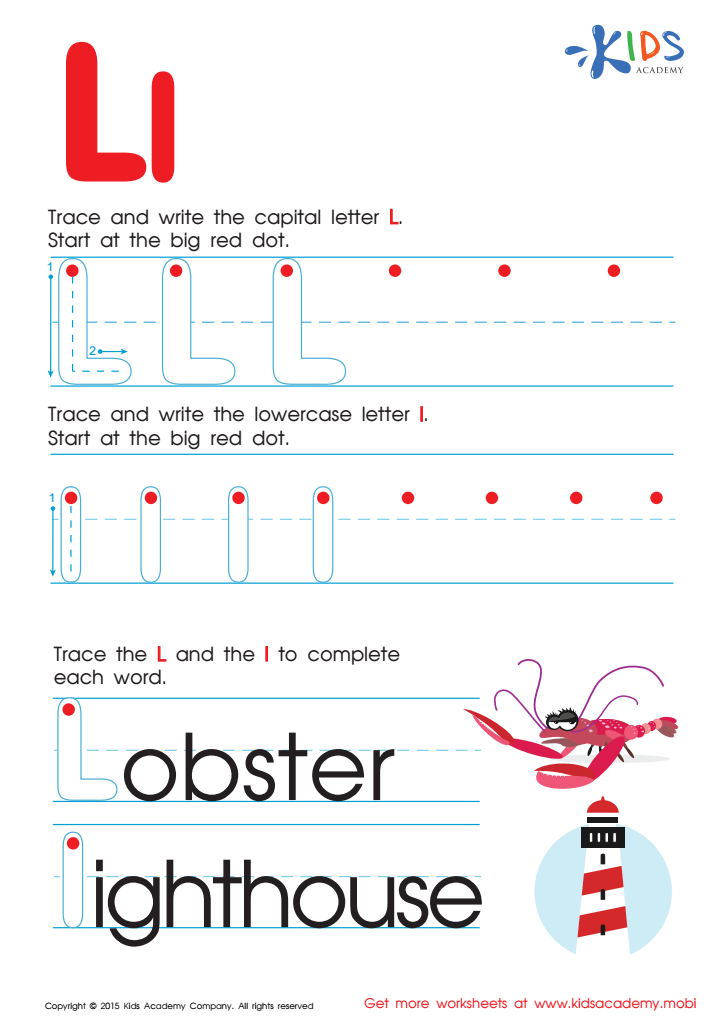
Letter L Tracing Page

Find Uppercase Letters A, B, and C Worksheet
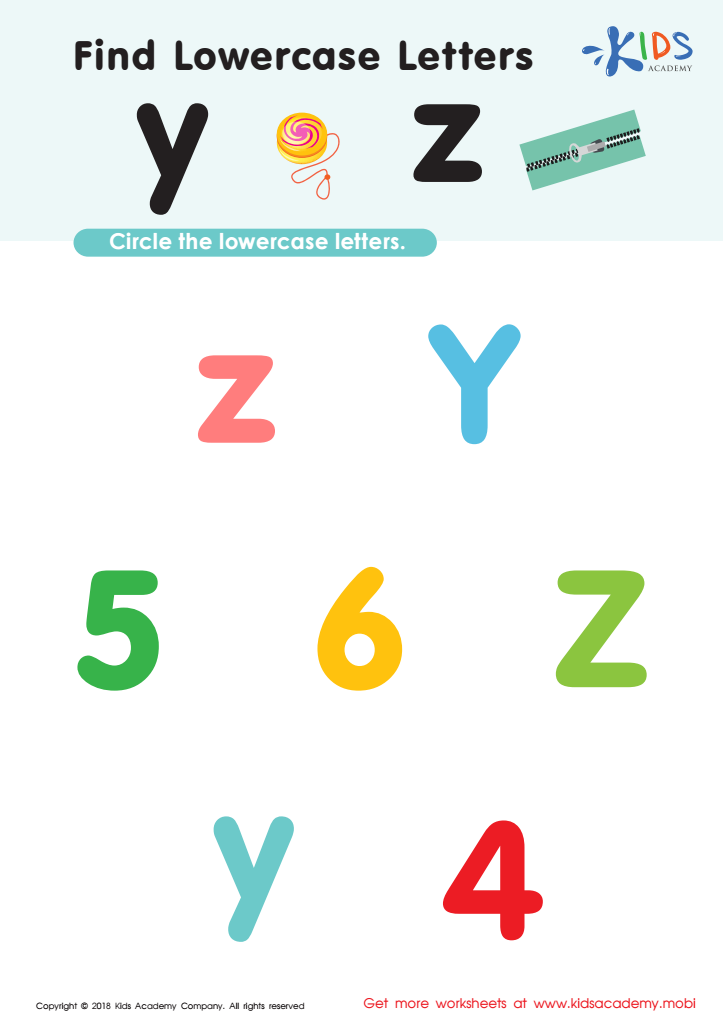
Find Lowercase Letters y z Worksheet
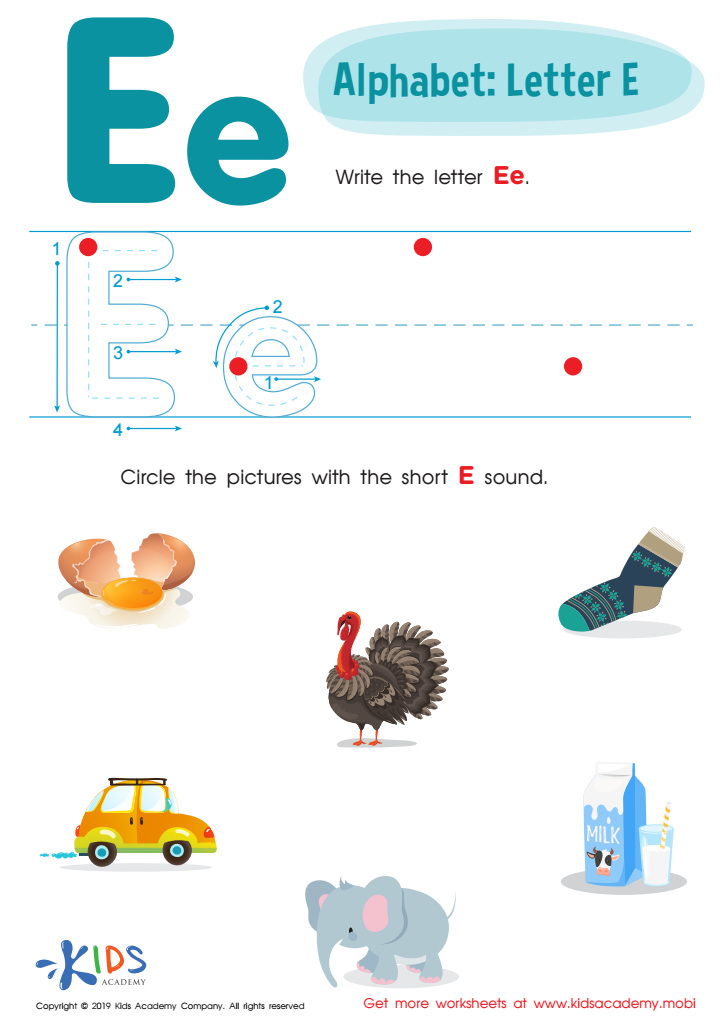
Letter E Tracing Worksheet
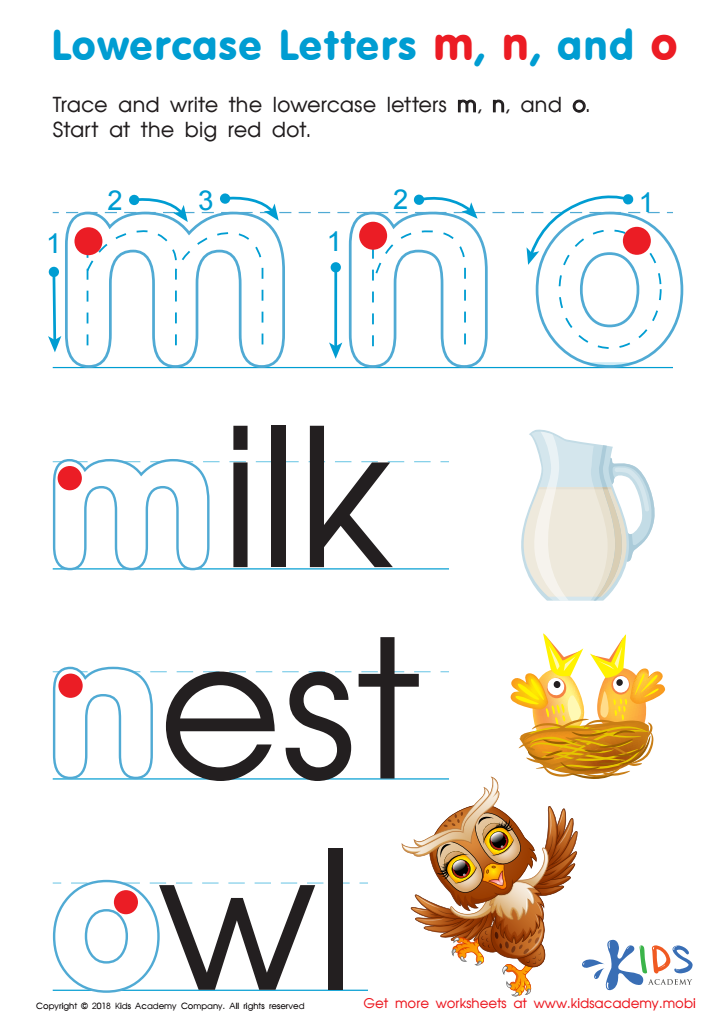
Lowercase Letters m n o Worksheet
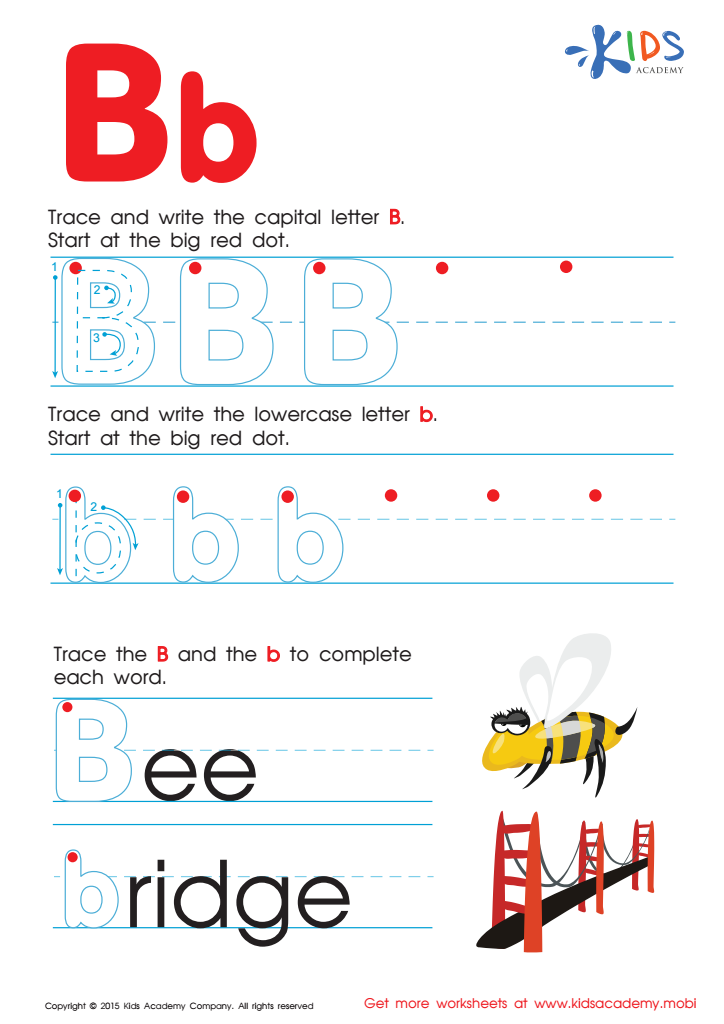
Letter B Tracing Page
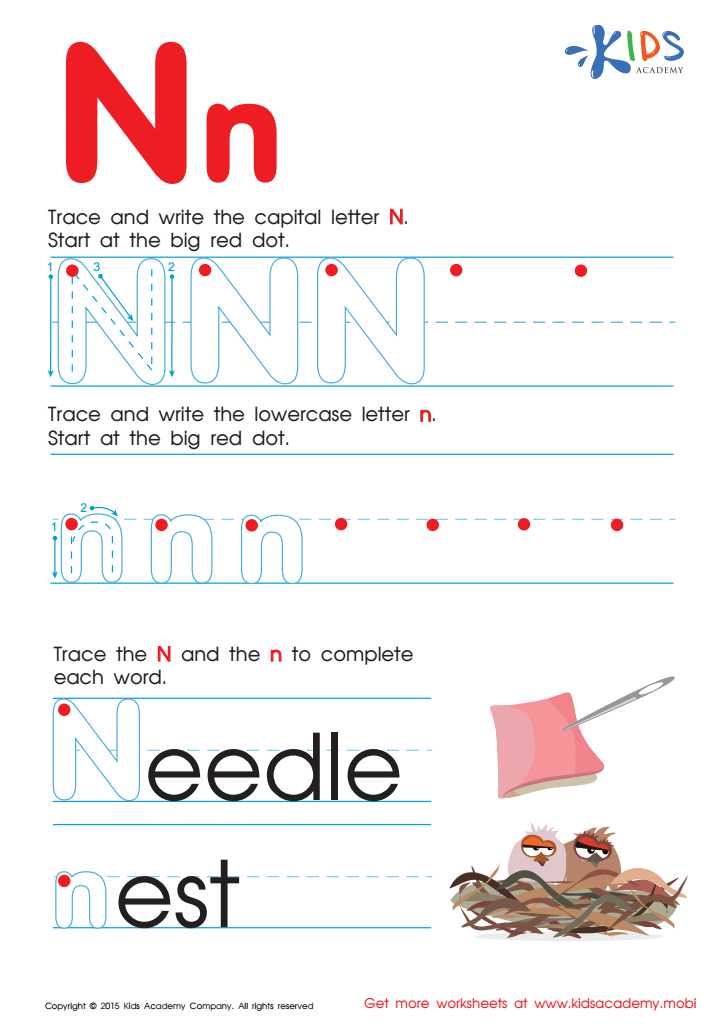
Letter N Tracing Page
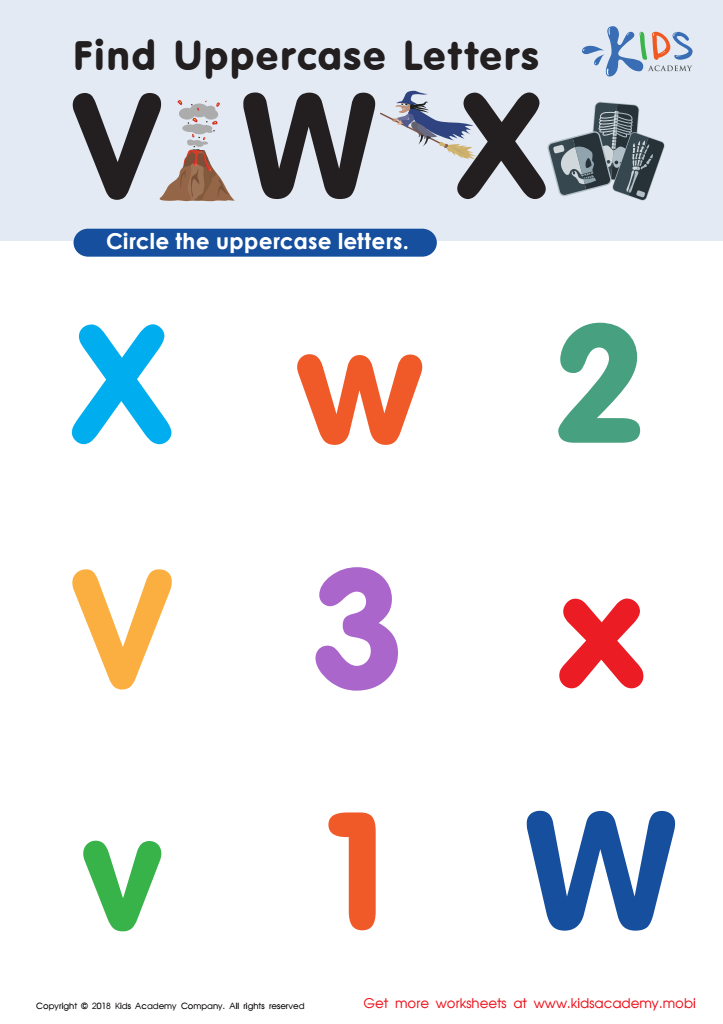
Find Uppercase Letters V, W, X Worksheet
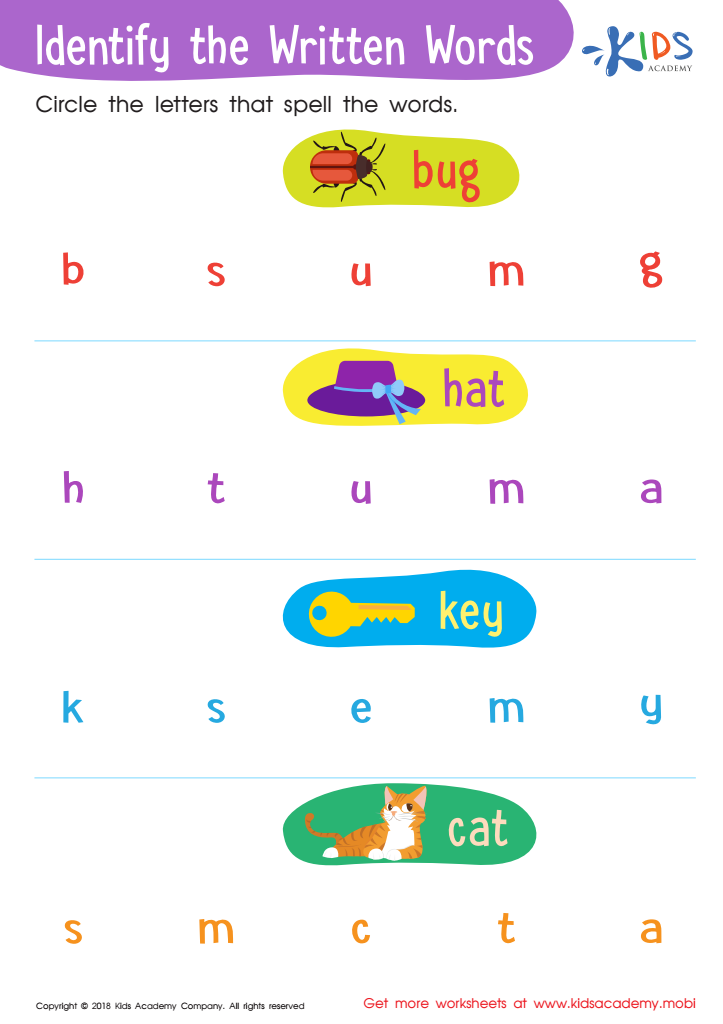
Identify the Written Words Worksheet
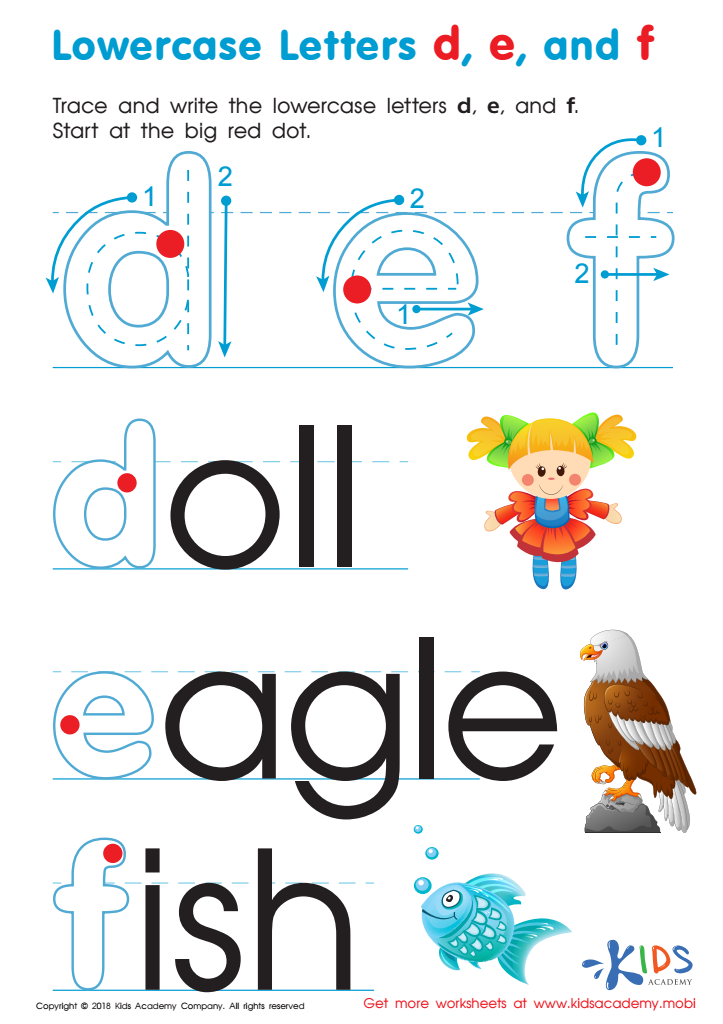
Lowercase Letters d e f Worksheet
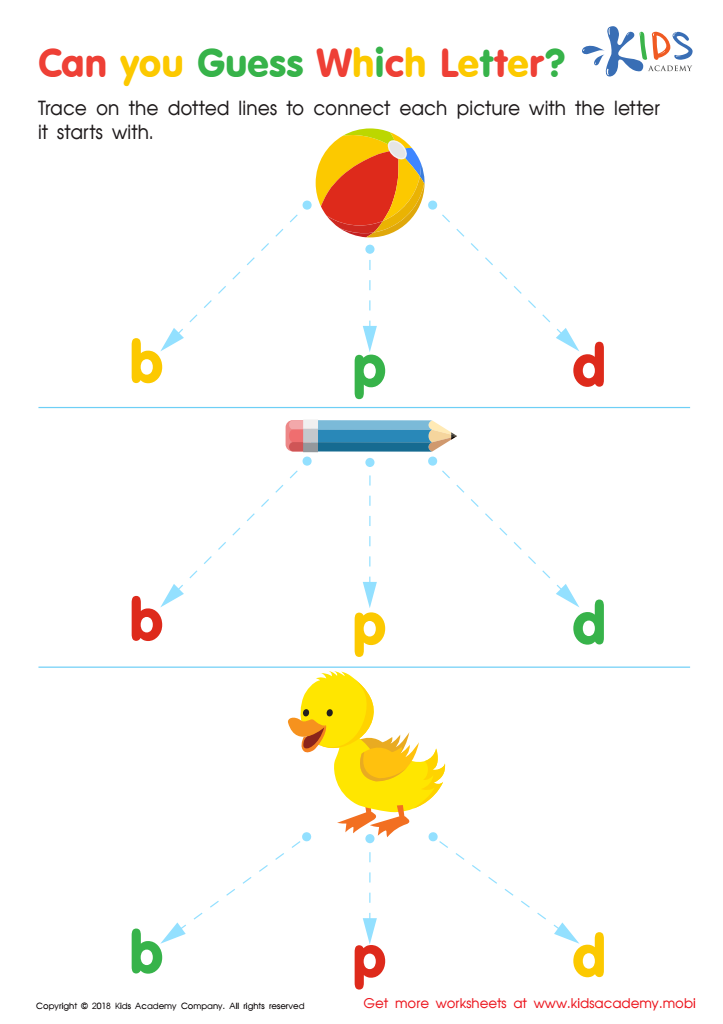
Can you Guess Which Letter? Worksheet
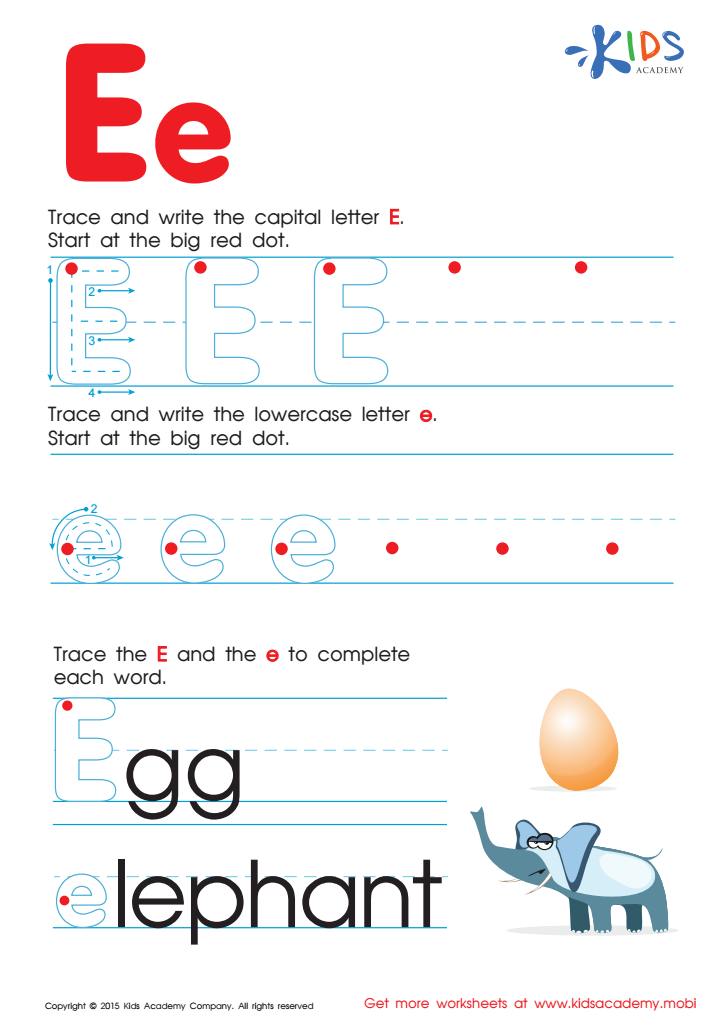
Letter E Tracing Page








Normal Letter Recognition is a crucial skill for children ages 3-9, forming the foundation for literacy development. Recognizing letters is a primary step in learning to read and write, essential for academic success. At this age, cognitive abilities are rapidly developing, and engaging children in recognizing and naming letters directly supports their language acquisition and phonemic awareness.
When parents and teachers emphasize letter recognition, they help children connect sounds to symbols, which aids in phonics instruction. This connection is vital for decoding unfamiliar words as children progress in their reading journeys. Furthermore, early letter recognition fosters confidence as children begin to recognize their names, signs, and print in their environment, enhancing their overall communication skills.
Supporting letter recognition also promotes cognitive development and fine motor skills through activities such as handwriting and letter manipulation games. Additionally, abstract thinking emerges through recognizing alphabetical order and properties of letters, paving the way for more complex language skills.
Investing in letter recognition at this stage not only prepares children for reading, writing, and spelling but also positively impacts their self-esteem, making them enthusiastic learners equipped for future academic challenges. Therefore, the collaboration between parents and teachers in this aspect is fundamental for children’s holistic growth and development.








