Normal Graphs Worksheets for Ages 3-9
4 filtered results
-
From - To
Welcome to our collection of Normal Graphs Worksheets tailored for children aged 3-9! These engaging and educational resources help young learners develop essential math skills by introducing them to graphing concepts in a fun and interactive way. With a variety of worksheets designed to suit different learning levels, kids will enjoy plotting points, understanding diagrams, and even interpreting basic data. Our worksheets encourage critical thinking and problem-solving through simple yet captivating activities. Ideal for classrooms, homeschooling, and extra practice, these worksheets are perfect for young mathematicians ready to explore the world of graphs. Start your educational journey today!
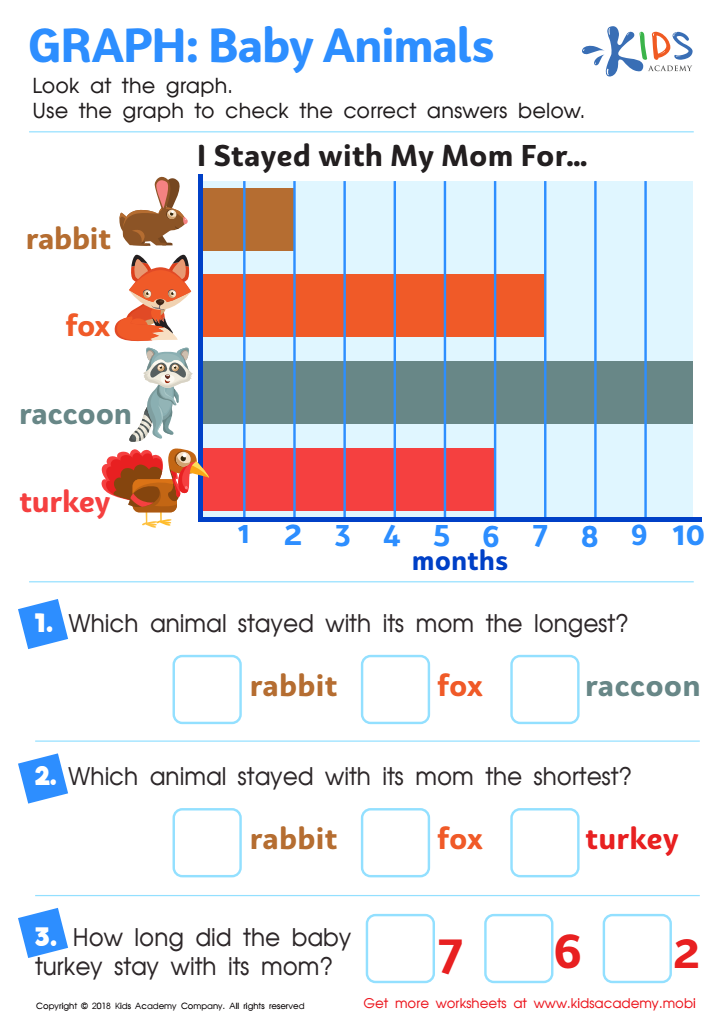
Graph: Baby Animals Worksheet
 Assign to My Students
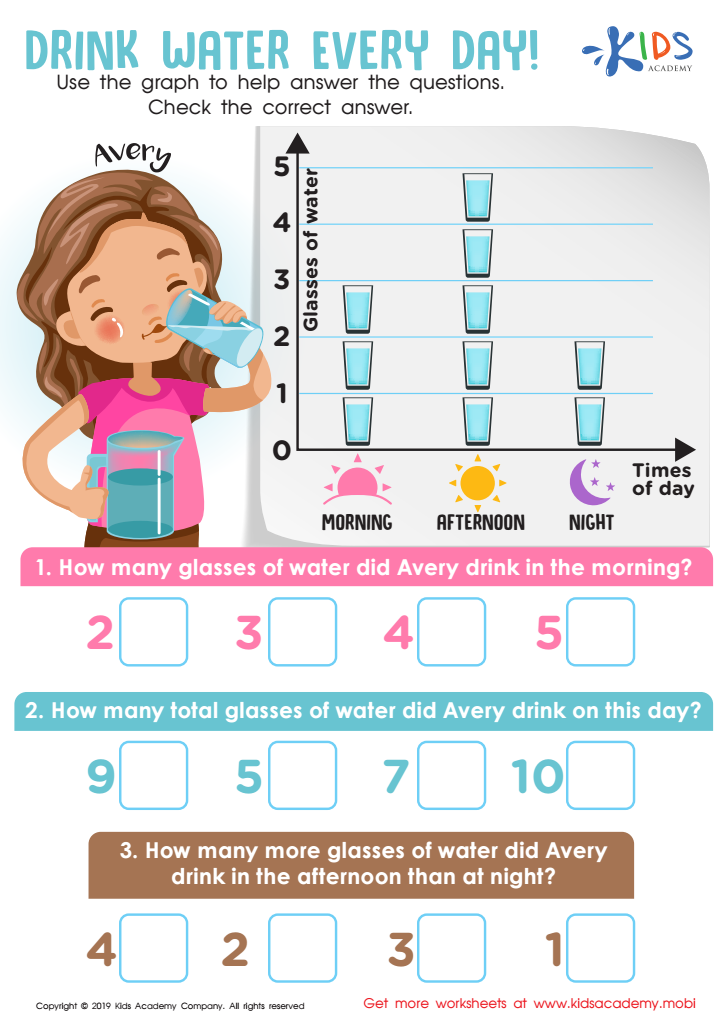
Drink Water Every Day! Worksheet
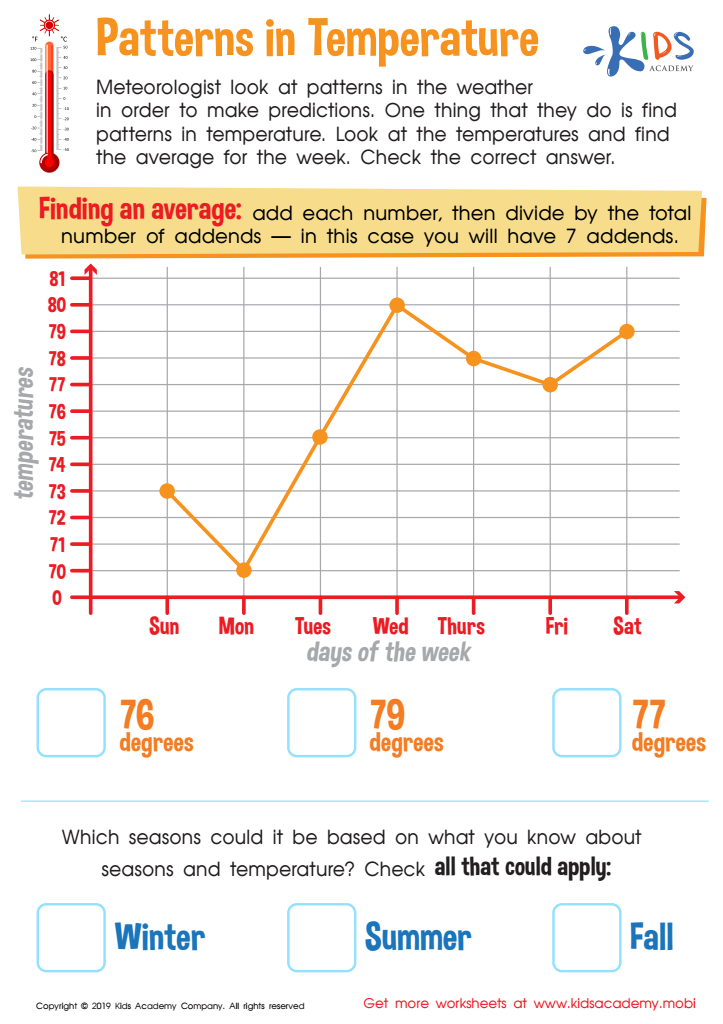
Patterns in Temperature Worksheet
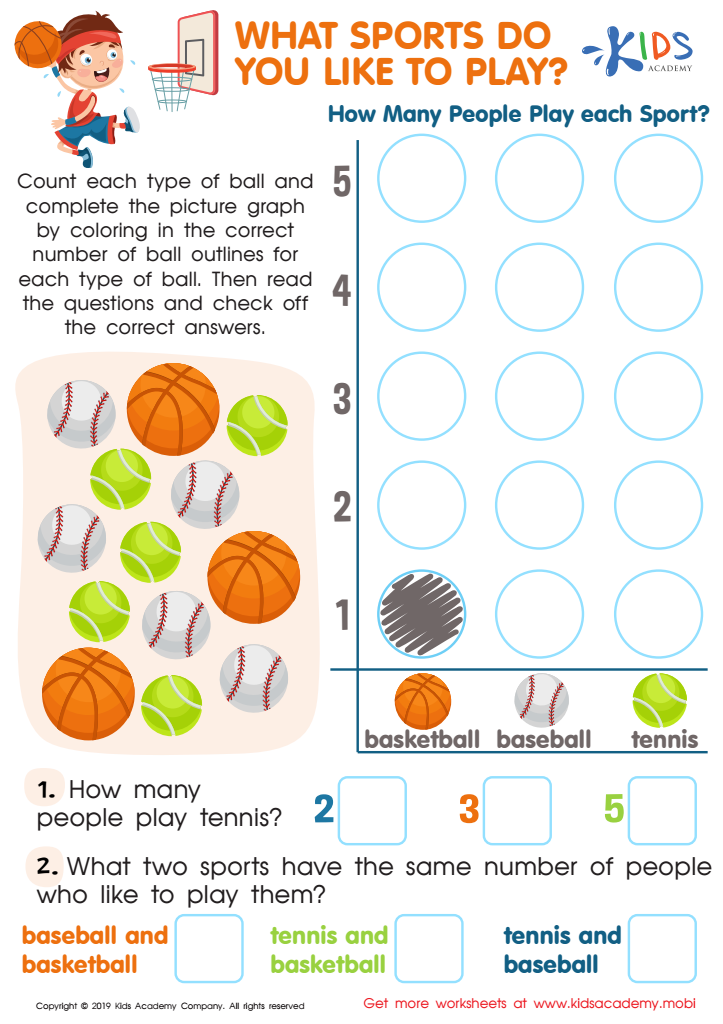
What Sports Do You Like to Play Worksheet








Normal graphs, often referred to as typical developmental milestones and behaviors, play a crucial role in the growth and learning of children aged 3 to 9. Parents and teachers should prioritize understanding these graphs as they provide valuable insights into a child’s emotional, social, cognitive, and physical development. By being aware of what is considered "normal," caregivers can identify early signs of potential challenges or delays in learning, allowing for timely interventions and support.
For example, normal graphs show expected timelines for language development, motor skills, and social interactions. If a child is significantly lagging behind, parents and teachers can take proactive steps to engage them with targeted activities or seek professional advice. Additionally, when educators utilize these graphs, they can tailor teaching methods to align with the developmental stages of their students, fostering an inclusive classroom environment.
Moreover, understanding normal graphs promotes effective communication between parents and educators, ensuring both parties can support the child's growth holistically. By appreciating typical developmental patterns, adults become better equipped to celebrate achievements, understand frustrations, and create an enriching experience for children during these formative years. Ultimately, this knowledge fosters a nurturing atmosphere conducive to lifelong learning.








