Normal Community Worksheets for Ages 3-9 - Page 4
85 filtered results
-
From - To
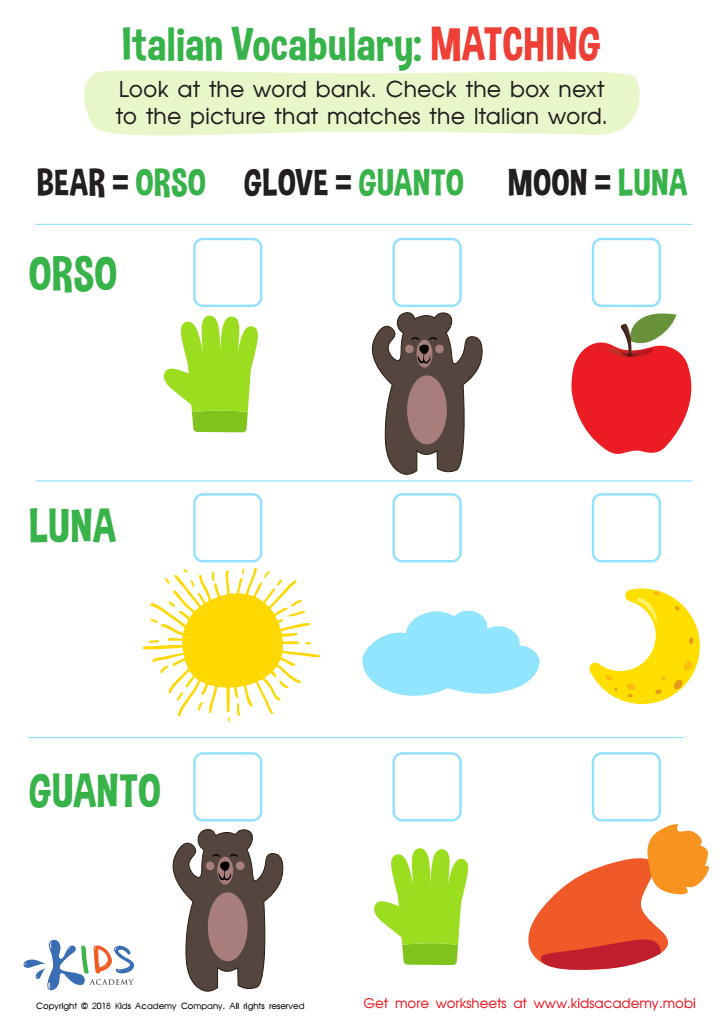
Italian Vocabulary Matching Worksheet
 Assign to My Students
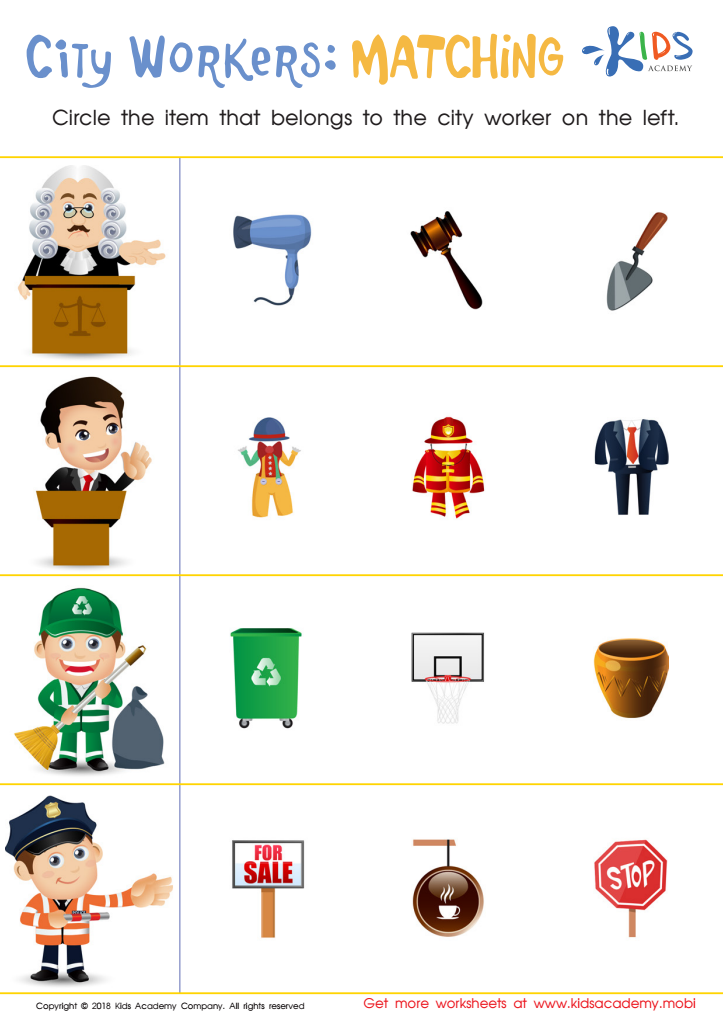
City Workers: Matching Worksheet
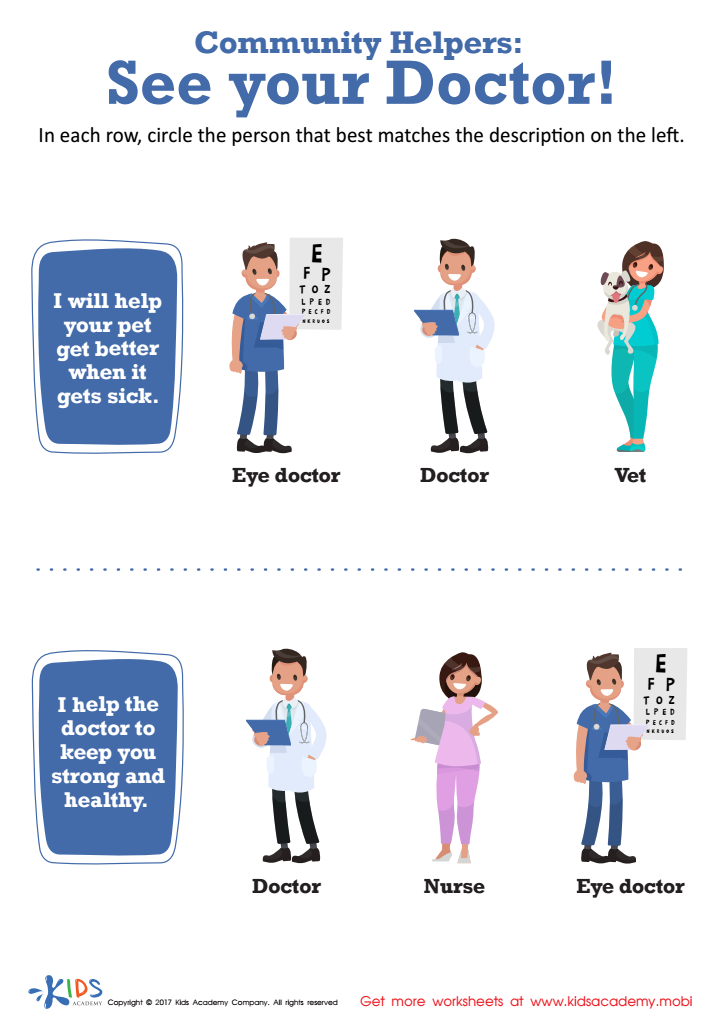
See Your Doctor (Part 2) Printable
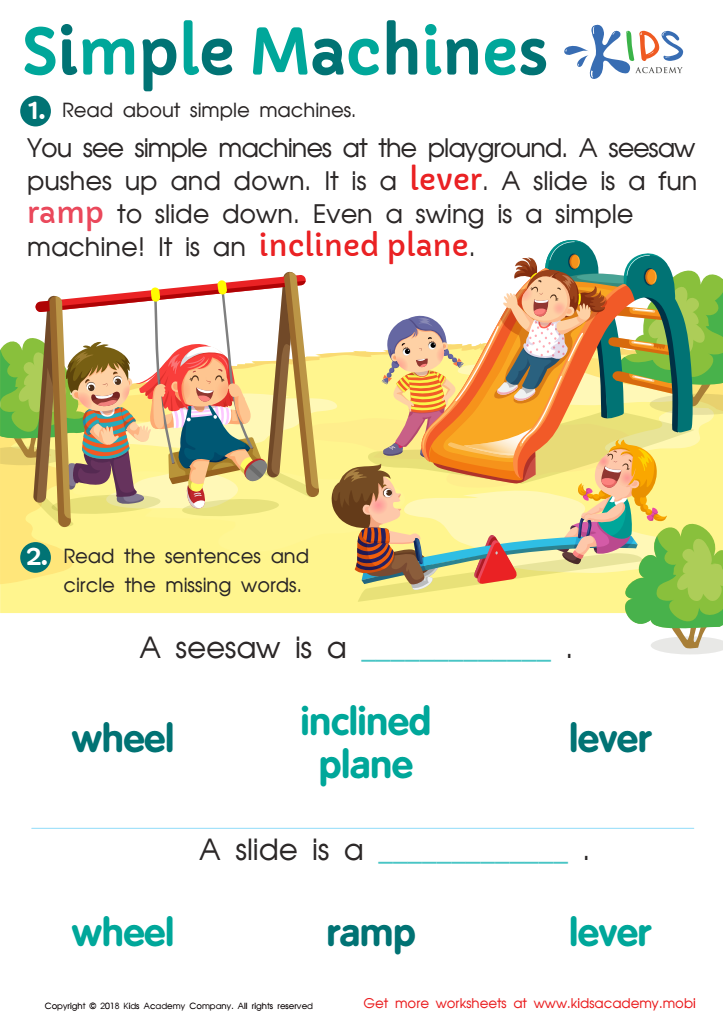
Simple Machines Worksheet
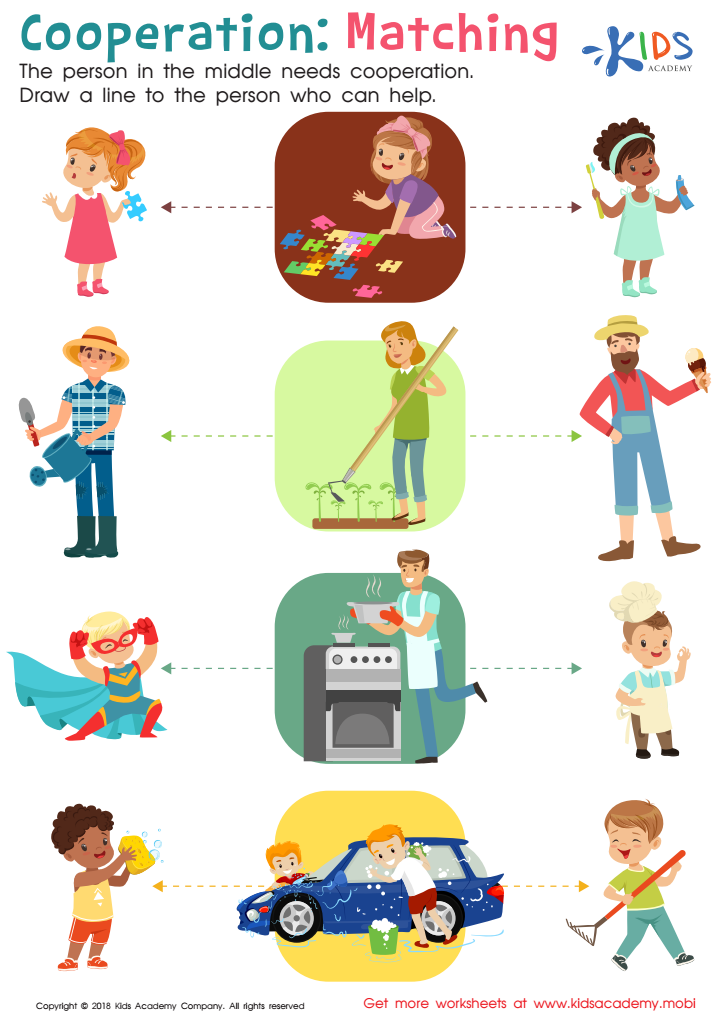
Cooperation: Matching Worksheet
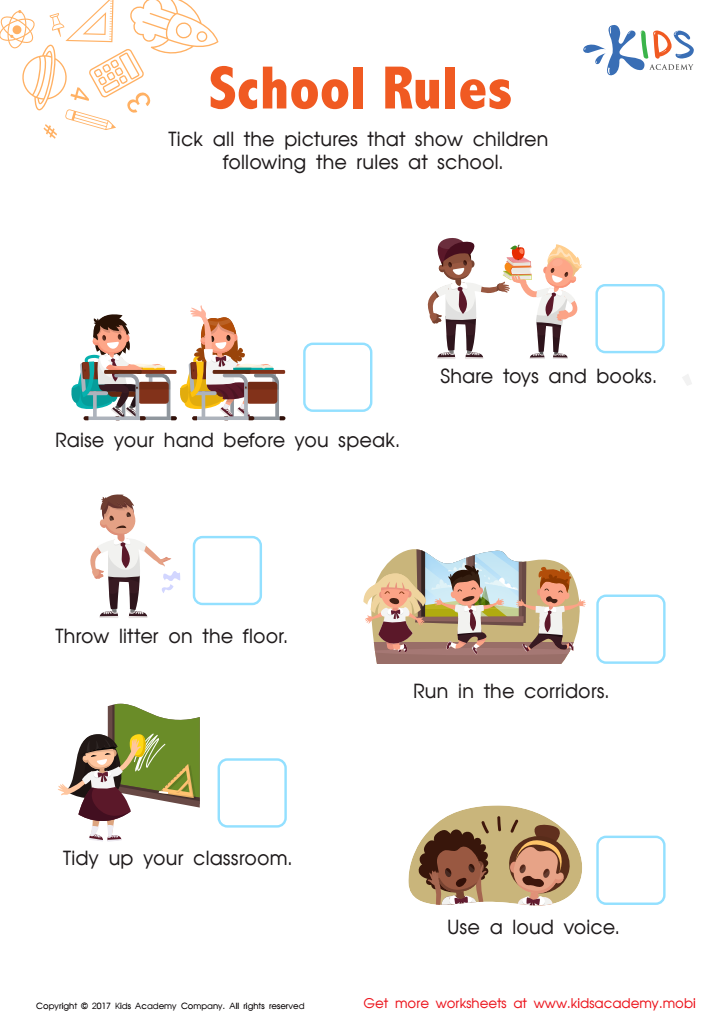
School Rules Worksheet
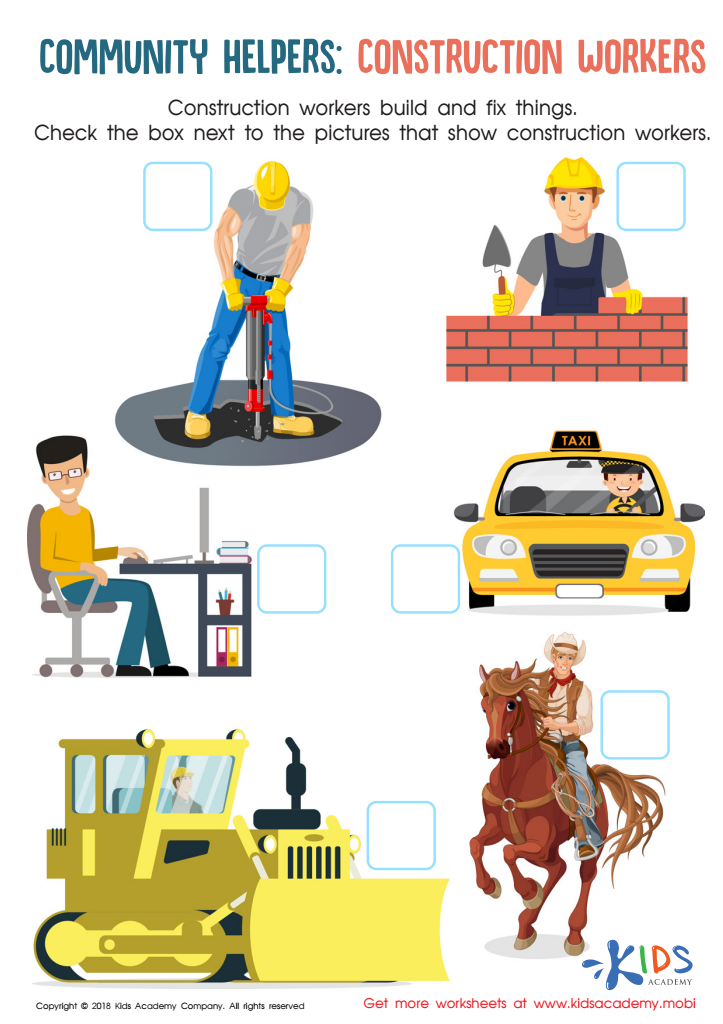
Construction Workers Community Helpers Worksheet
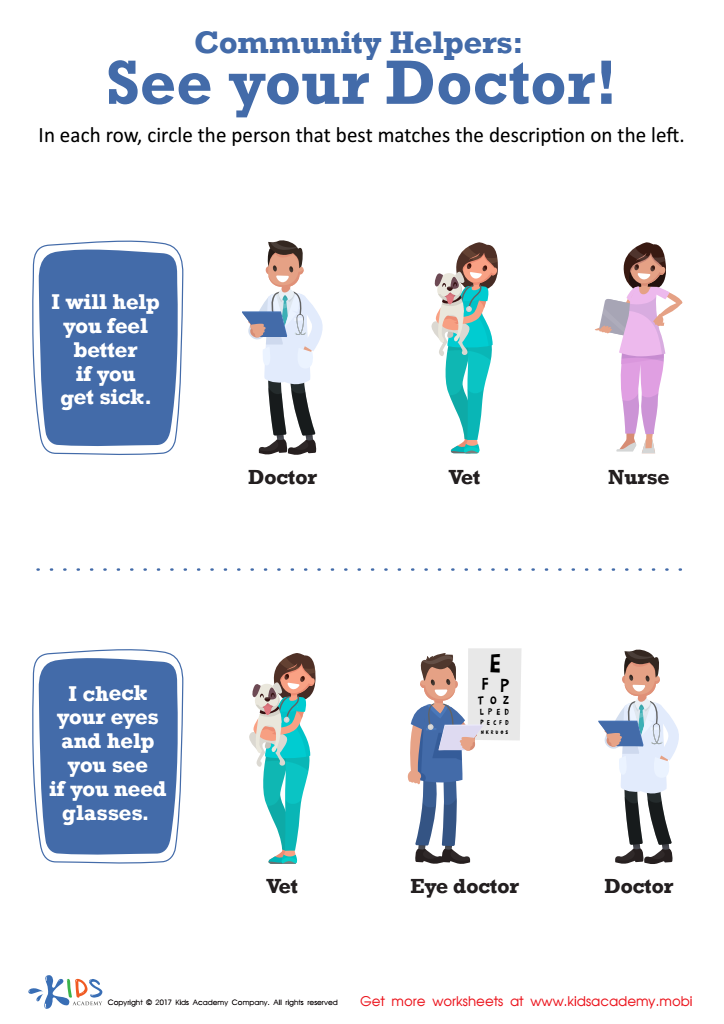
See Your Doctor (Part 1) Printable
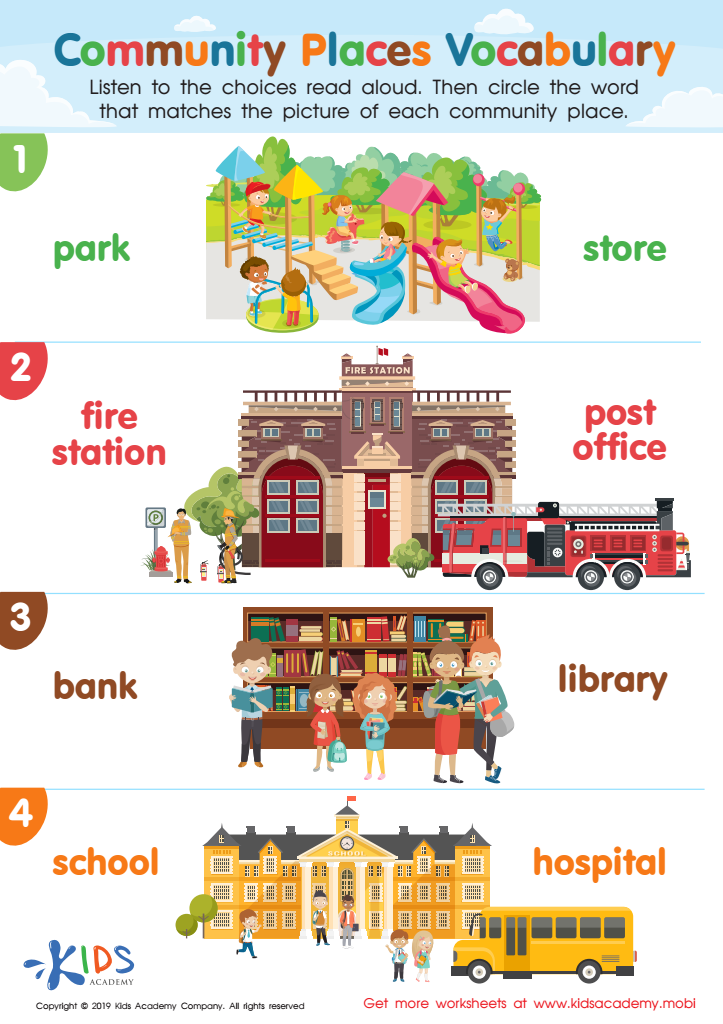
Community Places Vocabulary Worksheet
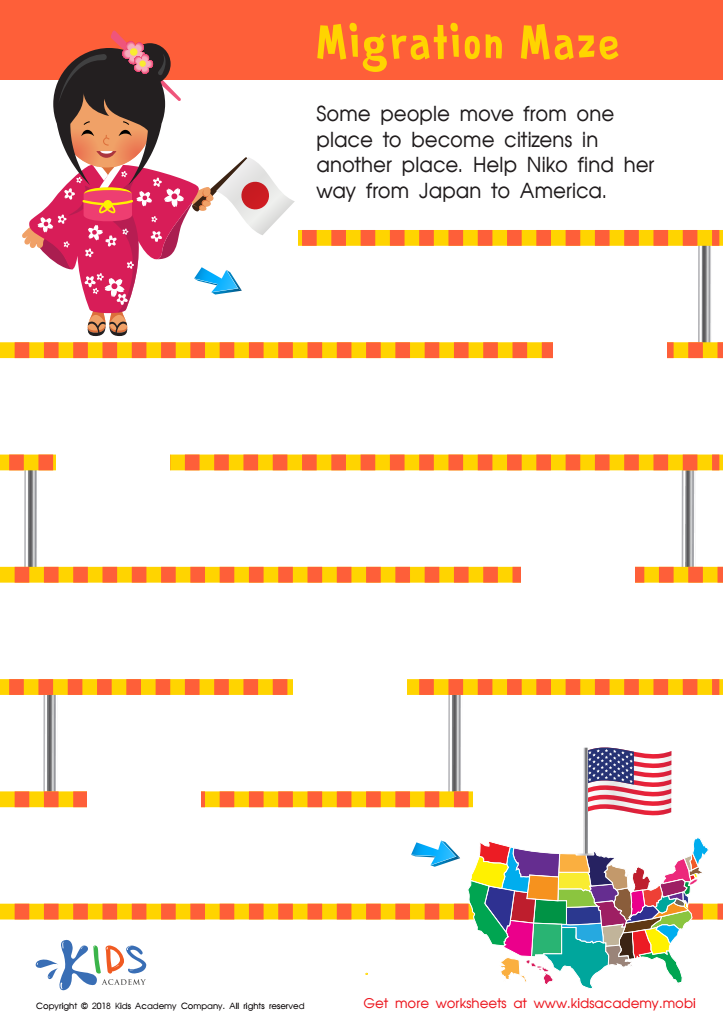
Migration Maze Worksheet
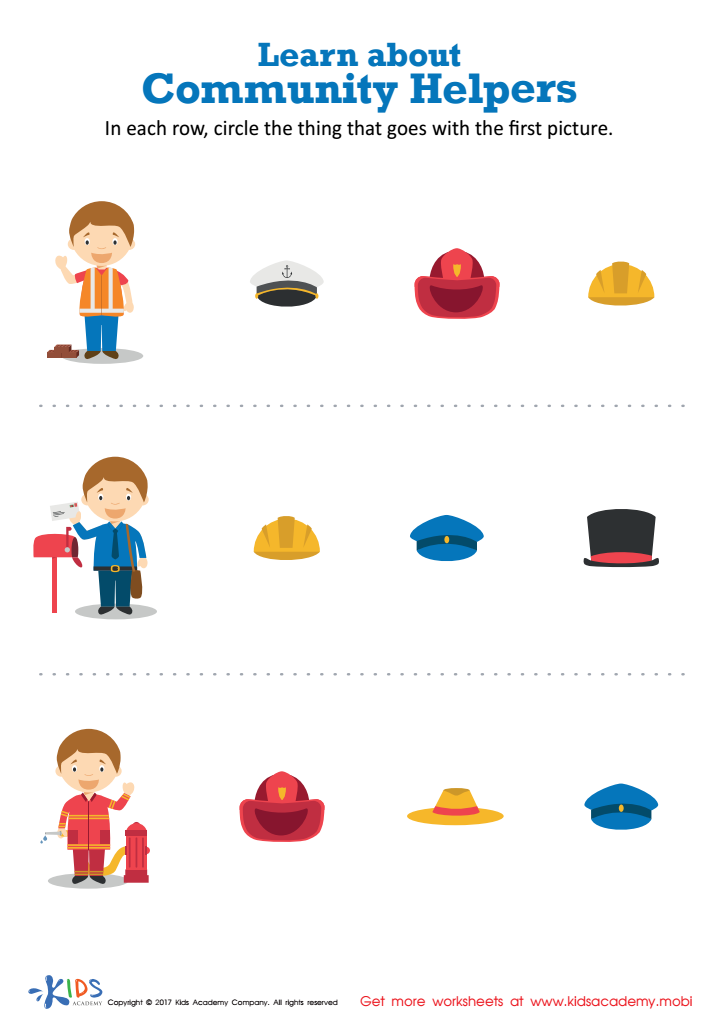
Learn about Community Helpers Printable
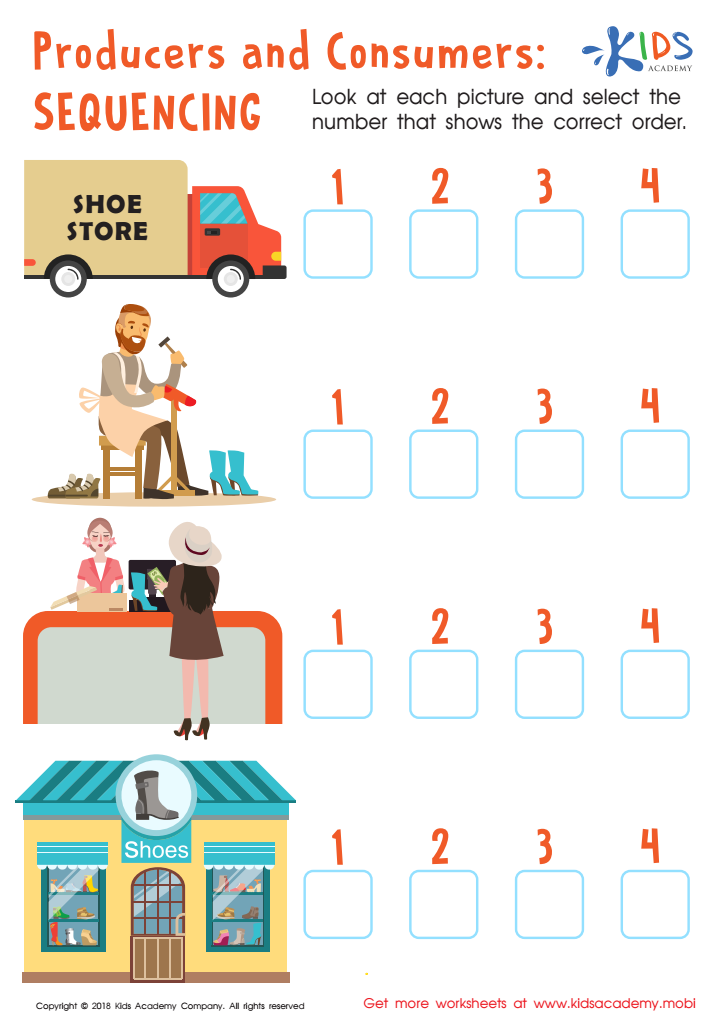
Producers and Consumers: Sequencing Worksheet
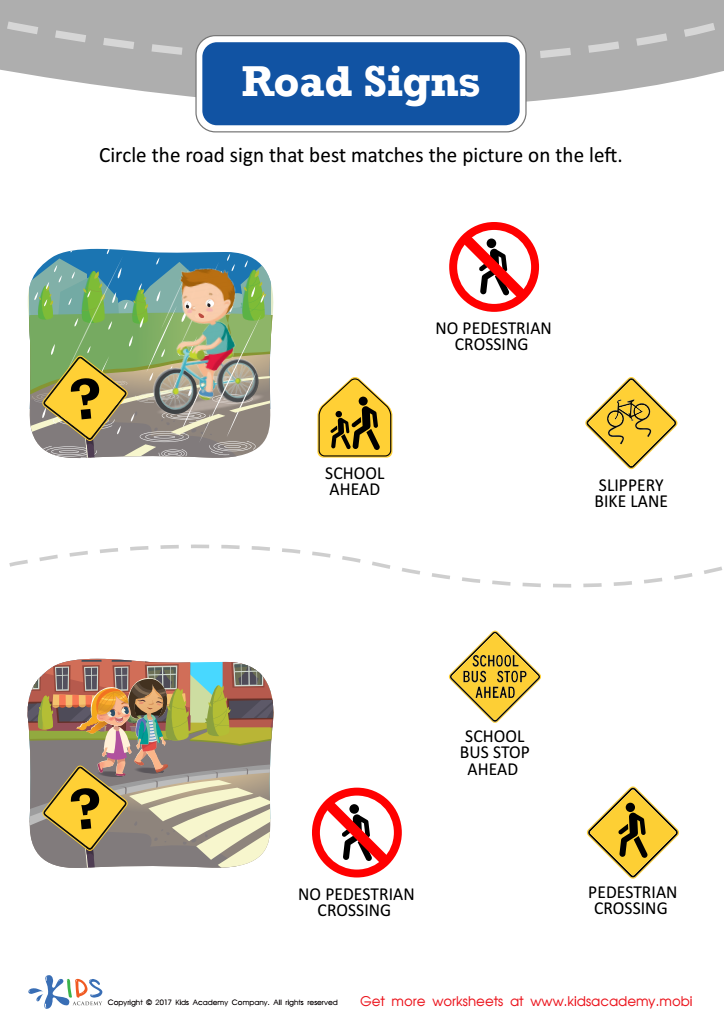
Road Signs (Part 2) Printable







Parents and teachers should care about the normal community for ages 3-9 because this phase of a child’s development is crucial for building foundational skills and forming core social values. Between ages 3 and 9, children undergo significant developmental changes; they learn to communicate effectively, build relationships, and understand social norms. A supportive and enriching community enhances these aspects, providing a safe space for children to explore, learn, and grow.
In this period, children also develop cognitive abilities such as language, problem-solving, and basic academic skills. A community that nurtures these abilities sets the stage for future academic success and lifelong learning. When parents and teachers prioritize a healthy community, they ensure that children gain access to vital resources like quality education, extracurricular activities, and emotional support.
Moreover, a positive community shapes a child’s character, teaching them empathy, cooperation, and respect for diversity. Children learn by observing and interacting with peers and adults, so being part of a community with strong values and positive role models is essential.
Ultimately, a well-supported community contributes to the holistic development of children, laying the foundation for them to become well-rounded, responsible, and confident individuals. Investing in such a community benefits not only the children but also society as a whole.








