Normal Upper & Lowercase Letters Worksheets for Ages 4-8 - Page 2
44 filtered results
-
From - To
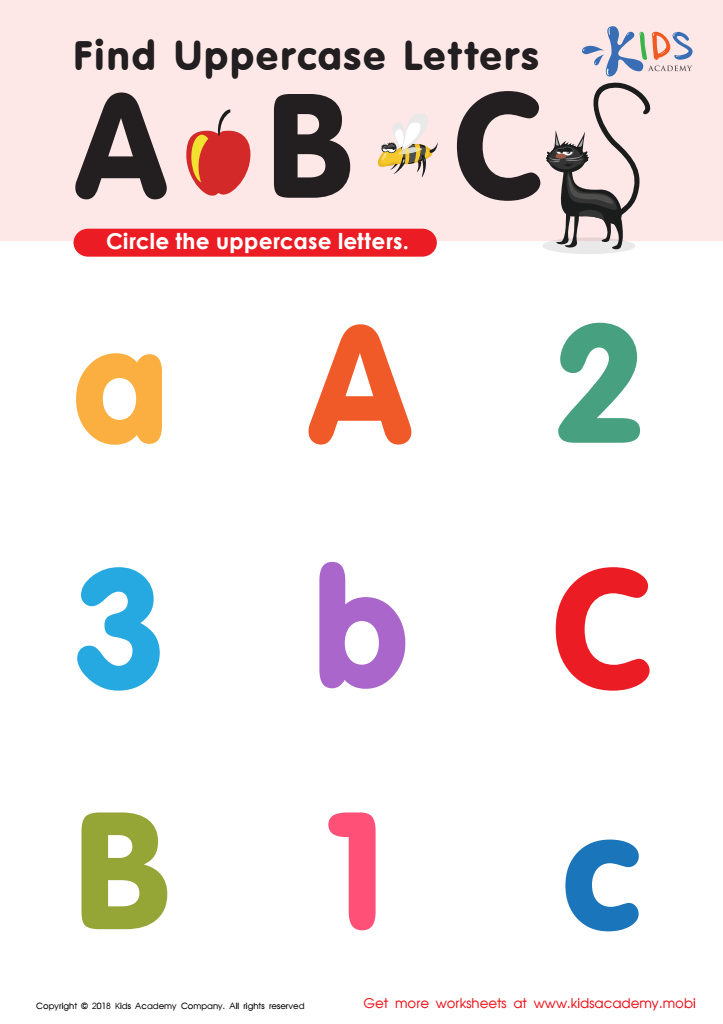
Find Uppercase Letters A, B, and C Worksheet
 Assign to My Students

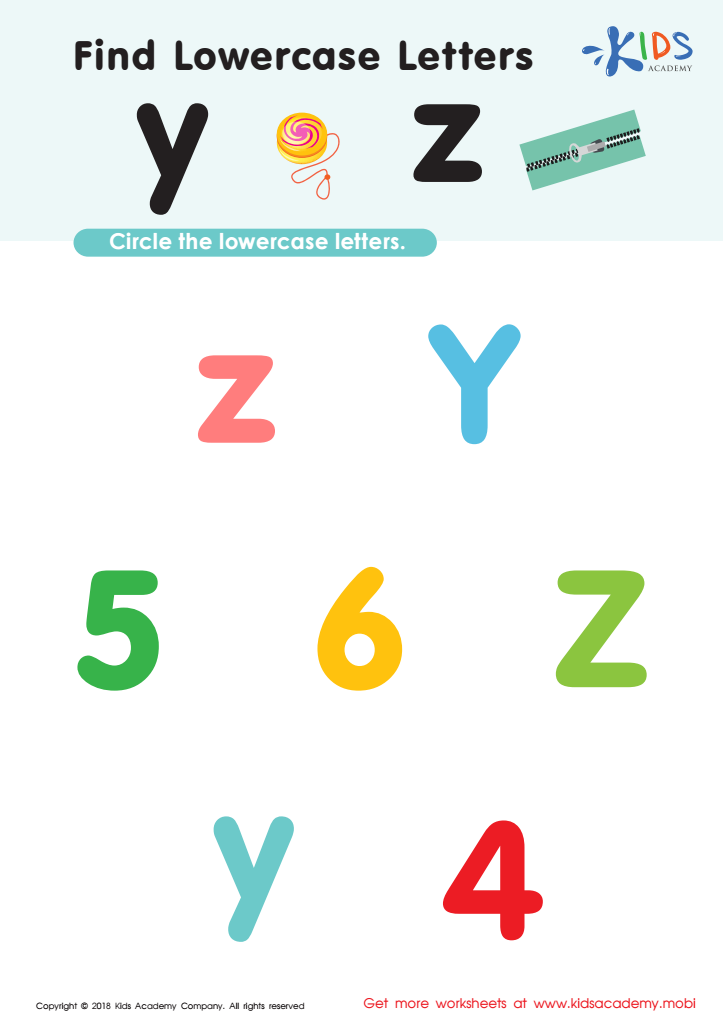
Find Lowercase Letters y z Worksheet
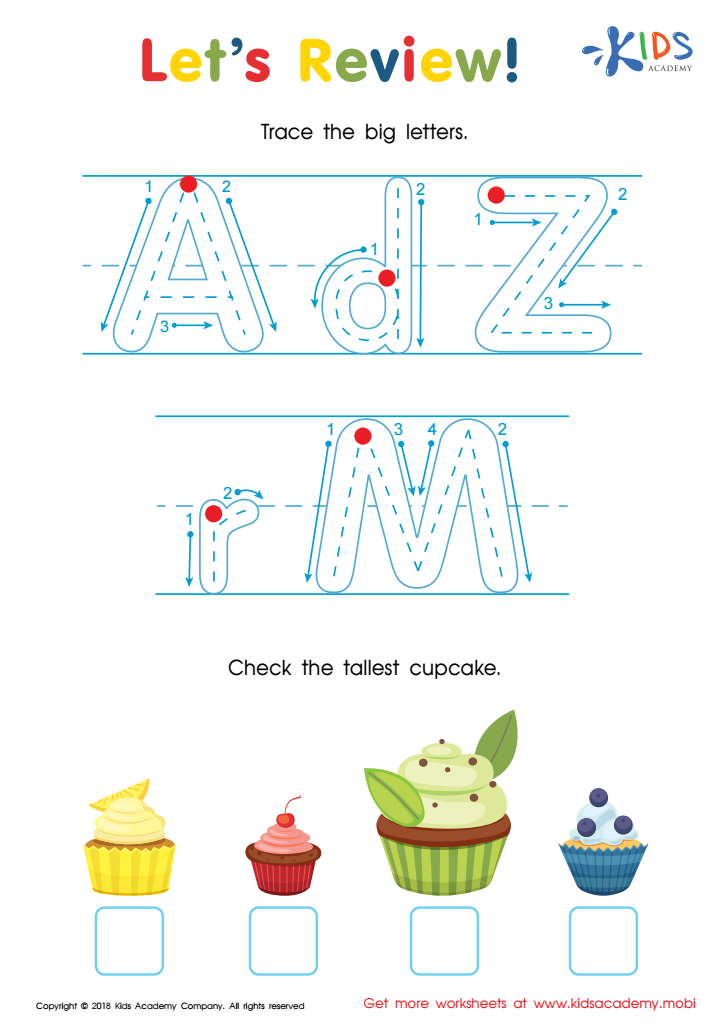
Let's Review! Big Letters Worksheet
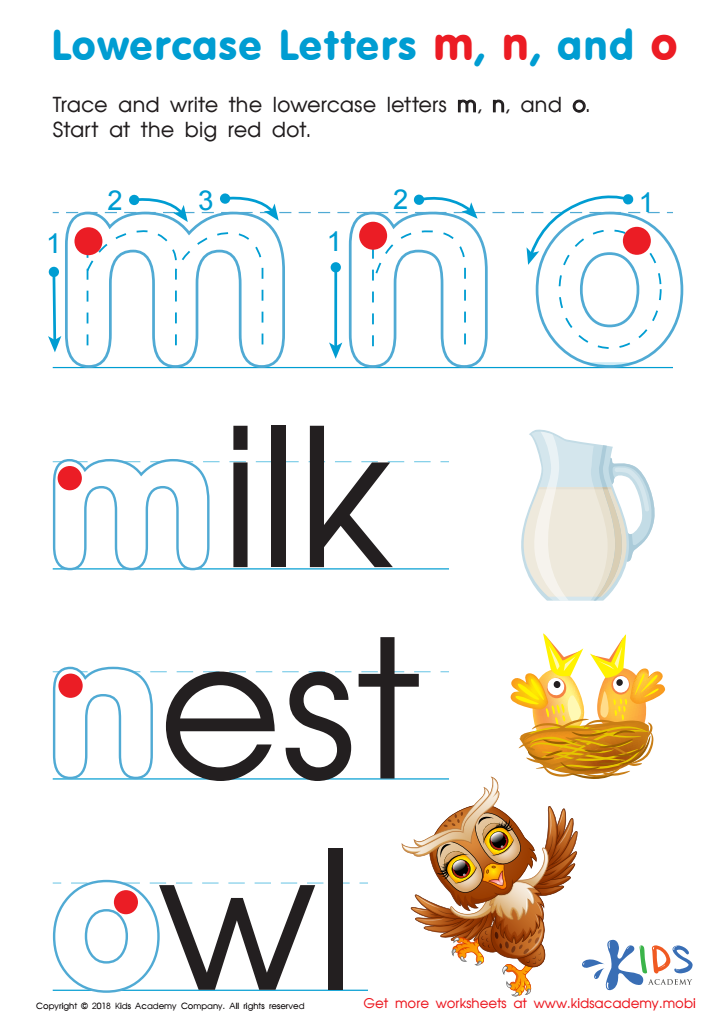
Lowercase Letters m n o Worksheet
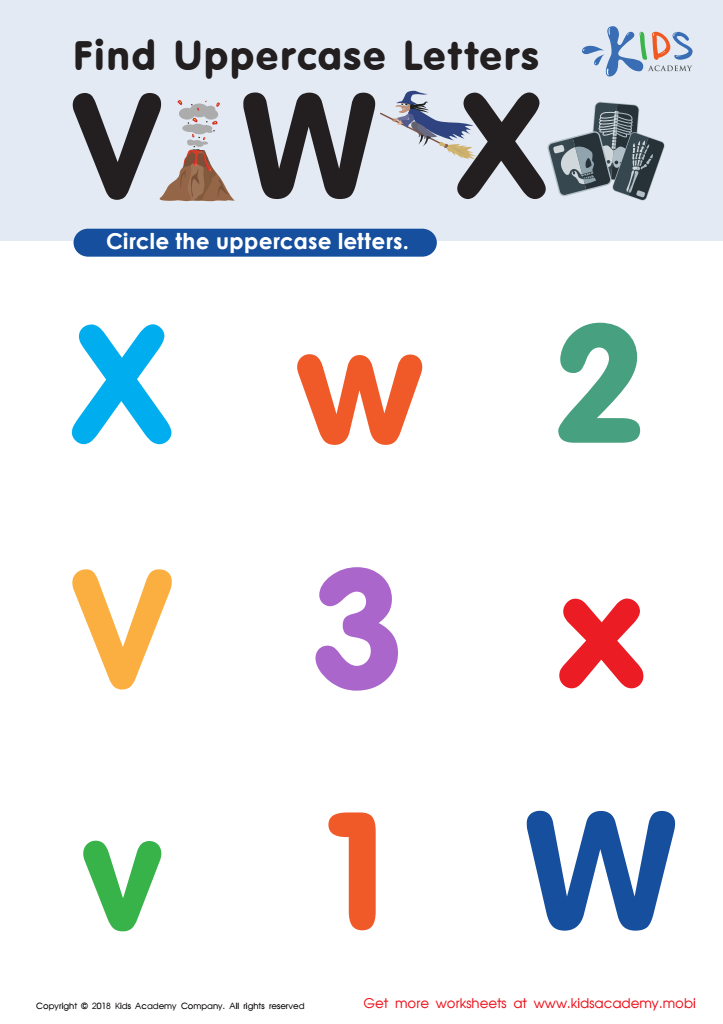
Find Uppercase Letters V, W, X Worksheet
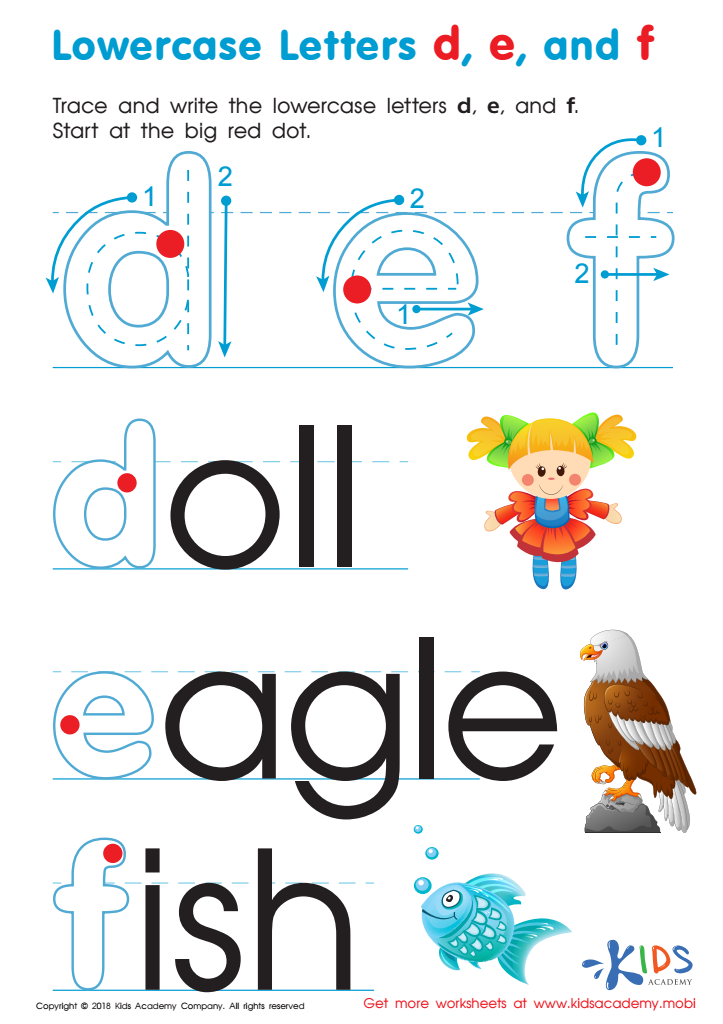
Lowercase Letters d e f Worksheet
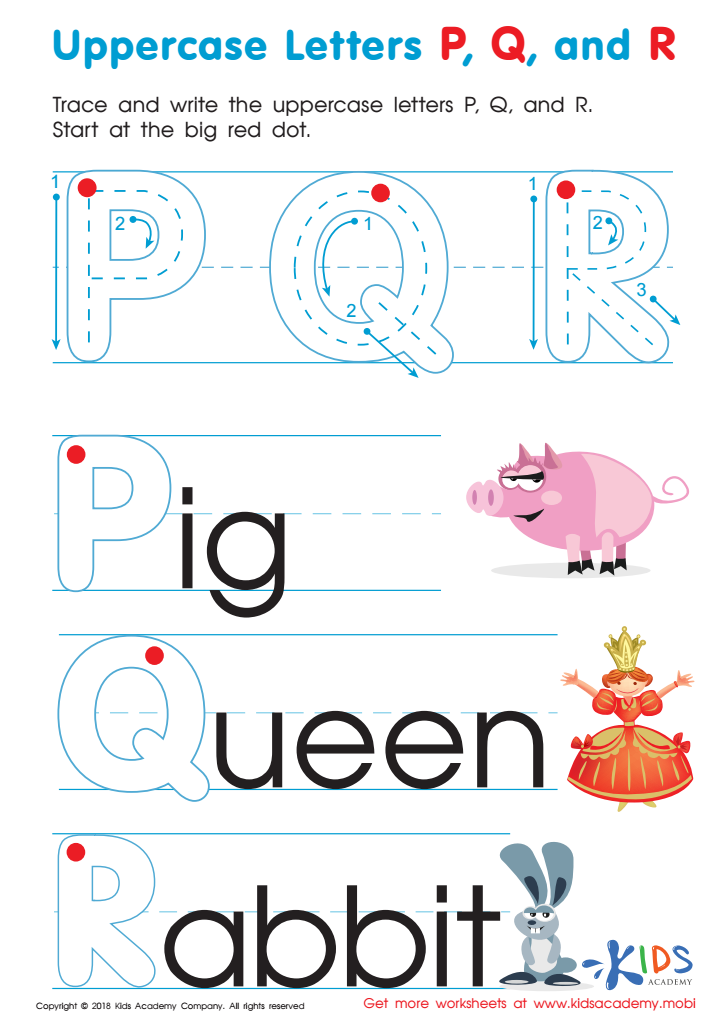
Uppercase Letters P, Q, and R Worksheet
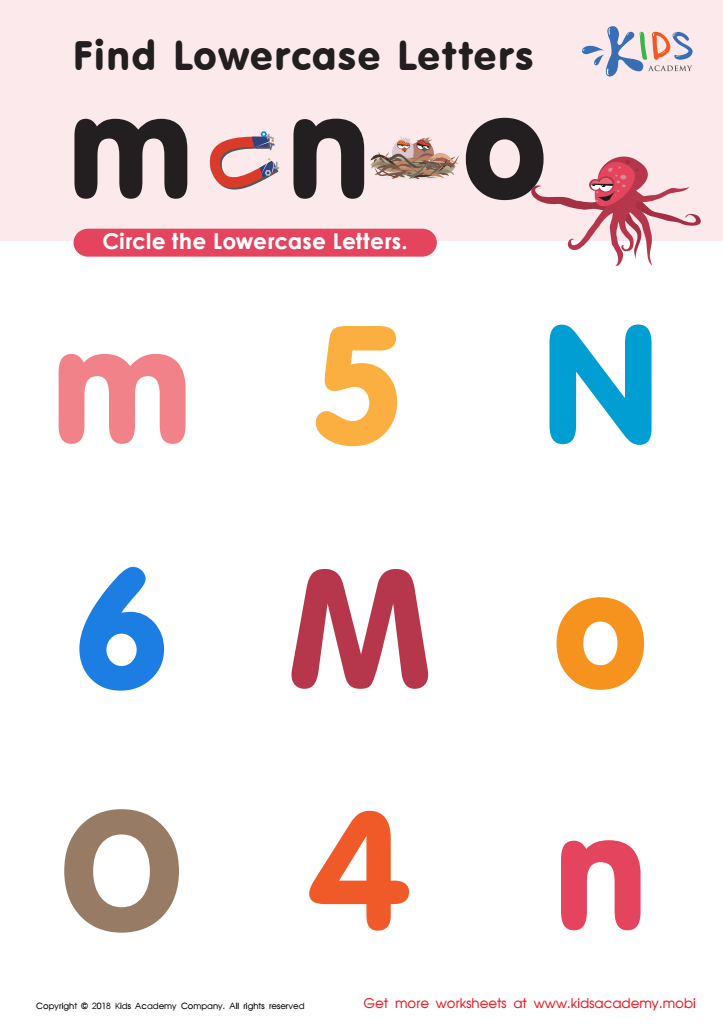
Find Lowercase Letters m n o Worksheet
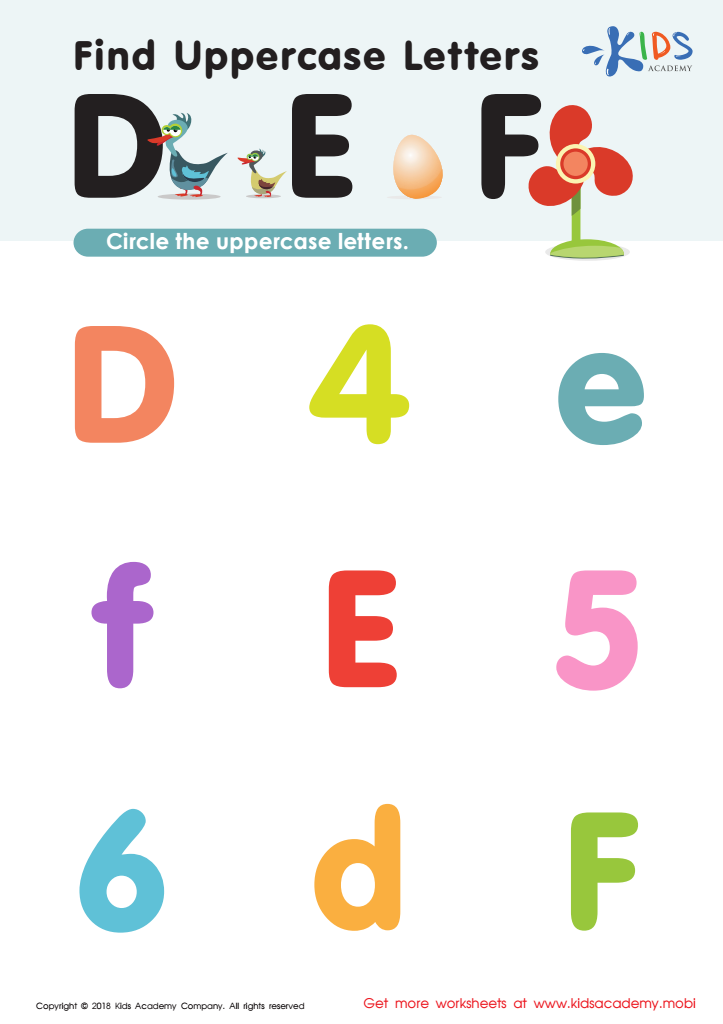
Find Uppercase Letters D, E, and F Worksheet
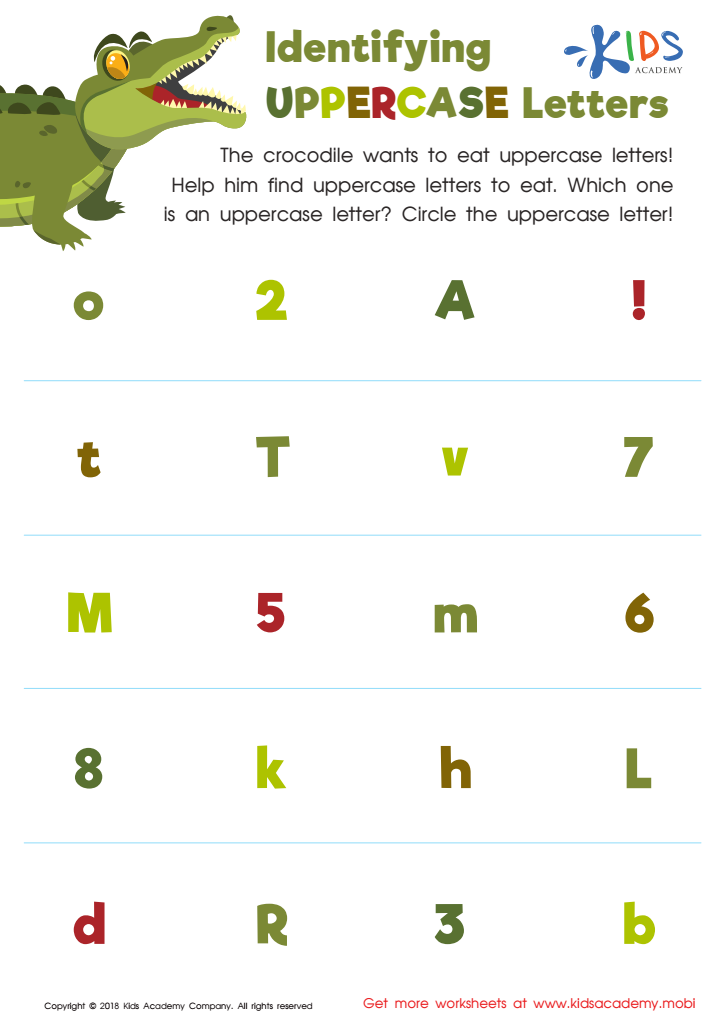
Identifying Uppercase Letters Worksheet
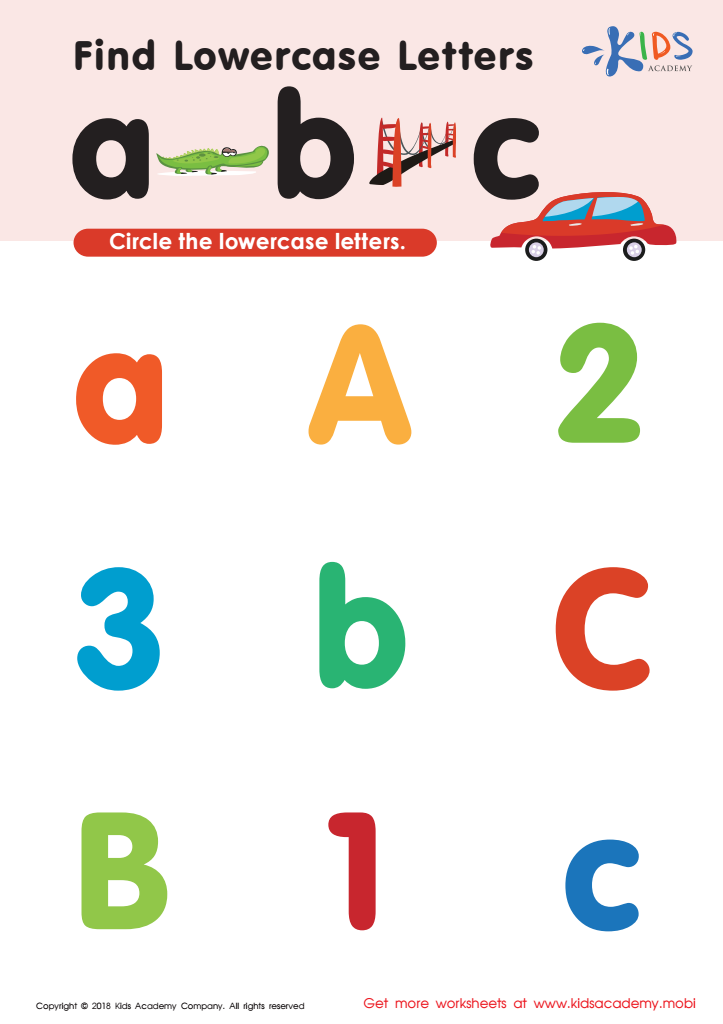
Find lowercase letters a b c Worksheet
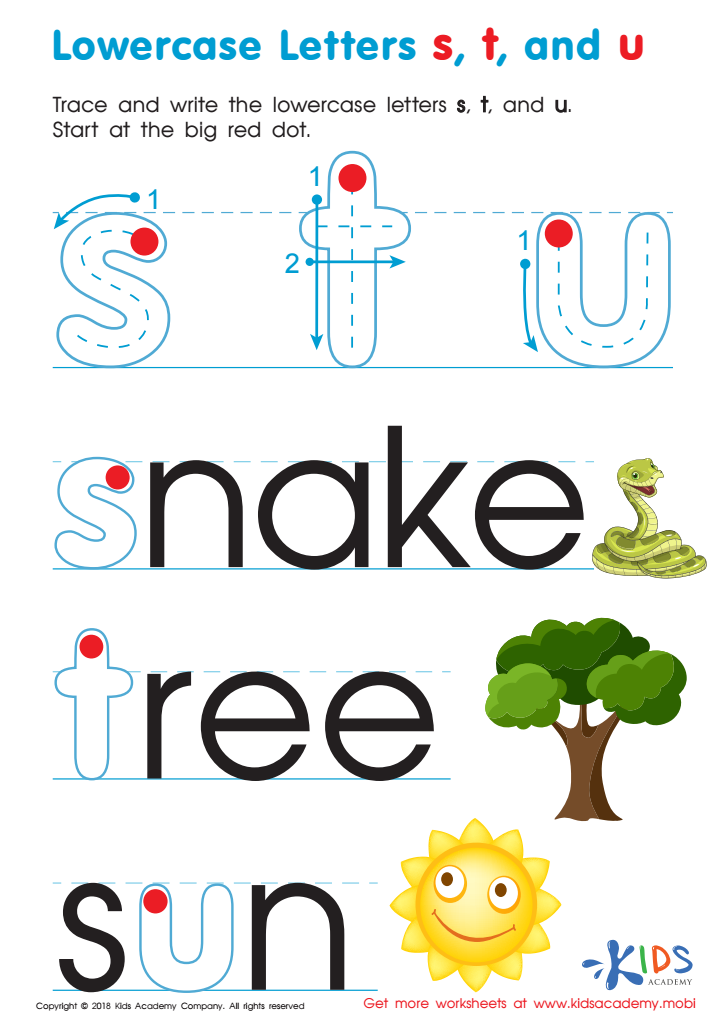
Lowercase Letters s t u Worksheet
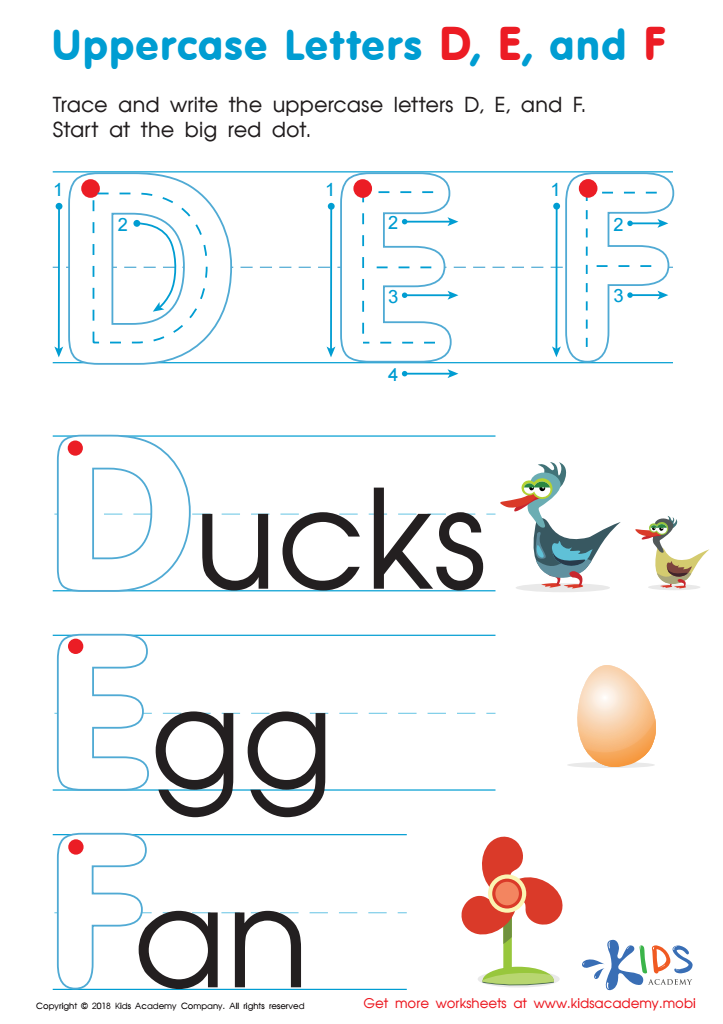
Uppercase Letters D, E, and F Worksheet
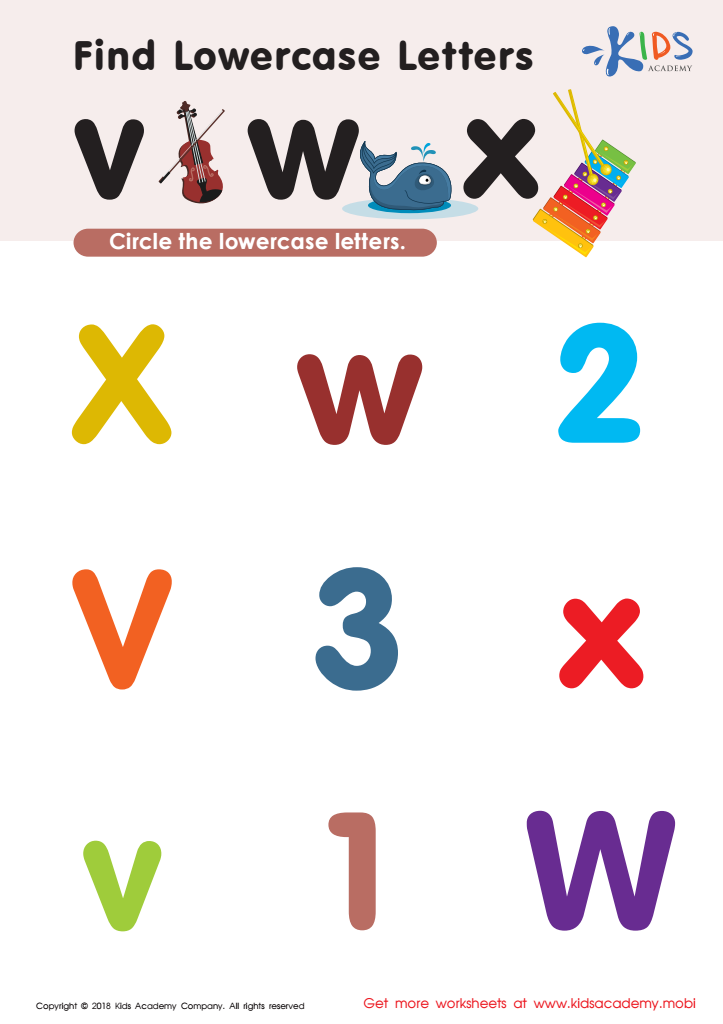
Find Lowercase Letters v w x Worksheet
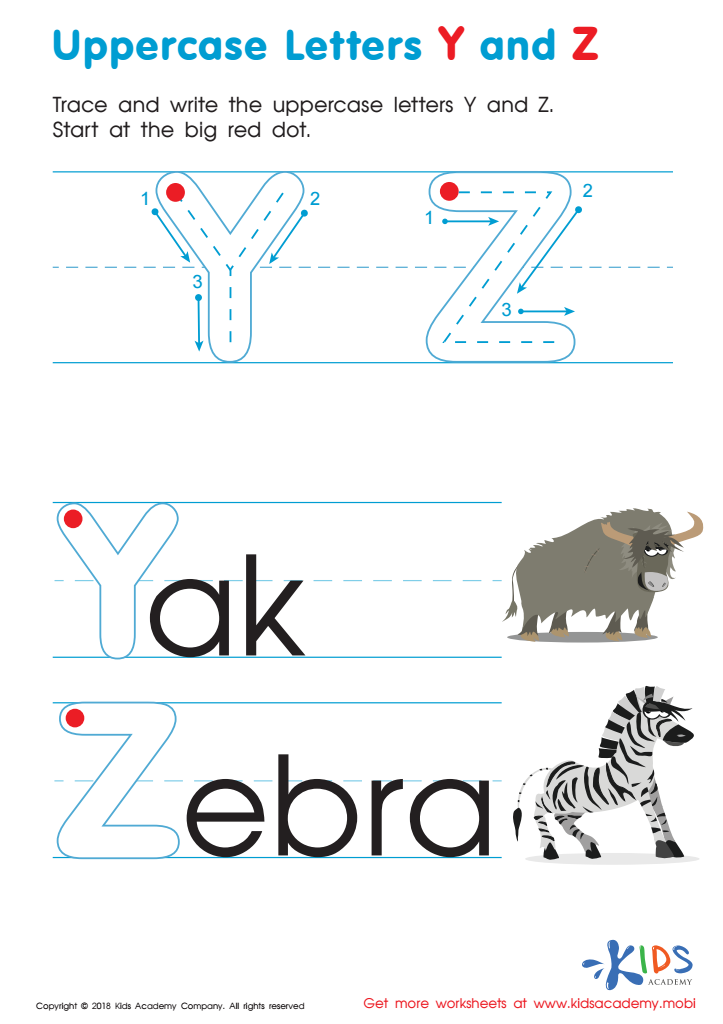
Uppercase Letters Y Z Worksheet
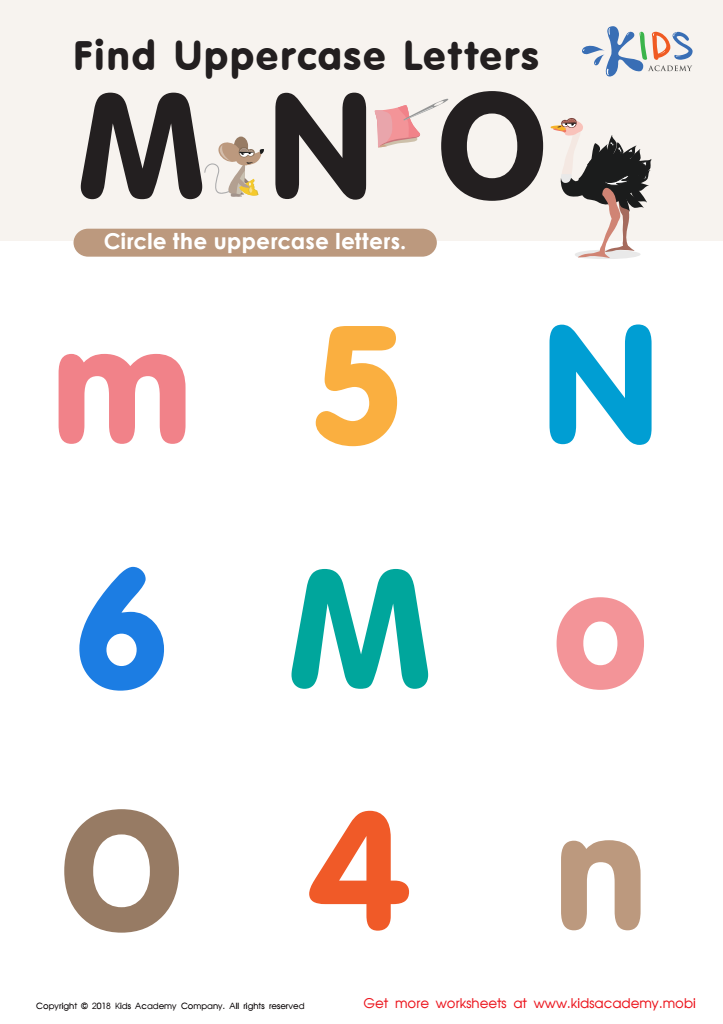
Find Uppercase Letters M, N, and O Worksheet
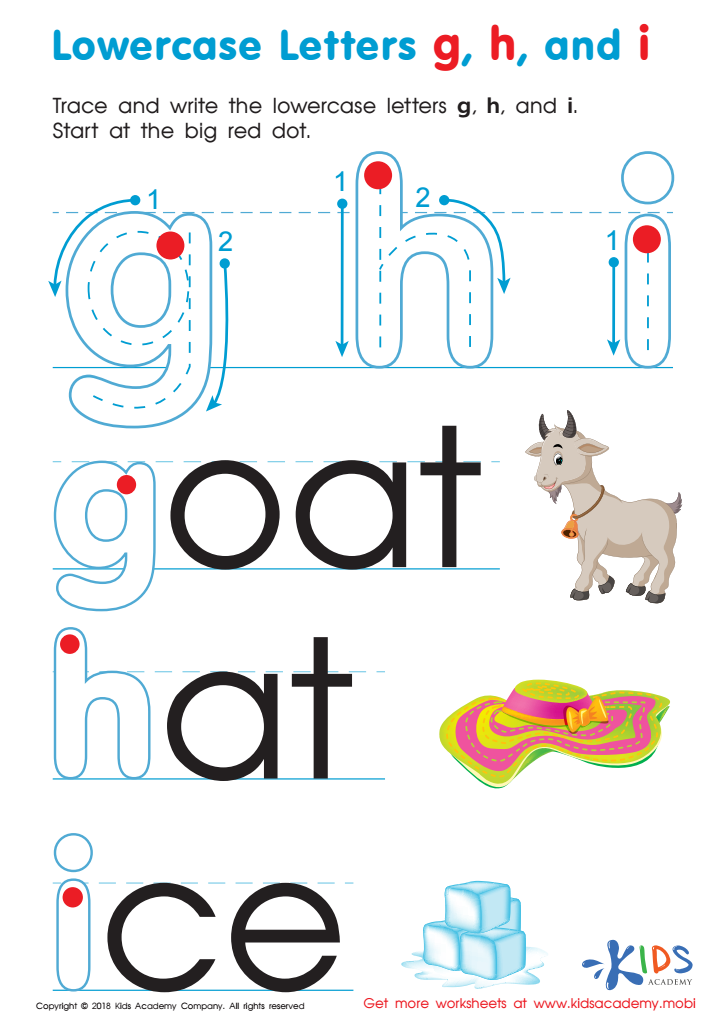
Lowercase Letters g h i Worksheet
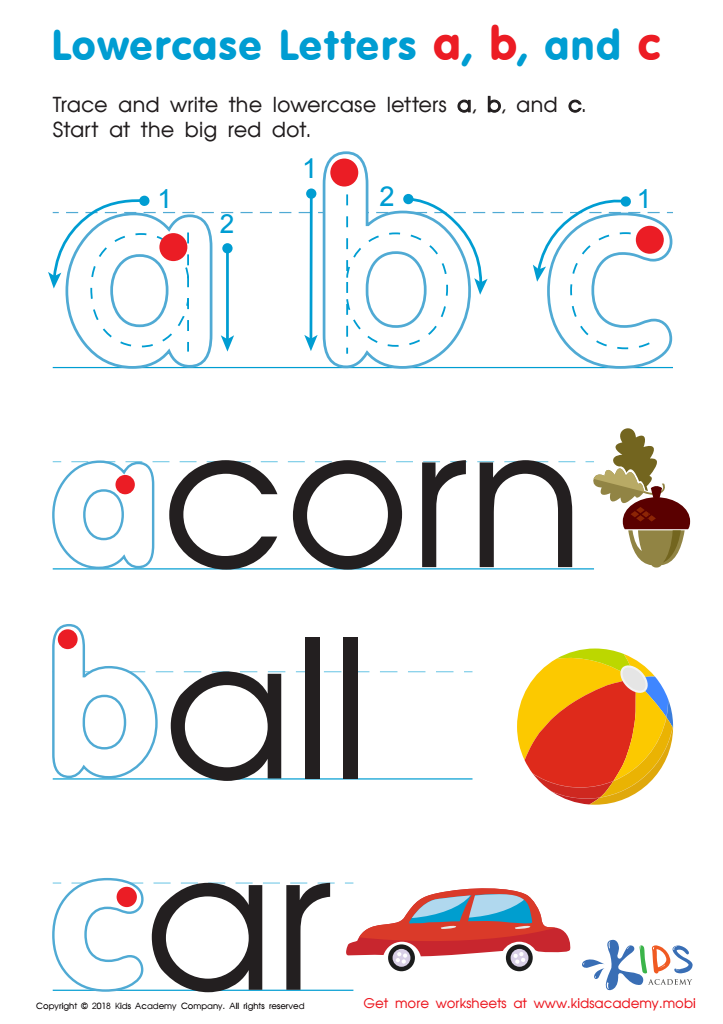
Lowercase Letters a b c Worksheet
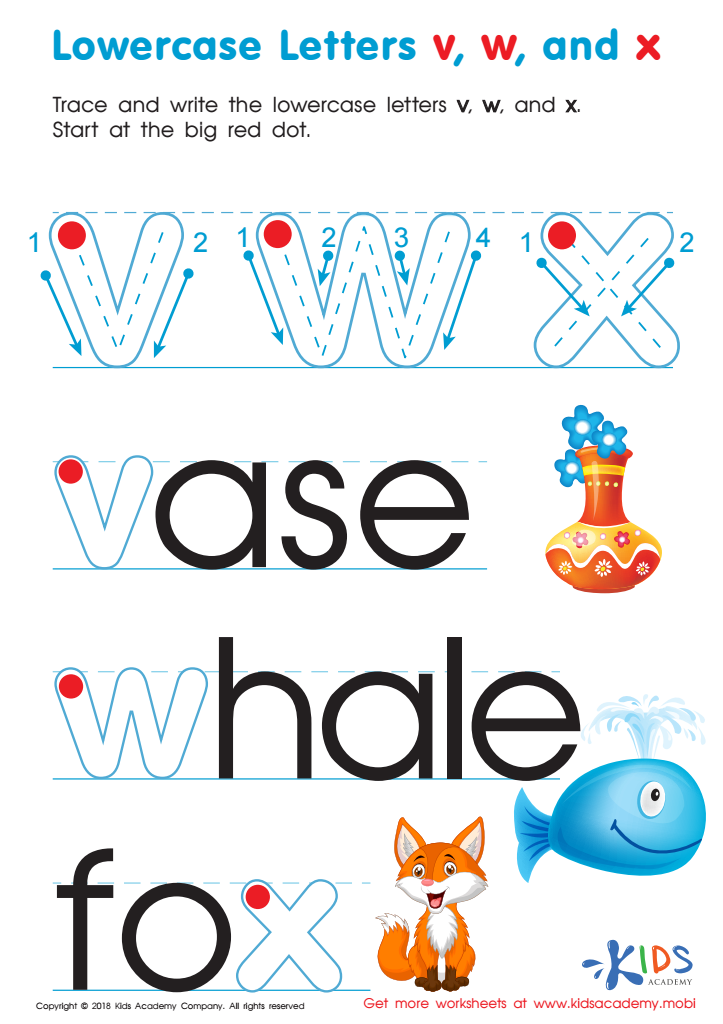
Lowercase Letters v w x Worksheet
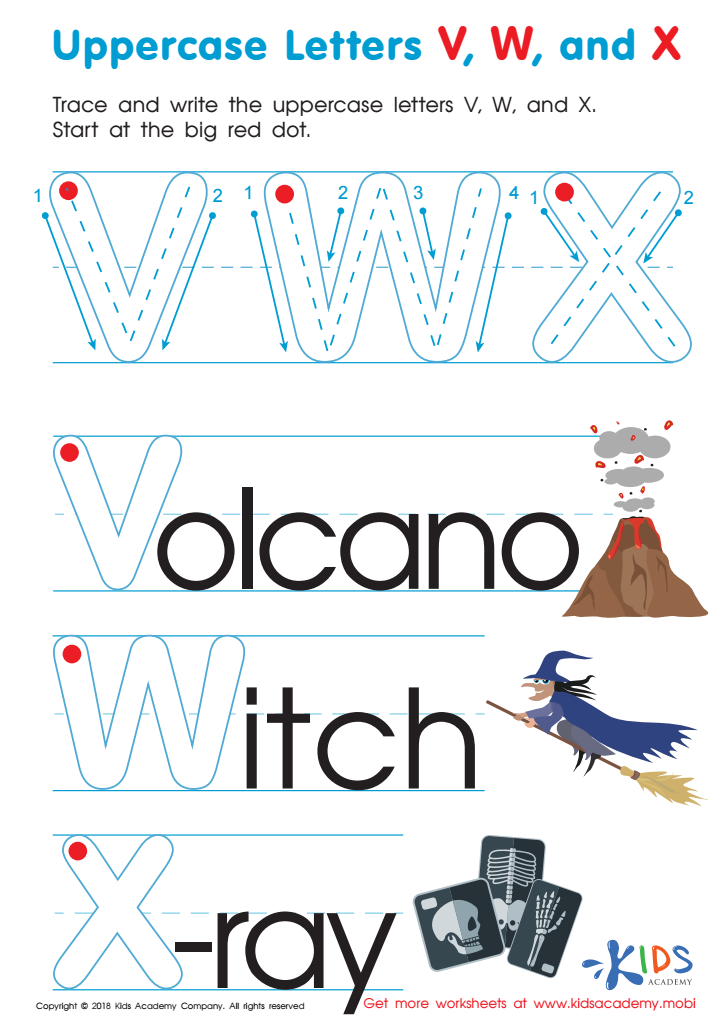
Uppercase Letters V, W, and X Worksheet






Understanding normal uppercase and lowercase letters is crucial for children ages 4-8 as it forms the foundation of literacy, which is essential for their academic success and overall communication skills. At this developmental stage, children are beginning to recognize and write letters, which significantly influences their reading and writing proficiency. Mastering uppercase and lowercase letters enhances phonemic awareness, aiding them in understanding that letters correspond to sounds, which is vital for decoding words.
Furthermore, learning both forms of letters also develops fine motor skills as children practice writing, reinforcing muscle memory and coordination. Additionally, recognizing the difference between uppercase and lowercase letters supports children in making sense of written text, as these elements contribute to punctuation and sentence structure, ultimately making reading more enjoyable and meaningful.
For parents and teachers, fostering this understanding is essential, as it triggers a child’s curiosity about language and paves the way for future learning opportunities. A strong grasp of the alphabet is not only a milestone in their early education but also empowers them to express their thoughts and ideas more effectively, laying the groundwork for confident communication and literacy skills throughout their lives.







