Normal Comparing Numbers Worksheets for Ages 4-8 - Page 2
32 filtered results
-
From - To
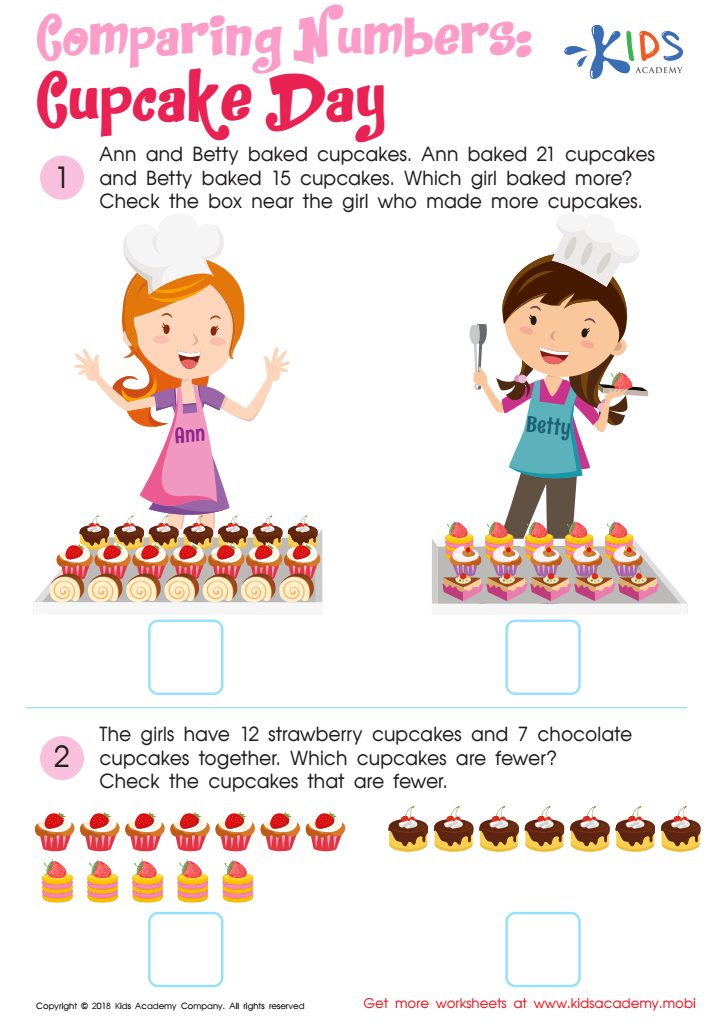
Cupcake Day Worksheet
 Assign to My Students
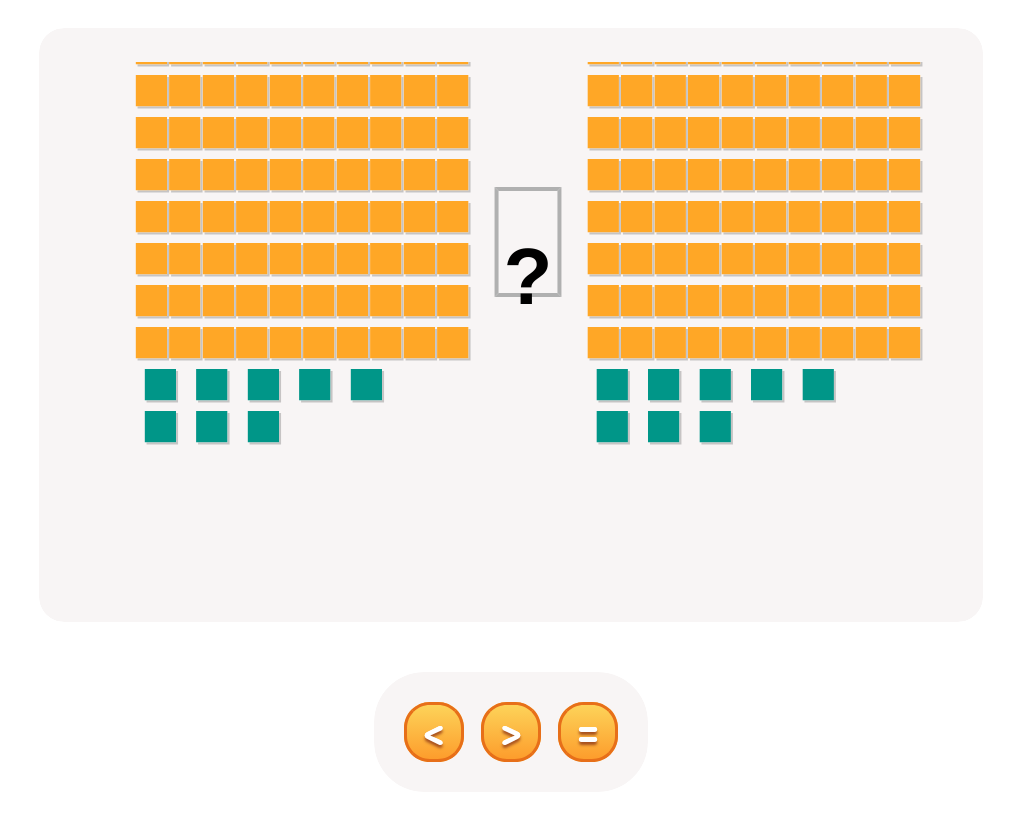

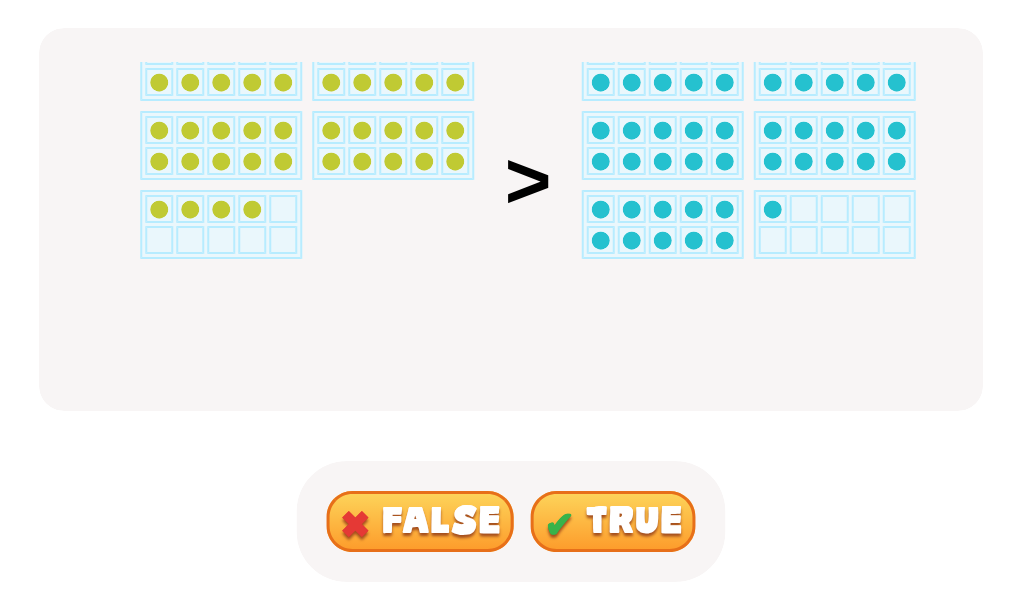
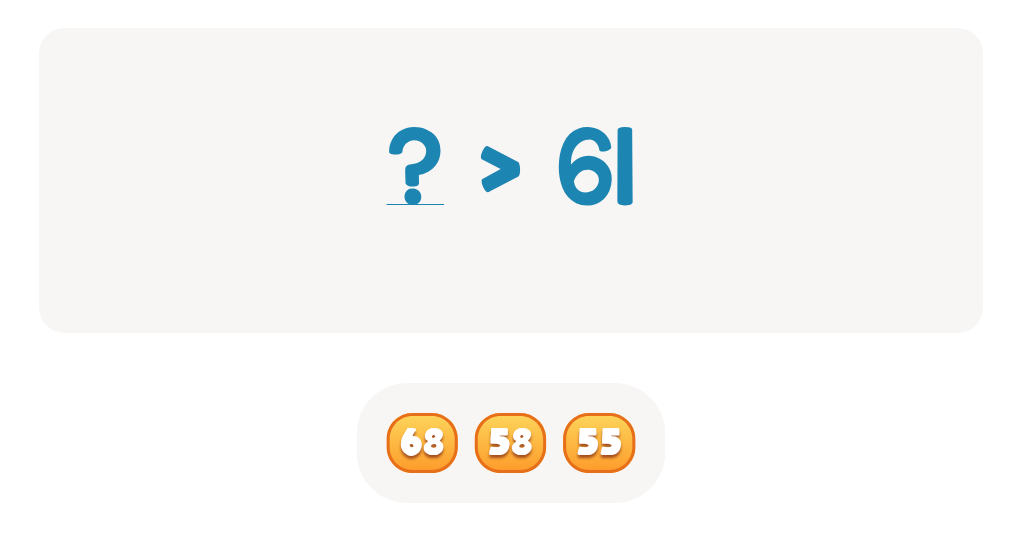
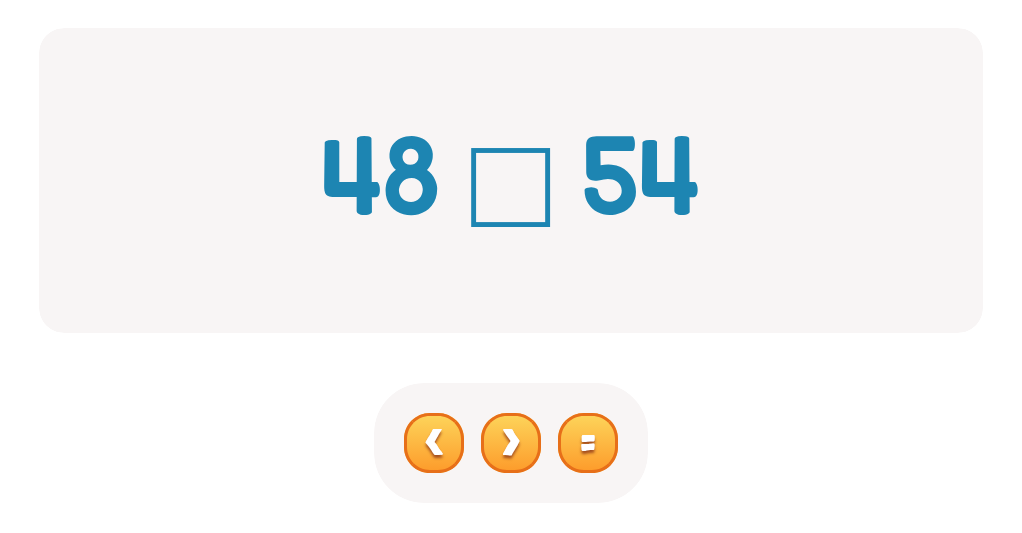
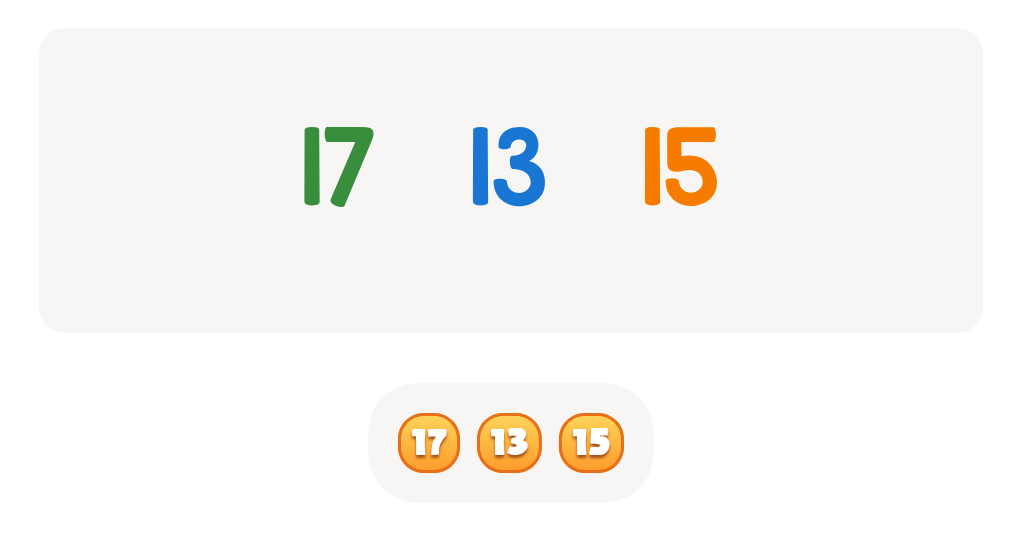
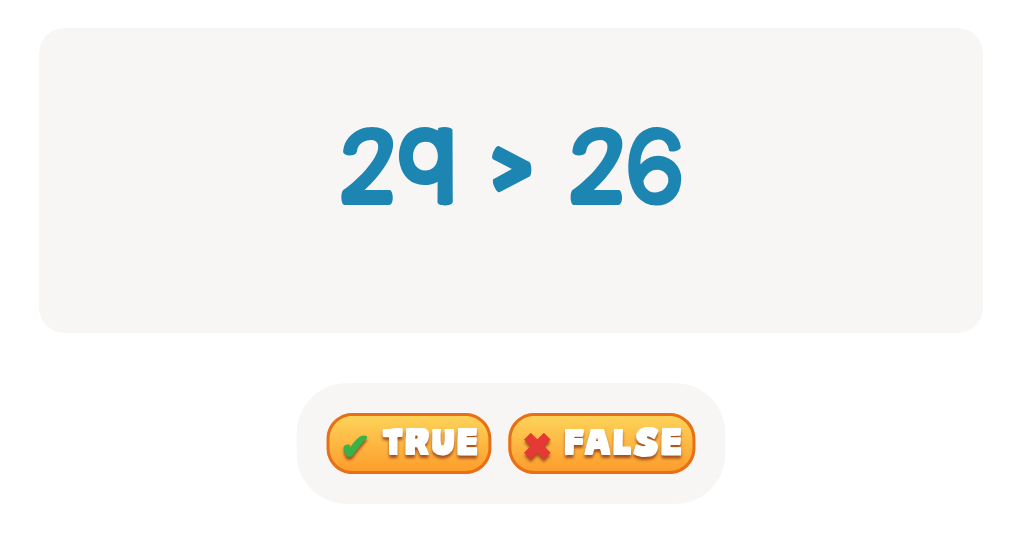
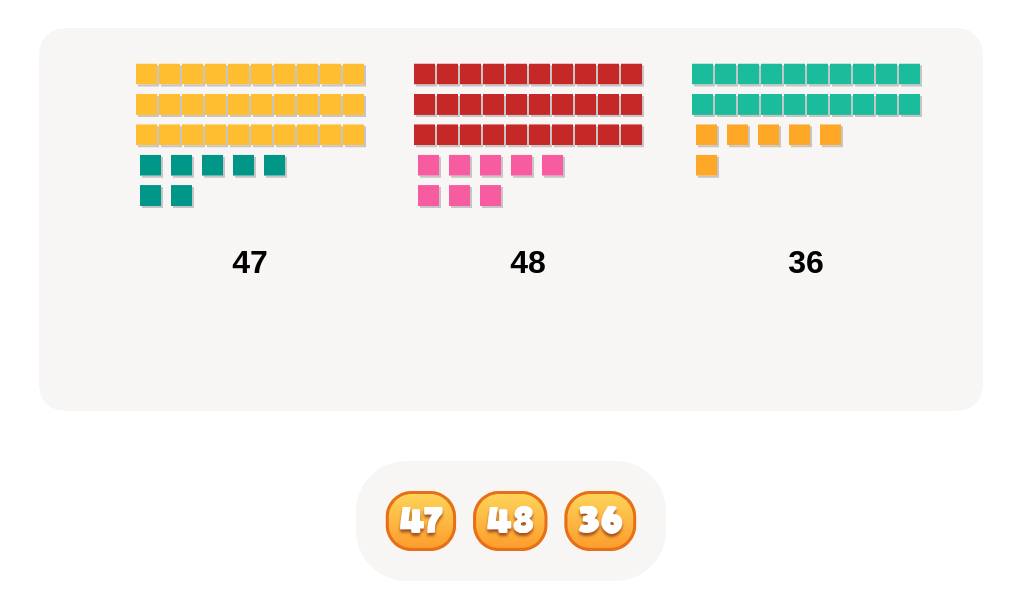
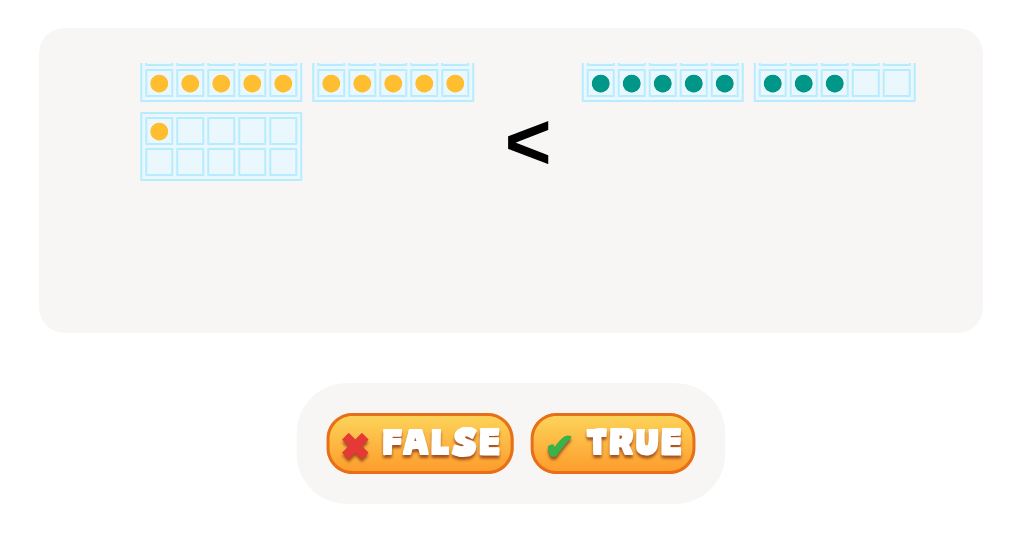
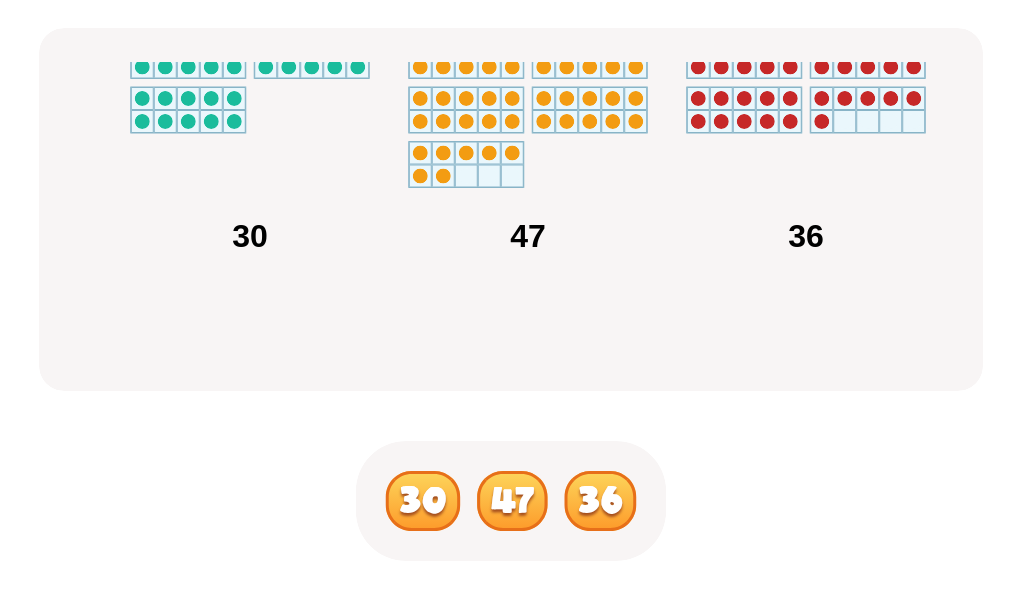
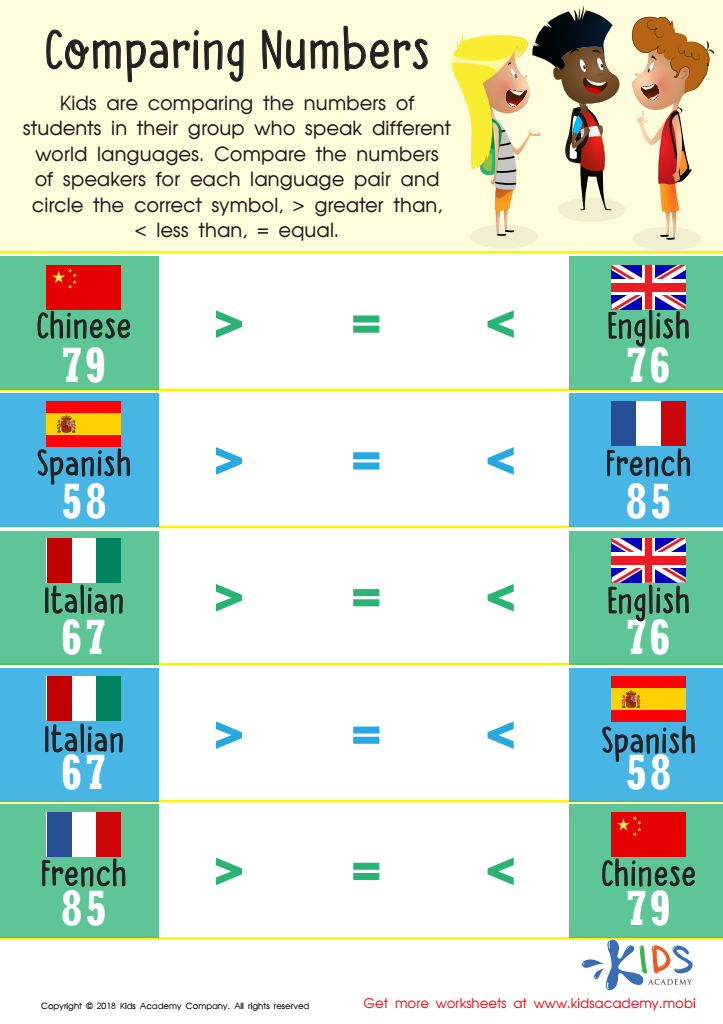
Comparing Numbers Worksheet for 1st Grade
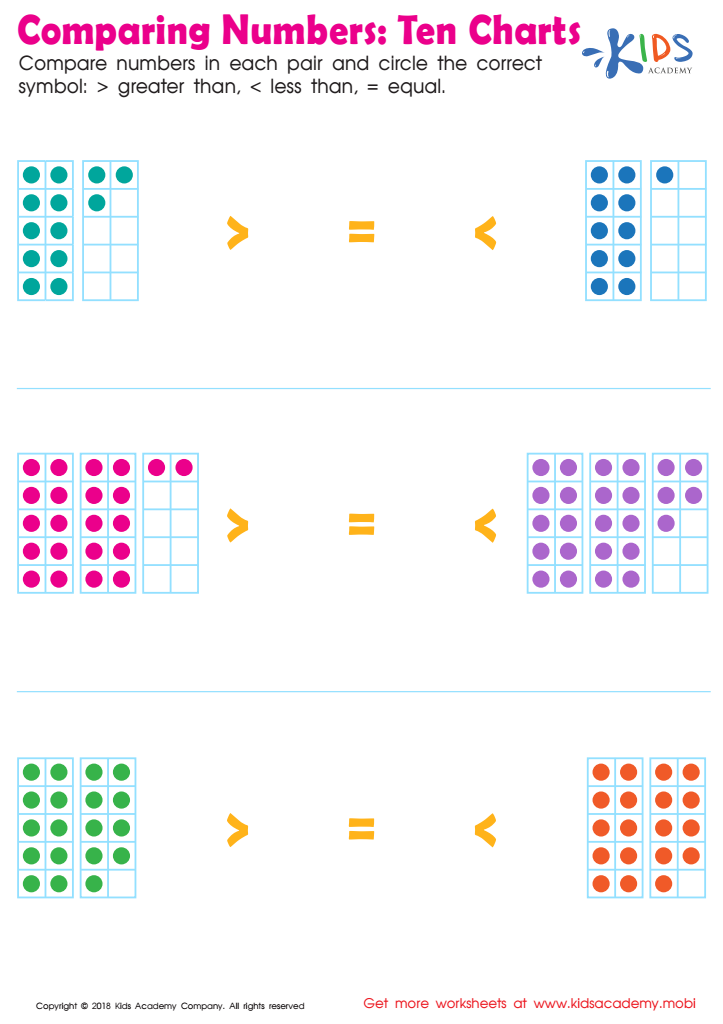
Ten Charts Worksheet
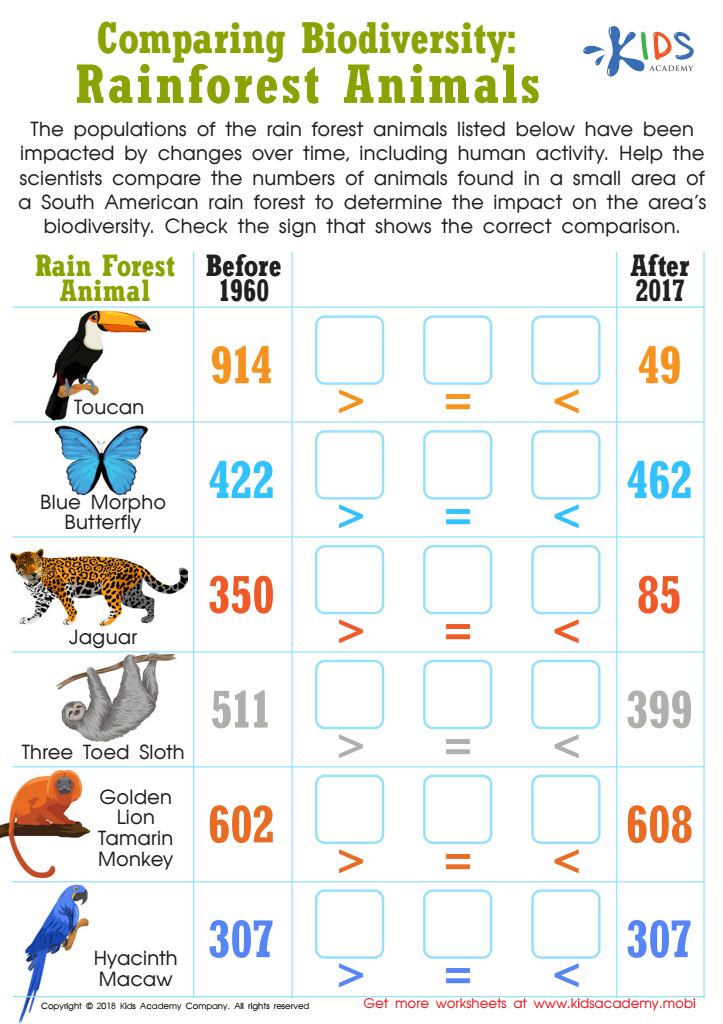
Comparing Biodiversity: Rainforest Animals Worksheet
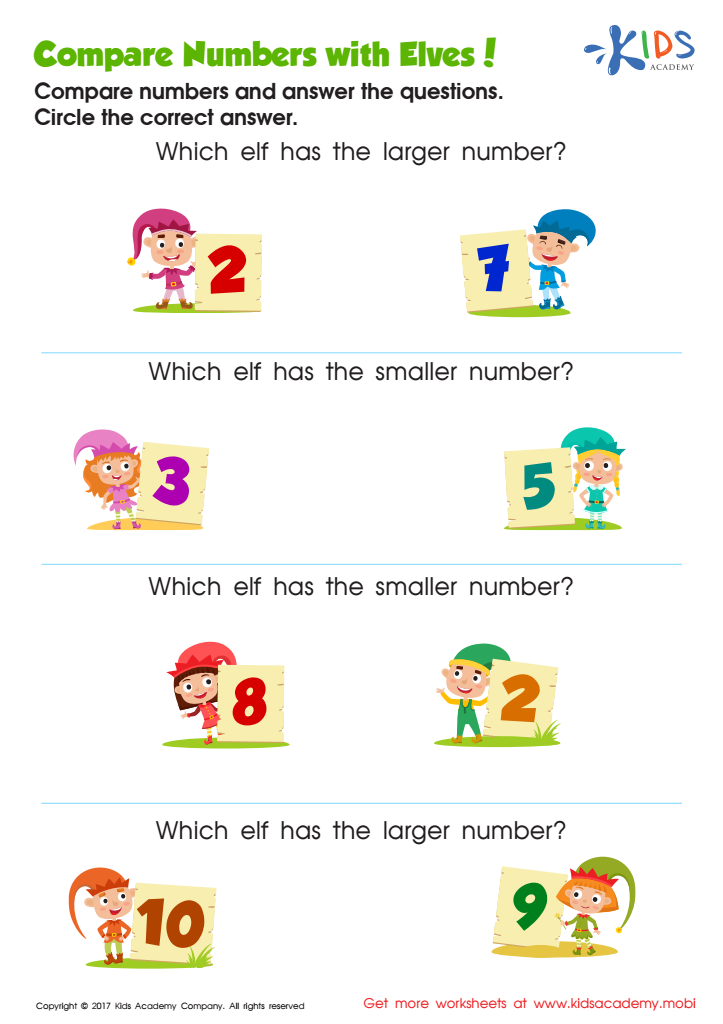
Comparing Numbers Worksheet for Kindergarten
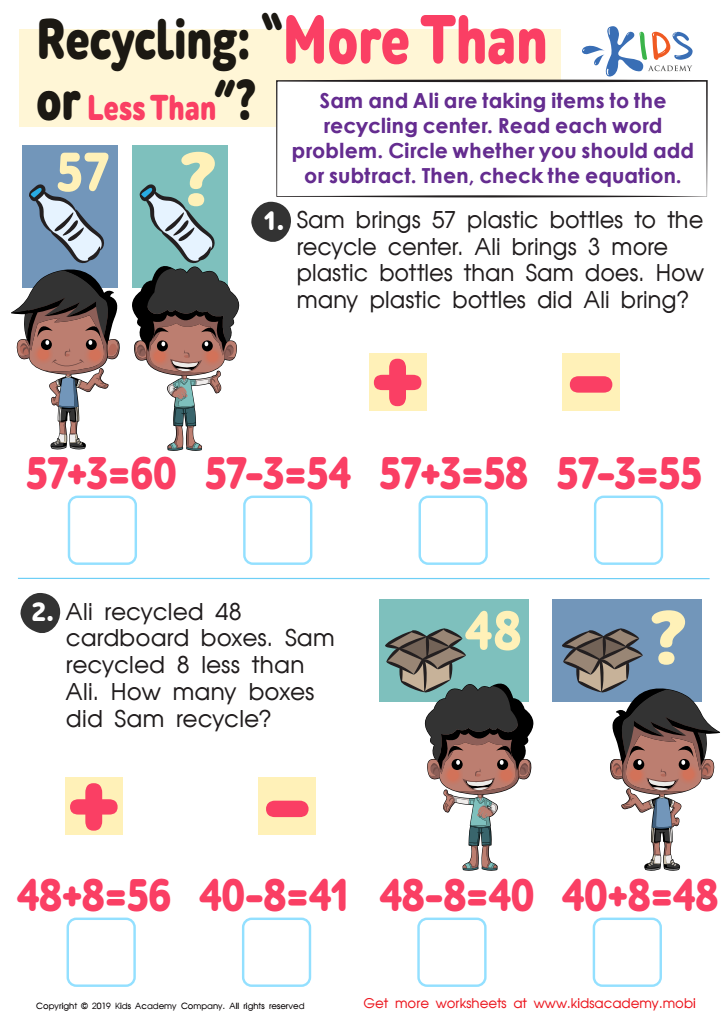
Recycling - More or Less Worksheet
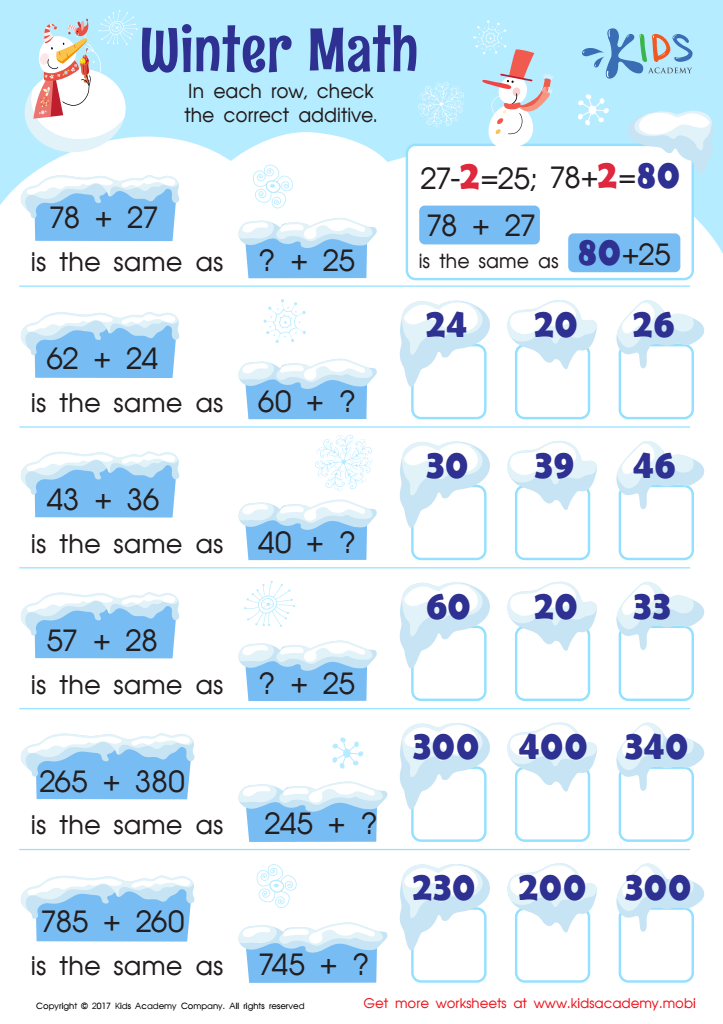
Free Addition Worksheet
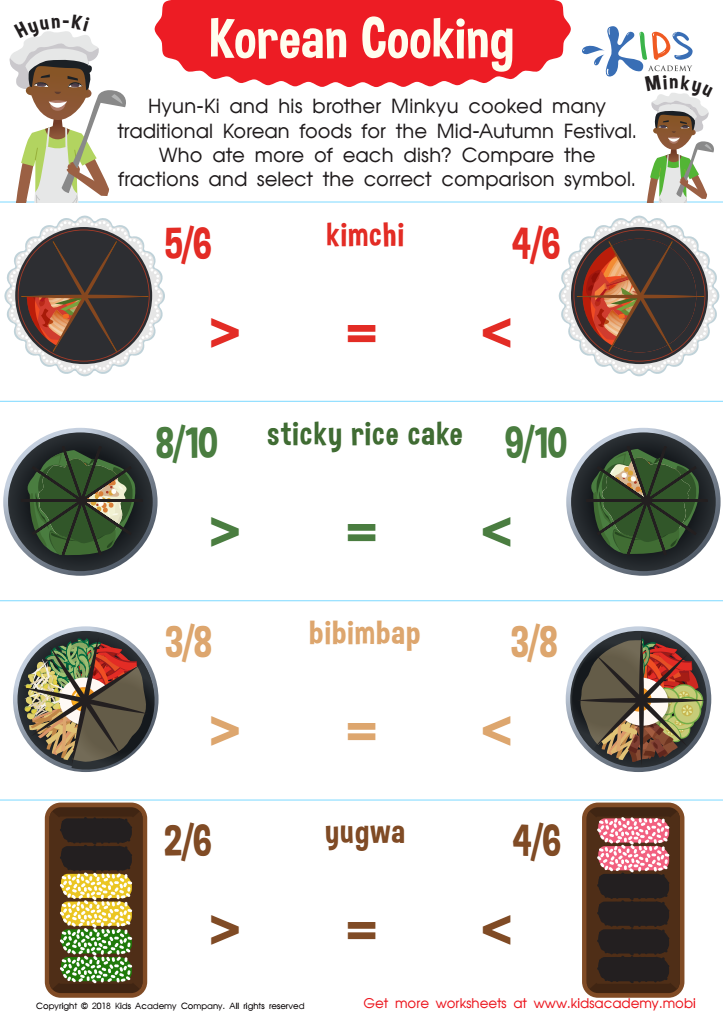
Korean Cooking Worksheet








Understanding normal comparing numbers is an essential skill for children aged 4-8, often involving comparing the values of numbers to determine which is larger or smaller. This skill lays the foundation for more complex math concepts and problem-solving abilities. For parents and teachers, fostering this understanding helps children develop a crucial aspect of numerical cognition.
Comparing numbers enhances a child's ability to make judgments and decisions based on numerical information, a real-life skill that is applicable in everyday situations, like determining which option is more or less, whether it’s comparing prices at a store or the amount of time allocated for different activities. It aids in the development of logical thinking and reasoning skills, which are critical for success in academics and beyond.
Moreover, familiarity with comparing numbers is a stepping stone to other mathematical concepts, such as addition, subtraction, ordering, and place value comprehension. Encouraging mastery of this skill in early childhood can boost confidence in young learners and foster a positive attitude towards math. It equips them with the tools they need to tackle more advanced mathematics with ease.
In essence, by helping children aged 4-8 grasp the concept of comparing numbers, parents and teachers set a foundation for future mathematical success and everyday functional skills, paving the way for well-rounded cognitive development.