Normal Reading Worksheets for Ages 4-8 - Page 11
344 filtered results
-
From - To
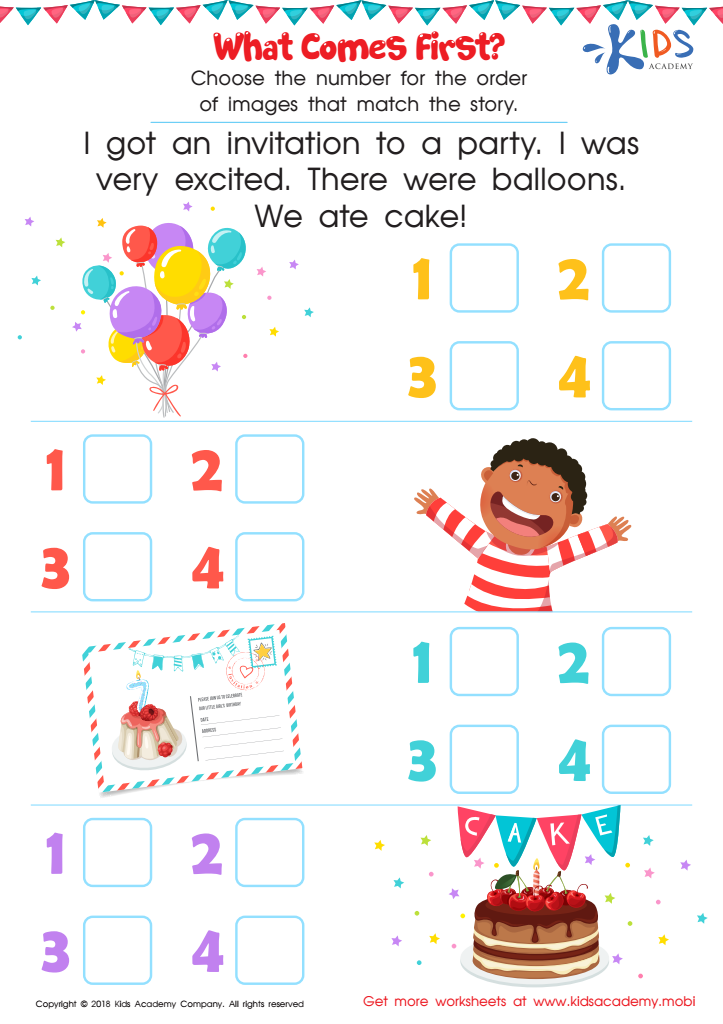
What Comes First Worksheet
 Assign to My Students
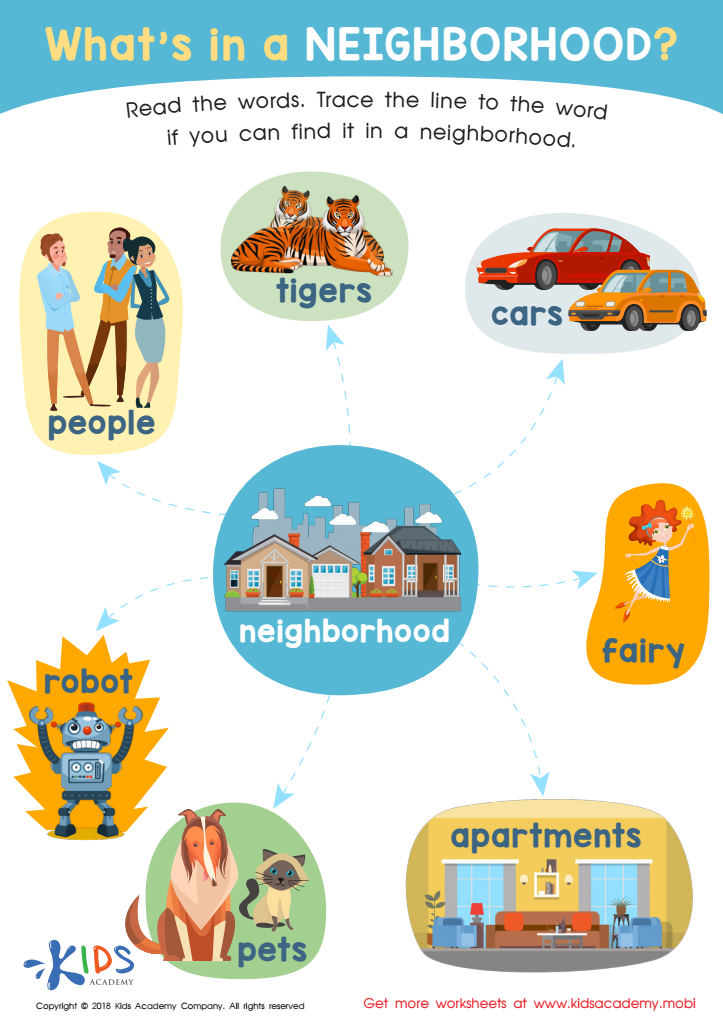
What's in a Neighborhood? Worksheet
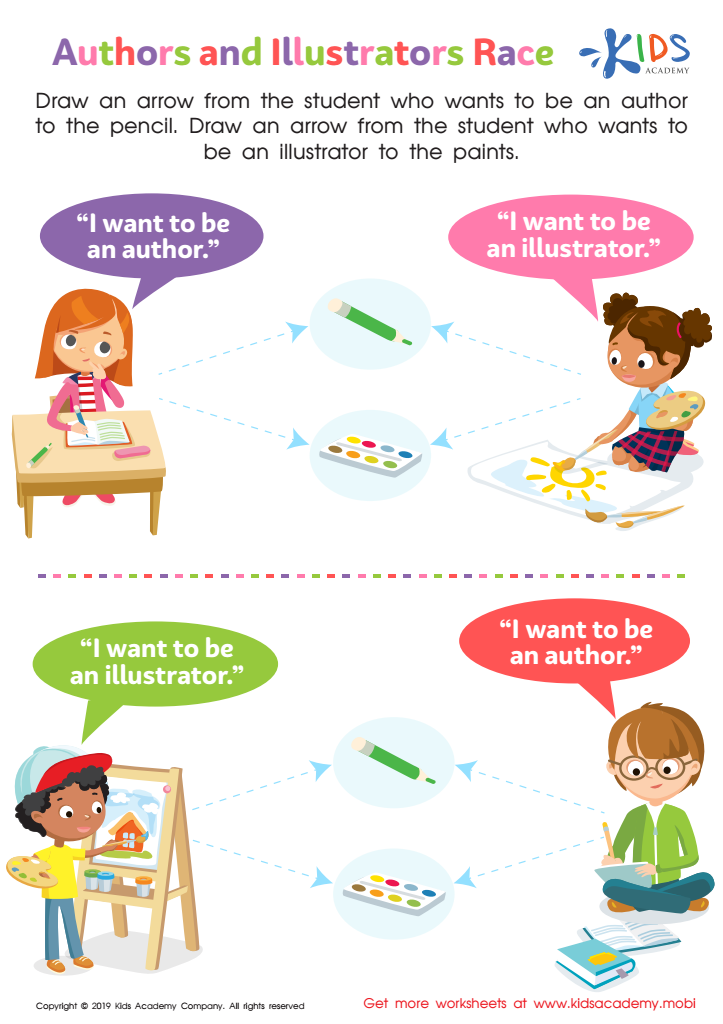
Authors and Illustrators Race Worksheet
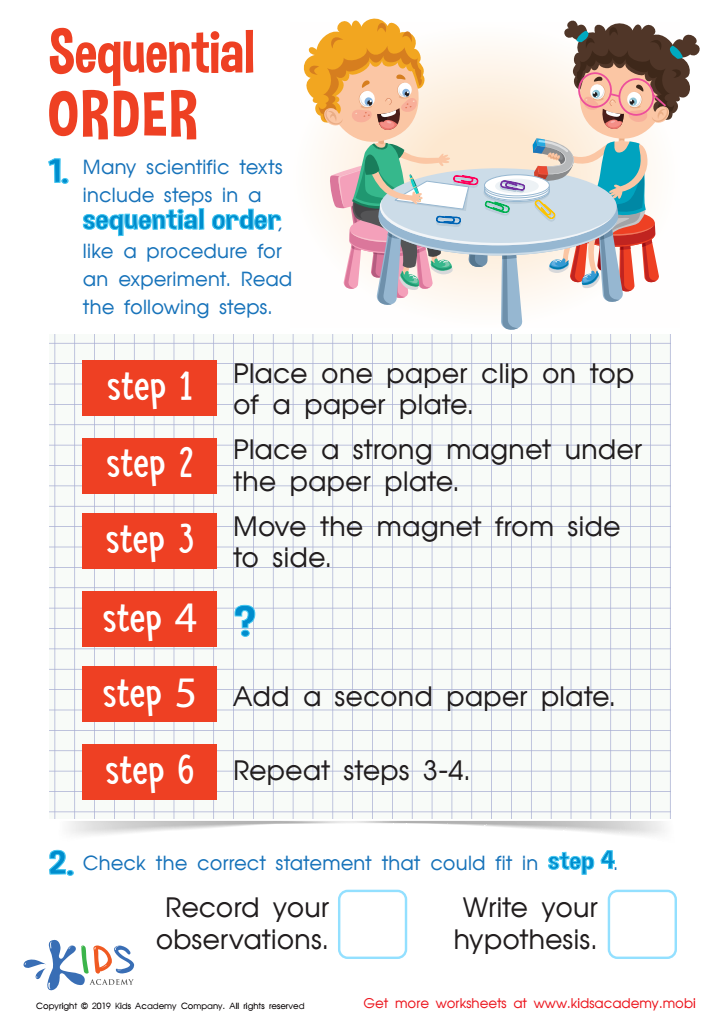
Sequencential Order Worksheet
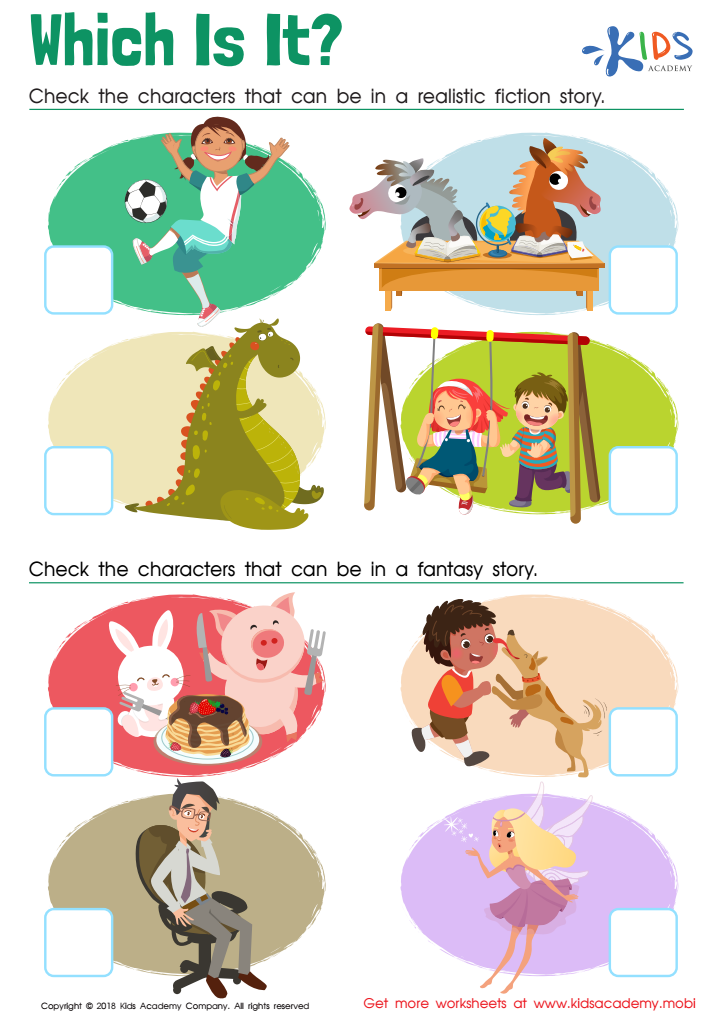
Which Is It? Worksheet
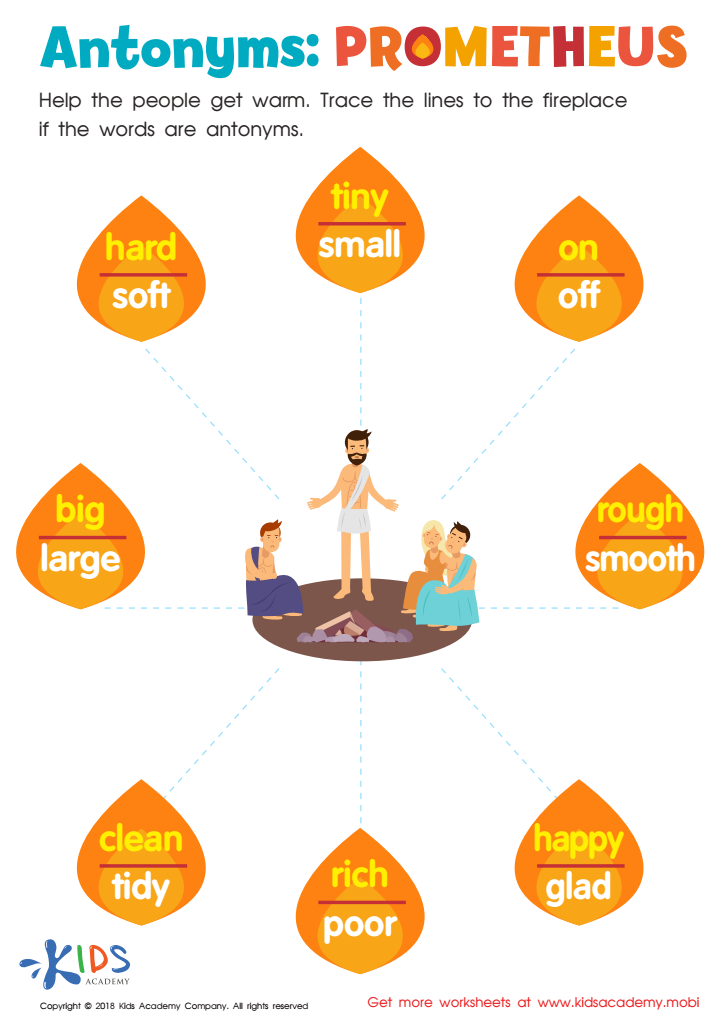
Antonyms: Prometheus Worksheet
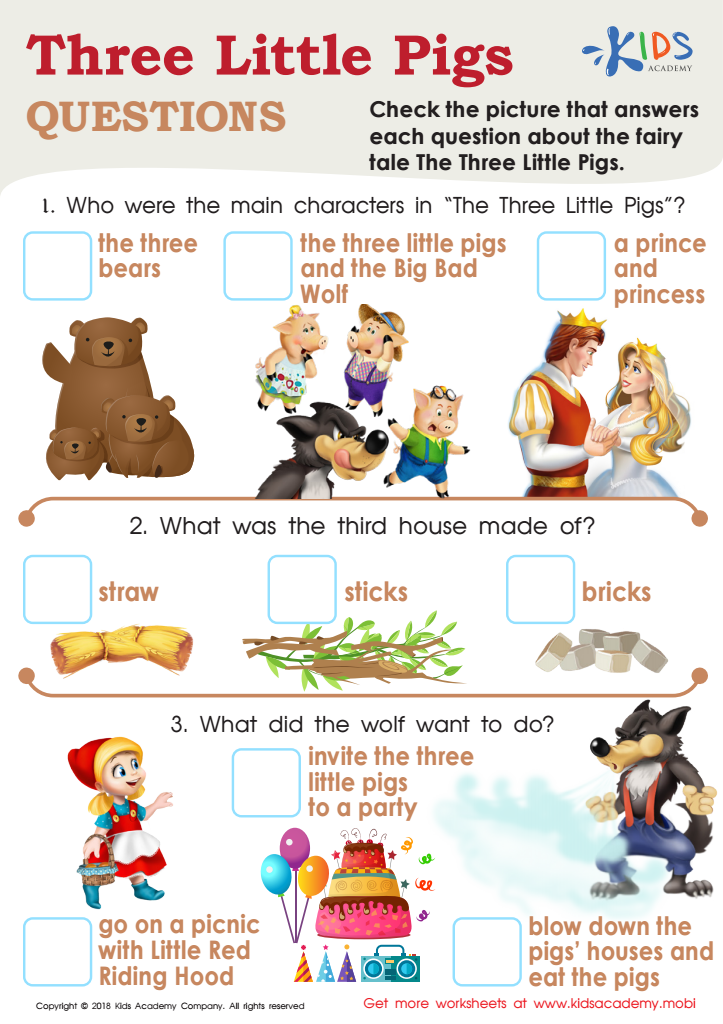
Three Little Pigs Questions Worksheet
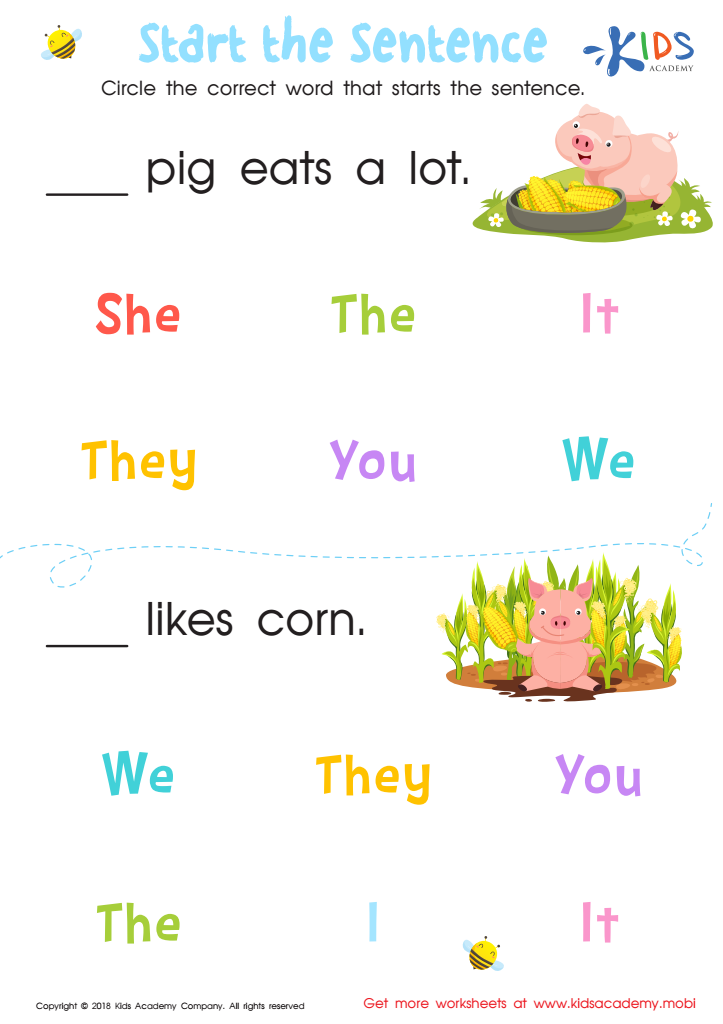
Start the Sentence Worksheet
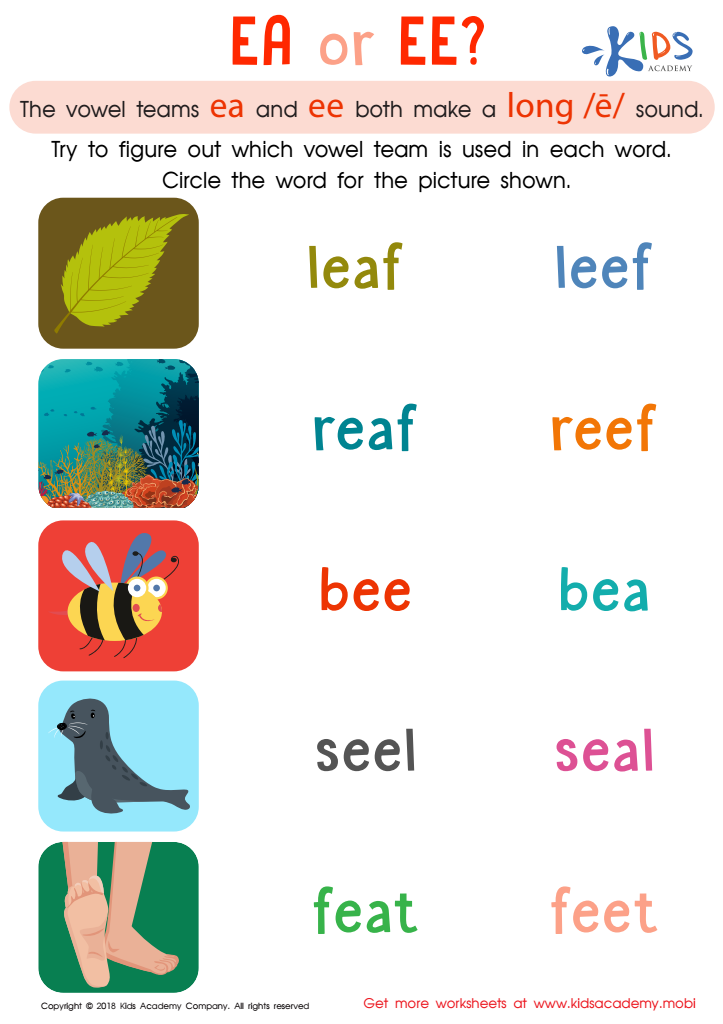
Reading: EA and EE Worksheet
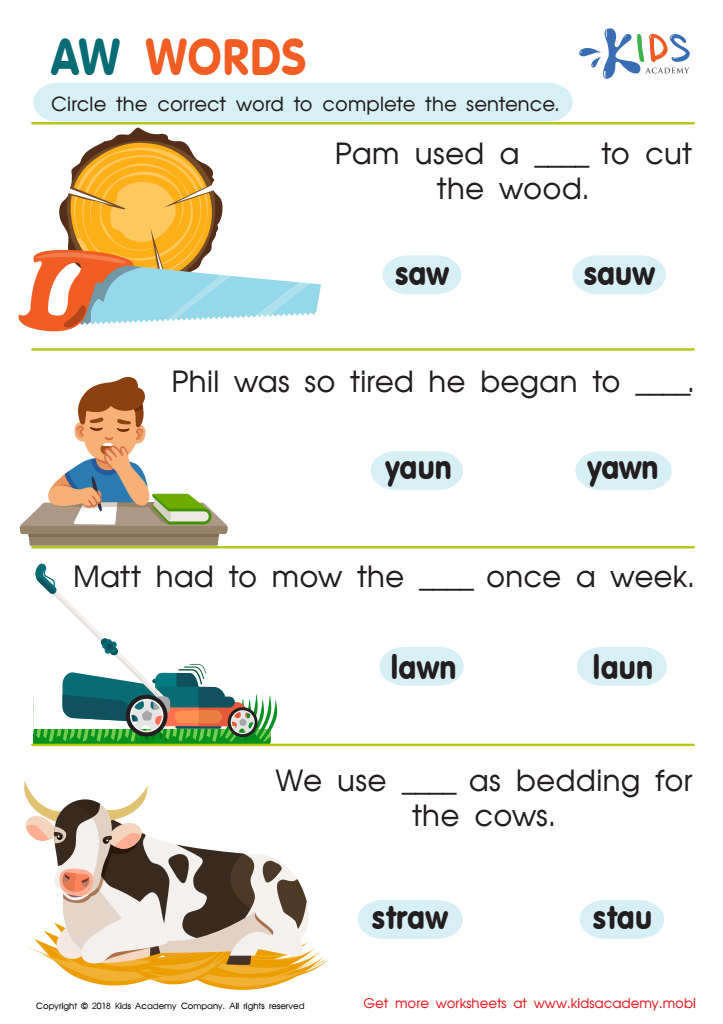
Reading: AW Words Worksheet
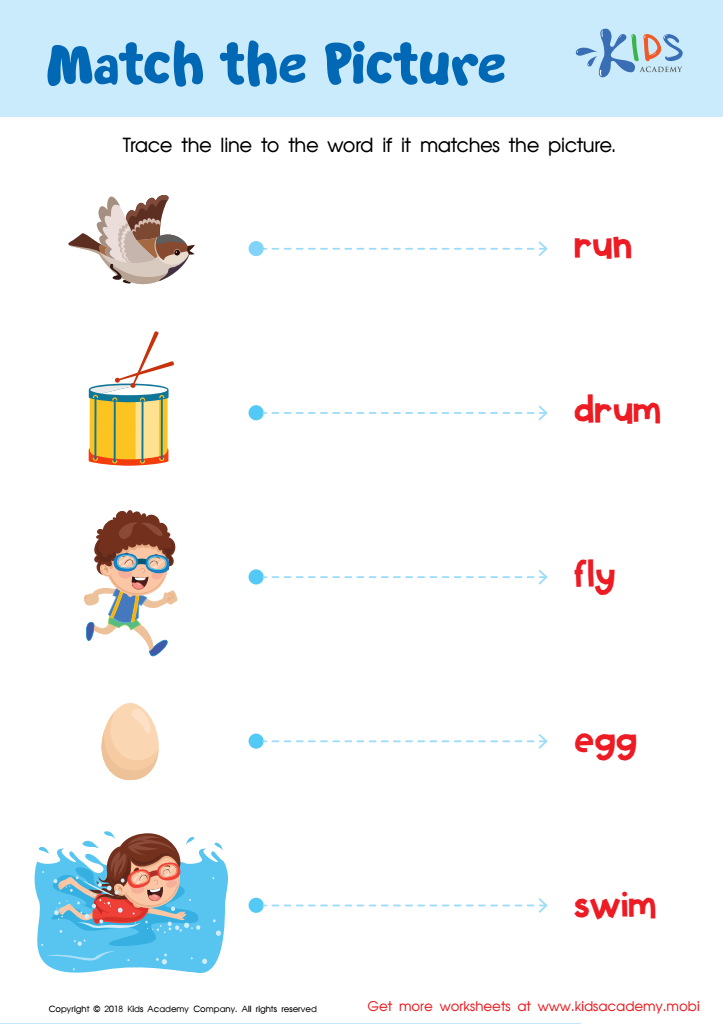
Match the Picture Worksheet
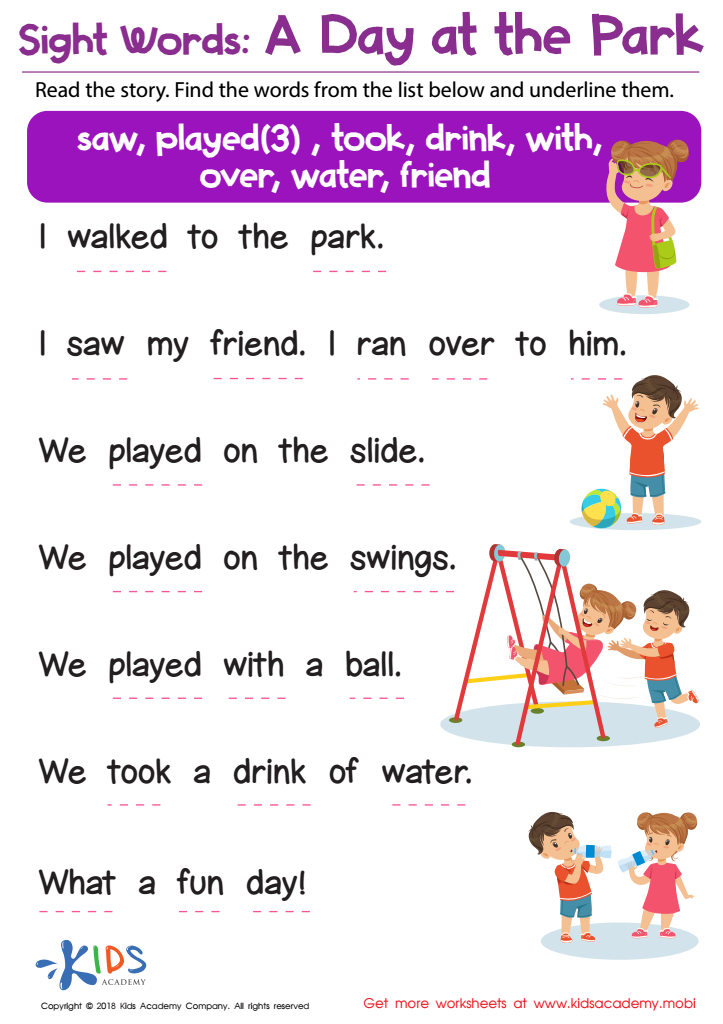
Sight Words: A Day at the Park Worksheet
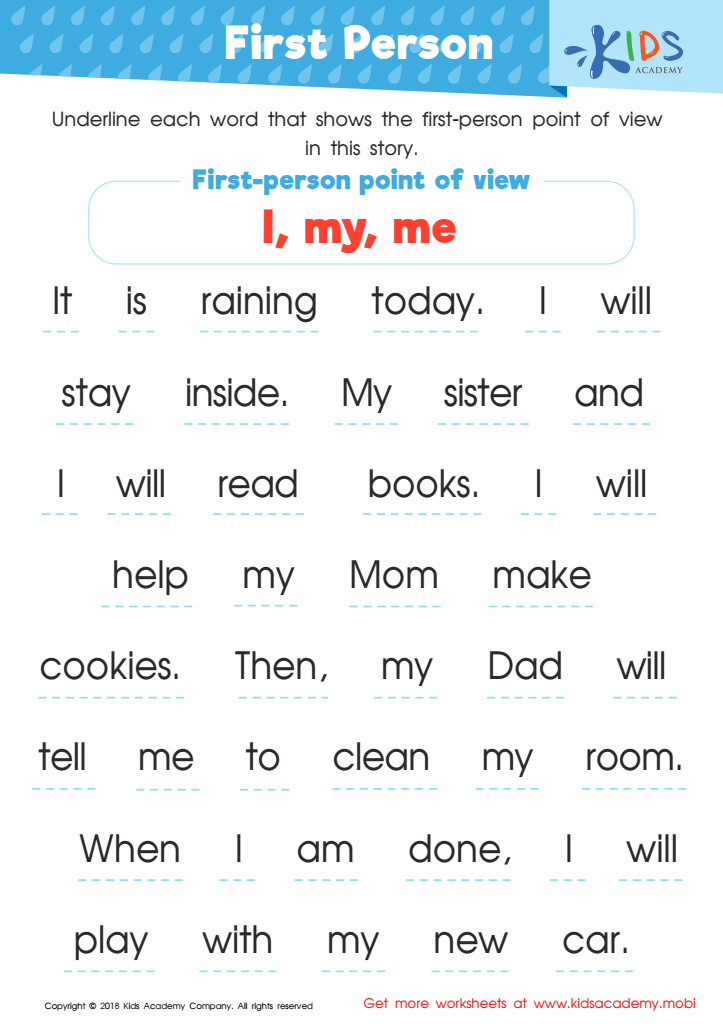
First Person Worksheet
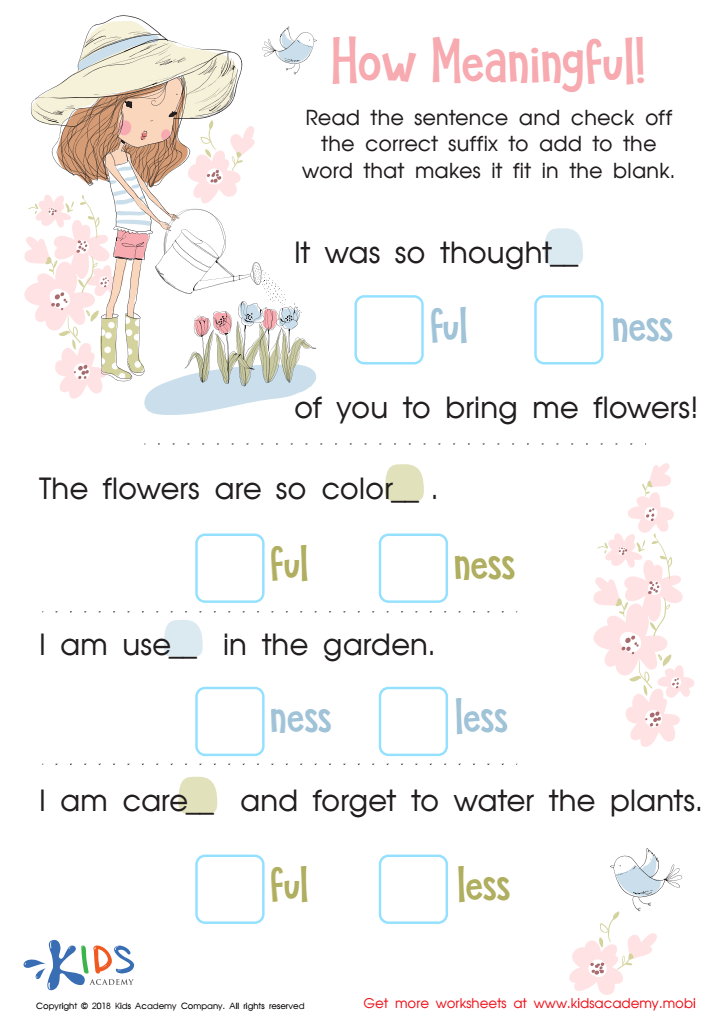
How Meaningful! Worksheet
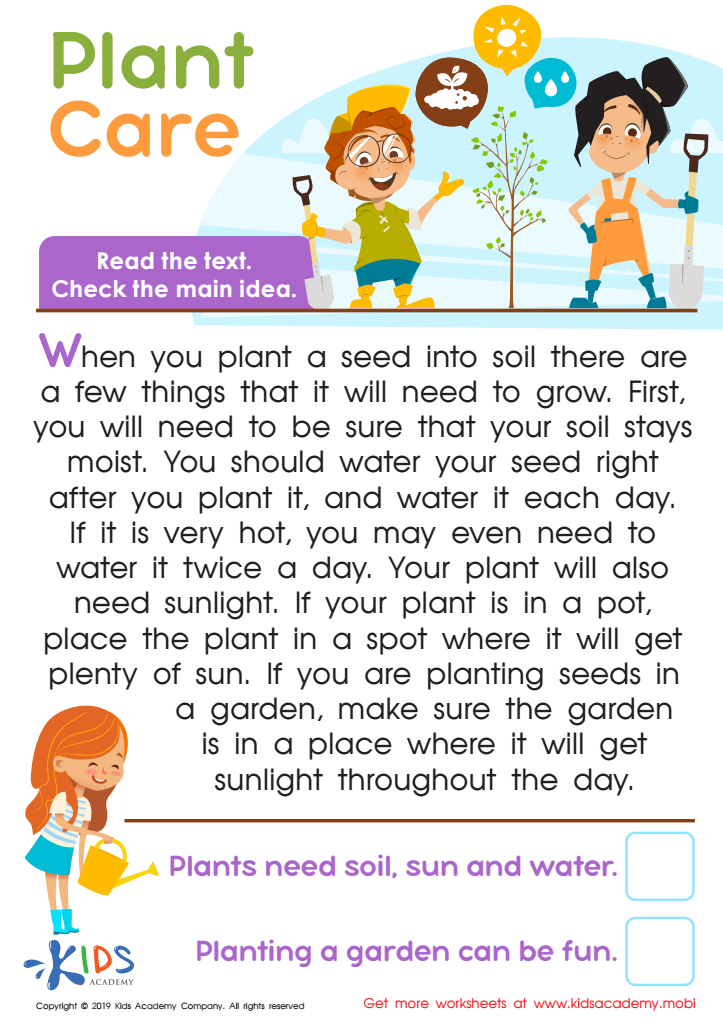
Plant Care Worksheet
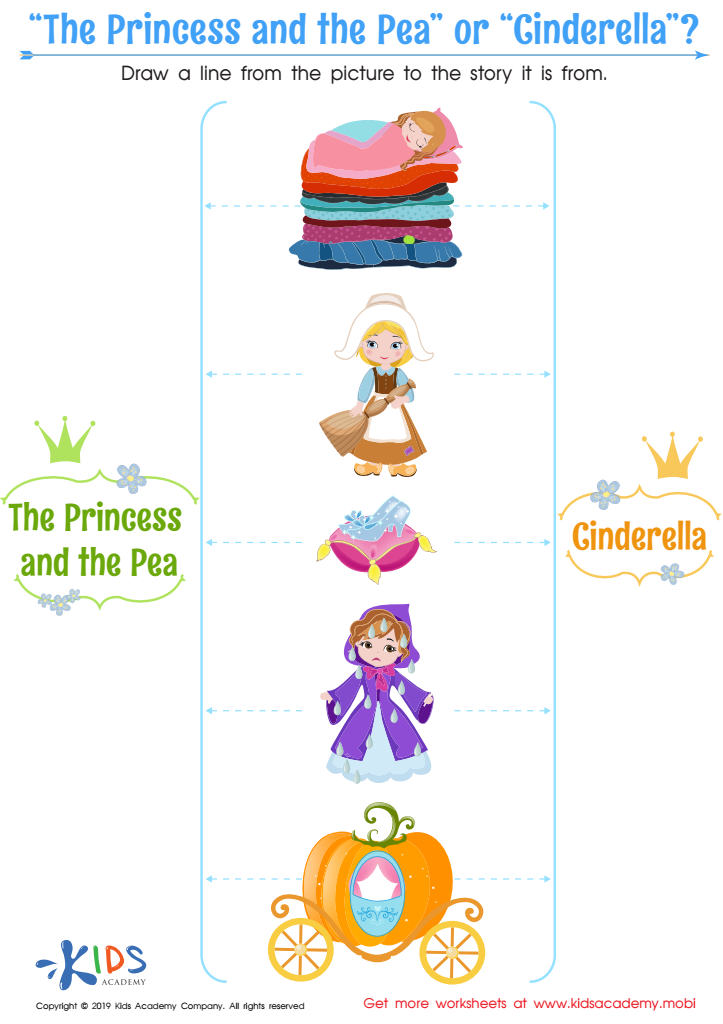
“The Princess and the Pea” or “Cinderella” Worksheet
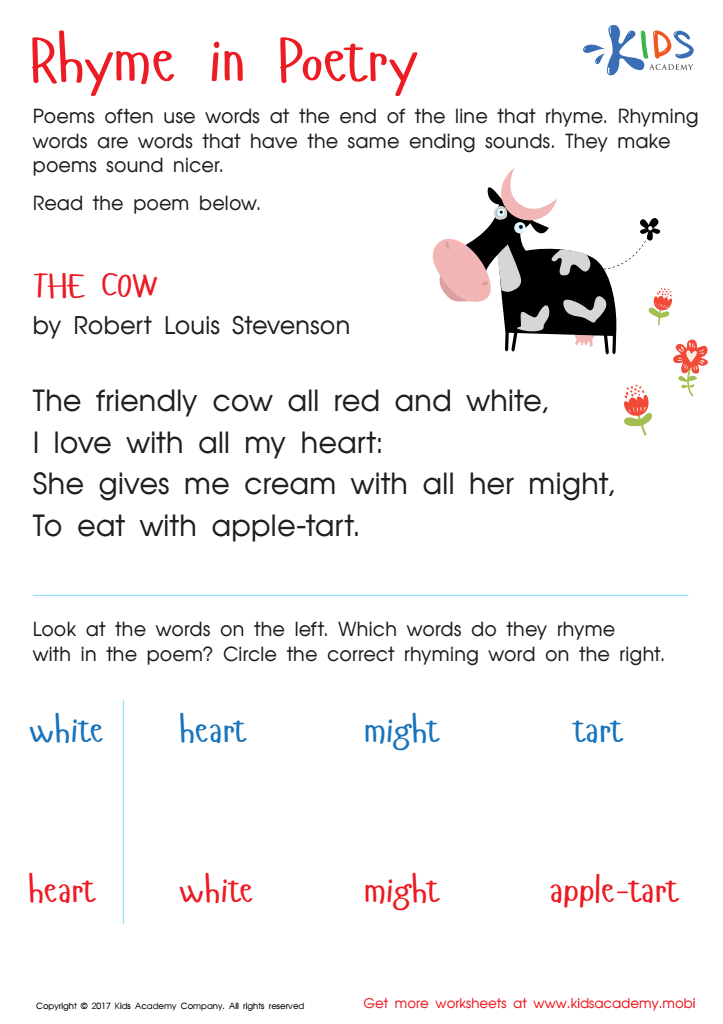
Rhyme In Poetry Worksheet
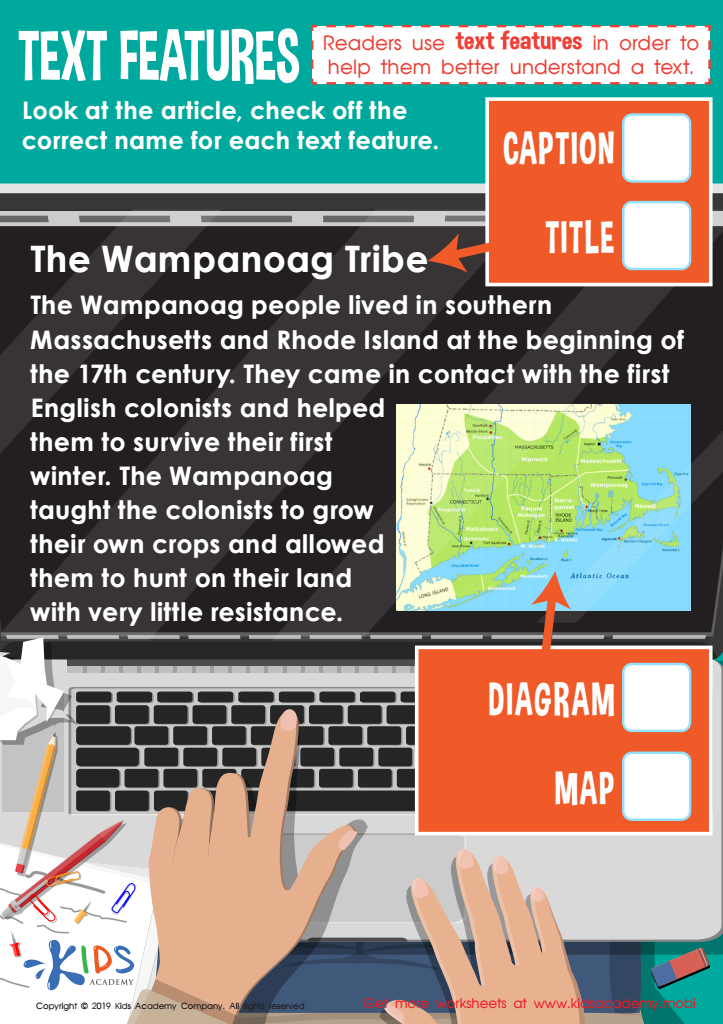
Text Features Worksheet
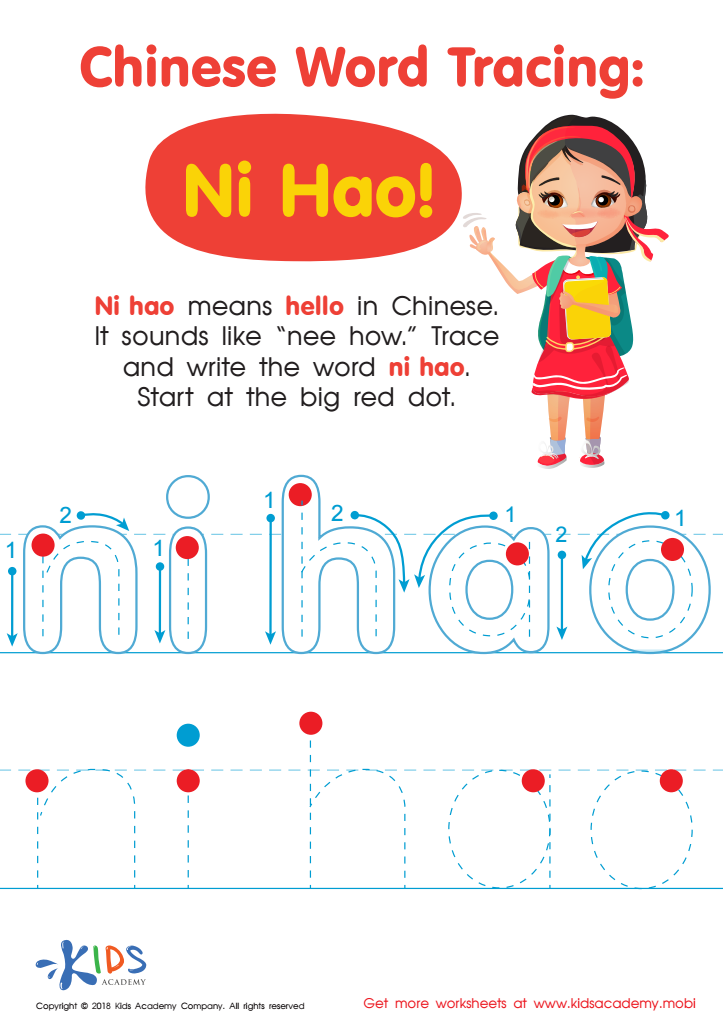
Chinese Word Tracing: Ni Hao Worksheet

Declaration of Independence Word Search Printable
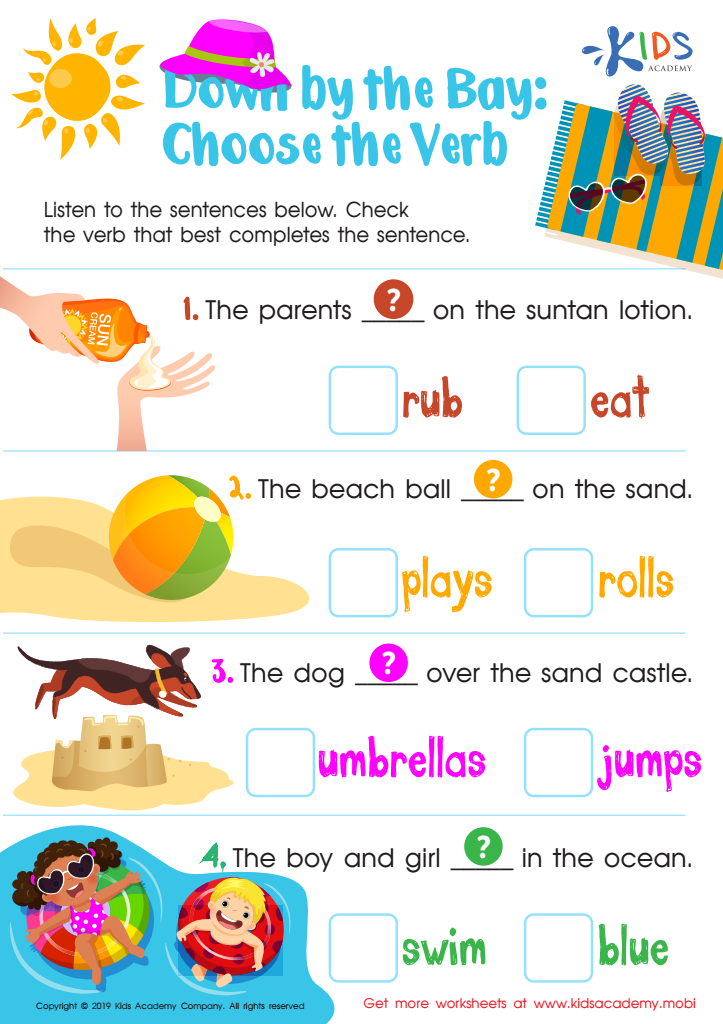
Down by the Bay: Choose the Verb Worksheet
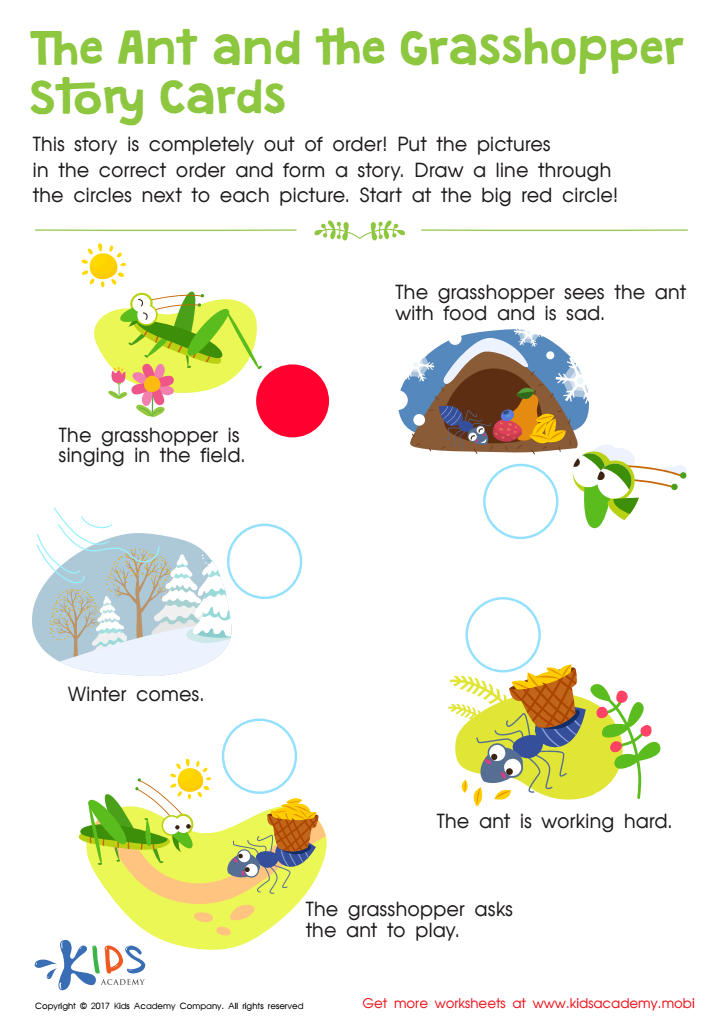
The Ant and The Grasshopper Worksheet
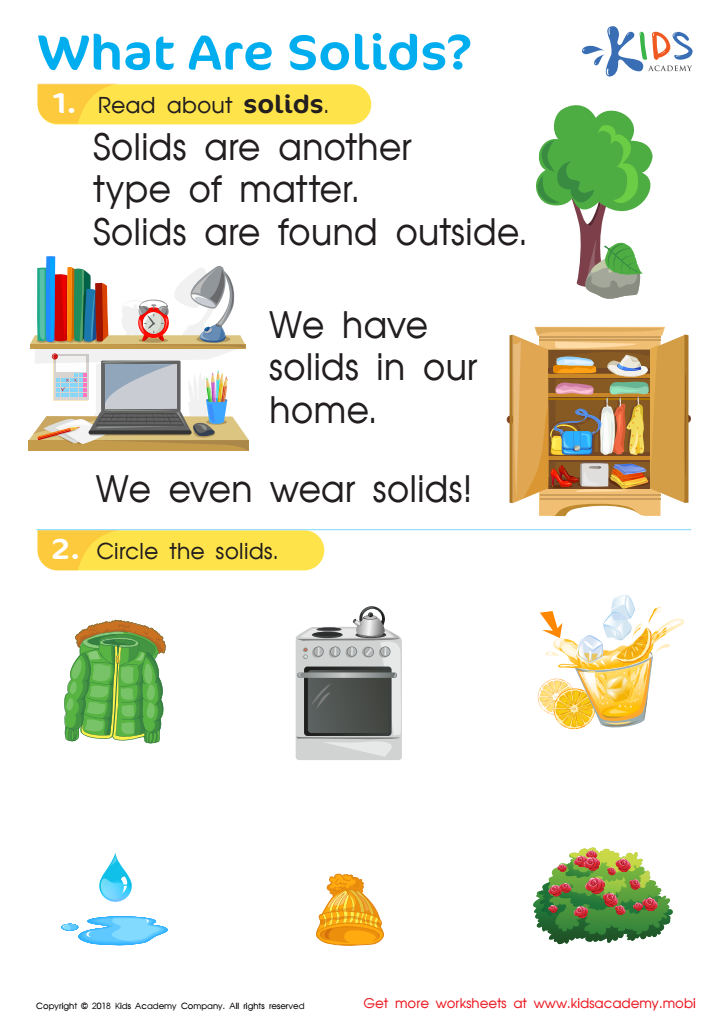
What Are Solids? Worksheet
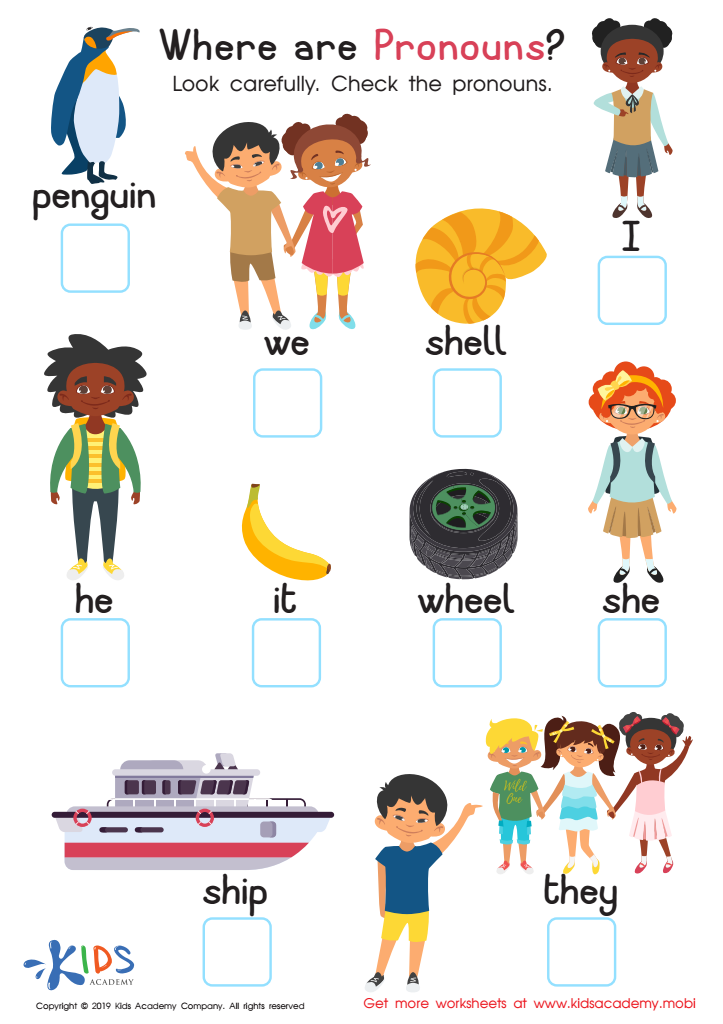
Where Are Pronouns? Worksheet







Understanding normal reading development for children aged 4-8 is crucial for both parents and teachers as it directly influences a child's academic and social growth. During these formative years, children undergo significant cognitive and linguistic development, laying the foundation for lifelong literacy skills. Recognizing the typical milestones in reading proficiency helps adults identify if their child is on track, allowing for timely interventions if needed.
Moreover, reading during this age supports critical thinking and comprehension, which are essential skills that contribute to success in various subjects. Early exposure to reading also fosters a love for literature, encouraging children to explore new ideas and cultures. Parents and teachers can help cultivate this passion through shared reading experiences and access to diverse books.
Tracking reading progress empowers parents and teachers to provide tailored support and resources, ensuring that each child’s unique needs are addressed. Collaboratively promoting normal reading development can help bridge the gap between home and school environments, ultimately supporting a child’s social-emotional growth and confidence. Nurturing early literacy sets the stage for academic achievement and empowers children to become informed, engaged citizens. Hence, awareness of normal reading expectations is vital for guiding children toward successful literacy outcomes.








