Normal Grammar Worksheets for Ages 4-8 - Page 5
130 filtered results
-
From - To
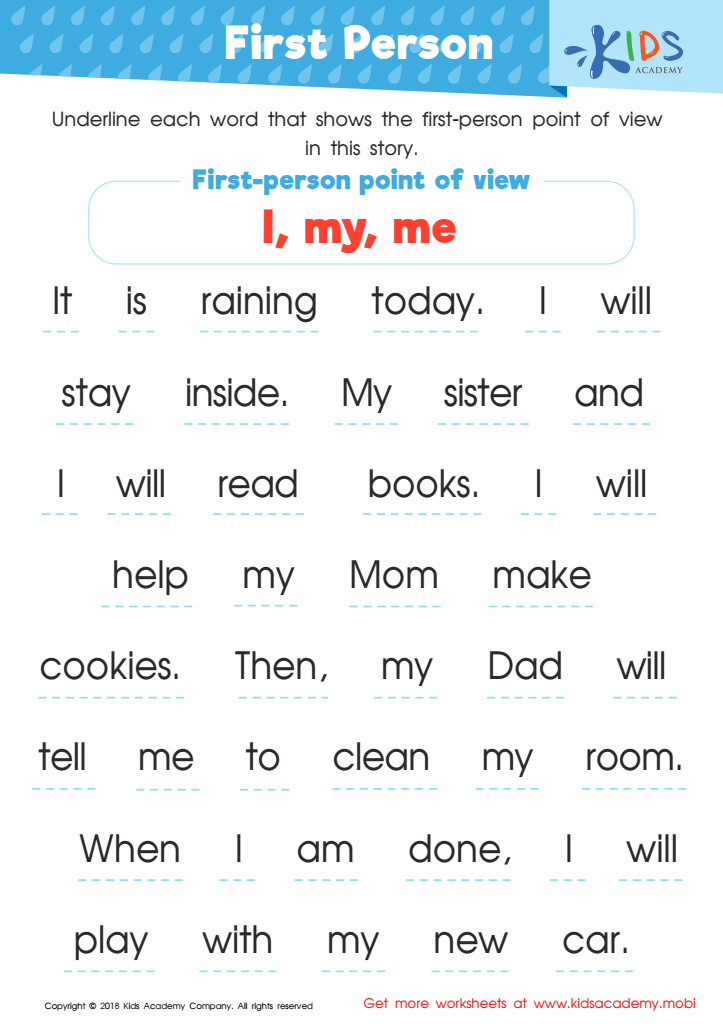
First Person Worksheet
 Assign to My Students
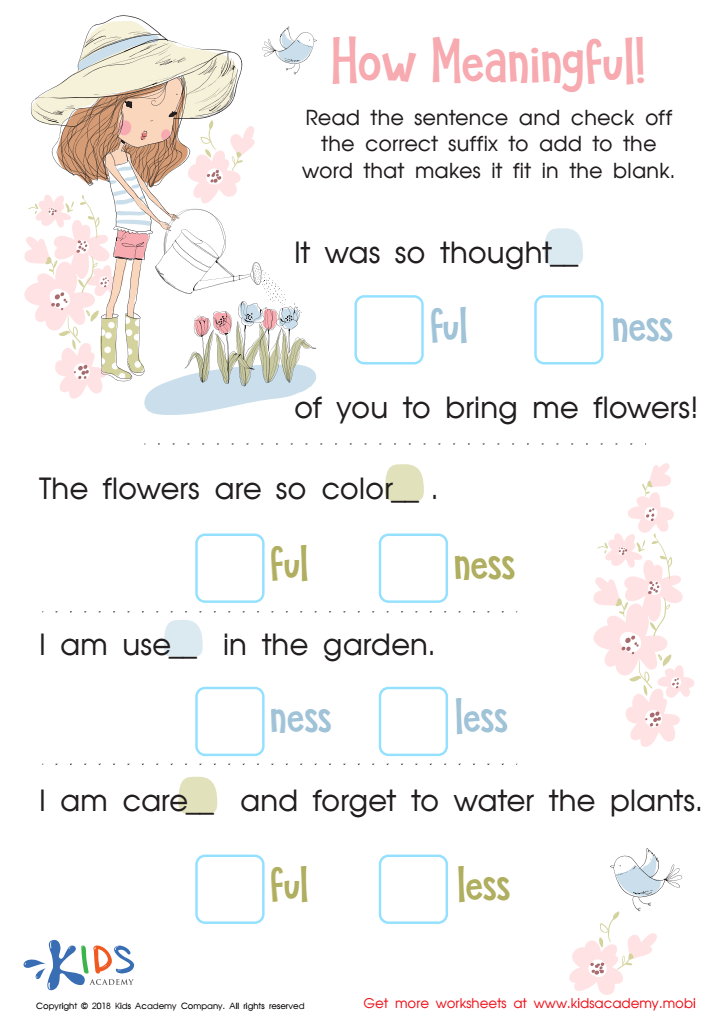
How Meaningful! Worksheet
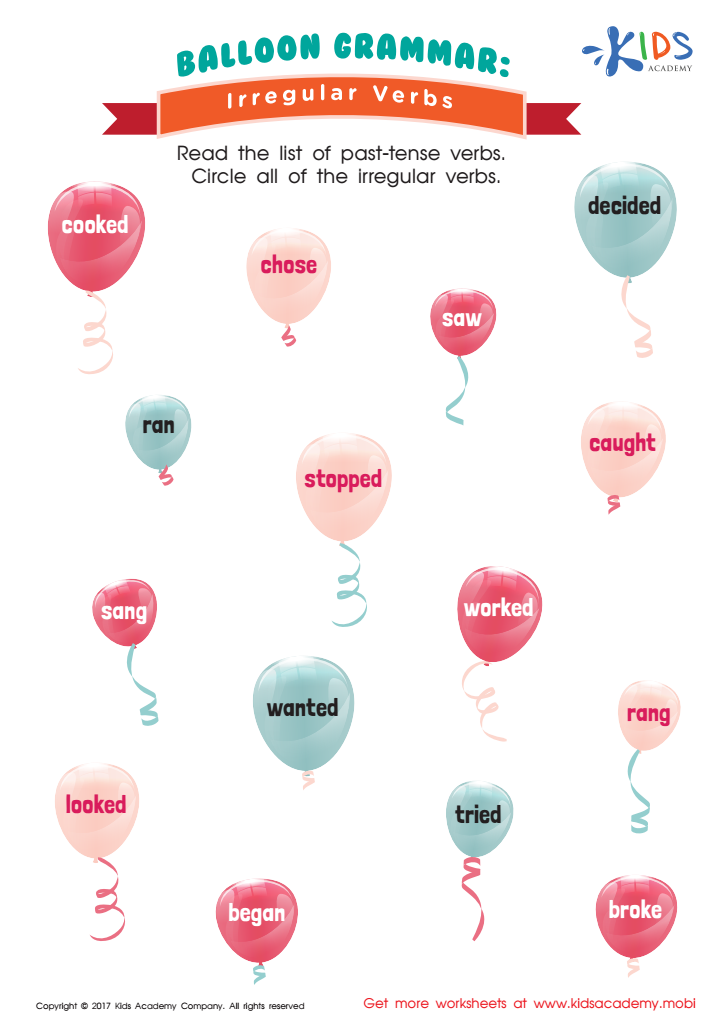
Irregular Verbs: Baloons Worksheet
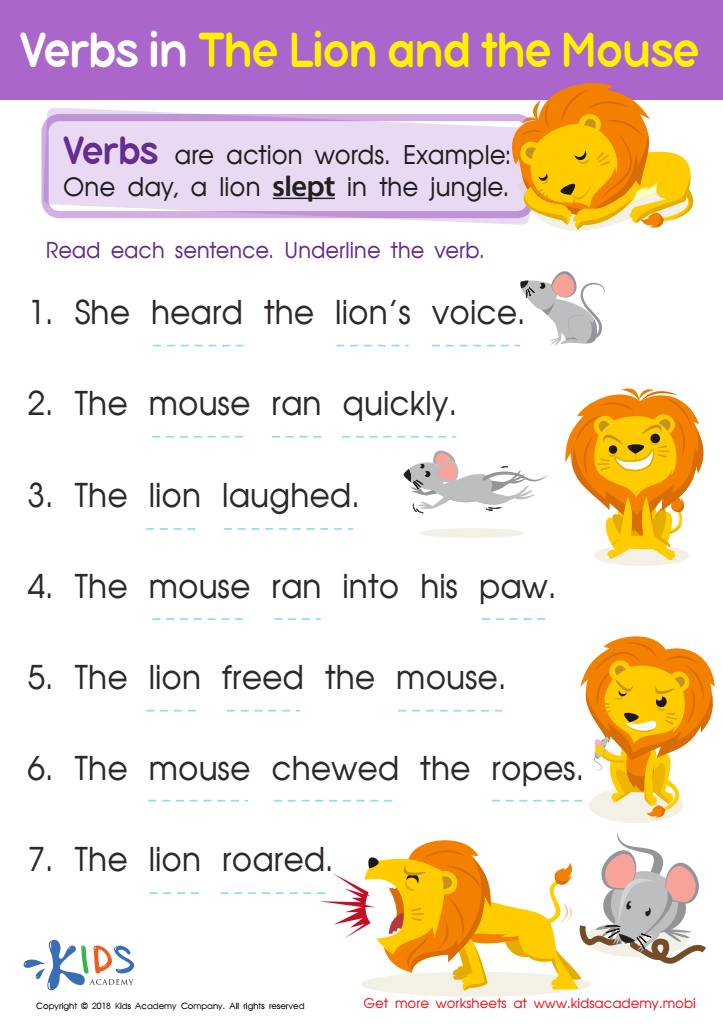
Verbs in The Lion and the Mouse Worksheet
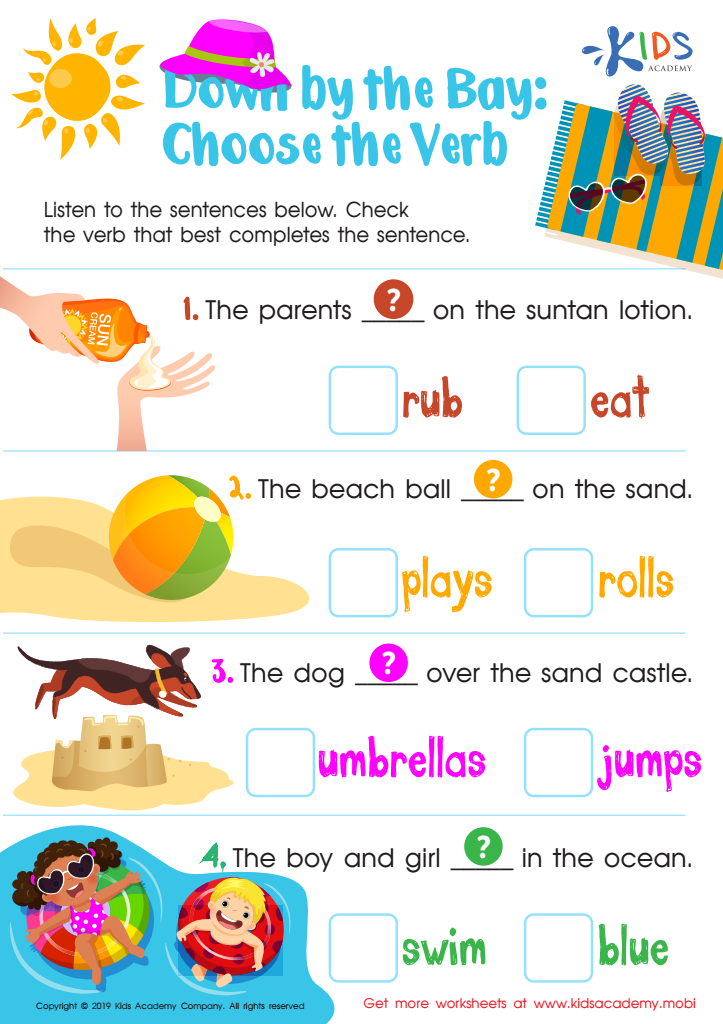
Down by the Bay: Choose the Verb Worksheet
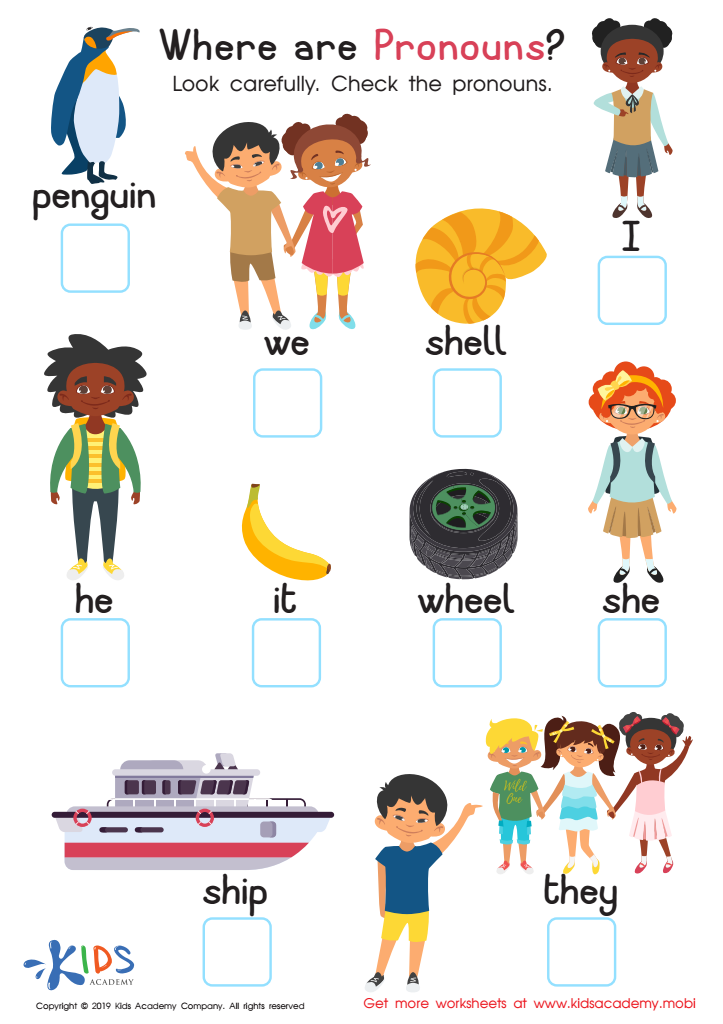
Where Are Pronouns? Worksheet
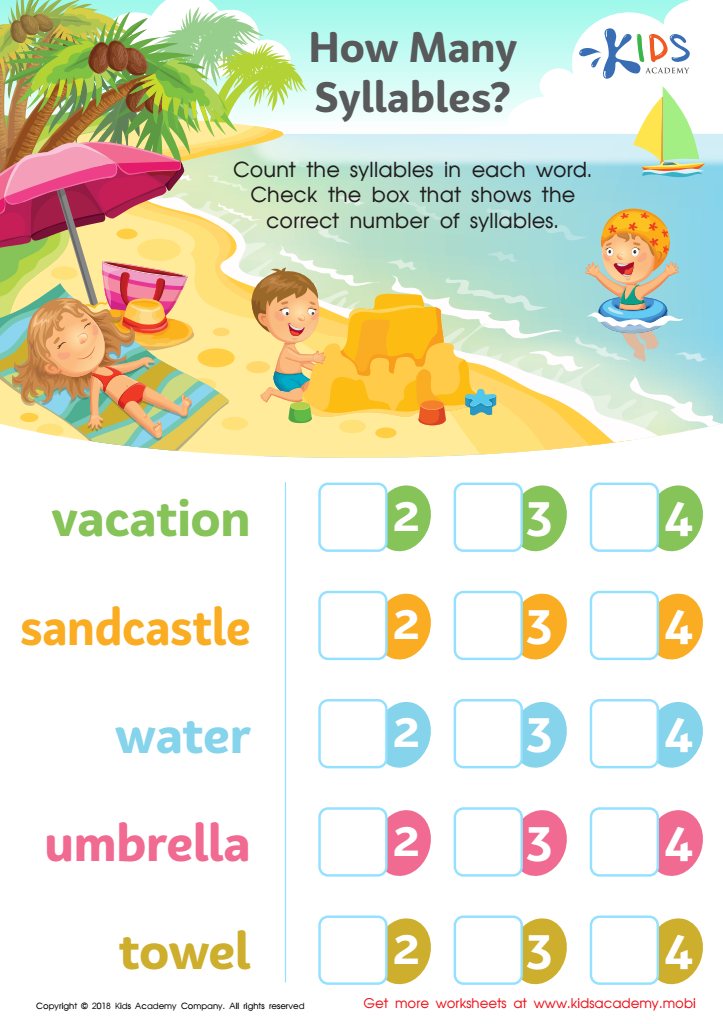
How Many Syllables Worksheet
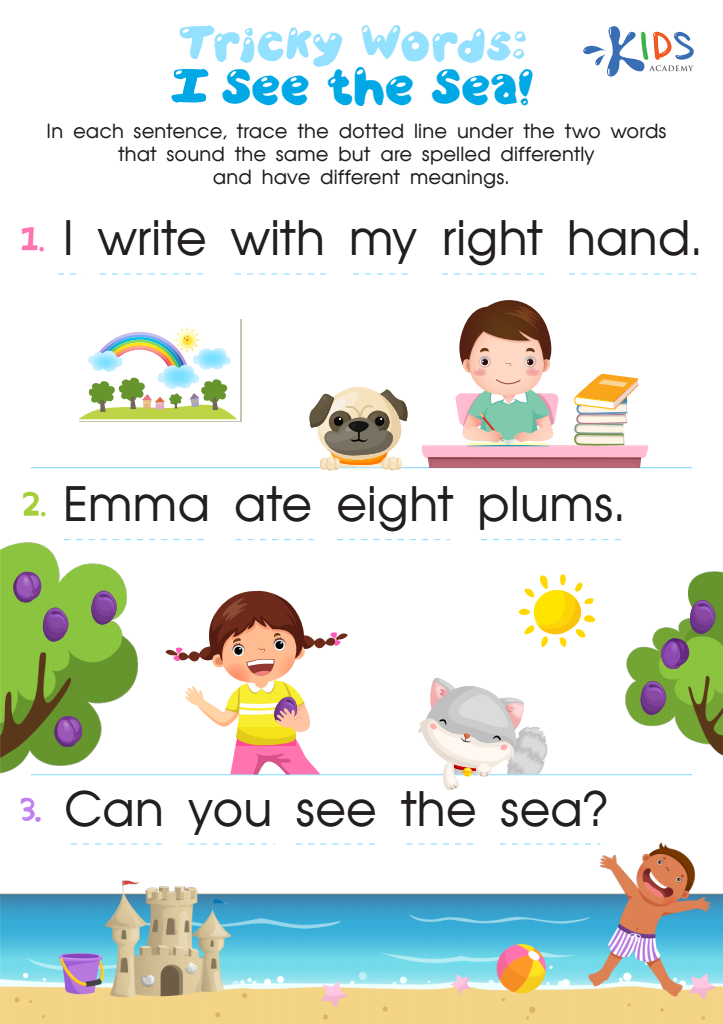
Tricky Words Worksheet
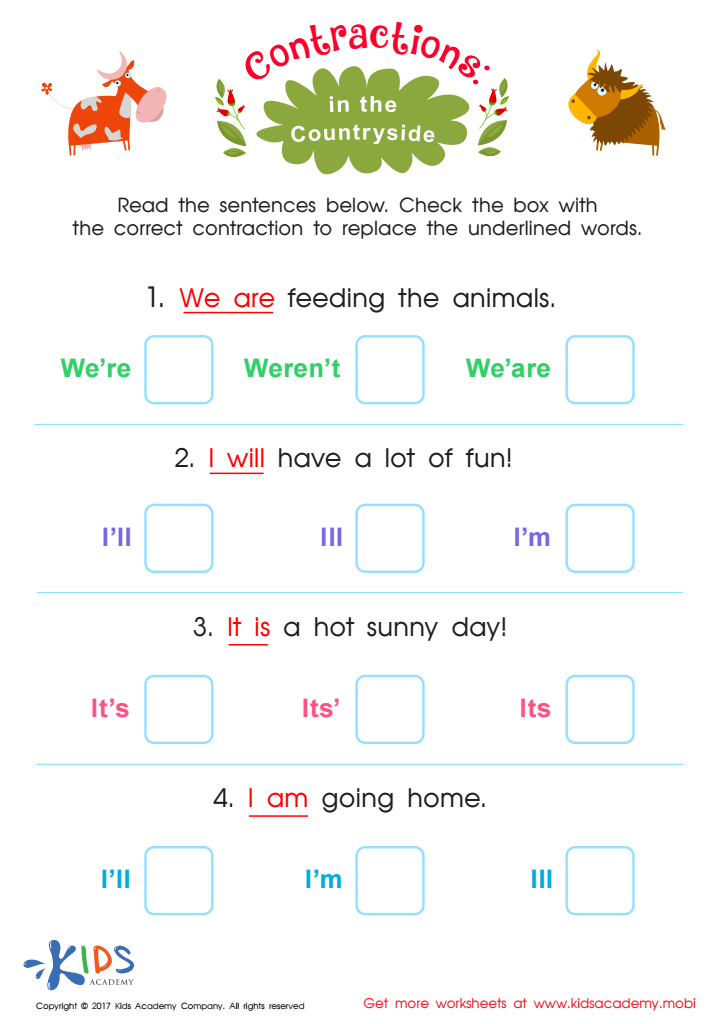
Contractions: In the Countryside Worksheet
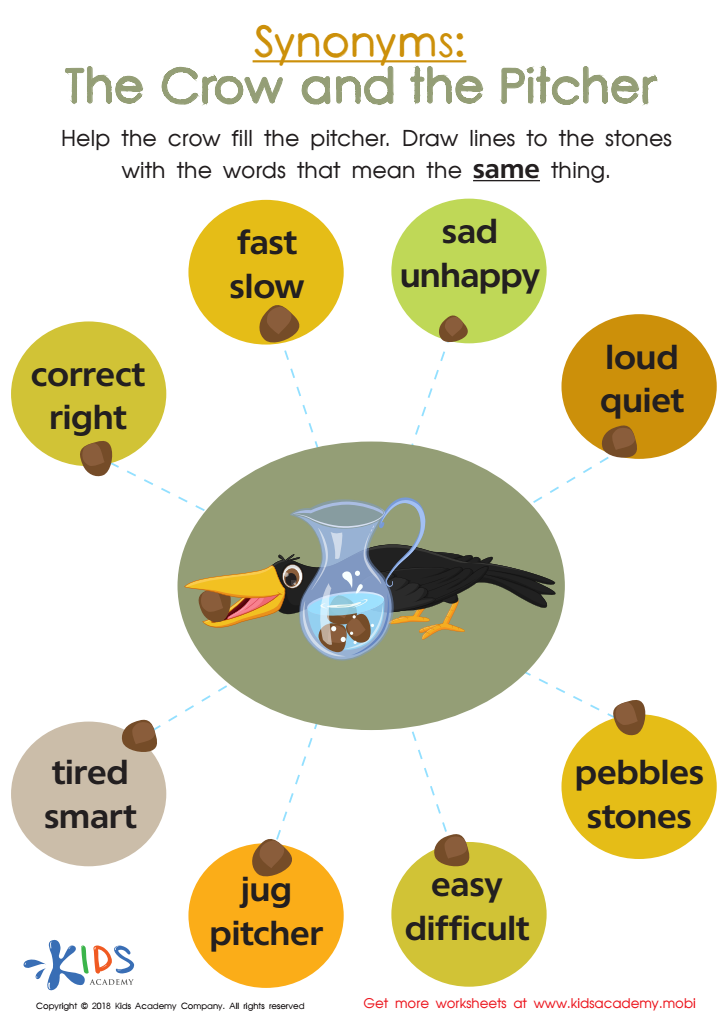
The Crow and the Pitcher Synonyms Worksheet

Pegasus Maze: GH Words Worksheet
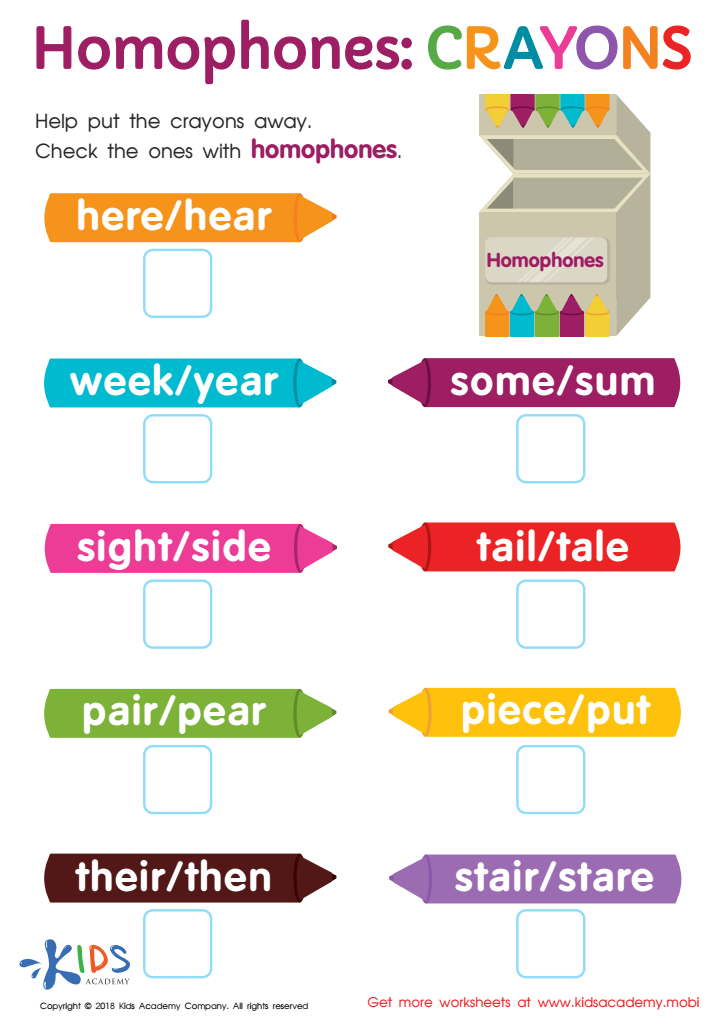
Homophones: Crayons Worksheet
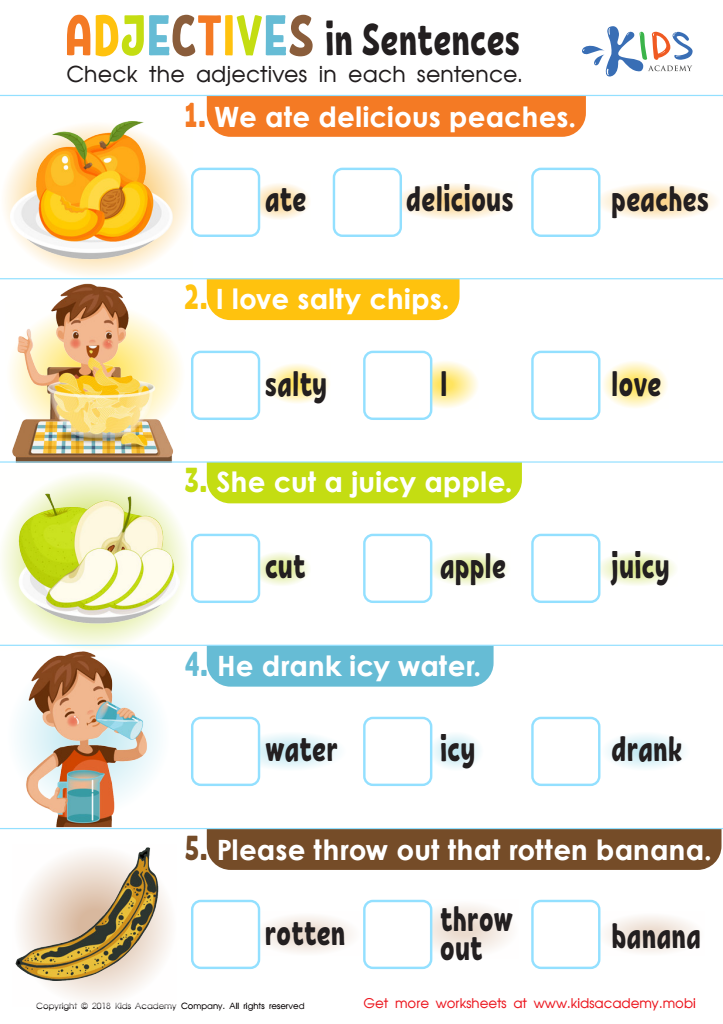
Adjectives in Sentences Worksheet
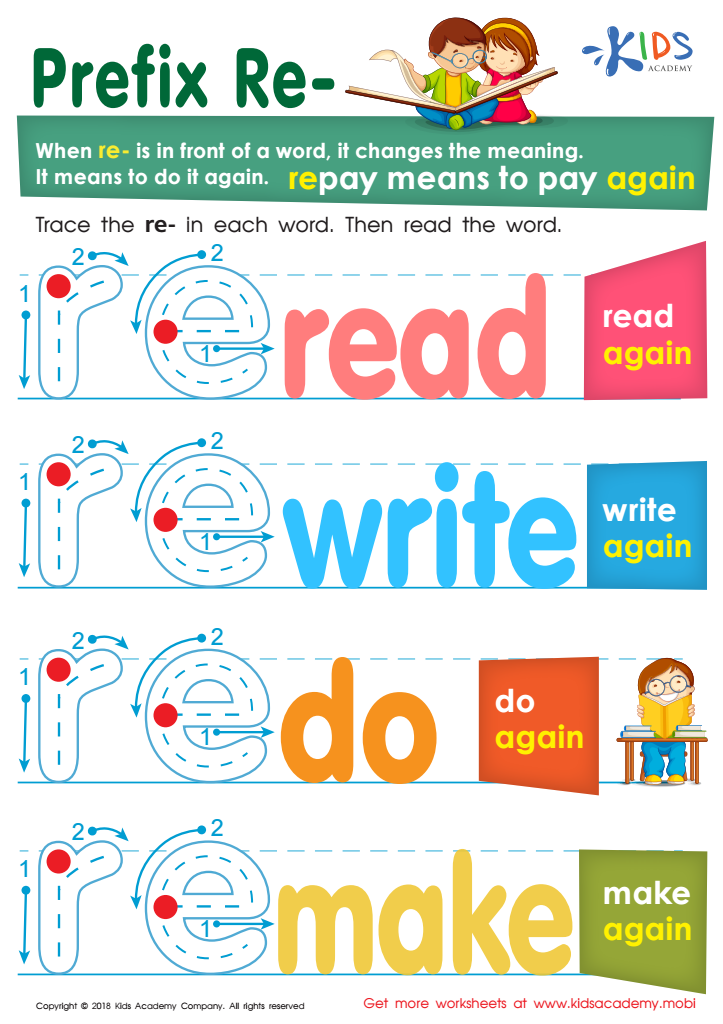
Prefix Re- Worksheet
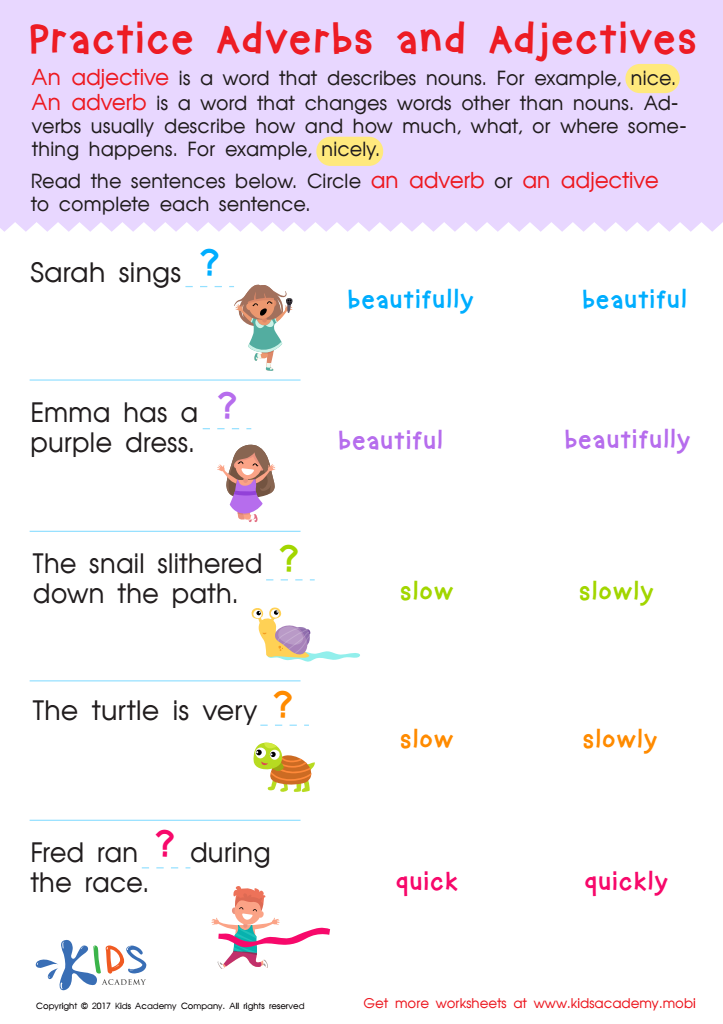
Adverbs and Adjectives Worksheet
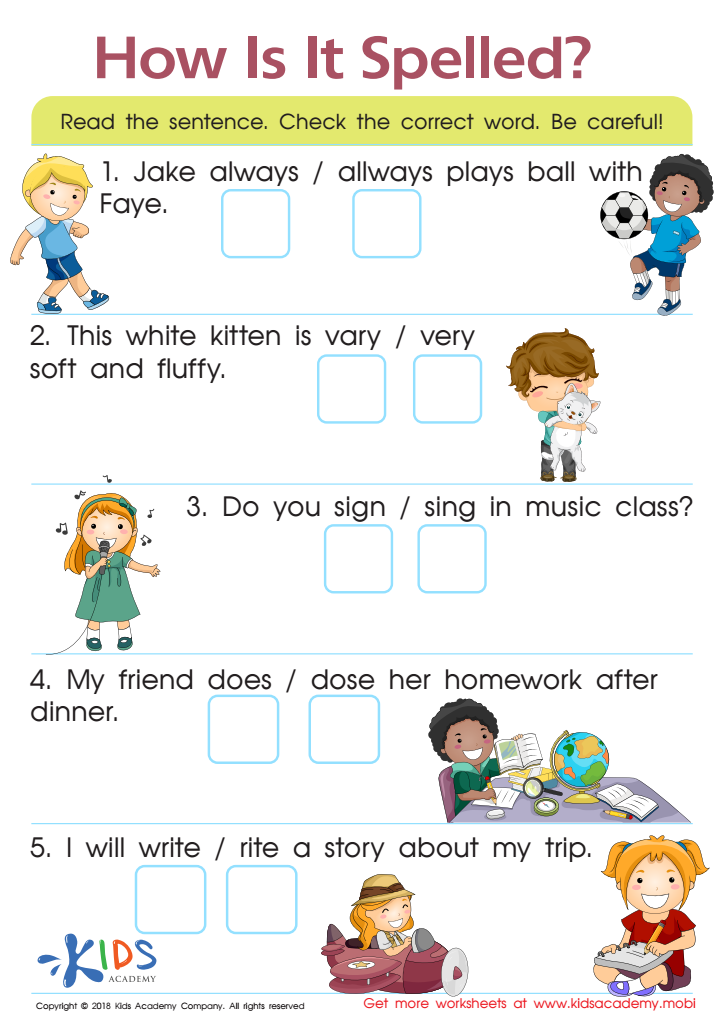
How is it spelled? Worksheet
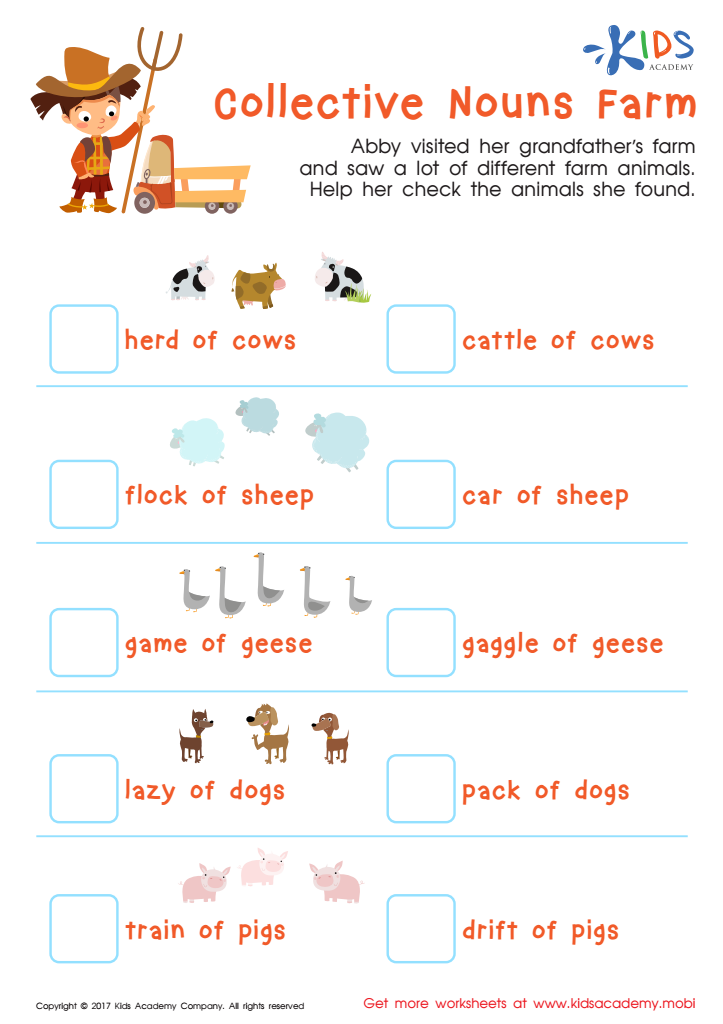
Collective Nouns Worksheet
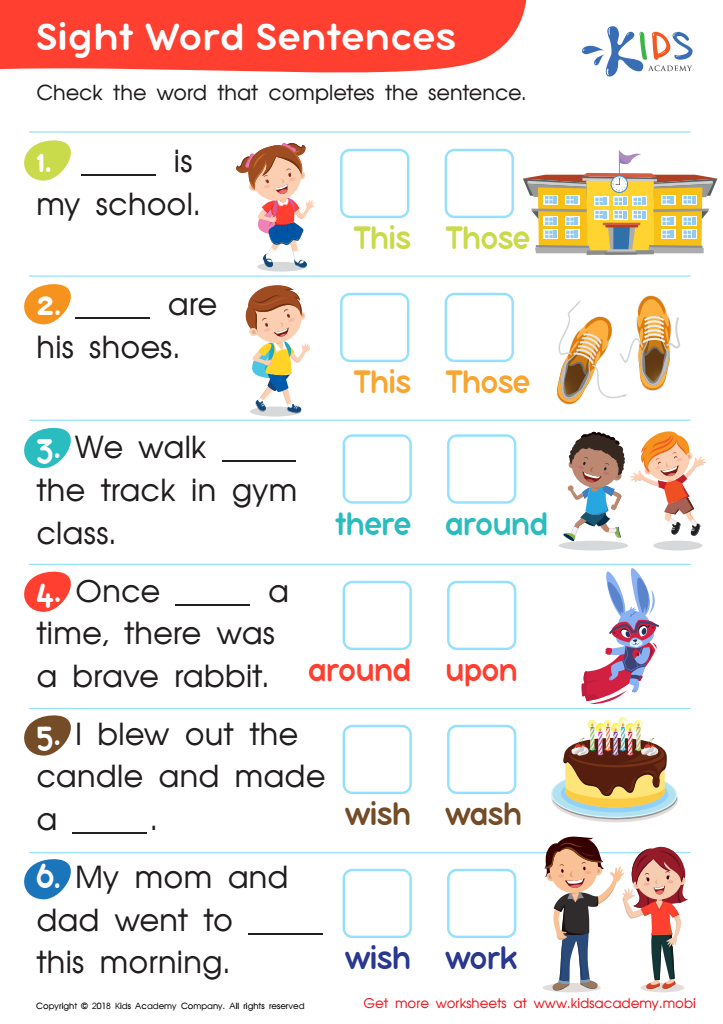
Sight Word Sentences Worksheet
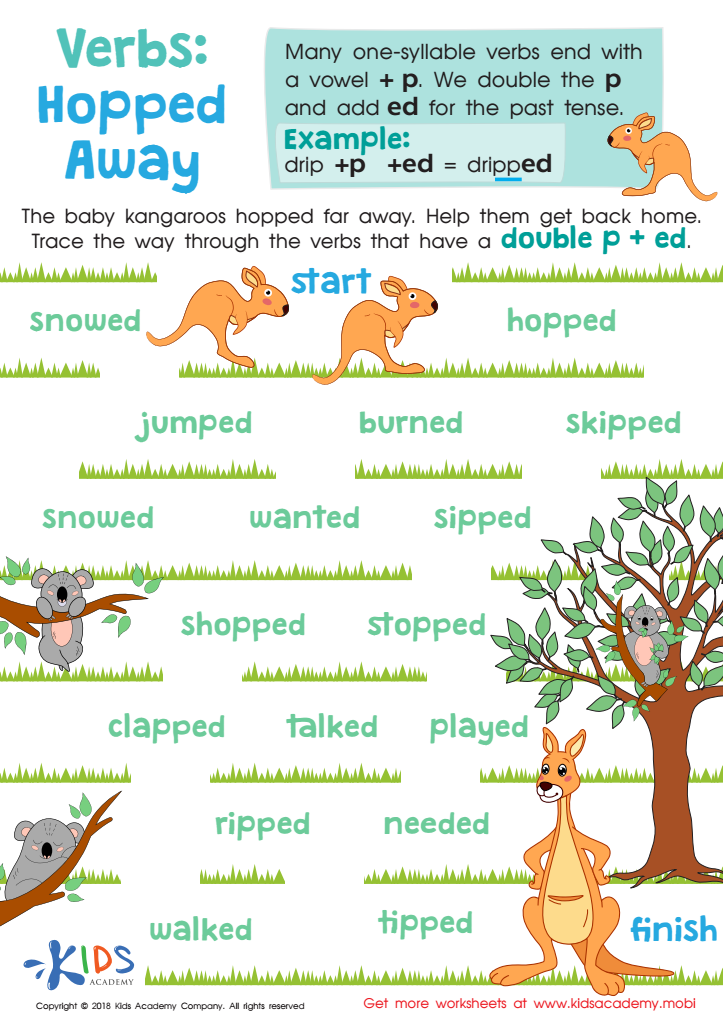
Verbs: Hopped Away Worksheet
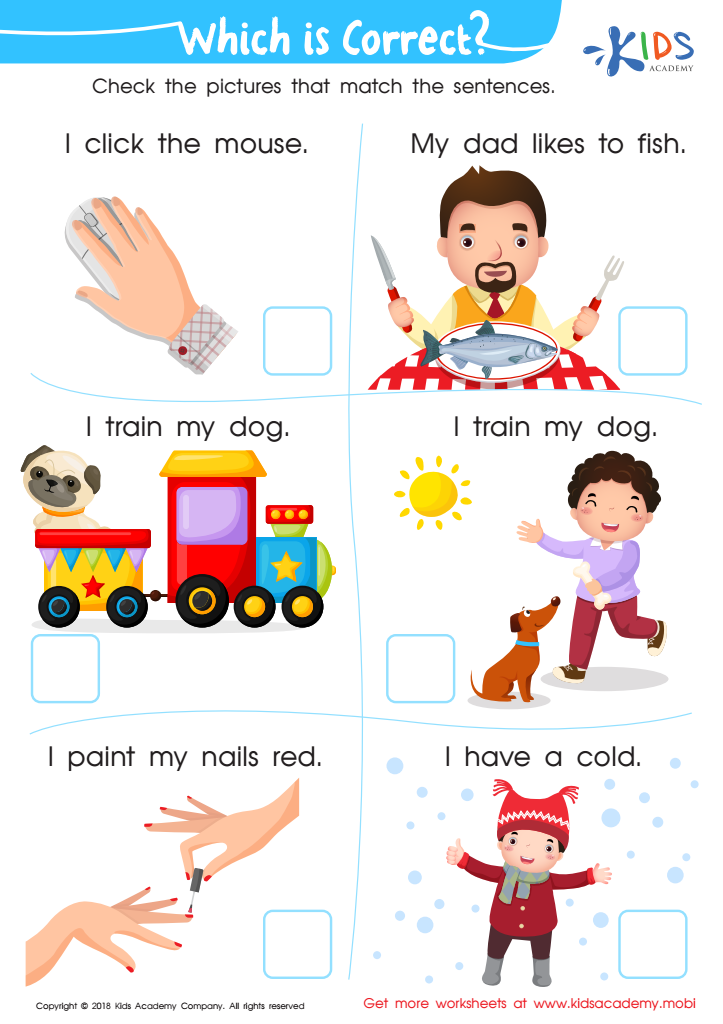
Which Is Correct? Worksheet
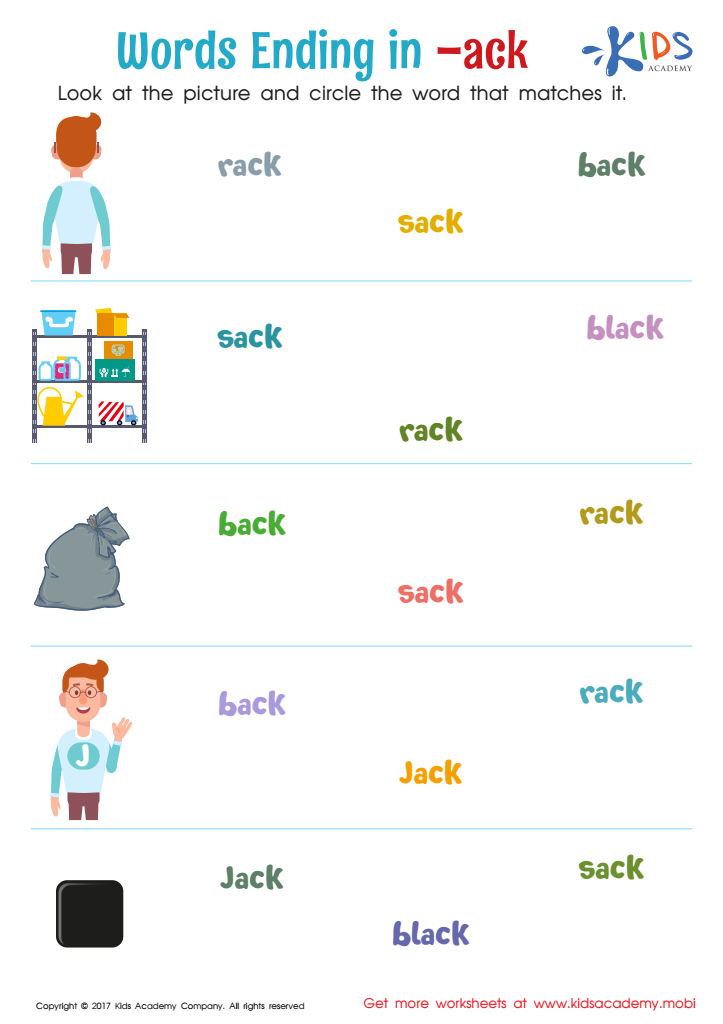
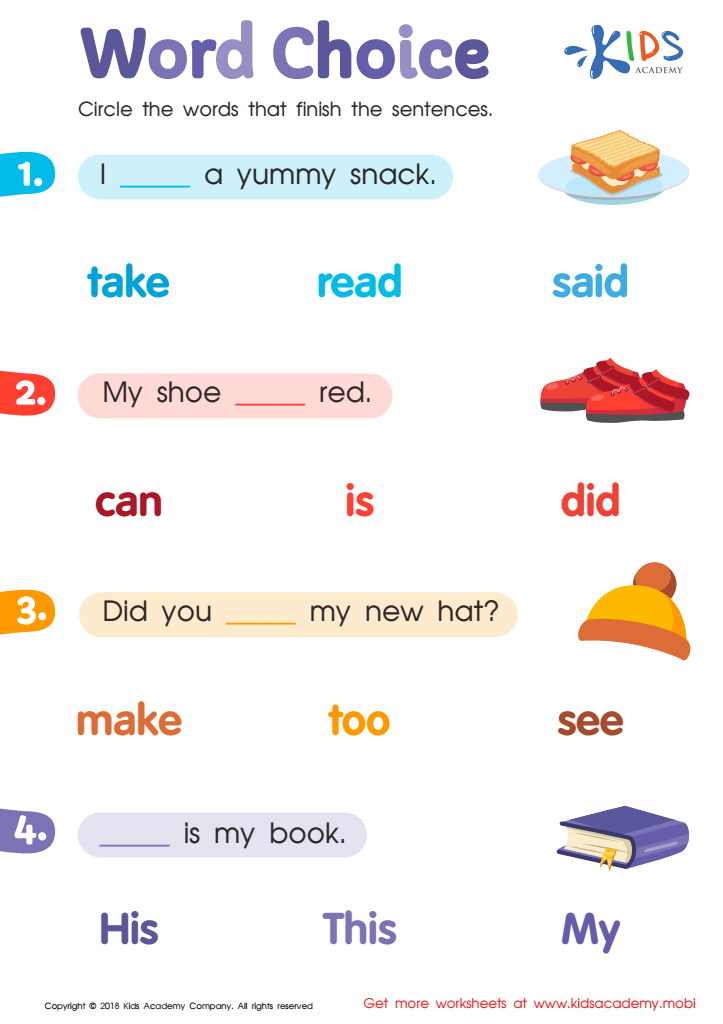
Word Choice Worksheet
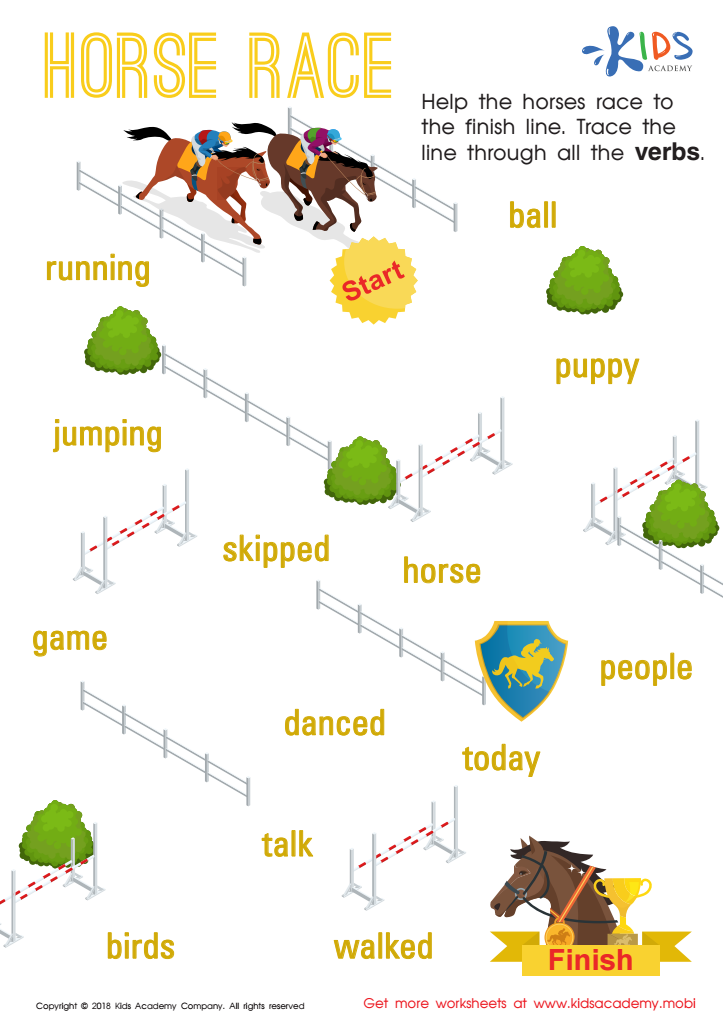
Horse Race Worksheet
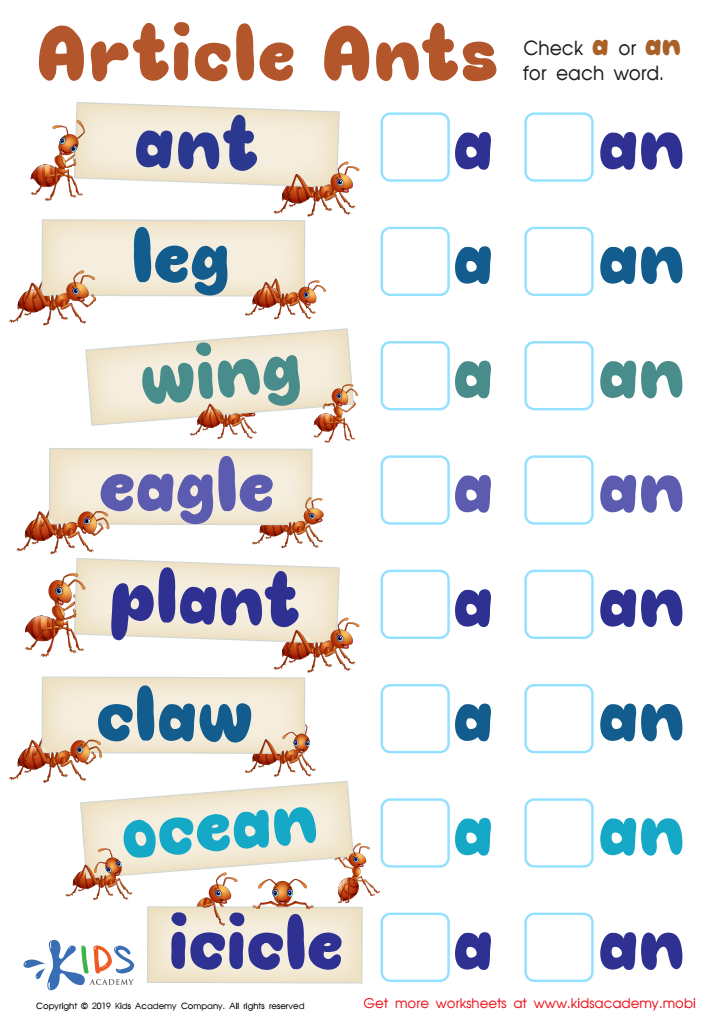
Article Ants Worksheet




.jpg)


Parents and teachers should care about normal grammar for children aged 4-8 because this foundational stage of language development is crucial for effective communication and literacy. During these formative years, children are continually absorbing language, and understanding grammar helps them form coherent sentences, express their thoughts clearly, and interact confidently with others.
Learning normal grammar sets the stage for reading and writing skills, which are essential as children progress in their education. By grasping basic grammatical structures, such as subject-verb agreement and tense consistency, kids are better equipped to decode written texts and craft their own stories. Furthermore, a solid understanding of grammar fosters critical thinking skills as children learn to analyze language, distinguish between different parts of speech, and expand their vocabulary.
Moreover, proper grammar enhances social interactions and helps build self-esteem. As children communicate effectively, they gain confidence, leading to positive relationships with peers and adults alike. For parents and educators, promoting grammatical competence is not merely about academic success; it is about nurturing well-rounded individuals who are prepared for future challenges in both their personal and academic lives. By prioritizing normal grammar, parents and teachers can empower young children to succeed in a myriad of contexts.