Normal Social Studies Worksheets for Ages 5-8 - Page 3
223 filtered results
-
From - To
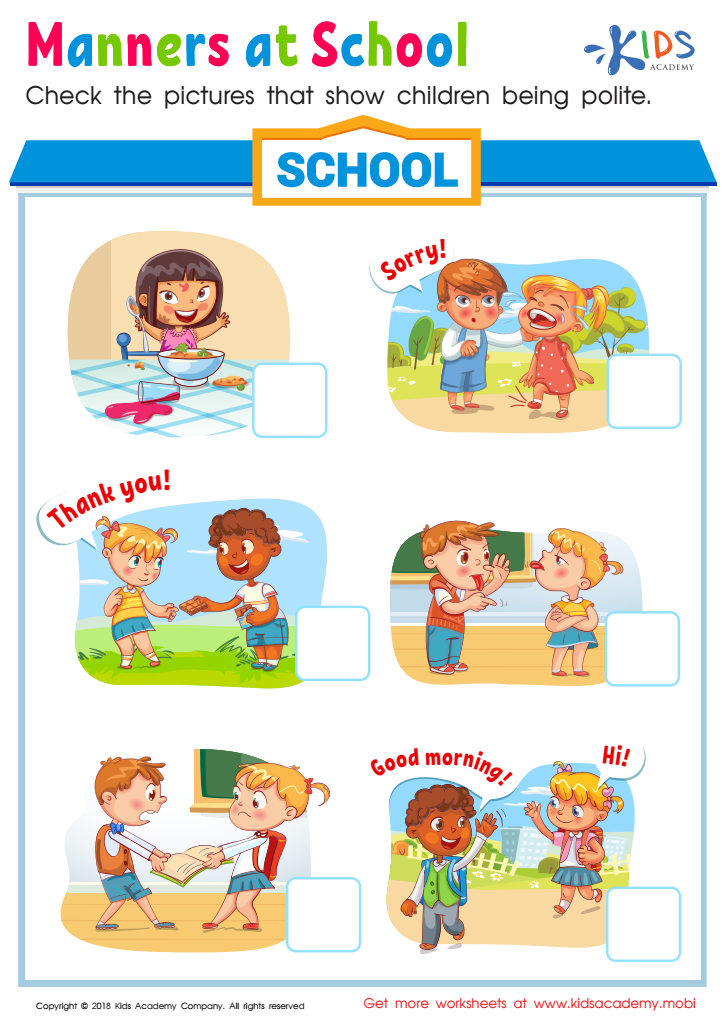
Manners at School Worksheet
 Assign to My Students

Let's Look! Assessment Worksheet
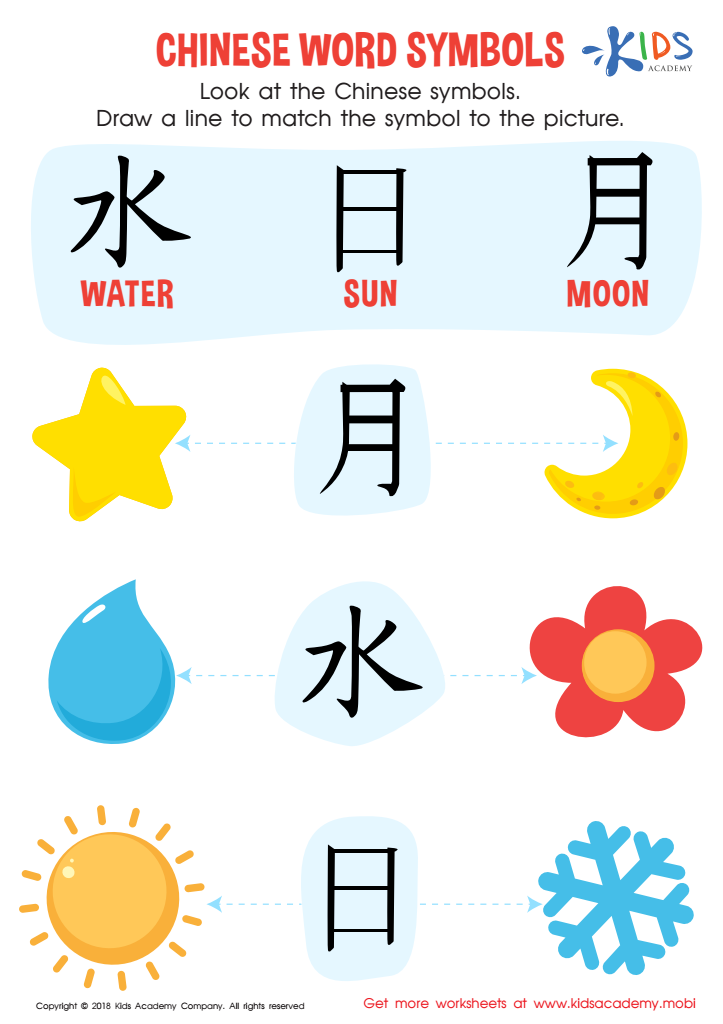
Chinese Word Symbols Worksheet
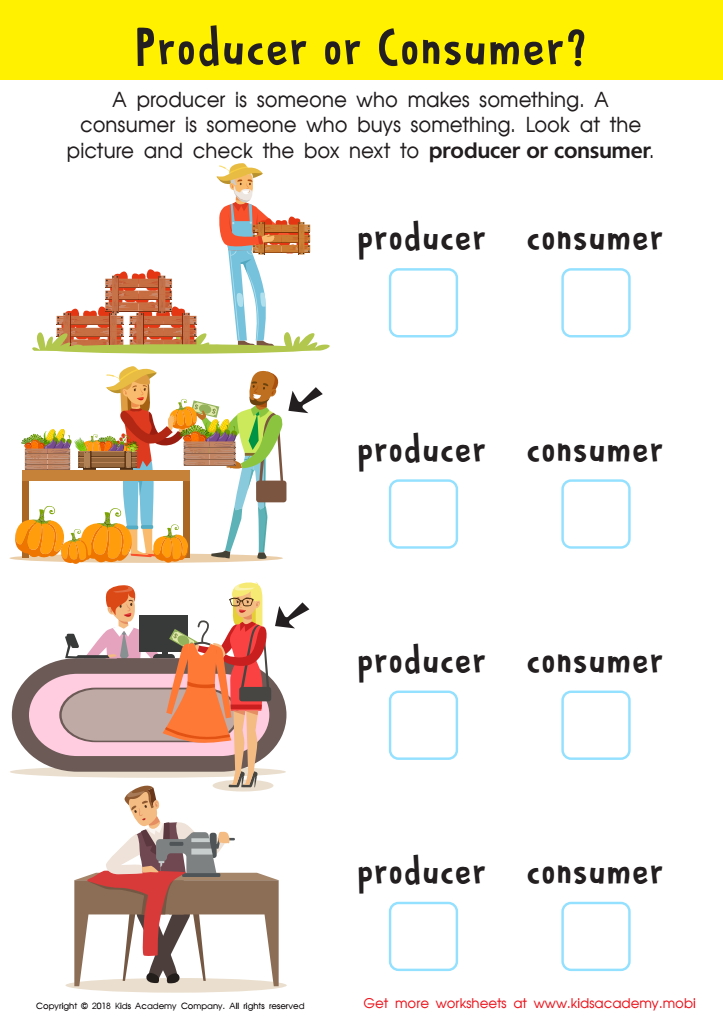
Producer or Consumer? Worksheet
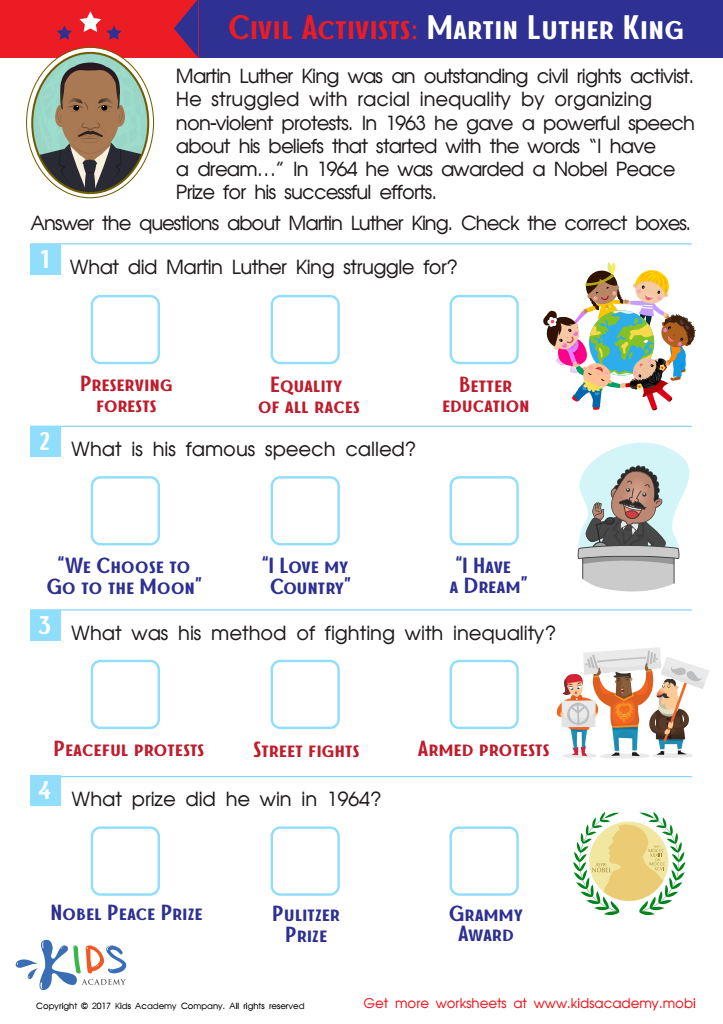
Martin Luther King Worksheet
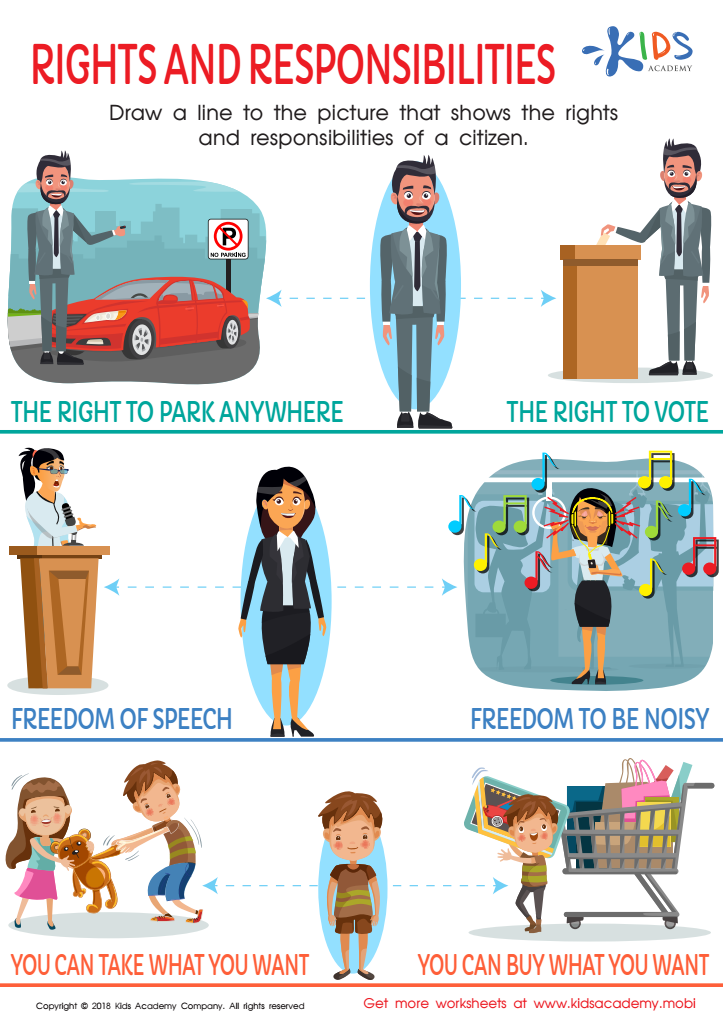
Rights and Responsibilities Worksheet

Latitude and Longitude Worksheet
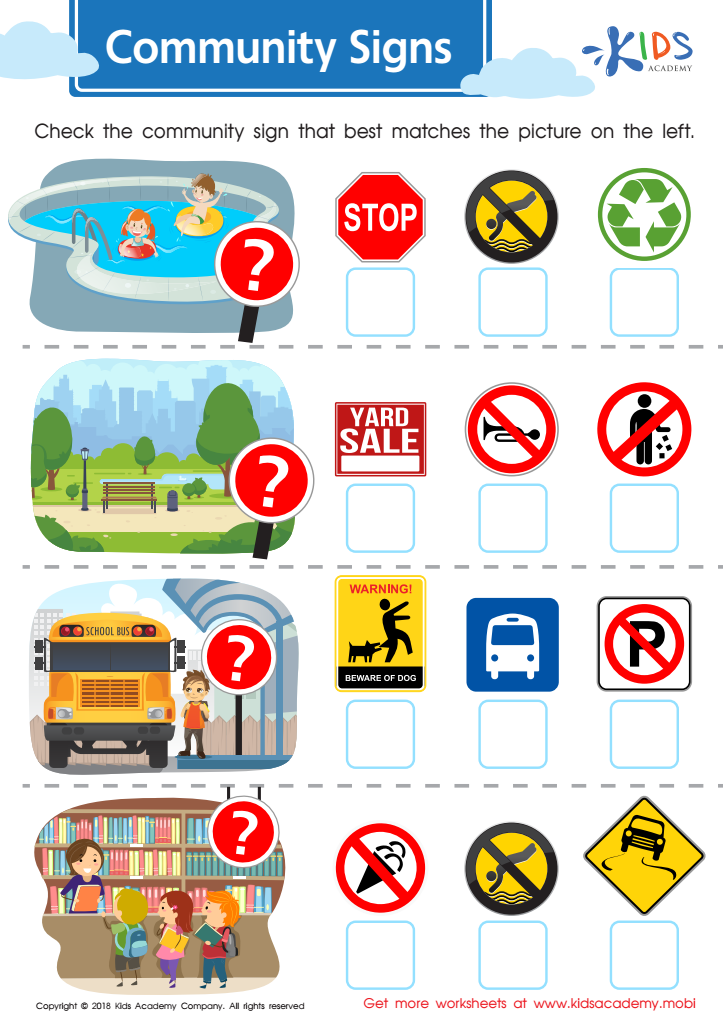
Community Signs Worksheet
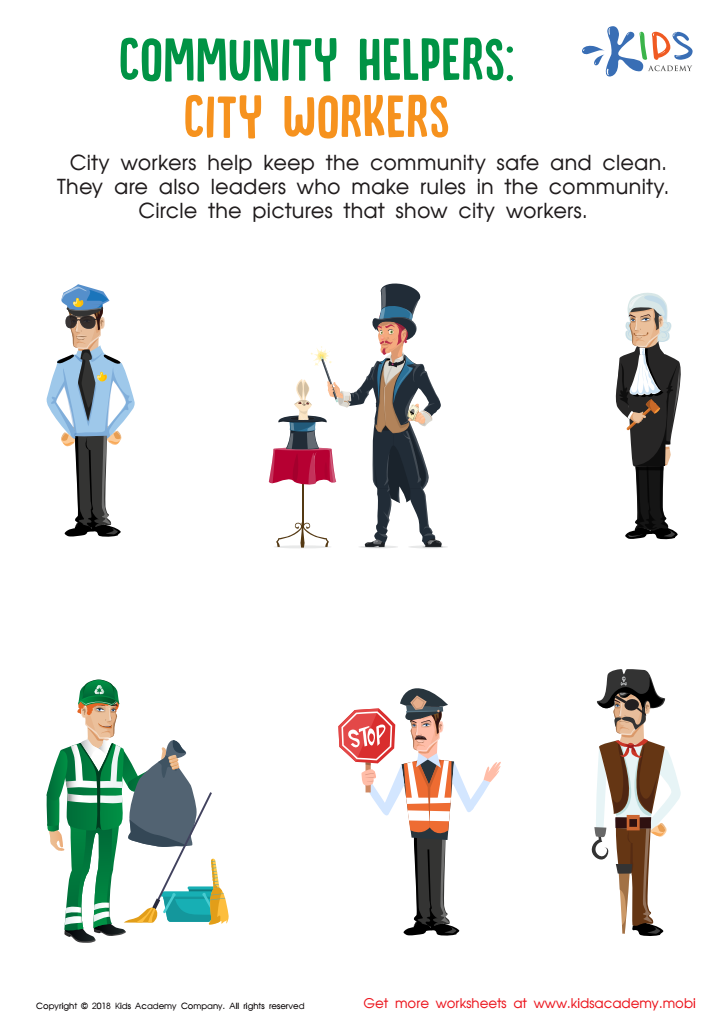
City Workers Community Helpers Worksheet
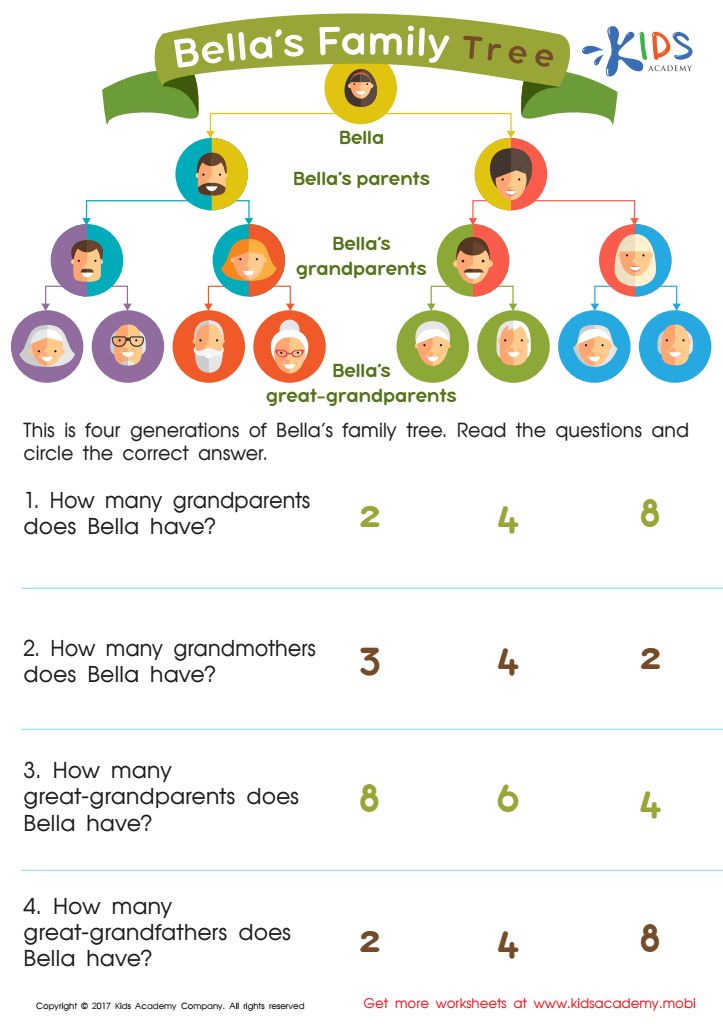
Bella's Family Tree Worksheet
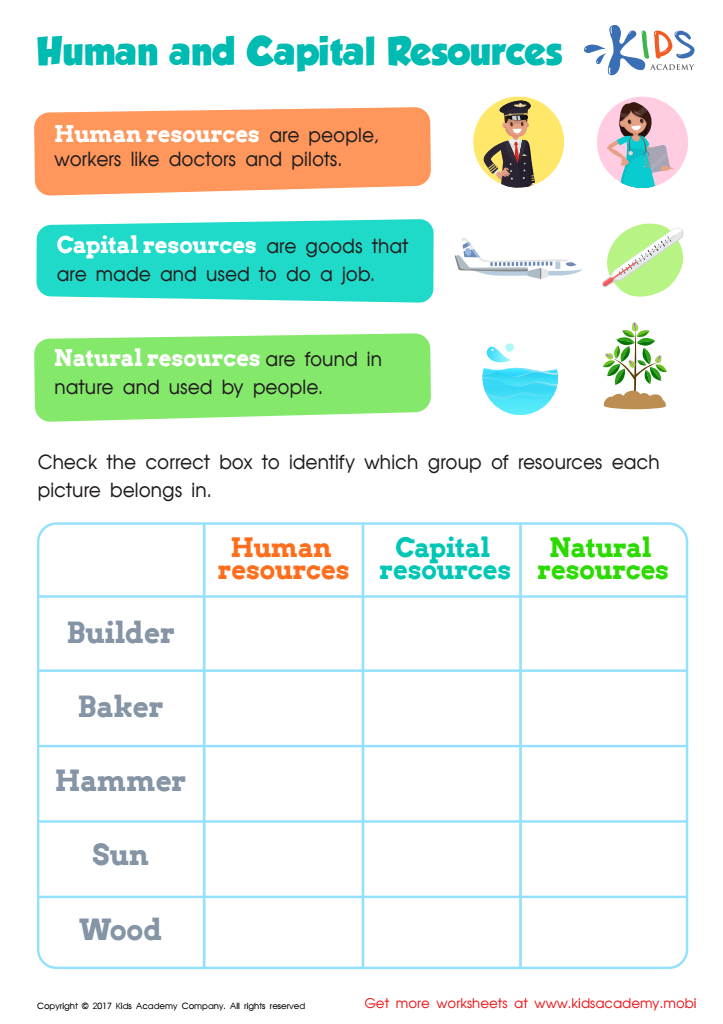
Human and Capital Resources Worksheet
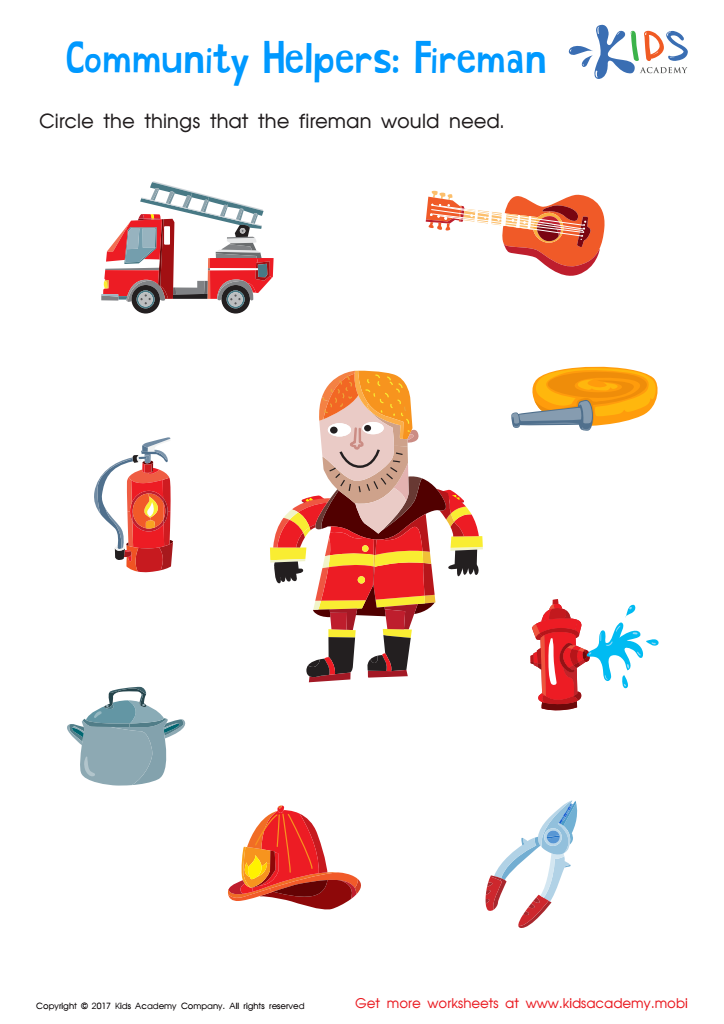
Fireman Worksheet
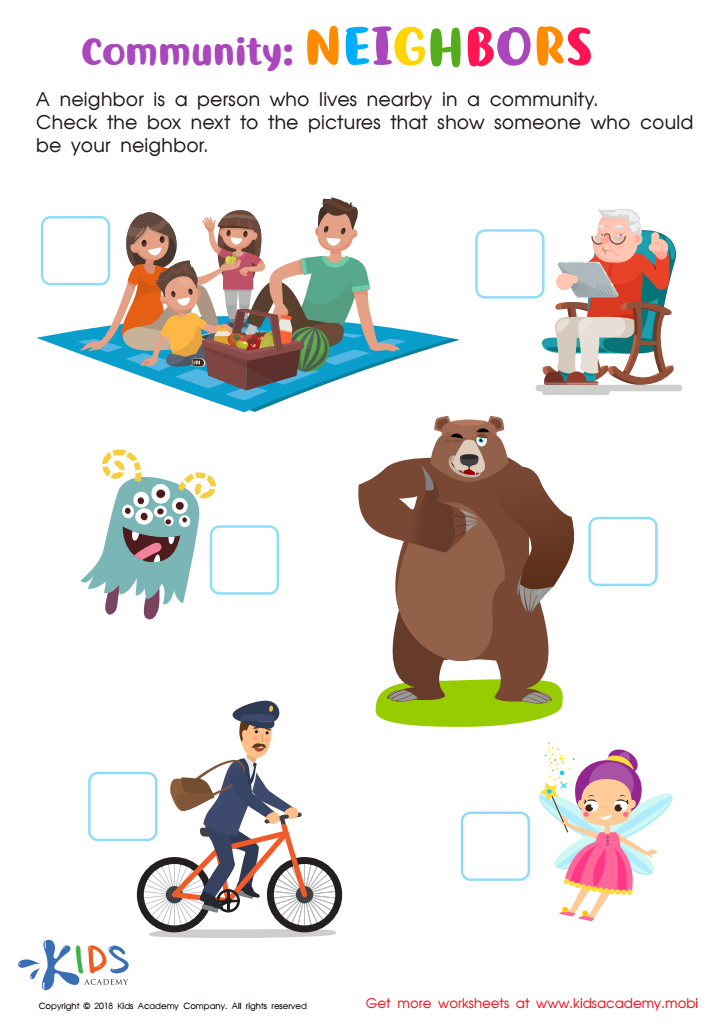
Community: Neighbors Worksheet
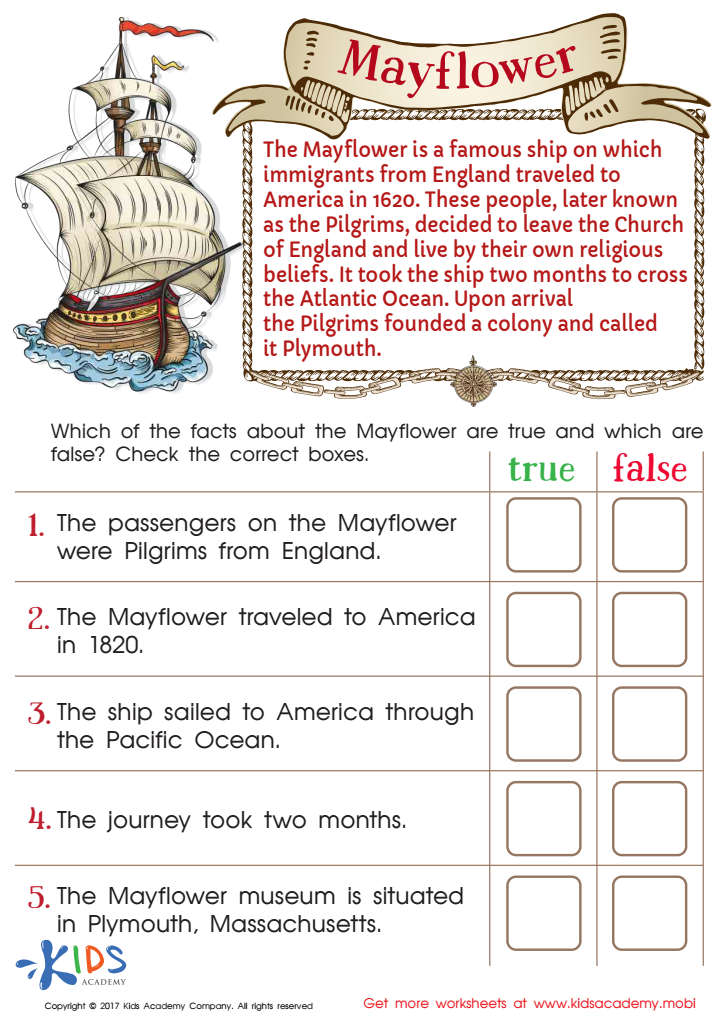
Free Mayflower Worksheet
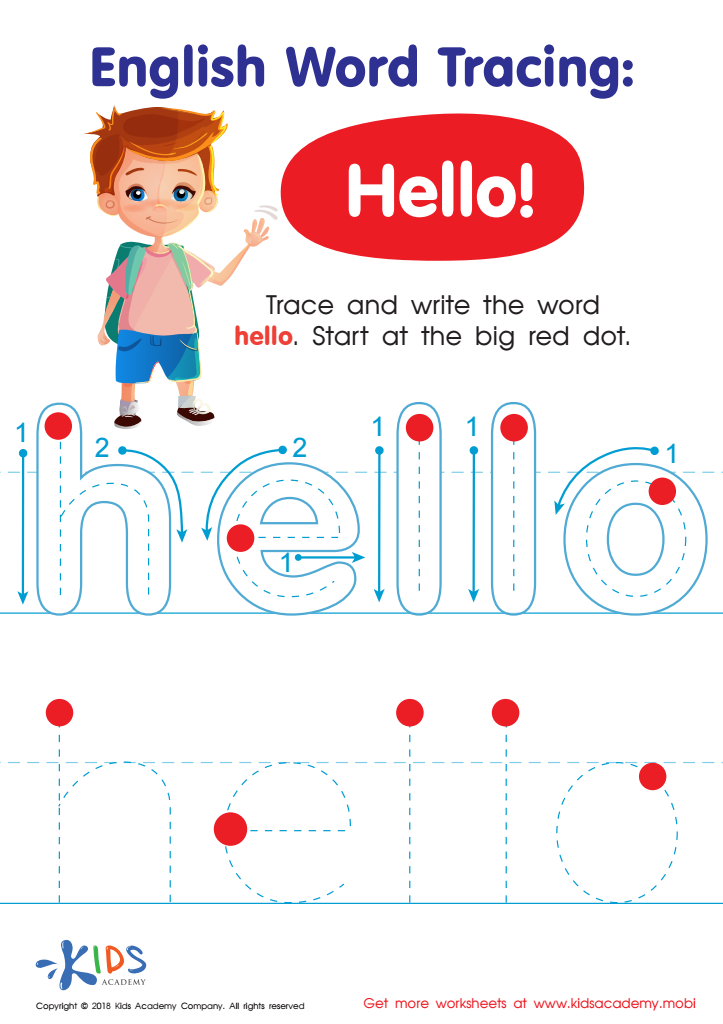
English Word Tracing: Hello Worksheet
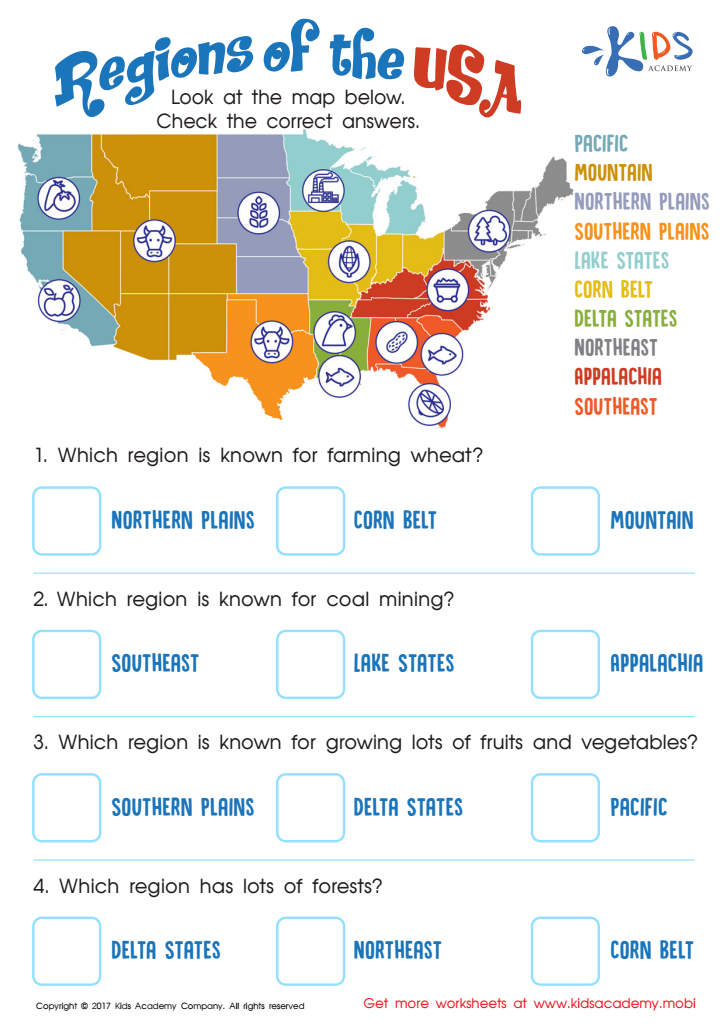
Regions of the USA Worksheet

Let's Go to the Library! Worksheet

The Arctic Region Worksheet
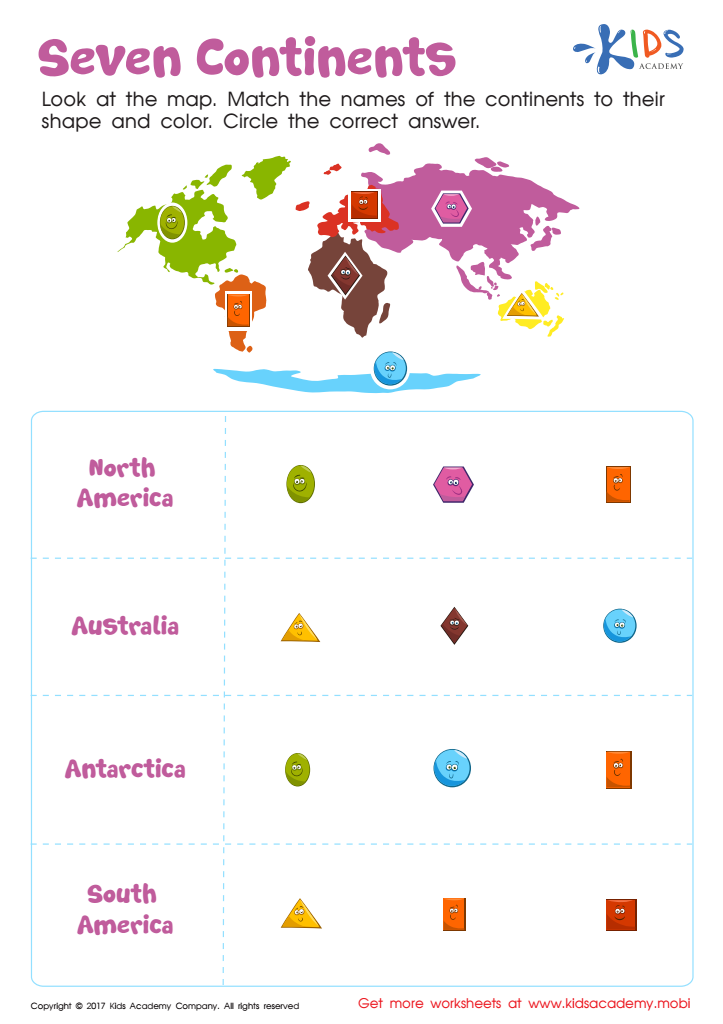
Seven Continents Worksheet
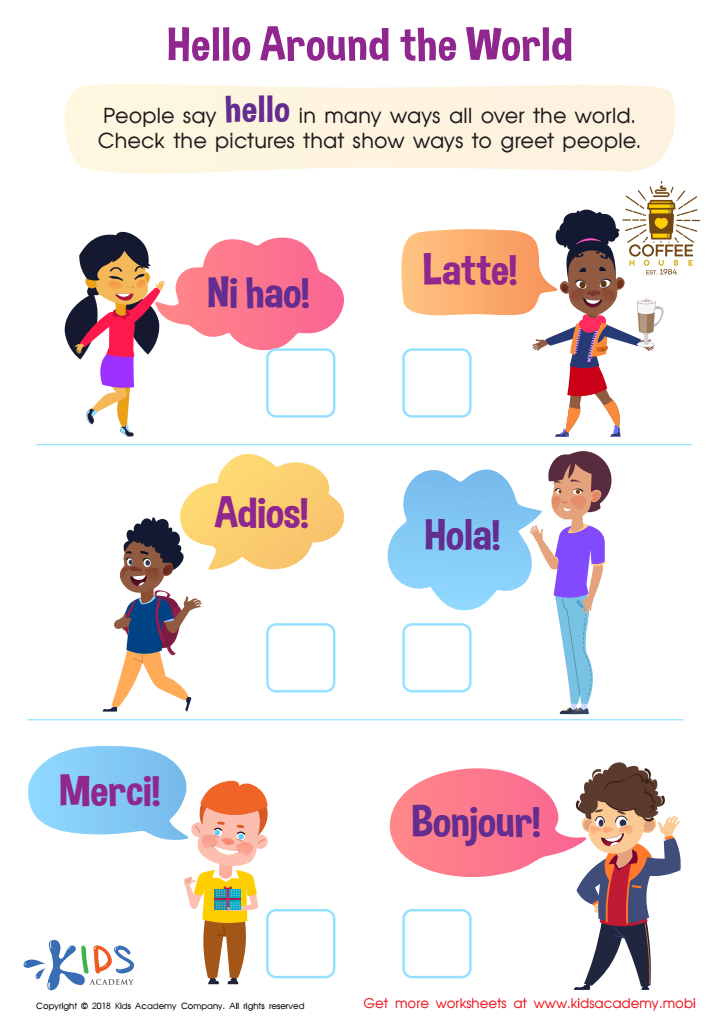
Hello Around the World Worksheet
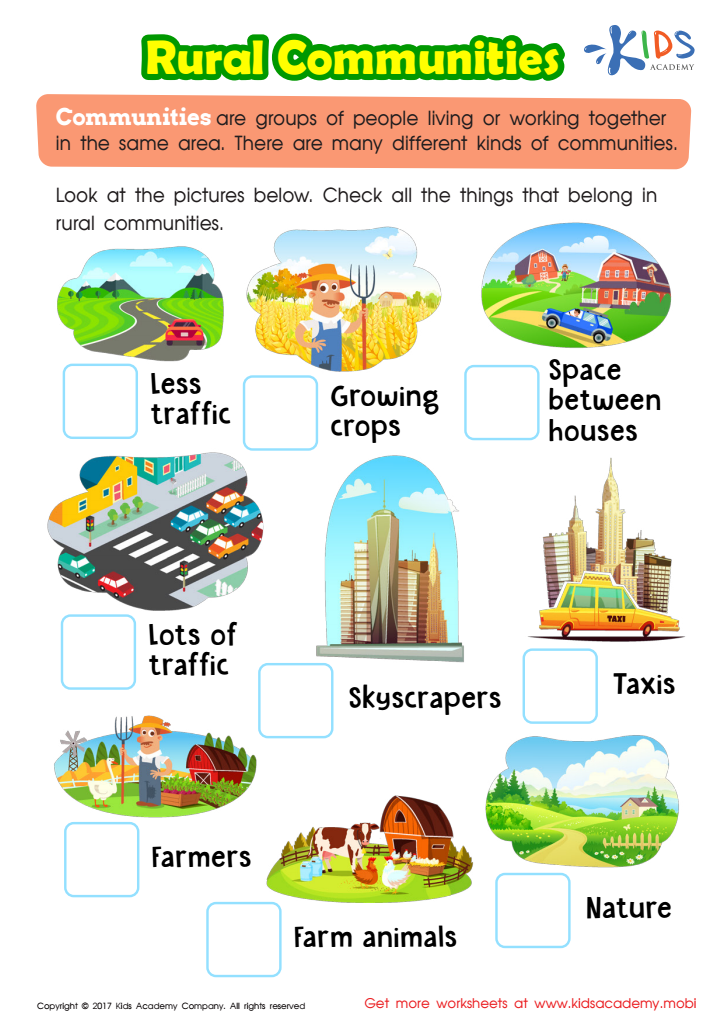
Rural Communities Printable
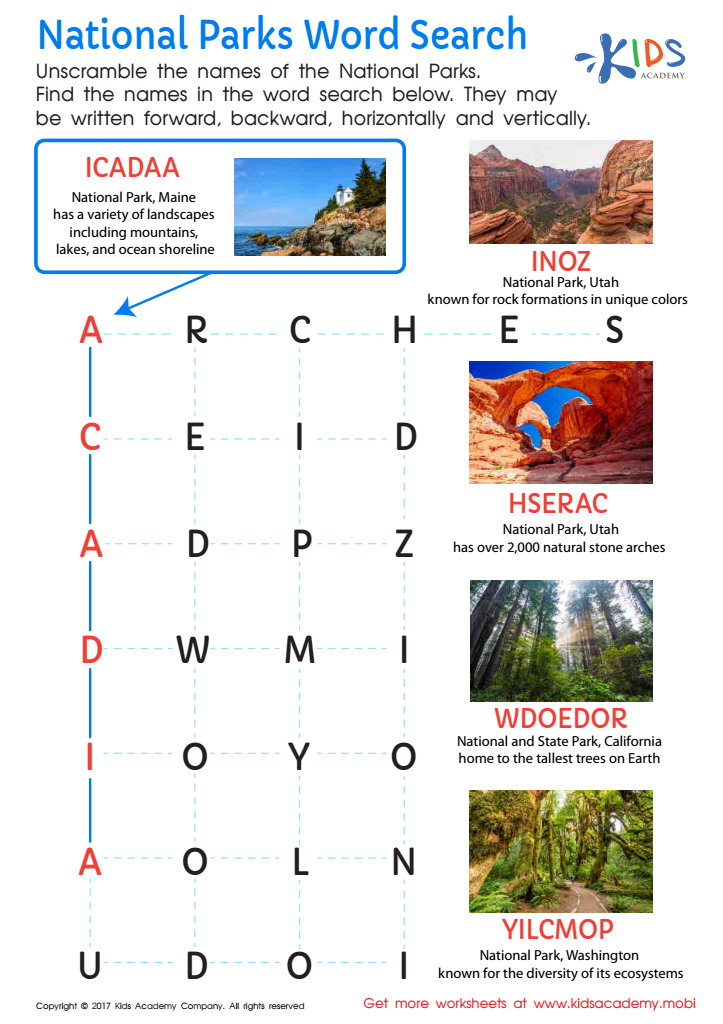
National Parks Word Search Worksheet






.jpg)

Normal Social Studies for Ages 5-8 is essential for early childhood development, fostering a foundational understanding of society, culture, and community. At this age, children are naturally curious about the world around them. Engaging them with age-appropriate social studies helps nurture this curiosity, allowing them to explore essential themes like family, community roles, history, and geography.
Understanding these concepts is integral for developing critical thinking skills—children learn to ask questions, seek answers, and understand differing perspectives. This knowledge lays the groundwork for empathy, as they begin to comprehend diversity and the experiences of others.
Moreover, social studies promotes social skills by encouraging collaboration, communication, and problem-solving within group activities. Such interactions are crucial for building relationships and negotiating friendships, which are vital in child development.
Parents and teachers play a pivotal role in modeling civic engagement and responsibility through social studies. By highlighting the importance of community involvement, respect for differences, and participatory citizenship, they inspire children to be active, informed participants in society.
Investing in Normal Social Studies cultivates informed, empathetic, and socially aware individuals, laying the foundation for responsible citizenship in the future. Thus, parents and teachers should prioritize these educational components in early childhood learning.








