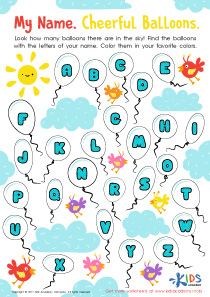
Normal ABC Order Worksheets for Ages 5-9
16 filtered results
-
From - To
Enhance your child's alphabetical skills with our engaging Normal ABC Order Worksheets designed for ages 5-9! These printable activities are perfect for young learners starting their literacy journey. Each worksheet features fun exercises that help children learn to sequence letters, reinforcing their understanding of the alphabet. Whether your child is in kindergarten or early elementary, these worksheets are tailored to provide age-appropriate challenges. With colorful illustrations and interactive tasks, learning becomes a delightful experience. Visit Kids Academy to download our high-quality ABC order worksheets and watch your kids gain confidence in their alphabet mastery!
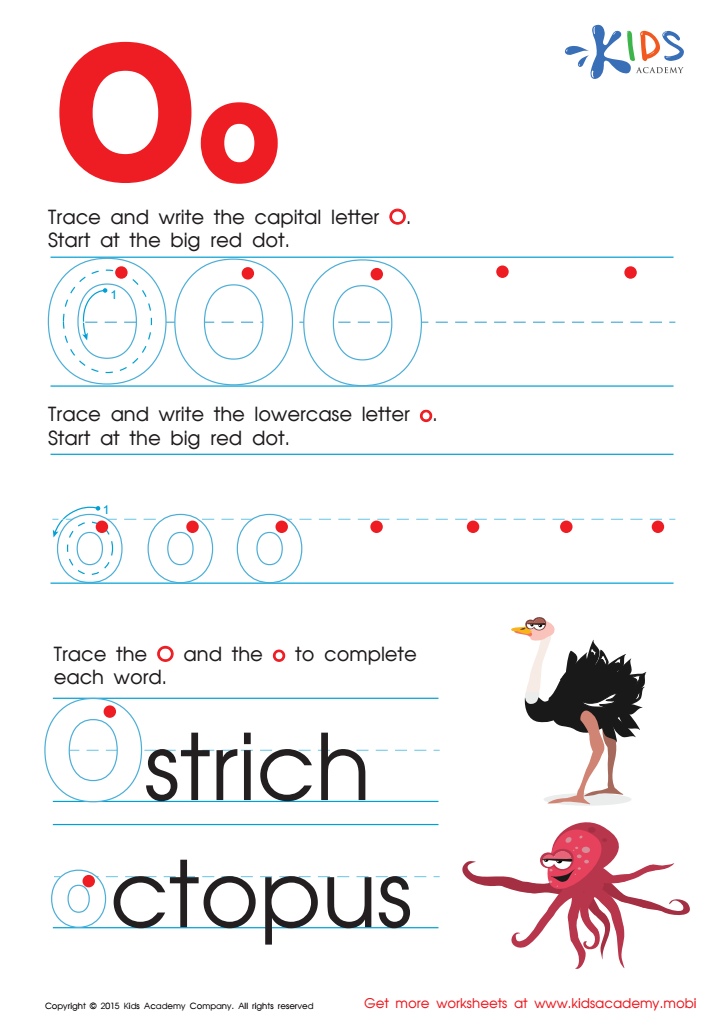
Letter O Tracing Page
 Assign to My Students


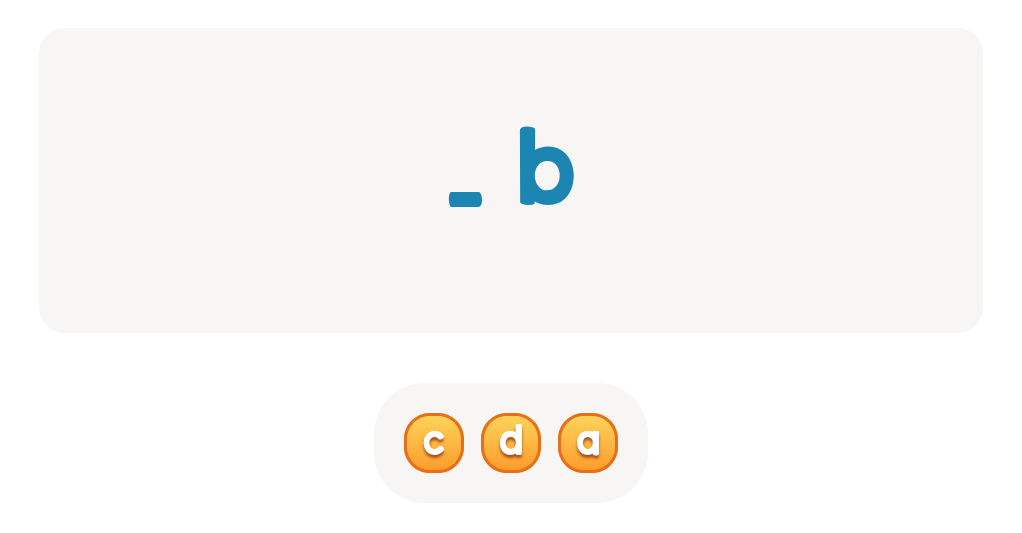
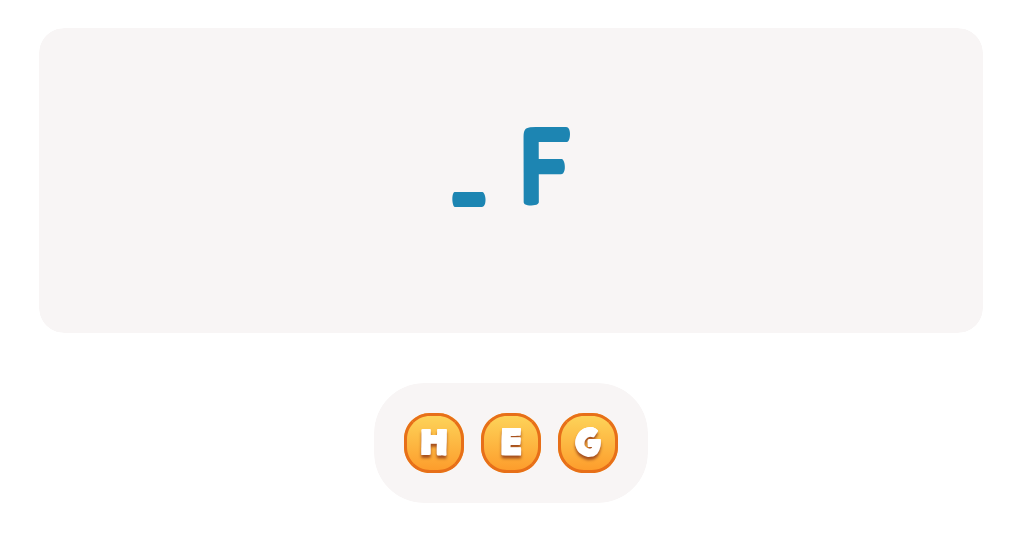




Letter P Tracing Page
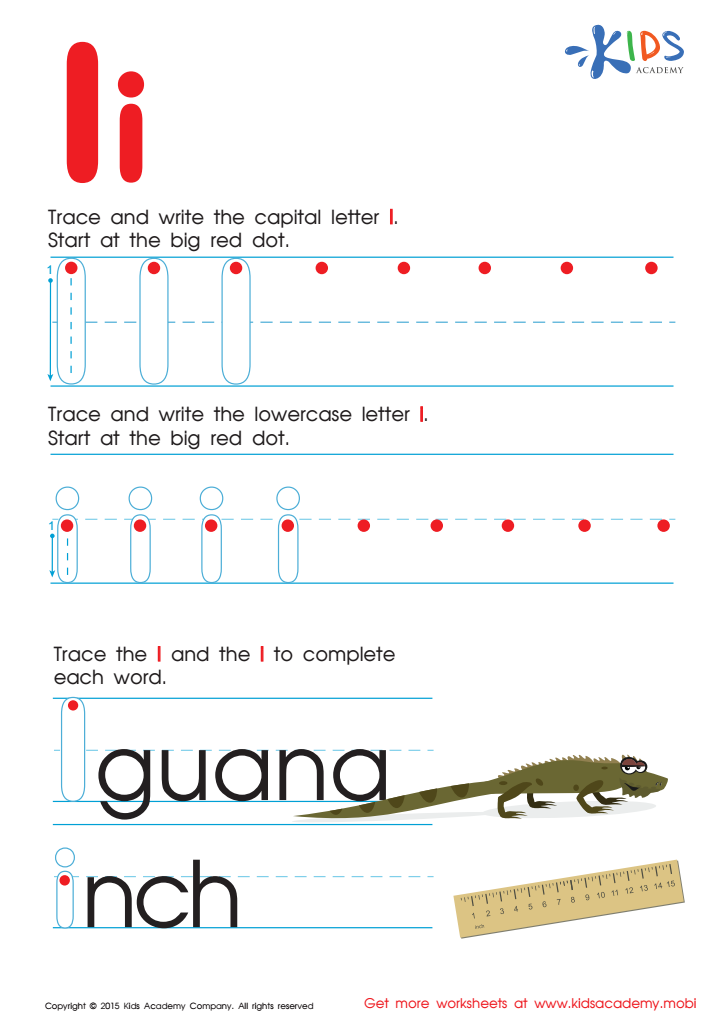
Letter I Tracing Page
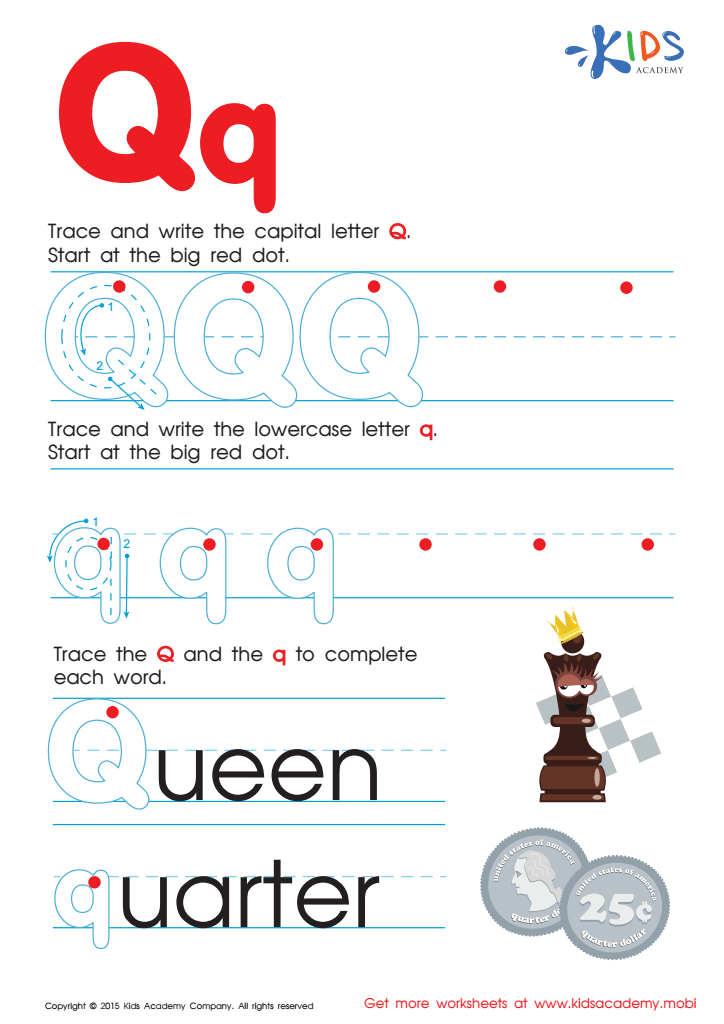
Letter Q Tracing Page

Letter H Tracing Page
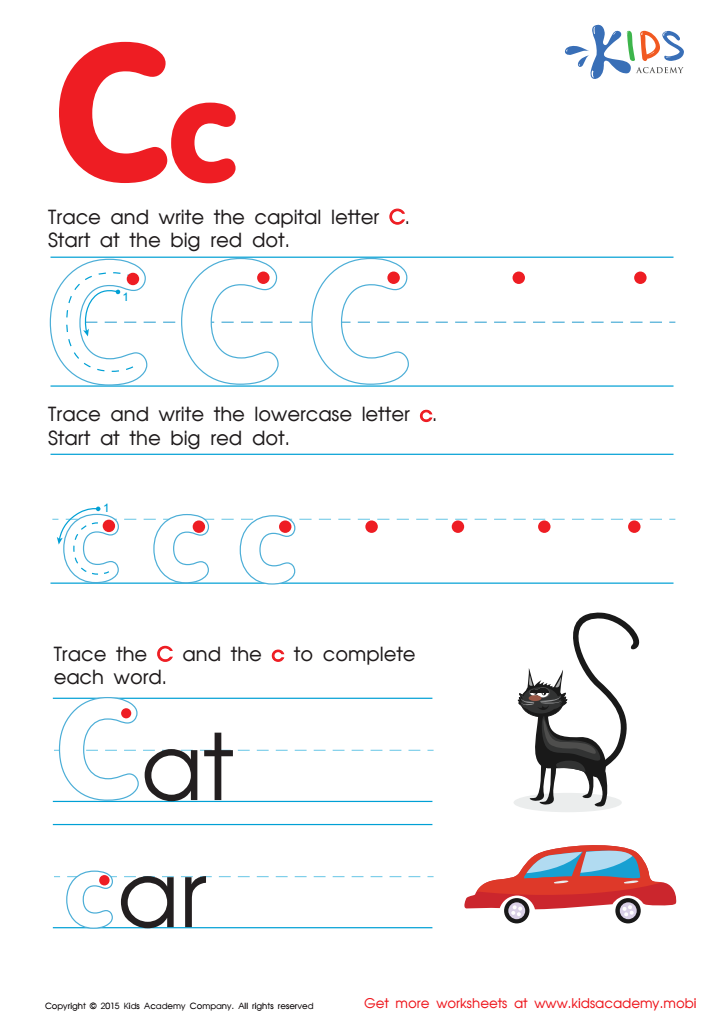
Letter C Tracing Page
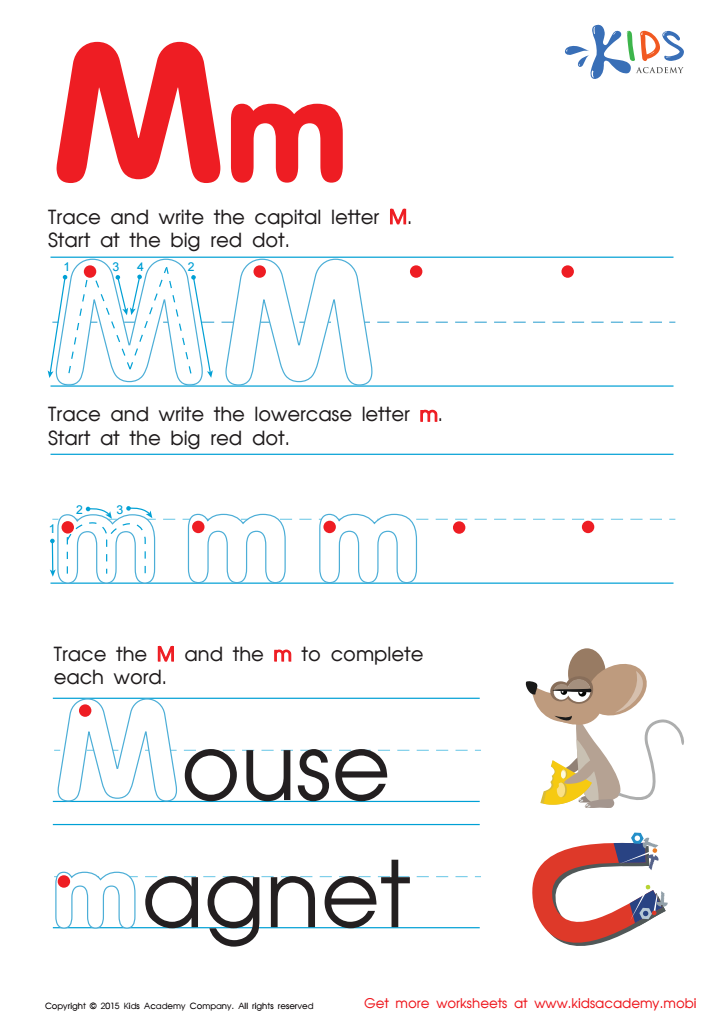
Letter M Tracing Page

Letter G Tracing Page
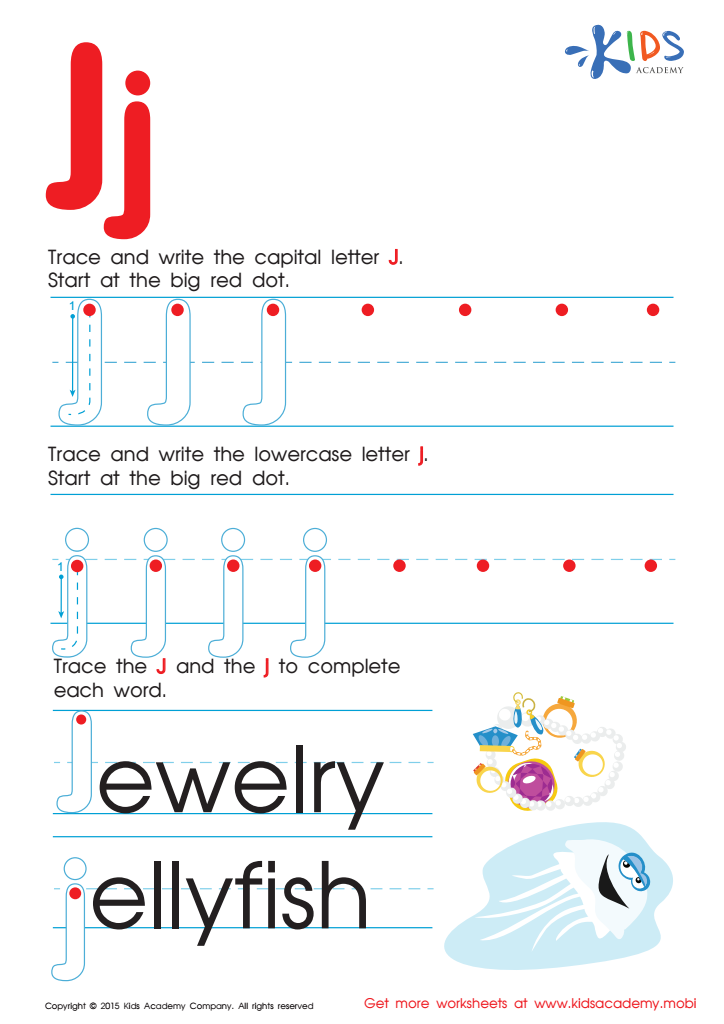
Letter J Tracing Page
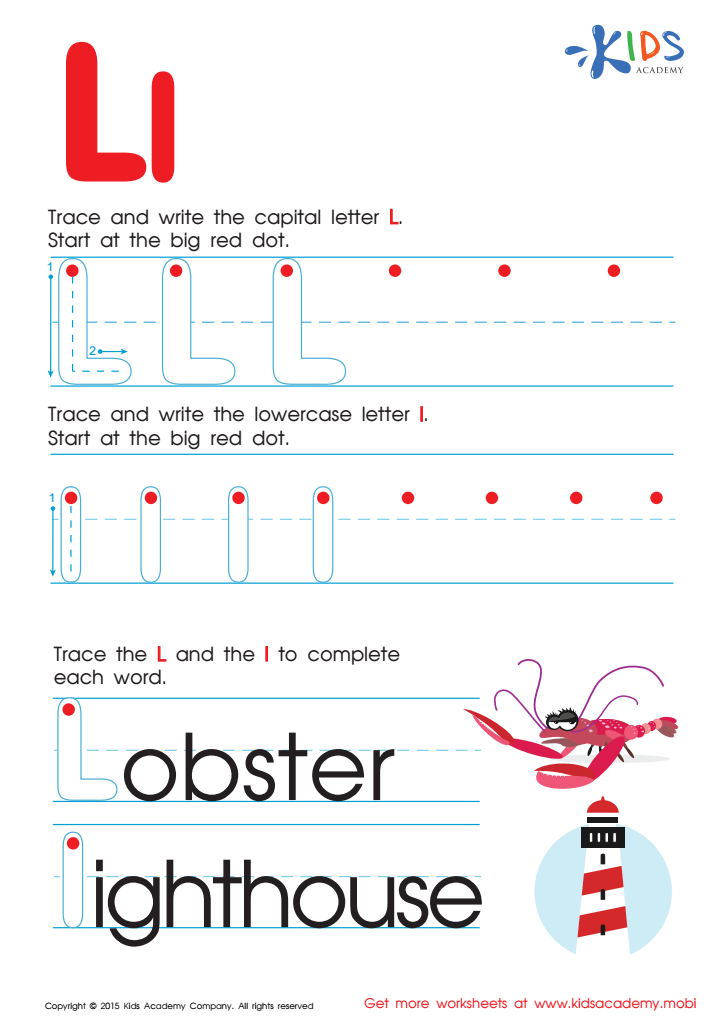
Letter L Tracing Page
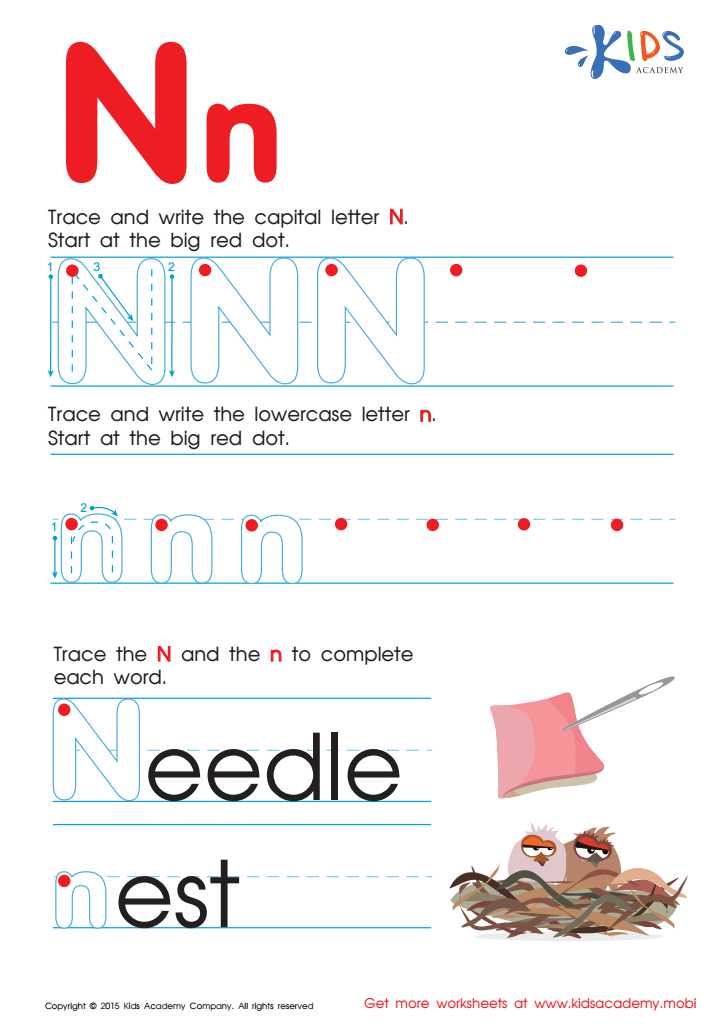
Letter N Tracing Page
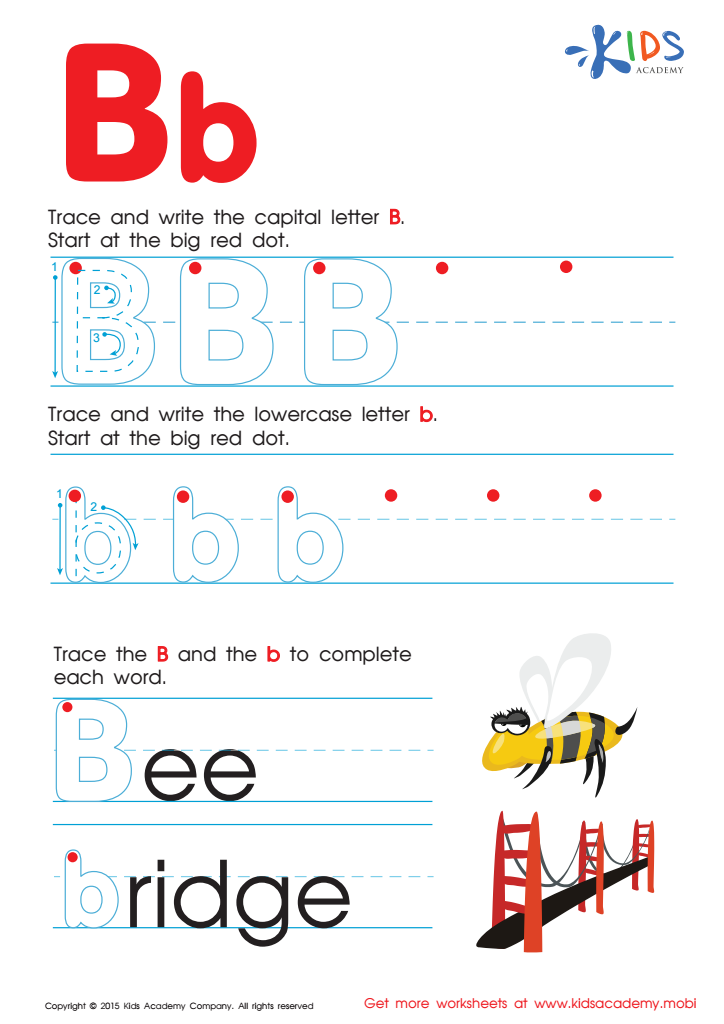
Letter B Tracing Page
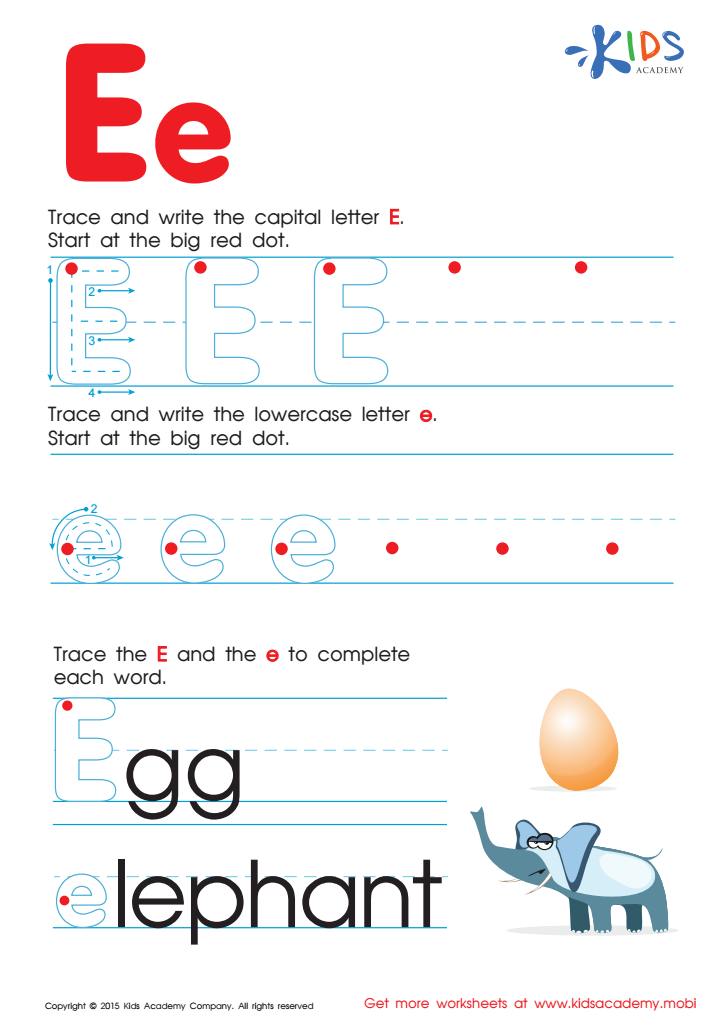
Letter E Tracing Page
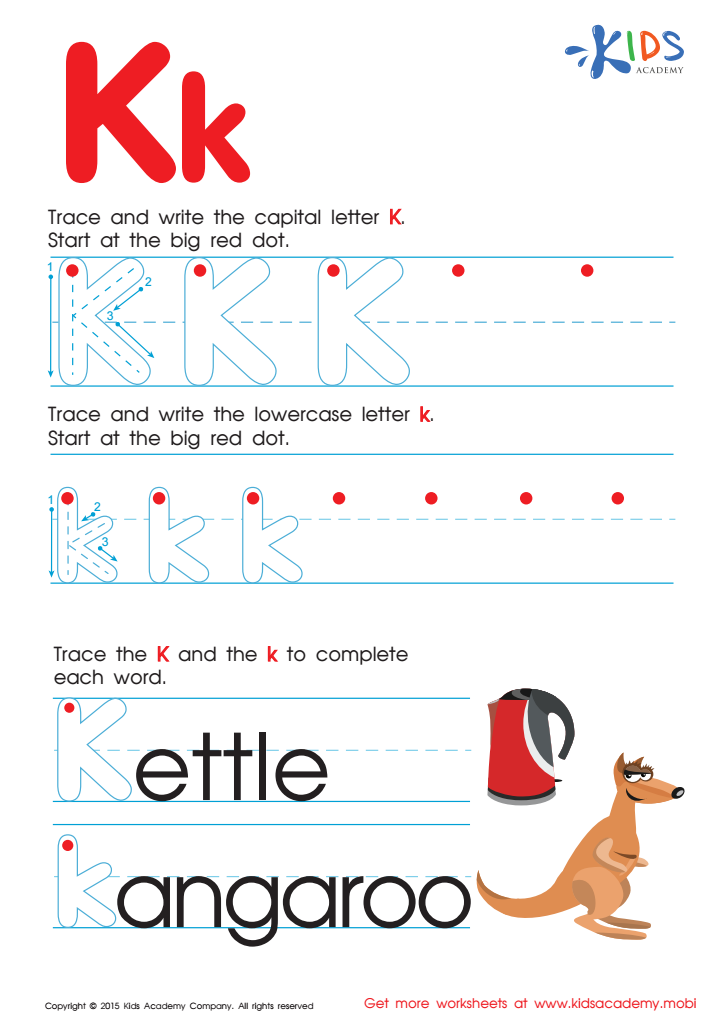
Letter K Tracing Page
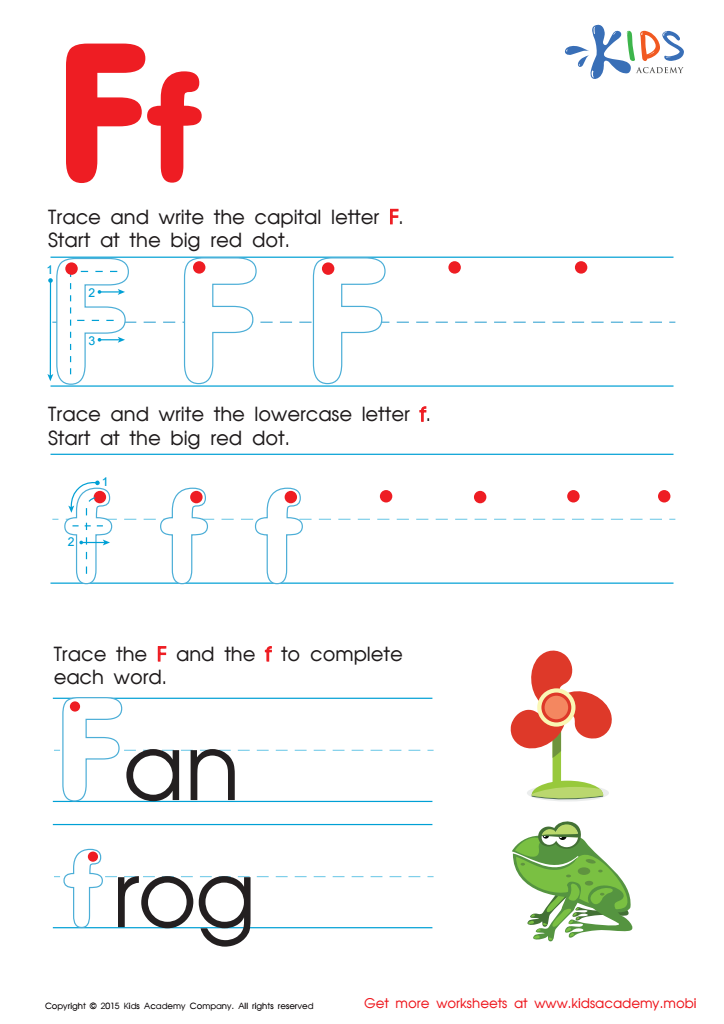
Letter F Tracing Page
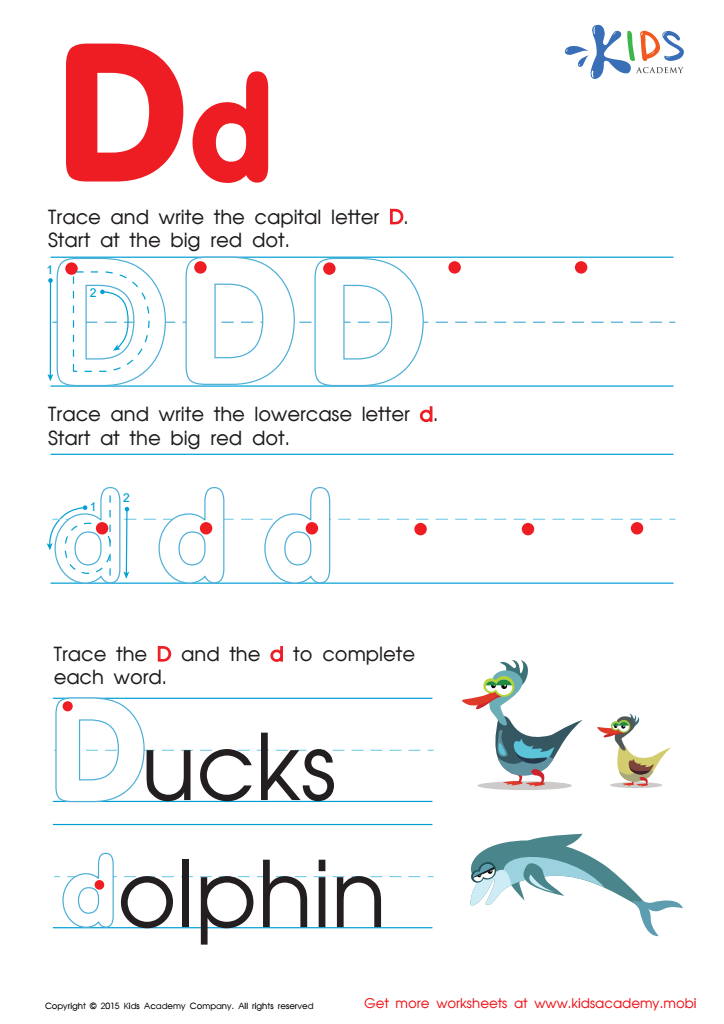
Letter D Tracing Page








Normal ABC Order, or alphabetizing in the usual A to Z sequence, is crucial for children aged 5-9 because it lays the foundation for key literacy skills. At this developmental stage, children are forming basic language and cognitive abilities. Familiarity with the ABC order aids in solidifying their alphabet knowledge, which is an essential precursor to reading and writing proficiency.
Learning ABC order enhances children’s understanding of alphabetical principles, promoting pattern recognition and reinforcing memory. This cognitive framework is vital for tasks they will encounter later, such as navigating dictionaries, using indexes in books, and understanding library catalogs.
Moreover, reinforcing alphabetical order assists in organizing thoughts and materials, fostering early organizational skills. For example, arranging words in ABC order can help children become more organized in their thinking and improve their ability to classify and categorize information.
Practicing ABC order also supports phonemic awareness, enabling children to discern letter sounds and their sequences, which directly influences their spelling and decoding skills.
Interactive activities, like sorting and arranging alphabet cards or using simple computer programs, can make learning ABC order engaging. In essence, proficiency in normal ABC order equips children with a critical building block for a lifetime of effective learning and communication.