Normal History Worksheets for Ages 5-9 - Page 3
59 filtered results
-
From - To
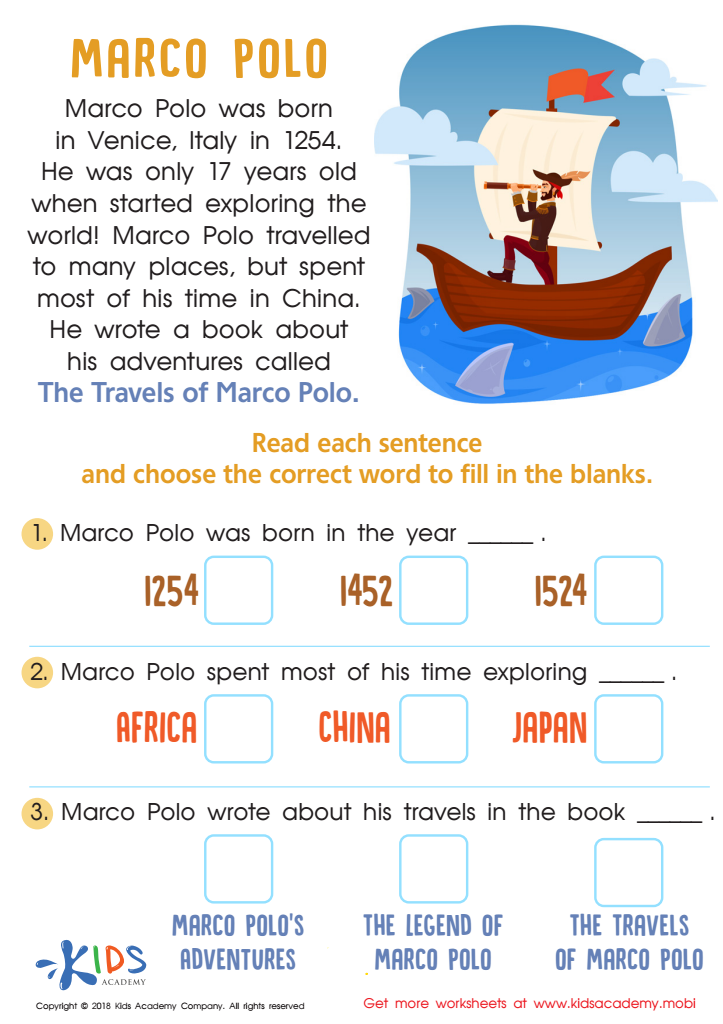
Marco Polo Worksheet
 Assign to My Students
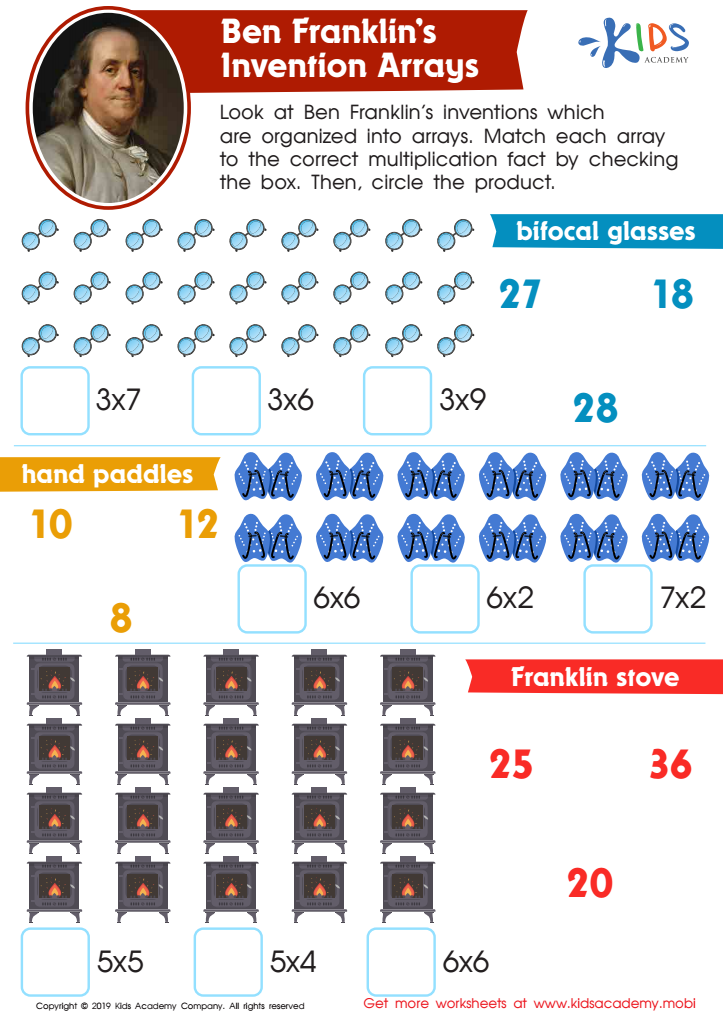
Ben Franklin’s Invention Arrays Worksheet
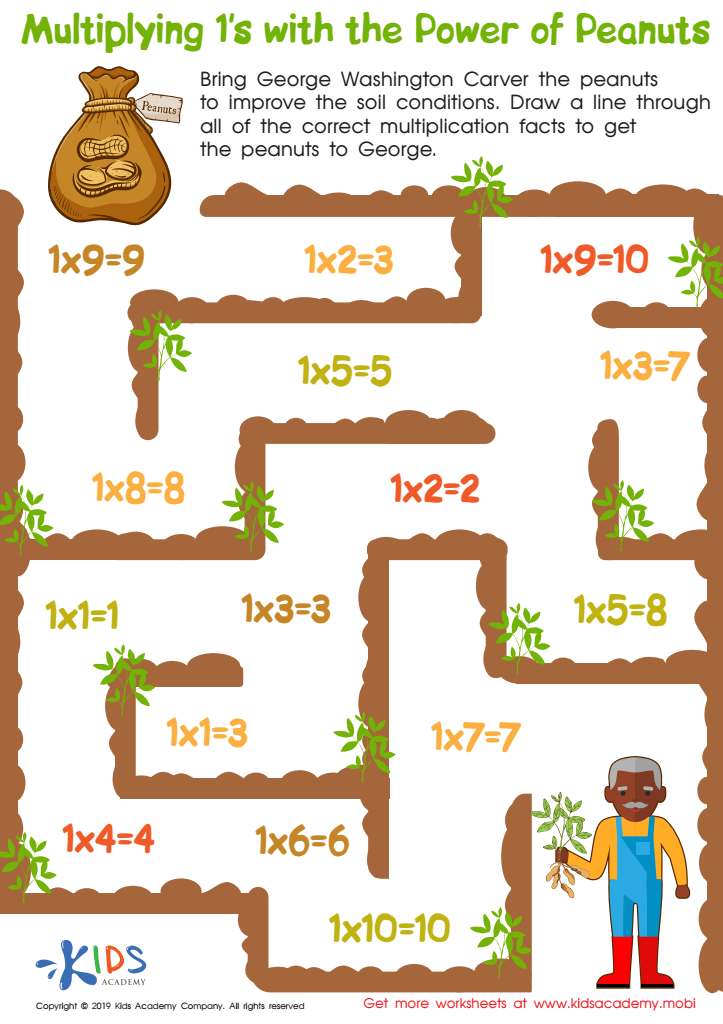
Multiplying 1’s With the Power of Peanuts Worksheet
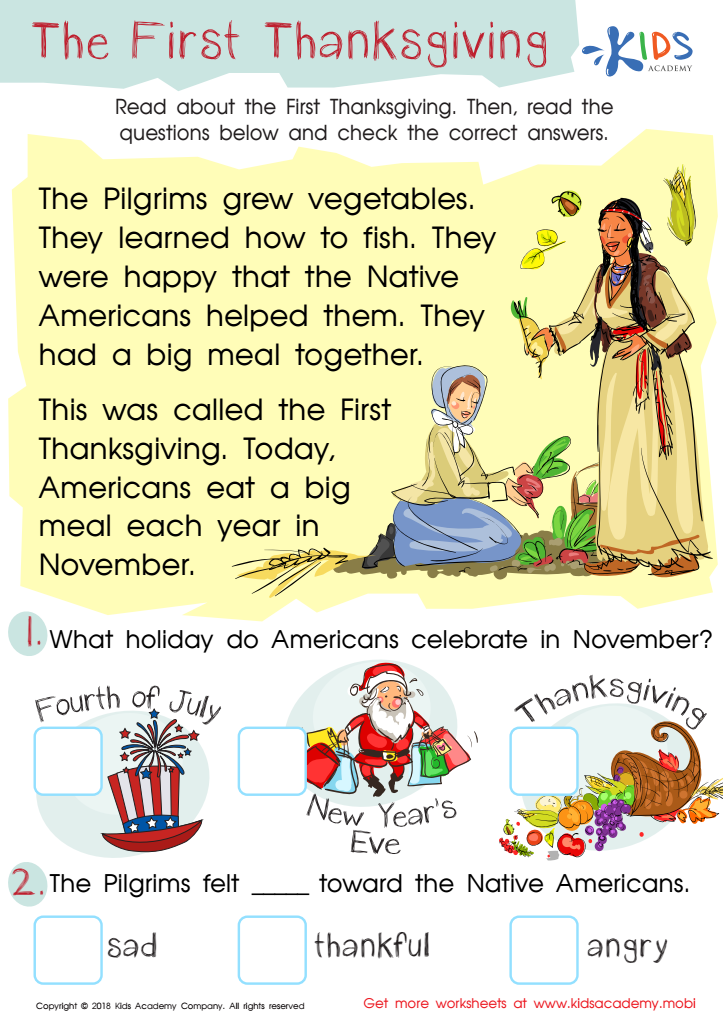
Assessment: First Thanksgiving Worksheet
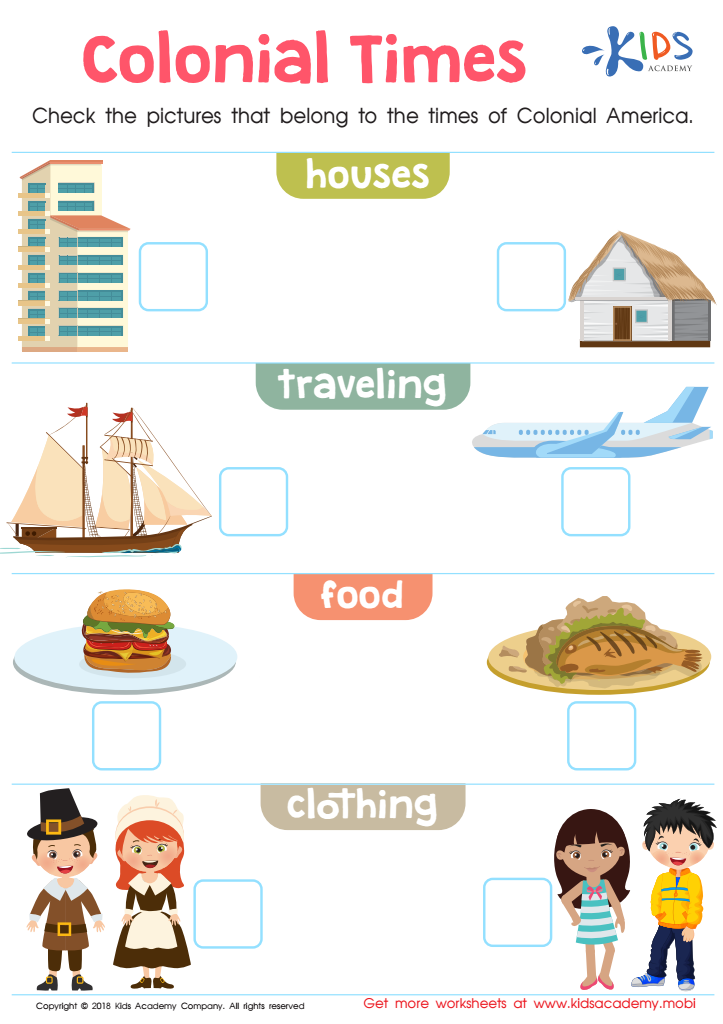
Colonial Times Worksheet
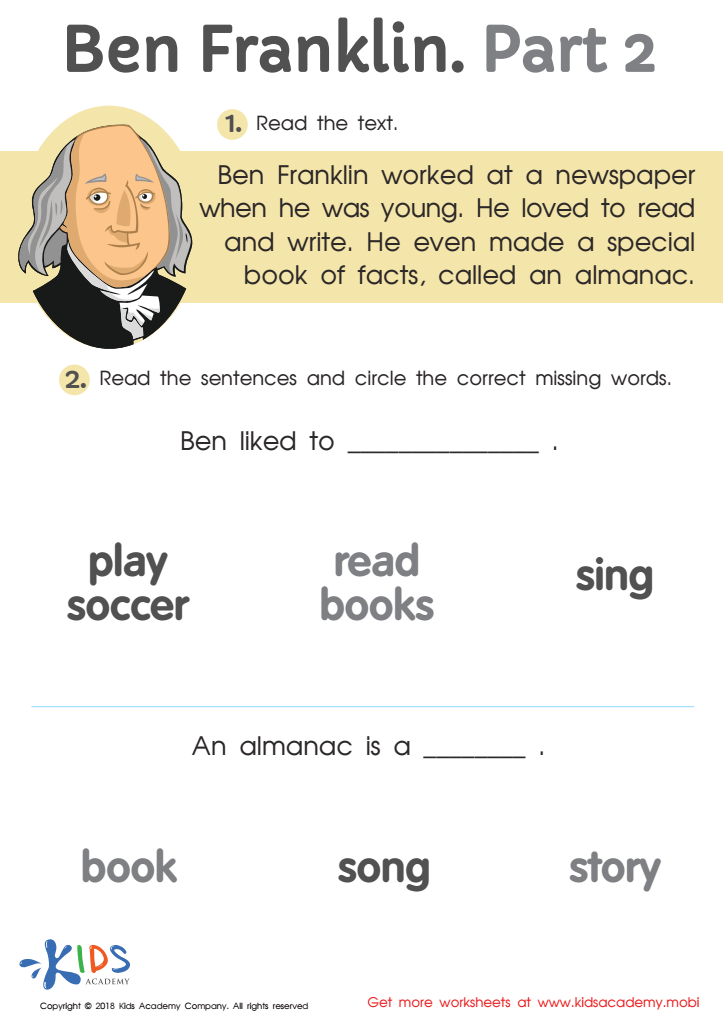
Ben Franklin Part 2 Worksheet
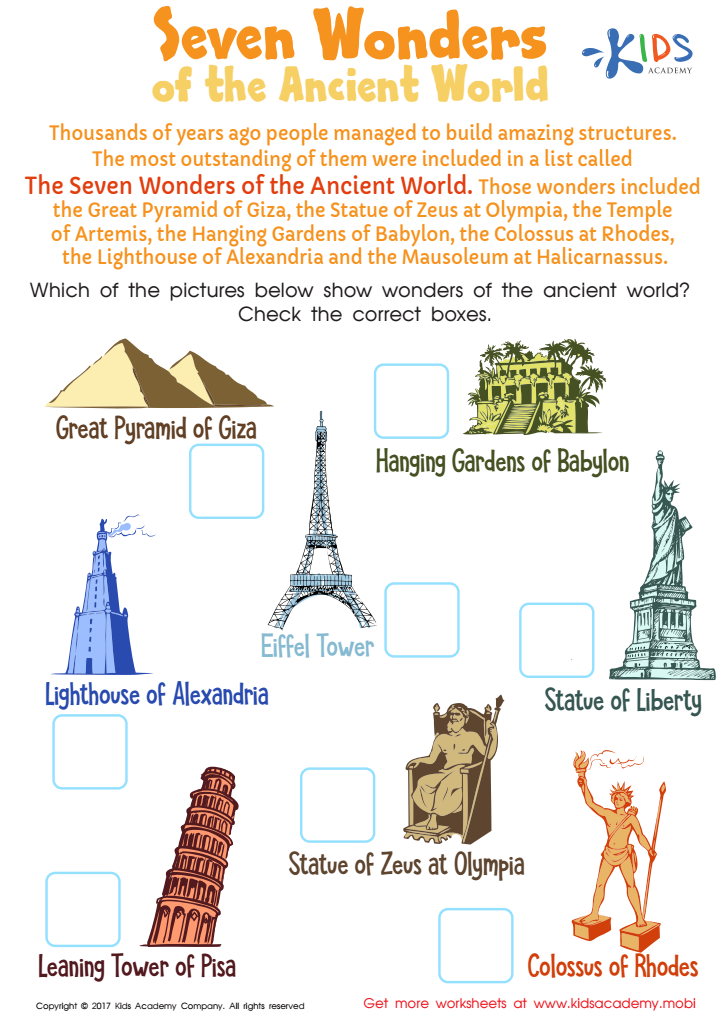
Seven Wonders of the Ancient World Worksheet
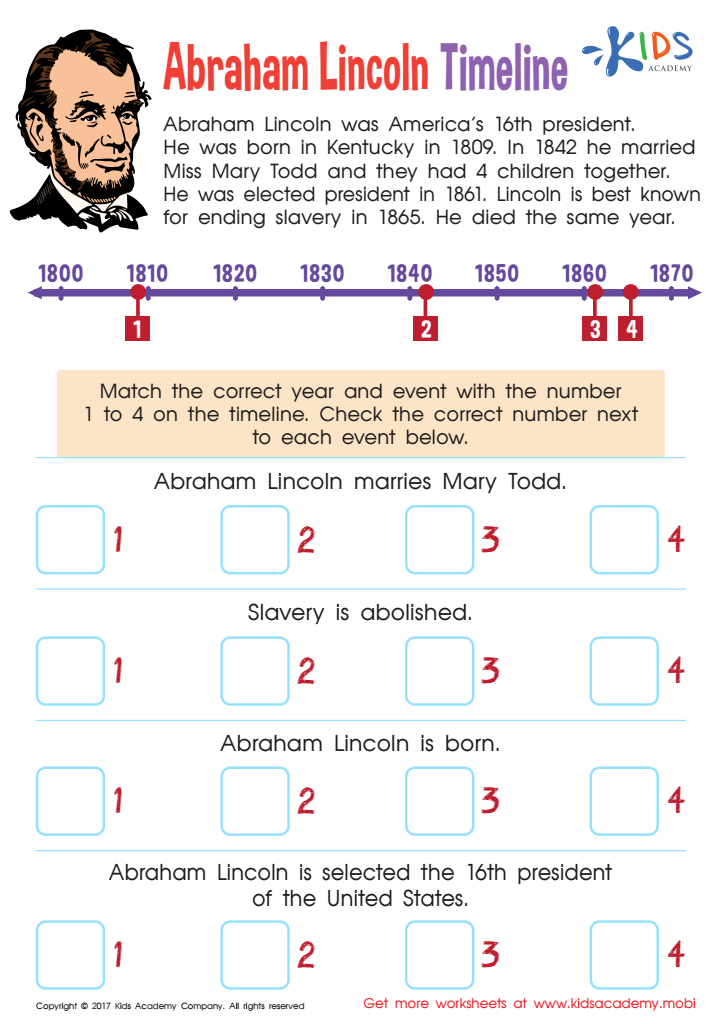
Abraham Lincoln Timeline Worksheet
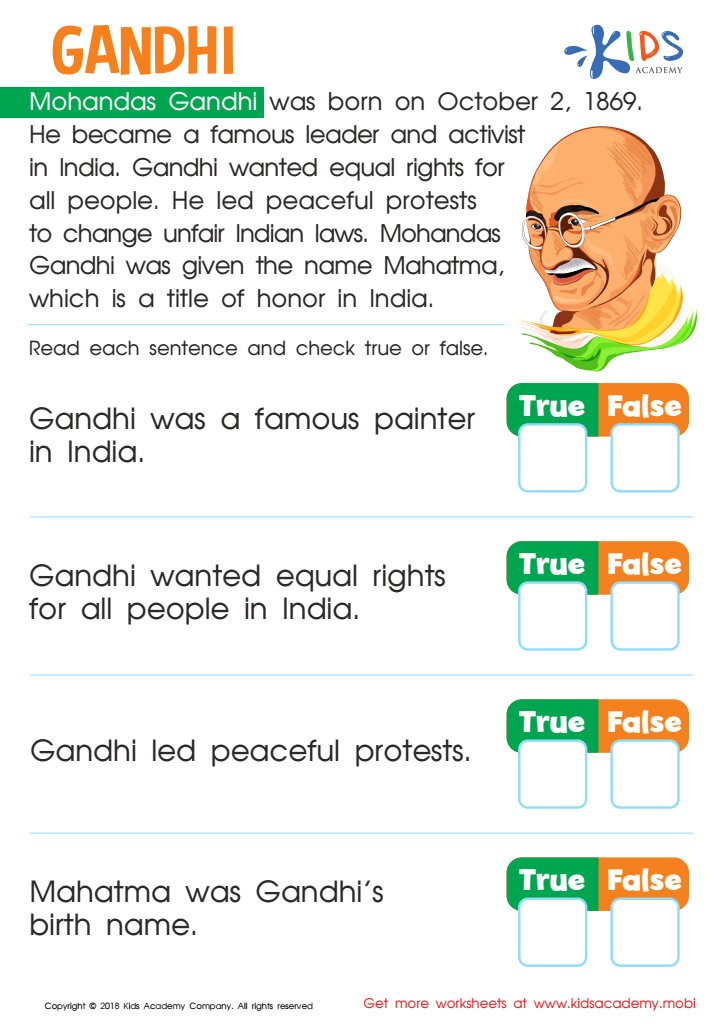
Gandhi Worksheet
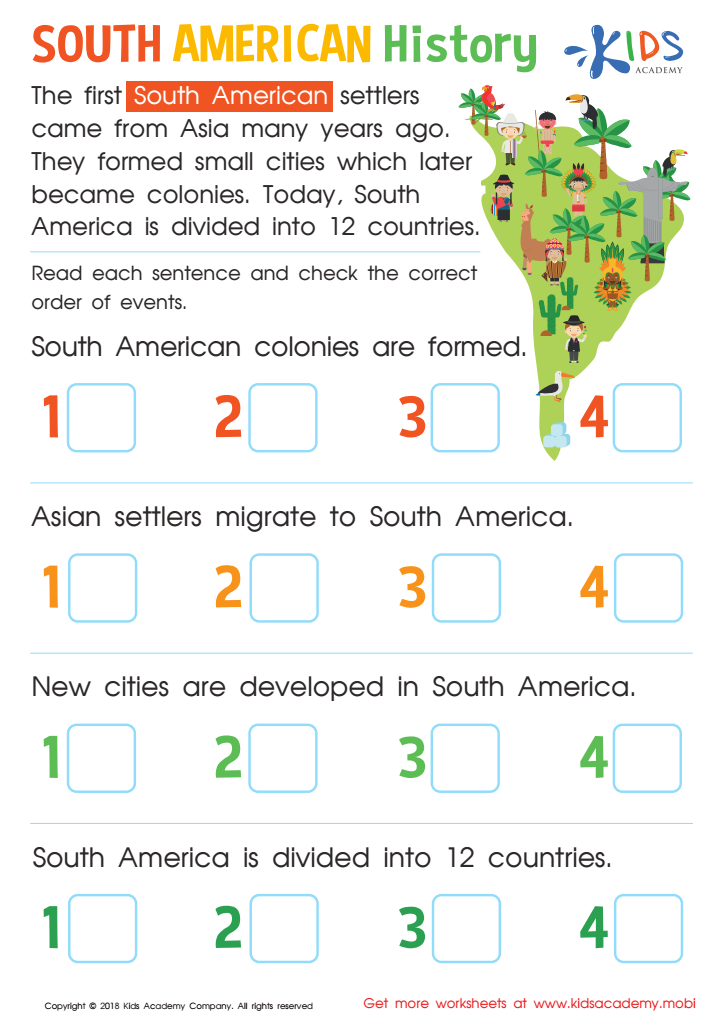
South American History Worksheet
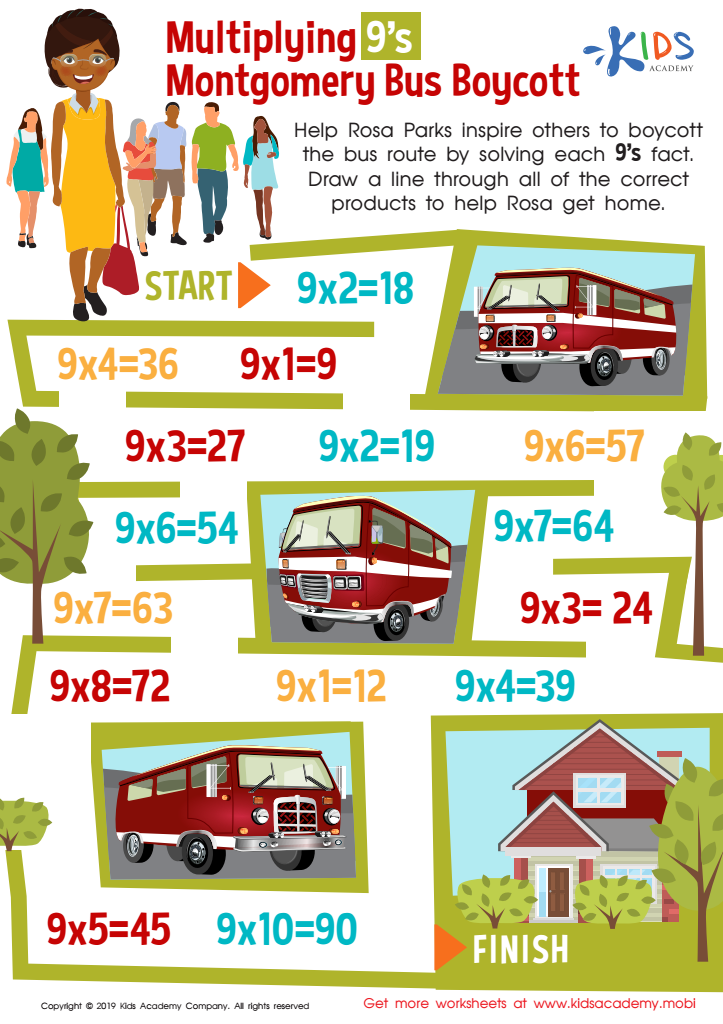
Multiplying 9’s Montgomery Bus Boycott Worksheet








Parents and teachers must care about Normal History for ages 5-9 because early exposure to history shapes children's understanding of the world. At this crucial developmental stage, children are naturally curious, making it an ideal time to introduce them to historical concepts that promote critical thinking and empathy. Normal History provides relatable stories and experiences, helping children grasp complex ideas in an accessible manner.
Additionally, learning history instills a sense of identity and belonging by connecting children to their community and cultural heritage. It fosters an appreciation for diversity as children learn about various civilizations, perspectives, and the contributions of different groups. Engaging with history also enhances literacy skills, as children practice reading comprehension through narratives and discussions.
Furthermore, establishing a foundational understanding of history helps children analyze current events critically, allowing them to engage as informed citizens in the future. By supporting Normal History education, parents and teachers help nurture a generation that values inclusivity, awareness, and the lessons of the past while inspiring them to envision a better future. All in all, learning history at a young age cultivates informed, empathetic individuals who contribute positively to society.