Normal Worksheets for Ages 6-8 - Page 63
1540 filtered results
-
From - To
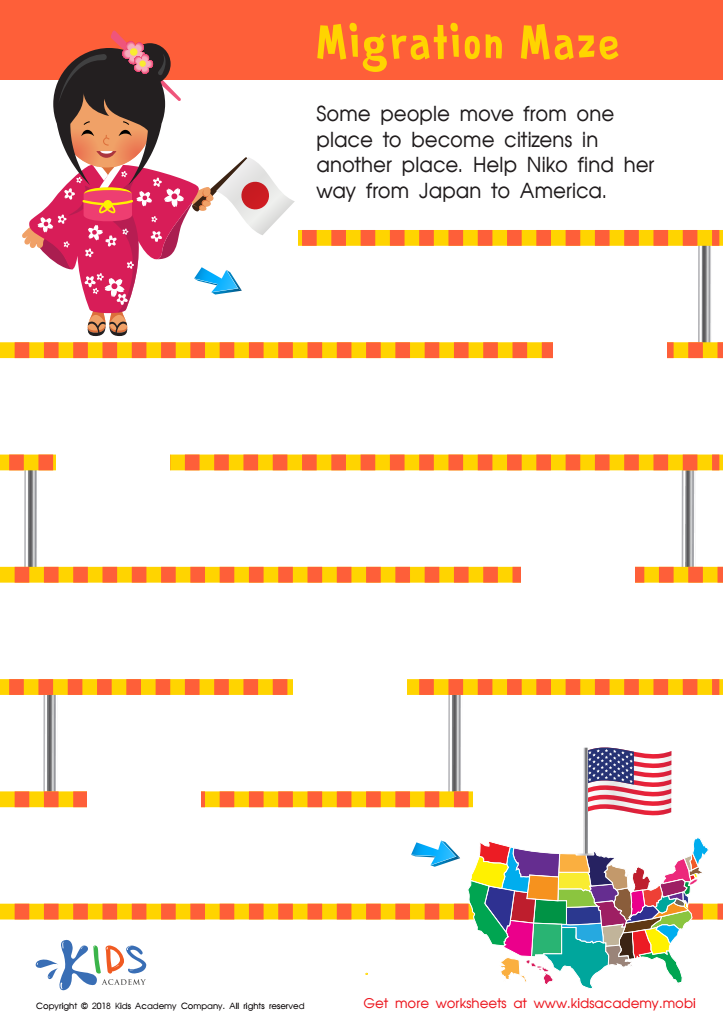
Migration Maze Worksheet
 Assign to My Students
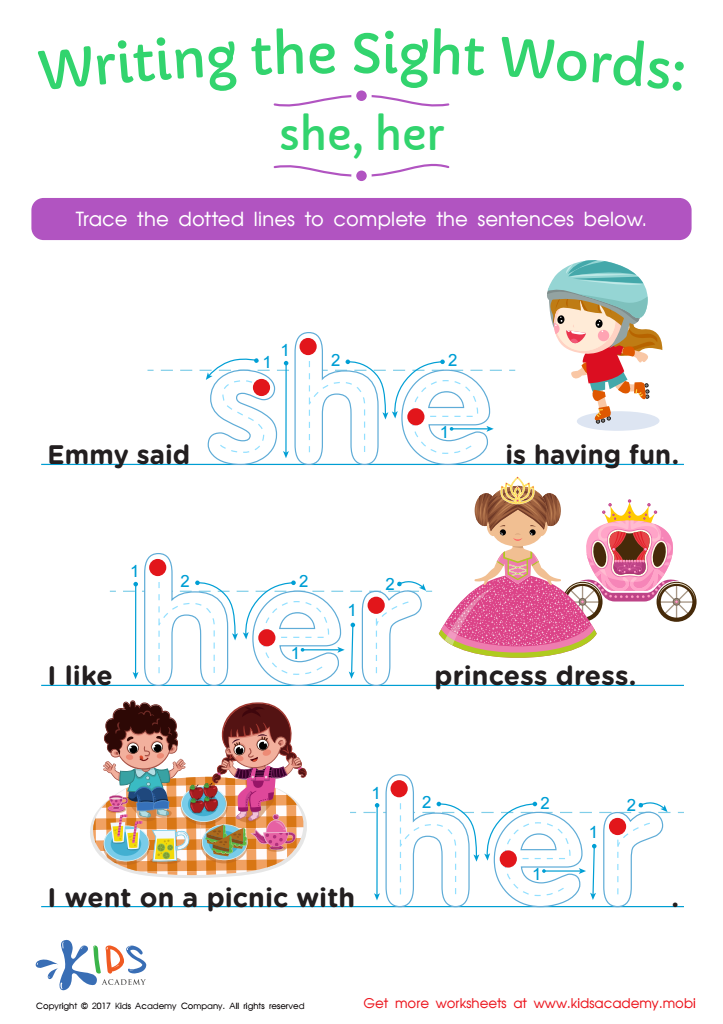
She, Her Printable Sight Words Worksheet
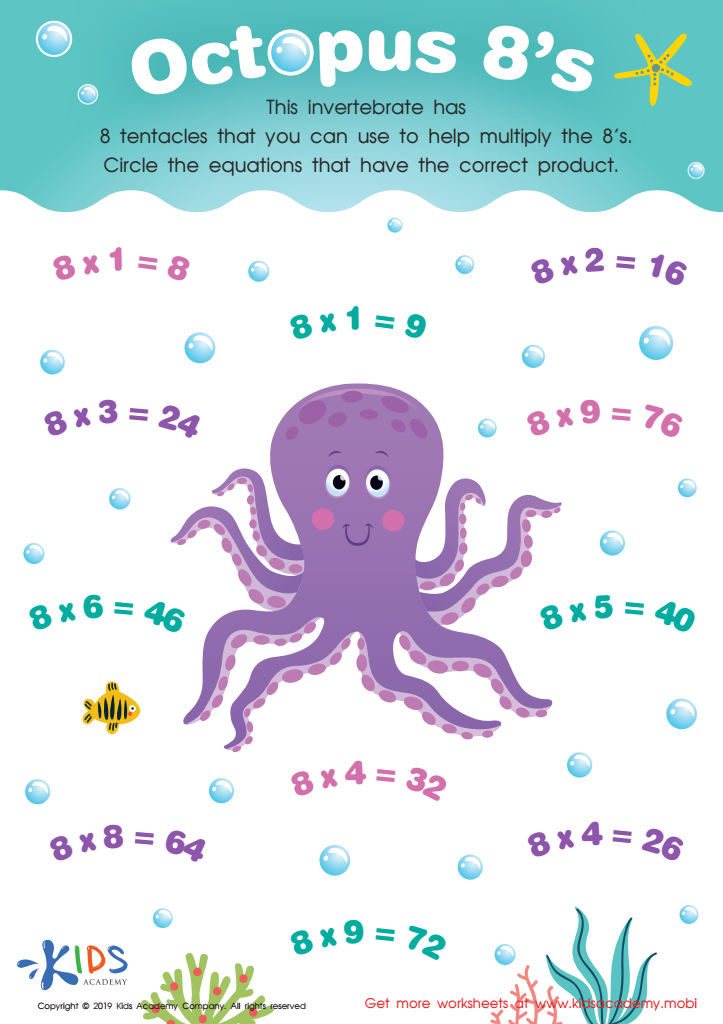
Octopus 8’s Worksheet
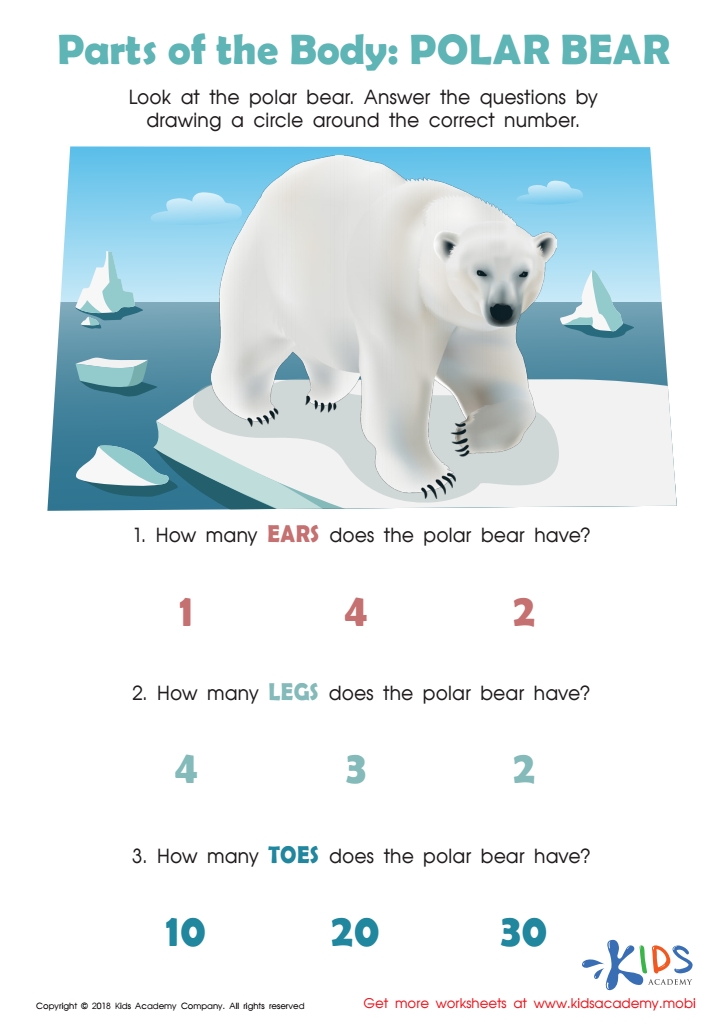
Parts of the Body: Polar Body Worksheet
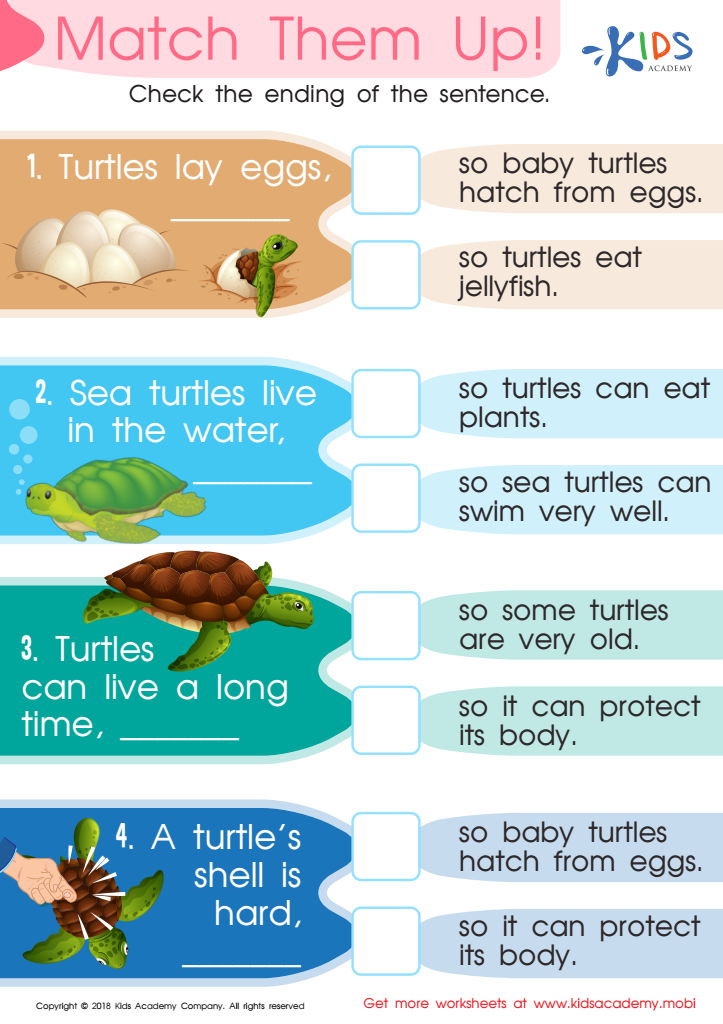
Match Them Up Worksheet
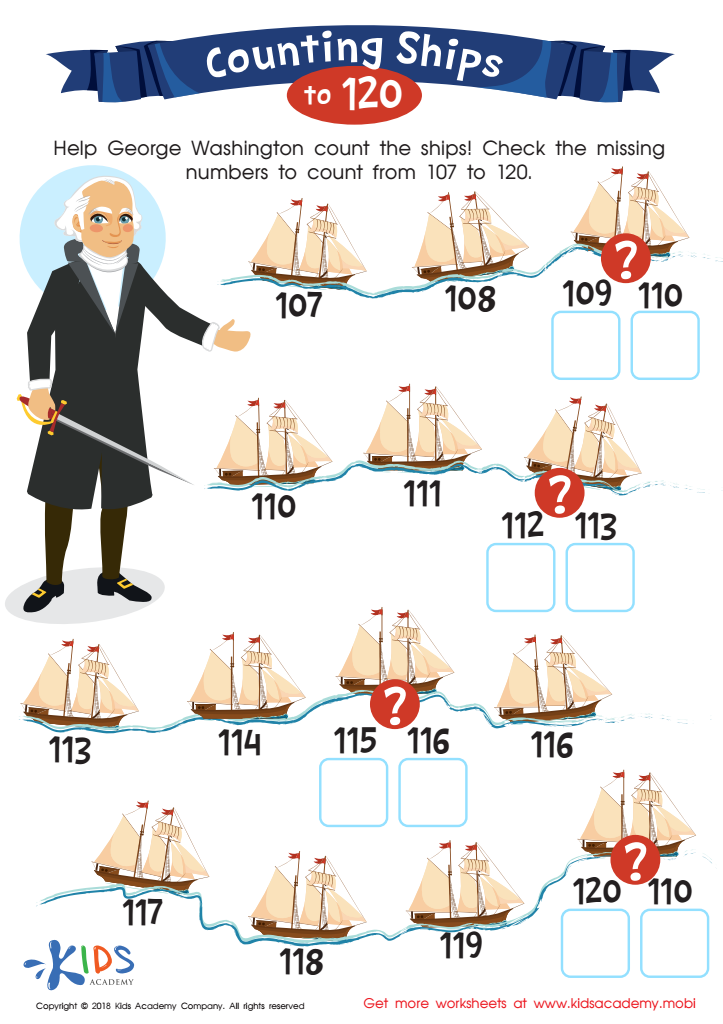
Counting Ships to 120 Worksheet
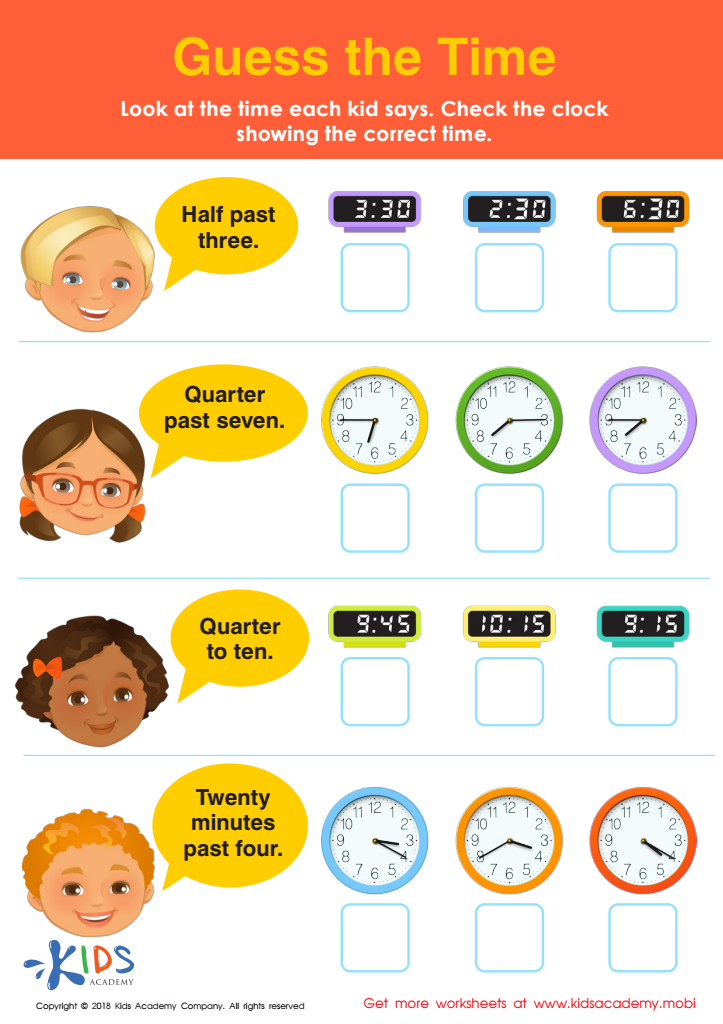
Guess the Time Worksheet
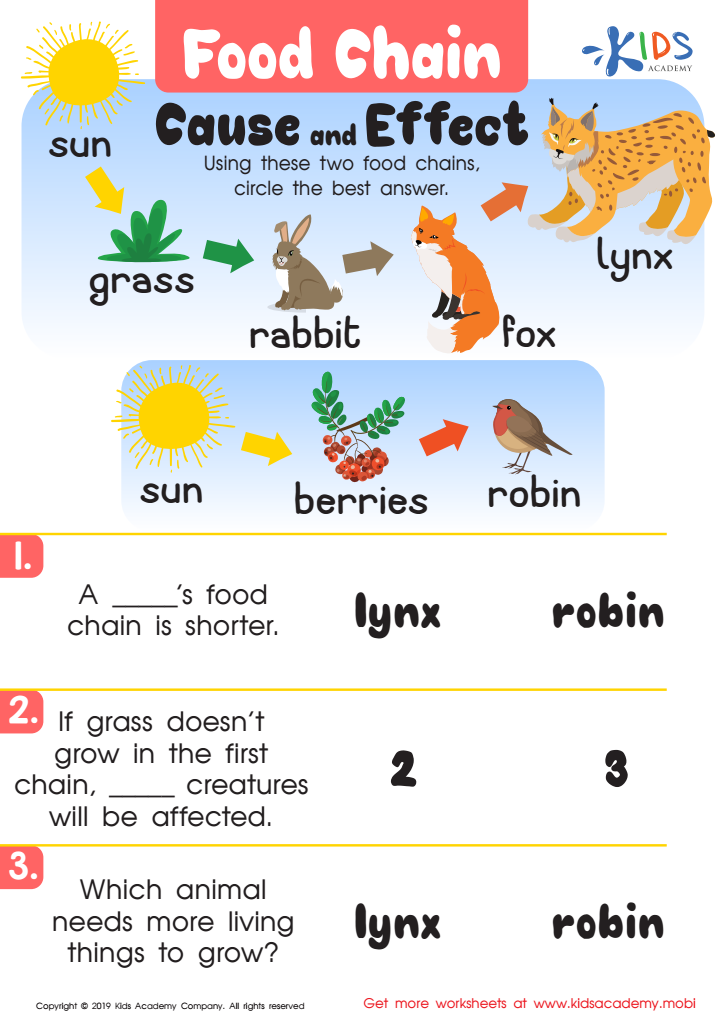
Food Chain Cause Worksheet
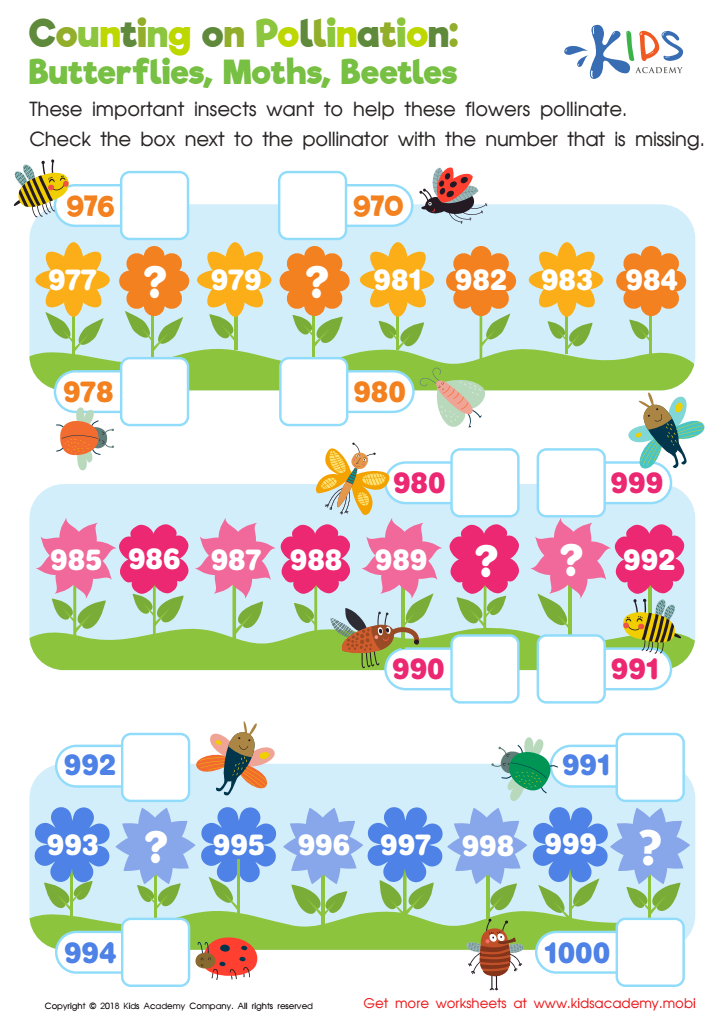
Counting on Pollination: Butterflies, Moths, Beetles Worksheet
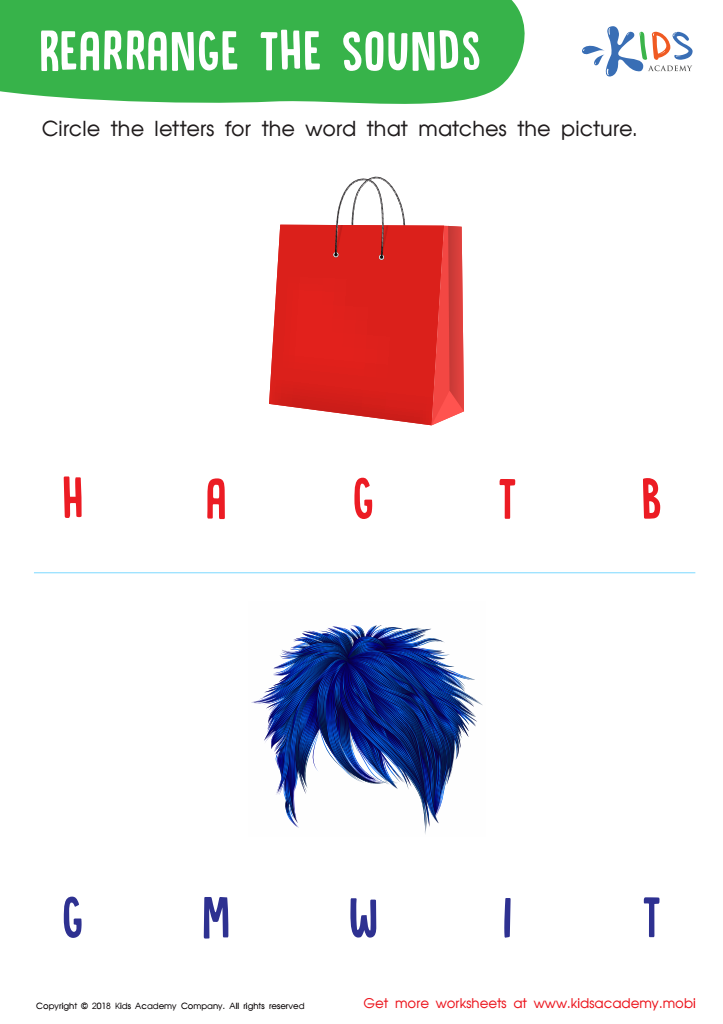
Rearrange the Sounds Worksheet
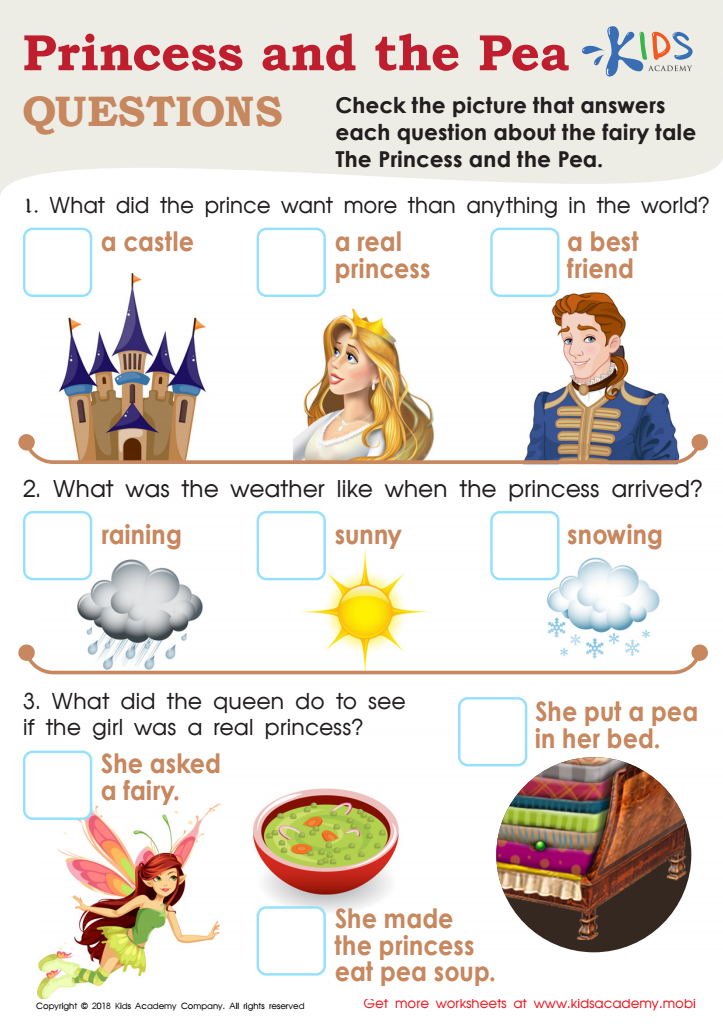
Princess and the Pea Questions Worksheet
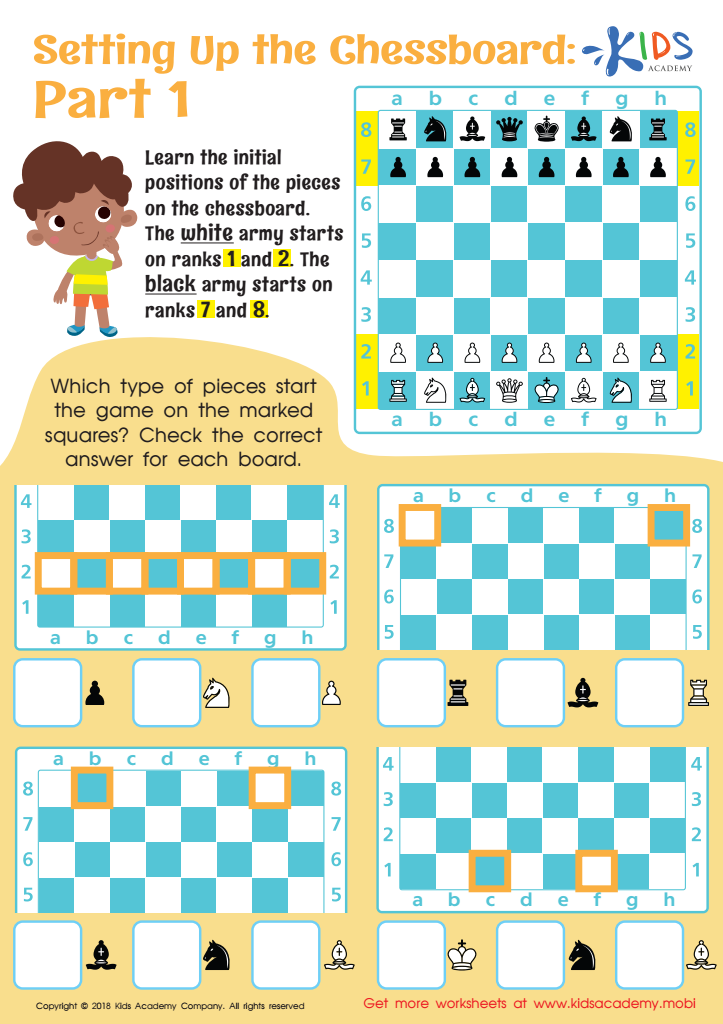
Setting up the Chessboard: Part 1 Worksheet
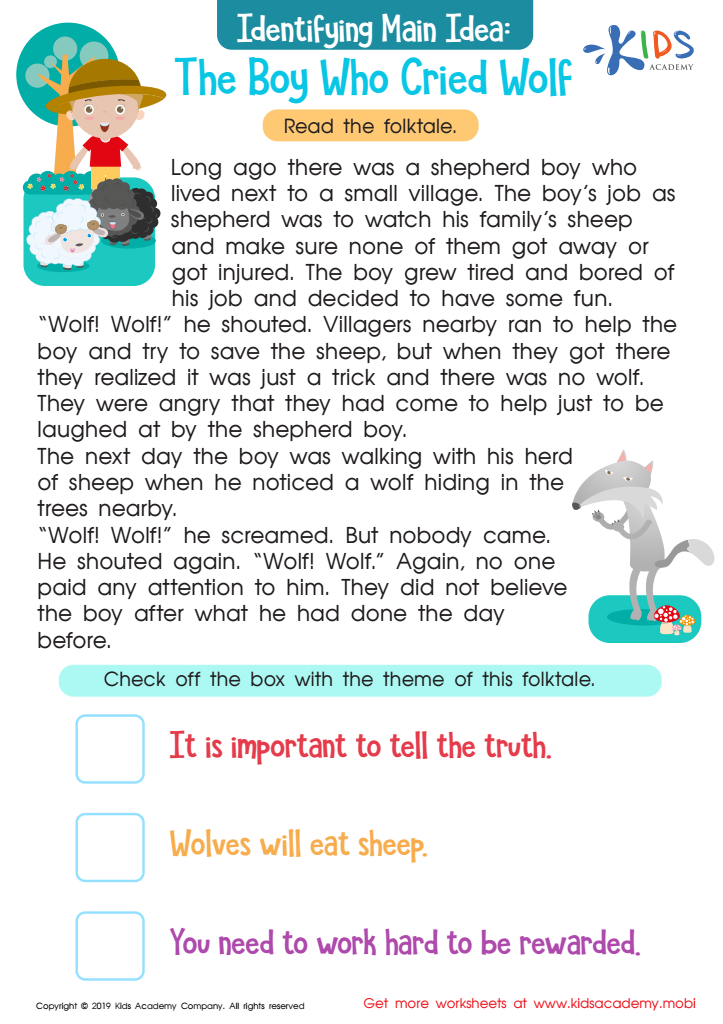
The Boy Who Cried Wolf Part 2 Worksheet
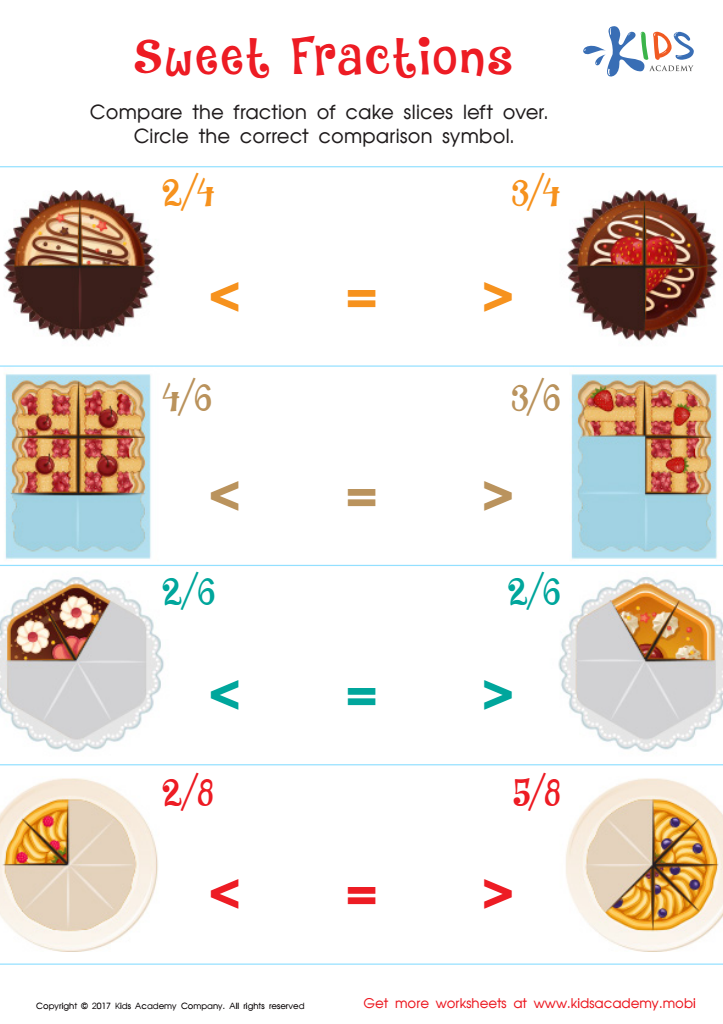
Compare Fractions Worksheet
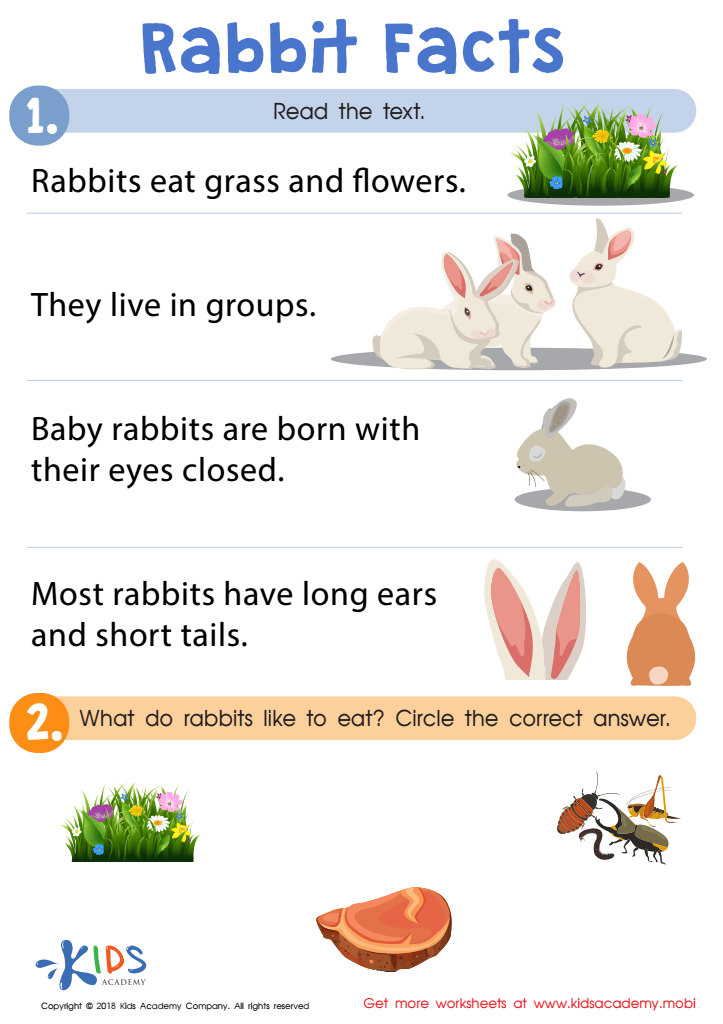
Rabbit Facts Worksheet
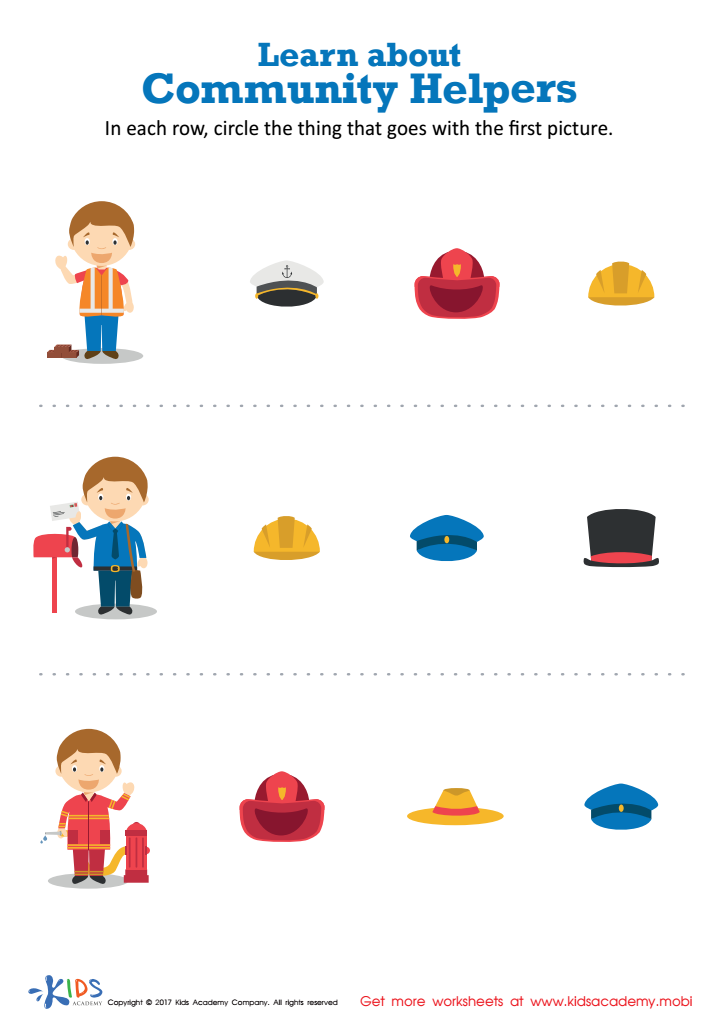
Learn about Community Helpers Printable
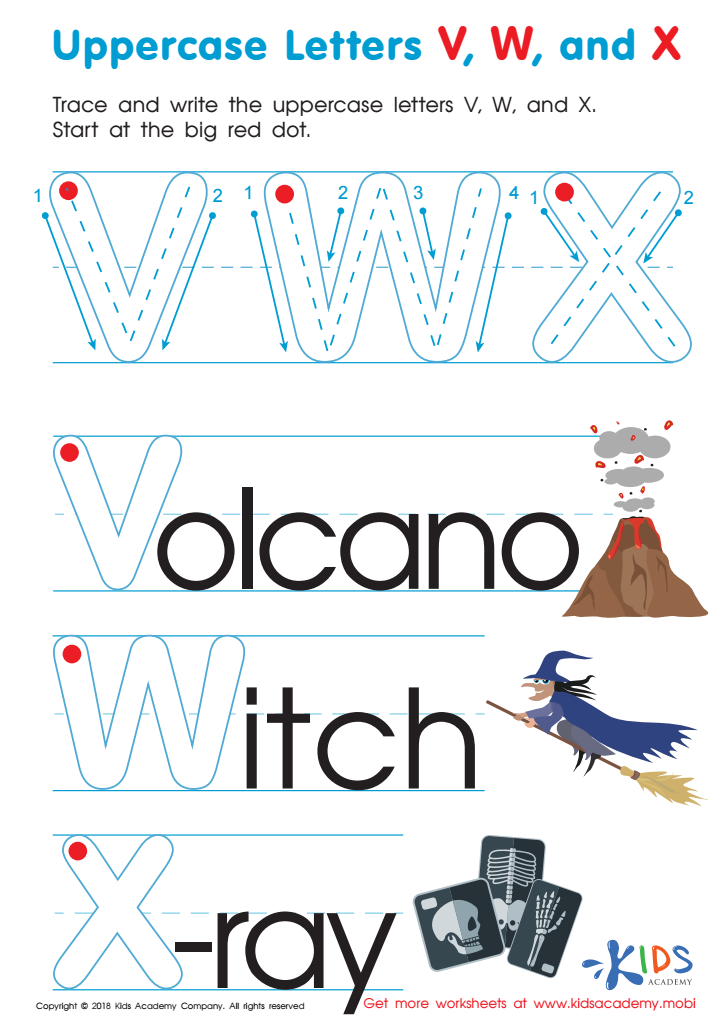
Uppercase Letters V, W, and X Worksheet
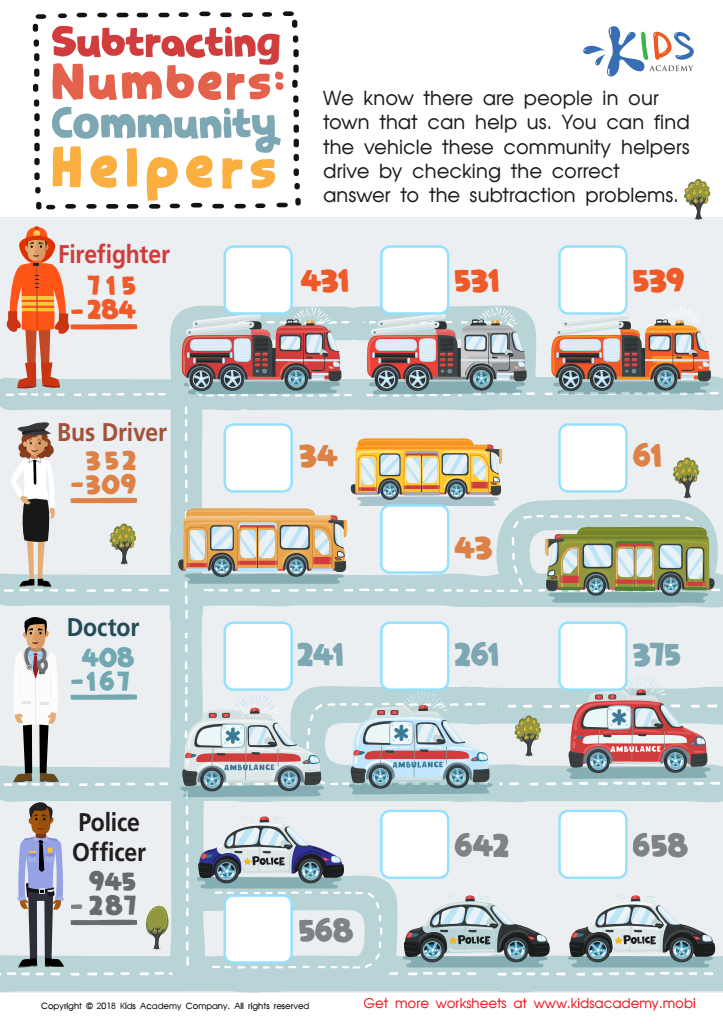
Subtracting Numbers: Community Helpers Worksheet
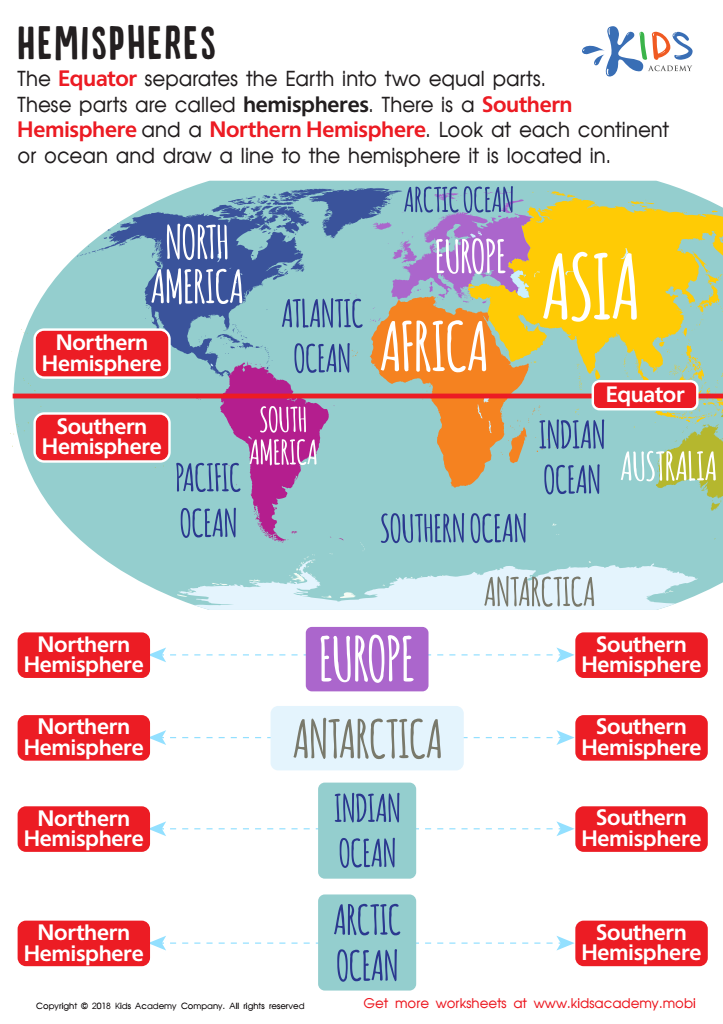
Hemispheres Worksheet
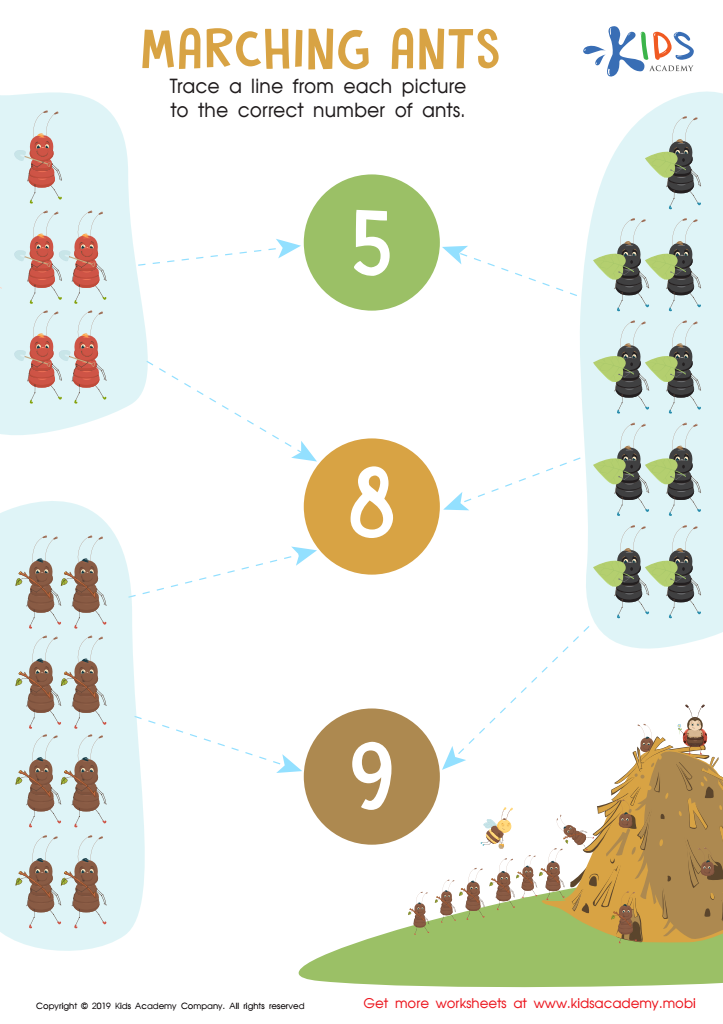
Marching Ants Worksheet
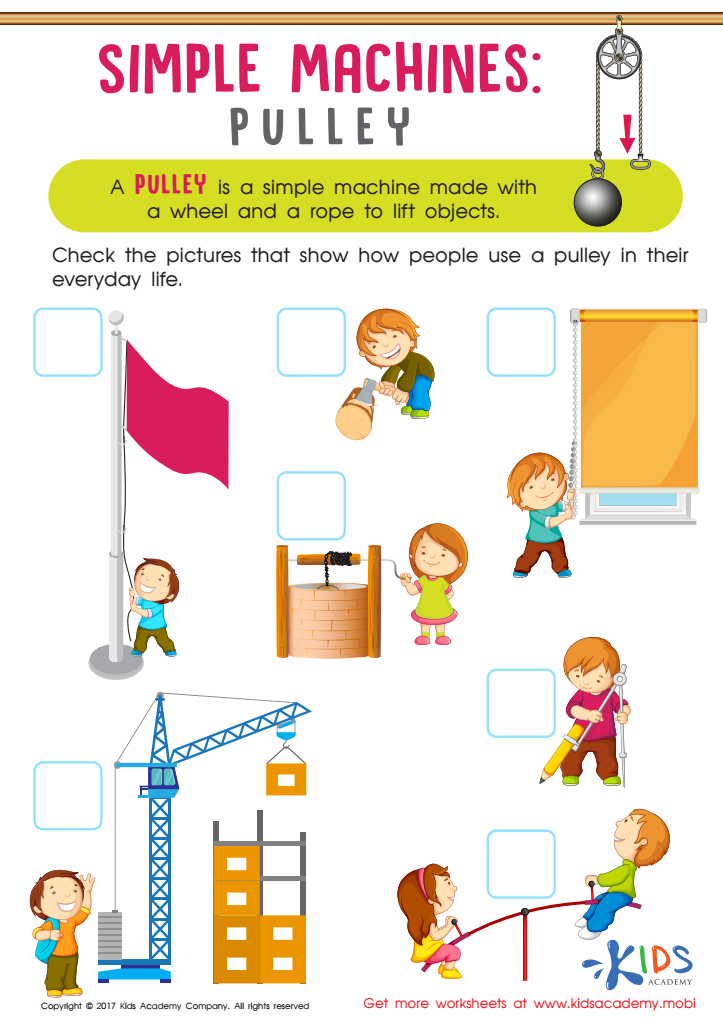
Simple Machines Pulley Worksheet
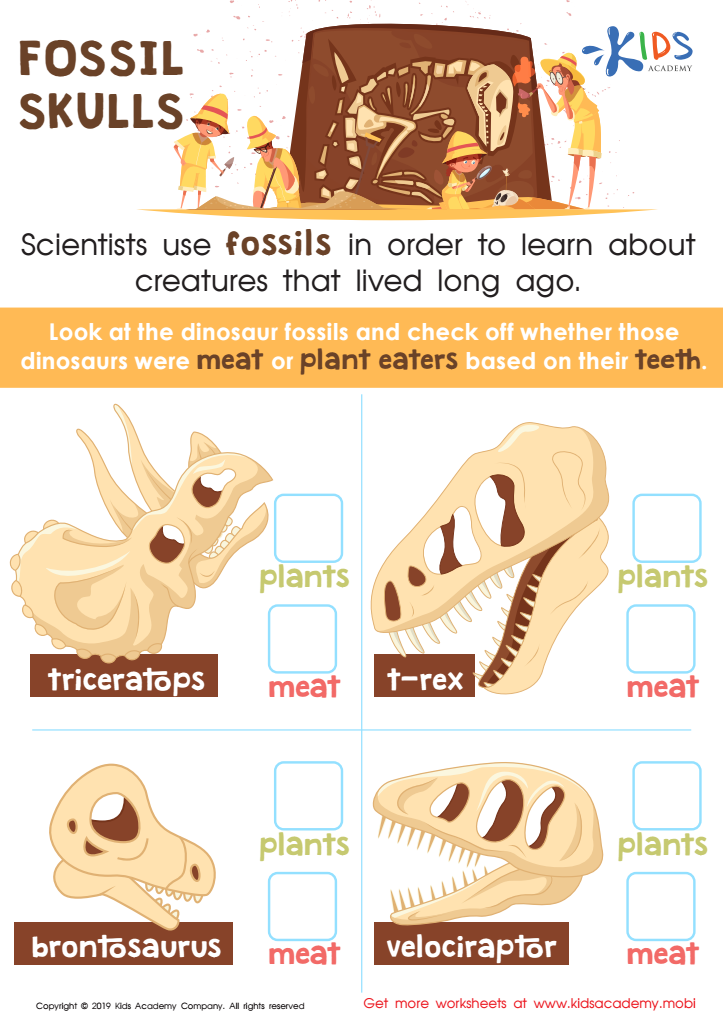
Fossil Skulls Worksheet
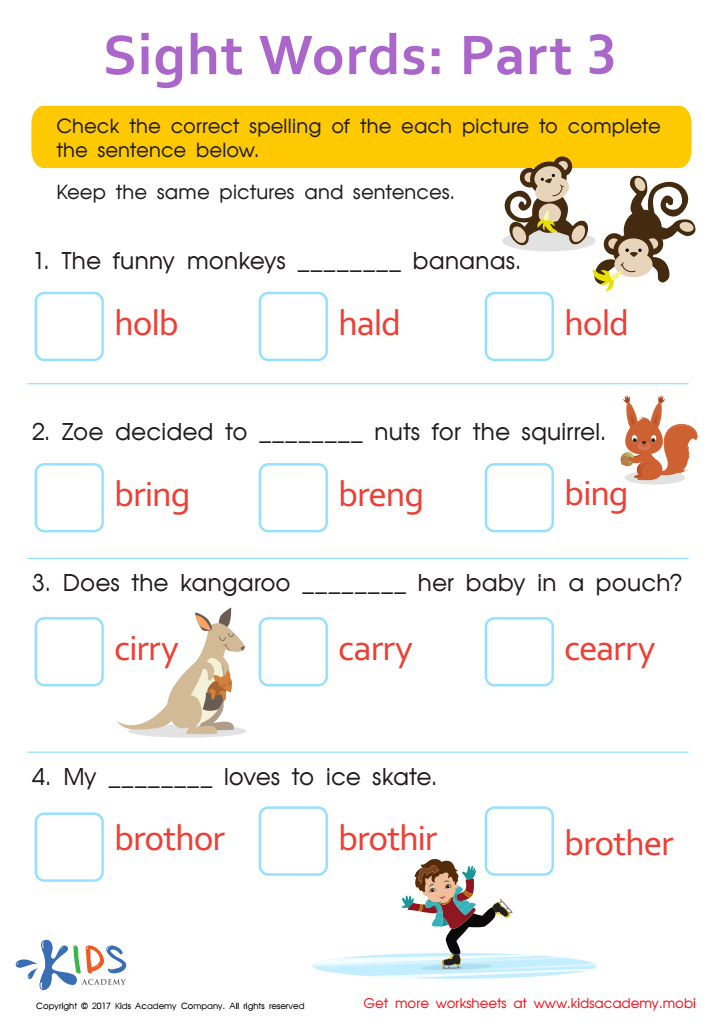
Hold, Bring, Carry, Brother Sight Words Worksheet
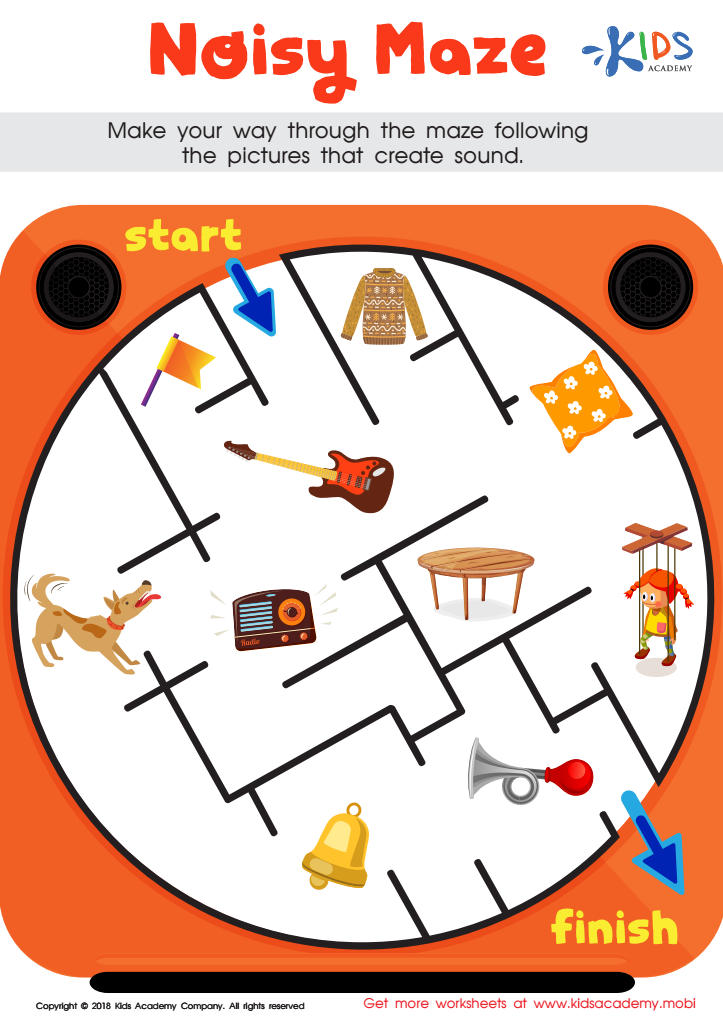
Noisy Maze Worksheet




.jpg)



Understanding what is considered "normal" for children aged 6-8 is crucial for both parents and teachers as they navigate developmental milestones. At this age, children experience significant cognitive, social, emotional, and physical growth. Recognizing normal developmental benchmarks helps adults provide appropriate support and interventions tailored to each child's unique needs.
Socially, kids begin to form stronger friendships and realize the importance of teamwork and cooperation. Teachers and parents who understand these dynamics can create environments that foster healthy peer interactions. Emotionally, children may experience mood swings as they learn to process their feelings; recognizing this can help adults respond with compassion and guidance.
Cognitively, children transition from learning to read to reading to learn, requiring specific literacy strategies from educators. Being aware of normal academic benchmarks ensures that they are not left behind or pushed too hard. Additionally, physical development is crucial as 6 to 8-year-olds refine their motor skills through play and activity, which is essential for overall health and well-being.
In summary, understanding "normal" for this age group equips parents and teachers with valuable insights, allowing them to better support each child's growth and facilitate a nurturing and responsive learning environment.








