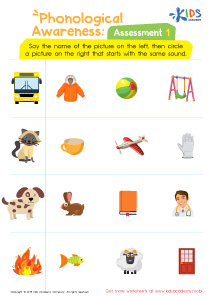
Normal Consonants Worksheets for Ages 6-8 - Page 2
26 filtered results
-
From - To
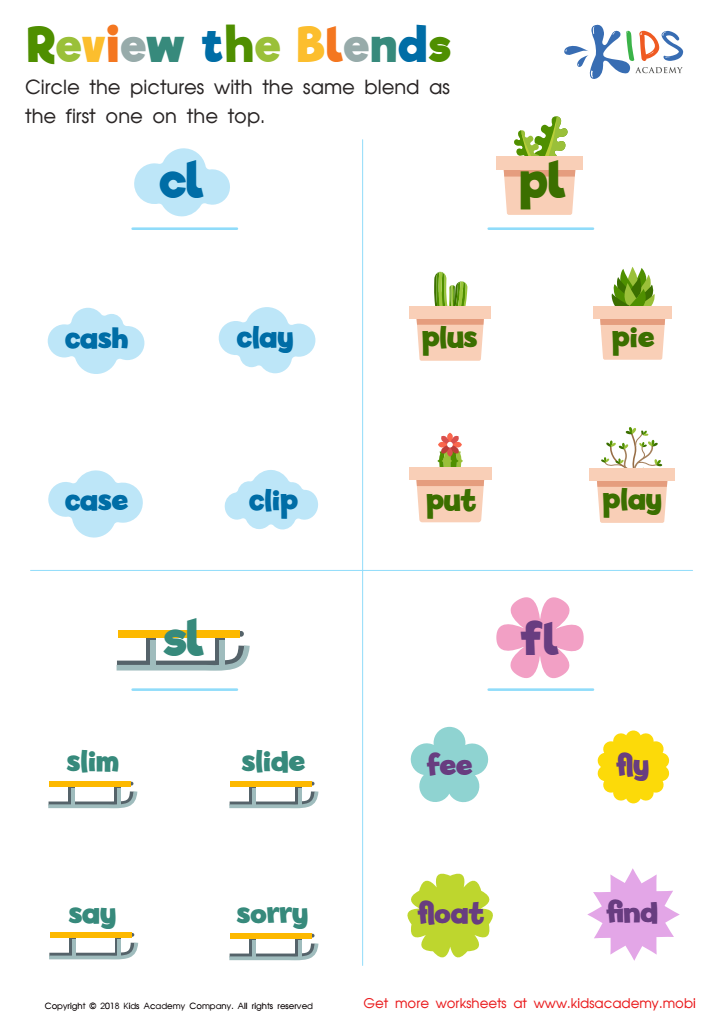
Review the Blends Worksheet
 Assign to My Students
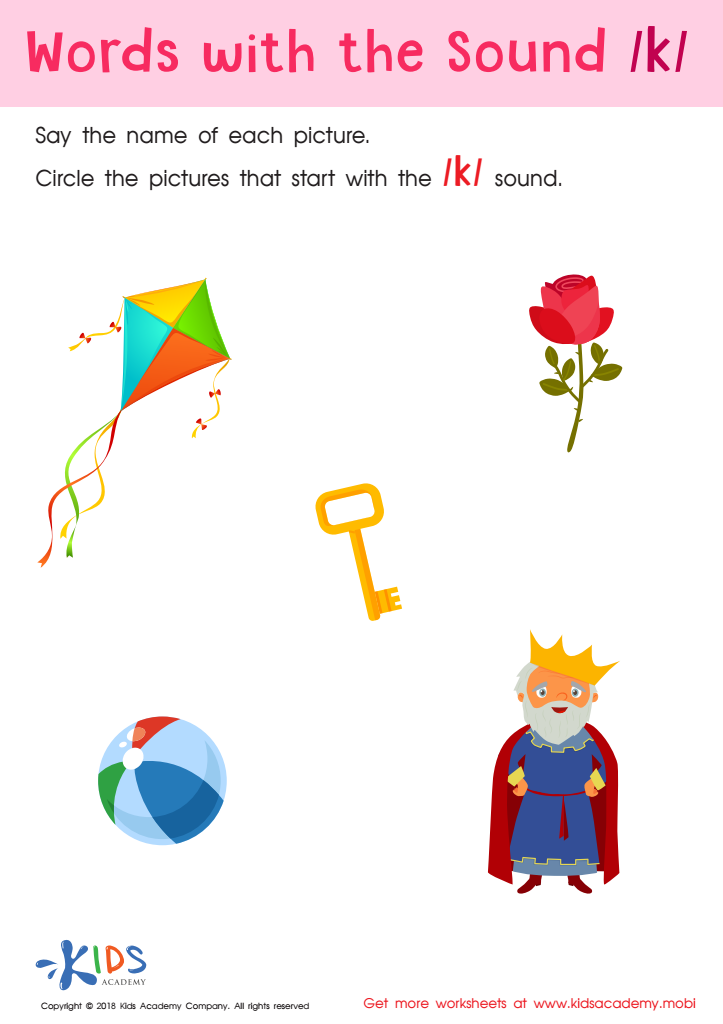
Words with sound k Reading Worksheet



Parents and teachers should care about normal consonants for children aged 6-8 because they play a crucial role in literacy development. This age group typically engages in the transition from basic phonemic awareness to more advanced reading and writing skills. Understanding and mastering consonants is foundational, as they form the structure of words.
Normal consonants, which are the standard sounds produced by the letters, are vital in helping kids decode and pronounce words correctly. If children struggle with consonant sounds, it can lead to difficulties in reading fluency and comprehension, hampering their overall academic progress.
Moreover, research shows that a solid grasp of consonant sounds correlates with improved vocabulary and spelling skills. Encouraging activities such as phonics games, storytelling, and songs focusing on consonants can boost engagement and confidence in young learners.
In addition to literacy, understanding consonants supports effective verbal communication skills. As students gain proficiency, it fosters a love for reading and language, which are essential for success in school and beyond. Thus, emphasizing normal consonants during these formative years lays a critical groundwork for lifelong literacy and learning.