Normal Space Worksheets for Ages 6-8 - Page 2
35 filtered results
-
From - To
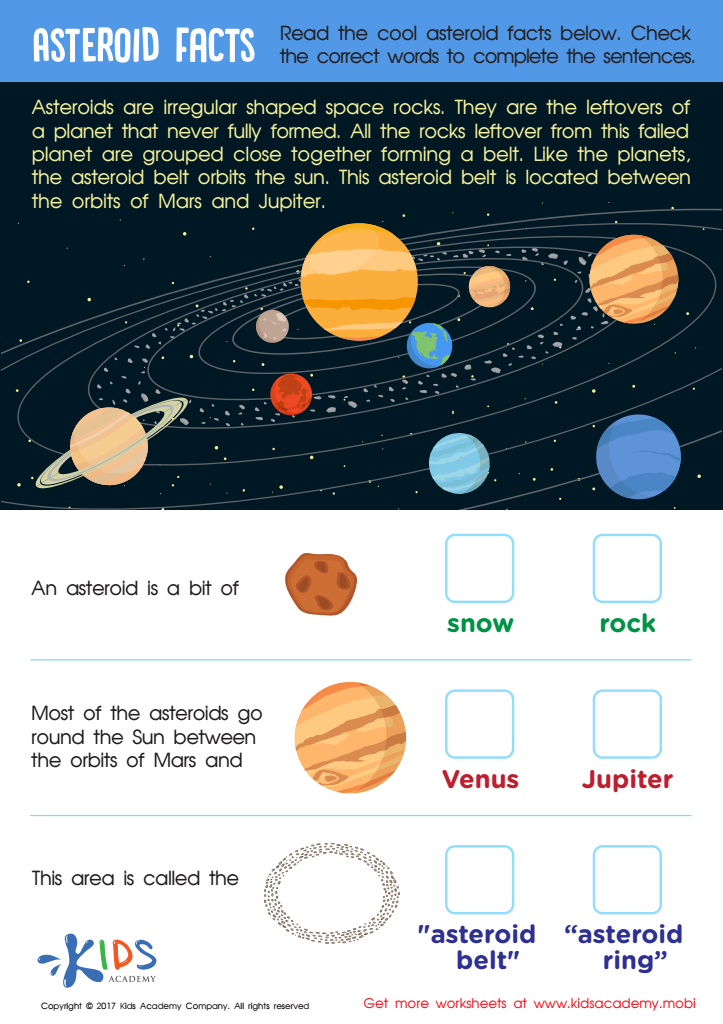
Asteroid Facts Worksheet
 Assign to My Students
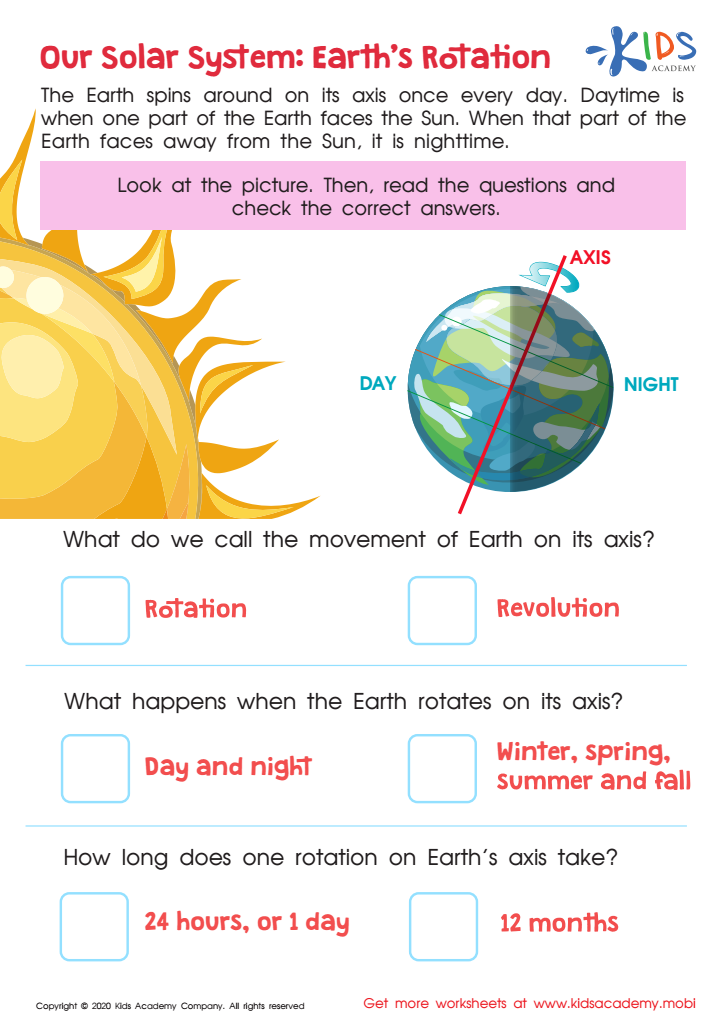
Our Solar System: Earth's Rotation Printable
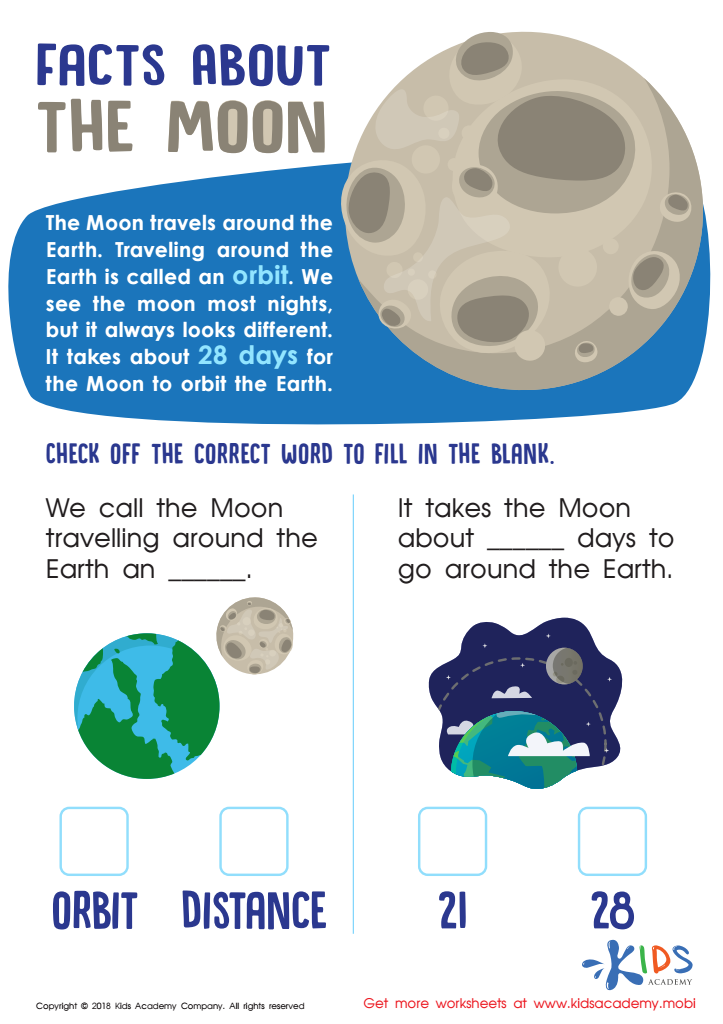
Facts About the Moon Worksheet
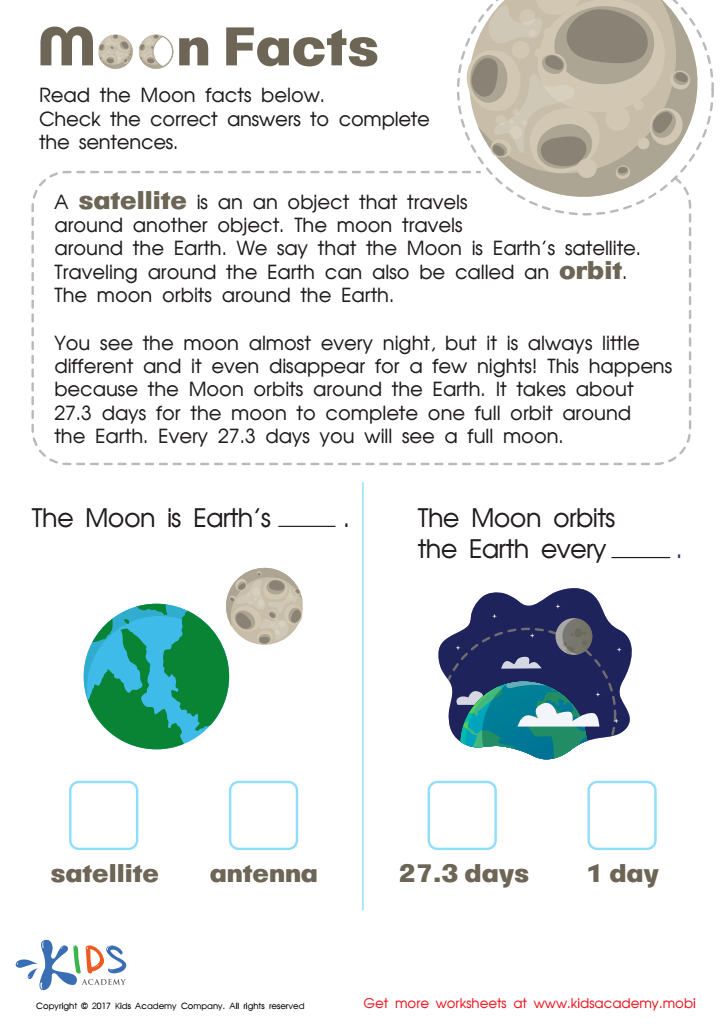
Moon Facts Worksheet
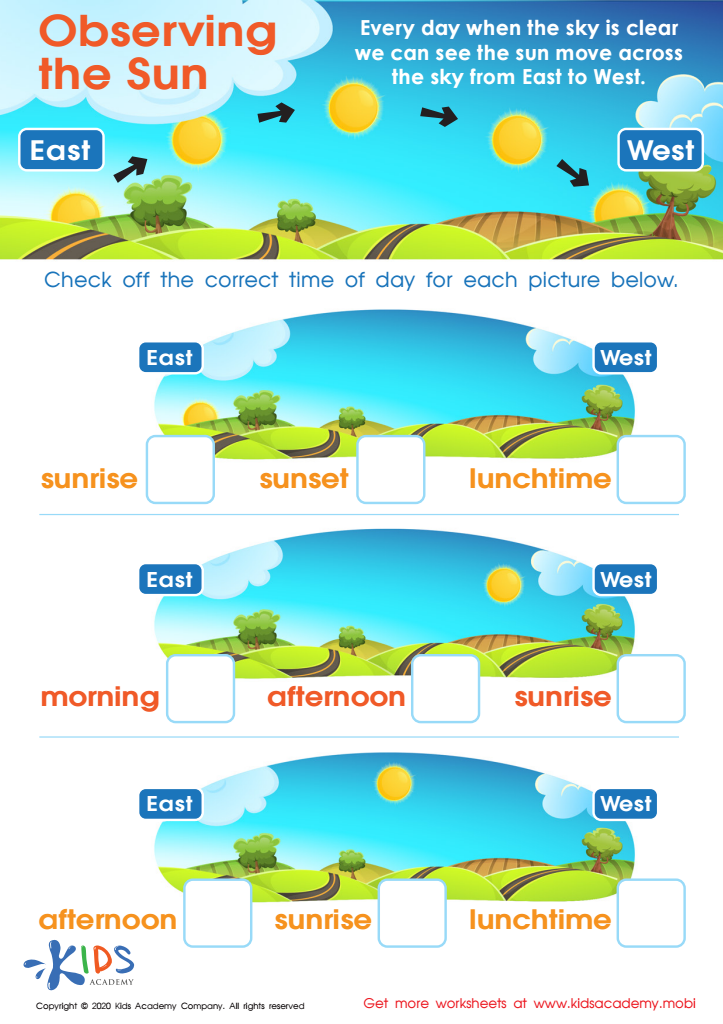
Observing the Sun Worksheet
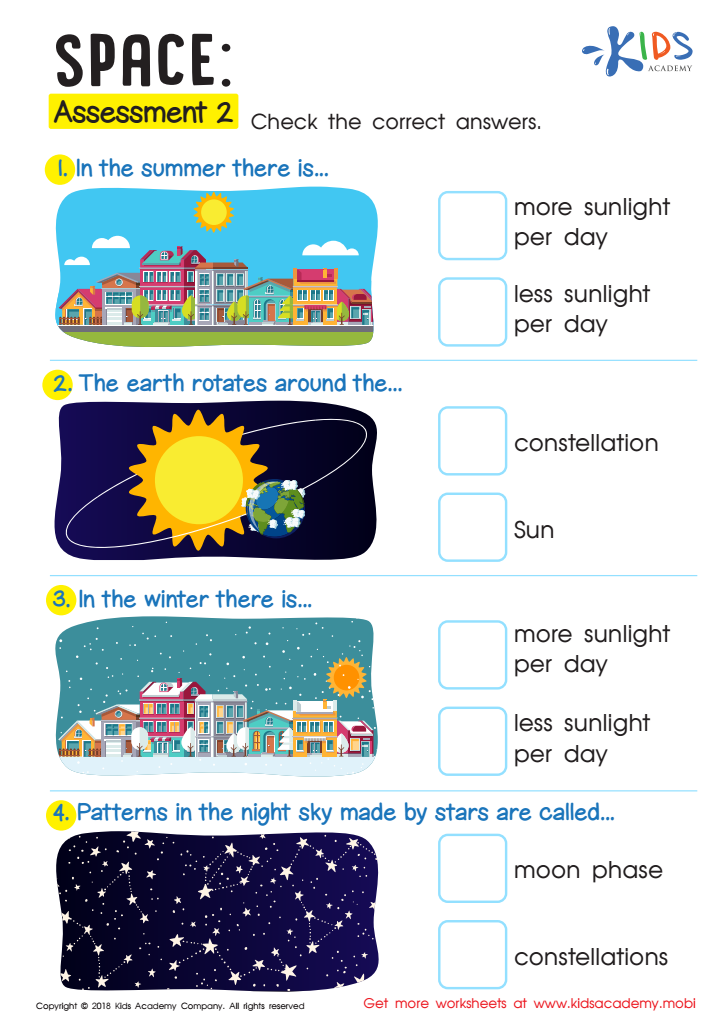
Space: Assessment 2 Worksheet
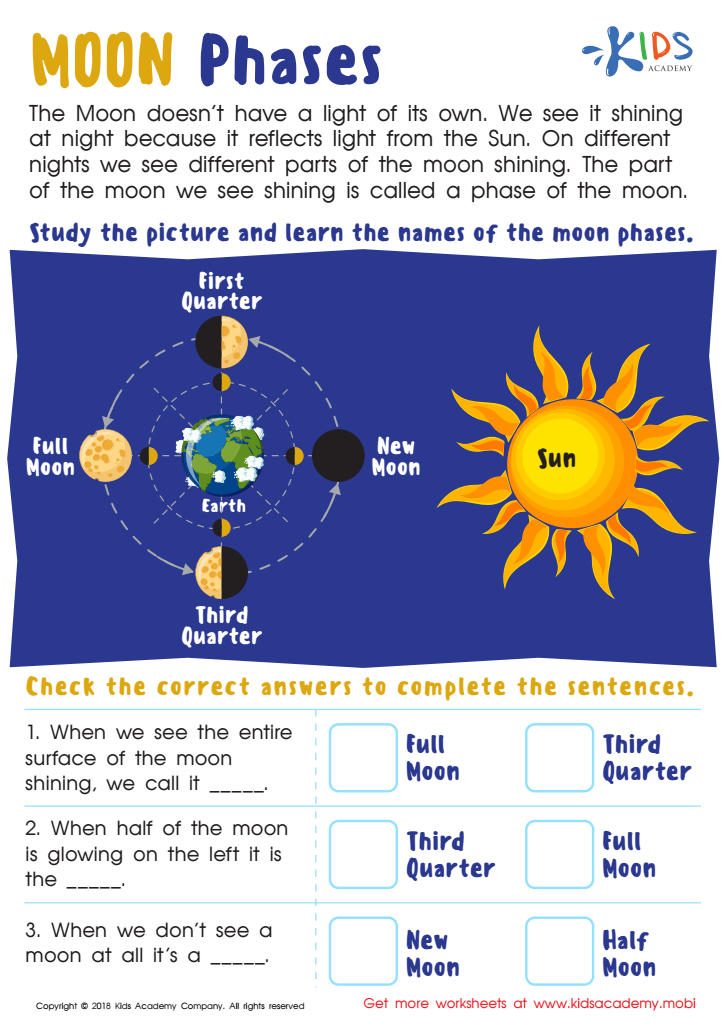
Moon Phases Worksheet
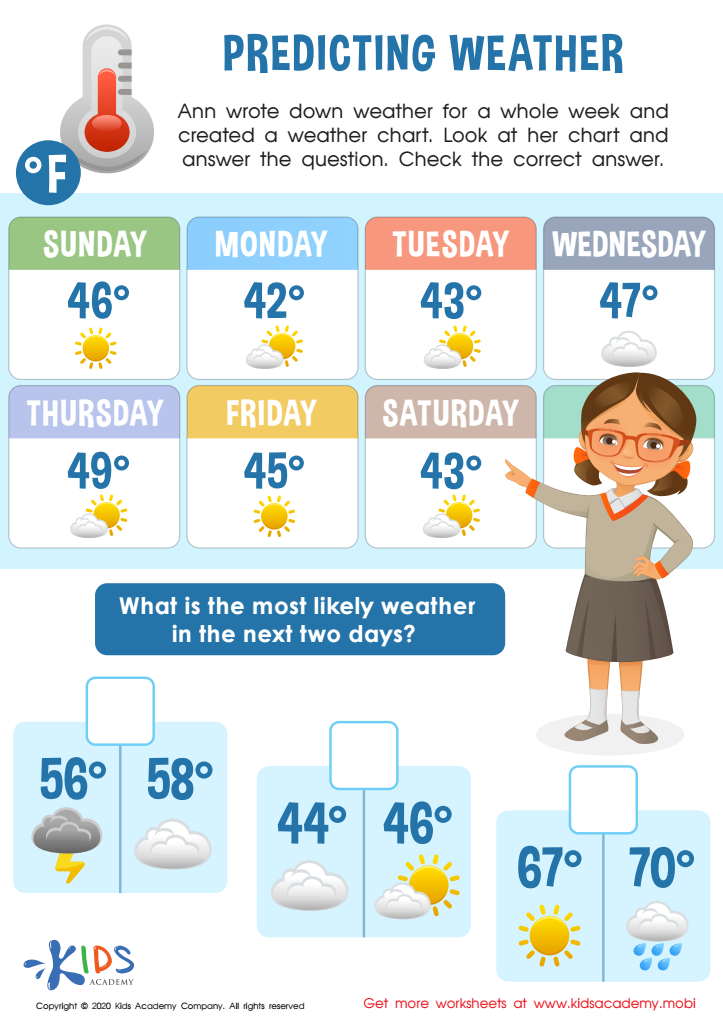
Predicting Weather Worksheet
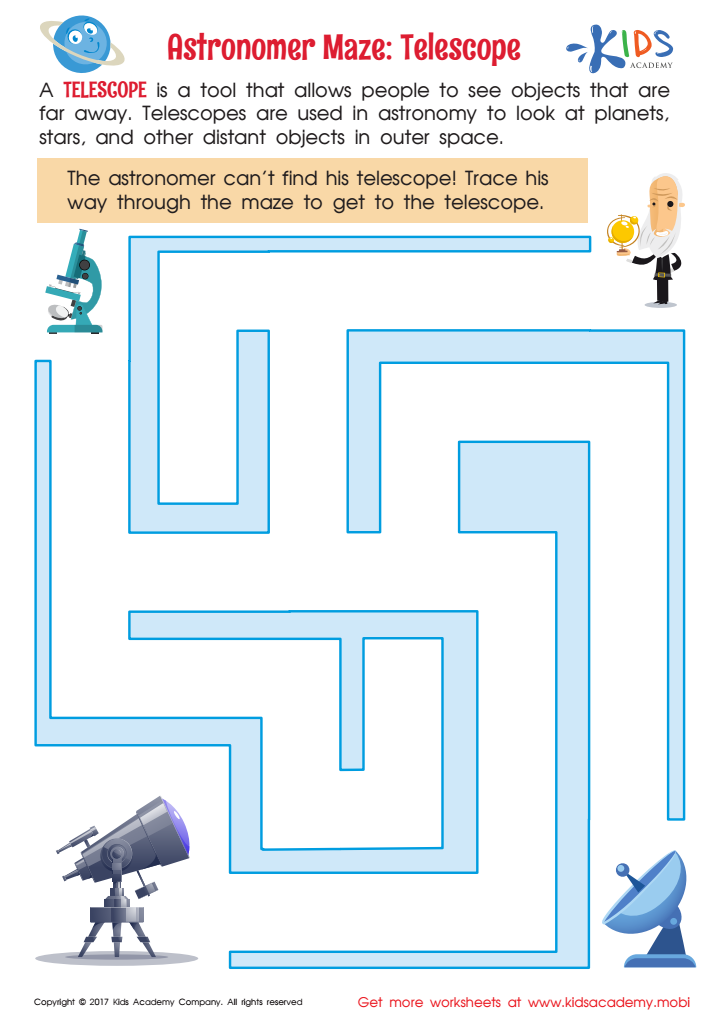
Astronomer Maze: Telescope Worksheet
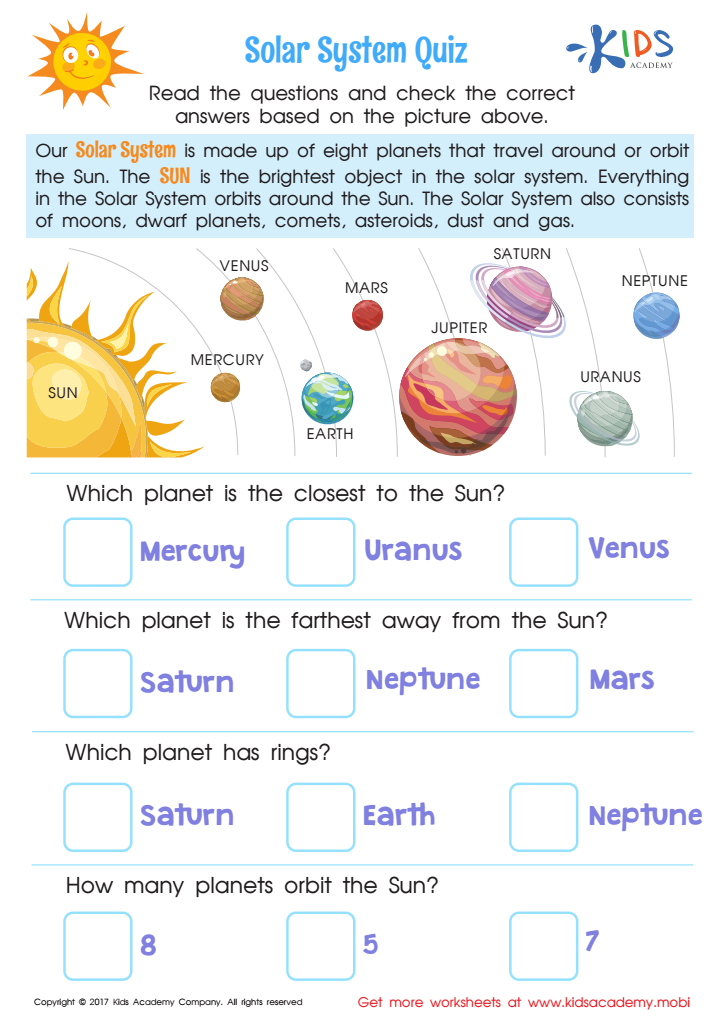
Solar System Quiz Printable
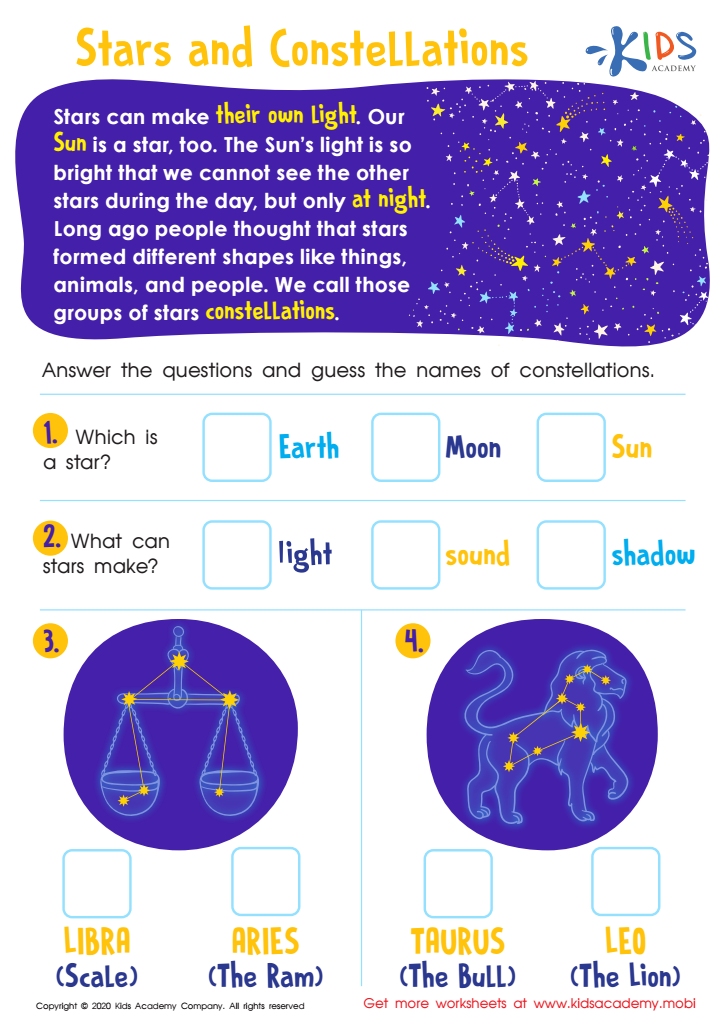
Stars and Constellations Worksheet








Normal Space is a pivotal concept for children ages 6-8, encompassing the typical developmental, cognitive, and emotional zones within which children thrive. For parents and teachers, understanding and caring about Normal Space is crucial as it ensures that a child's growth aligns with expected milestones, paving the way for balanced development.
At this age, children are refining fundamental skills such as reading, writing, and math while learning to navigate social settings. If they operate within their Normal Space, they are more likely to build confidence, master academic tasks, and cultivate positive relationships. Recognizing deviations—whether a child struggles or excels conspicuously—can indicate that tailored support or enriched challenges are needed.
Creating an environment that respects Normal Space enables educators to design effective curriculum and learning interventions, catering to individual needs and collective well-being. In the same realm, parents can provide appropriate home support through structured homework time, balanced play, and emotional guidance, helping kids manage expectations and frustrations.
In essence, tuning into Normal Space allows stakeholders to offer a nurturing yet stimulating context, ensuring children are neither overwhelmed nor under-challenged but instead positioned in a sweet spot where learning and personal growth can flourish. This balanced approach lays the foundation for lifelong learning and emotional resilience.







