Normal History Worksheets for Ages 6-8 - Page 3
59 filtered results
-
From - To
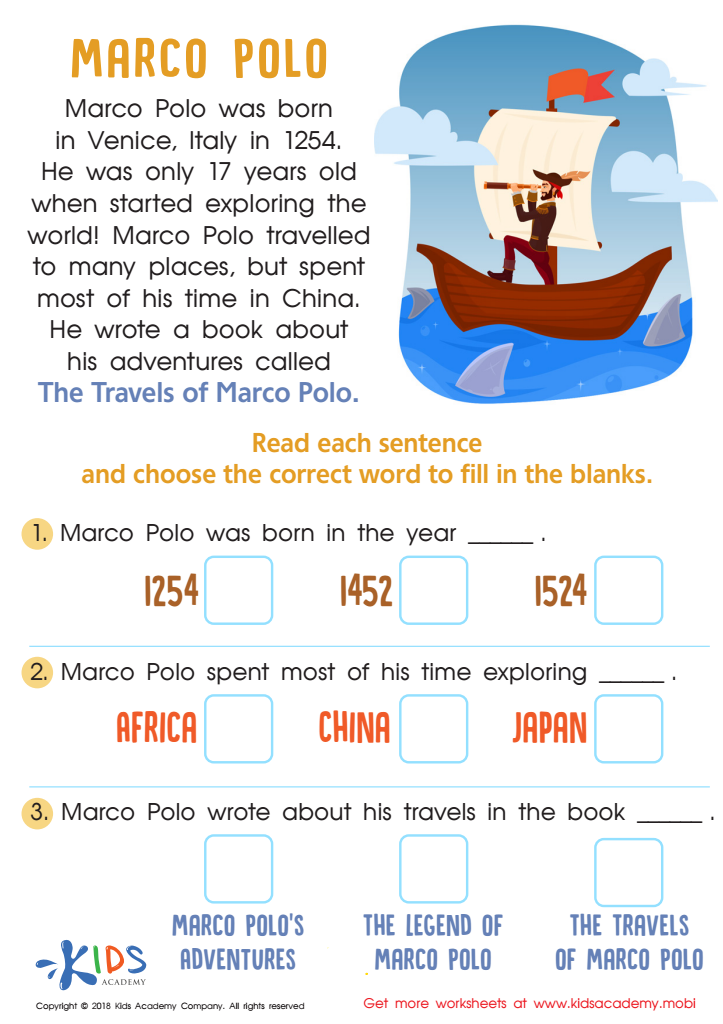
Marco Polo Worksheet
 Assign to My Students
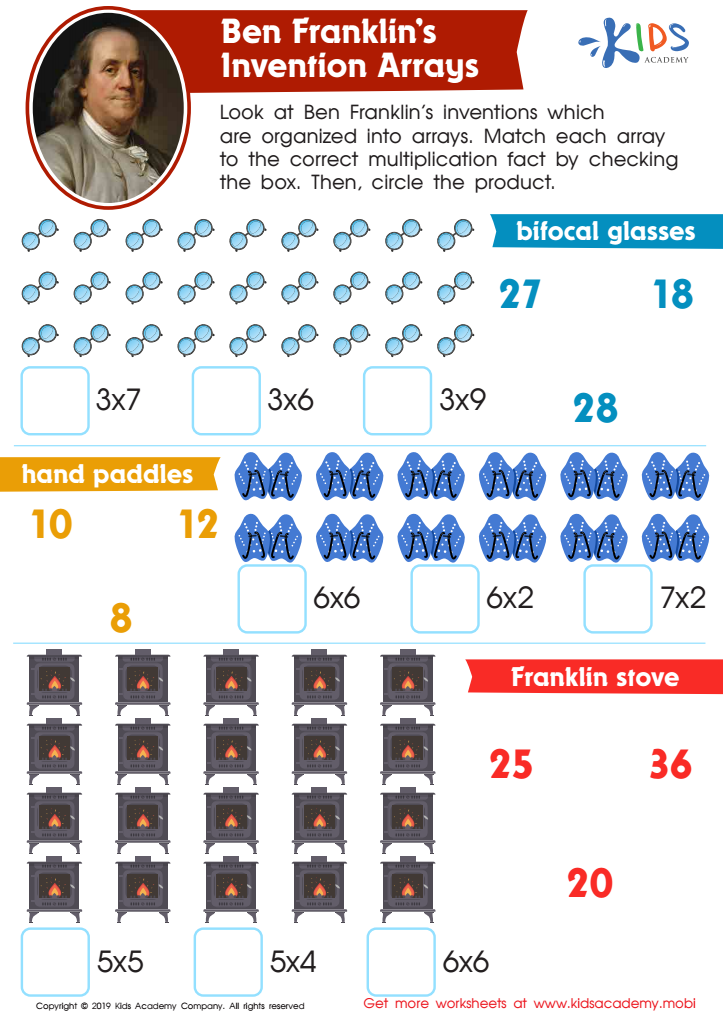
Ben Franklin’s Invention Arrays Worksheet
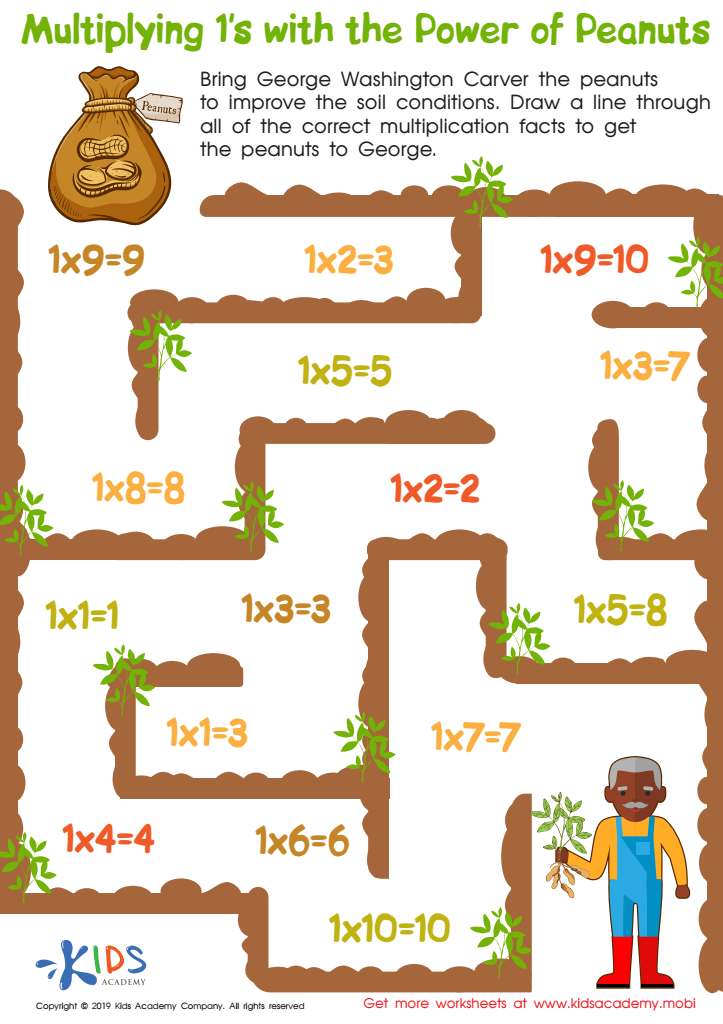
Multiplying 1’s With the Power of Peanuts Worksheet
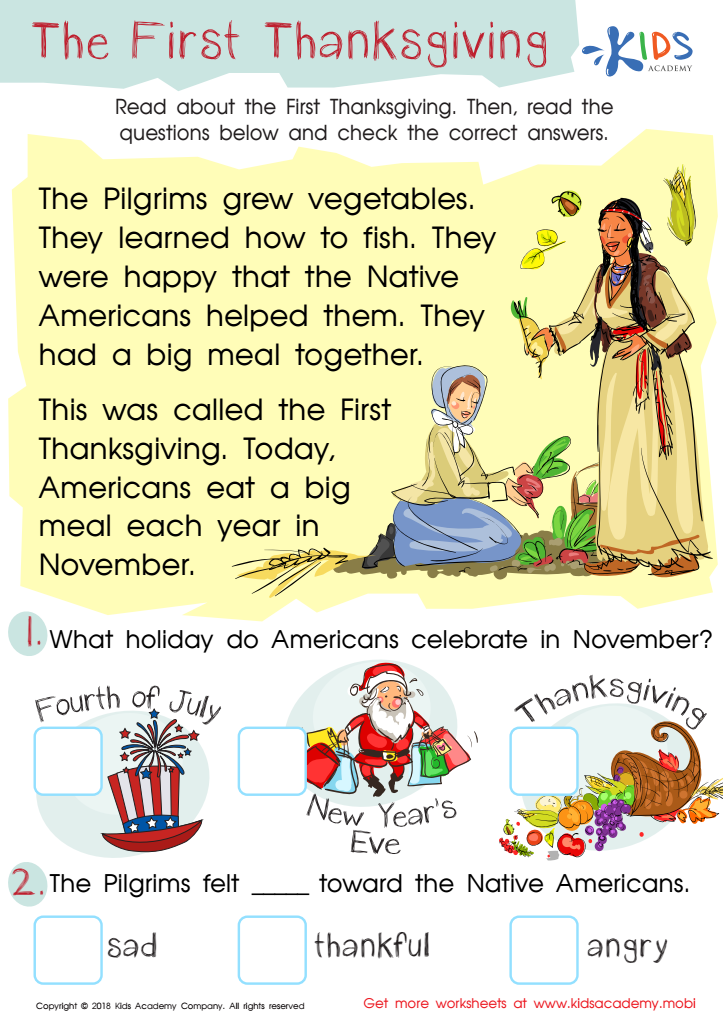
Assessment: First Thanksgiving Worksheet
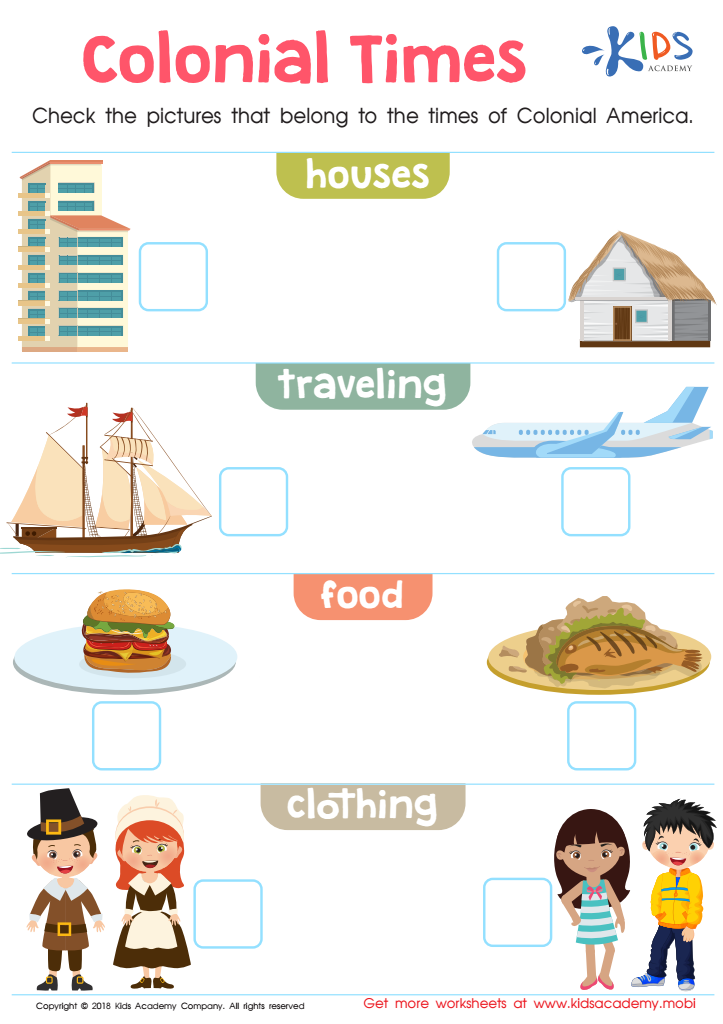
Colonial Times Worksheet
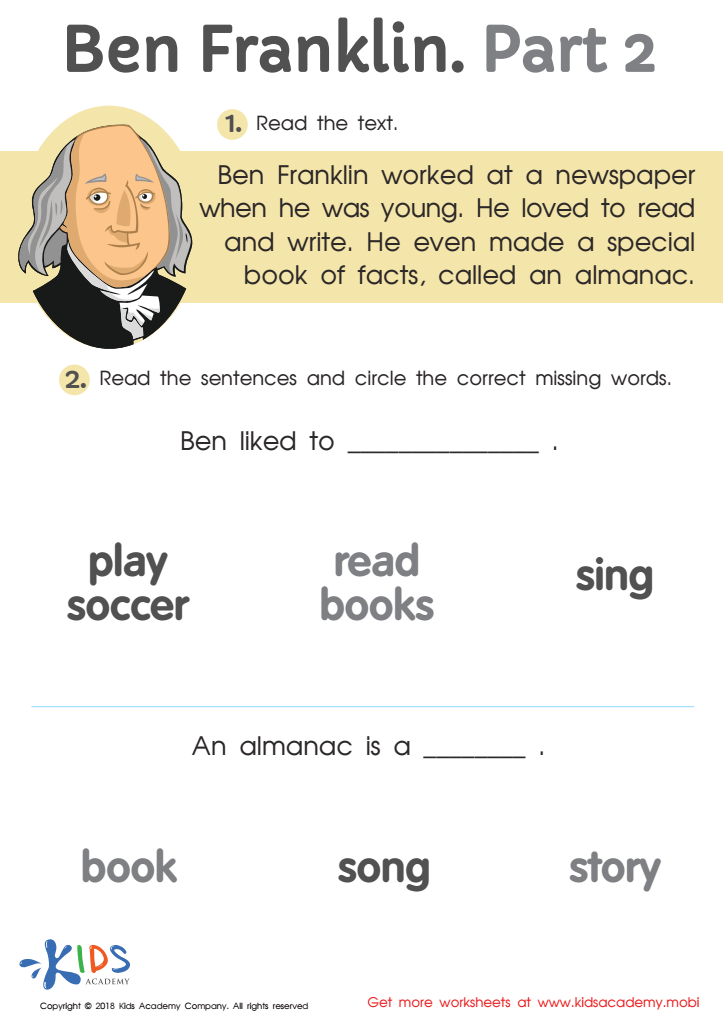
Ben Franklin Part 2 Worksheet
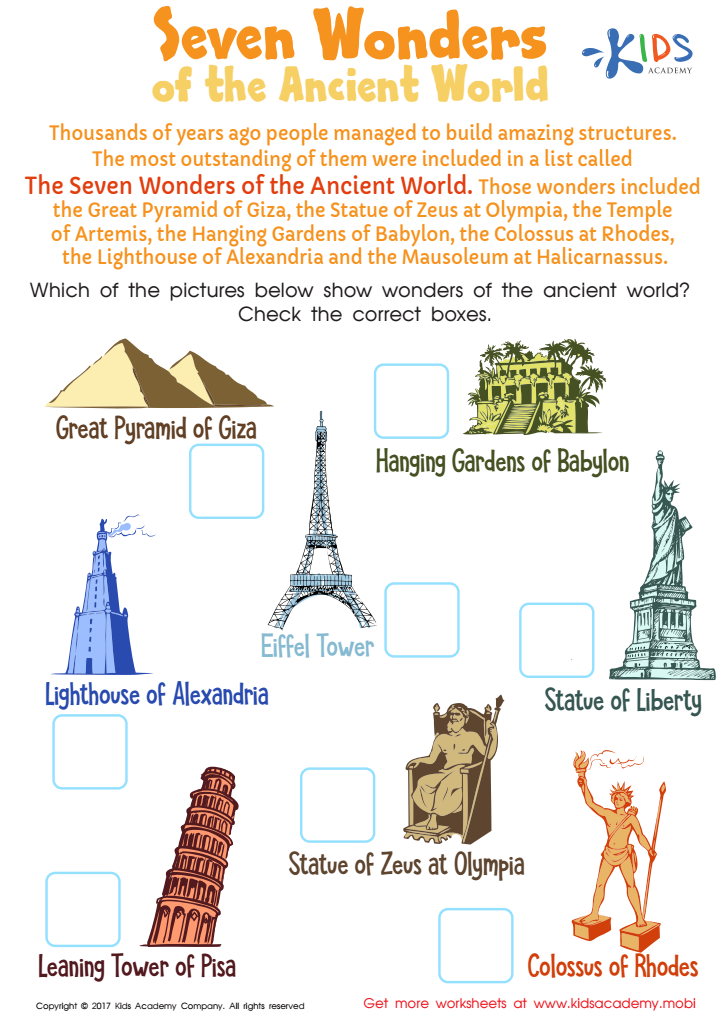
Seven Wonders of the Ancient World Worksheet
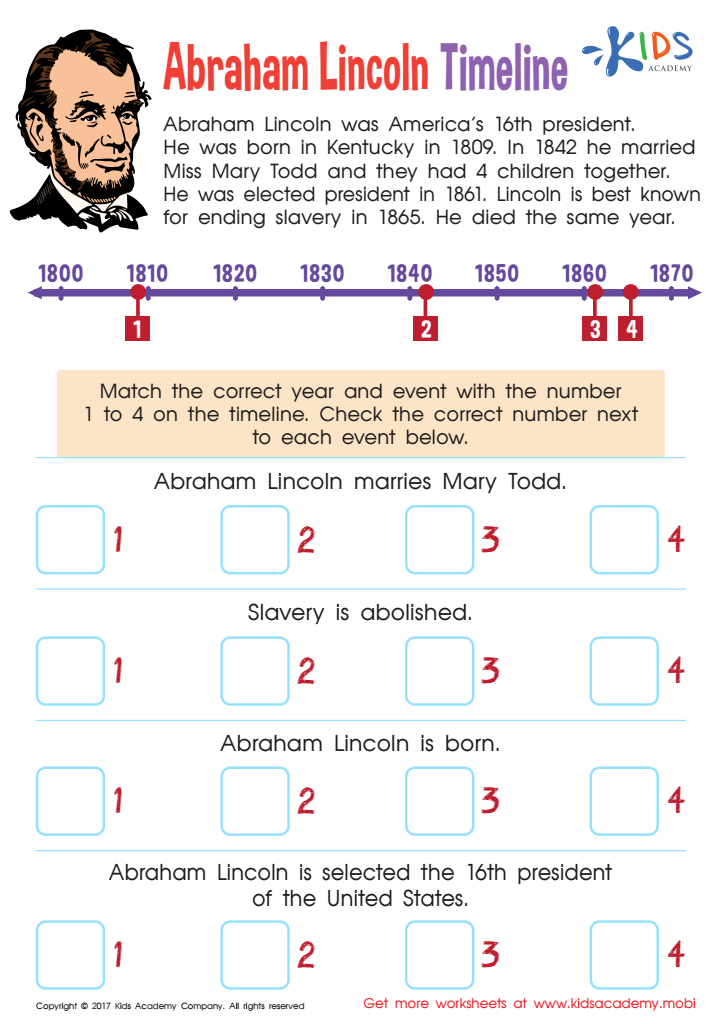
Abraham Lincoln Timeline Worksheet
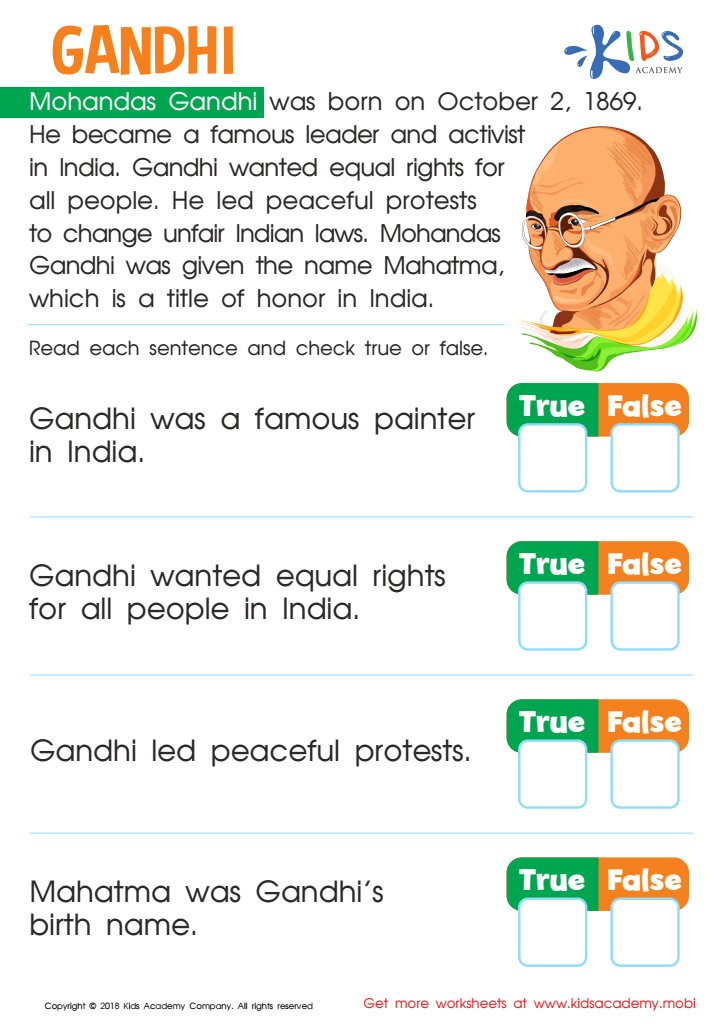
Gandhi Worksheet
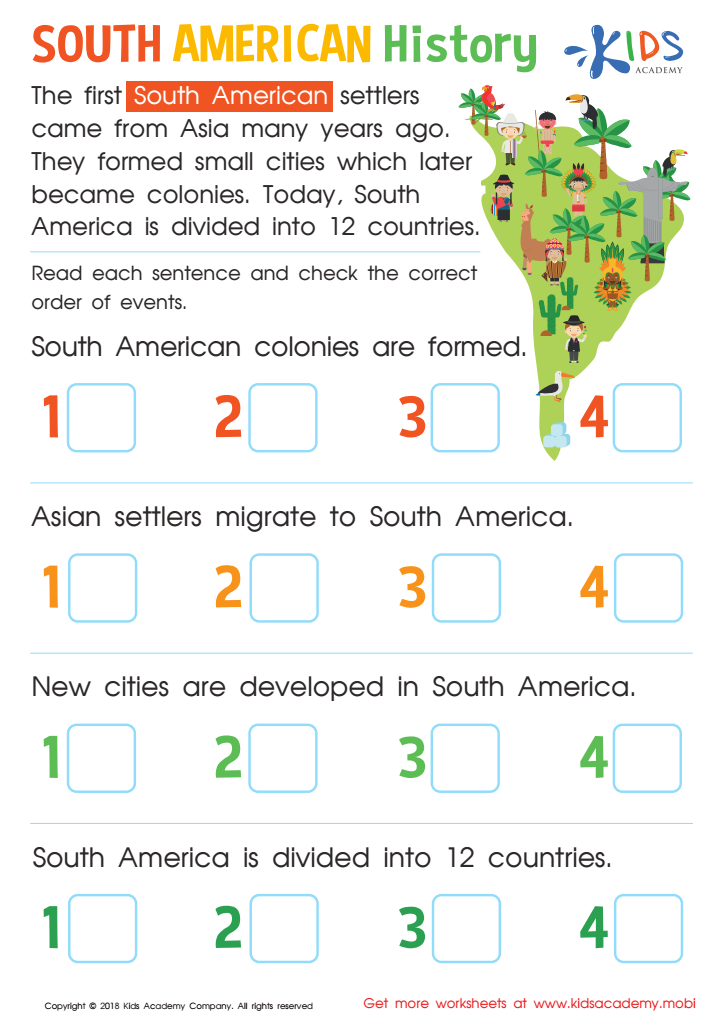
South American History Worksheet
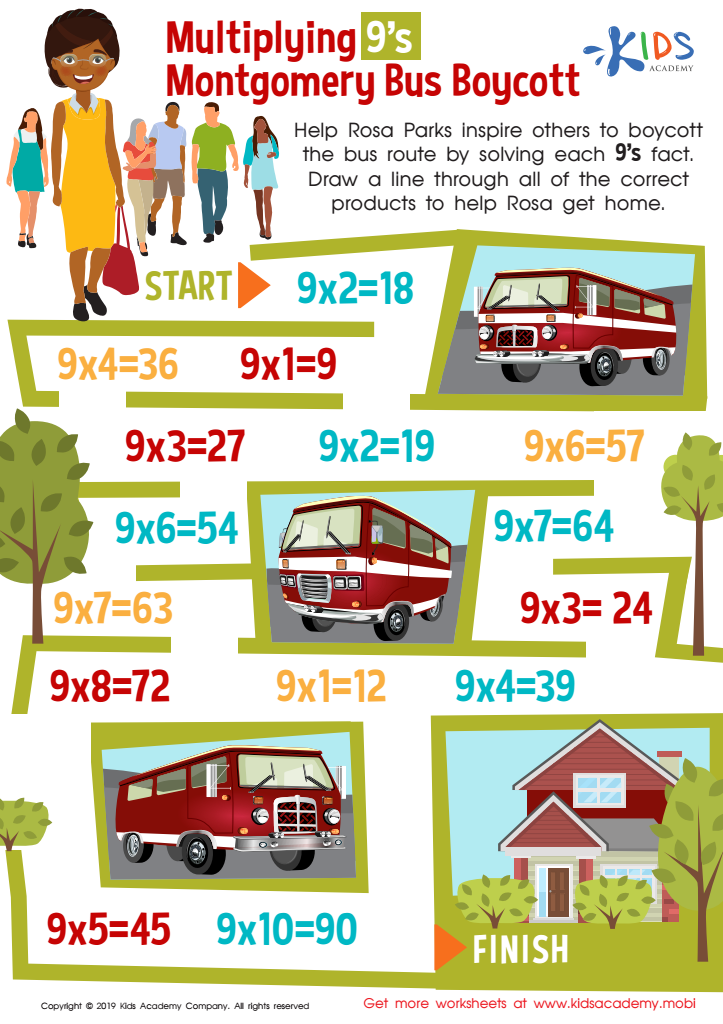
Multiplying 9’s Montgomery Bus Boycott Worksheet








Teaching Normal History to children aged 6-8 is crucial for several reasons. First, it provides young learners with a foundational understanding of societal values and culture, fostering a sense of identity and belonging. At this age, children are naturally curious about their surroundings, and exploring history helps them connect with their roots and comprehend the world they live in.
Second, Normal History promotes critical thinking skills. Rather than memorizing dates and events, children learn to analyze different perspectives and understand cause-and-effect relationships. This analytical approach nurtures their ability to question and reason, laying the groundwork for lifelong learning.
Additionally, understanding Normal History encourages empathy and tolerance. Children learn about diverse cultures, traditions, and experiences, which helps them appreciate differences and promotes inclusiveness. This awareness is essential in today’s multicultural world.
Finally, engaging young minds with relatable stories of the past makes learning enjoyable. It cultivates a love for history, ensuring they carry these insights into their futures. By investing time in Normal History, parents and teachers are not just educating children about their past but also inspiring responsible, informed, and compassionate future citizens.








