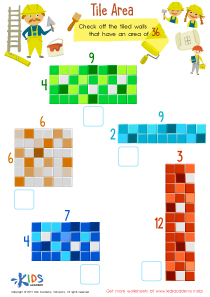
Normal Numbers Worksheets for Ages 6-9 - Page 10
236 filtered results
-
From - To
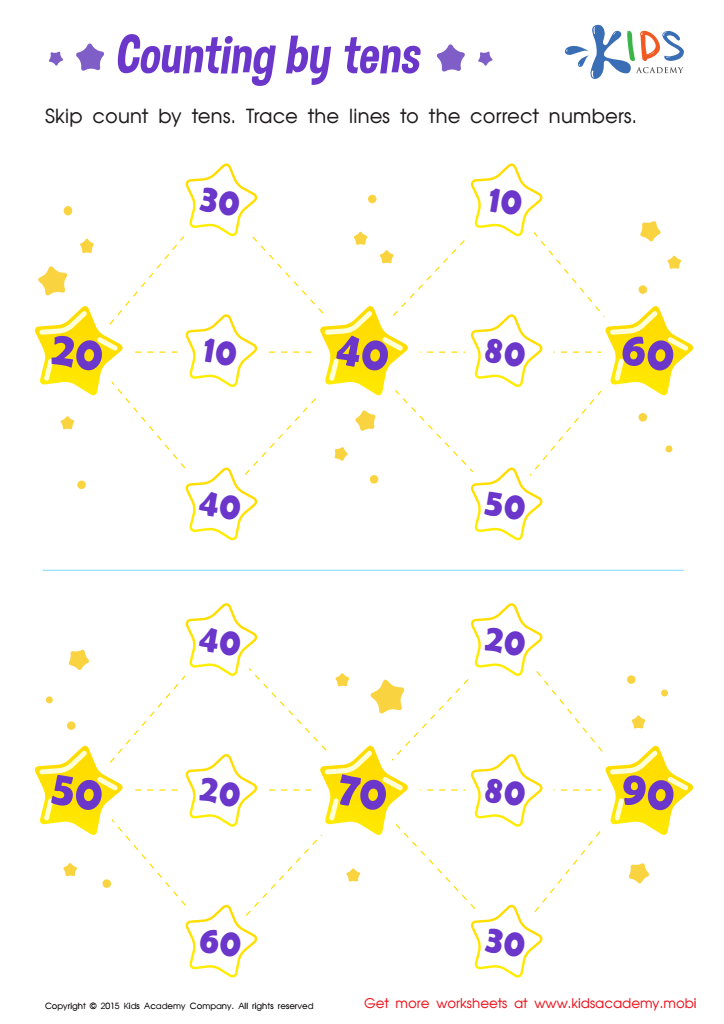
Learn Dozens: Counting by Tens Printable
 Assign to My Students
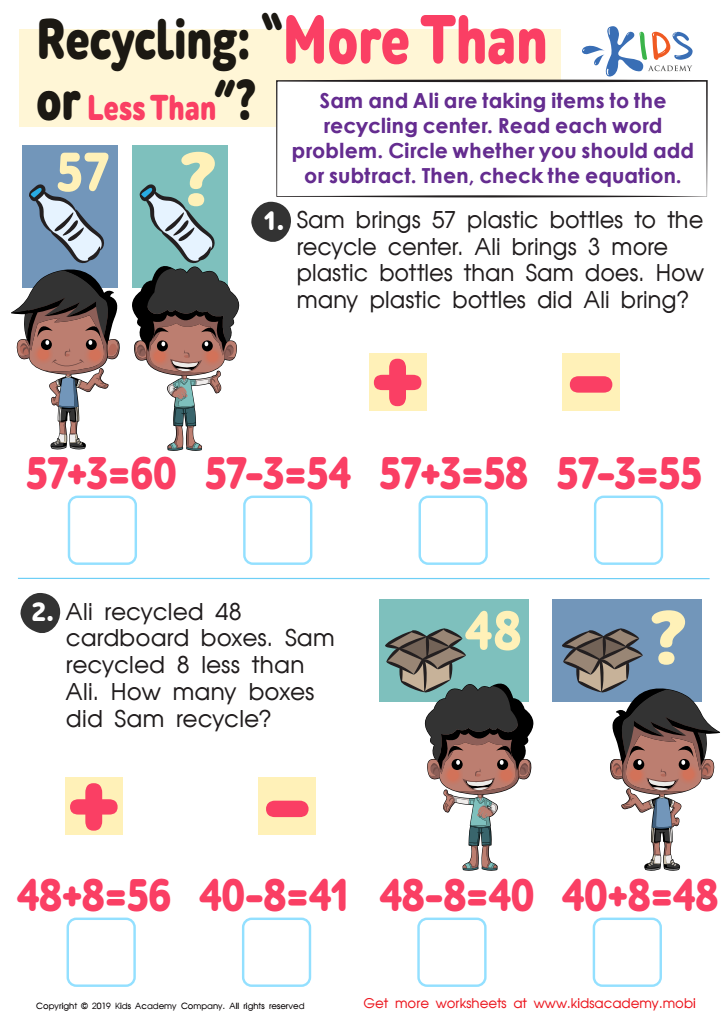
Recycling - More or Less Worksheet
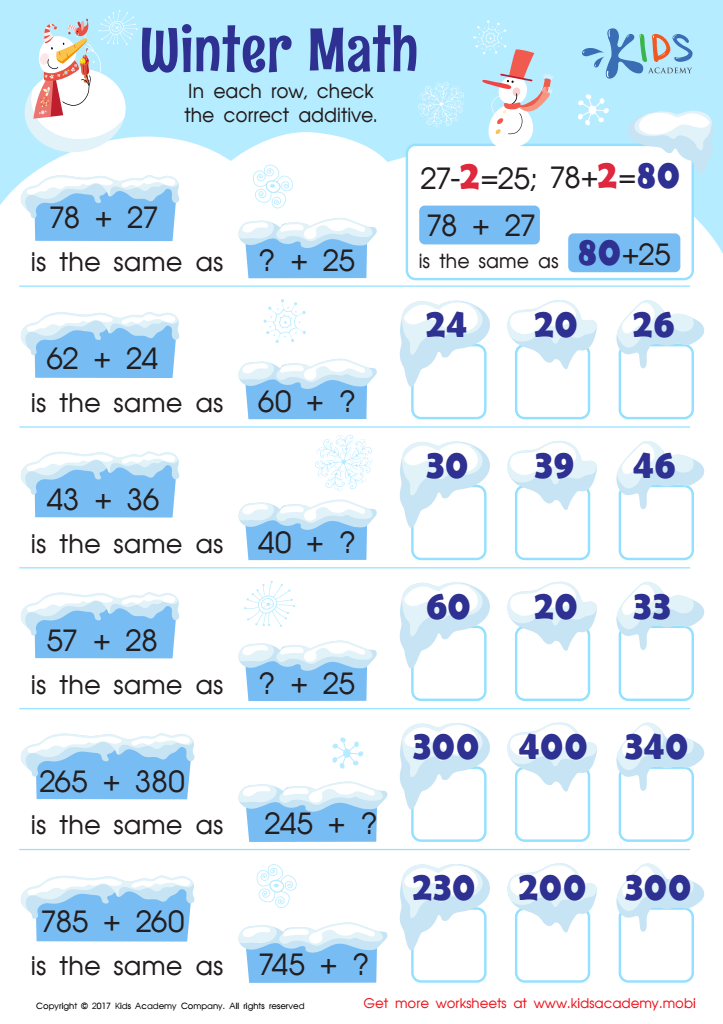
Free Addition Worksheet

World Traveler Worksheet
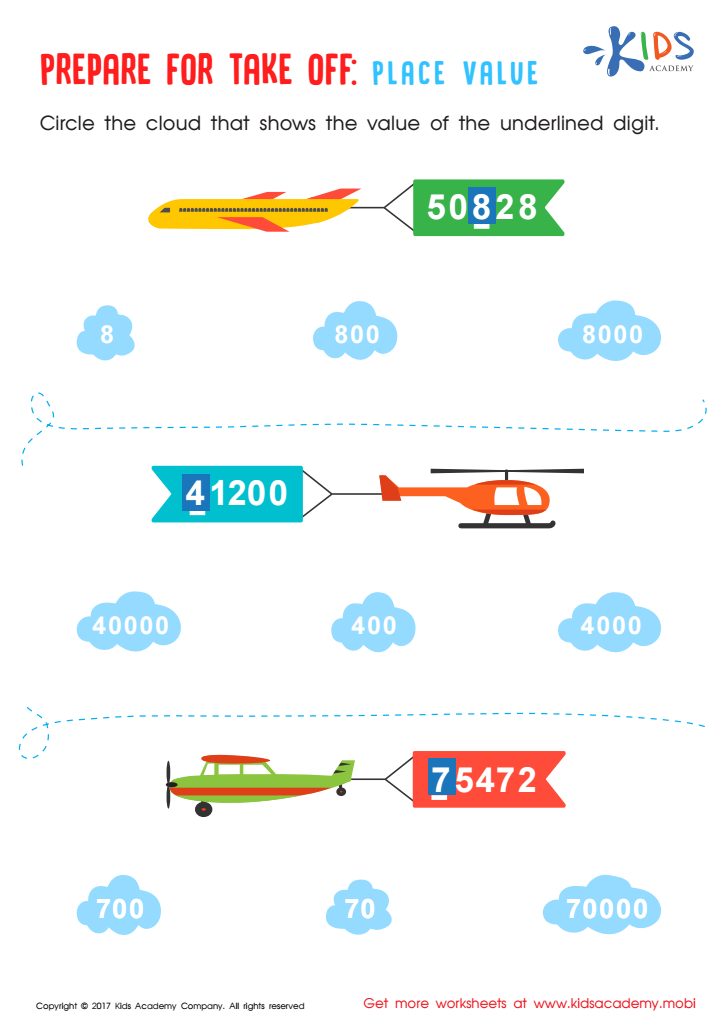
Free Place Value Worksheet for 3rd Grade
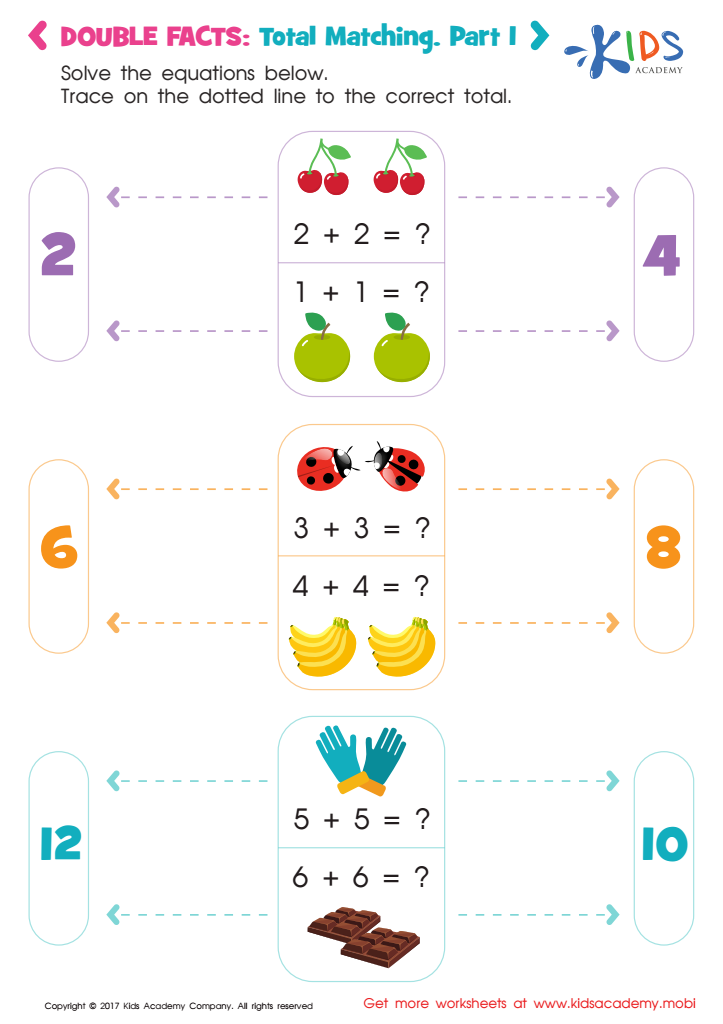
Double Facts: Total Matching Worksheet: Part 1
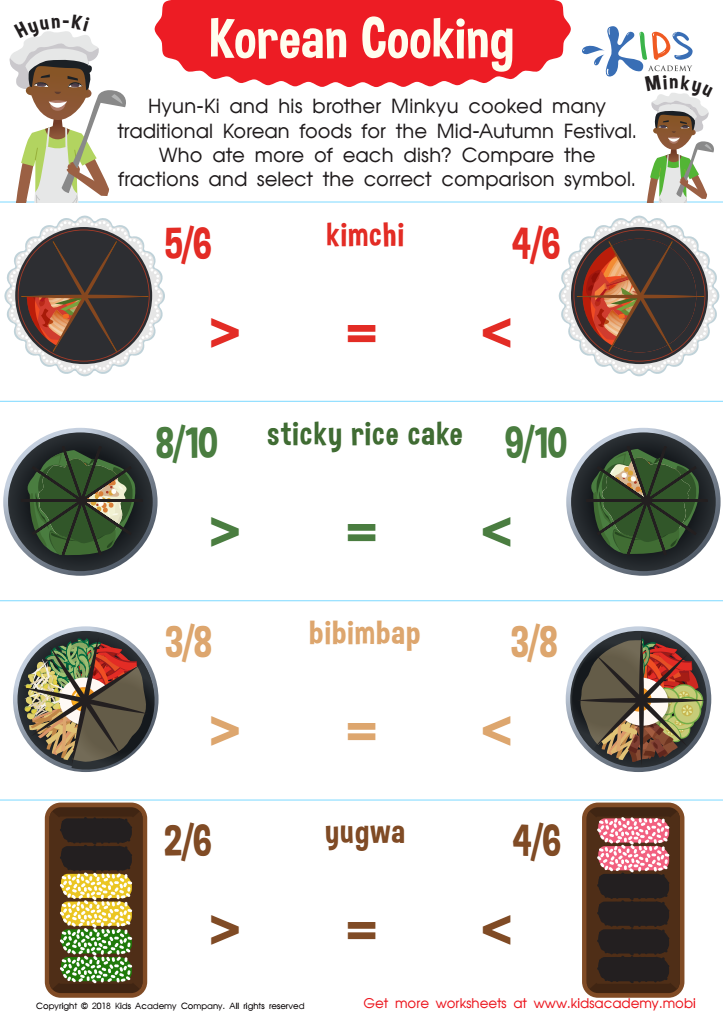
Korean Cooking Worksheet
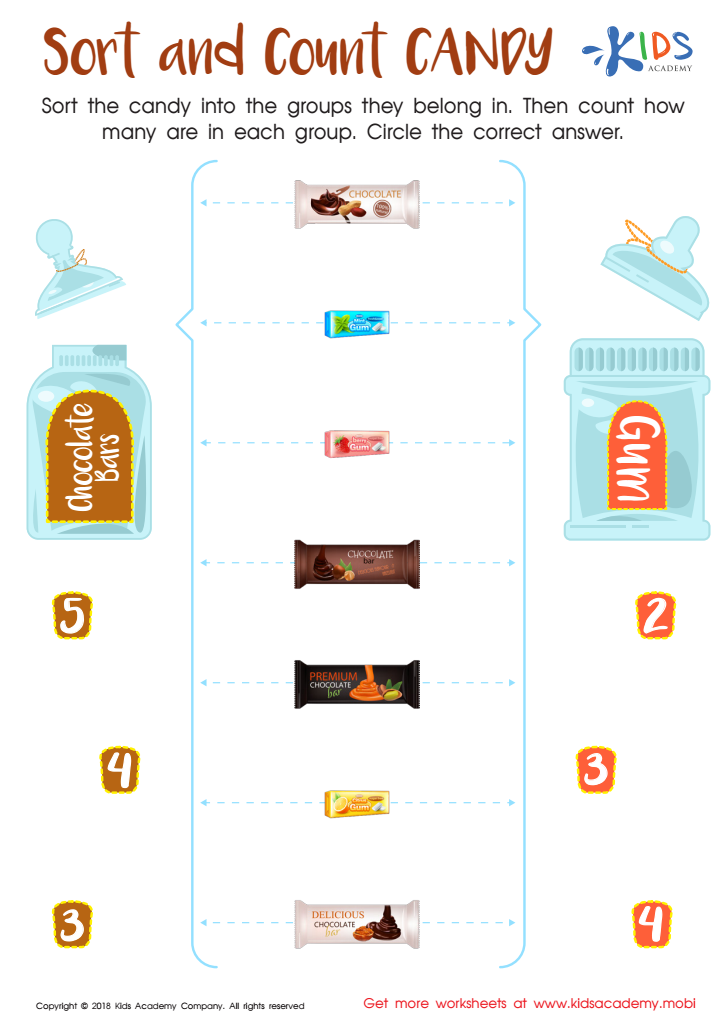
Sort and Count Candy Worksheet
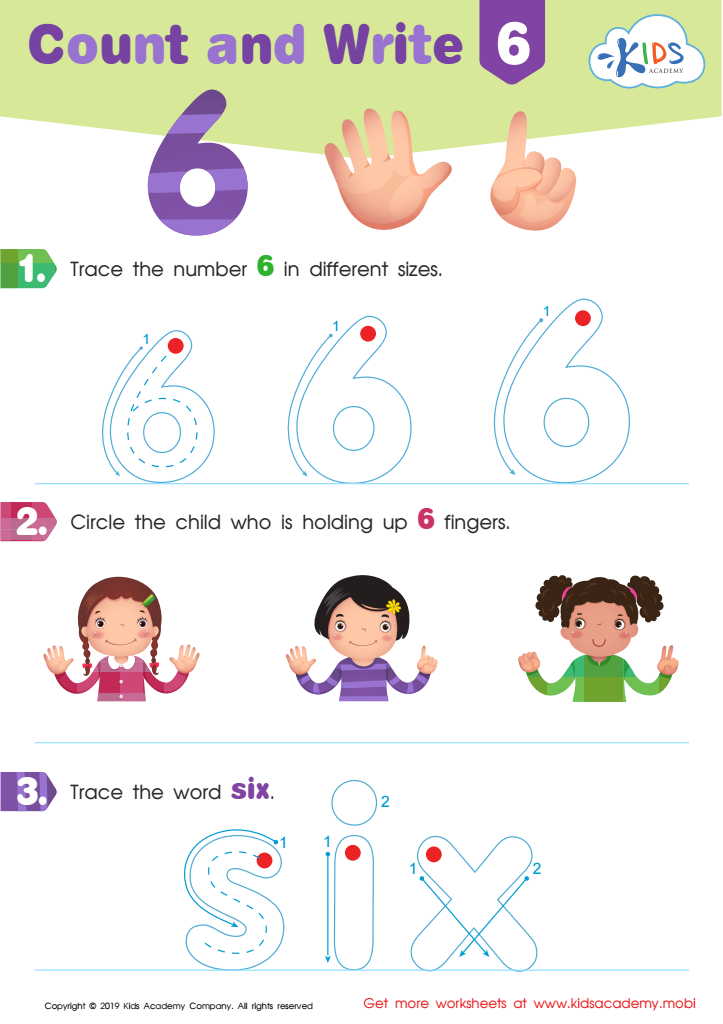
Count and Write 6 Worksheet
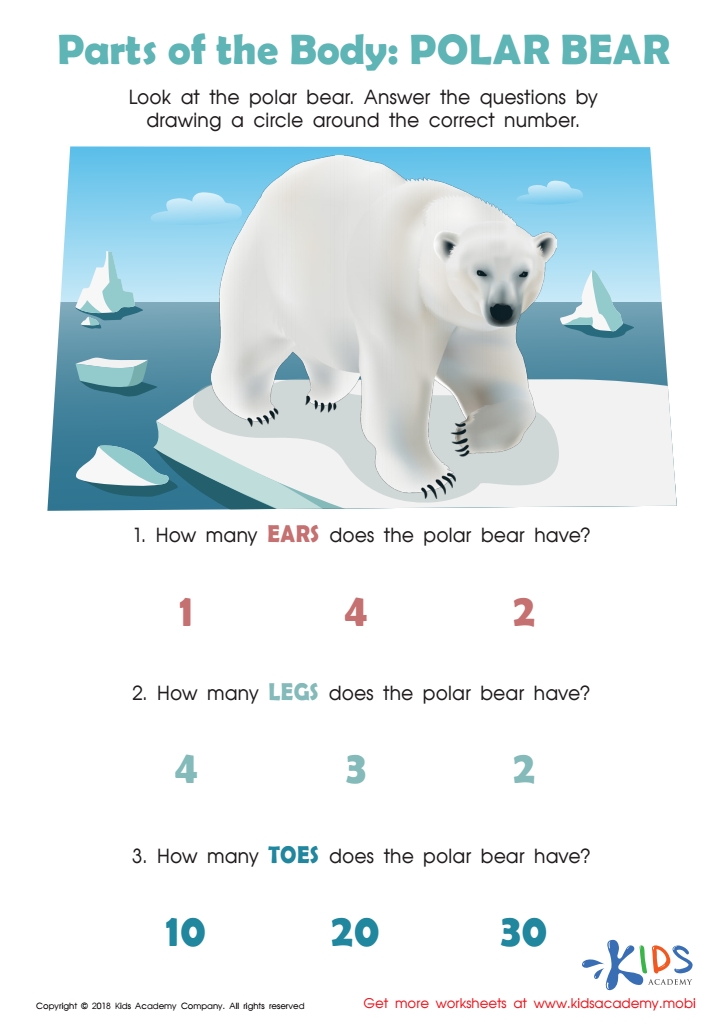
Parts of the Body: Polar Body Worksheet
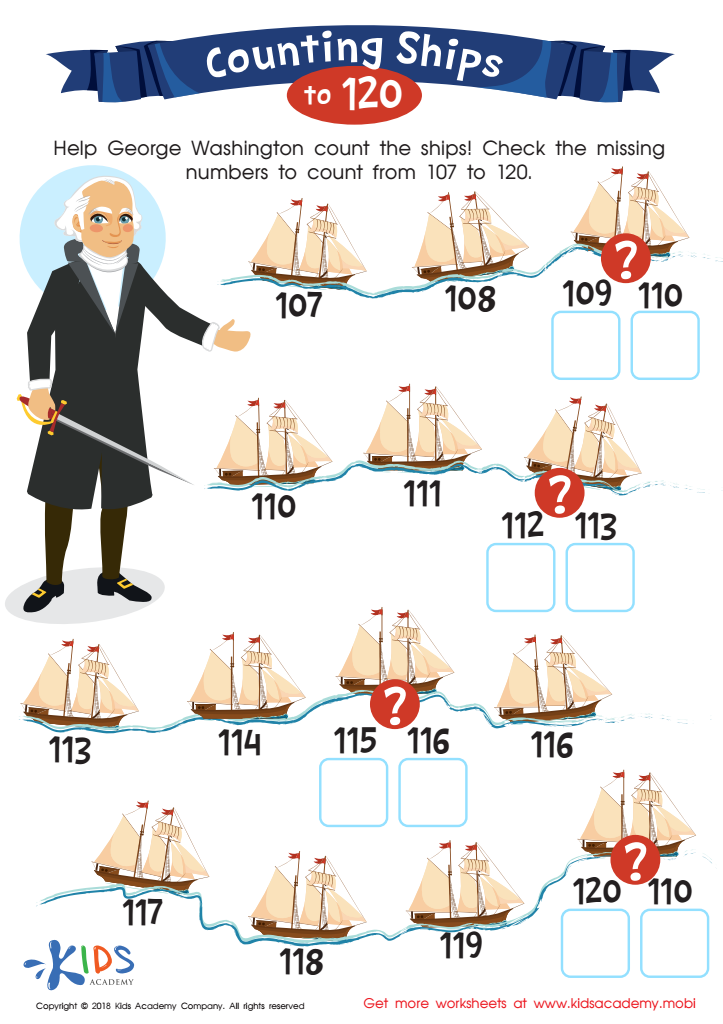
Counting Ships to 120 Worksheet
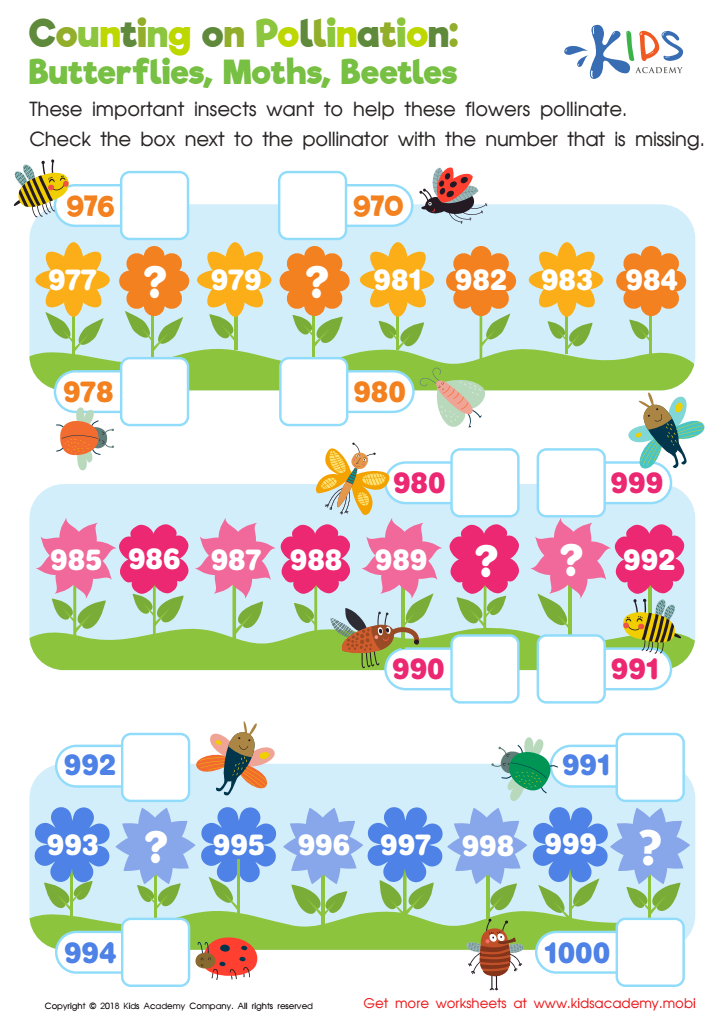
Counting on Pollination: Butterflies, Moths, Beetles Worksheet
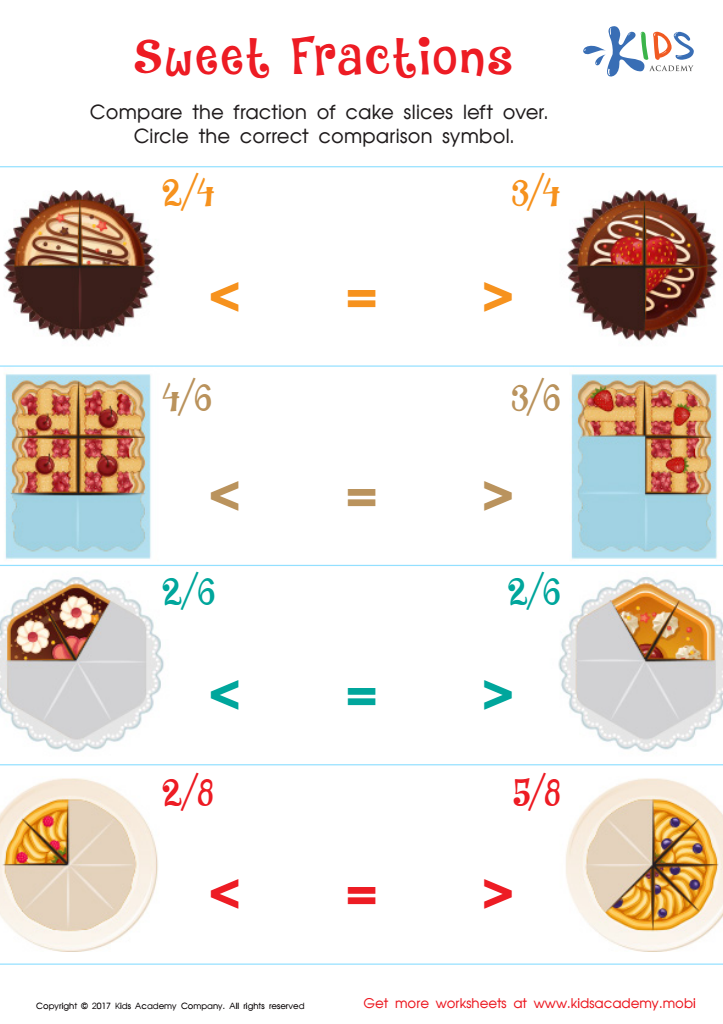
Compare Fractions Worksheet
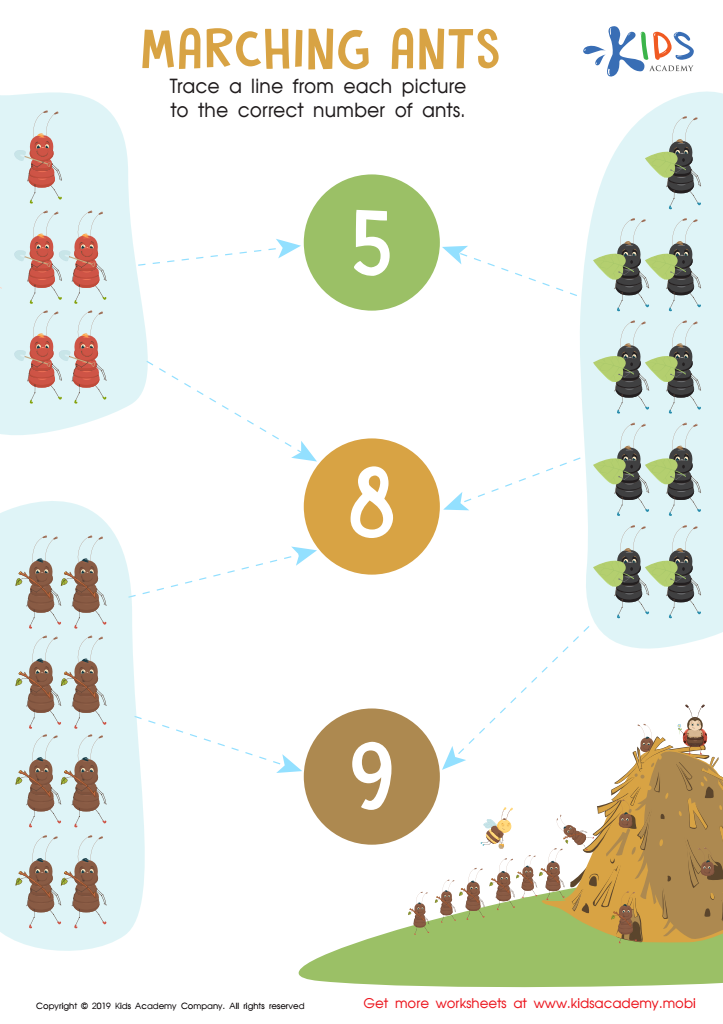
Marching Ants Worksheet
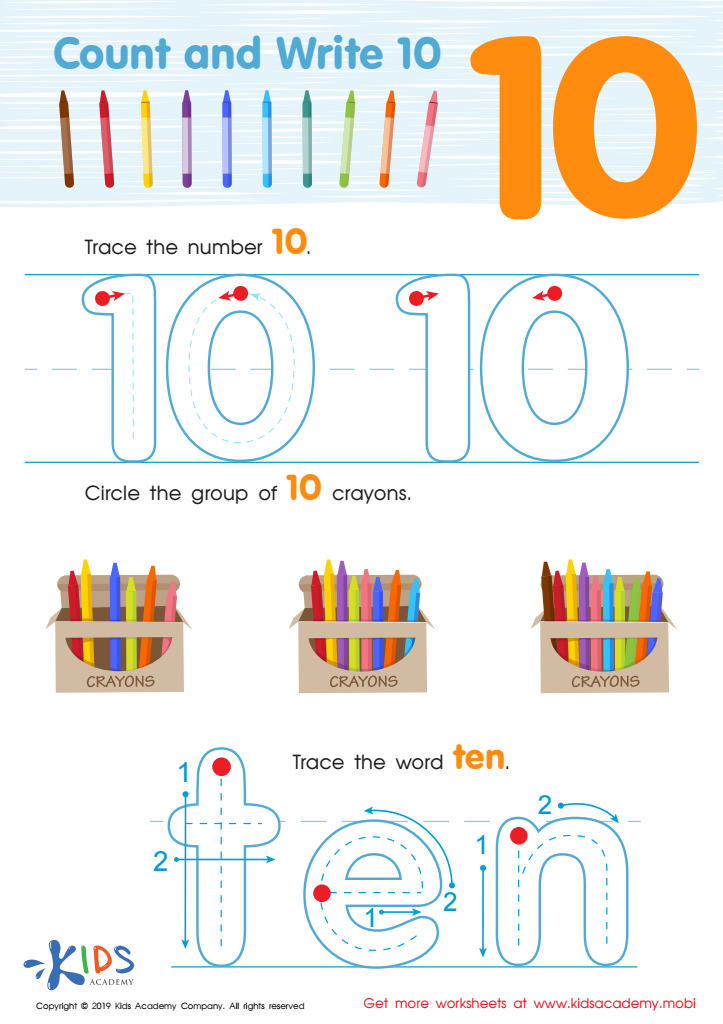
Count and Write 10 Worksheet
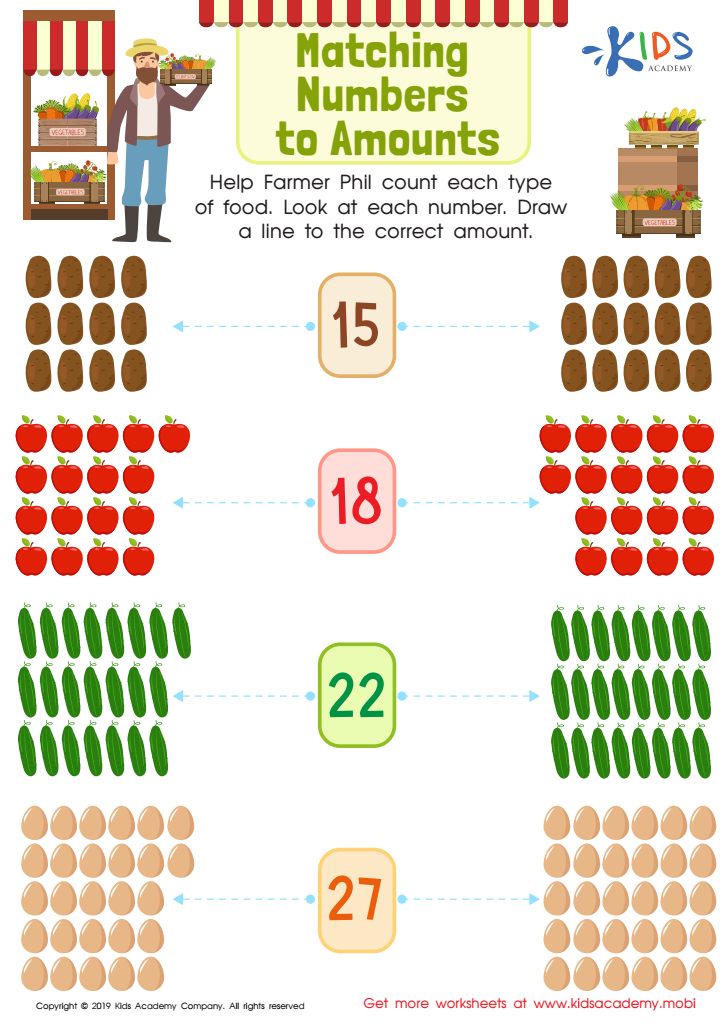
Matching Numbers to Amounts Worksheet
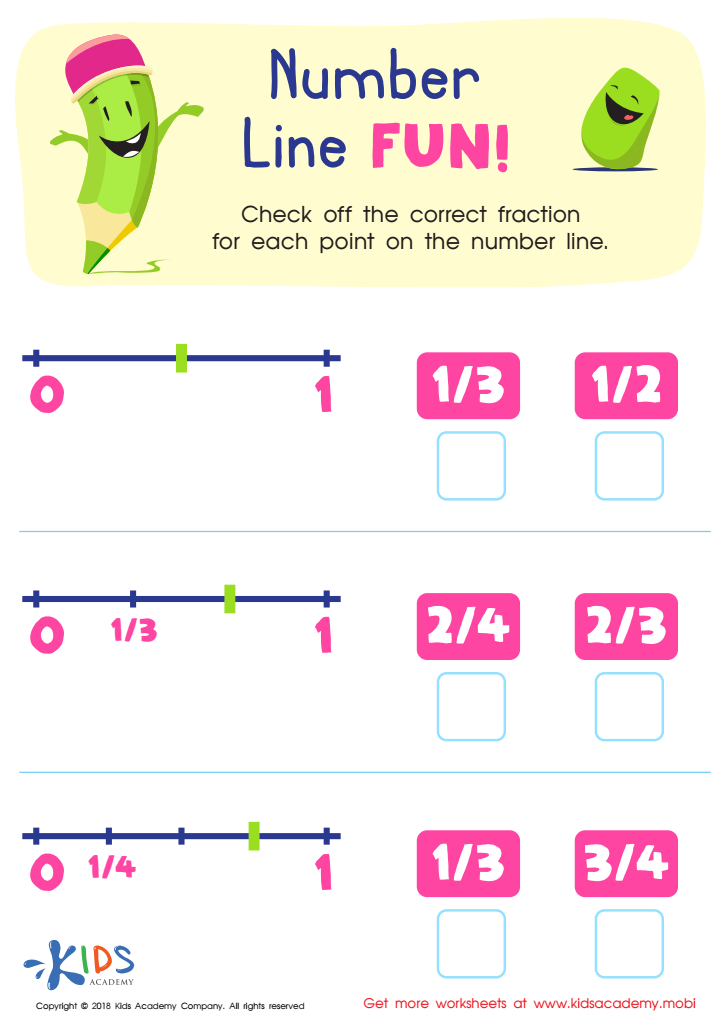
Number Line Fun Worksheet
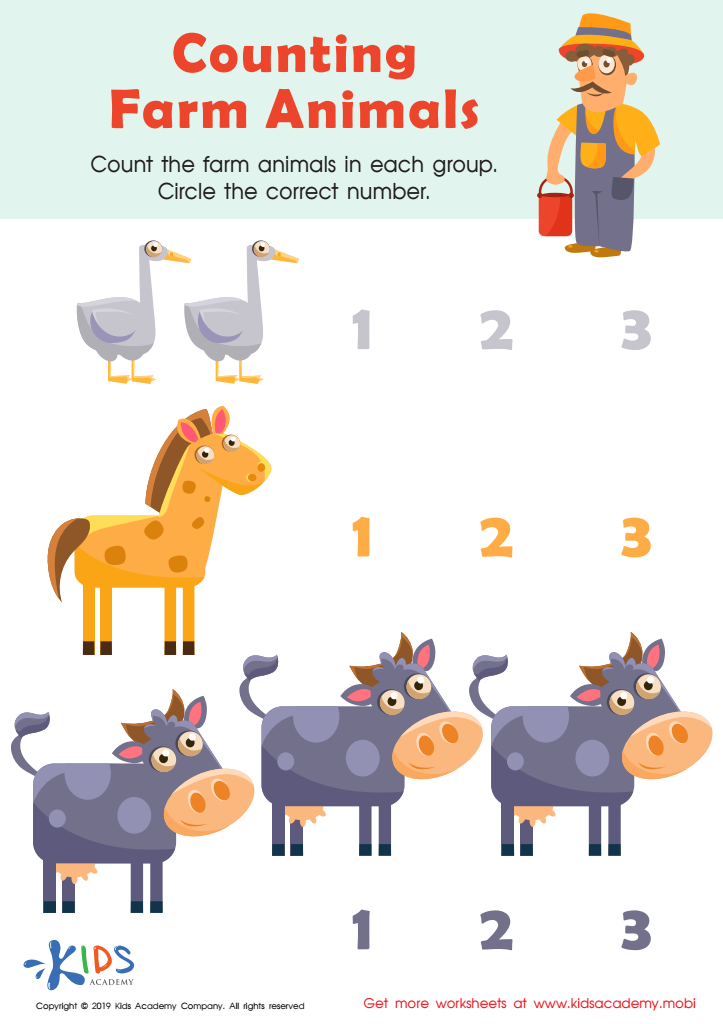
Counting Farm Animals Worksheet
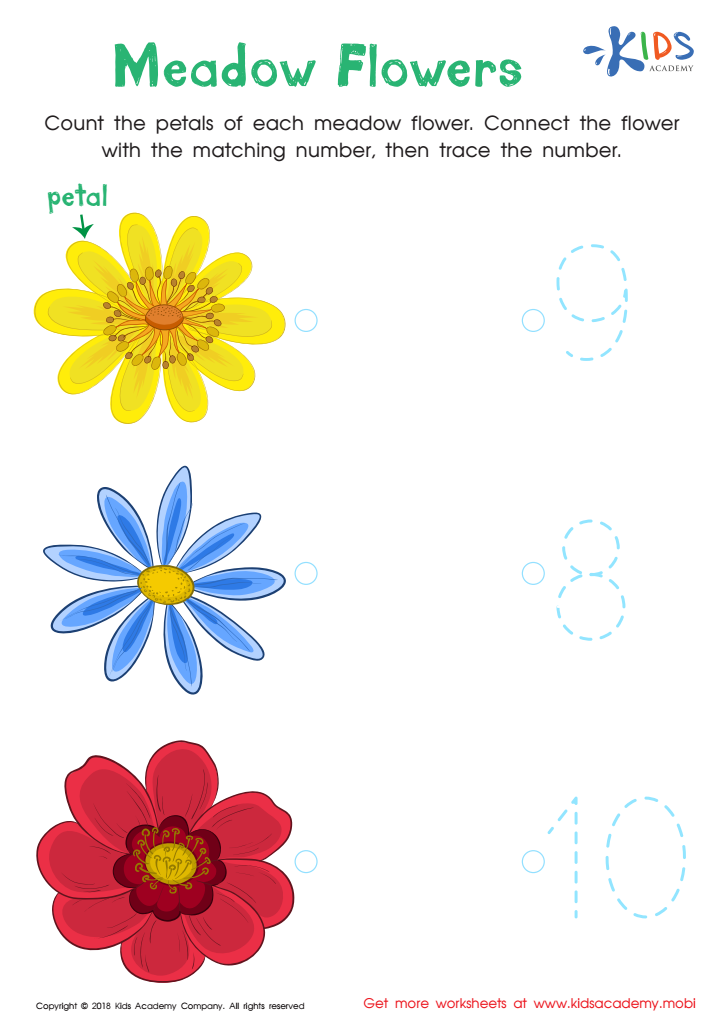
Kindergarten Number Tracing: Medow Flowers Worksheet
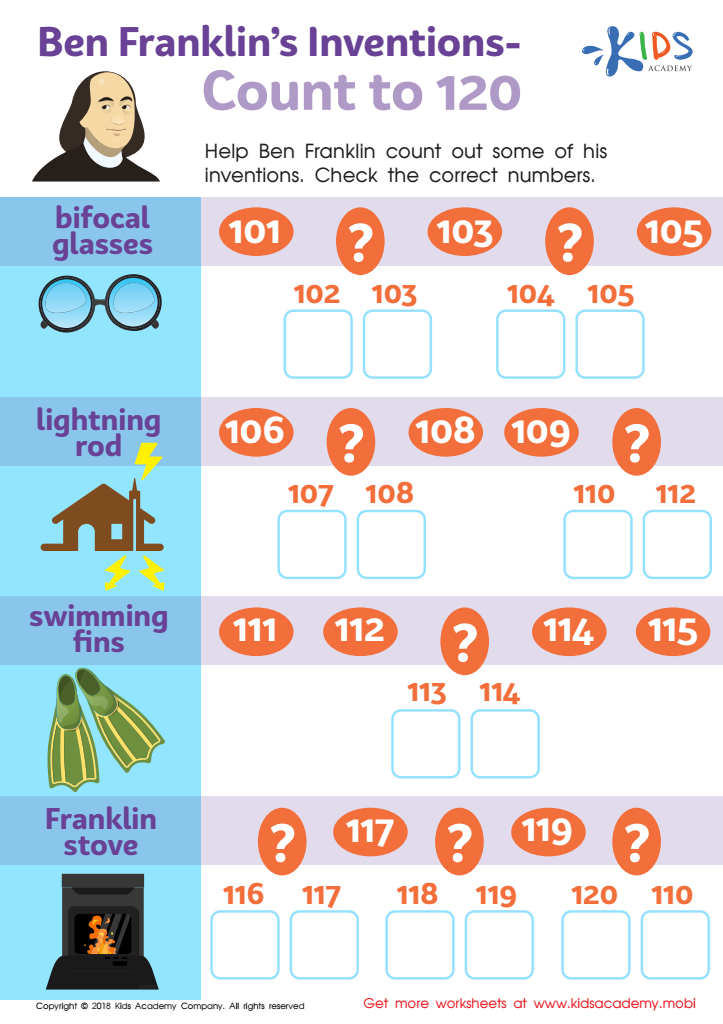
Ben Franklin’s Inventions – Count to 120 Worksheet








Normal numbers are numbers in which all possible sequences of digits occur with equal frequency in a given base. While this may seem like an abstract mathematical concept beyond the understanding of children ages 6-9, the foundational skills and curiosity that such concepts inspire should not be underestimated.
Firstly, introducing elements of higher mathematics, even indirectly, fosters a deeper understanding of numbers and patterns from an early age. This nurtures curiosity and critical thinking, developing their capacity for problem-solving and analytical reasoning.
Furthermore, engaging with complex concepts through simplified explanations or playful exploration supports cognitive flexibility. For example, exploring normal numbers can be related to games and puzzles, helping children recognize the randomness and order in sequences, thus promoting logical thinking and persistence.
For teachers and parents, emphasizing various numerical concepts enhances children's numeracy skills and prepares them for advanced mathematical learning. Exposure to ideas like normal numbers helps them realize that math is not just about rote procedures but also about appreciating patterns, variability, and structure.
Ultimately, while a deep conceptual understanding of normal numbers is not the goal, the pursuit of such knowledge equips young minds with critical thinking tools, fostering a lifelong appreciation and curiosity for mathematics that extends well beyond the classroom.