Normal Matching Worksheets for Ages 6-9 - Page 2
29 filtered results
-
From - To
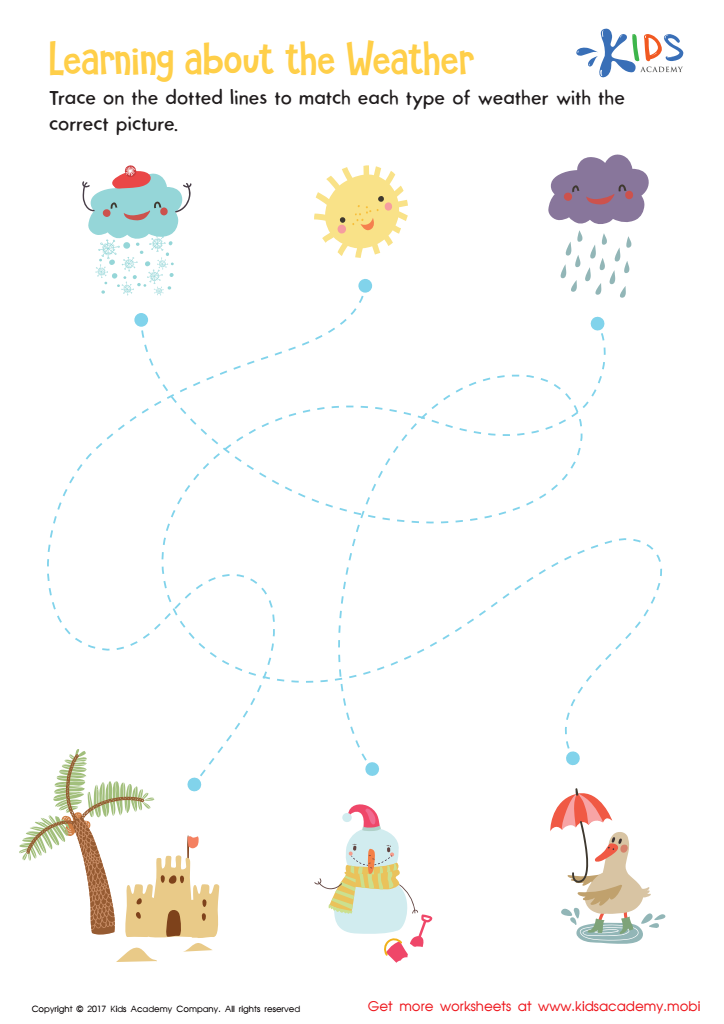
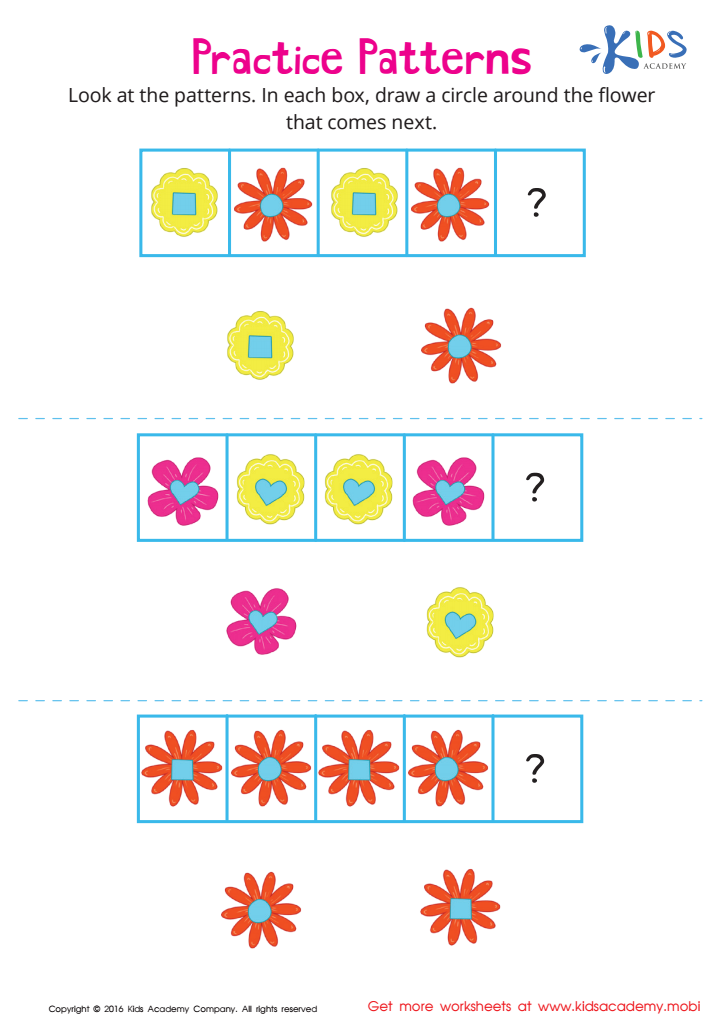
 Assign to My Students
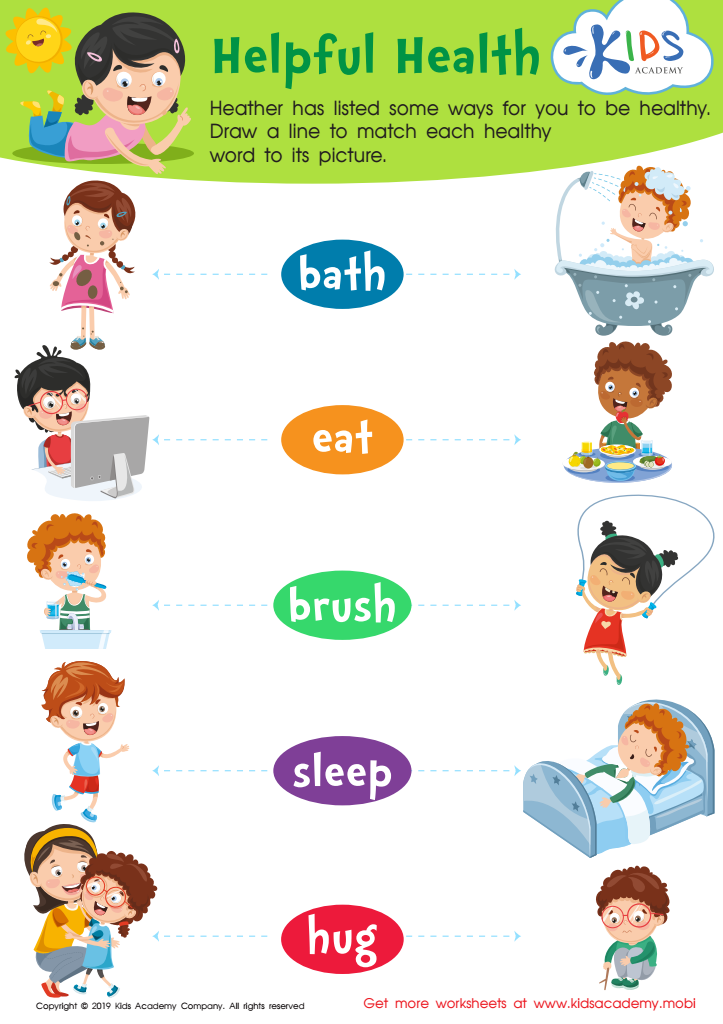
Helpful Health Worksheet
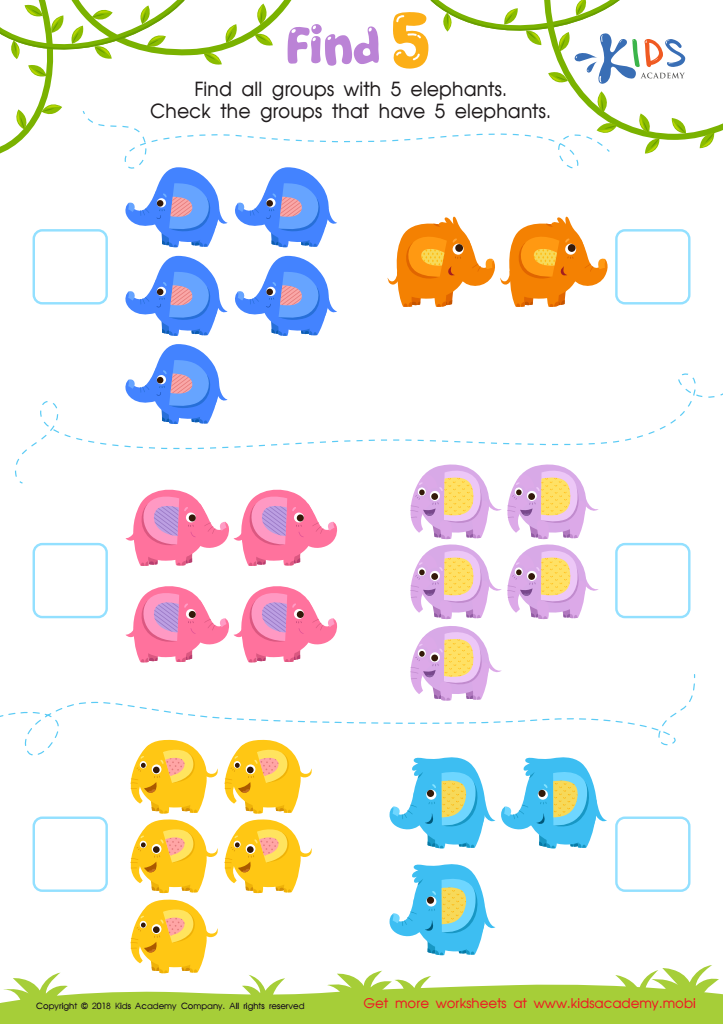
Find 5 Worksheet
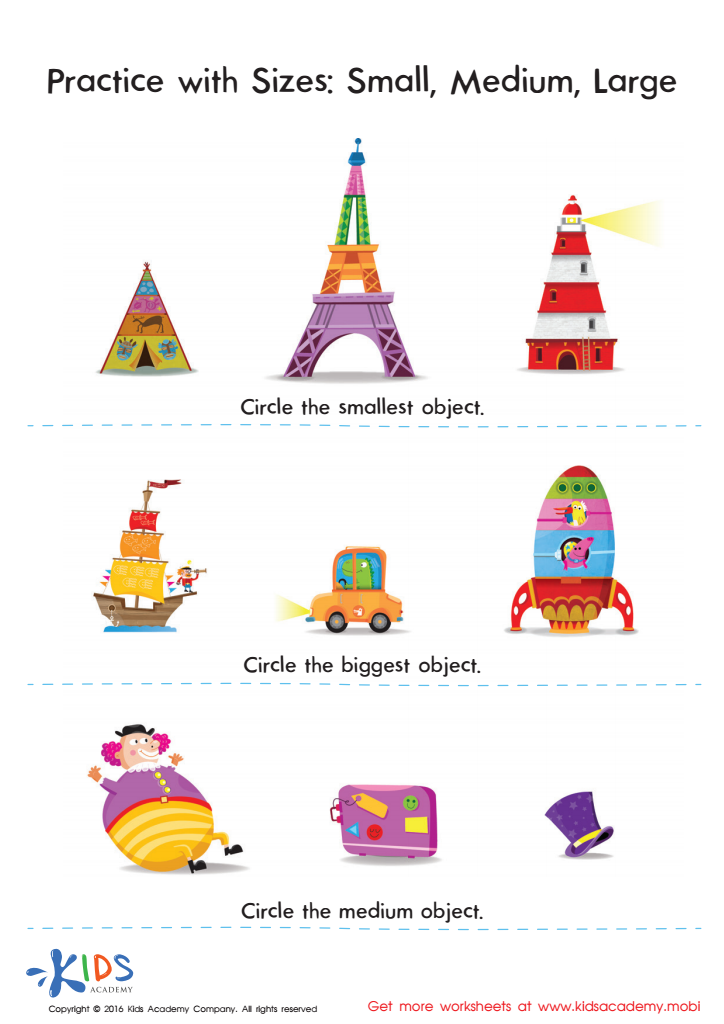








Normal Matching is a vital skill for children aged 6-9, serving as a foundational component for their cognitive and academic development. Parents and teachers should care about Normal Matching because it enhances critical thinking and problem-solving abilities. As children begin to understand concepts like shapes, letters, and numbers, Normal Matching engages their cognitive processes, encouraging them to identify similarities and differences, which is essential for effective learning.
Additionally, practicing Normal Matching boosts memory retention and attention span. Activities involving matching tasks require children to concentrate, thereby sharpening their focus and reinforcing their observational skills. Moreover, this skill facilitates social interactions as children learn to recognize patterns in peer behavior and communicate effectively.
Further, integrating Normal Matching into educational experiences fosters a love for learning. Interactive and engaging matching games can make learning fun, promoting a positive attitude toward education. For parents and teachers, nurturing this skill supports overall intellectual growth and lays the groundwork for more complex subjects like mathematics and reading comprehension later on. Ultimately, prioritizing Normal Matching at this developmental stage equips children with the necessary tools to navigate their educational journey more effectively.








