Normal World Around Us Worksheets for Ages 6-9 - Page 3
60 filtered results
-
From - To
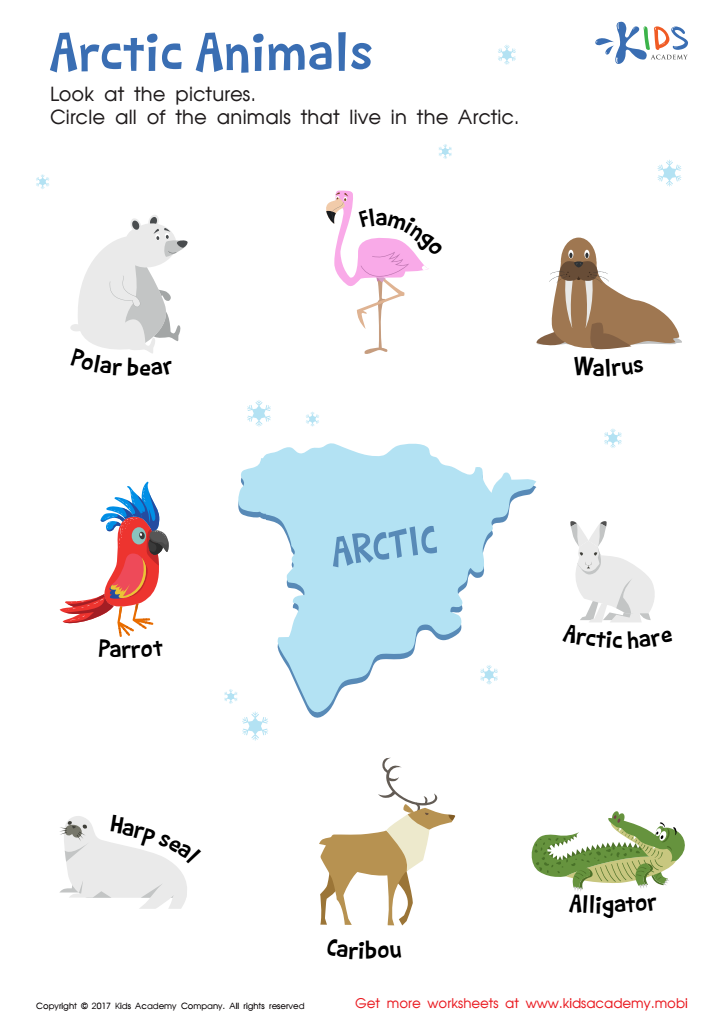
Arctic Animals Worksheet
 Assign to My Students
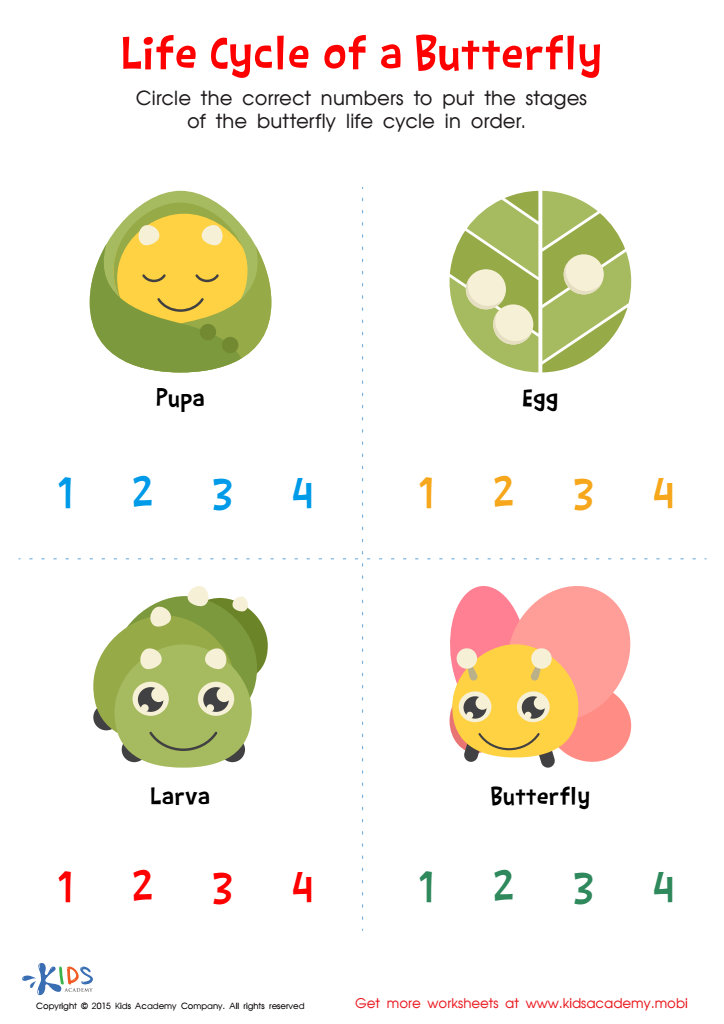
Life Cycle of Butterfly Printable
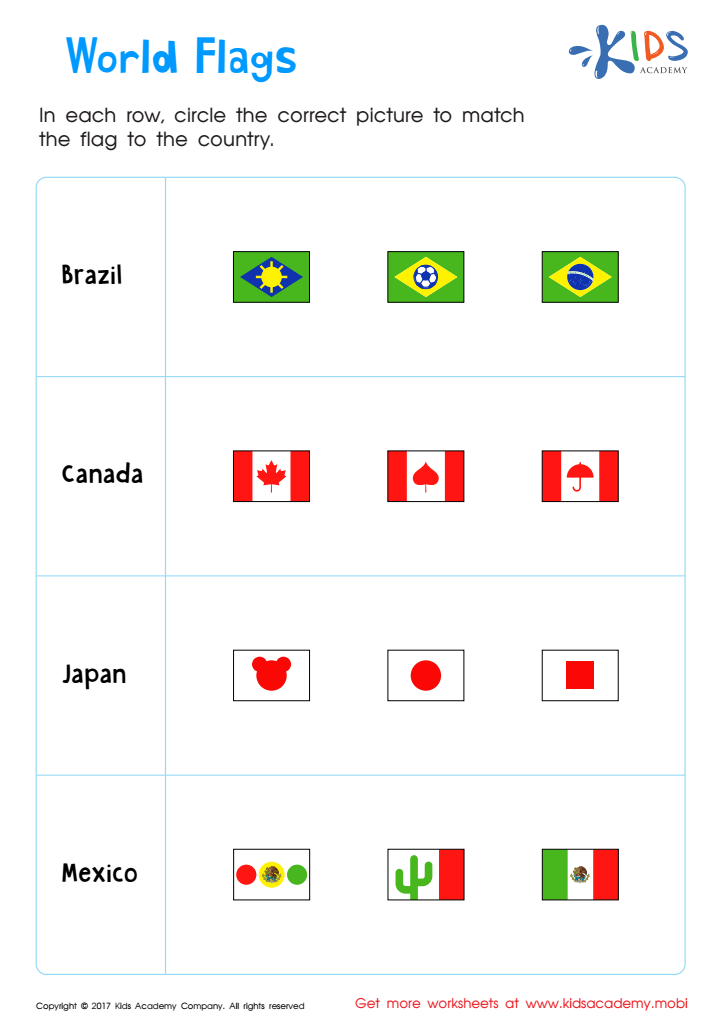
World Flags Printable
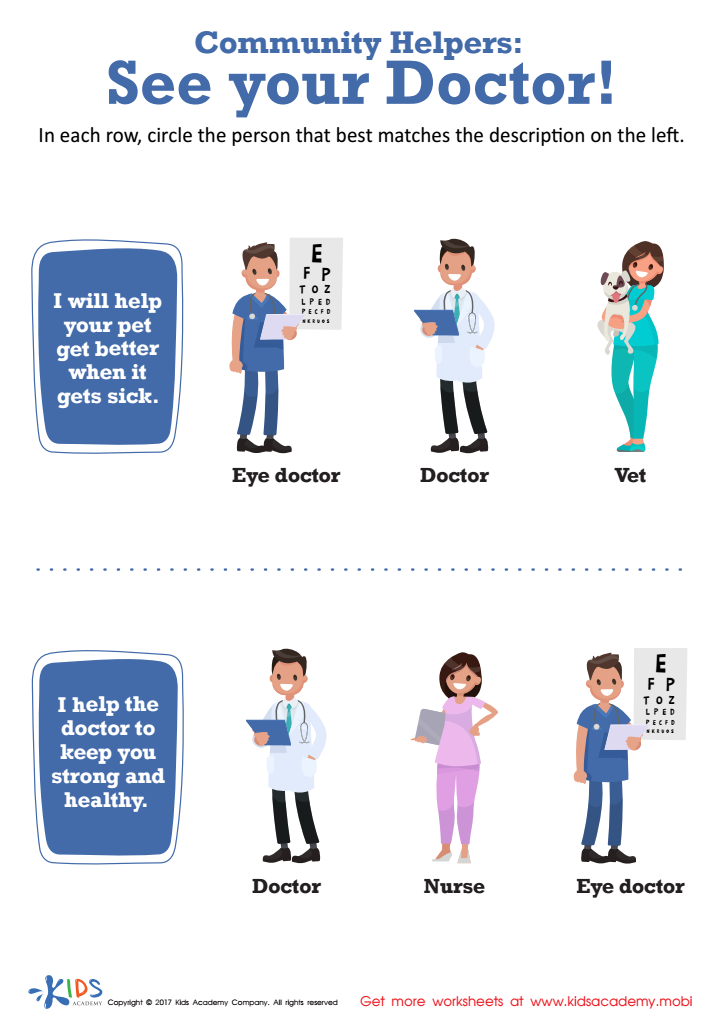
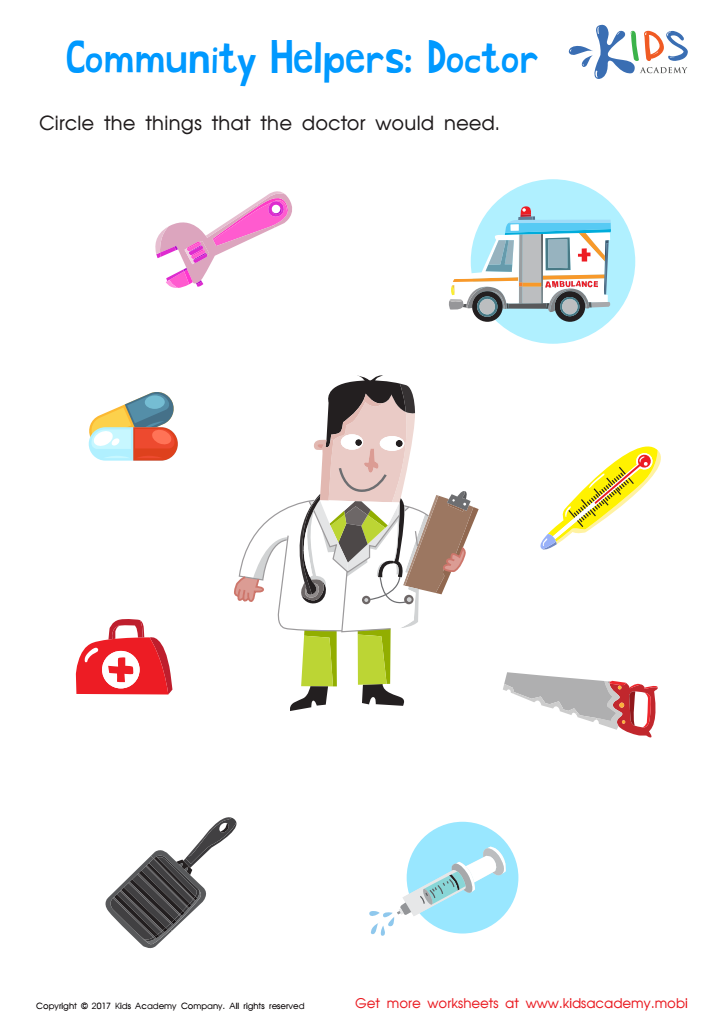
See Your Doctor (Part 2) Printable
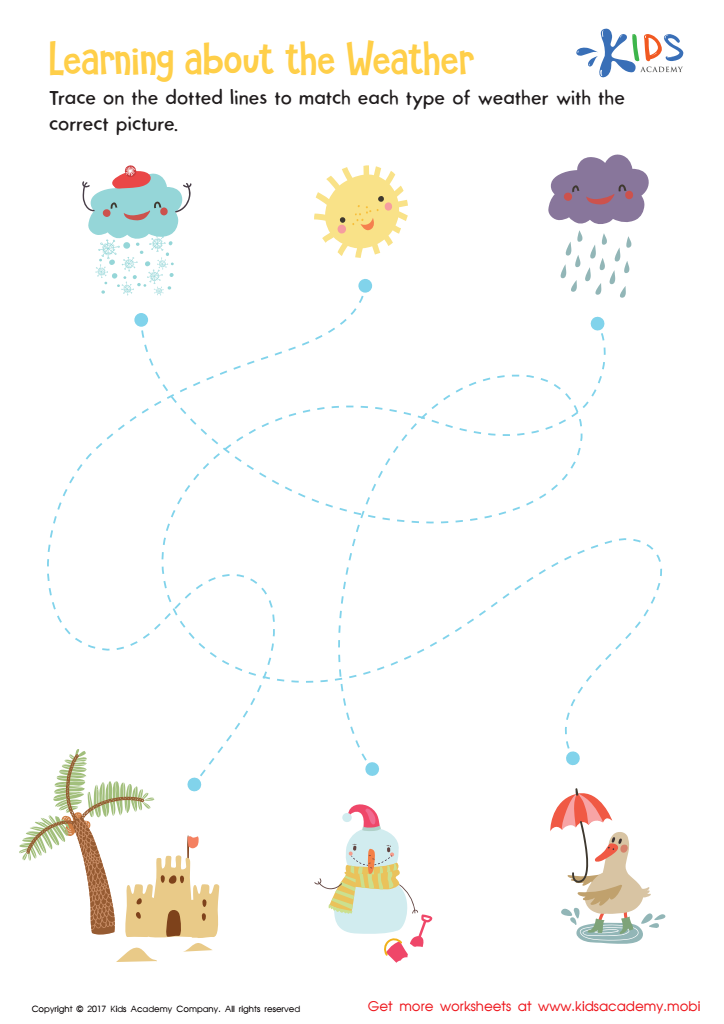
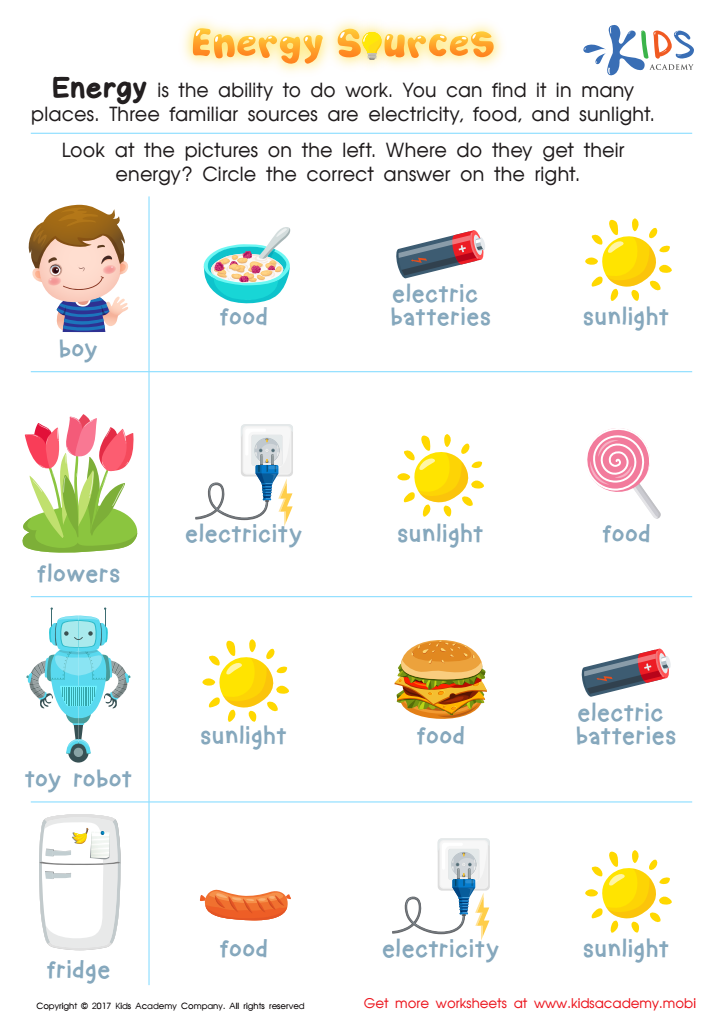
Energy Sources Printable
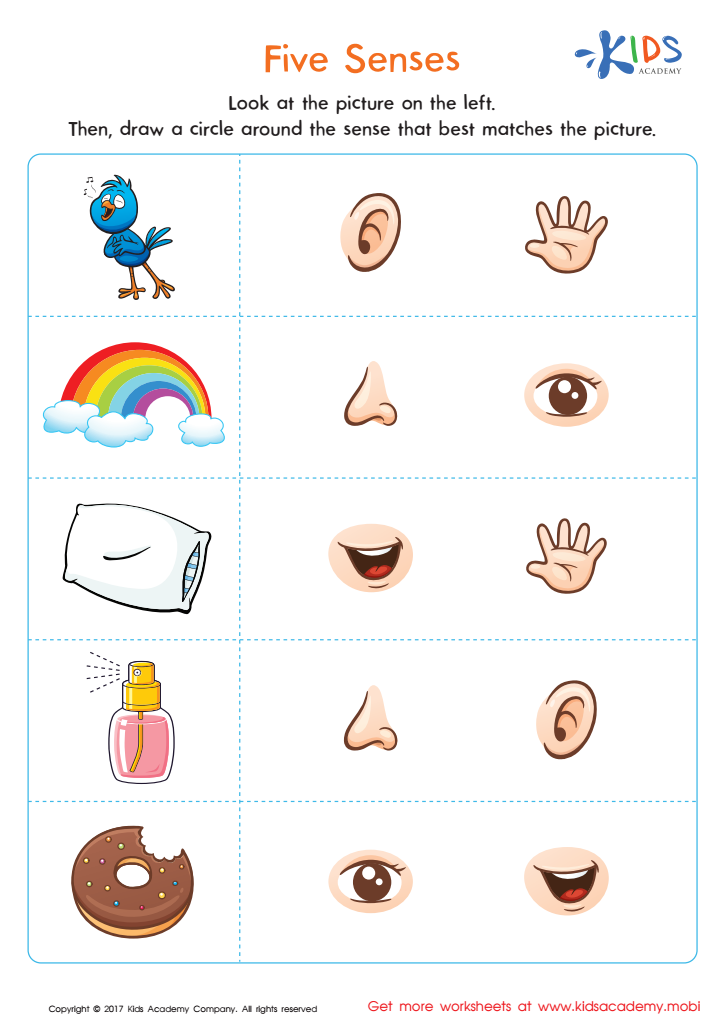
Five Senses Printable
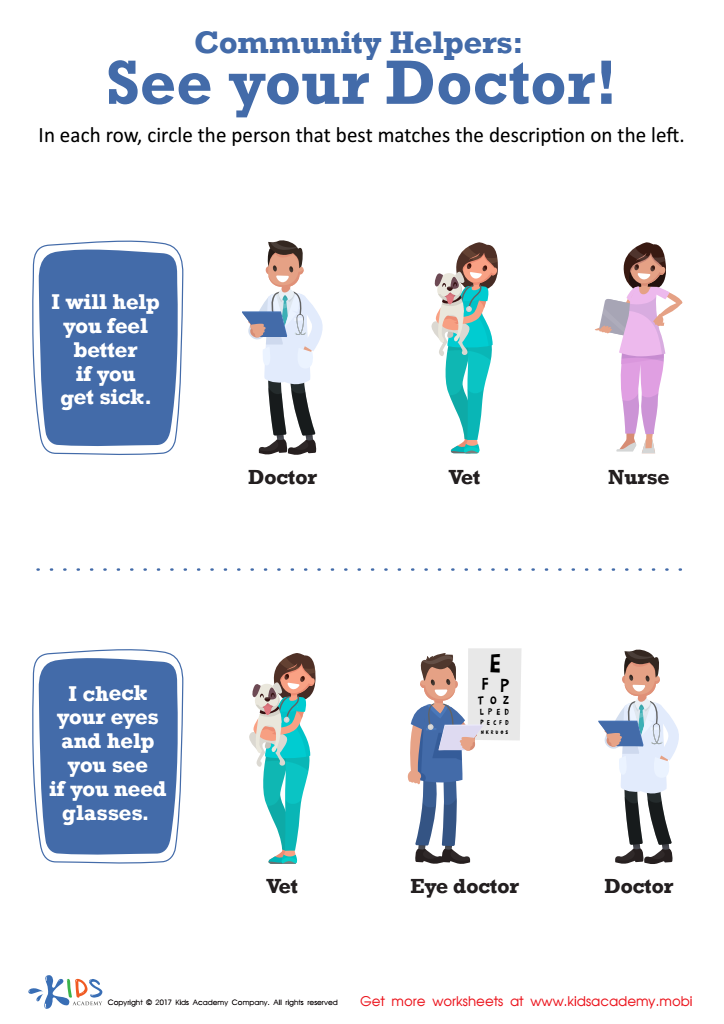
See Your Doctor (Part 1) Printable
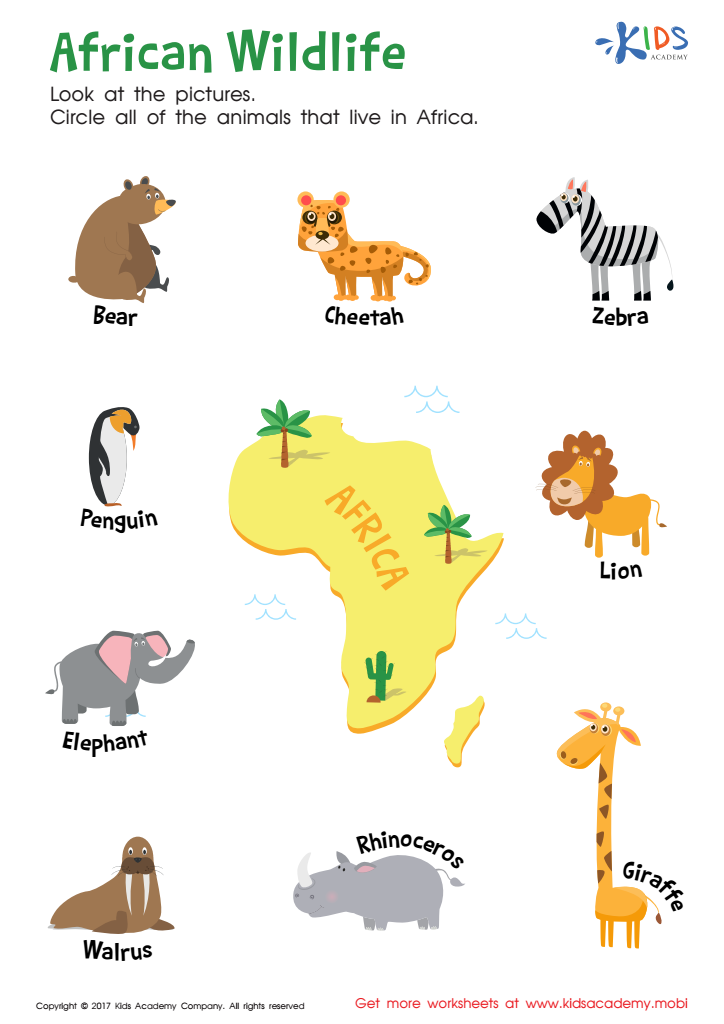
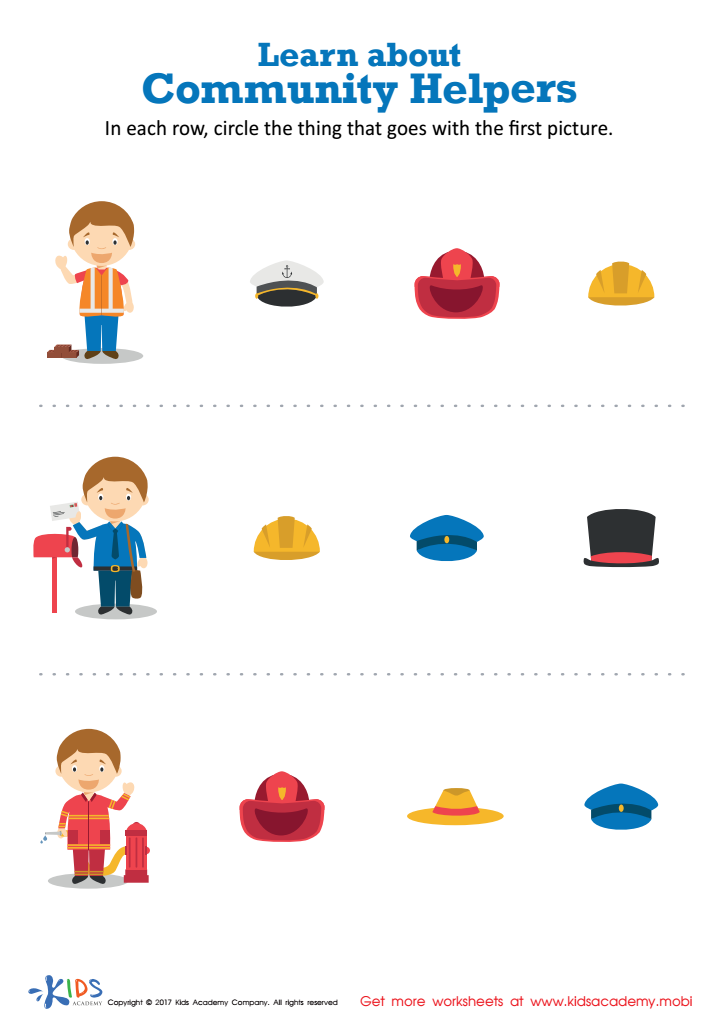
Learn about Community Helpers Printable
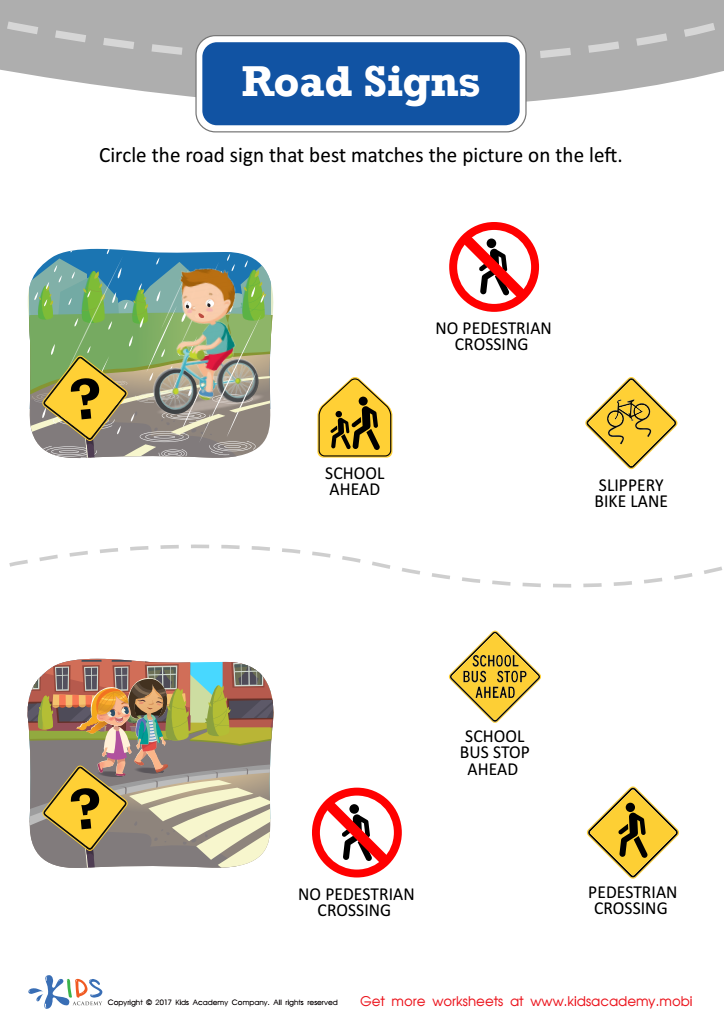
Road Signs (Part 2) Printable







Parents and teachers should care about helping children understand the "Normal World Around Us" for ages 6-9 because this foundational knowledge stimulates curiosity, supports cognitive development, and nurtures a sense of wonder about everyday phenomena. At this age, children's brains are exceptionally receptive to learning and absorbing new information. Integrating basic scientific concepts, environmental awareness, and everyday observations into their learning routines lays the groundwork for crucial lifelong skills such as critical thinking, problem-solving, and informed decision-making.
When children grasp fundamental ideas about their surroundings, including natural cycles, physical properties, and community functions, they develop a meaningful connection to the world. This connection fosters responsibility and stewardship for their environment, encouraging them to respect and care for nature and their communities. Moreover, these learning experiences often translate into more engagement in classroom activities, allowing children to see the relevance of their education in their daily lives.
Furthermore, fostering a deep understanding of the world fosters emotional resilience and adaptability. Children learn to approach problems with curiosity and confidence, traits essential for navigating future challenges. By focusing on the "Normal World Around Us," parents and teachers can effectively cultivate knowledgeable, compassionate, and empowered young minds ready to explore and contribute positively to society.