Normal Worksheets for Ages 7-9 - Page 51
1202 filtered results
-
From - To
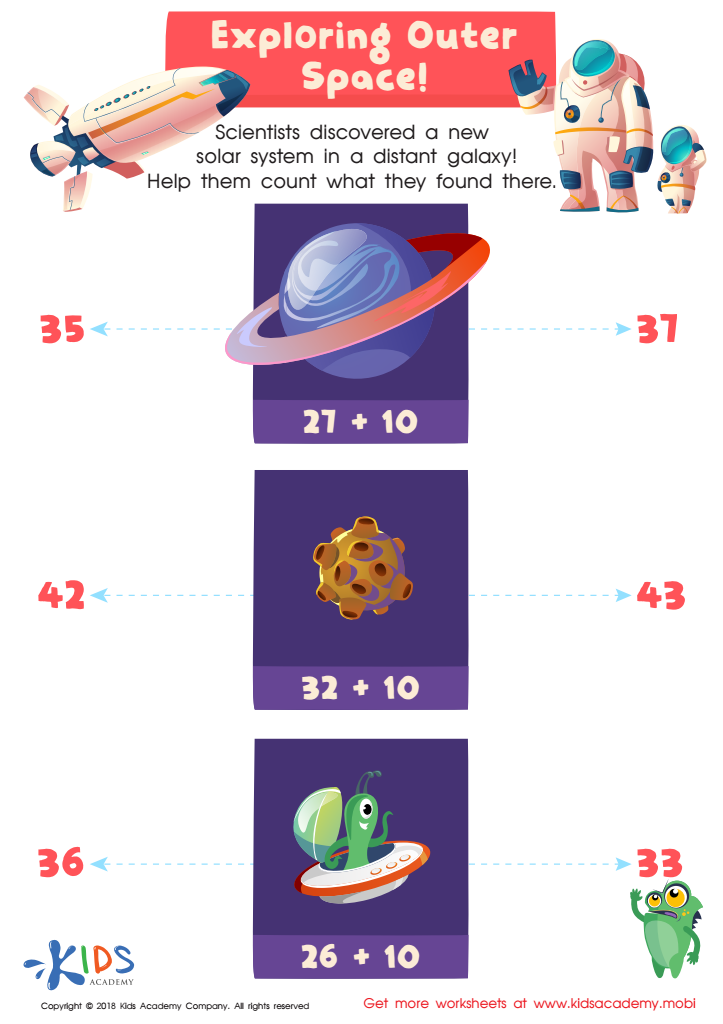
Exploring Outer Space Worksheet
 Assign to My Students
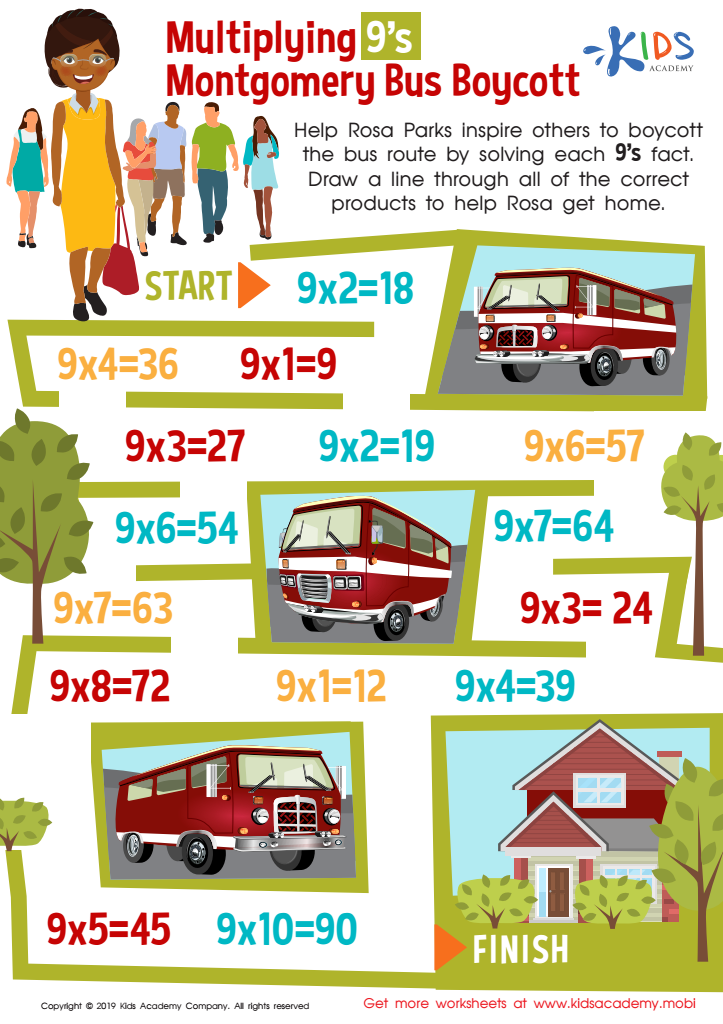
Multiplying 9’s Montgomery Bus Boycott Worksheet








"Normal" for ages 7-9 encompasses the typical developmental milestones, social dynamics, and emotional experiences that children in this age group encounter. Understanding what is considered "normal" during this time is crucial for both parents and teachers as it helps in nurturing healthy development.
During these formative years, children experience significant cognitive growth, becoming more capable of logical thinking and problem-solving. They also start to form deeper relationships with peers, emphasizing the need for effective social skills, empathy, and collaboration. Parents and teachers should care about these aspects, as awareness helps identify when a child is thriving or struggling.
Moreover, recognizing various developmental stages allows adults to tailor their approaches for education and support. For instance, it enables them to create an inclusive classroom environment where children feel valued and understood or to address any signs of emotional distress or behavioral issues early on.
By being attentive to developmental norms, adults can communicate more effectively with children, fostering better home-school partnerships. Supporting children in meeting their personal milestones can boost their confidence and lay a strong foundation for their future social, emotional, and academic success. A well-rounded focus on “normal” can significantly enhance overall child well-being.








