Normal Reading Non-Fiction Worksheets for Ages 7-9 - Page 3
59 filtered results
-
From - To
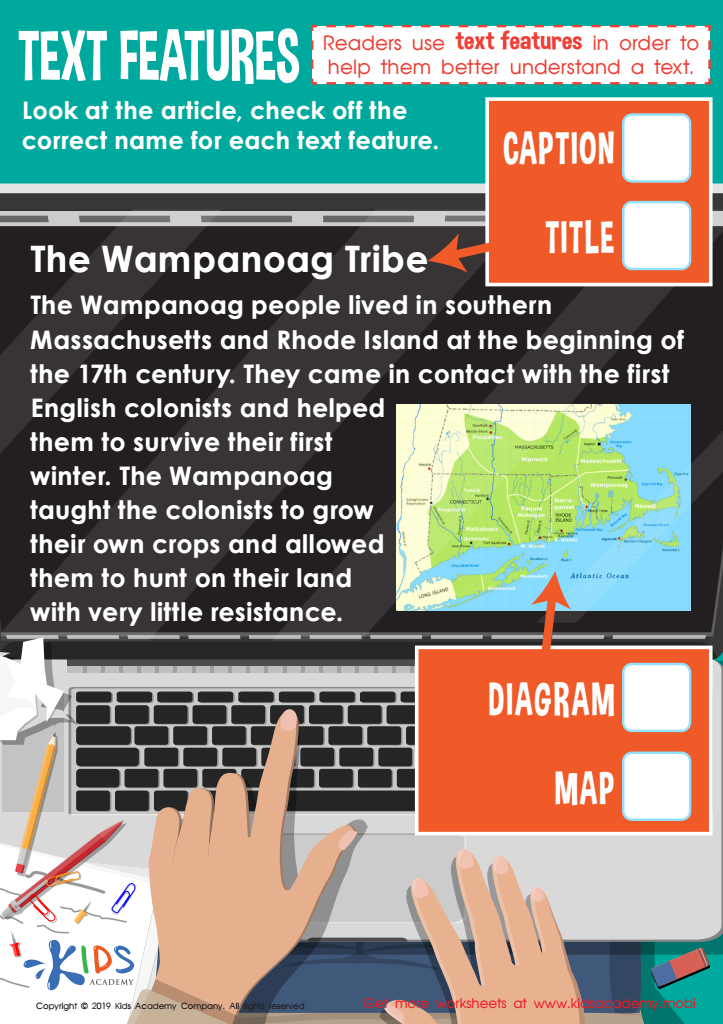
Text Features Worksheet
 Assign to My Students
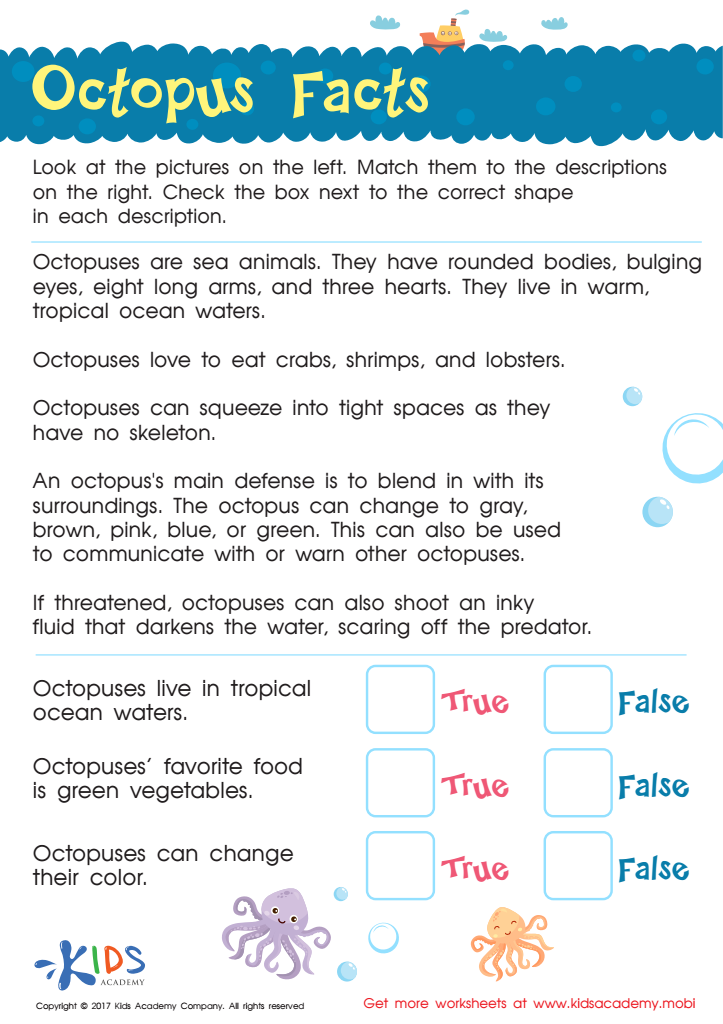
Octopus Facts Worksheet For Kids
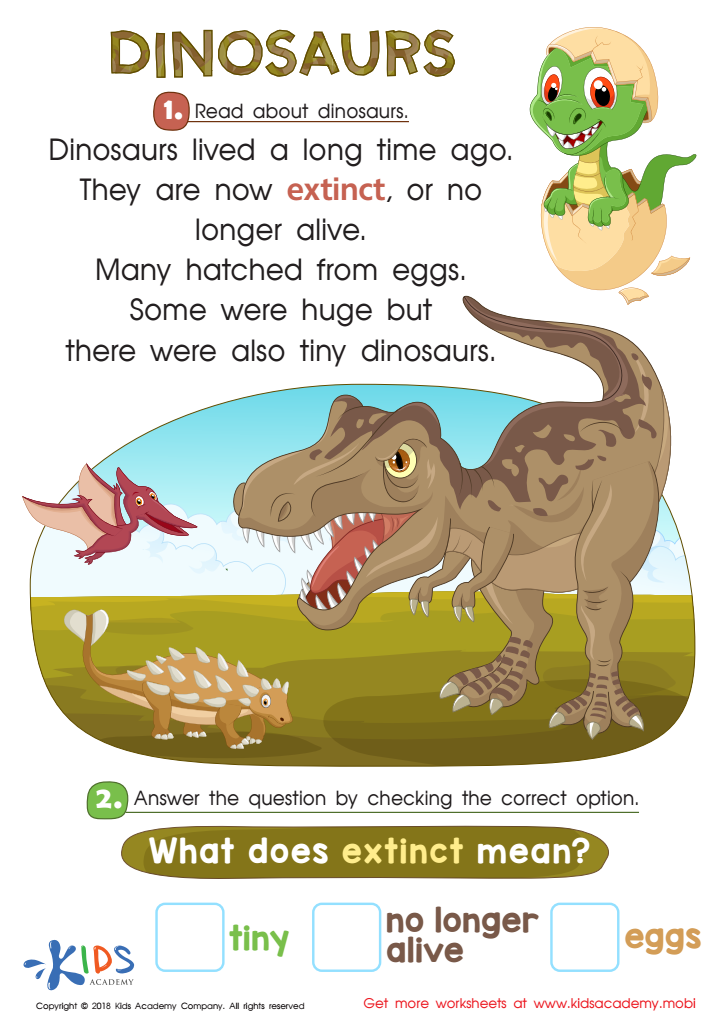
Dinosaurs Worksheet
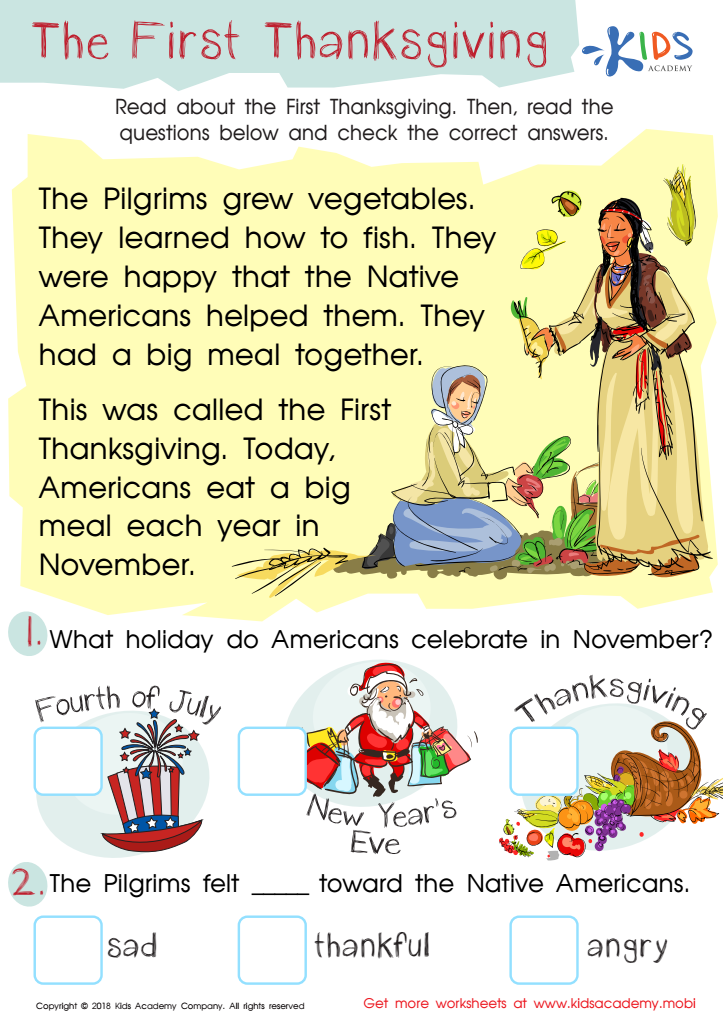
Assessment: First Thanksgiving Worksheet
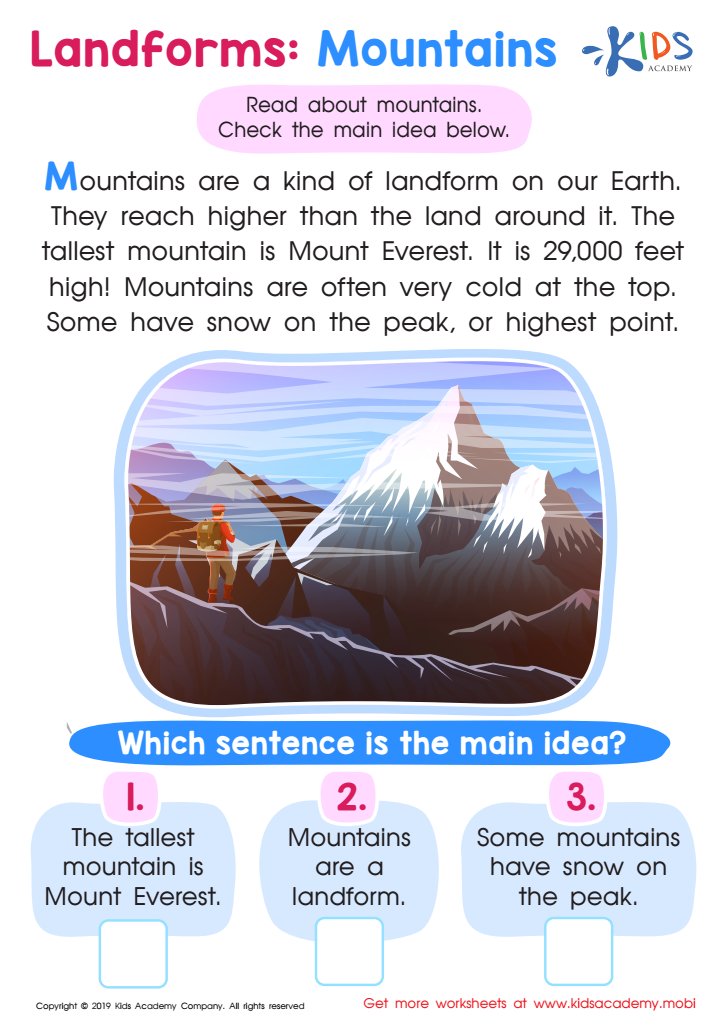
Landforms: Mountains Worksheet
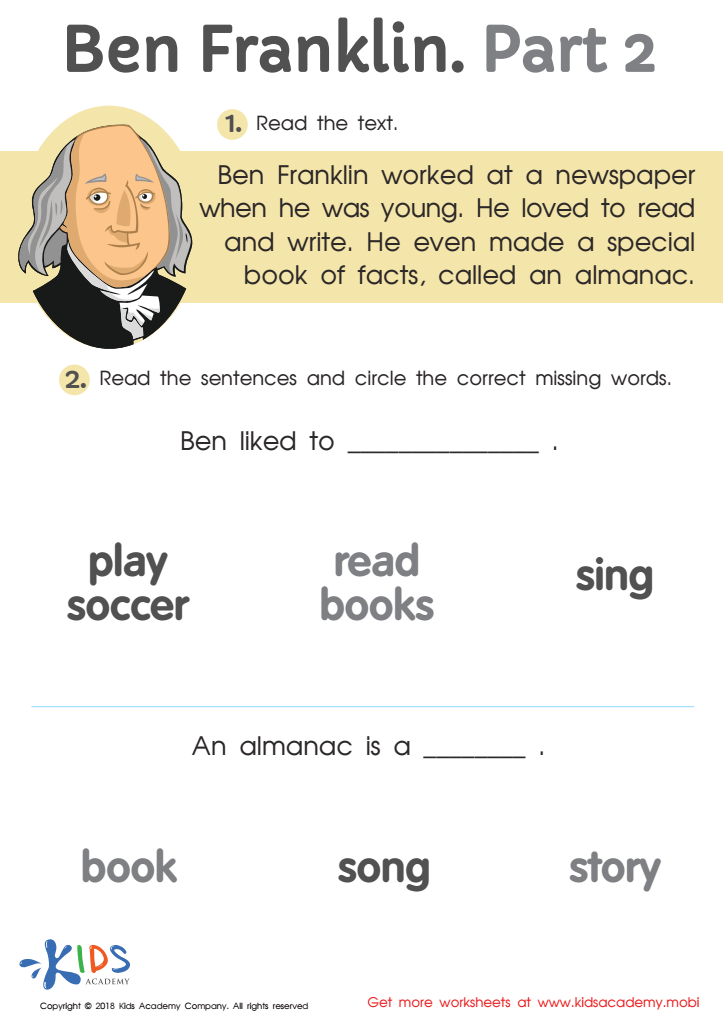
Ben Franklin Part 2 Worksheet
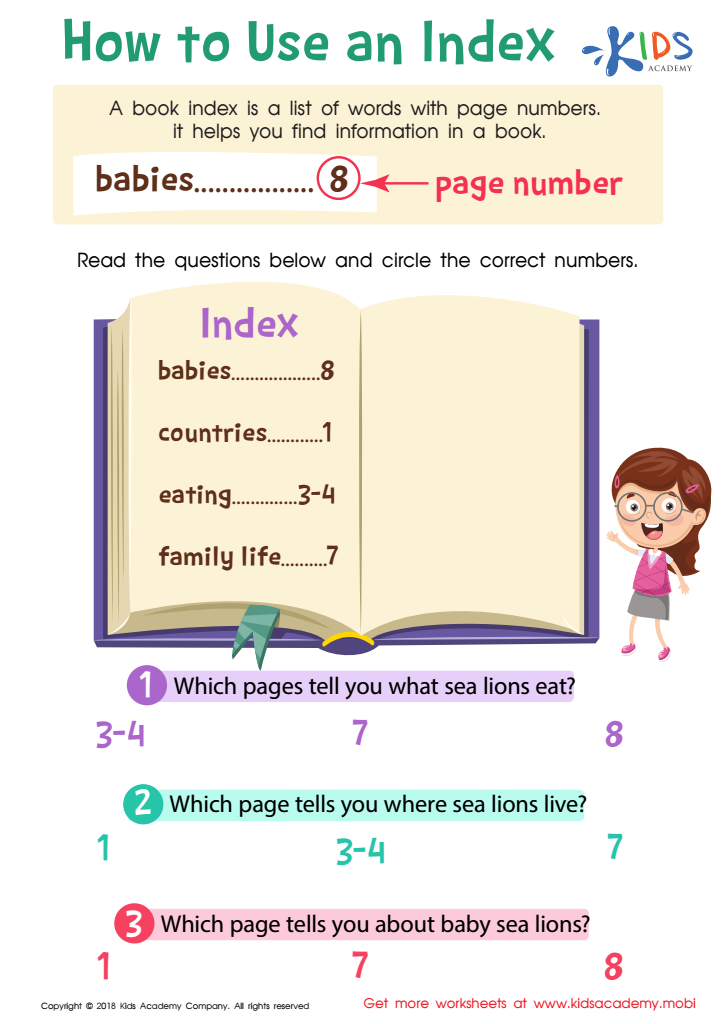
How Use Index Worksheet
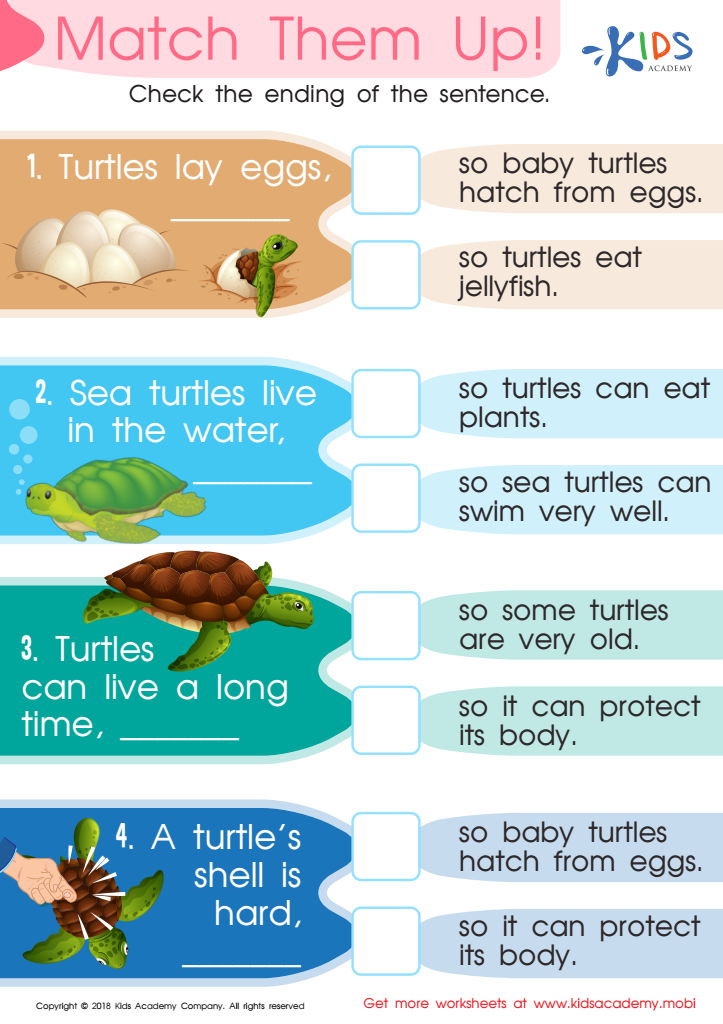
Match Them Up Worksheet
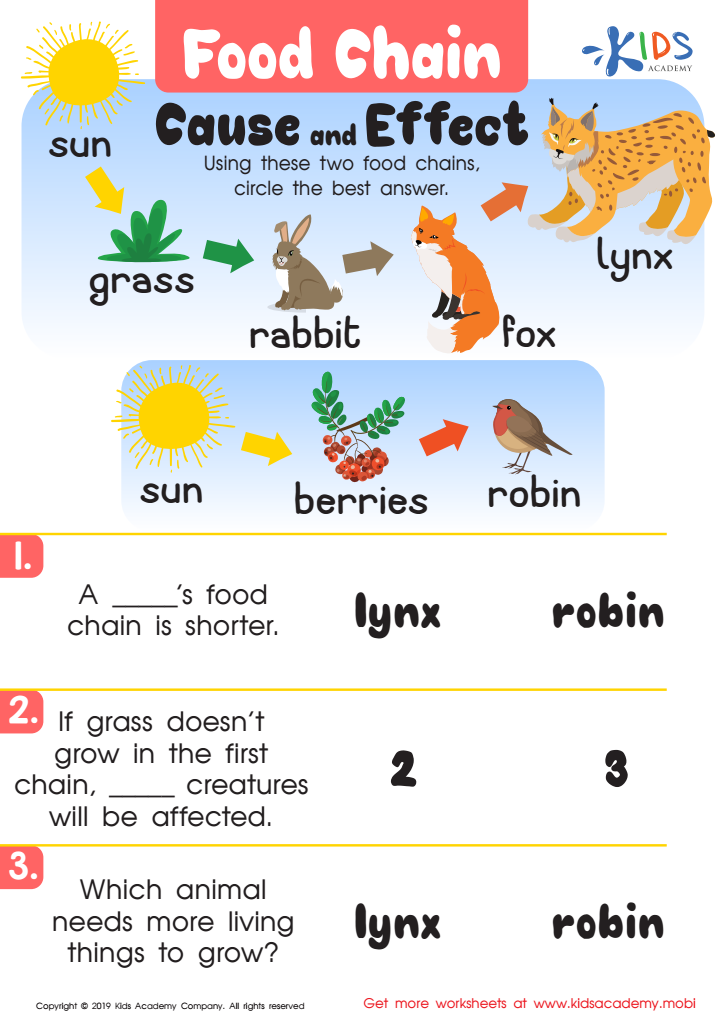
Food Chain Cause Worksheet
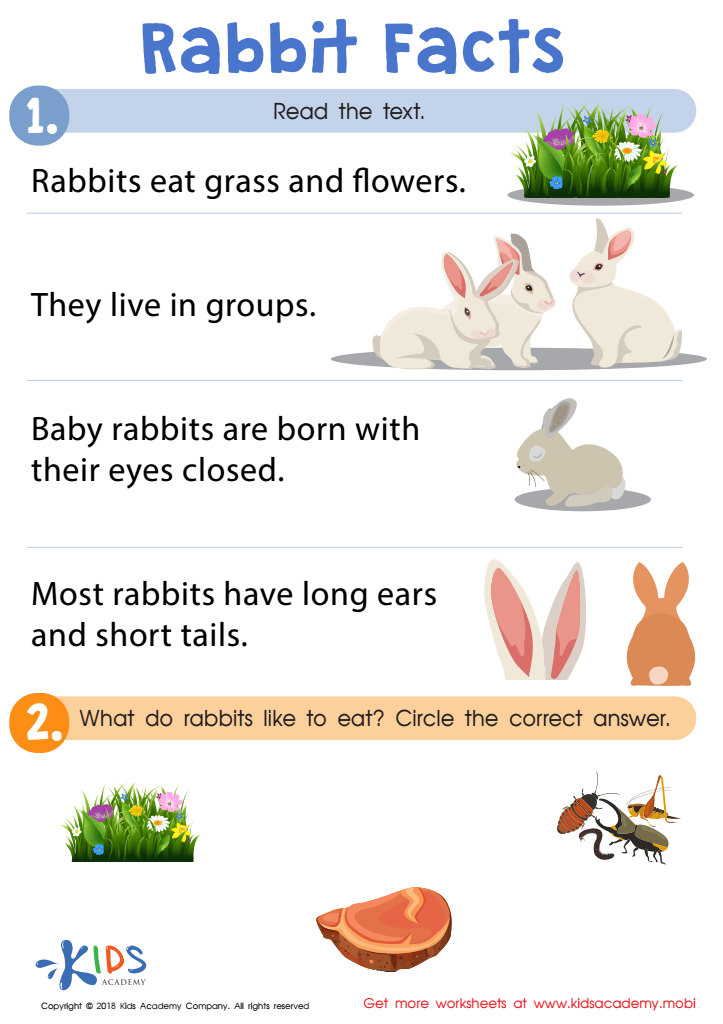
Rabbit Facts Worksheet
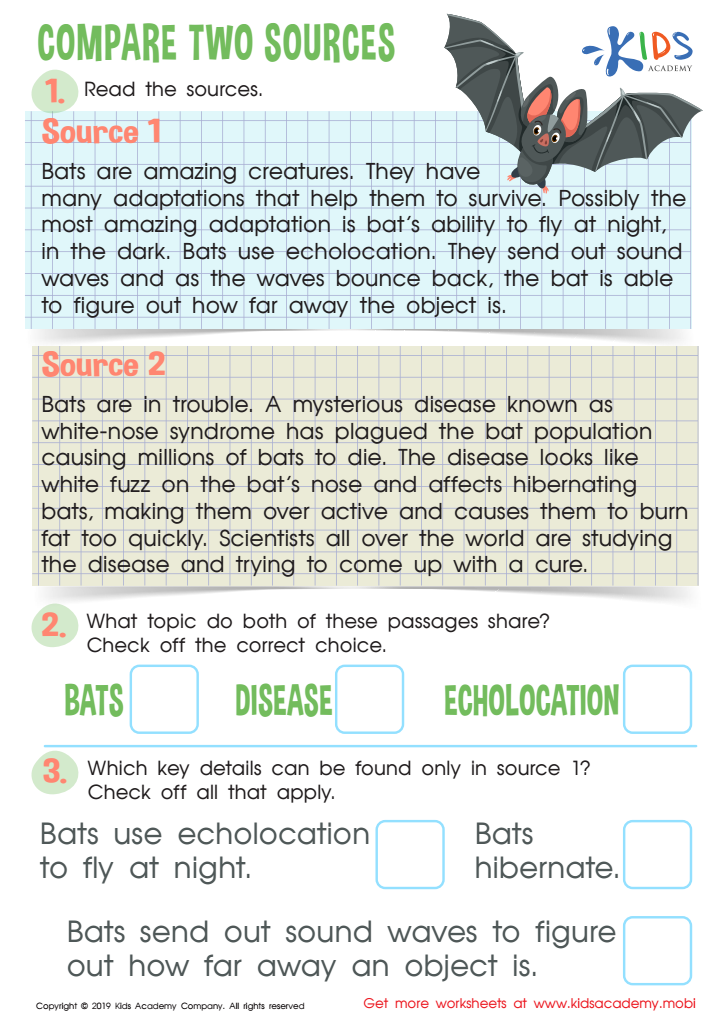
Compare Two Sources Worksheet







Parents and teachers should care about normal reading non-fiction for ages 7-9 because this critical developmental stage shapes future learning habits and cognitive abilities. At this age, children are transitioning from learning to read to reading to learn, making it essential for their comprehension and critical thinking skills. Non-fiction books provide factual information and introduce young readers to a wide range of topics, such as science, history, and nature, expanding their worldviews and fostering a natural curiosity about the world around them.
Introducing non-fiction texts helps diversify their reading experience, engaging them with real-world scenarios and vocabulary. This not only boosts their general knowledge but also supports the development of information-gathering and problem-solving skills. Additionally, non-fiction reading can inform young readers about their interests, potentially inspiring future hobbies or careers.
Exposure to non-fiction also encourages the development of specific literacy skills, like identifying main ideas, understanding cause and effect, and distinguishing fact from opinion. Engaging with different text structures, such as charts, graphs, and indexes, prepares children for more complex reading and research tasks they will encounter later in their academic journey.
Incorporating non-fiction reading into the daily routine of 7-9-year-olds is fundamental for balanced intellectual growth, ensuring that children are better equipped for diverse learning environments and challenges ahead.