Normal Space Worksheets for Ages 7-9 - Page 2
34 filtered results
-
From - To
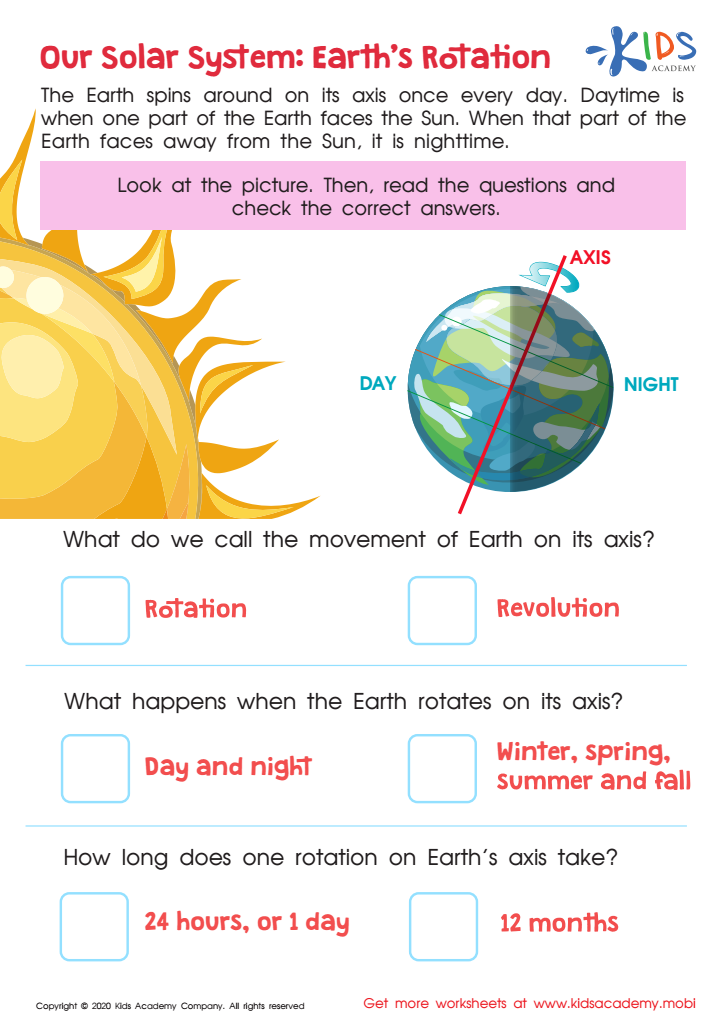
Our Solar System: Earth's Rotation Printable
 Assign to My Students
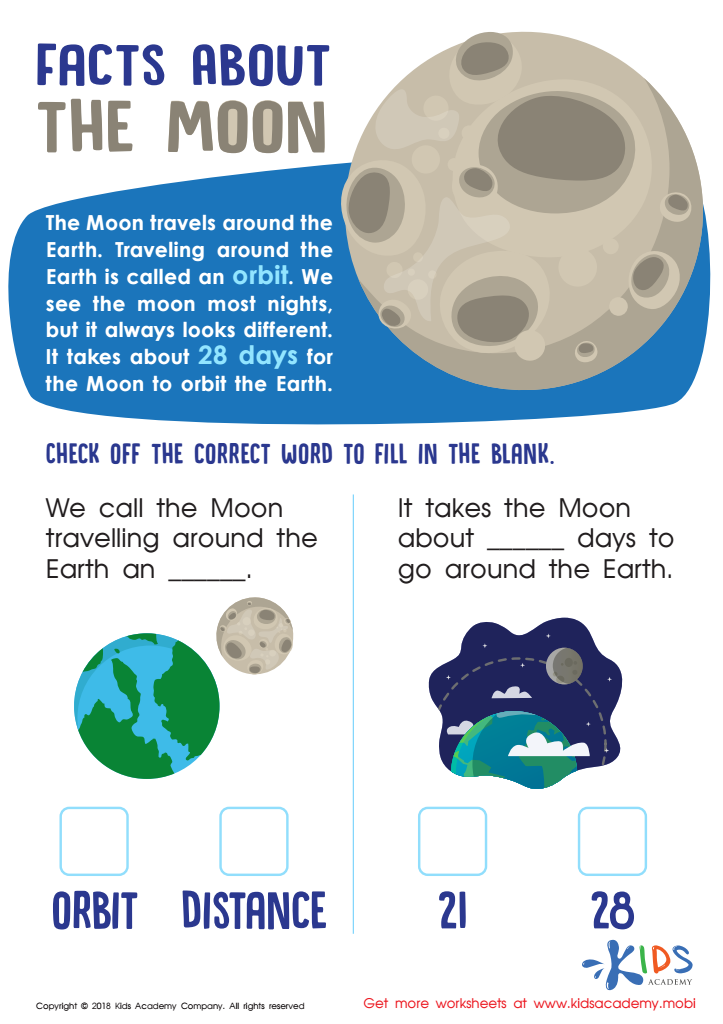
Facts About the Moon Worksheet
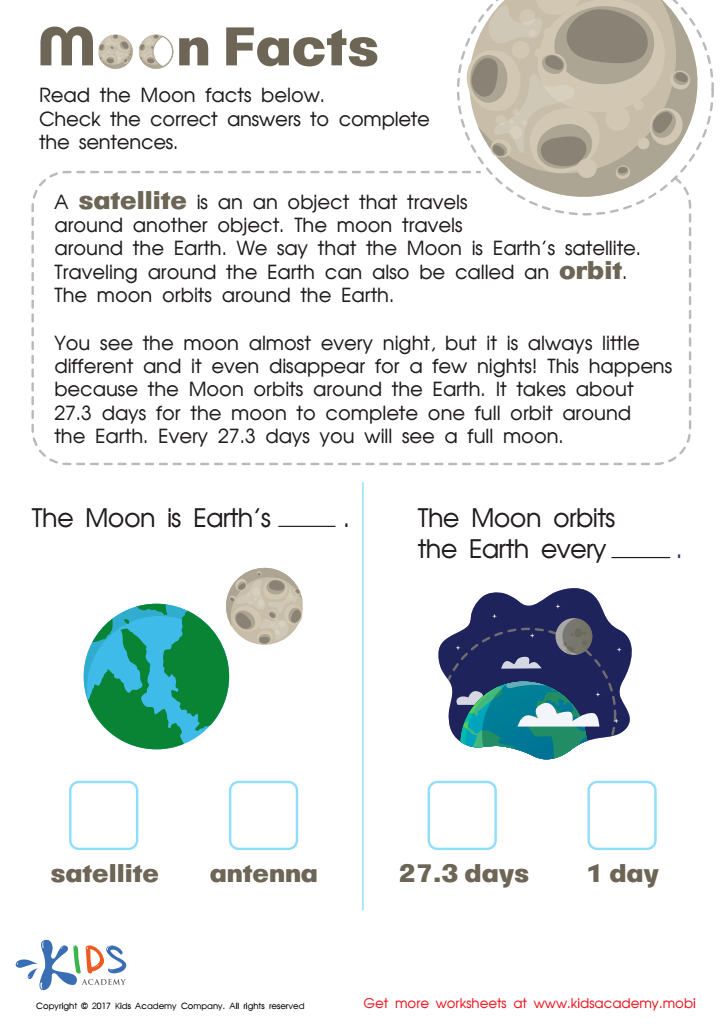
Moon Facts Worksheet
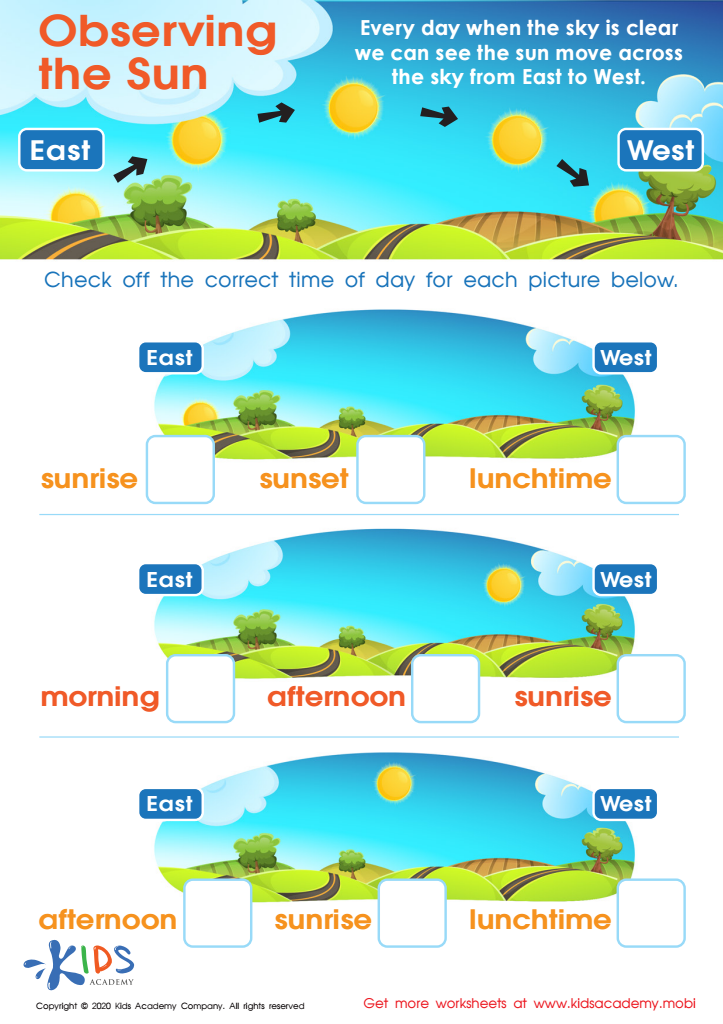
Observing the Sun Worksheet
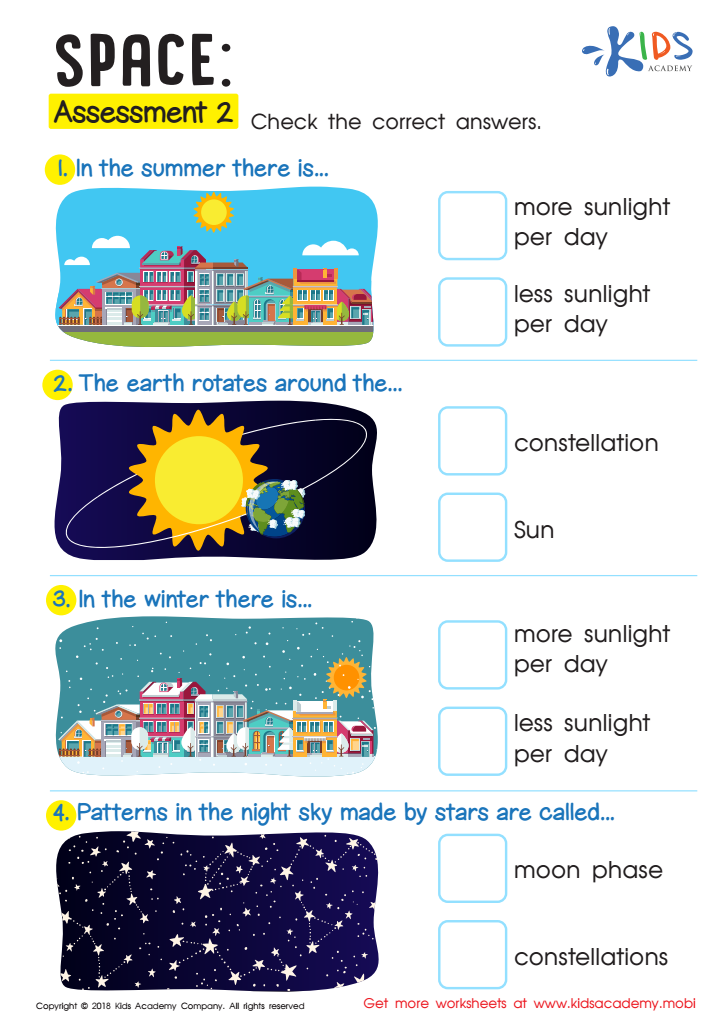
Space: Assessment 2 Worksheet
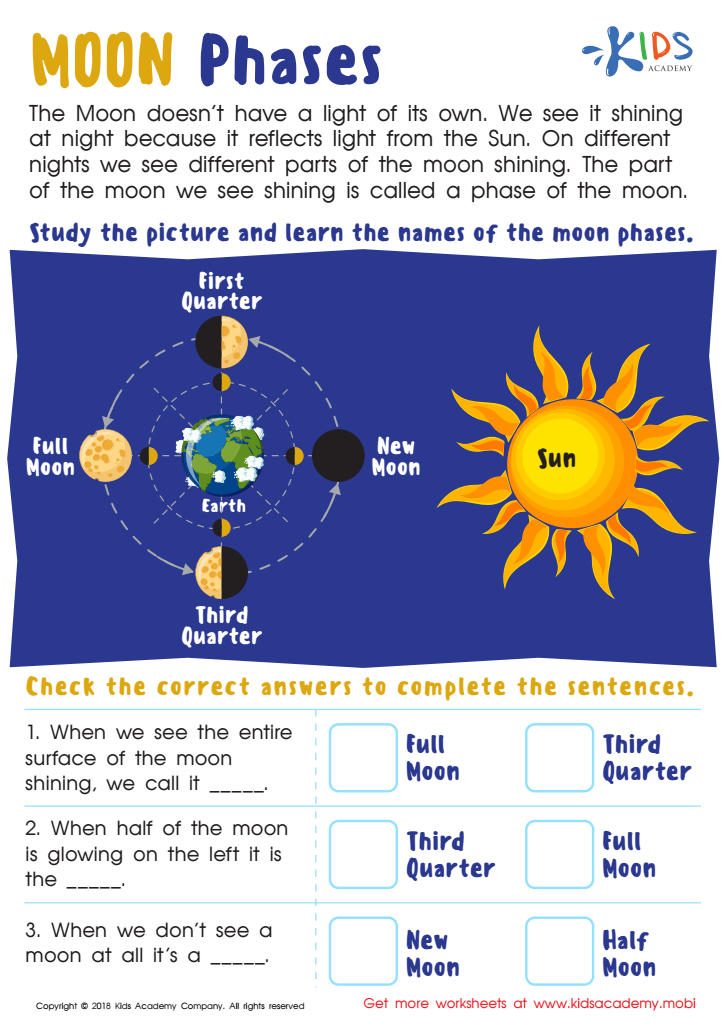
Moon Phases Worksheet
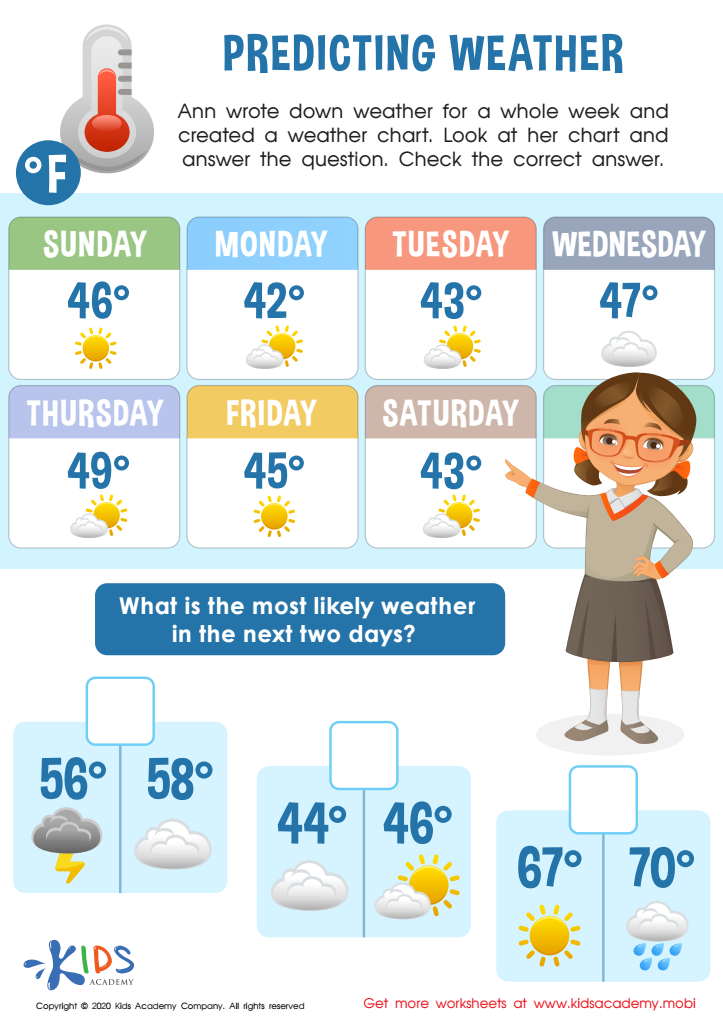
Predicting Weather Worksheet
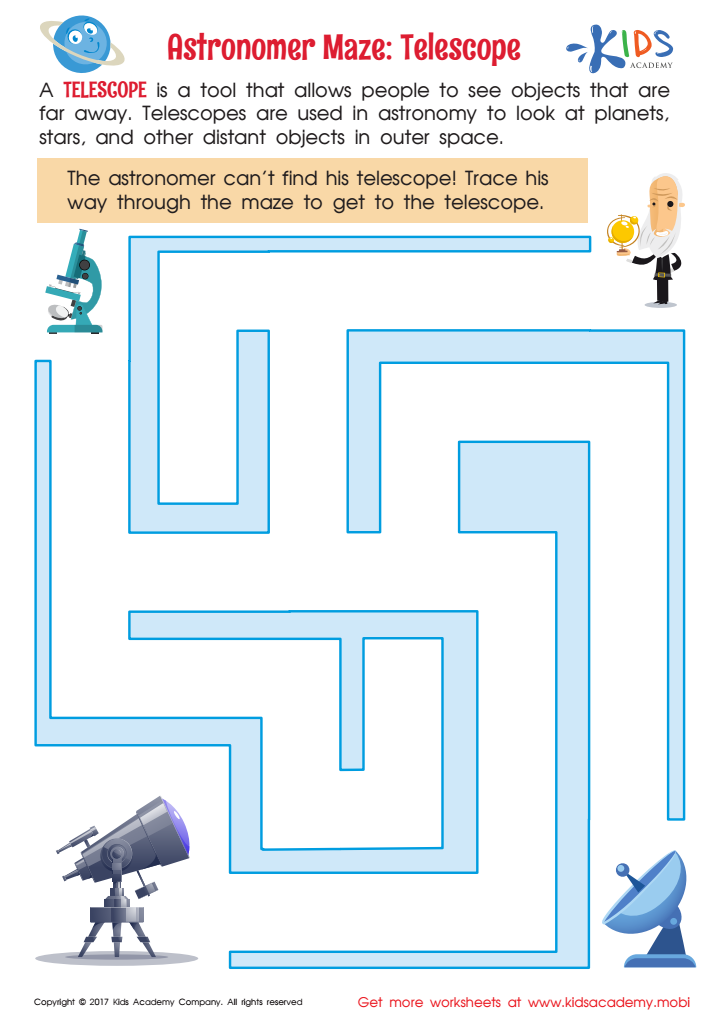
Astronomer Maze: Telescope Worksheet
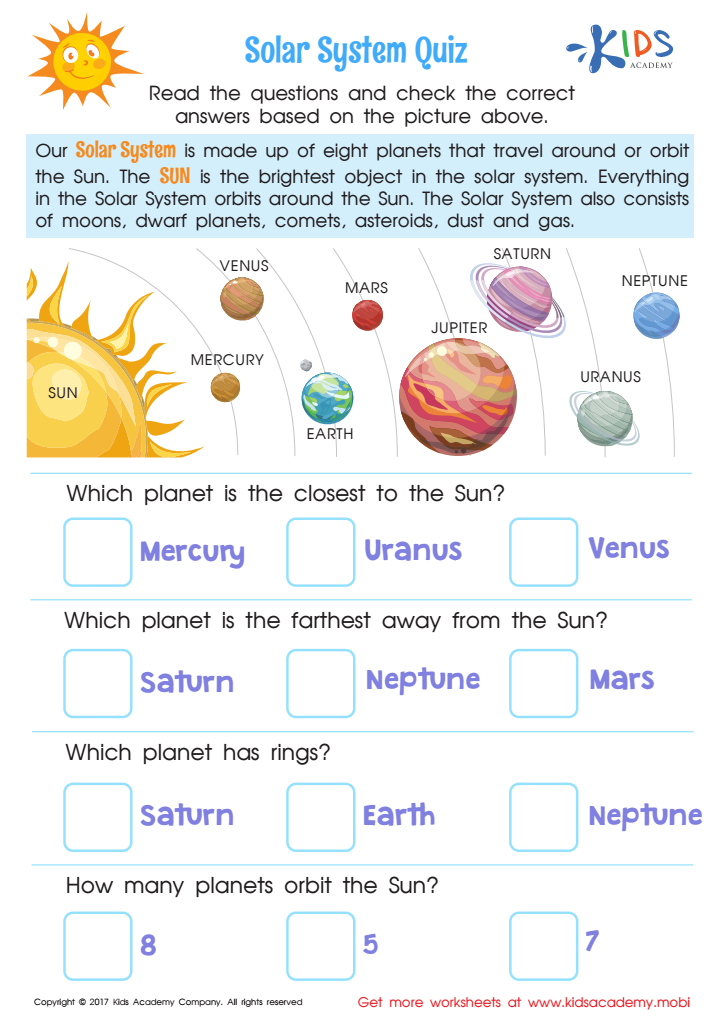
Solar System Quiz Printable
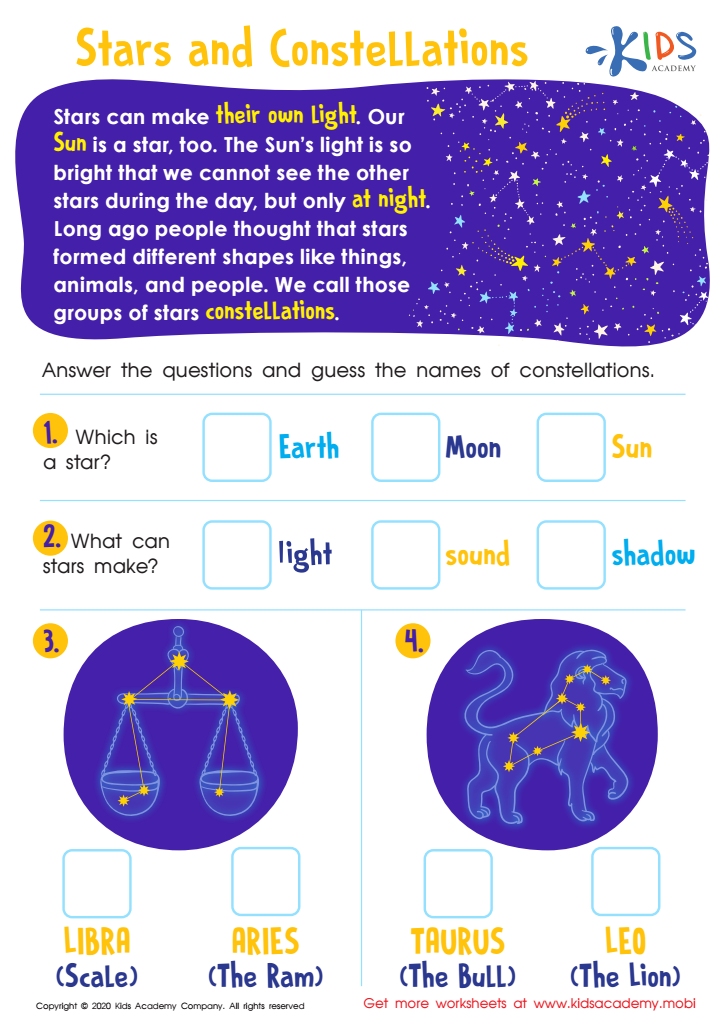
Stars and Constellations Worksheet








Normal Space is a valuable educational concept for children aged 7-9 as it supports their social, emotional, and cognitive development in a structured yet flexible environment. At this age, children are beginning to form their identities, understand social dynamics, and express themselves more openly. A Normal Space encourages they feel safe and included, fostering positive relationships with their peers and adults.
Teachers and parents should prioritize Normal Space because it allows children to explore their interests without the pressures of performance or judgment. This age is crucial for developing collaboration, empathy, and problem-solving skills—attributes essential for future success. Moreover, Normal Space nurtures creativity, as students engage in hands-on activities that stimulate their imagination and critical thinking.
Furthermore, Normal Space promotes resilience, teaching children how to cope with challenges and setbacks in a supportive atmosphere. Parents and teachers must recognize that fostering these skills early on can lead to greater academic achievement and emotional well-being in the long run. By understanding and implementing Normal Space principles, caregivers and educators can create a well-rounded environment that prepares children for the complexities of life and learning ahead, ultimately setting the foundation for their lifelong growth.







