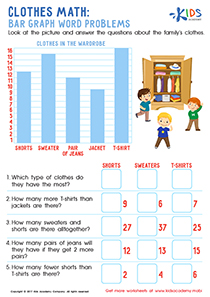
Normal Two-step Word Problems Worksheets for Ages 8-9
13 filtered results
Difficulty Level
Grade
Age
-
From - To
Subject
Activity
Standards
Introducing our Normal Two-step Word Problems worksheets, expertly crafted for children aged 8-9 years. These engaging school worksheets are designed to challenge young minds and enhance their problem-solving skills. Each sheet presents fun and educational scenarios requiring two sequential steps to find the solution, fostering critical thinking and reinforcing basic mathematical concepts. Ideal for both classroom and home use, our worksheets ensure a solid foundation in tackling multi-step problems with confidence and ease. Elevate your child’s math skills with our worksheets that make learning complex concepts straightforward and enjoyable!
Favorites
With answer key
Interactive
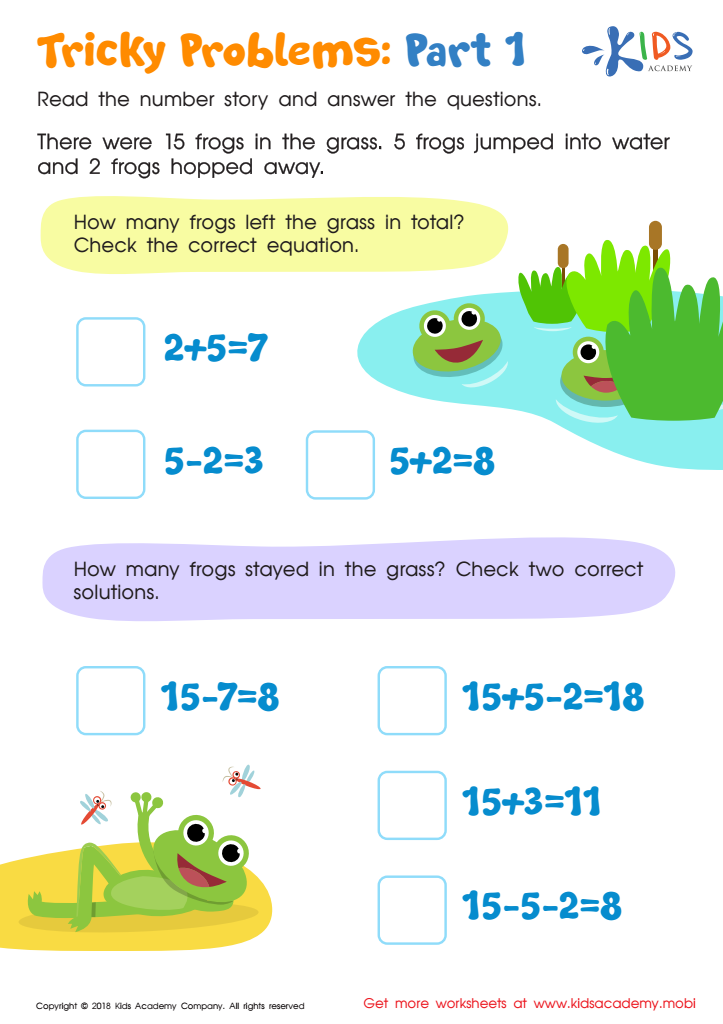
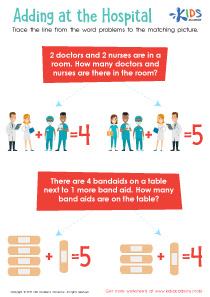
Tricky Problems Worksheet: Part 1
Visualizing word problems can help students solve them. This fun PDF worksheet encourages students to create mental images using math facts, then check boxes to match the equations for basic addition problems. It's a great way to build confidence in solving math.
 Assign to My Students
Tricky Problems Worksheet: Part 1
Worksheet
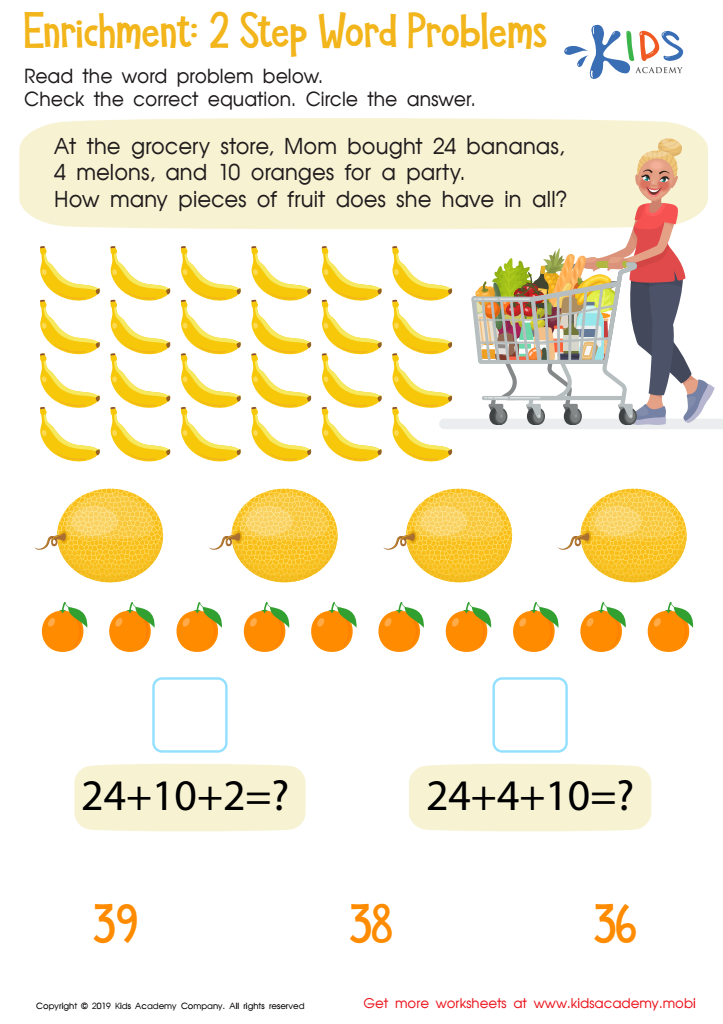
Enrichment -2 Step Word Problems Worksheet
Help your students learn math easier and faster with this colorful worksheet. Read the word problem and then guide them in checking the correct equation and finding the answer. Your students will benefit from the extra help, as they work through new concepts each day.
Enrichment -2 Step Word Problems Worksheet
Worksheet
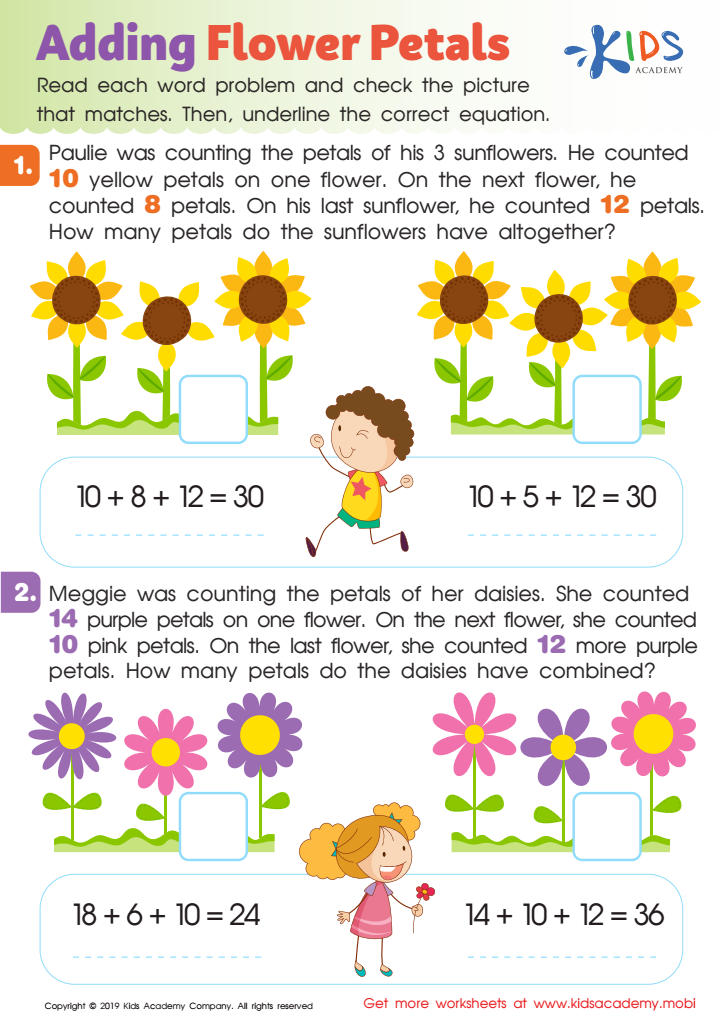
Adding Flower Petals Worksheet
This free worksheet helps little mathematicians learn to understand word problems. They'll read each one and match it to the corresponding picture. Important info is highlighted, teaching kids to look for key info when solving problems. Then they'll underline the correct number equation that matches the picture. A great way to practice problem-solving skills!
Adding Flower Petals Worksheet
Worksheet
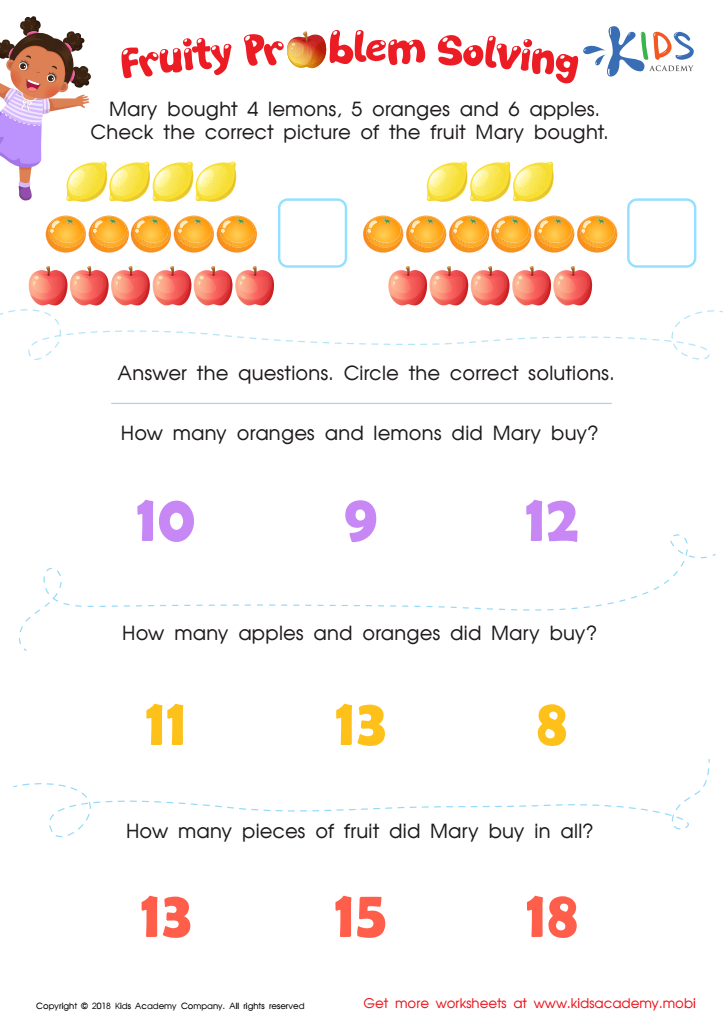
Fruity Problem Solving Worksheet
Practice addition word problems with young mathematicians using this PDF worksheet featuring fruit. As they read each problem carefully and circle the correct sums, they'll reinforce attention to detail and fine motor skills. Tangible representations are key to helping them with basic addition.
Fruity Problem Solving Worksheet
Worksheet
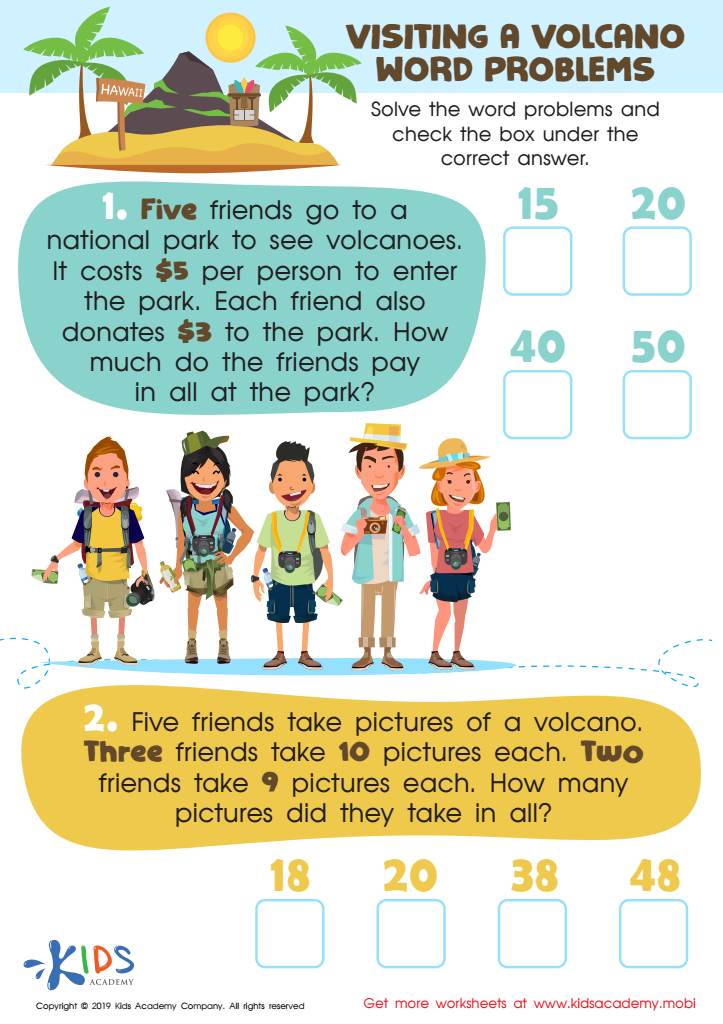
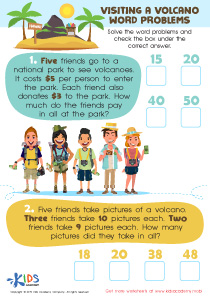
Visiting a Volcano Word Problems Worksheet
Read the word problems to your kids, note down the numbers and help them solve. Check the box under the correct answer. Word problems are sentences posed as math problems; just like regular number problems, first you must understand and interpret the sentence.
Visiting a Volcano Word Problems Worksheet
Worksheet
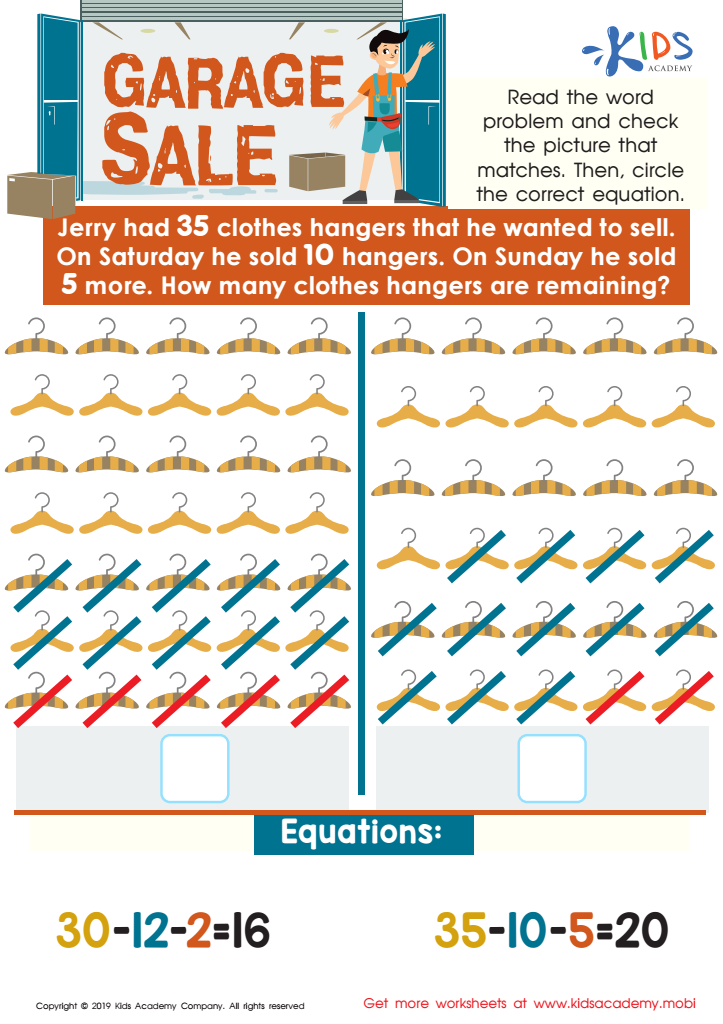
Garage Sale Worksheet
Help Jerry at his garage sale! With this worksheet, your child can practice subtraction word problems with multiple subtrahends. They'll read the problem, identify important info, circle the equation and solve it. Let your little math star have fun while helping Jerry out!
Garage Sale Worksheet
Worksheet
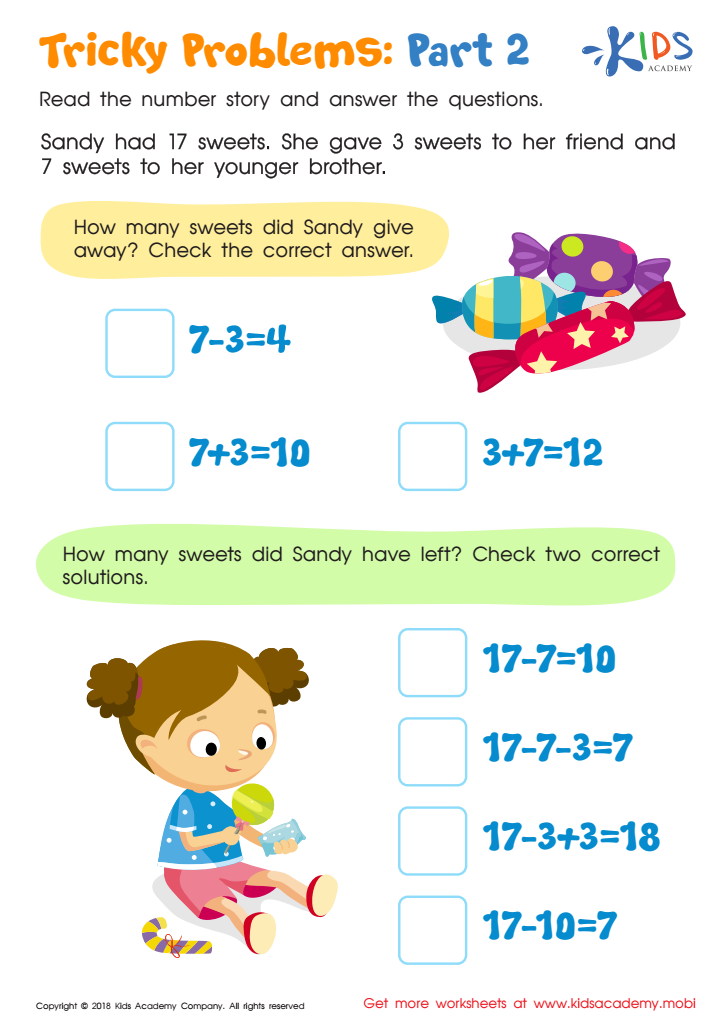
Tricky Problems Worksheet: Part 2
Help your little math learner visualize number stories with this engaging worksheet. They'll connect pictures to the story and use math facts to find the sums. After that, they'll be able to identify the correct number sentences to match. Let them practice and get better at problem solving!
Tricky Problems Worksheet: Part 2
Worksheet
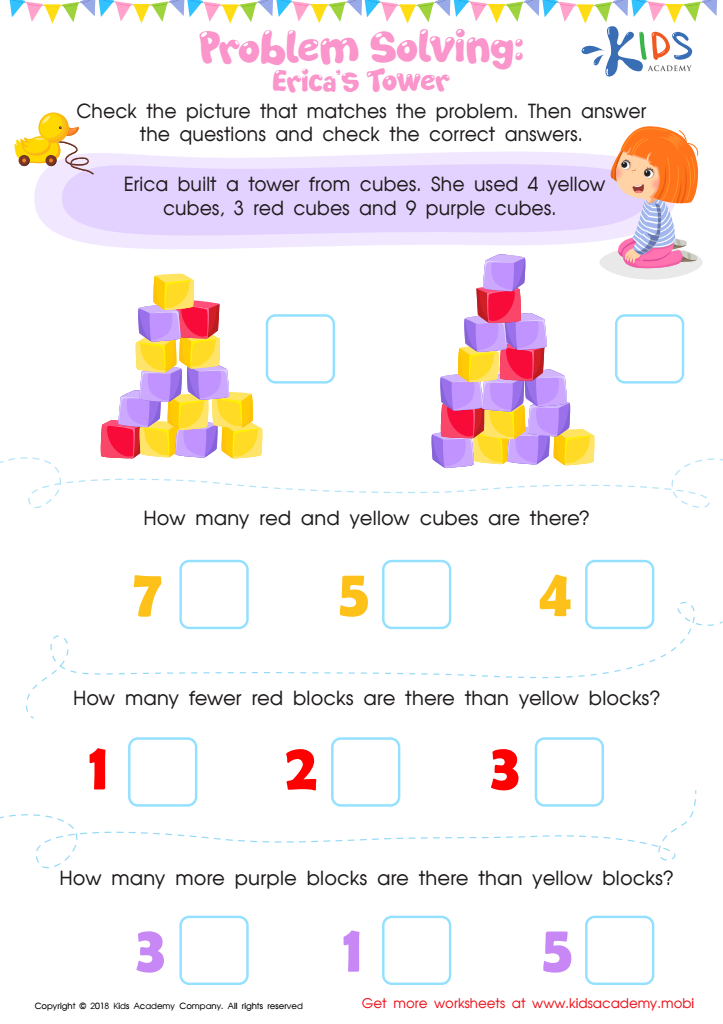
Problem Solving: Erica's Tower Worksheet
Sweet Erica needs your math student's help! Download the PDF worksheet and have your little math whiz read the word problems, match the pictures and solve basic addition/subtraction problems with two/three addends, minuends and subtrahends. They'll be having fun while strengthening their math fact skills!
Problem Solving: Erica's Tower Worksheet
Worksheet
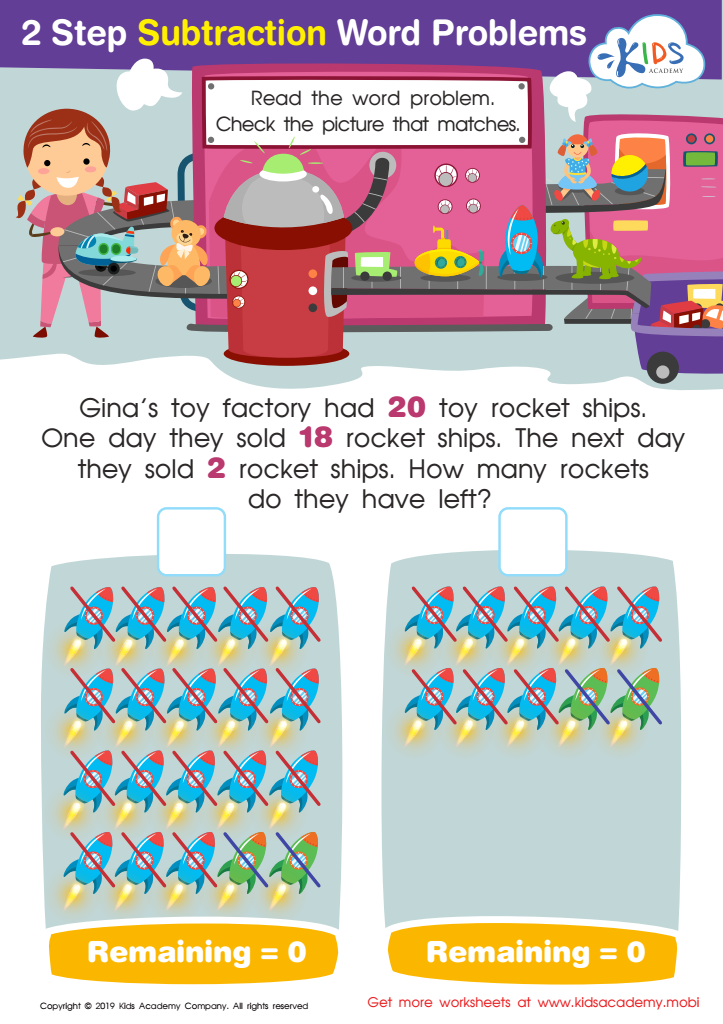
Step Subtraction Word Problems Worksheet
With this worksheet, kids can solve a multi-step subtraction problem with one-to-one number representation, helping Gina figure out her rocket count. Visualizing word problems is key, and this PDF will give your child a concrete image to work with. They'll be successful problem solvers in no time!
Step Subtraction Word Problems Worksheet
Worksheet
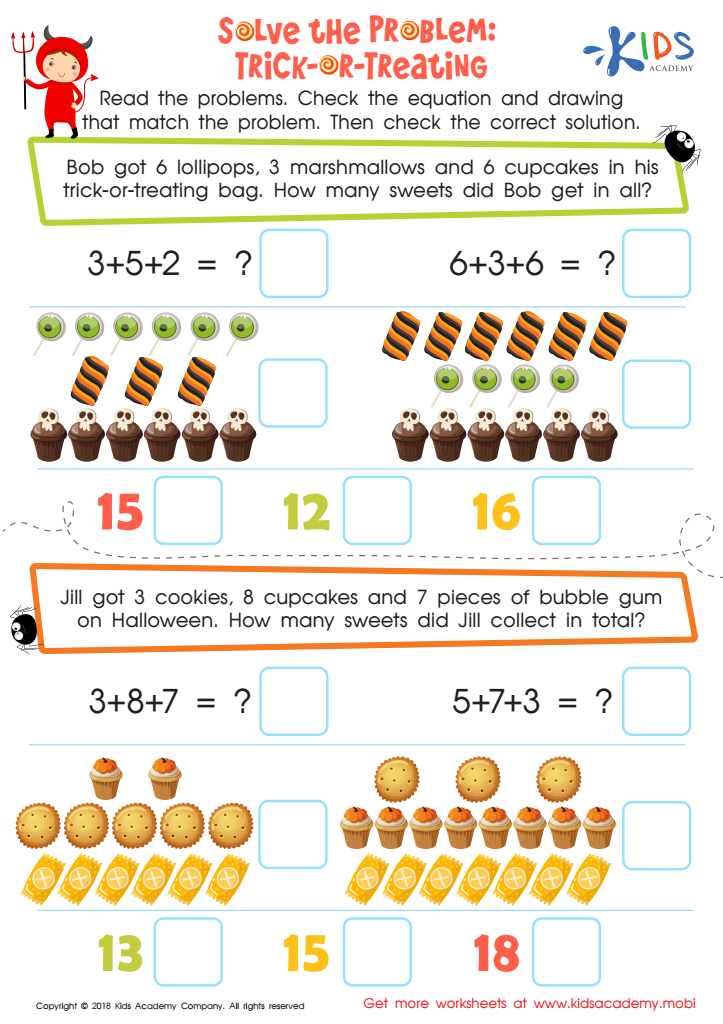
Solve the Problem: Trick–or–treating Worksheet
Kids will love this fun PDF worksheet for trick-or-treating! It's packed with yummy images and math practice. They can read the word problems, count and add numbers, check their answers, and match the addition equations with the pictures. Math made delicious!
Solve the Problem: Trick–or–treating Worksheet
Worksheet
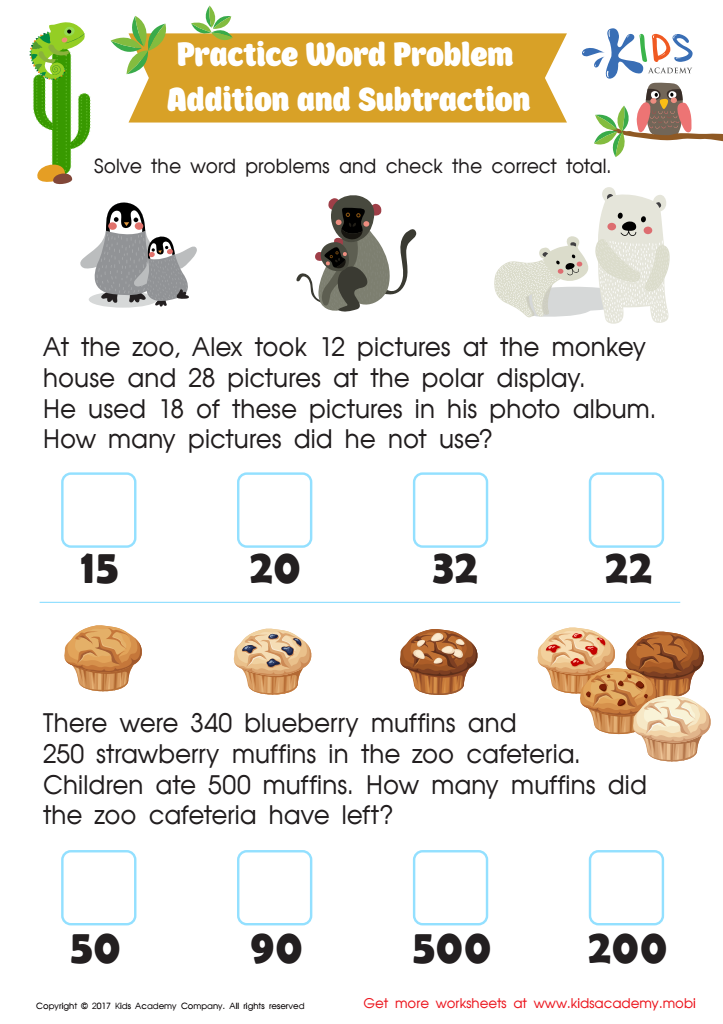
Addition and Subtraction: Word Problems Worksheet
Word problems can be difficult, but they offer another way to understand math. Our 3rd grade worksheet takes your child to the zoo; two intriguing word problems will test their thinking skills and help them find the total.
Addition and Subtraction: Word Problems Worksheet
Worksheet
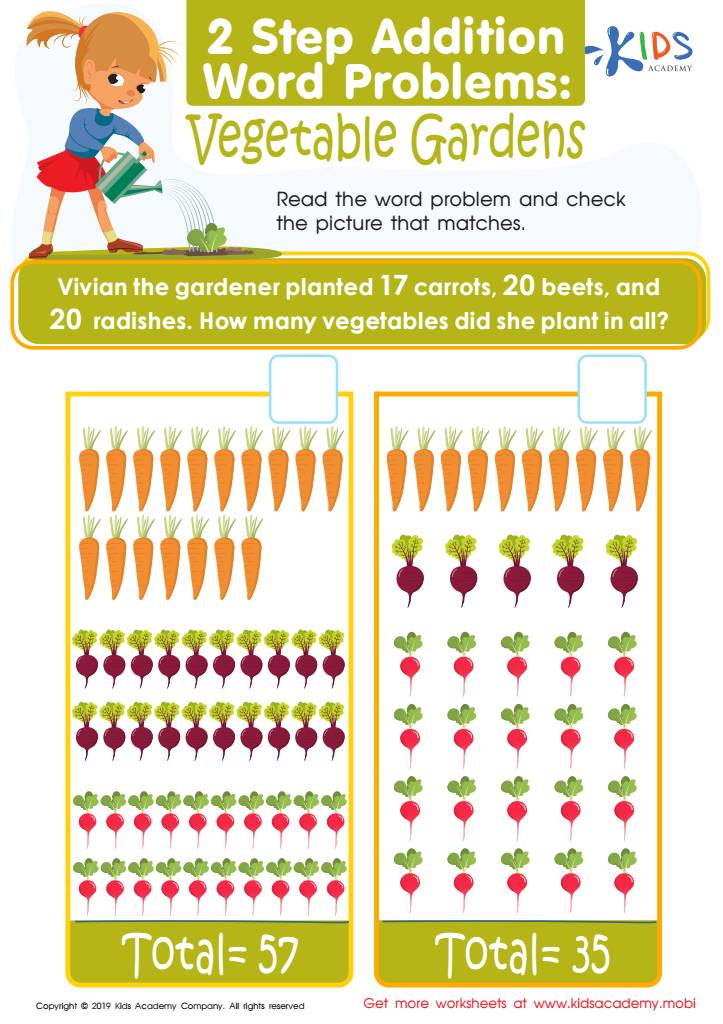
Vegetable Gardens Worksheet
Kids will have fun helping their buddy Vivian solve the addition word problems. Using one-to-one representation, they'll count the beets, carrots and radishes, then figure out the multi-step word problems. After, they'll check the picture that matches the answer, boosting their understanding of adding multiple numbers for one answer.
Vegetable Gardens Worksheet
Worksheet
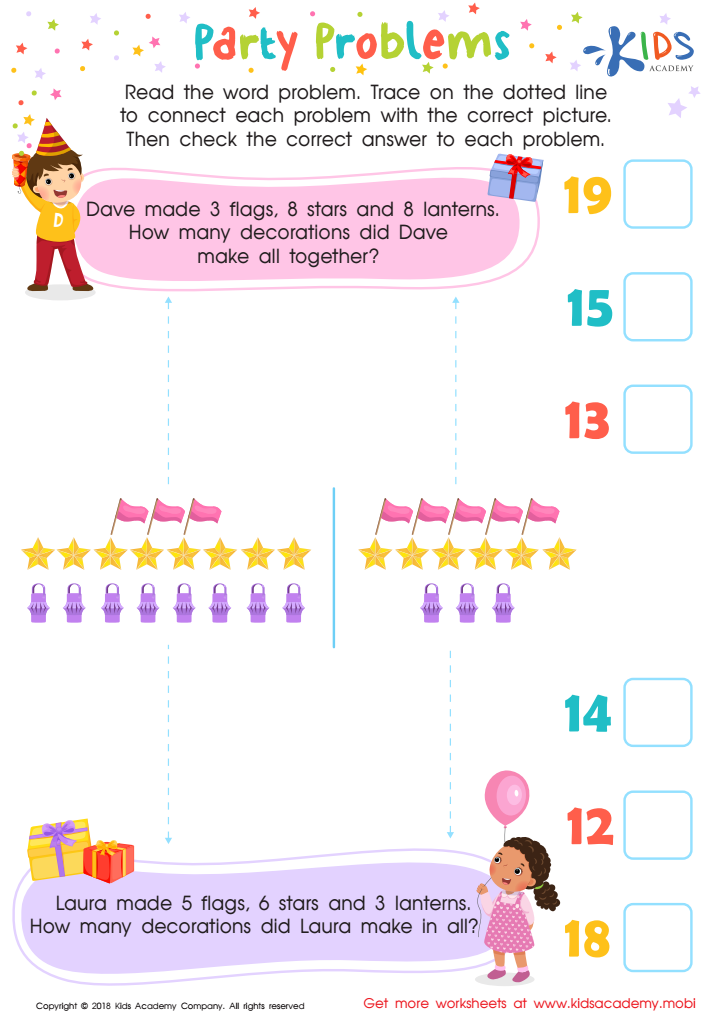
Party Problems Worksheet
Problems at parties? No problem! With this engaging PDF worksheet, your student can connect word problems to pictures, check correct answers, and find the sum of 3 addend problems. They'll be a party-saving hero in no time!
Party Problems Worksheet
Worksheet
Join Kids Academy for Free
Who is primarily going to use this learning content?



The Importance of Normal Worksheets on Two-step Word Problems for Children Aged 8-9 Years
In the journey of educating young minds, the role of carefully structured learning materials cannot be overstated. Among these educational tools, normal worksheets, particularly on two-step word problems, play a crucial role in nurturing critical thinking and problem-solving skills in children aged 8-9 years. These resources, often available as school printables, provide a structured path for children to explore and understand mathematical concepts in a practical and engaging way.
1. Enhancing Problem-Solving Skills
Two-step word problems require students to perform two sequential operations to arrive at a solution. This dual-action process is crucial as it mirrors real-life situations where problems are rarely solved in a single step. By engaging with two-step word problems through school printables, children learn to think critically and strategically. They are not just solving for numbers; they are learning to understand, plan, and execute, which are essential skills in both academic and real-world contexts.
2. Developing Mathematical Fluency
Mathematical fluency goes beyond simple calculation; it involves understanding why and how numbers work in various situations. Normal worksheets on two-step word problems help children develop this fluency. They become adept at recognizing patterns, understanding relationships between numbers, and applying basic operations in various contexts. This fluency is foundational for higher mathematical learning and helps children feel more comfortable and confident with math.
3. Bridging Concrete and Abstract Thinking
At the ages of 8-9, children are transitioning from concrete operational thinking to more abstract thought processes. Two-step word problems on worksheets serve as an excellent bridge in this cognitive development. They challenge students to move beyond direct hands-on approaches and start considering abstract concepts like hypothetical scenarios and future outcomes. This shift is critical in their overall cognitive development.
4. Encouraging Independent Learning
School printables containing two-step word problems are typically structured in a way that students can approach them independently. This autonomy builds self-confidence and self-reliance in young learners. They learn to trust their reasoning abilities and understand that they can tackle complex challenges on their own. This independence is vital for lifelong learning and self-sufficiency.
5. Supporting Curriculum Standards
Educational standards, whether local or national, often emphasize the importance of mathematical reasoning and problem-solving. Normal worksheets on two-step word problems align with these standards by providing practice that reinforces classroom learning. They ensure that children are not only meeting but mastering the necessary competencies outlined in their educational curriculum. This alignment helps in preparing students for higher-level mathematics and assessments that are critical for their academic success.
6. Providing Feedback and Assessment Opportunities
Normal worksheets on two-step word problems also serve as a tool for teachers and parents to assess a child’s progress and understanding of mathematical concepts. The structured nature of these school printables allows for clear, measurable outcomes. Educators and guardians can easily identify areas where a child excels or needs further support, enabling targeted interventions that are crucial for educational advancement.
7. Enhancing Engagement Through Varied Contexts
Children aged 8-9 are at a stage where they are increasingly able to appreciate and understand a variety of contexts and scenarios. Two-step word problems on worksheets often incorporate real-life situations, making the math exercises more relevant and interesting. This relevance boosts engagement, as students see the practical application of what they are learning. Whether it’s calculating the total cost of items on a shopping trip or figuring out the time needed for a journey, these problems make math relatable and fun.
8. Fostering Collaborative Learning
While designed for individual practice, two-step word problems can also promote collaborative learning. Children can work in pairs or small groups to solve problems, discussing strategies and sharing ideas. This collaboration fosters social skills and communication, reinforcing the idea that learning is not just an individual endeavor but a communal activity. It also allows children to see different approaches to problem-solving, enriching their understanding and flexibility in thinking.
9. Building Perseverance
Finally, two-step word problems teach children perseverance. These problems require a bit more effort and thought than simple one-step problems, challenging students to persist even when solutions are not immediately apparent. Learning to persevere through challenging tasks is a life skill that extends far beyond the math classroom, preparing children for the various challenges they will encounter in life.
In conclusion, normal worksheets on two-step word problems are more than just school printables; they are a multi-faceted educational tool designed to equip children with the skills necessary for both academic success and everyday decision-making. By integrating these worksheets into their learning routine, children aged 8-9 are given the opportunity to grow into confident, capable, and thoughtful individuals ready to tackle the complexities of the world with competence and courage.