PK.OA.2 Patterns worksheets With Answers for Preschool
6 filtered results
-
From - To
Discover engaging PK.OA.2 Patterns worksheets tailored for preschoolers! Our thoughtfully designed worksheets help young learners grasp the concept of patterns, a crucial foundational skill in mathematics. Each worksheet includes fun, age-appropriate activities that encourage children to identify, create, and extend patterns using colorful shapes, numbers, and objects. To support educators and parents, we provide easy-to-follow answer keys, ensuring a smooth learning experience. Enhance your child's understanding of operations and algebraic thinking while nurturing their creativity at the same time. Visit our site to download your free PK.OA.2 Patterns worksheets and foster a love for math in your preschooler today!
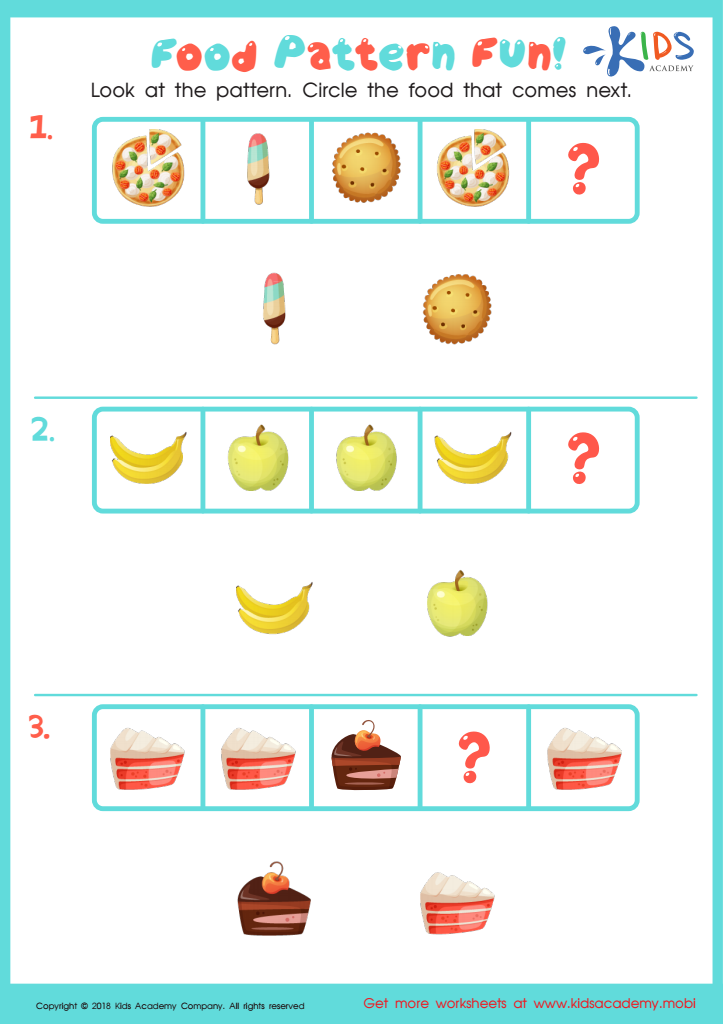
Food Pattern Fun Worksheet
 Assign to My Students
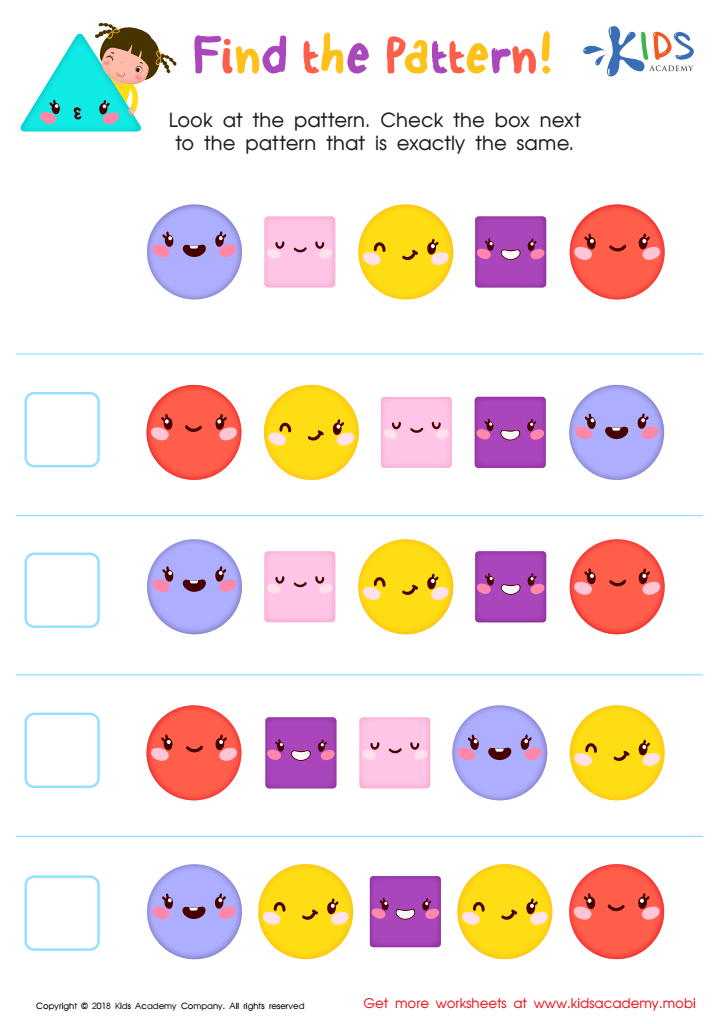
Find the Pattern Worksheet
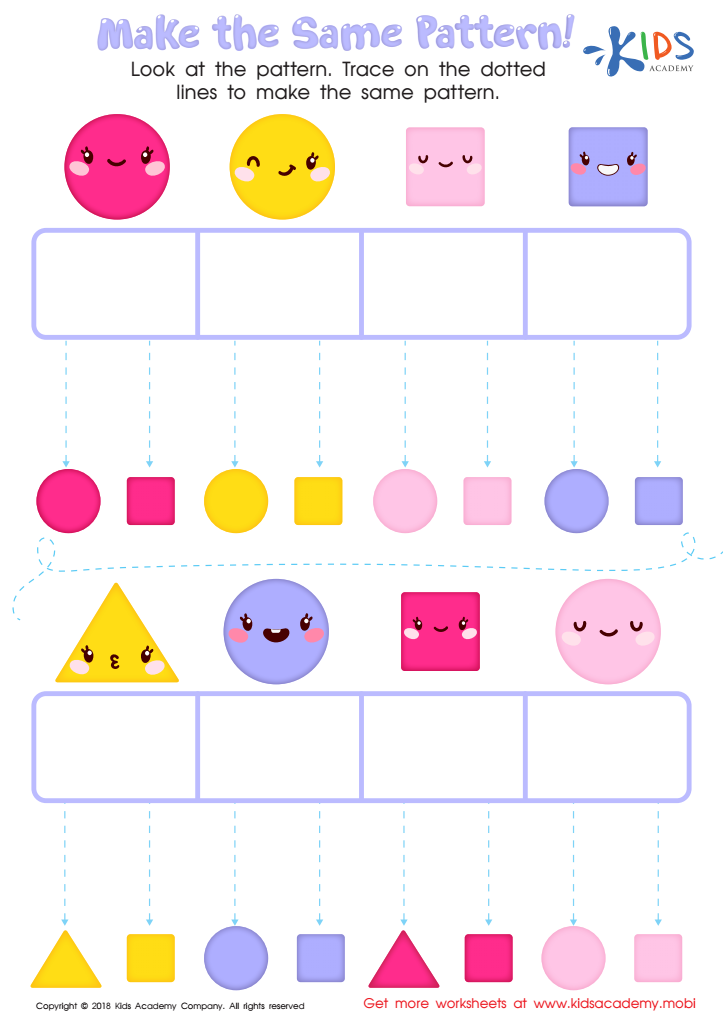
Make the Same Pattern Worksheet
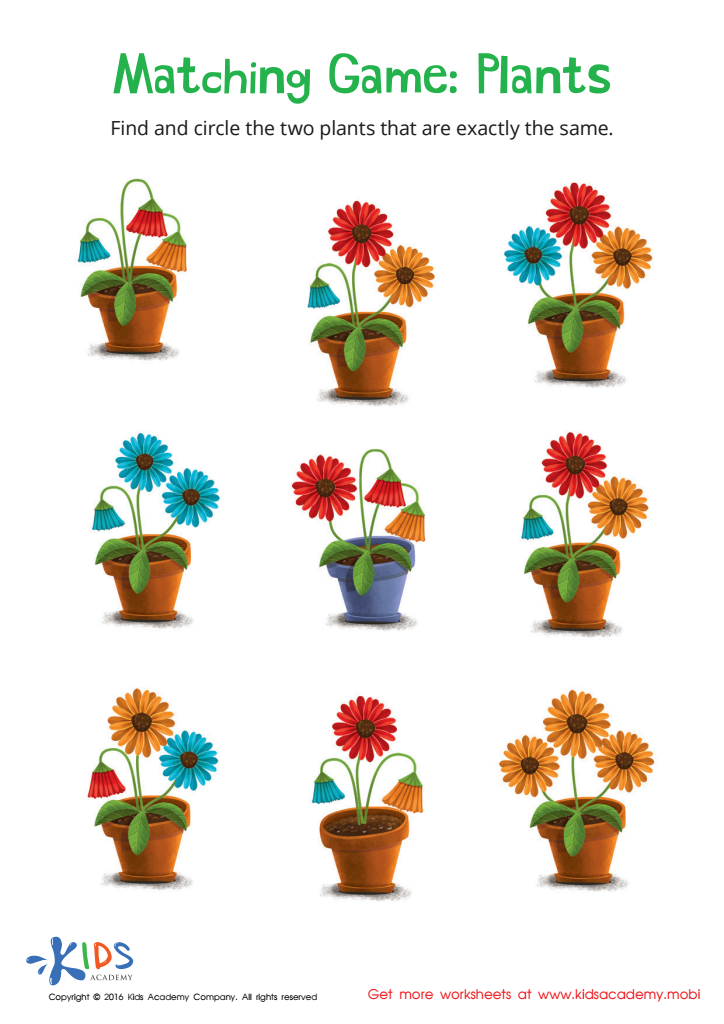
Matching: Plants Worksheet
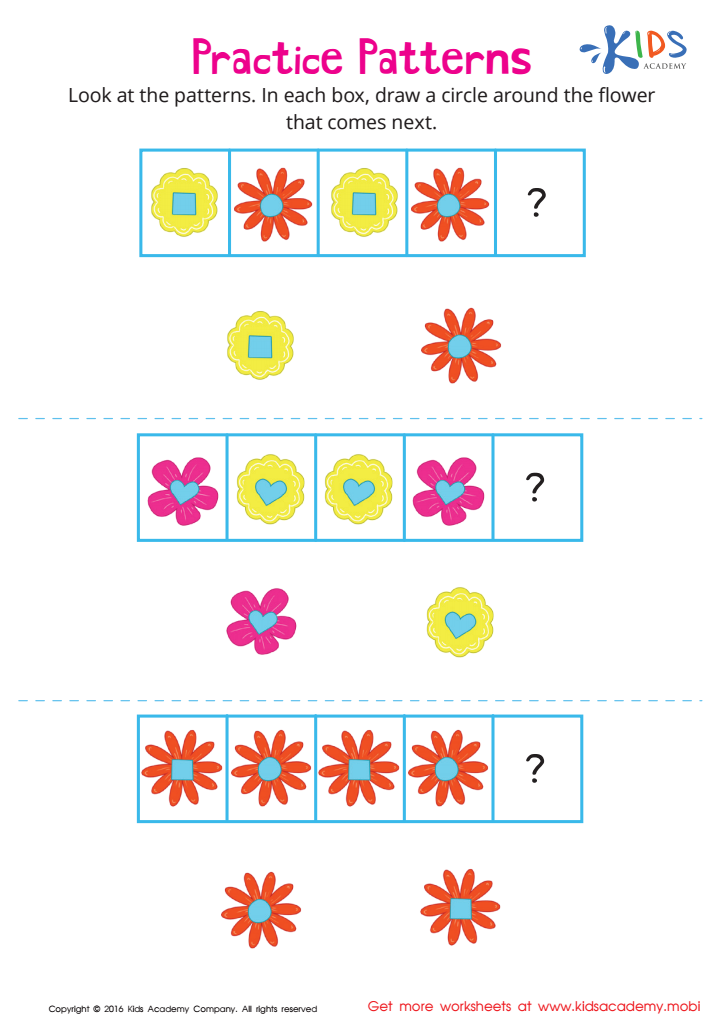
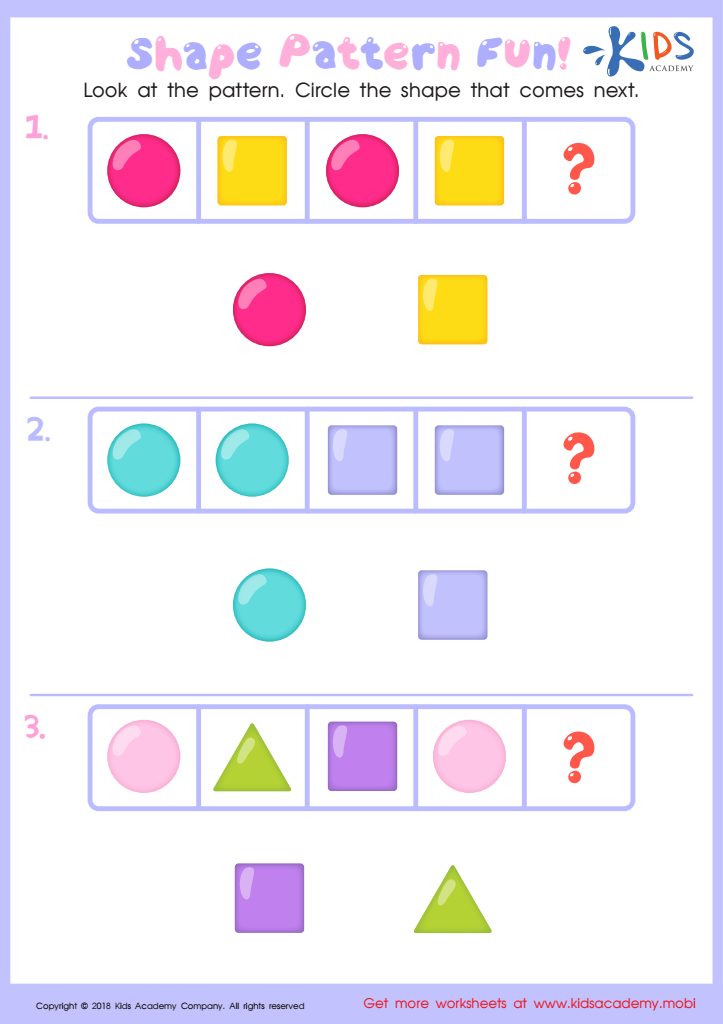
Shape Pattern Fun Worksheet


.jpg)





Understanding and recognizing patterns is a foundational skill in early childhood education, particularly emphasized in the preschool standard PK.OA.2. This standard lays the groundwork for children to develop logical thinking, problem-solving skills, and a strong numerical foundation.
Parents and teachers should care about this standard because recognizing patterns is crucial in helping children make sense of their world. Patterns appear in various contexts, from sequences in daily routines to patterns in nature and mathematics. For instance, by identifying colors, shapes, or numbers that repeat, children enhance their ability to predict what comes next, fostering critical thinking and cognitive development.
Additionally, engaging in pattern activities—such as using beads to create simple sequences or clapping to a rhythmic beat—provides social interaction and boosts fine motor skills. When children grasp patterns, they gain confidence to tackle more complex mathematical concepts in the future, such as addition and subtraction.
Ultimately, focusing on PK.OA.2 promotes a love for learning. By nurturing these skills early on, parents and teachers set children up for success in higher academic pursuits while also helping them to become keen observers of the world around them. Recognizing patterns fosters curiosity, creativity, and a structured way of thinking critical for lifelong learning.