Alphabet Recognition Easy English for Beginners Worksheets for Ages 3-5
6 filtered results
-
From - To
Welcome to our Alphabet Recognition Worksheets for Beginners, designed specifically for children aged 3-5! These engaging resources help young learners familiarize themselves with the English alphabet in an enjoyable and interactive way. Each worksheet features fun activities that reinforce letter recognition through colorful visuals and creative exercises, such as tracing, matching, and identifying letters. Ideal for preschool and kindergarten settings, our worksheets not only support English as a second language learners but also enhance vital literacy skills. Foster a love for learning and strengthen early reading foundations with our easy-to-use, ready-to-print worksheets that make alphabet recognition a breeze for little ones!
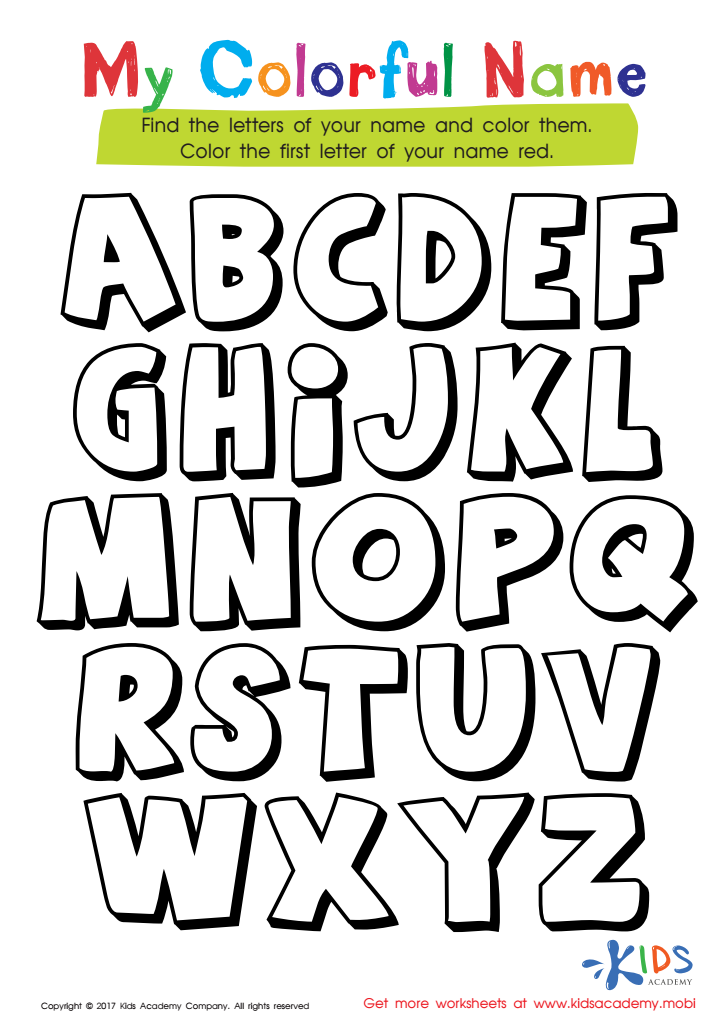
My Colorful Name Worksheet
 Assign to My Students
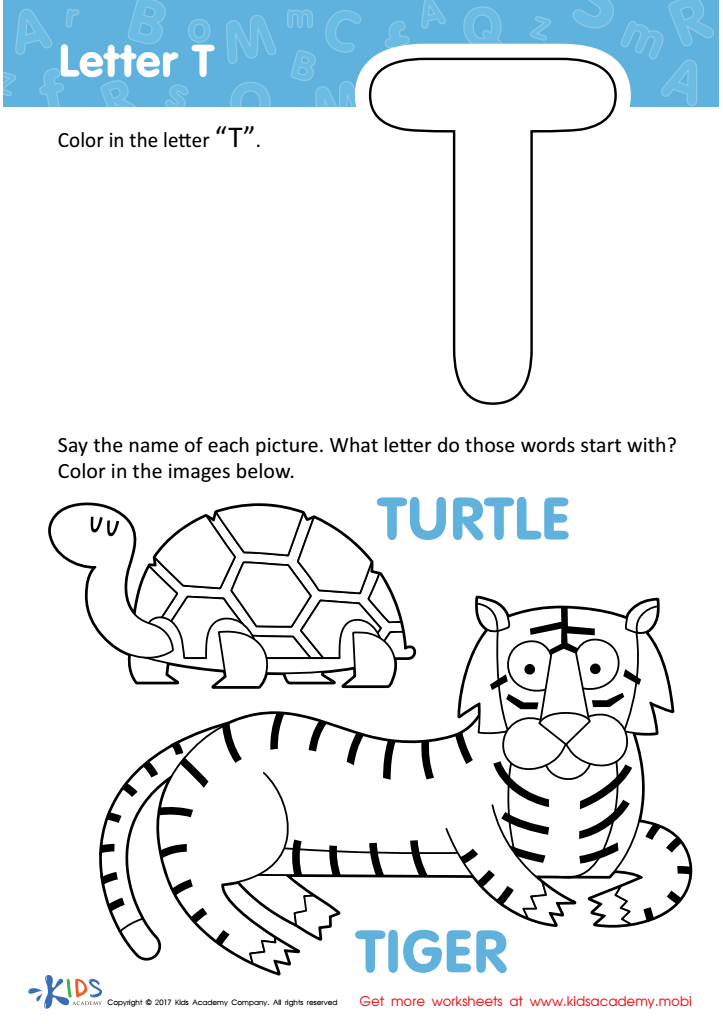
Letter T Coloring Sheet
Assign to My Students
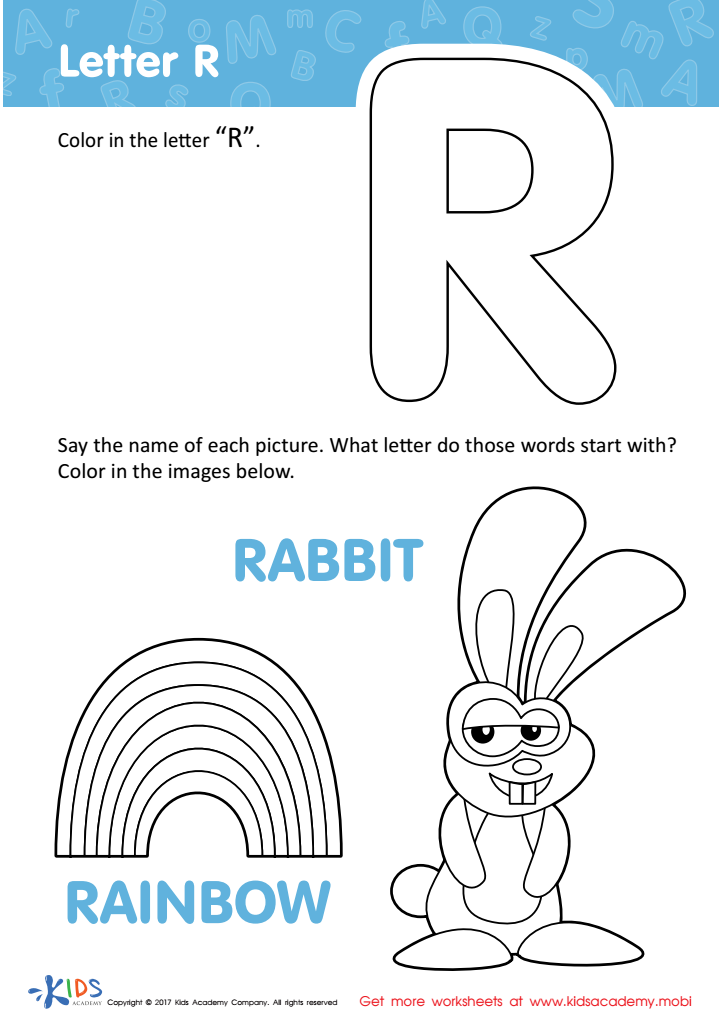
Letter R Coloring Sheet
Assign to My Students
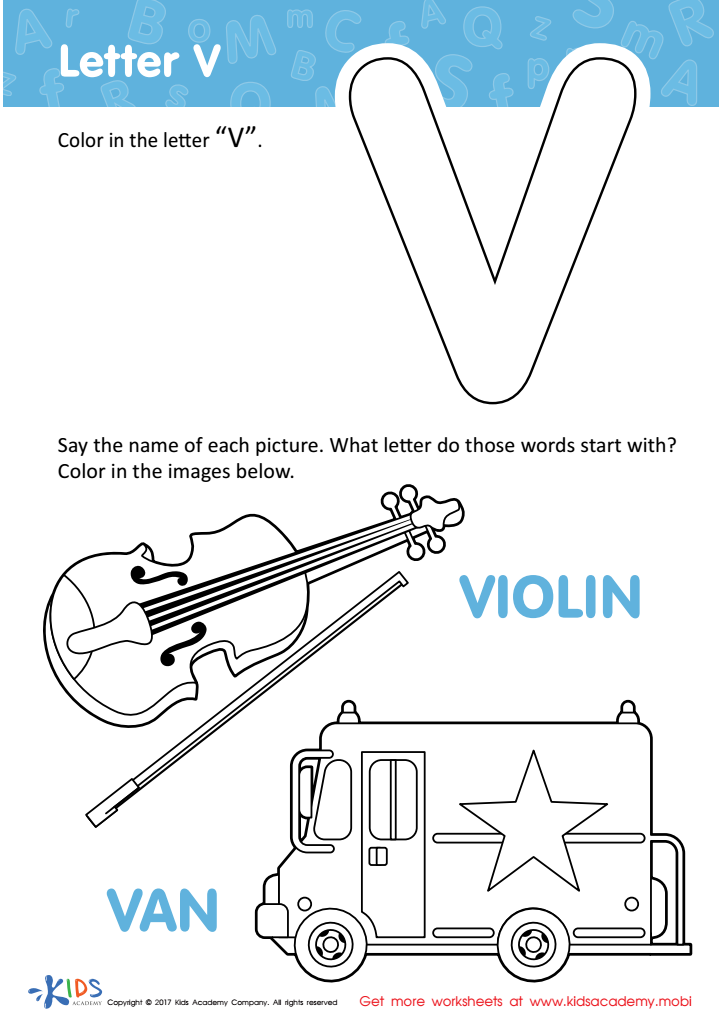
Letter V Coloring Sheet
Assign to My Students
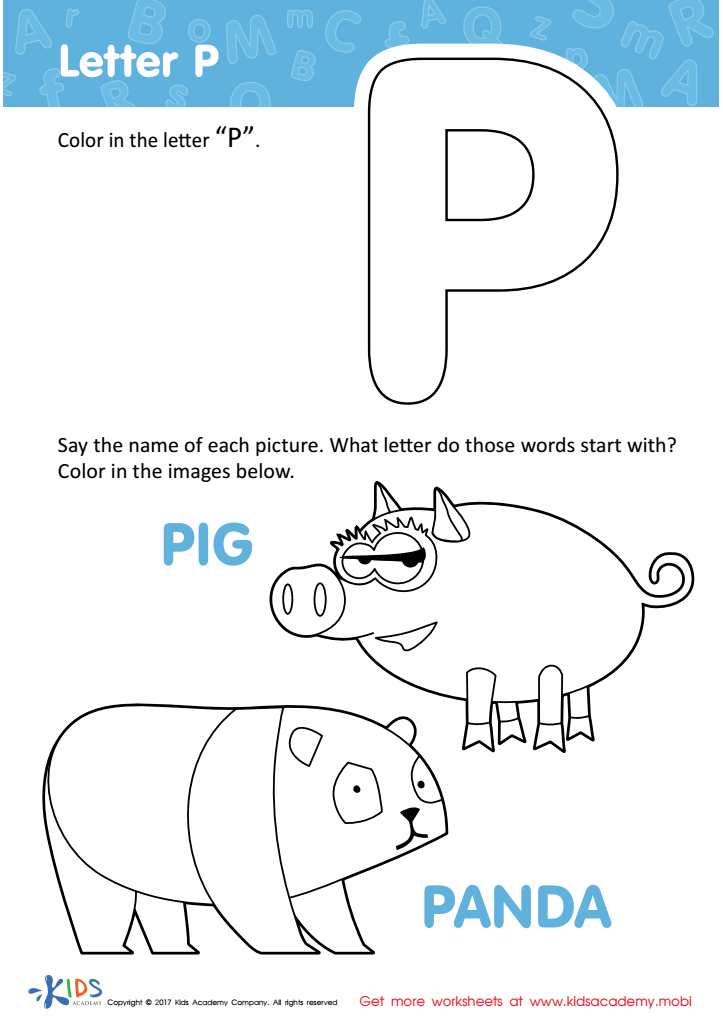
Letter P Coloring Sheet
Assign to My Students
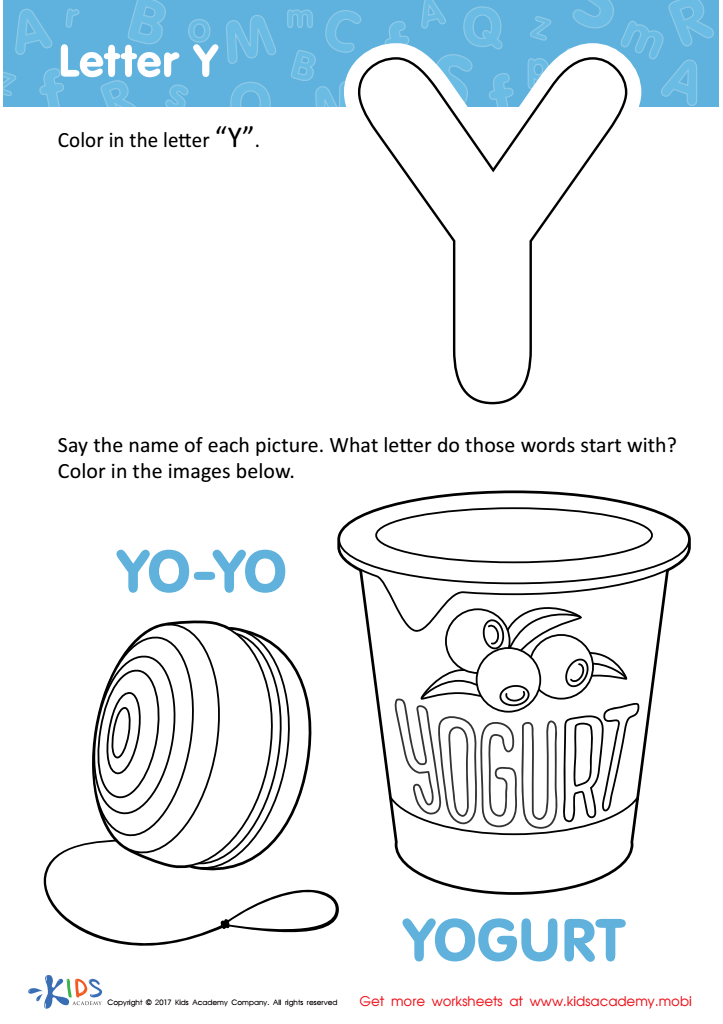
Letter Y Coloring Sheet
Assign to My Students




Alphabet recognition is fundamental to early literacy development, making resources designed for beginners, like "Alphabet Recognition Easy English," crucial for children aged 3-5. During these formative years, children are eager to explore the world around them, and understanding letters provides them with essential tools for communication, reading, and writing.
Firstly, recognizing letters boosts phonemic awareness, the knowledge of sounds associated with each letter, which is critical for developing reading skills. Early mastery of the alphabet equips children with a strong foundation for phonics, making the transition to reading more seamless.
Additionally, engaging interactive materials capture young learners' attention, making learning fun and effective. Such resources often include colorful visuals, songs, and games that can stimulate a child's curiosity and promote retention.
For parents and teachers, fostering alphabet recognition instills confidence in young learners, encouraging a love of literacy that lasts a lifetime. Furthermore, these skills can support broader educational goals by developing cognitive and social abilities.
In summary, investing time and resources in teaching alphabet recognition to preschoolers is essential; it nurtures a critical stage of language development, setting the foundation for future academic success and fostering a lifelong appreciation for reading.