Comprehension skills Easy Worksheets for Ages 3-5
4 filtered results
-
From - To
Enhance your child's reading comprehension skills with our Easy Worksheets designed for ages 3-5! These engaging and interactive worksheets focus on fundamental comprehension skills, making learning enjoyable and effective. Each resource is crafted to promote essential understanding as children explore stories, identify characters, and answer simple questions. Our worksheets nurture critical thinking and vocabulary development while providing a fun platform for early learners. Perfect for supplementing classroom activities or home learning, these resources help establish a strong literacy foundation. Empower your preschooler with the skills they need to flourish in their reading journey. Start their comprehension adventure today!
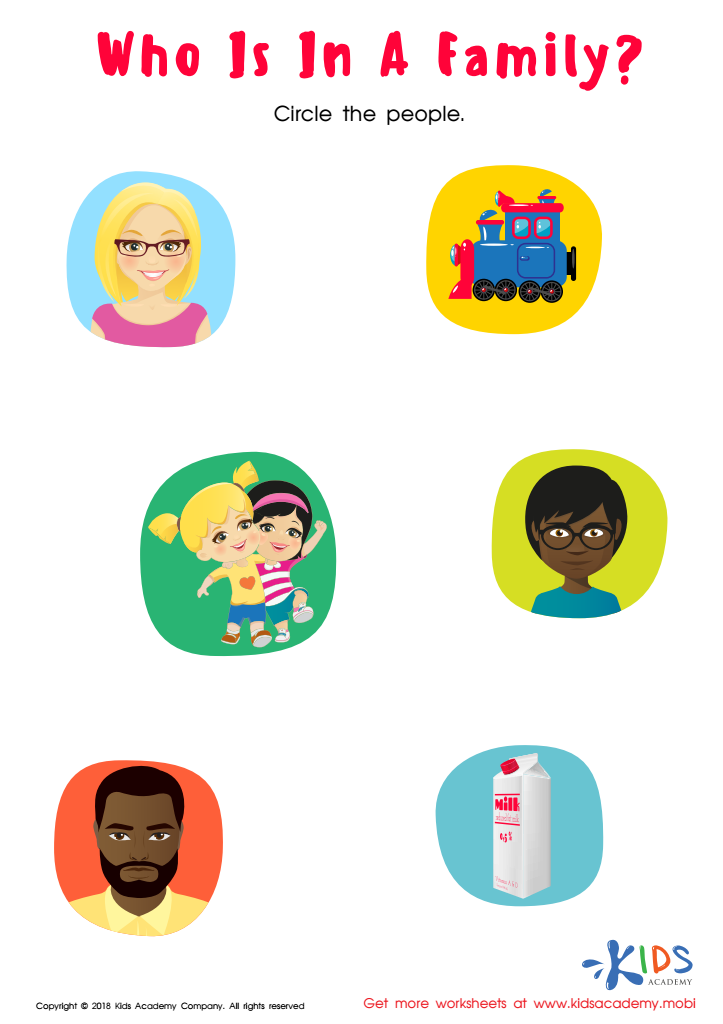
Who Is in a Family? Worksheet
 Assign to My Students
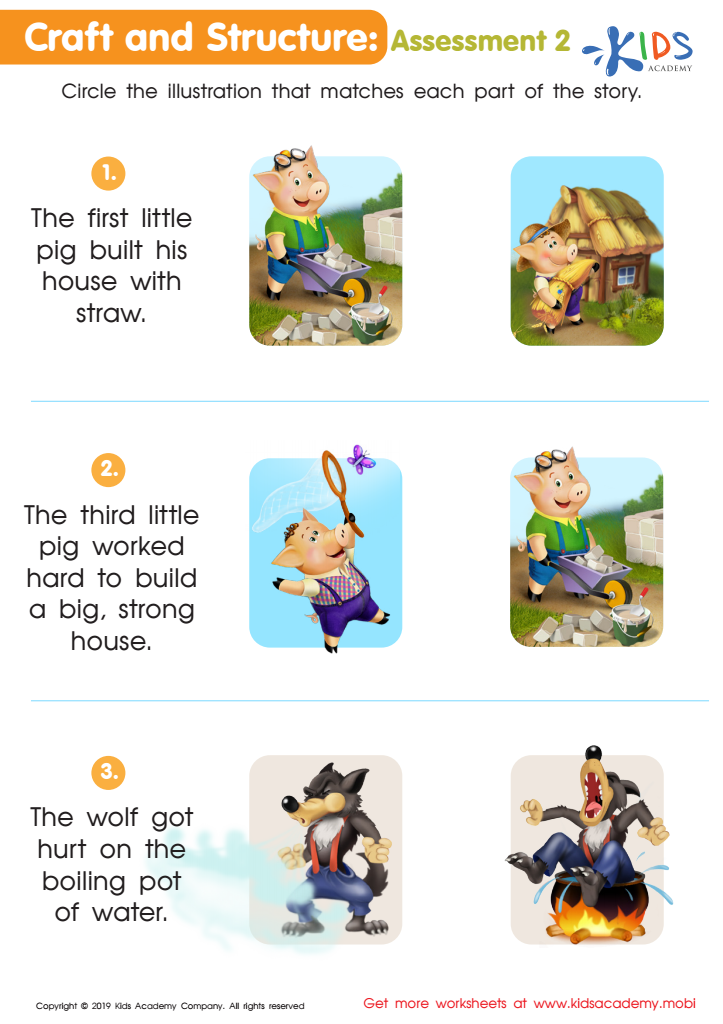
Craft and Structure: Assessment 2 Worksheet 2
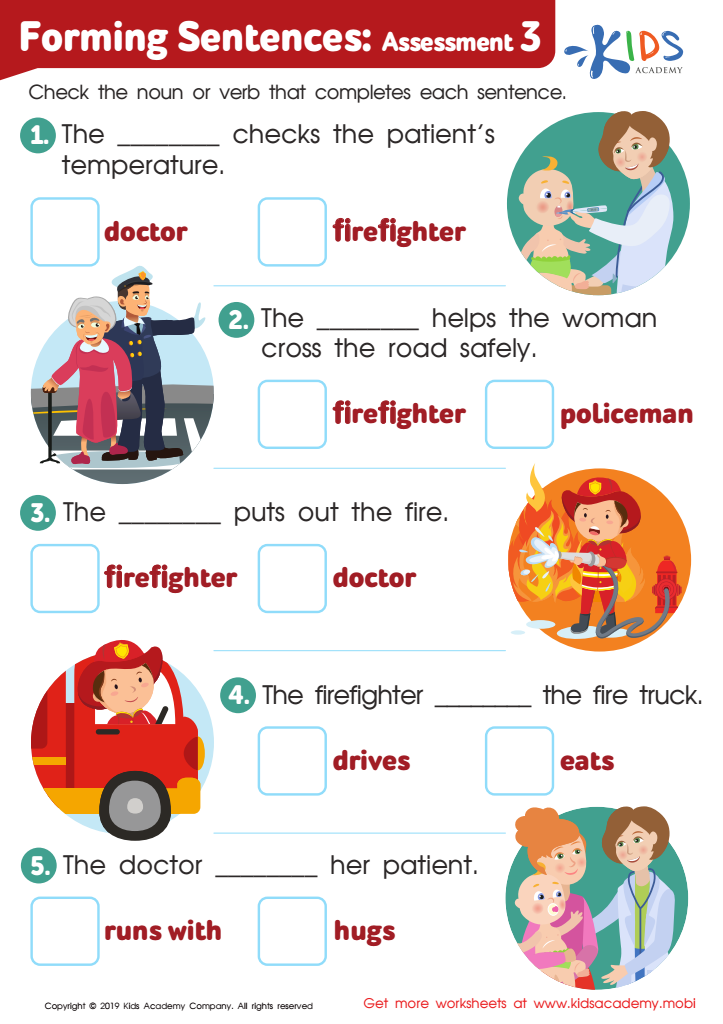
Forming Sentences: Assessment 3 Worksheet
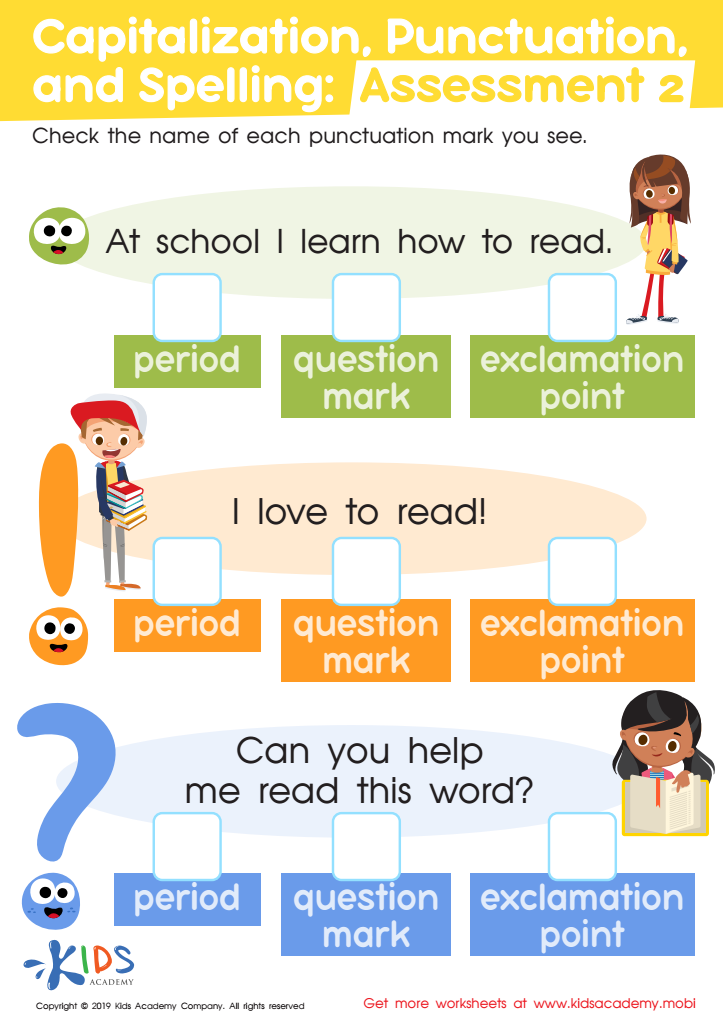
Capitalization. Punctuation. Spelling: Assessment 2 Worksheet








Comprehension skills are crucial for children aged 3-5 as they lay the foundation for successful literacy and learning. At this developmental stage, children are naturally curious and eager to learn about the world around them. When parents and teachers prioritize comprehension skills, they enrich children's cognitive, social, and emotional development.
Firstly, strong comprehension skills enhance vocabulary and language acquisition. Listening to stories and engaging in conversations helps children understand new words and concepts, fostering better communication.
Moreover, comprehension skills enable children to make connections between what they know and new information, encouraging critical thinking. When children learn to ask questions and express their thoughts about stories, they develop confidence in their abilities to understand and respond to complex ideas.
Additionally, comprehension skills contribute to a child's emotional development. Discussing characters' feelings and motivations in stories fosters empathy and helps children relate to others.
Finally, fostering comprehension skills prepares children for school, where these abilities are essential for following instructions and engaging in group discussions. For these reasons, it is essential for parents and teachers to actively promote and support comprehension skills in young children, setting the stage for lifelong learning.








