Understanding Quantities Easy Worksheets for Ages 3-5
6 filtered results
-
From - To
Unlock your child's potential with our "Understanding Quantities Easy Worksheets" designed specifically for ages 3-5. These engaging and colorful worksheets make learning foundational math concepts fun and accessible. Young learners will explore numbers, counting, and grouping through interactive activities tailored to their developmental level. Each worksheet encourages exploration and creativity while reinforcing important skills crucial for early math success. Ideal for home or classroom use, these worksheets provide a seamlessly integrated learning experience that fosters confidence and comprehension. Start your child’s educational journey with our easy-to-use resources that make understanding quantities a joy! Download today and watch the magic of learning unfold!
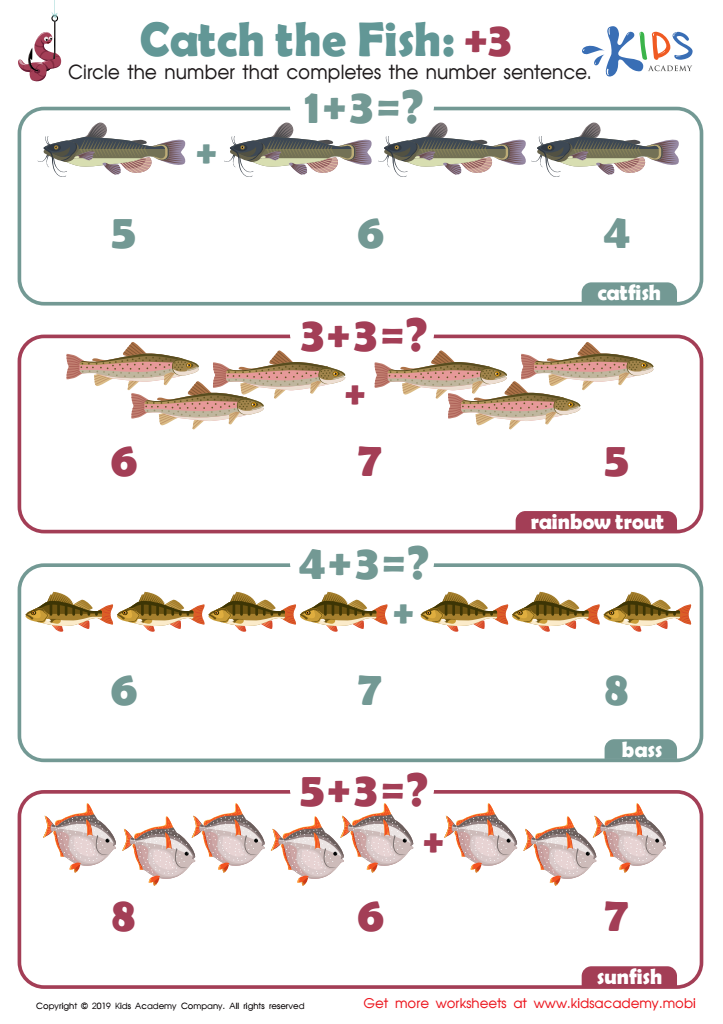
Catch the Fish: +3 Worksheet
 Assign to My Students
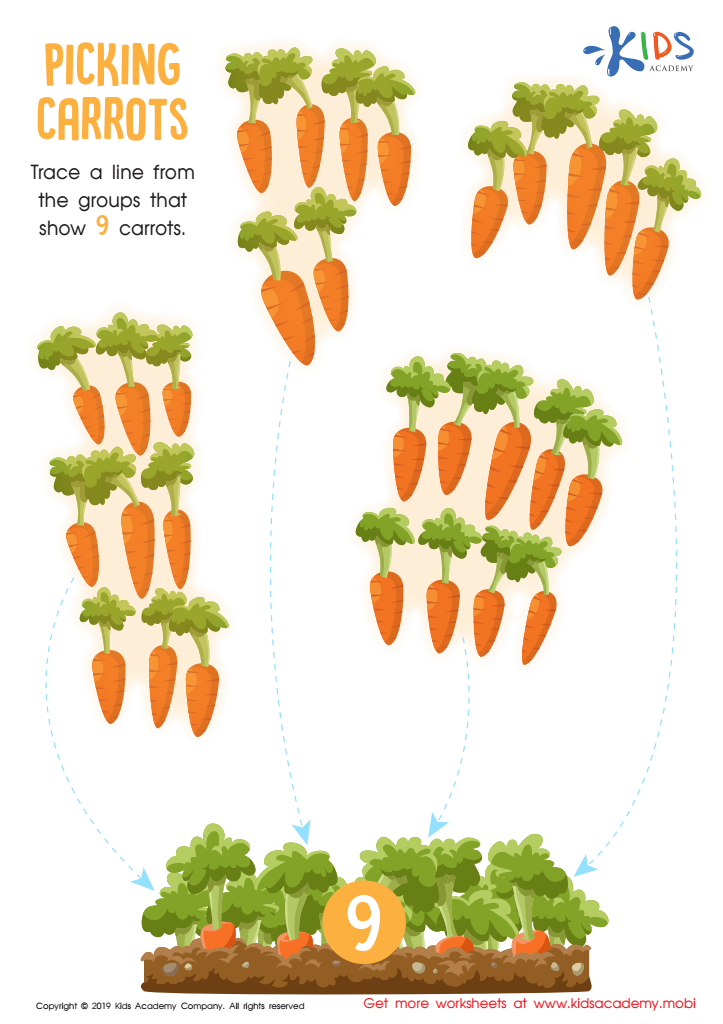
Picking Carrots Worksheet
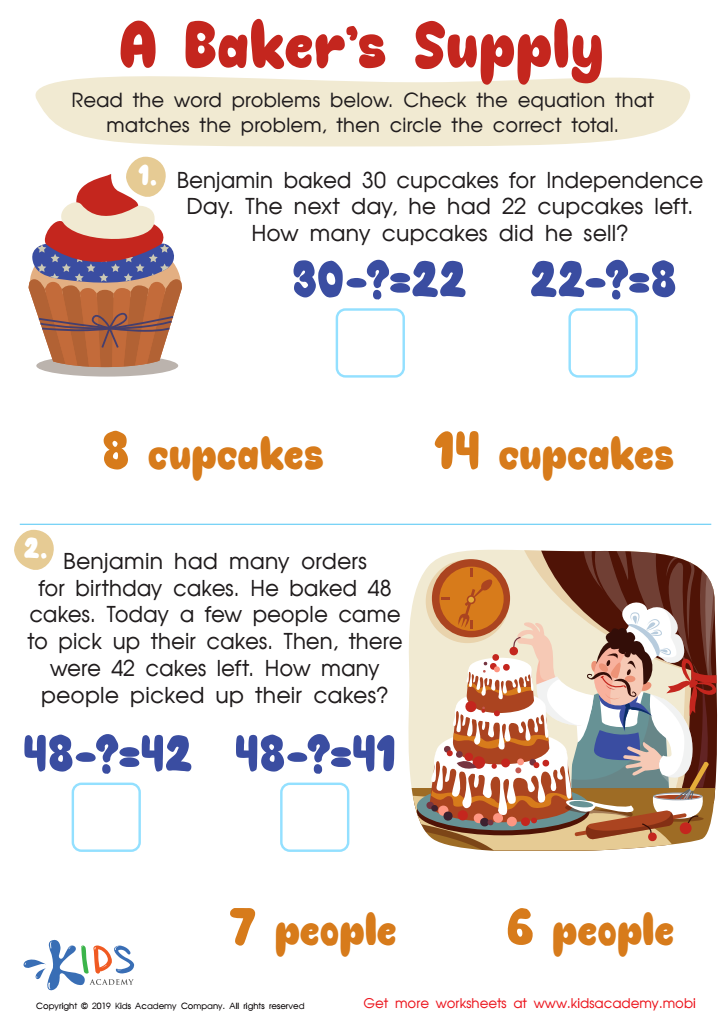
A Baker's Supply Worksheet
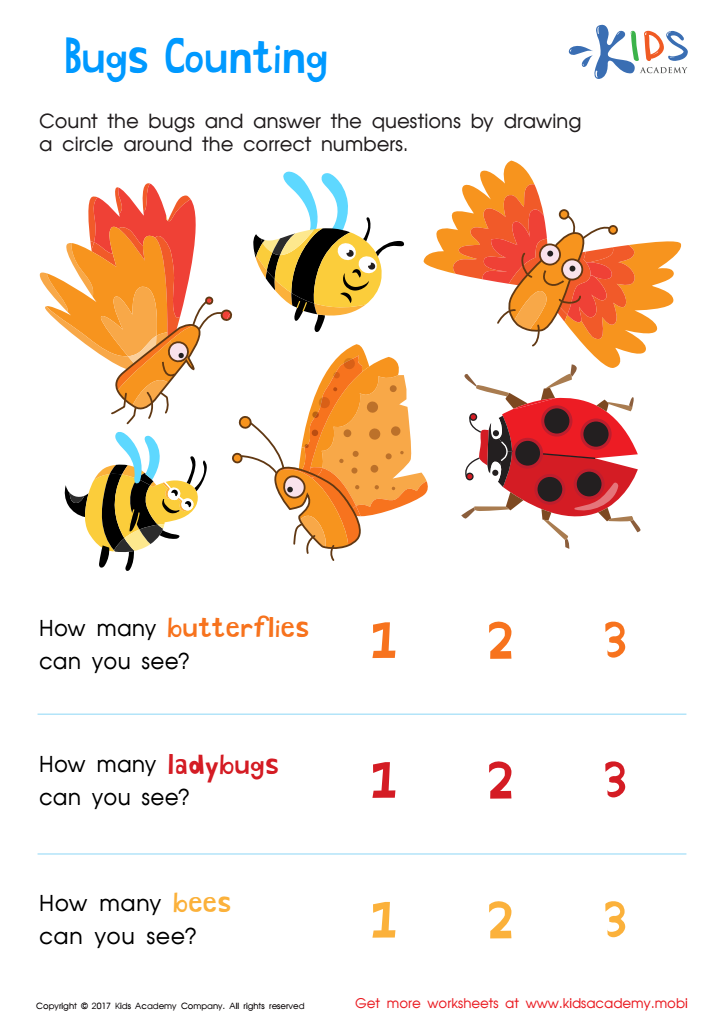
Bugs Counting Worksheet
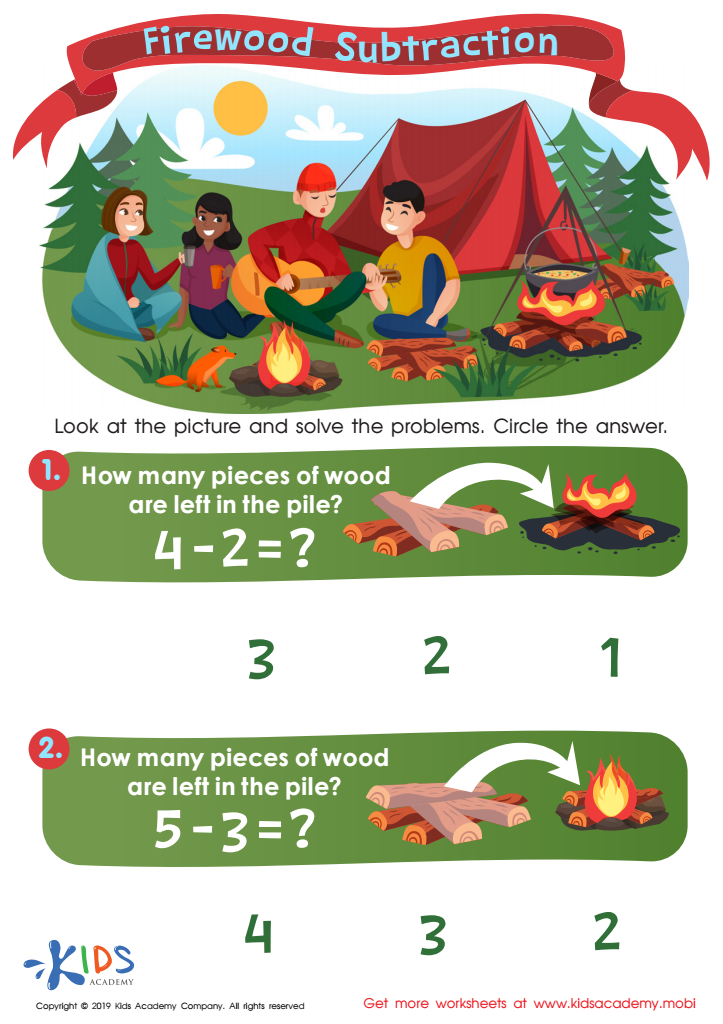
Firewood Subtraction Worksheet
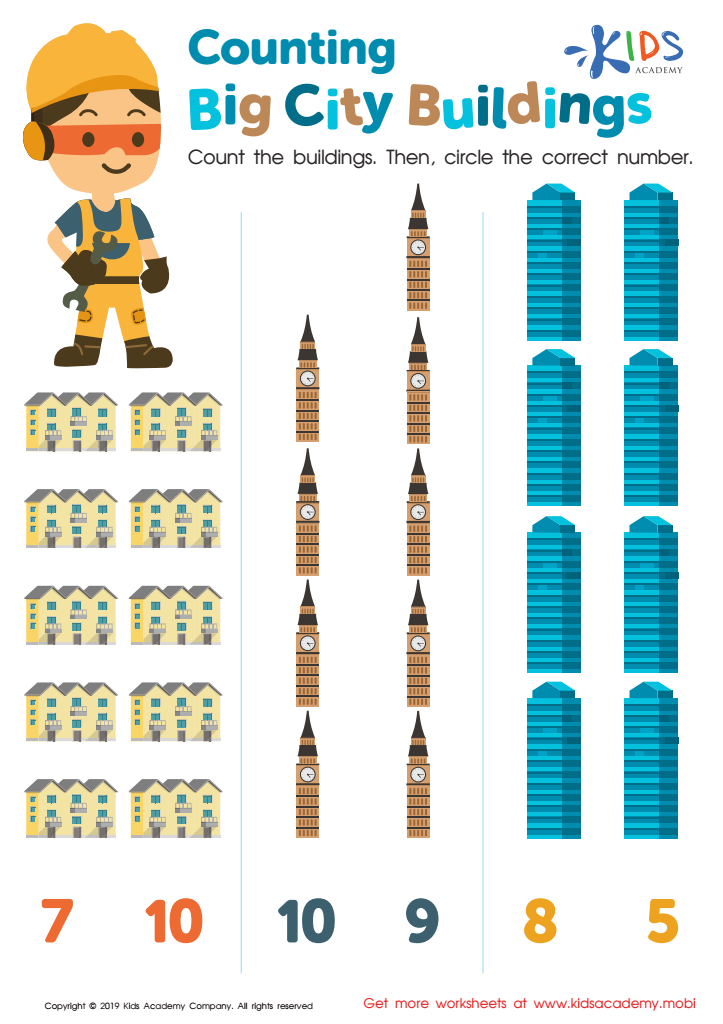
Counting Big City Buildings Worksheet







Understanding quantities is a foundational mathematical concept for children aged 3-5, and it plays a crucial role in their overall development. At this stage, children are naturally curious and eager to learn, making it an ideal time to introduce concepts related to numbers, counting, and quantities.
For parents and teachers, fostering an understanding of quantities lays the groundwork for future mathematical concepts. It enhances children’s problem-solving skills, promotes logical thinking, and strengthens cognitive abilities. Recognizing quantities helps children develop essential skills such as comparison, classification, and sequencing, which are applicable not only in math but across various subjects.
Furthermore, engaging children in activities that involve counting and measuring can improve their language skills. It encourages them to describe their experiences, express their thoughts, and build their vocabulary as they interact with numbers and amounts.
Moreover, involving parents and teachers in this early learning process empowers them to create rich and engaging environments that stimulate curiosity and exploration. By incorporating playful activities, songs, and visual aids, adults can nurture a positive attitude toward math. Ultimately, understanding quantities equips children with critical skills that lay the foundation for lifelong learning, enabling them to navigate their world with confidence and competence.








