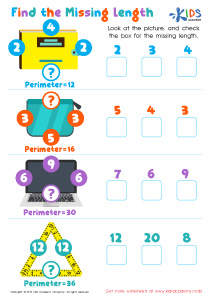
Basic Math Skills Easy Subtraction Worksheets for Ages 3-5
4 filtered results
-
From - To
Discover our "Basic Math Skills Easy Subtraction Worksheets for Ages 3-5", designed to make early learning engaging and enjoyable. Developed by educational professionals, these printable worksheets help young children grasp basic subtraction concepts through fun and interactive activities. Each worksheet incorporates colorful visuals and simple problems tailored to their developmental stage, ensuring a stress-free and motivational learning experience. Whether for classroom use or at-home practice, these worksheets significantly enhance your child's foundational math skills, setting them up for future math success. Explore our resources today and transform math learning into a delightful adventure!
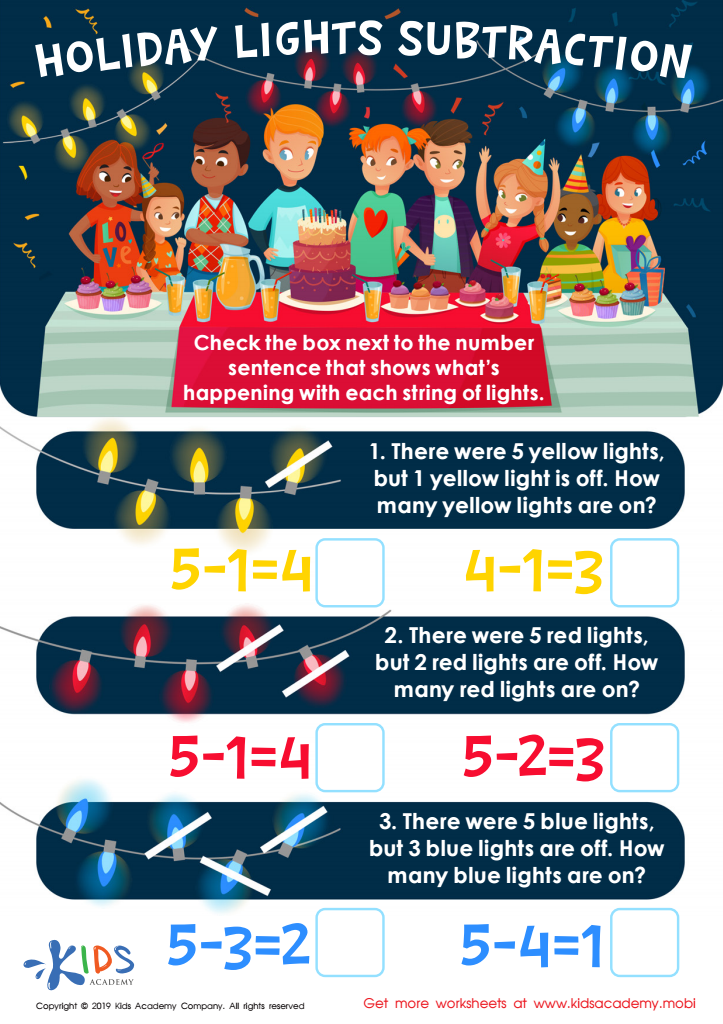
Holiday Lights Subtraction Worksheet
 Assign to My Students
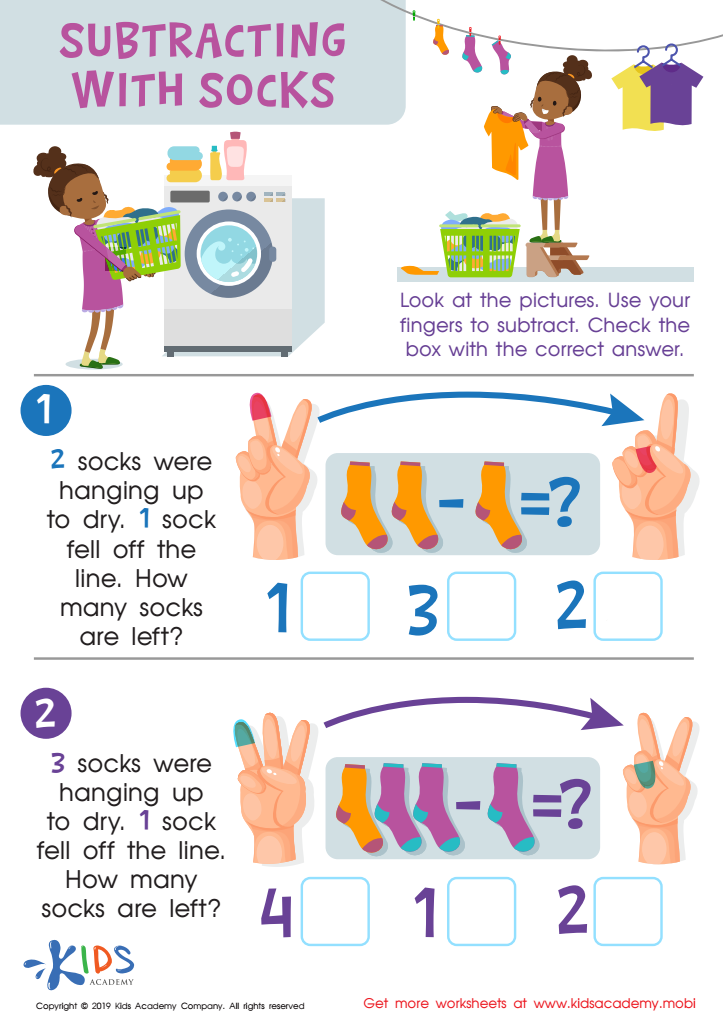
Subtracting Socks Worksheet
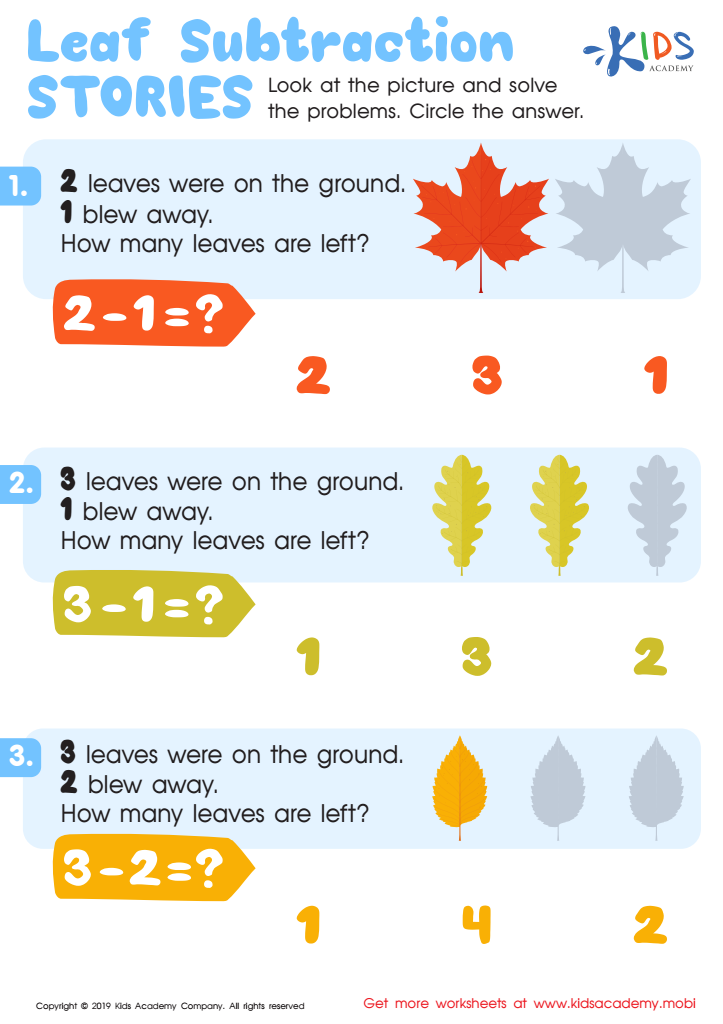
Leaf Subtraction Stories Worksheet
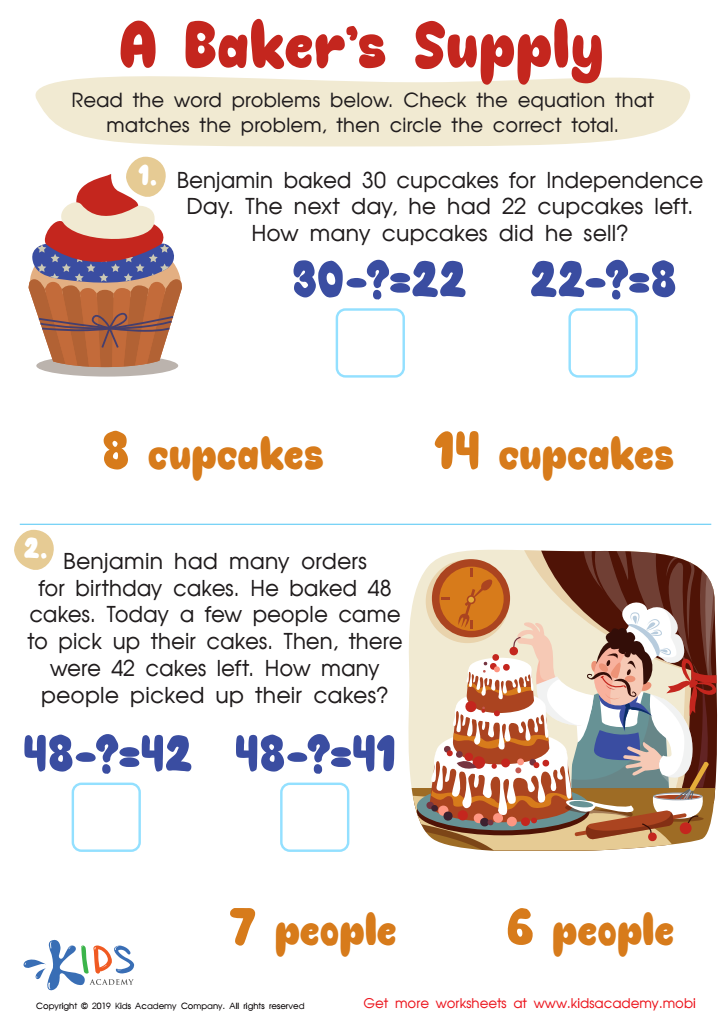
A Baker's Supply Worksheet



.jpg)




Parents and teachers should prioritize fostering basic math skills, such as easy subtraction, in children aged 3-5 due to its critical impact on early cognitive development and future academic success. Foundational math skills are essential for nurturing logical and analytical thinking, key for everyday problem-solving and decision-making.
Understanding and performing basic subtraction helps children grasp the concept of numbers, quantity, and their relationships, which are pivotal for more advanced mathematical concepts and operations they will encounter later in their academic journey. For preschoolers, getting comfortable with subtraction instills confidence, fostering a positive attitude towards math. This early exposure reduces the likelihood of developing math anxiety as they grow older.
Moreover, incorporating simple subtraction activities can enhance a child's fine motor skills and hand-eye coordination when they use physical objects to count and subtract. These activities align well with the natural curiosity and experiential learning methods suited to young minds, keeping them engaged and interested.
Parents and teachers who emphasize such early math skills are investing in the child's educational groundwork, promoting a trajectory towards academic competence and confidence. This preparatory focus not only benefits individual learners but also sets a robust platform for lifelong learning and functional numeracy.