Color recognition Easy Worksheets for Ages 3-6
34 filtered results
-
From - To
Discover a colorful world of learning with our "Color Recognition Easy Worksheets for Ages 3-6." Designed specifically for young children, these engaging worksheets make it fun and easy to learn about colors. Each activity is thoughtfully created to enhance color recognition skills while promoting fine motor development. Your little ones will enjoy a variety of tasks such as coloring, matching, and sorting different hues, all tailored to their developmental levels. Perfect for home or school use, these worksheets provide a vibrant and interactive way to nurture creativity and cognitive growth. Let your child's imagination soar as they explore the magic of colors!
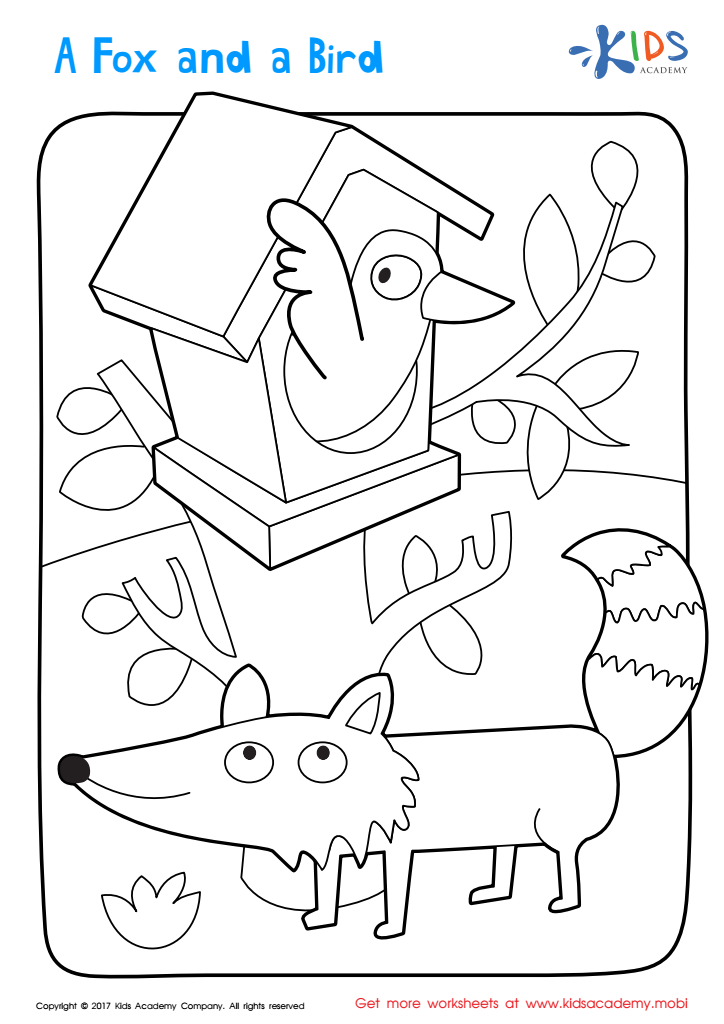
A Fox and Bird Coloring Page
 Assign to My Students
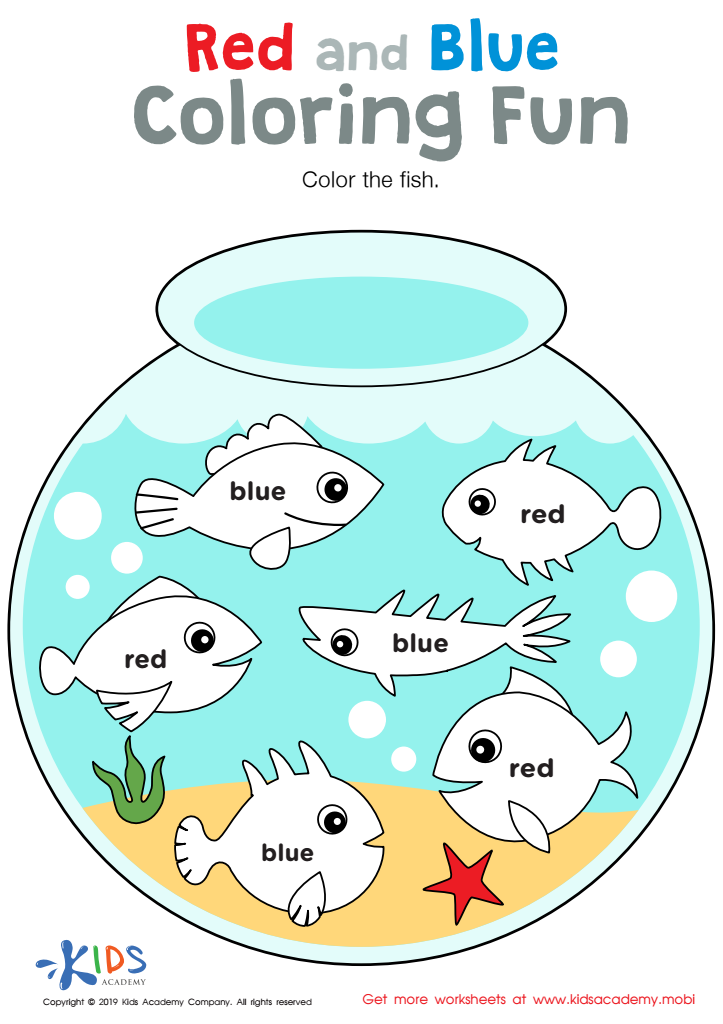
Red and Blue Coloring Fun Worksheet
Assign to My Students

Happy Diwali Printable
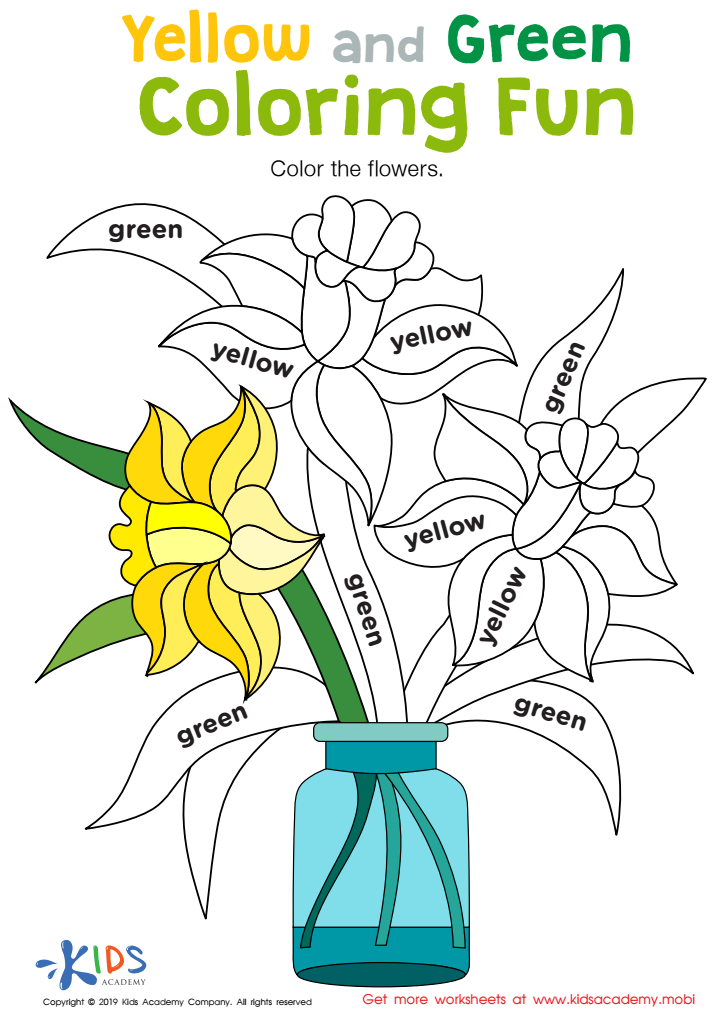
Yellow and Green Coloring Fun Worksheet
Assign to My Students

Pegasus Printable
Assign to My Students
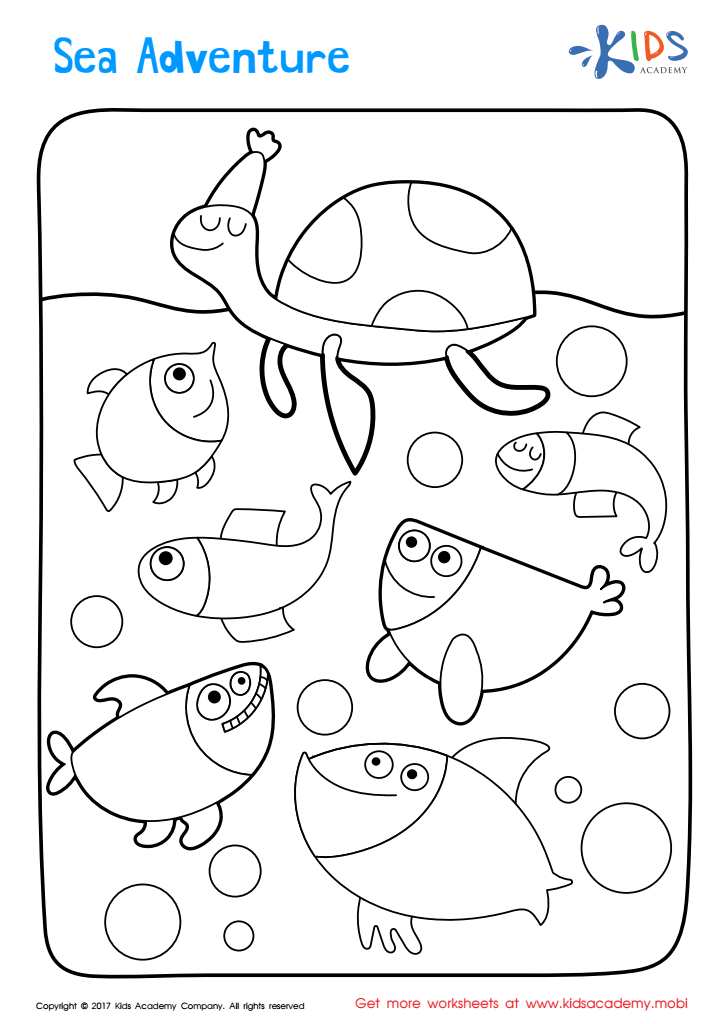
Sea Adventure Coloring Page
Assign to My Students
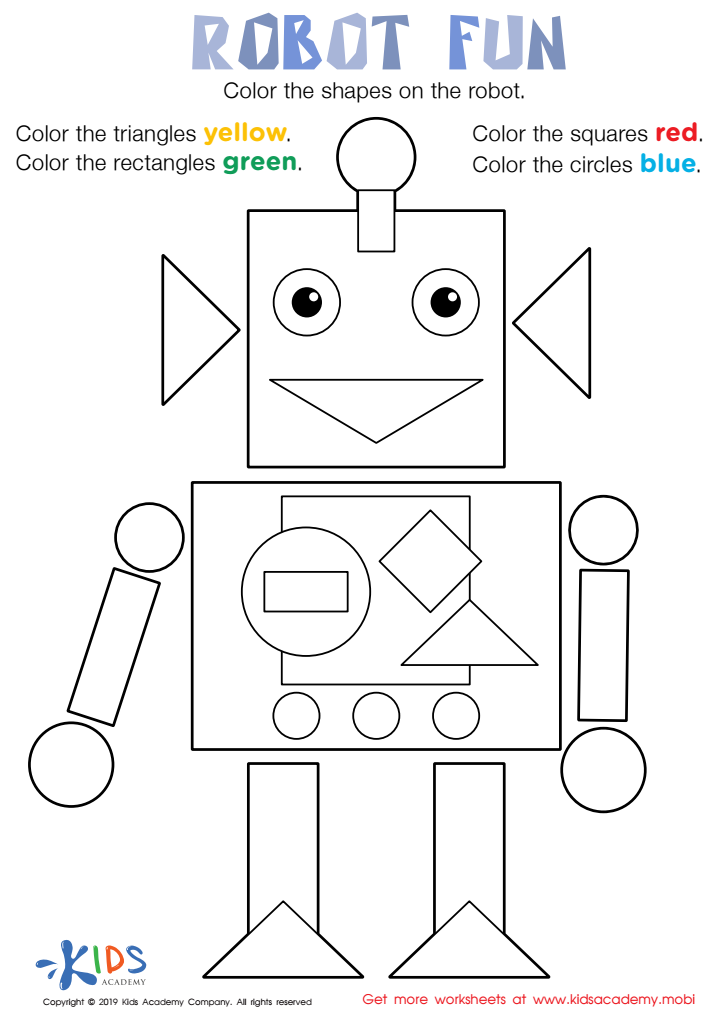
Robot Fun Worksheet
Assign to My Students
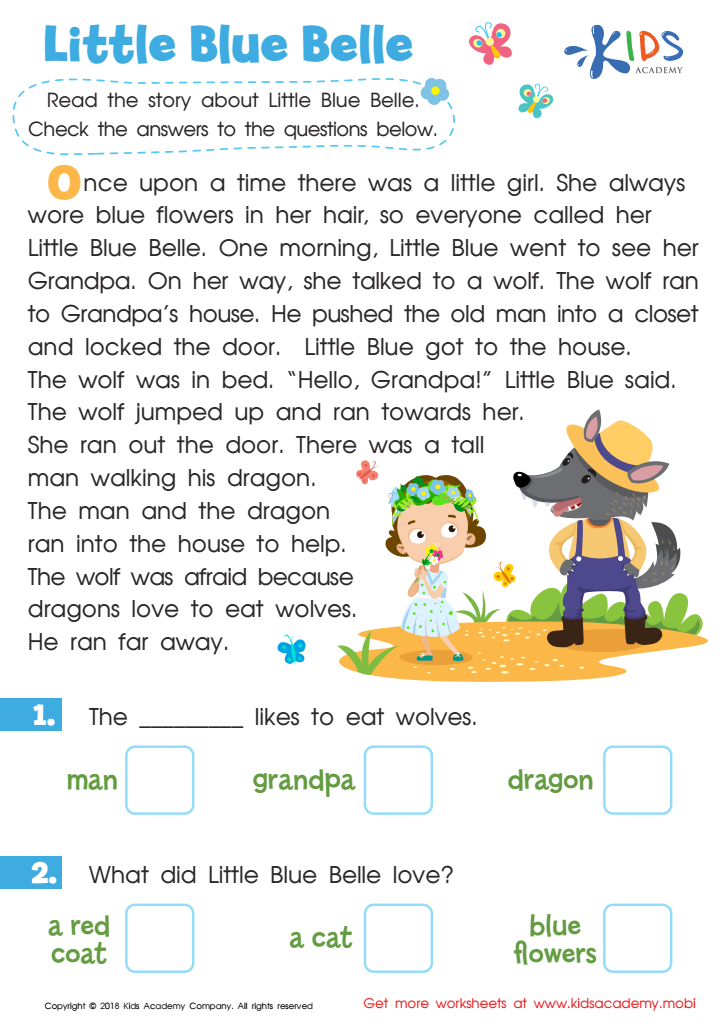
Little Blue Belle Worksheet
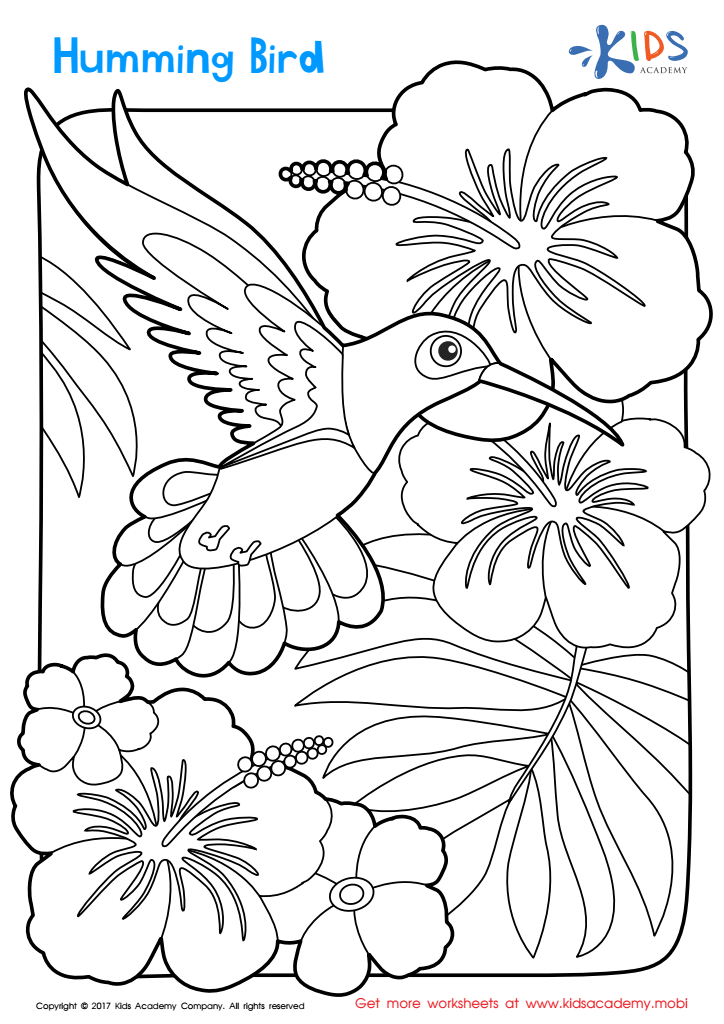
Humming Bird Worksheet
Assign to My Students
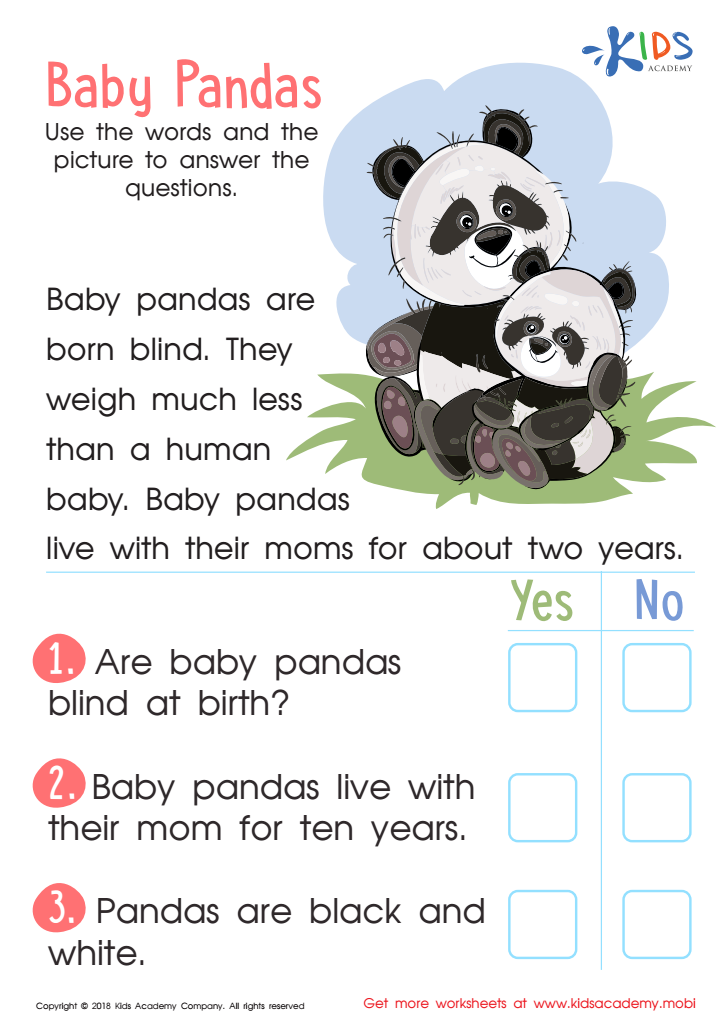
Baby Pandas Worksheet

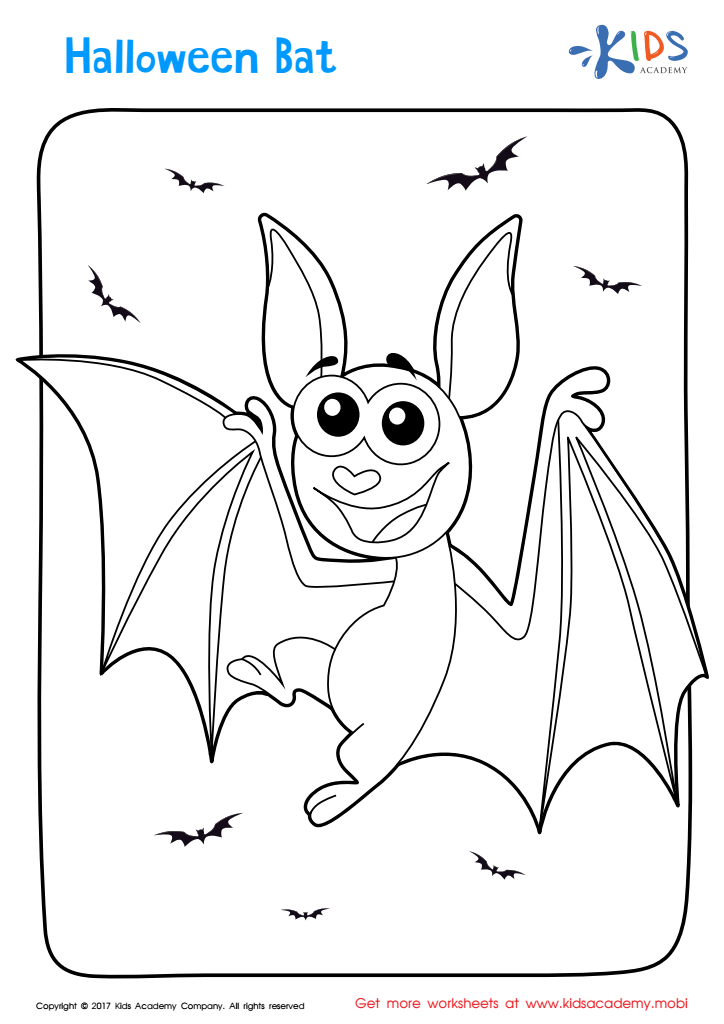
Halloween: A Bat Printable
Assign to My Students
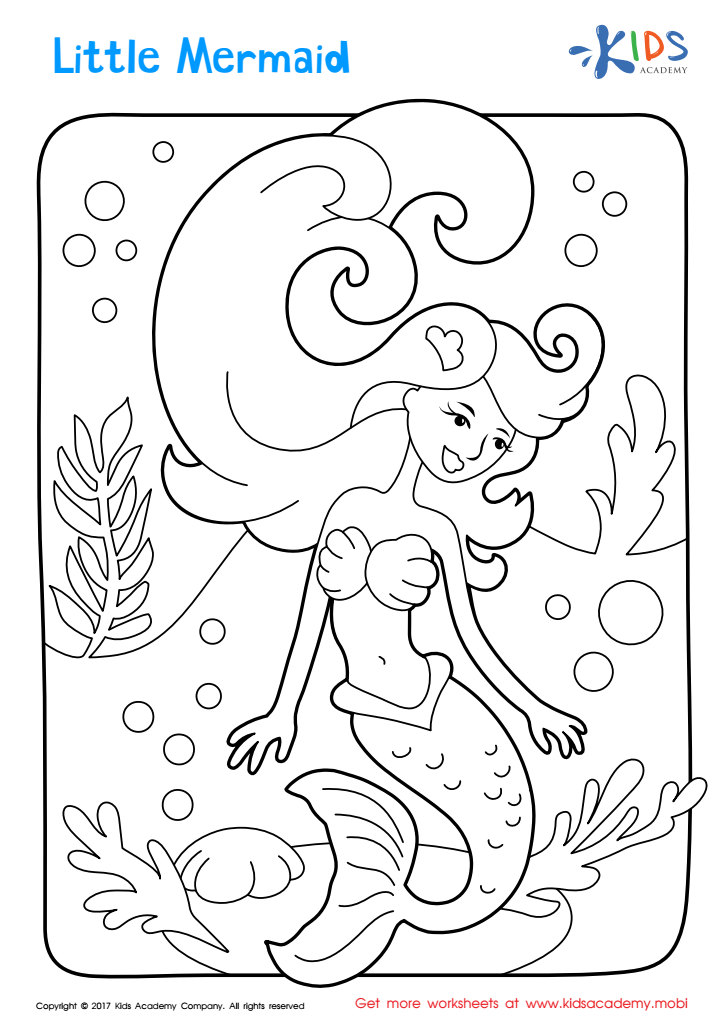
Little Mermaid Coloring Page
Assign to My Students
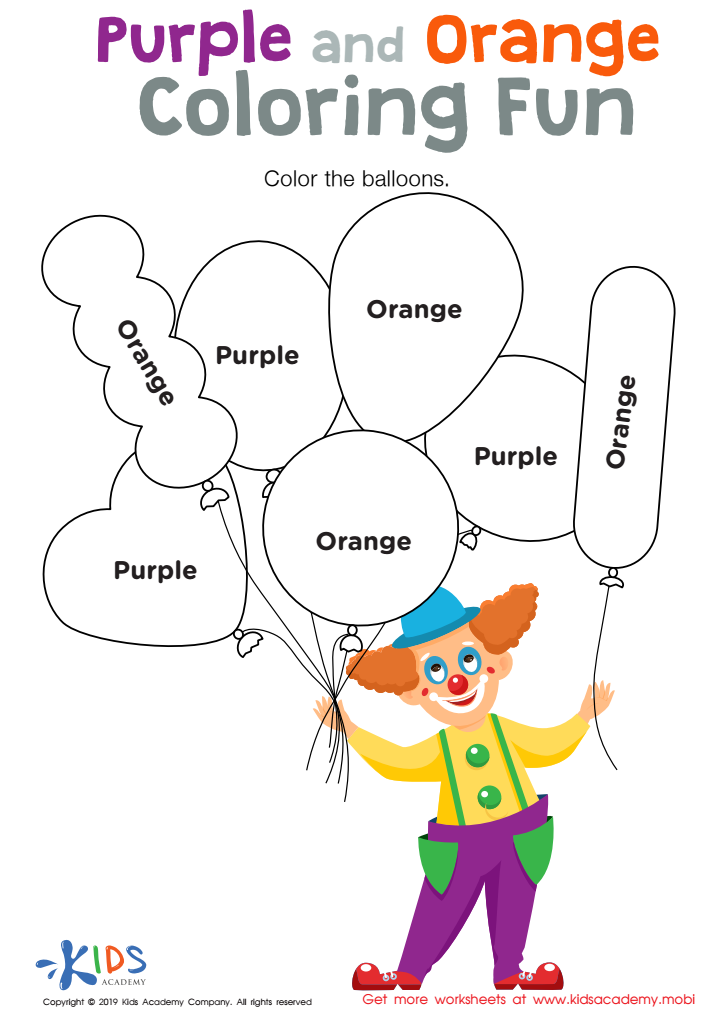
Purple and Orange Coloring Fun Worksheet
Assign to My Students
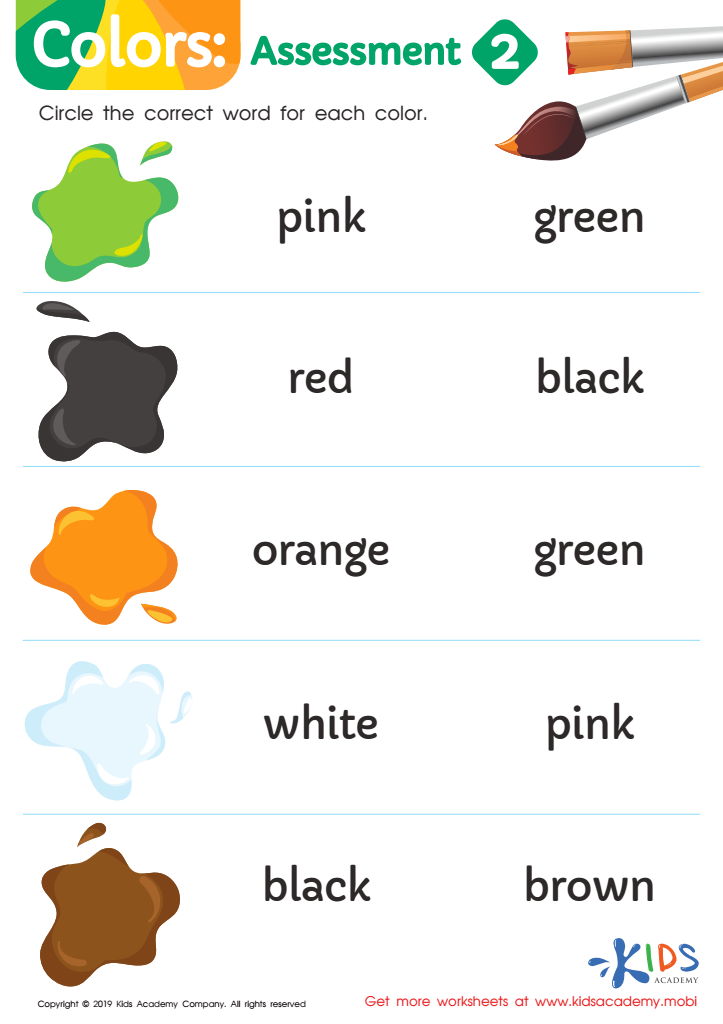
Colors: Assessment 2 Worksheet
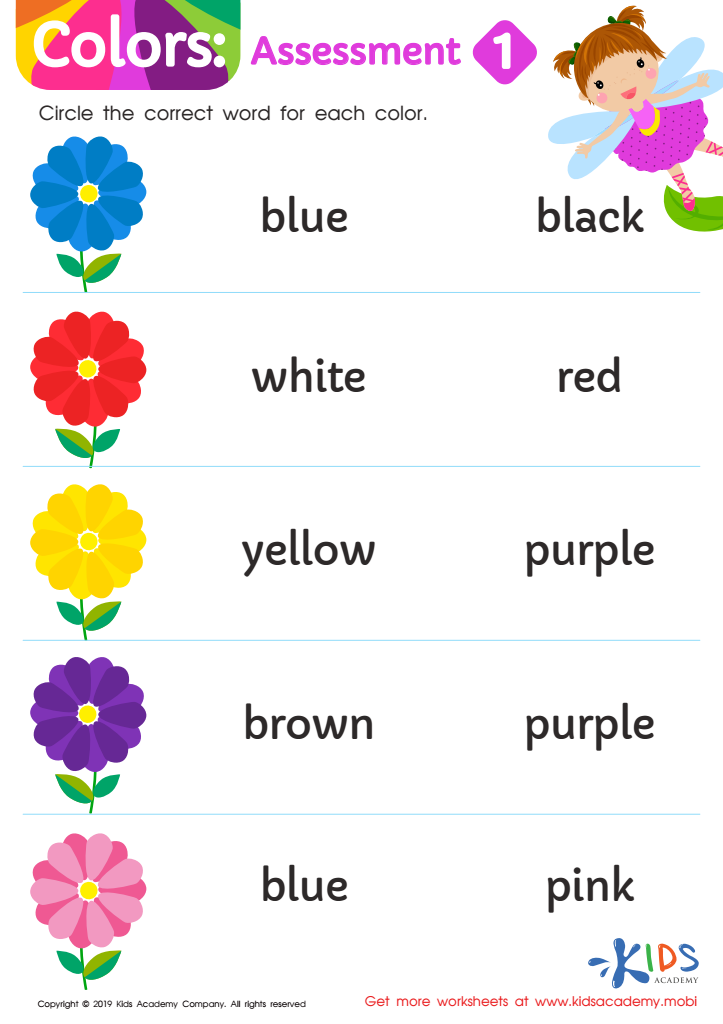
Colors: Assessment 1 Worksheet
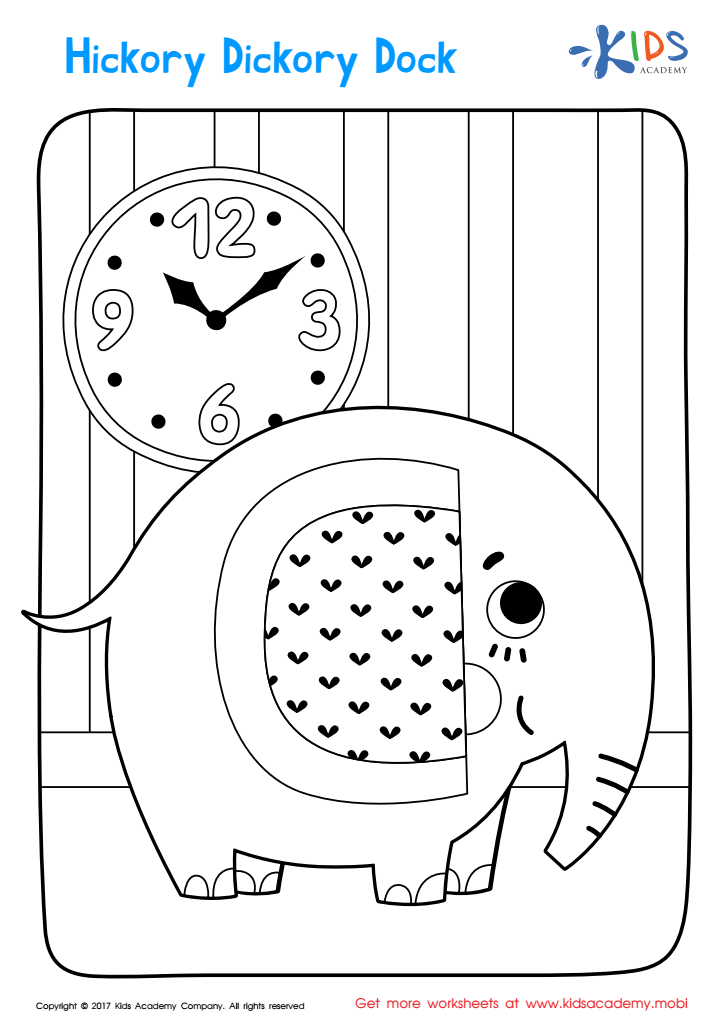
Hickory Dickory Dock Coloring Page
Assign to My Students
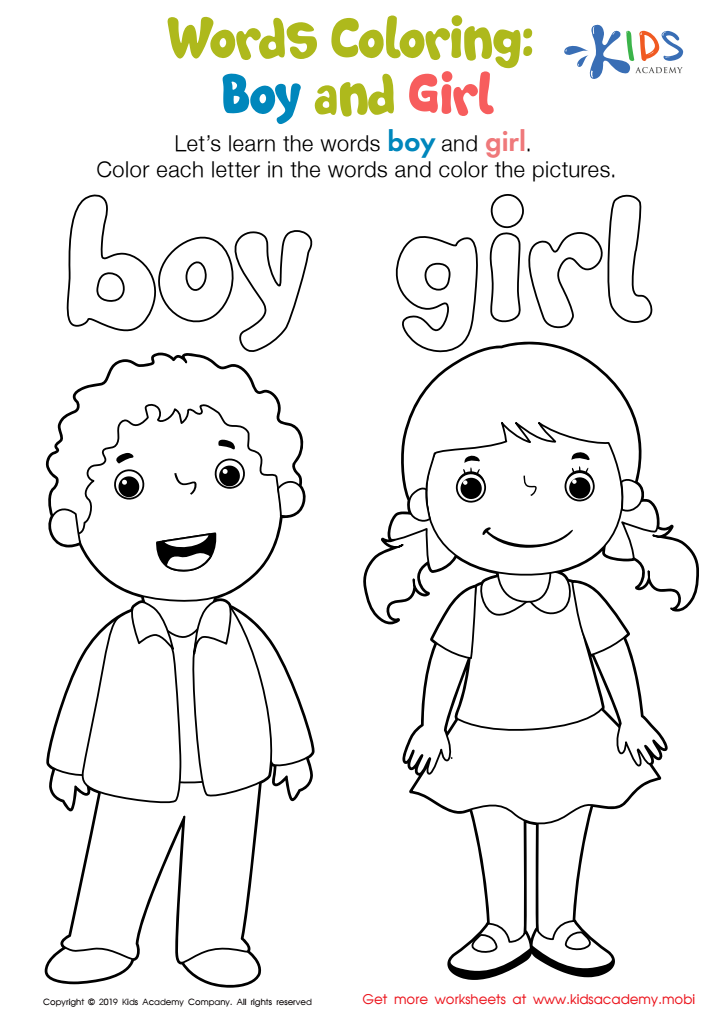
Boy and Girl Words Coloring Worksheet
Assign to My Students
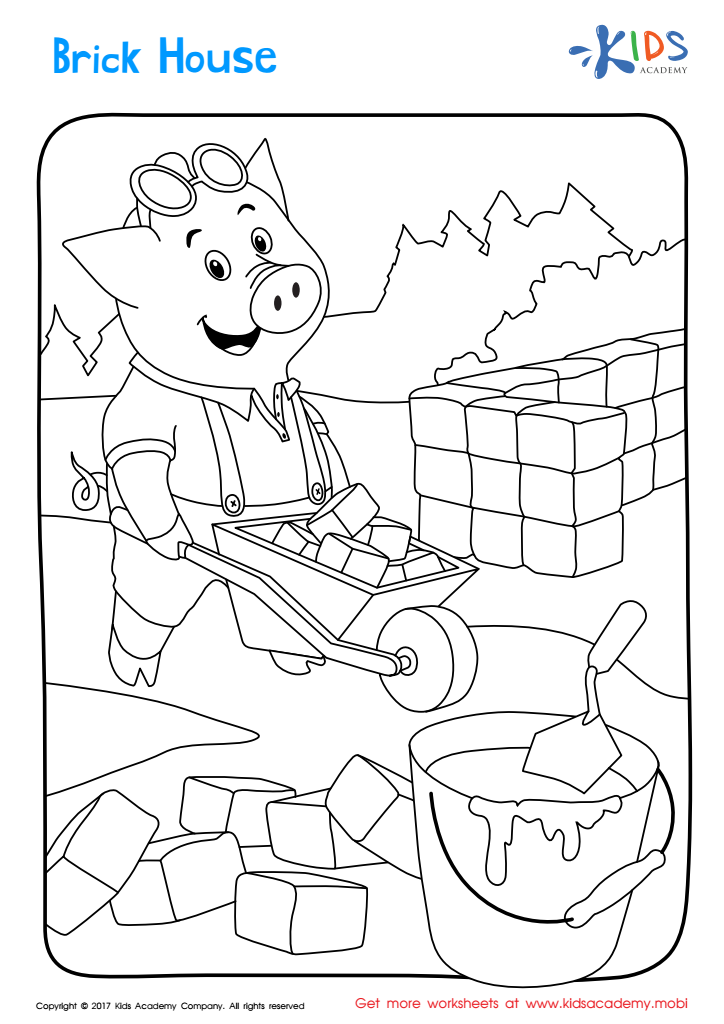
Brick House Printable Coloring Page
Assign to My Students
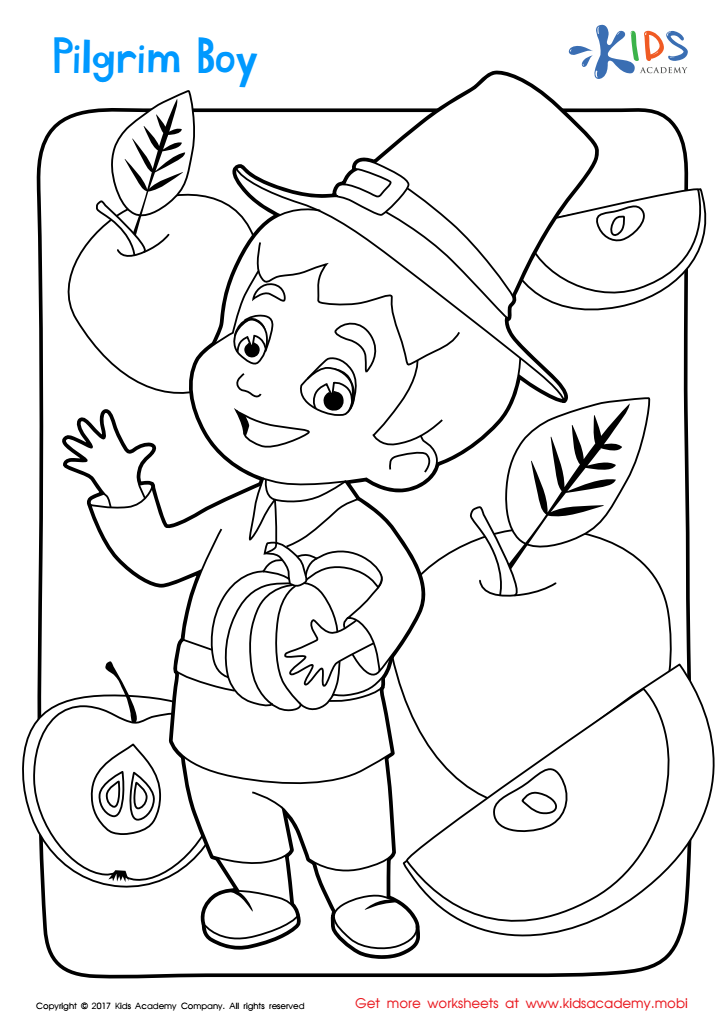
Pilgrim Boy Printable
Assign to My Students
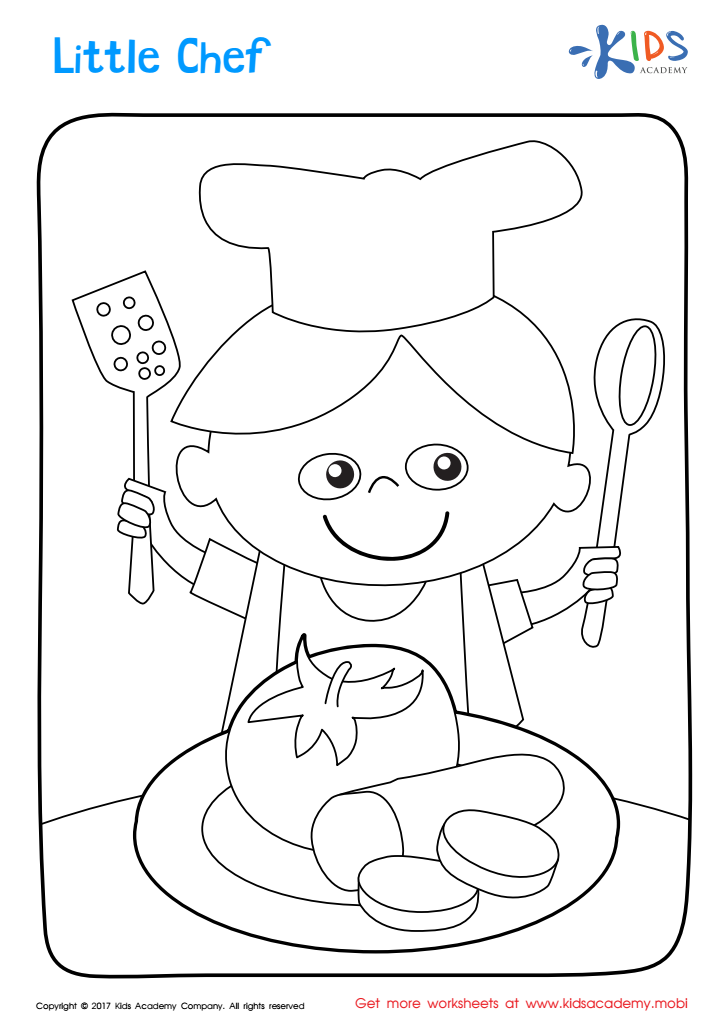
Little Chef Coloring Page
Assign to My Students

Japan Printable
Assign to My Students

Deer Tracing Winter Words Worksheet
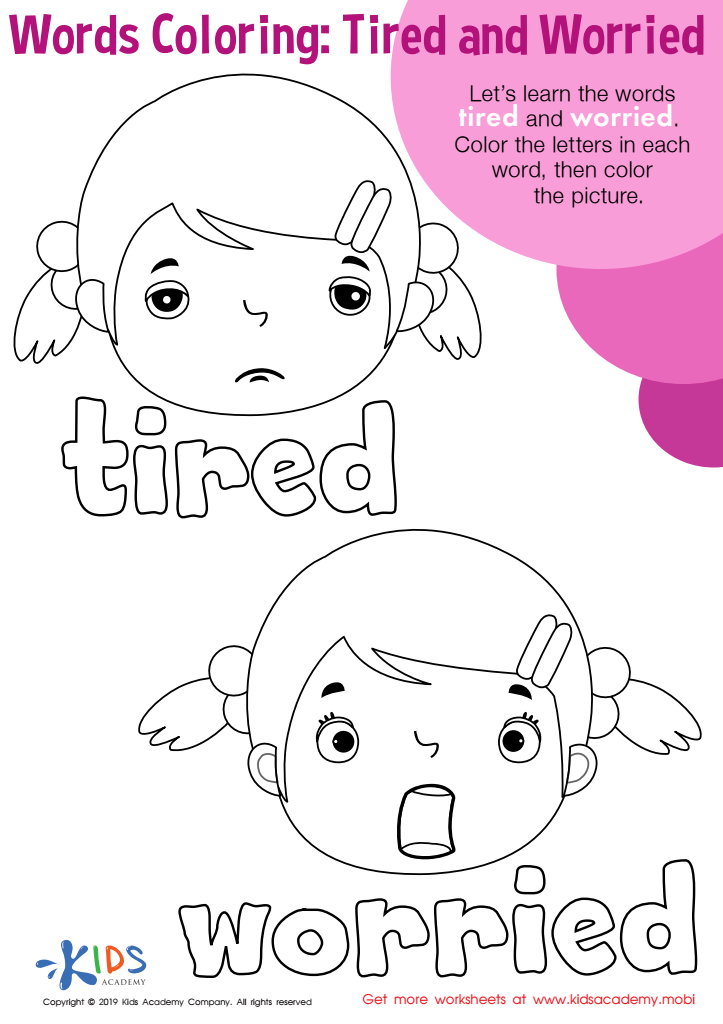
Tired and Worried Words Coloring Worksheet
Assign to My Students







Color recognition is a fundamental skill for young children aged 3-6, and it holds significant importance for both parents and teachers. Understanding colors is a critical part of early cognitive development, influencing children’s ability to categorize, make decisions, and express themselves. Mastering color recognition helps develop language skills; as children learn to name colors, they enhance their vocabulary and communication abilities.
Additionally, recognizing colors supports creativity and excitement during playtime and artistic activities, allowing children to explore their imagination and express their feelings meaningfully. For teachers, incorporating color recognition into the curriculum fosters engagement, as colorful materials and interactive games capture the children's attention and enhance their learning experiences.
From a practical perspective, learning colors aids in everyday tasks, making it easier for children to follow instructions, sort items, and improve their overall organizational skills. For parents, helping children recognize colors lays the groundwork for future learning, providing a foundation for more complex concepts in math and science. Ultimately, nurturing color recognition in early childhood contributes to a holistic development approach, supporting emotional, cognitive, and social growth, making it essential for fostering a well-rounded early learning environment.








