Fine motor skills improvement Easy Worksheets for Ages 3-6
5 filtered results
-
From - To
Discover engaging and easy worksheets specifically designed to improve fine motor skills in children aged 3-6. Our expertly crafted activities focus on enhancing handwriting, cutting, and drawing abilities through fun tracing, coloring, and shape-matching exercises. These worksheets support early learning by strategically promoting finger dexterity, hand-eye coordination, and careful concentration. Ideal for both home and classroom use, they provide a well-rounded approach to essential developmental milestones. Simple yet effective, our fine motor skills improvement worksheets lay a strong foundation for future academic success and everyday tasks, fostering both creativity and coordination in young learners.
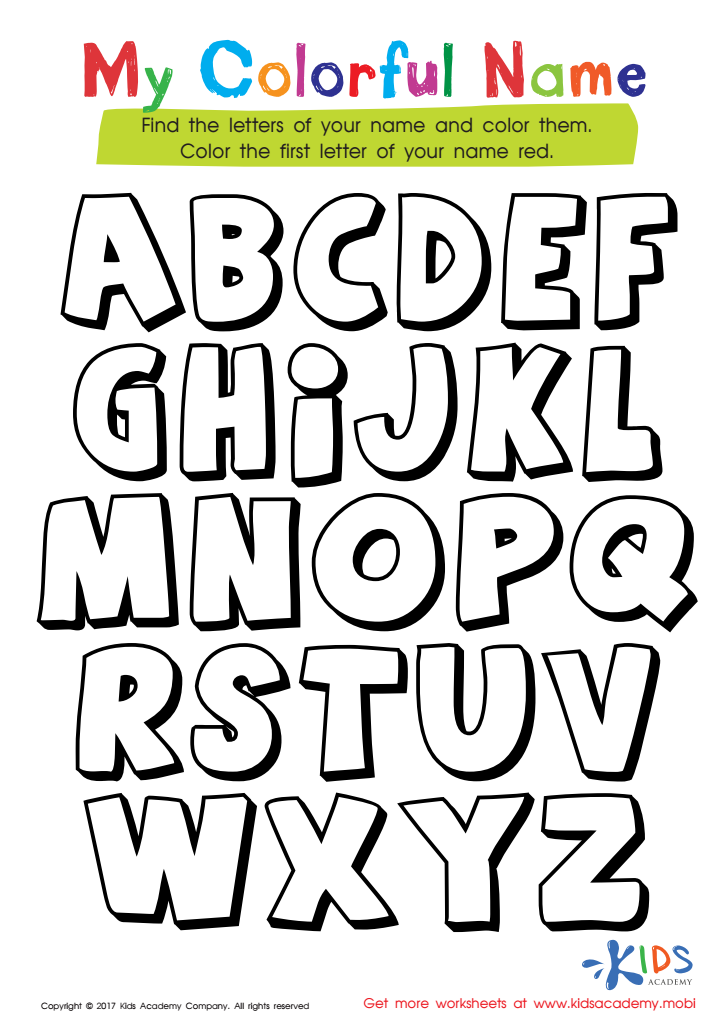
My Colorful Name Worksheet
 Assign to My Students
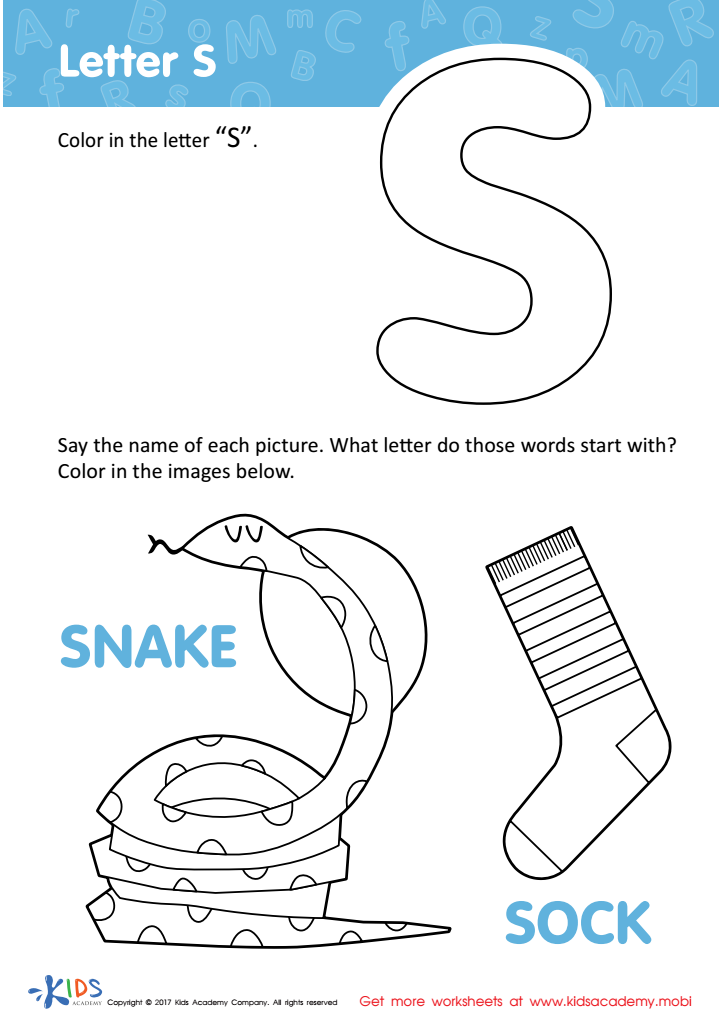
Letter S Coloring Sheet
Assign to My Students
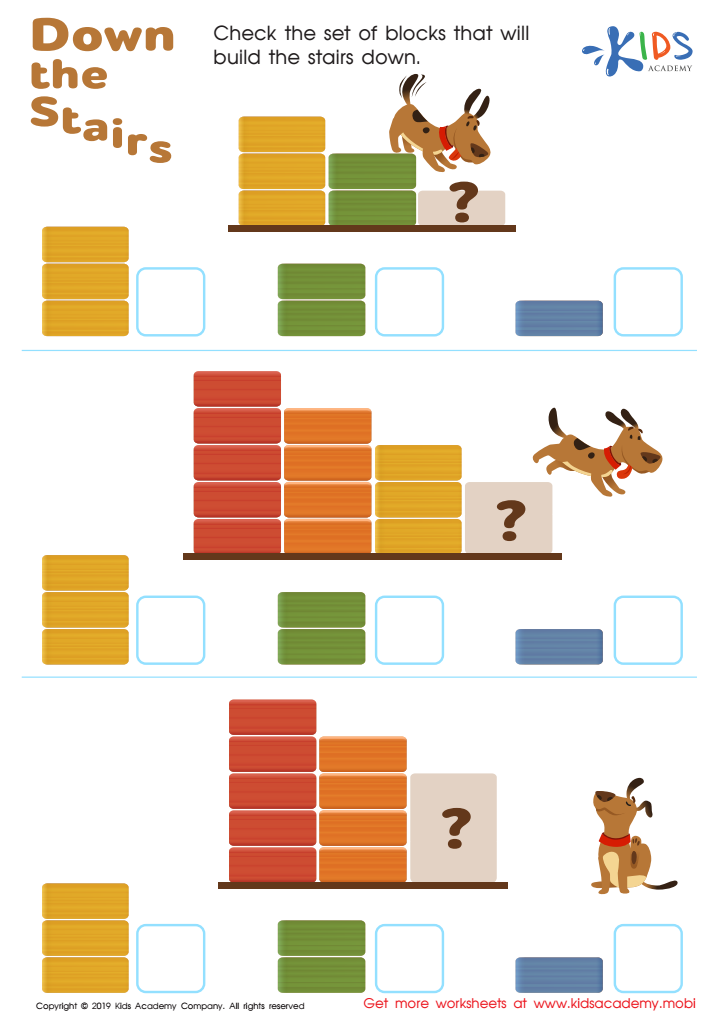
Down the Stairs Worksheet
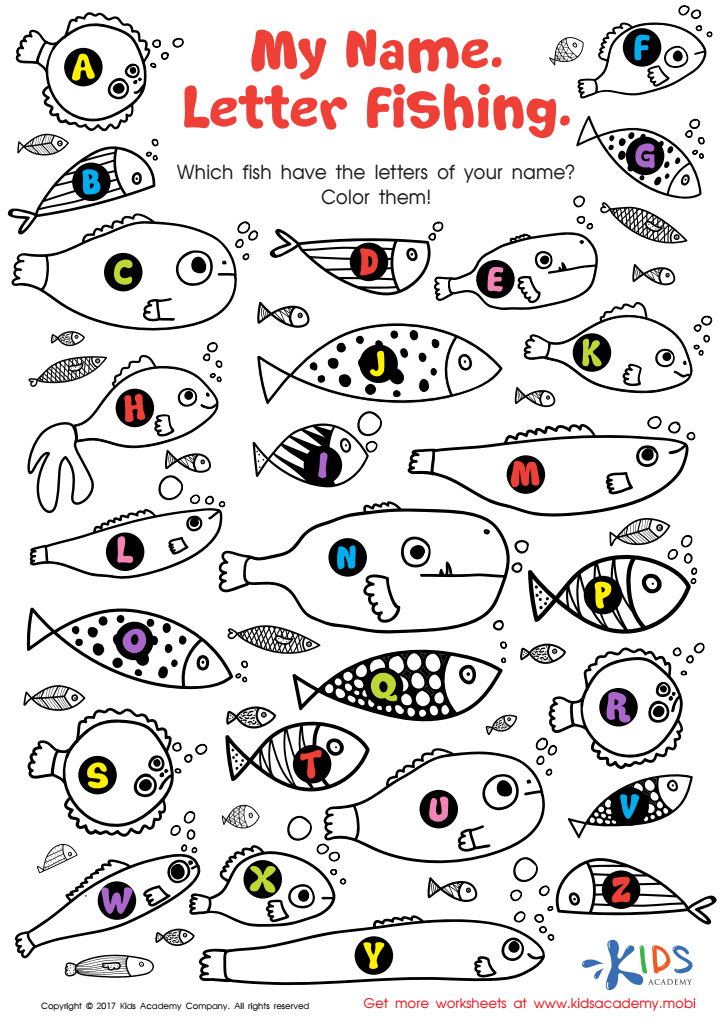
My Name: Letter Fishing Worksheet
Assign to My Students
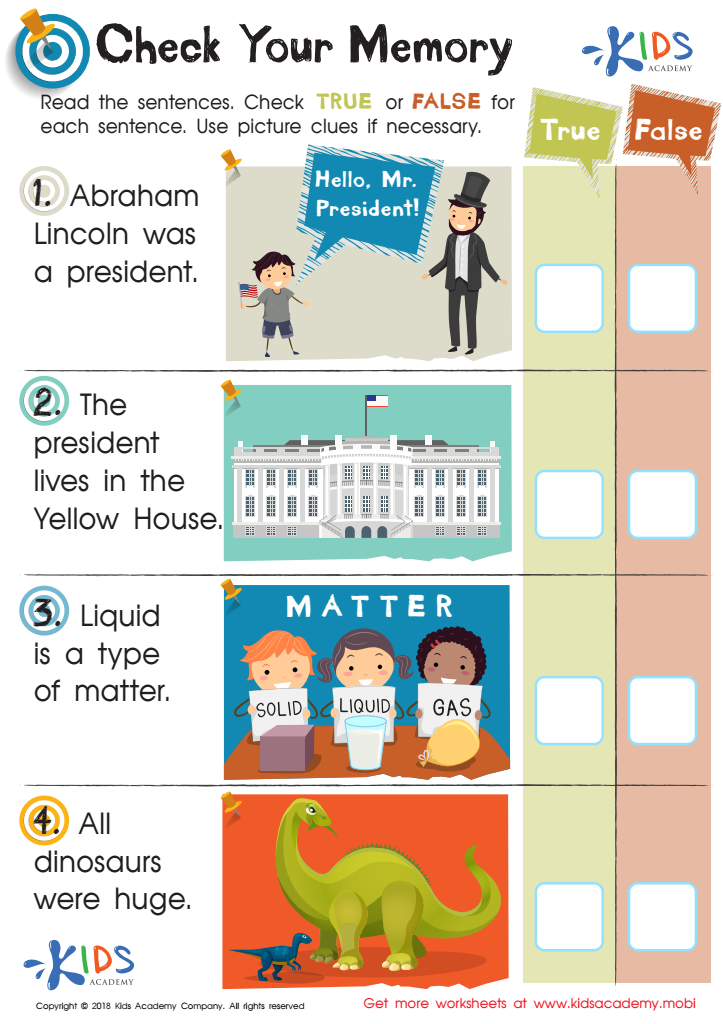
Check Memory Worksheet








Fine motor skills involve the coordination of small muscles, particularly in the hands and fingers, to perform tasks with precision. For children aged 3-6, the development of these skills is crucial for several reasons. Firstly, fine motor skills are foundational for essential academic abilities. Children rely on these skills to hold a pencil, write their names, cut with scissors, and complete puzzles. Early mastery helps them transition smoothly into more complex school activities.
Secondly, fine motor skills play a pivotal role in daily self-care tasks such as buttoning clothes, brushing teeth, and tying shoelaces. Improved dexterity fosters independence, boosting a child's confidence significantly. Being able to perform these tasks without help fosters a sense of accomplishment and self-efficacy.
Additionally, fine motor skills are closely linked to cognitive development. Many fine motor activities require planning, problem-solving, and attention to detail, which stimulate brain growth and enhance cognitive abilities.
Parents and teachers should focus on fine motor skills improvement by incorporating structured and playful activities like drawing, threading beads, or playing with clay. Engaging kids in these activities builds essential skills in a fun, stress-free way, creating a solid foundation for future learning and self-reliance.








