Letter recognition Easy Worksheets for Ages 3-6
14 filtered results
-
From - To
Discover our "Letter Recognition Easy Worksheets for Ages 3-6," designed to make learning the alphabet fun and engaging for young minds. Our carefully structured activities help pre-schoolers and kindergarteners effortlessly grasp letter shapes and sounds through vibrant visuals and interactive tasks. Each worksheet is crafted by educators to progressively build letter recognition skills at a suitable pace for early learners. Perfect for at-home practice or classroom use, these printable worksheets provide a solid foundation for reading and writing. Start your child's literacy journey today with our reliable and enjoyable resources. Visit our site to explore more!
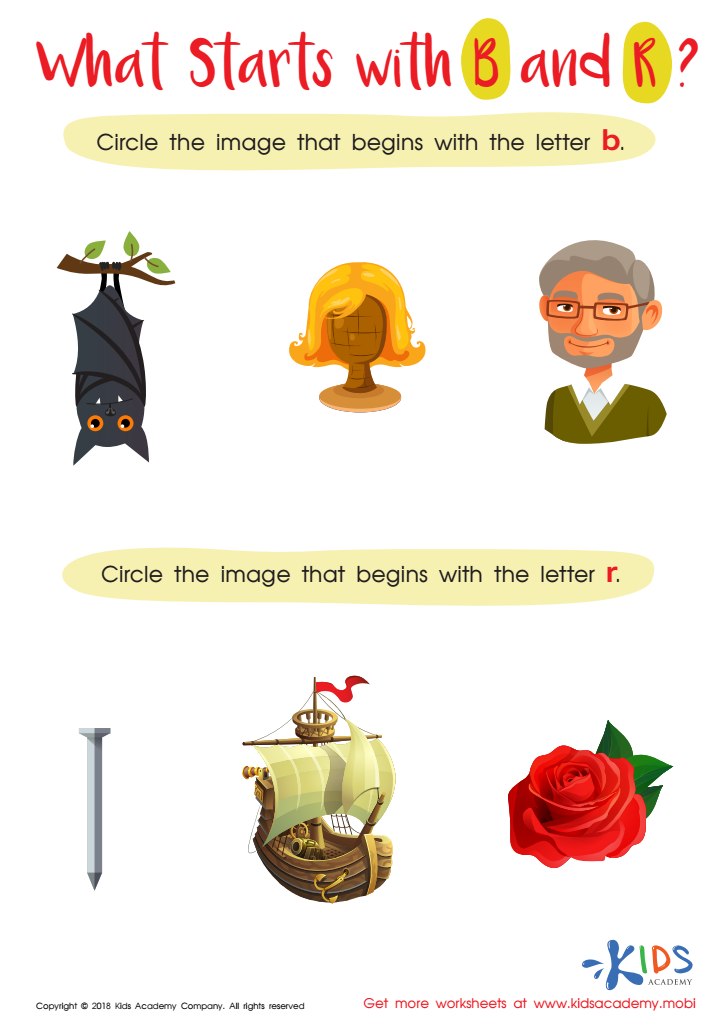
What Starts with B and R? Worksheet
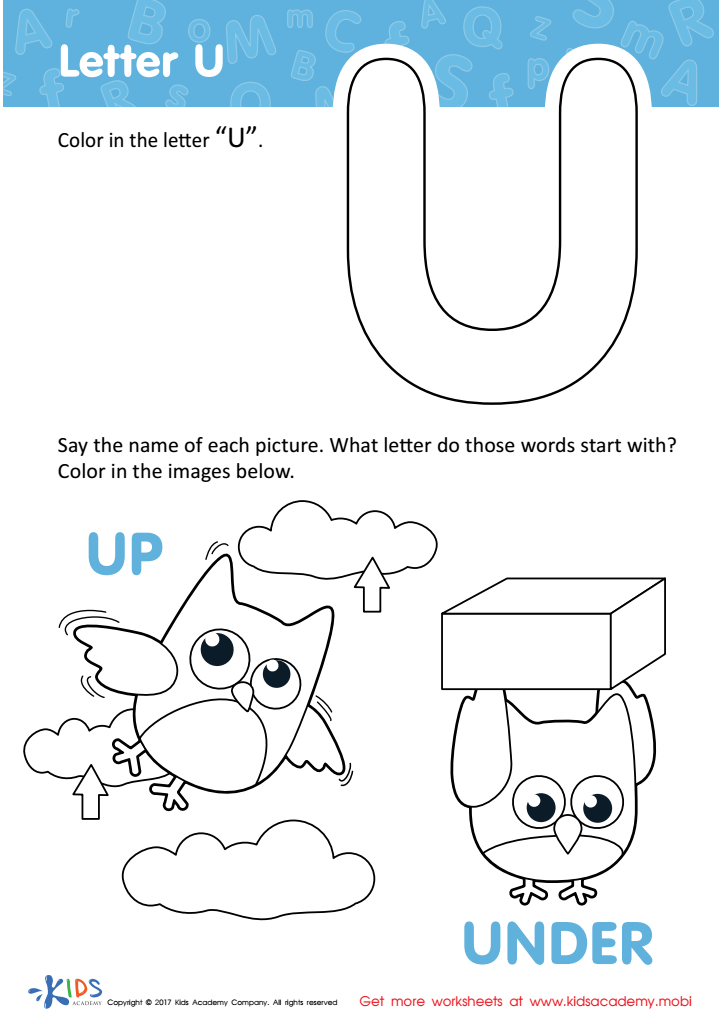
Letter U Coloring Sheet
 Assign to My Students
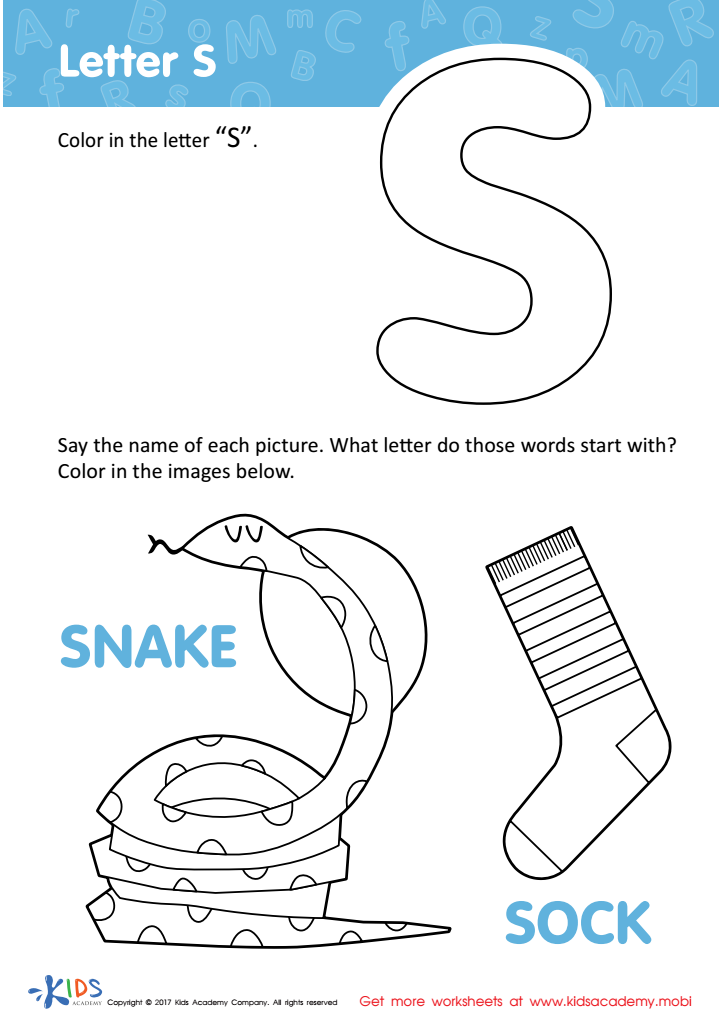
Letter S Coloring Sheet
Assign to My Students
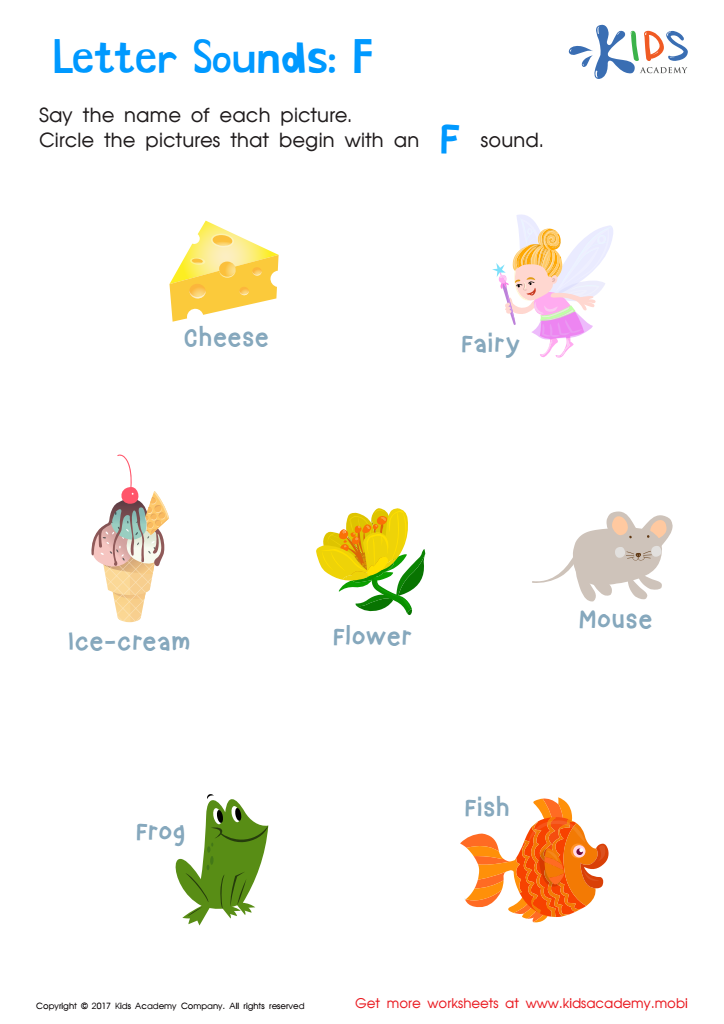
Letter F Sounds Worksheet
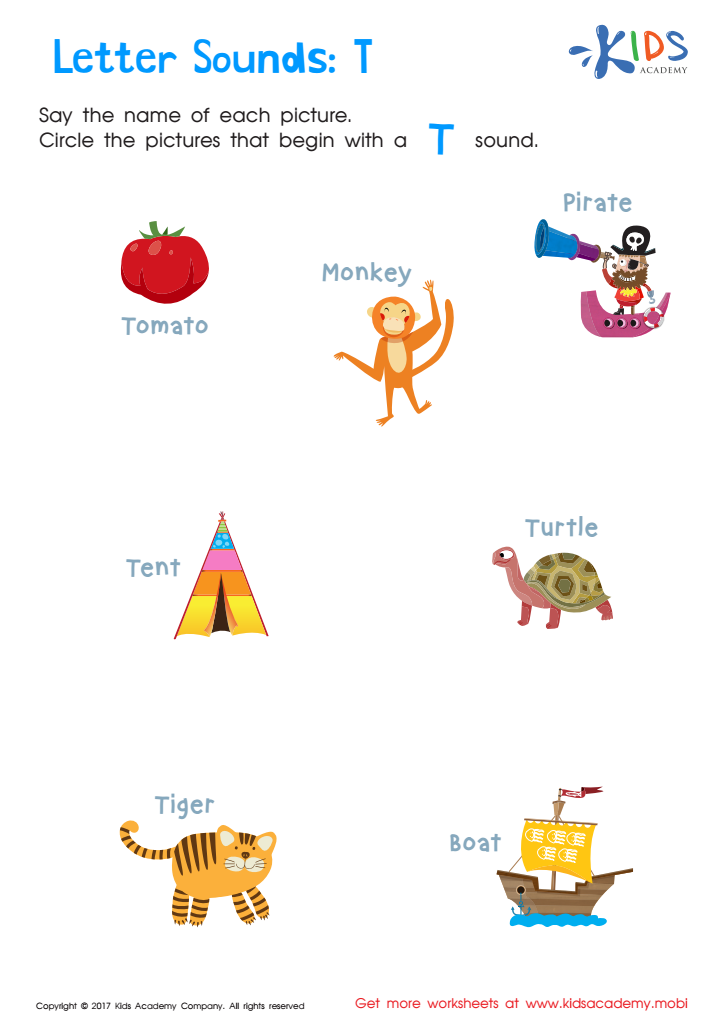
Letter T Sounds Worksheet
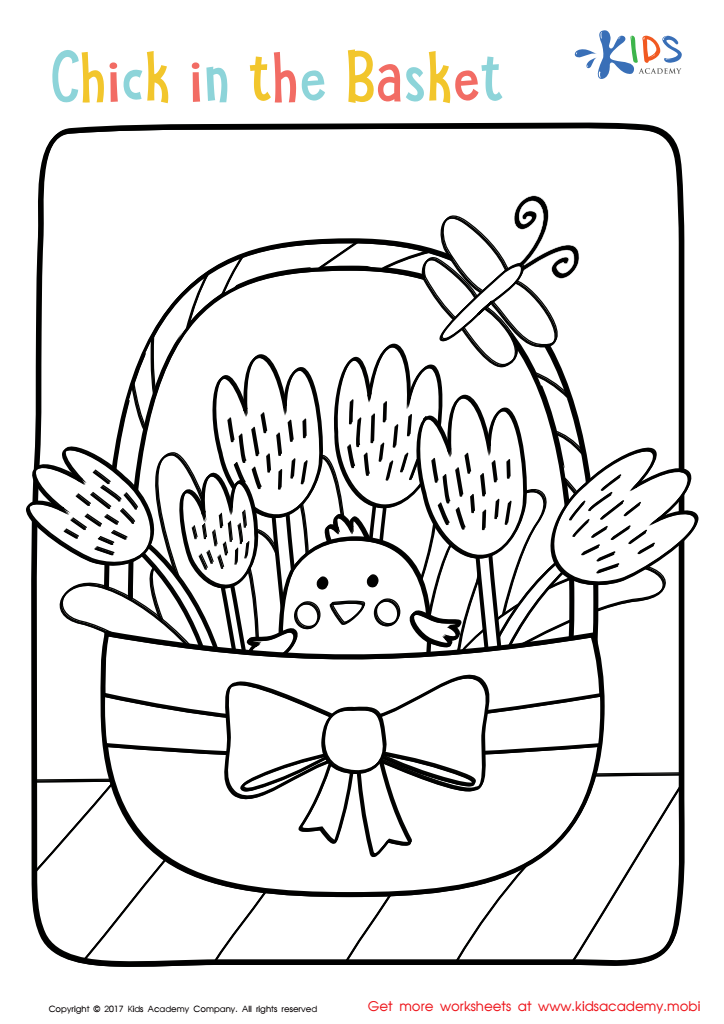
Easter: Chick in the Basket Worksheet
Assign to My Students
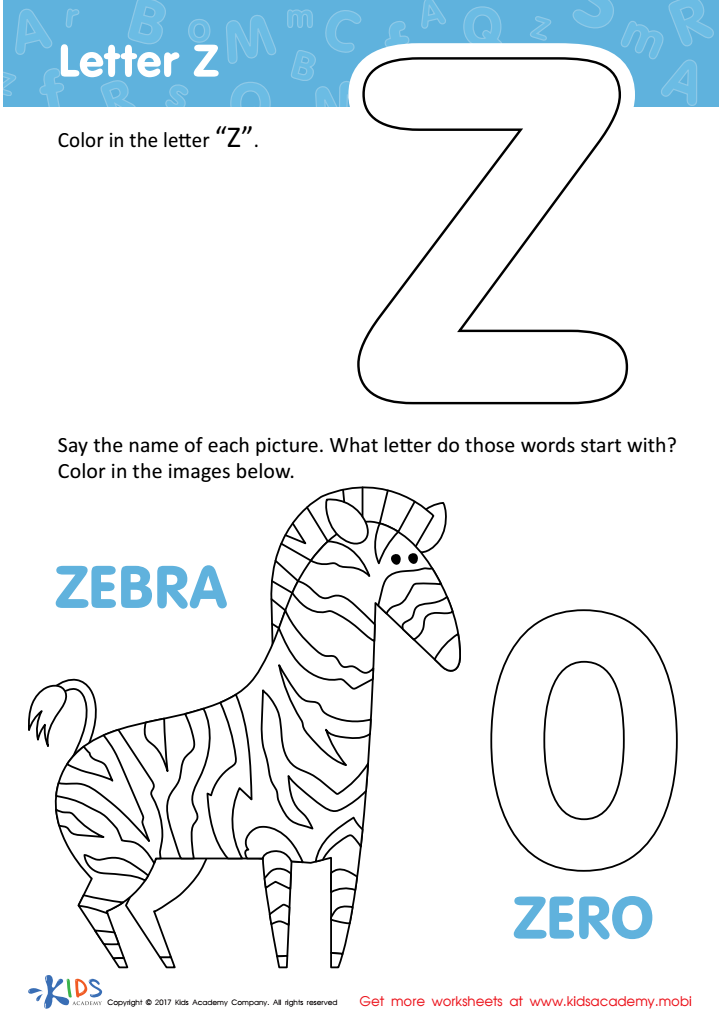
Letter Z Coloring Sheet
Assign to My Students
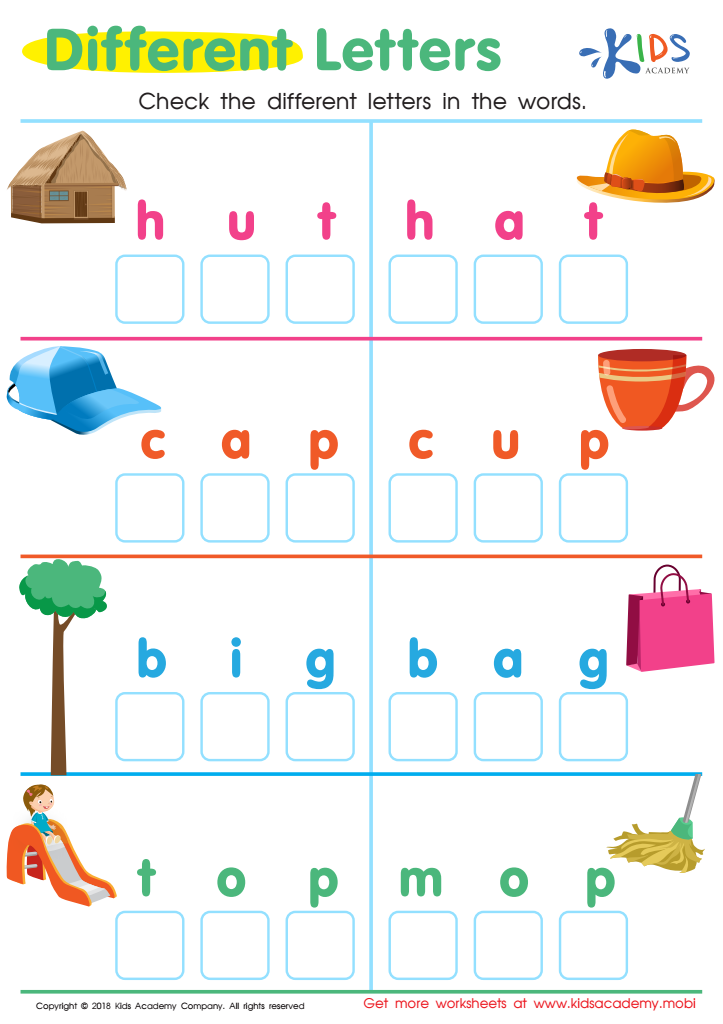
Different Letters Reading Worksheet
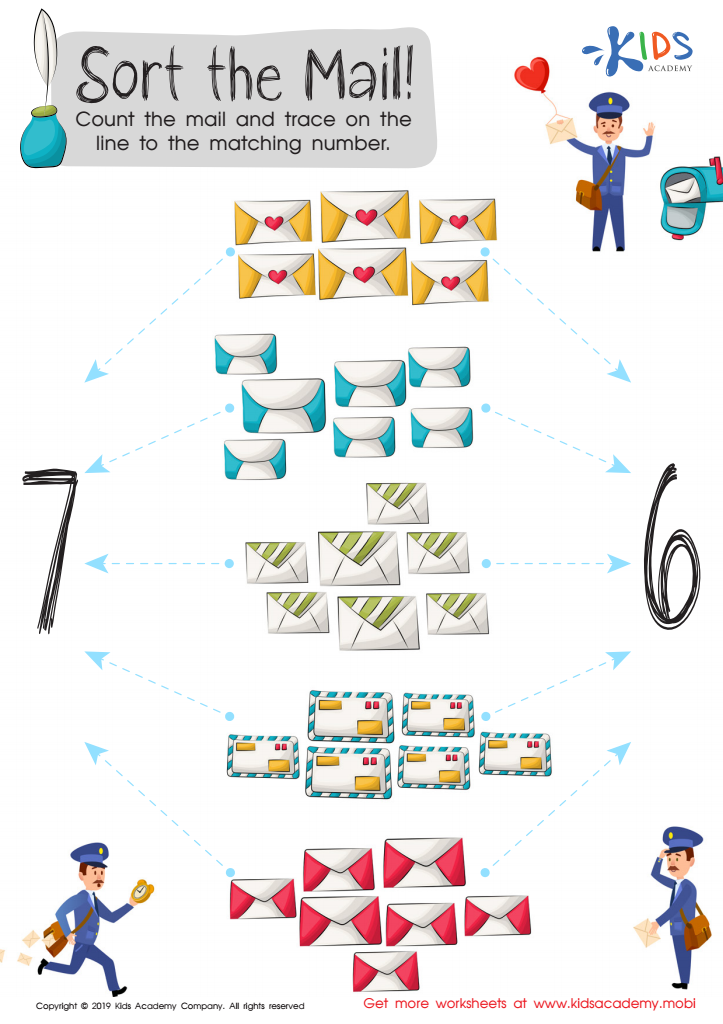
Sort the Mail Worksheet
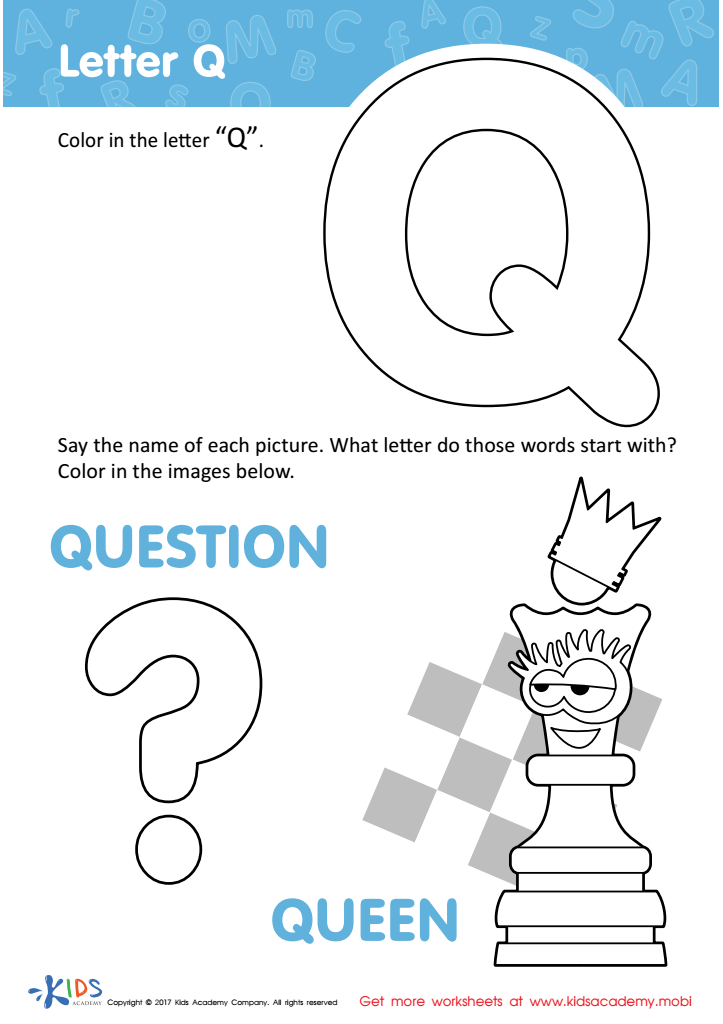
Letter Q Coloring Sheet
Assign to My Students
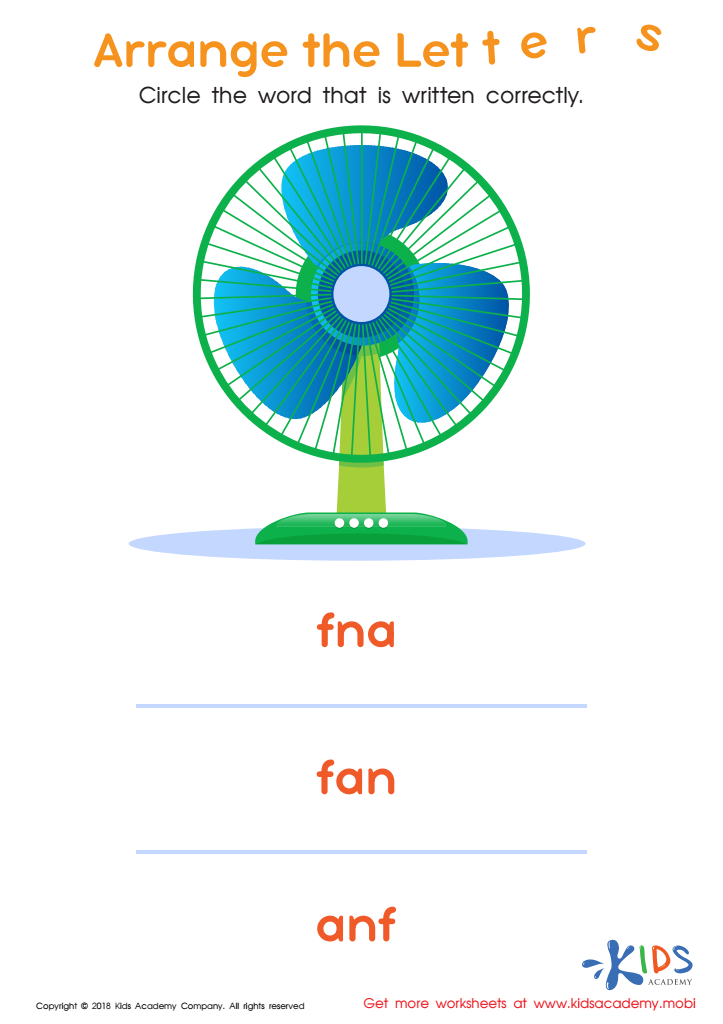
Arrange the Letters Worksheet
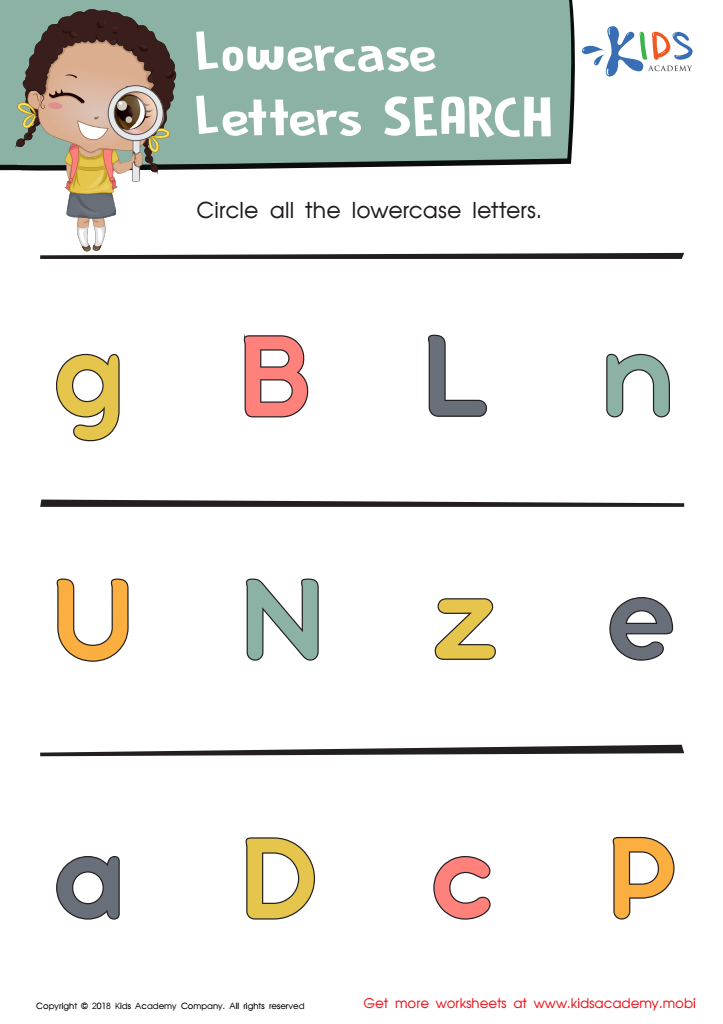
Lowercase Letters Search: Assessment Worksheet
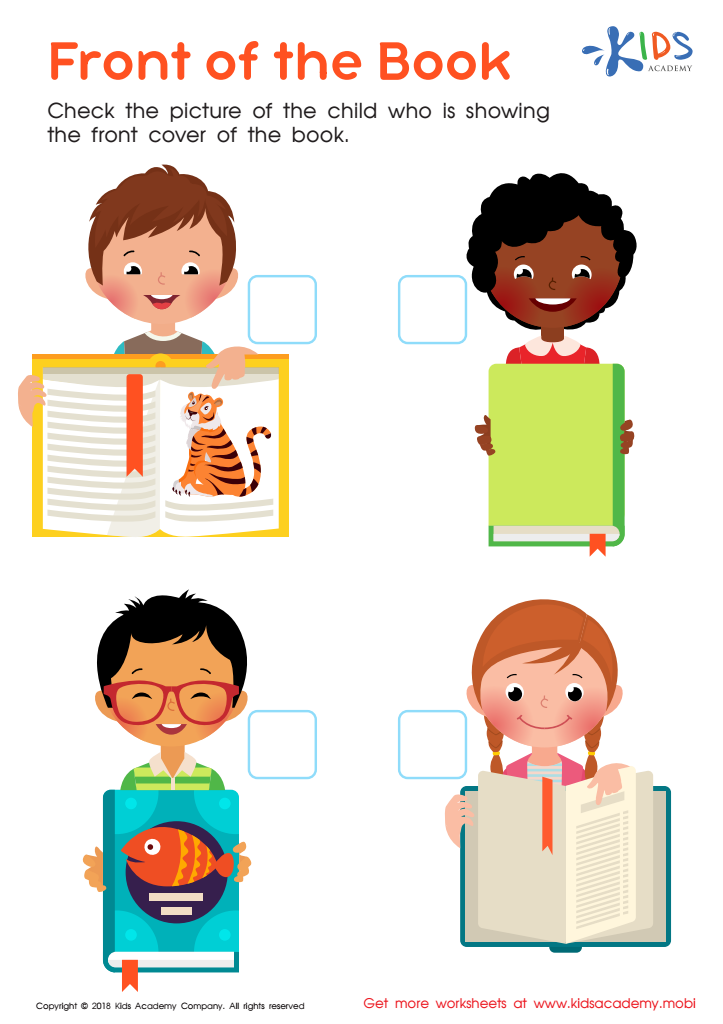
Front of the Book Worksheet
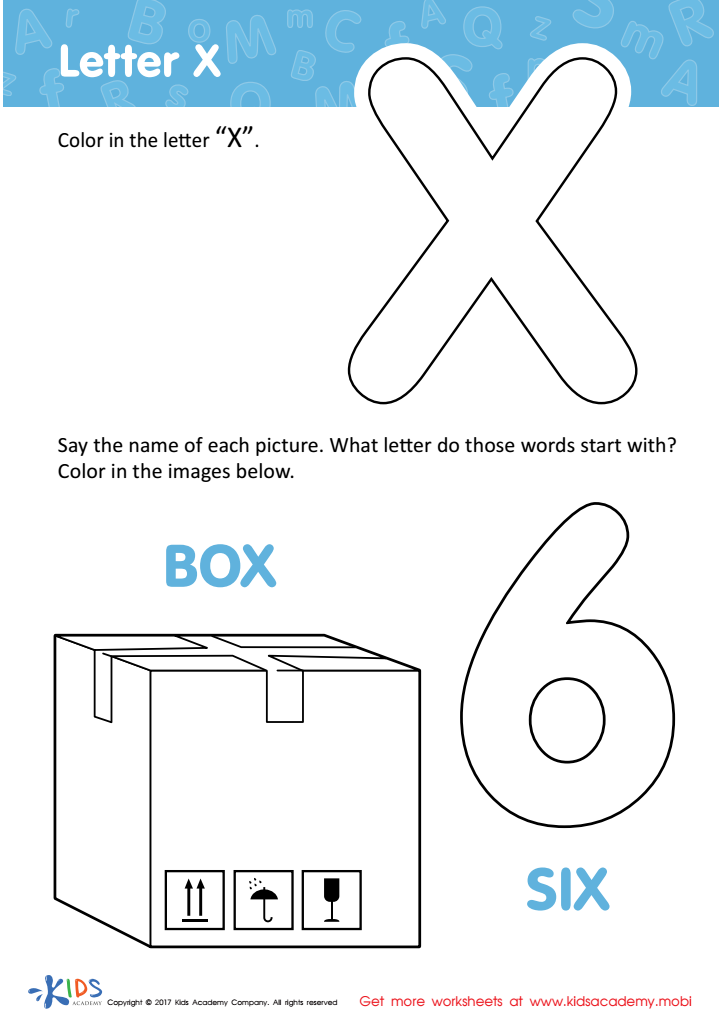
Letter X Coloring Sheet
Assign to My Students








Letter recognition is a fundamental early literacy skill that serves as a cornerstone for young children ages 3-6. Parents and teachers should prioritize this aspect of early education due to its profound implications for a child's future reading and writing abilities.
Firstly, recognizing letters is the first step towards phonemic awareness, enabling children to understand that letters represent sounds which, when blended together, form words. This understanding is crucial for decoding words, spelling, and overall reading fluency.
Secondly, early mastery of letter recognition fosters confidence. When children can effortlessly recognize letters in their environment, they feel more capable and eager to participate in literacy activities. This positive early experience encourages a lifelong love for reading and learning.
Moreover, early letter recognition supports cognitive development. It enhances visual memory and strengthens the ability to recognize patterns, both of which are important for comprehending and navigating the world.
Finally, in an educational setting, early familiarity with letters can ease the transition into more advanced literacy instruction. Children who enter kindergarten with strong letter recognition skills are better prepared to take on reading and writing tasks, setting the stage for academic success.
In summary, recognizing letters early on is vital as it equips children with the necessary skills and confidence for more advanced literacy learning and overall cognitive development.








