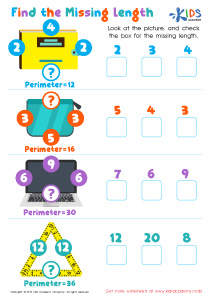
Reading comprehension Easy Subtraction Worksheets for Ages 3-6
3 filtered results
-
From - To
Discover the perfect blend of reading comprehension and basic math skills with our "Reading Comprehension Easy Subtraction Worksheets for Ages 3-6." These engaging worksheets are designed to captivate young minds while helping them master subtraction through fun, interactive reading exercises. Each worksheet combines simple subtraction problems with short, age-appropriate stories, enhancing both math and literacy skills simultaneously. Ideal for young learners, these worksheets provide a solid foundation for future academic success. With vibrant illustrations and easy-to-follow instructions, our worksheets make learning enjoyable and effective. Download now and watch your child’s confidence and skills grow!
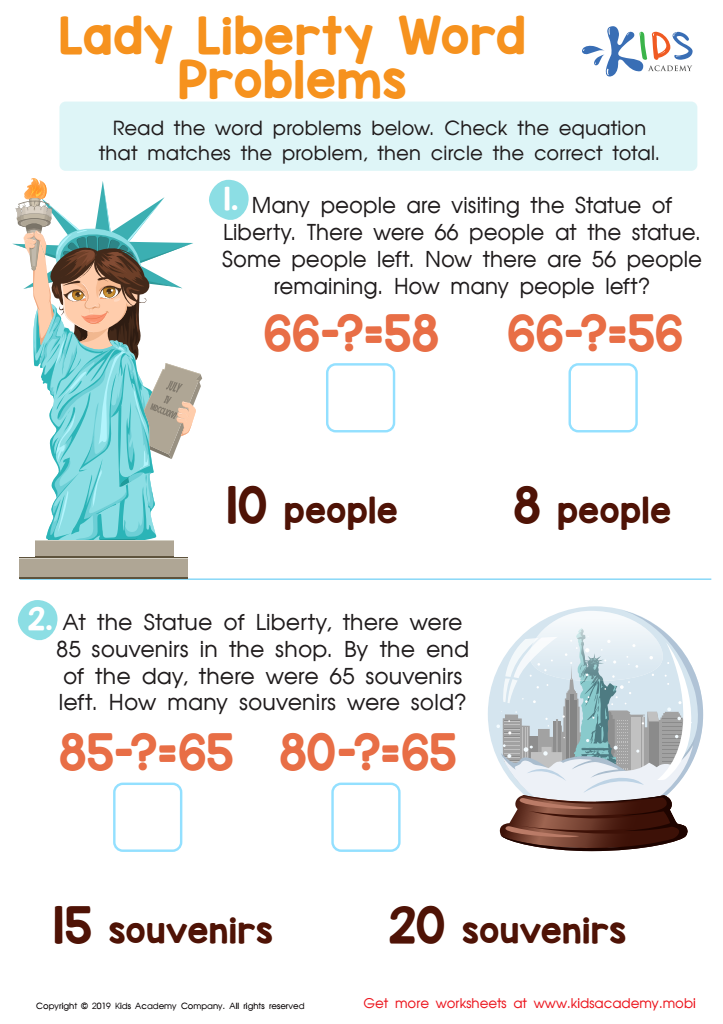
Lady Liberty Worksheet
 Assign to My Students
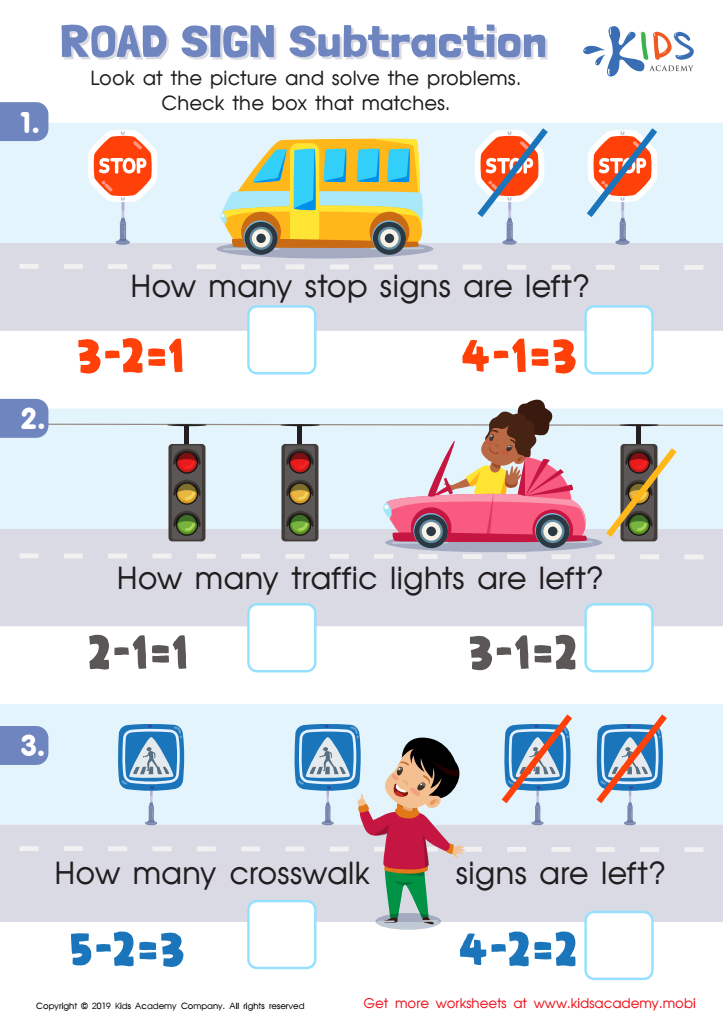
Road Sign Subtraction Worksheet
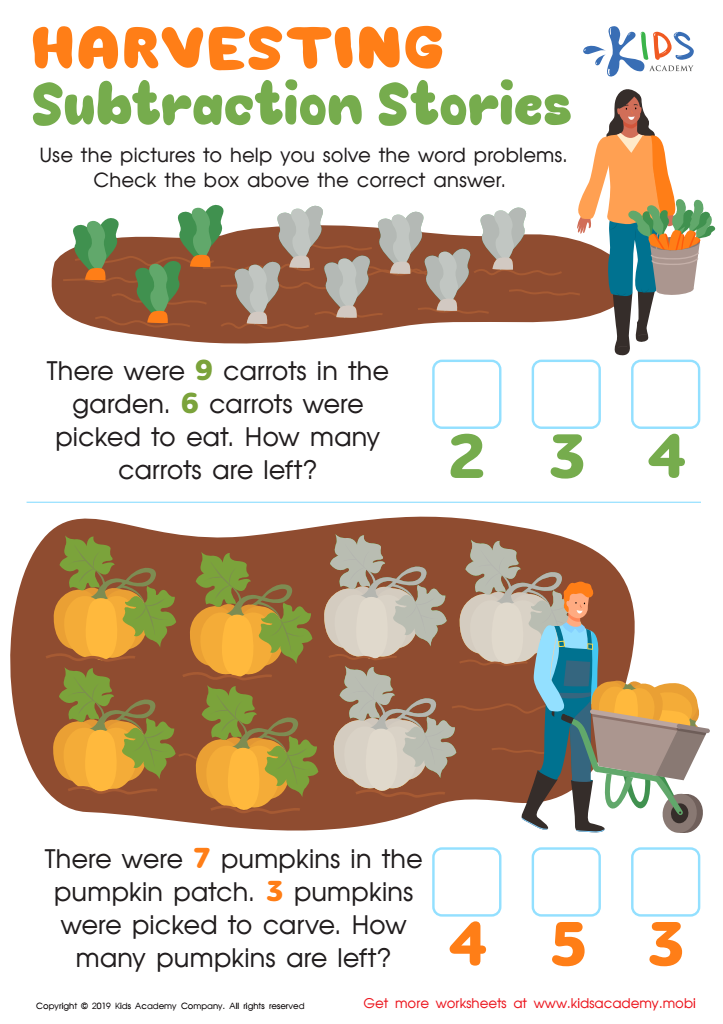
Harvesting Subtraction Stories Worksheet







.jpg)
Reading comprehension and easy subtraction are foundational skills that play a critical role in a child's overall academic development, particularly for ages 3-6. At this early stage, children are rapidly acquiring language skills and basic math concepts, both of which are integral to their future learning success.
Developing reading comprehension at a young age lays the groundwork for effective communication, critical thinking, and the ability to follow instructions. When children understand what they read, they can better grasp stories, instructions, and informational text, which is crucial not just in language arts but across all subjects. This comprehension also fosters a love for reading, encouraging lifelong learning.
Simultaneously, mastering easy subtraction provides a stepping stone toward more complex mathematical reasoning. Early exposure to subtraction helps children understand the concept of taking away, comparing quantities, and resolving real-world problems like sharing and distributing items. This fundamental understanding of numbers and arithmetic promotes logical thinking, problem-solving skills, and confidence in math-related tasks.
For parents and teachers, emphasizing these skills together in the early years supports holistic development. Engaging activities and supportive learning environments can make these concepts fun and accessible, ensuring that young children build a strong foundation for future academic pursuits. By caring about these areas, adults can help children develop the skills they need for lifelong success.